Executive Summary
4G/5G Base Stations covers a structured family of engineered systems that support mission-critical facilities, industrial sites and communication infrastructure. This guide reviews the engineering context, typical challenges, and practical selection considerations for buyers, integrators and operations teams.
A 4G/5G base station is a complete outdoor facility, not a single product. Radio units, antennas, cabinets, backup power and support structures must work as one system on a rooftop, pole, tower or ground site — often in locations with limited power quality, restricted access and harsh weather. This guide covers the four parts of the family — accessories, cabinets, power systems and support structures — and how they are specified together so the site meets coverage, capacity, availability and safety requirements from day one.
Industry Context
Demand for 4G/5G base stations continues to grow as operators upgrade legacy infrastructure and adopt standardized, factory-integrated solutions. Procurement decisions increasingly depend on verified specifications, lifecycle cost and supplier engineering capability rather than price alone.
Base station demand is shaped by three trends. Coverage densification places more smaller sites closer to users, so each site must be delivered faster and in less ideal locations. Energy cost and availability push operators toward efficient power systems with intelligent monitoring and battery backup. And structural and safety requirements tighten as rooftop and pole sites are audited against wind, seismic and access standards.
Engineering Challenge
The main challenge is matching the right configuration to real site conditions: space, load, thermal environment, power availability and maintenance access. A mismatch at specification stage typically leads to rework during installation or higher operating cost.
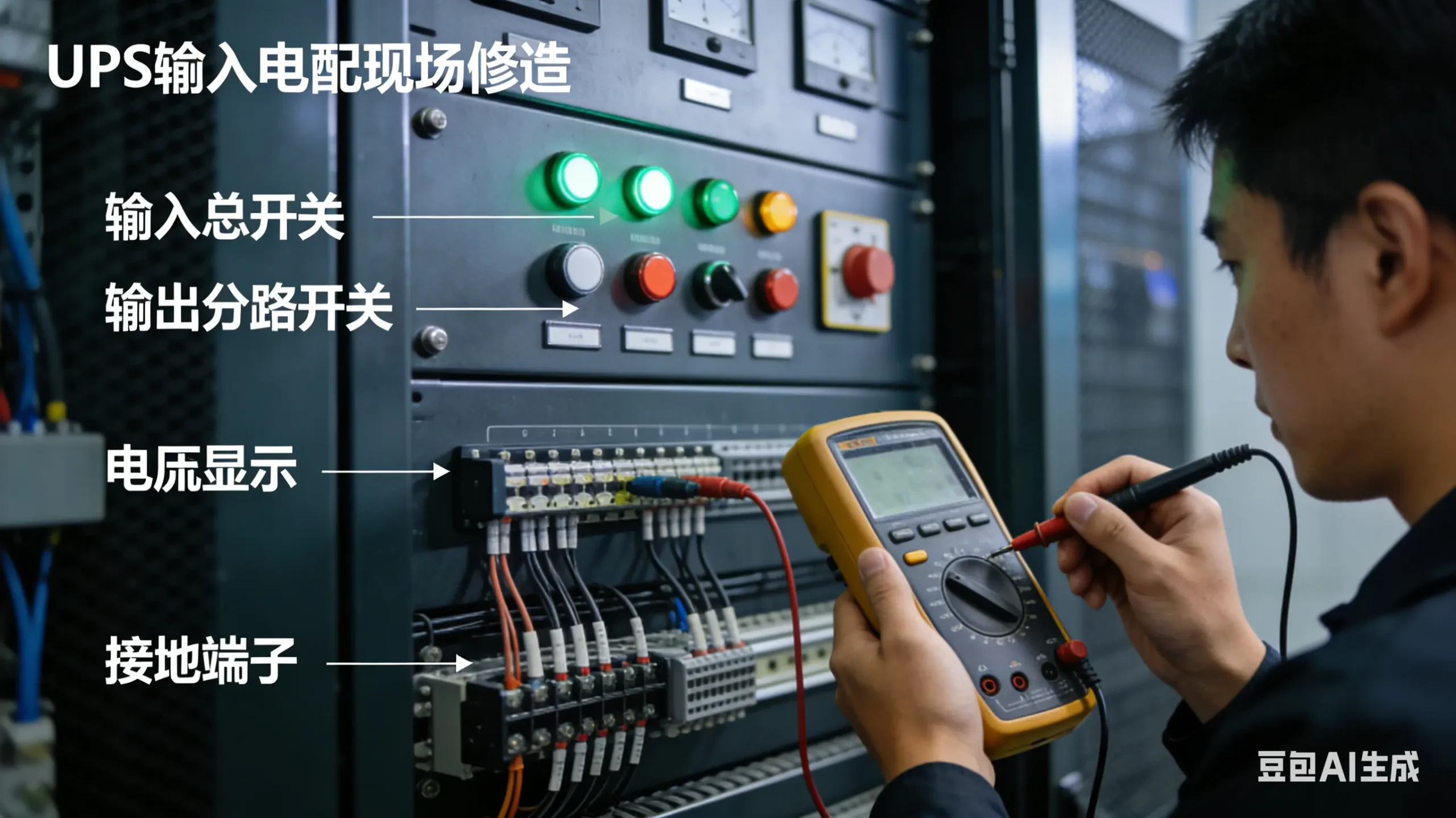
Site problems repeat across operators: power systems undersized for radio load plus backup recharge, battery life shortened by high cabinet temperature, support structures approved for static load but not wind vibration, and cable routing that blocks airflow or exceeds bend radius. Because these failures appear months after installation, they are usually solved with expensive site visits — better to resolve them at specification.
Technical Analysis
Key technical dimensions include structural integrity, thermal performance, electrical safety, environmental protection rating, and integration interfaces. Each subcategory in this family addresses a specific portion of the overall system:
- Base Station Accessories
- Base Station Cabinets
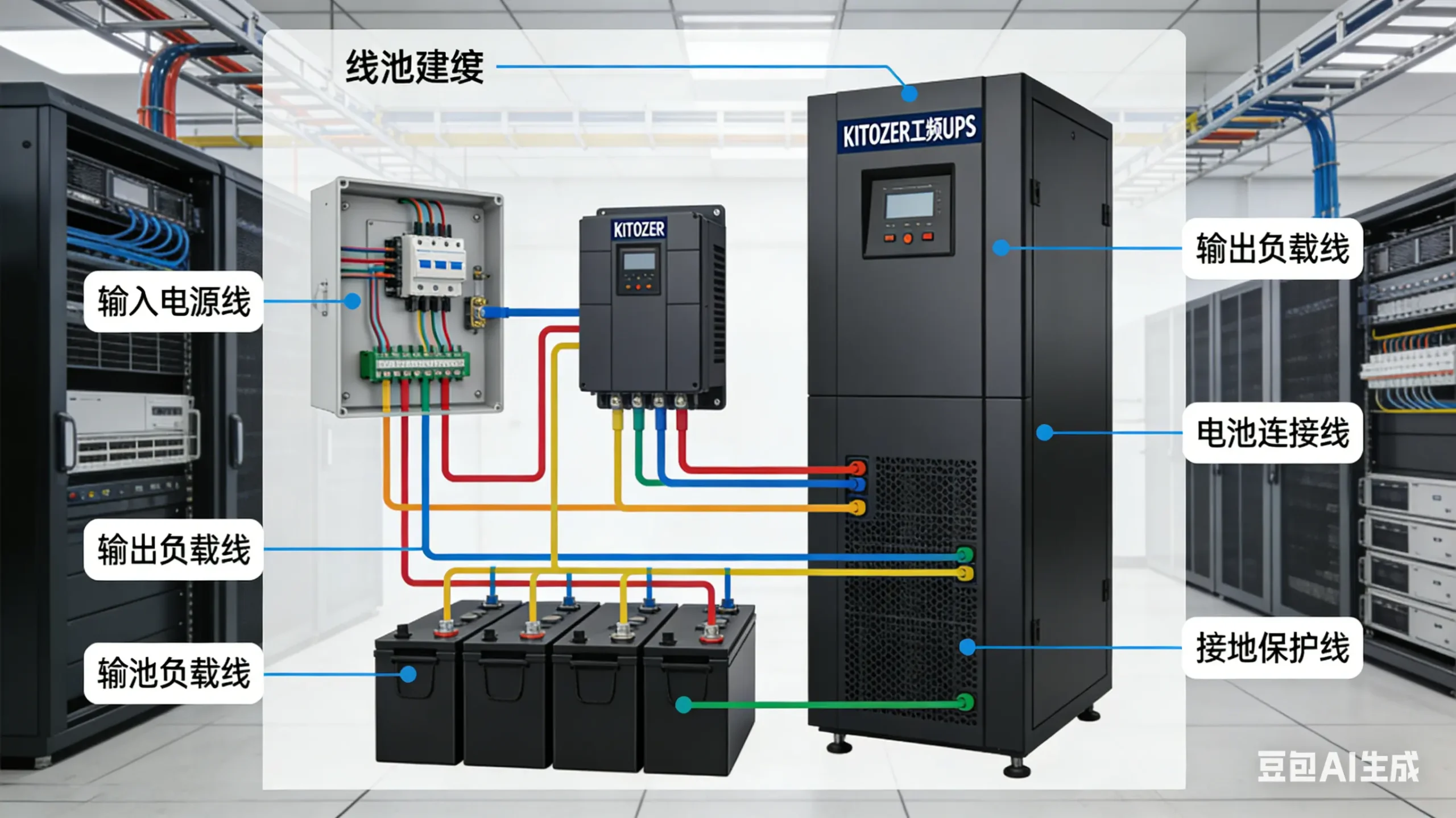
- Base Station Power Systems
- Base Station Support Structures
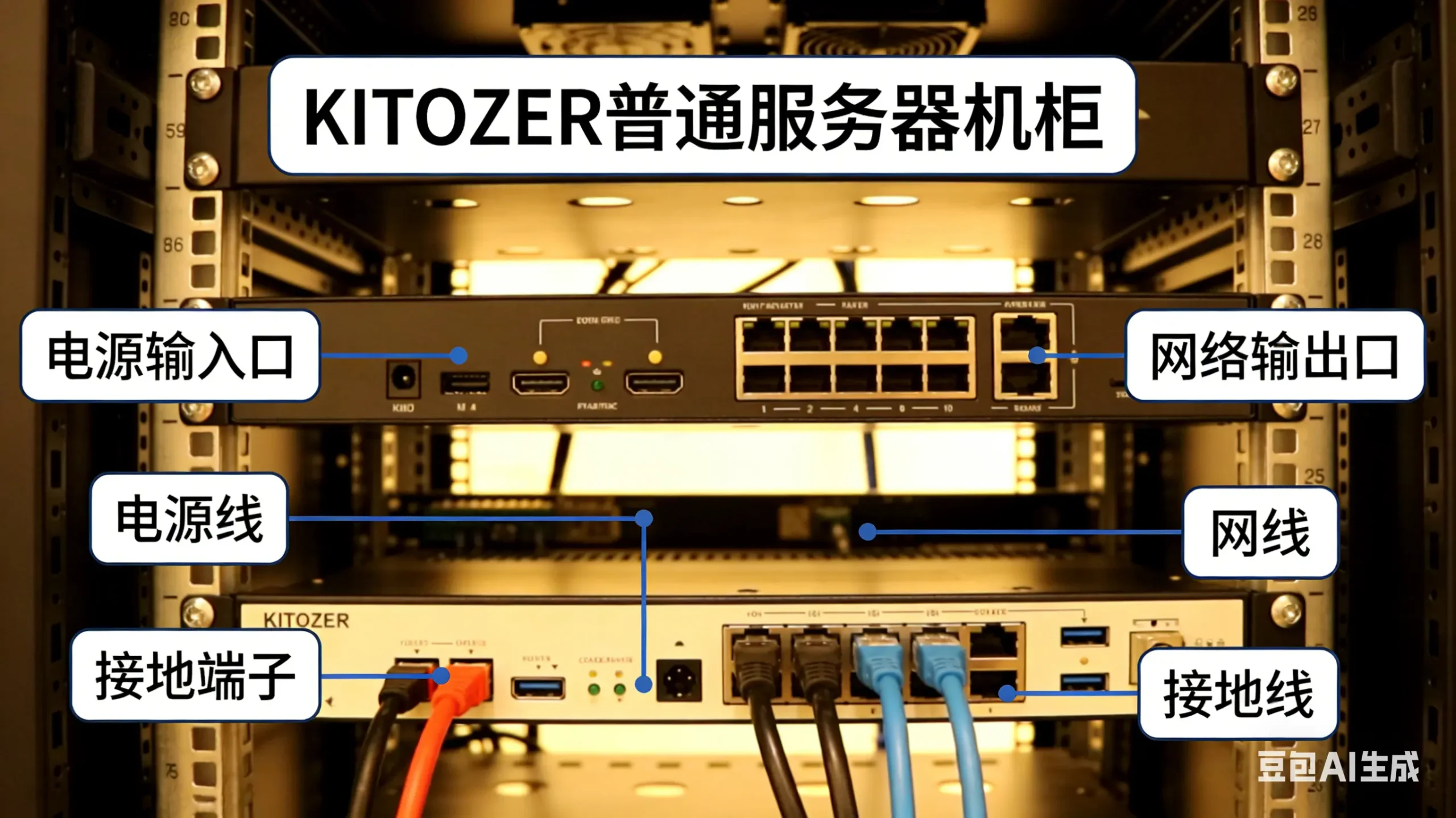
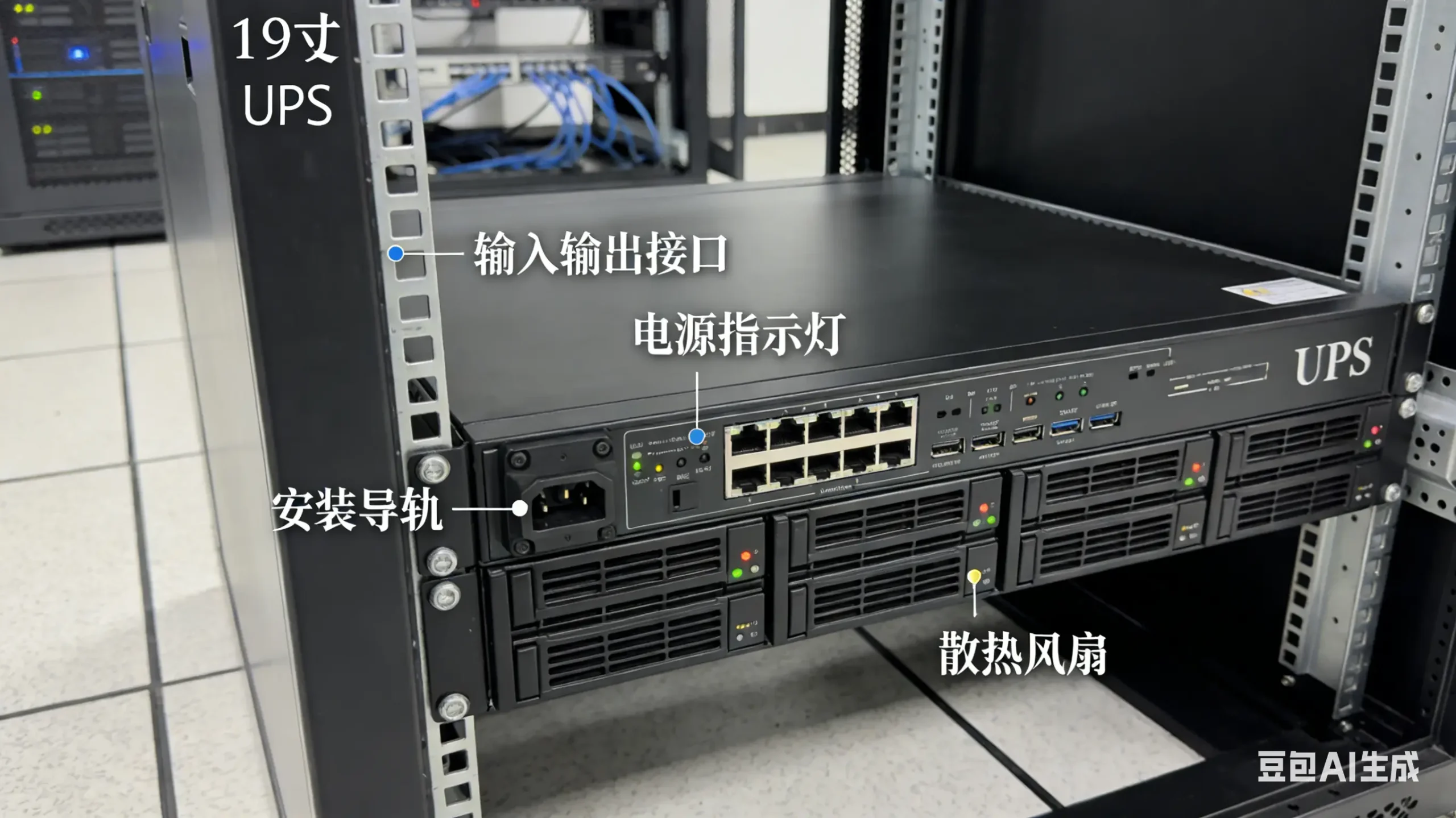
The four parts interlock. Cabinets house and protect the equipment; power systems convert, back up and distribute energy; support structures carry the load and keep antennas at the right height and azimuth; accessories — cable management, grounding, monitoring, environmental control — connect and protect the whole. Power budget drives battery sizing; battery and electronics heat drive cabinet thermal design; thermal and equipment mass drive structure sizing. Specifying any part in isolation shifts the problem to another part of the site.
Application
Typical applications include 4G/5G base stations environments and comparable facilities where reliability and serviceability are mandatory. Site surveys and load calculations are recommended before configuration.
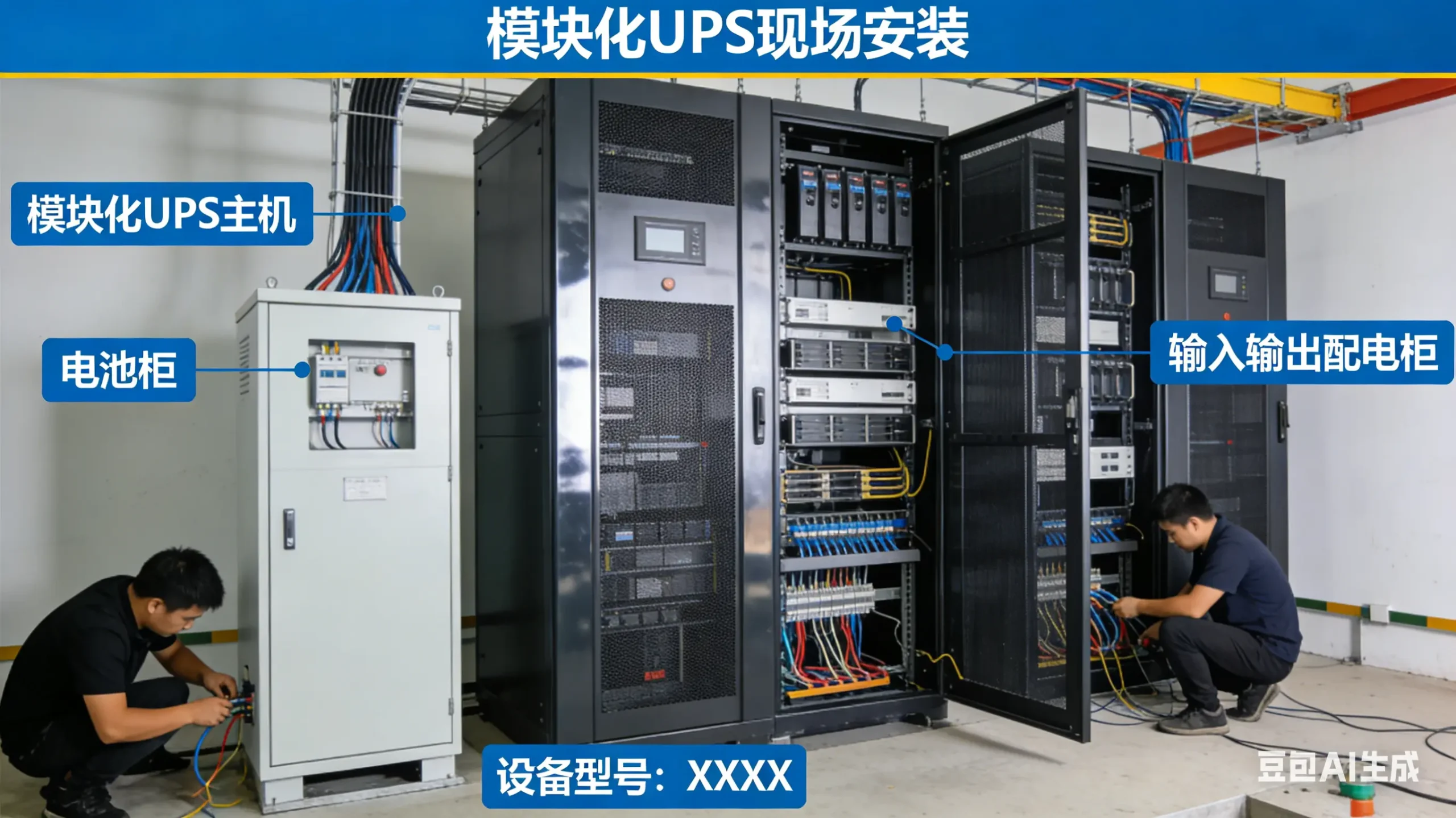
Real deployments follow a fixed sequence. A site survey records coverage objectives, structural capacity, power availability, ambient conditions and access constraints. The radio and antenna plan sets equipment mass and load. The power system is sized for continuous load plus recharge current, with backup duration agreed. The support structure is calculated for the governing wind and seismic case. Finally, integration testing verifies power failover, alarm reporting and environmental control before the site is handed over.
Selection Considerations
When selecting from this family, verify: (1) compatibility with existing infrastructure, (2) environmental conditions such as temperature, humidity and dust, (3) power and cooling budget, (4) maintenance and spare-part strategy, and (5) compliance requirements applicable to your region.
In addition to the five verification points, confirm delivery and lifecycle items that decide site risk: structural calculations signed for the specific location, power system load and autonomy calculations, battery chemistry and expected service life at the design temperature, monitoring and alarm interface compatibility, and spares and maintenance plan. For rooftop or coastal sites, request coating and corrosion specifications together with the mounting design.
Frequently Asked Questions — Quick Reference
1. What does the 4G/5G base station family cover?
Four parts: base station accessories (cable management, grounding, monitoring), cabinets, power systems (rectifiers, batteries, distribution) and support structures (poles, towers, mounts).
2. How is base station power capacity sized?
Continuous radio load plus recharge current for the agreed backup duration, with margin for future carriers and efficiency losses. Backup autonomy is set by the operator’s availability target.
3. Which battery technology is used in base stations?
Both lead-acid and lithium are common. Lithium gives higher energy density and longer cycle life at higher ambient temperature, while lead-acid remains cost-effective for shorter autonomy.
4. Why does cabinet temperature affect battery life?
Battery service life falls sharply as temperature rises, so cabinet thermal design directly determines replacement cost. Cooling or shading the battery compartment is often the cheapest lifecycle decision on the site.
5. How are support structures calculated?
Against the governing wind speed for the location, ice and seismic where applicable, plus equipment and antenna wind area. Calculations are site-specific and signed before fabrication.
6. What causes most site failures?
Undersized power or battery, thermal excursions inside the cabinet, and structures or mounts that were not designed for the real wind condition. All three are specification issues.
7. Can existing sites be upgraded rather than rebuilt?
Yes. Upgrades usually replace the power system and batteries, add monitoring, and reinforce or replace the support structure where the new load requires it, keeping the site live throughout.
8. What monitoring should be included?
Mains and rectifier status, battery voltage and temperature, cabinet temperature and door status, and alarm reporting over the operator’s standard interface.
9. What site data is needed before specification?
Coverage objective, structural capacity, power supply quality and capacity, ambient extremes, access constraints, and the antenna and equipment load plan.
10. What should be verified at handover?
Power failover and battery autonomy under load, alarm reporting, cabinet temperature at design ambient, structural bolt torque, grounding continuity and cable termination quality.
Conclusion
A structured, category-level approach to 4G/5G base stations procurement reduces risk and total cost. KITOZER supports customers from specification to commissioning; contact the engineering team for verified datasheets and project support.
Related Products
Explore the KITOZER 4G/5G Base Stations product range for related solutions and configurations.
Related Articles
4G/5G Base Stations: Technical FAQ
4G/5G Base Stations: Engineering Considerations
About Guangzhou Lain Intelligent System Development Co., Ltd.
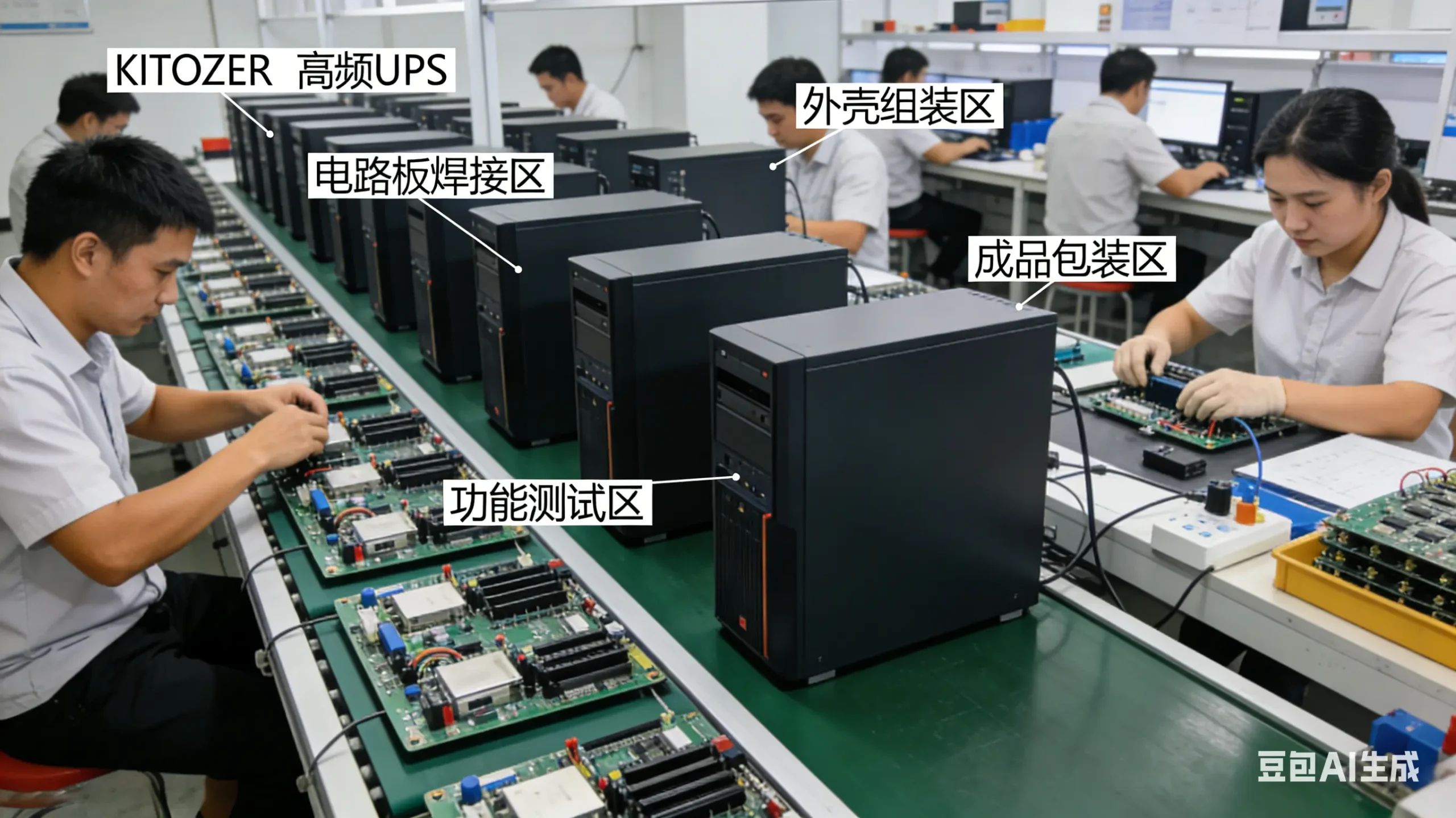
Guangzhou Lain Intelligent System Development Co., Ltd. (KITOZER) supplies and integrates 4G/5G base stations — engineered, tested and supported as one coordinated system for telecom, grid and industrial sites. From single rooms to enterprise facilities, Lain provides design, manufacturing, integration, testing and after-sales service under one roof and exports worldwide.
Contact us for a free technical consultation:
- Company: Guangzhou Lain Intelligent System Development Co., Ltd.
- Address: 1st Floor, Building A, Chaotian Industrial Park, Zhongrun Industrial Park, Shilou Town, Panyu District, Guangzhou, Guangdong, China
- Tel/WeChat: +86 135-0923-8849 | +86 135-0923-8849
- WhatsApp: +86 135-0923-8849
- Email: zl19068534140@gmail.com
- Website: www.gdlain.com | Request a Quote
Typical response time: within one business day. Project references, drawings and samples are available on request.