Executive Summary
Information Security Equipment covers a structured family of engineered systems that support mission-critical facilities, industrial sites and communication infrastructure. This guide reviews the engineering context, typical challenges, and practical selection considerations for buyers, integrators and operations teams.
Information security equipment protects data and the media that carries it at the physical layer. Policies and software stop many threats, but signal leakage, physical access and electromagnetic emanation are handled by the enclosure, the room and the control system. This guide covers the three parts of the family — intelligent control, secure storage and shielded security equipment — and how they are combined so a facility’s physical protection matches its information classification.
Industry Context
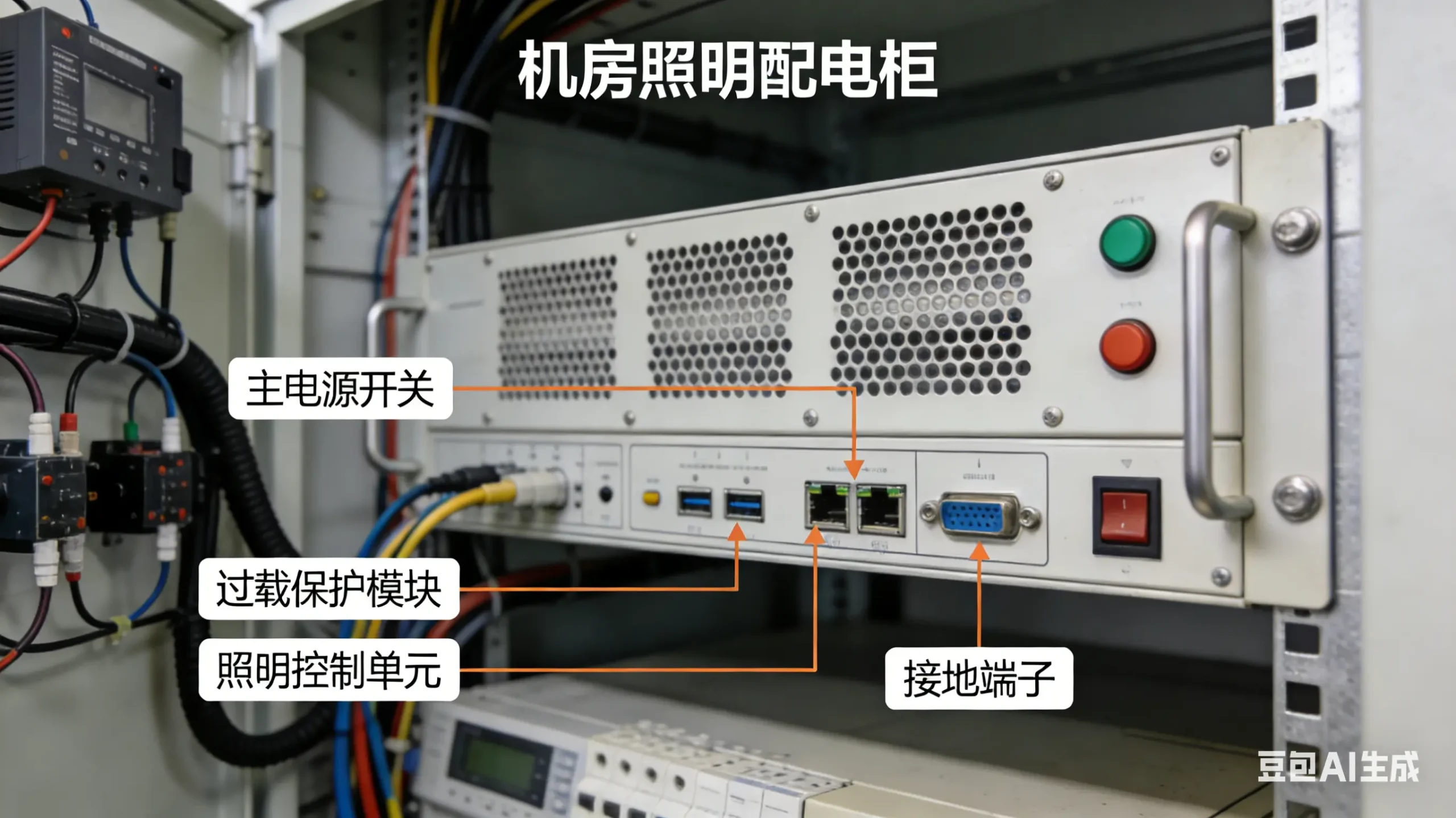
Demand for information security equipment continues to grow as operators upgrade legacy infrastructure and adopt standardized, factory-integrated solutions. Procurement decisions increasingly depend on verified specifications, lifecycle cost and supplier engineering capability rather than price alone.
Demand grows under three pressures. Data protection rules now require demonstrable physical safeguards, not only access policies. Secure facilities must defend against both intrusion and electromagnetic eavesdropping. And operators want security equipment that integrates with existing access control and monitoring rather than standing alone.
Engineering Challenge
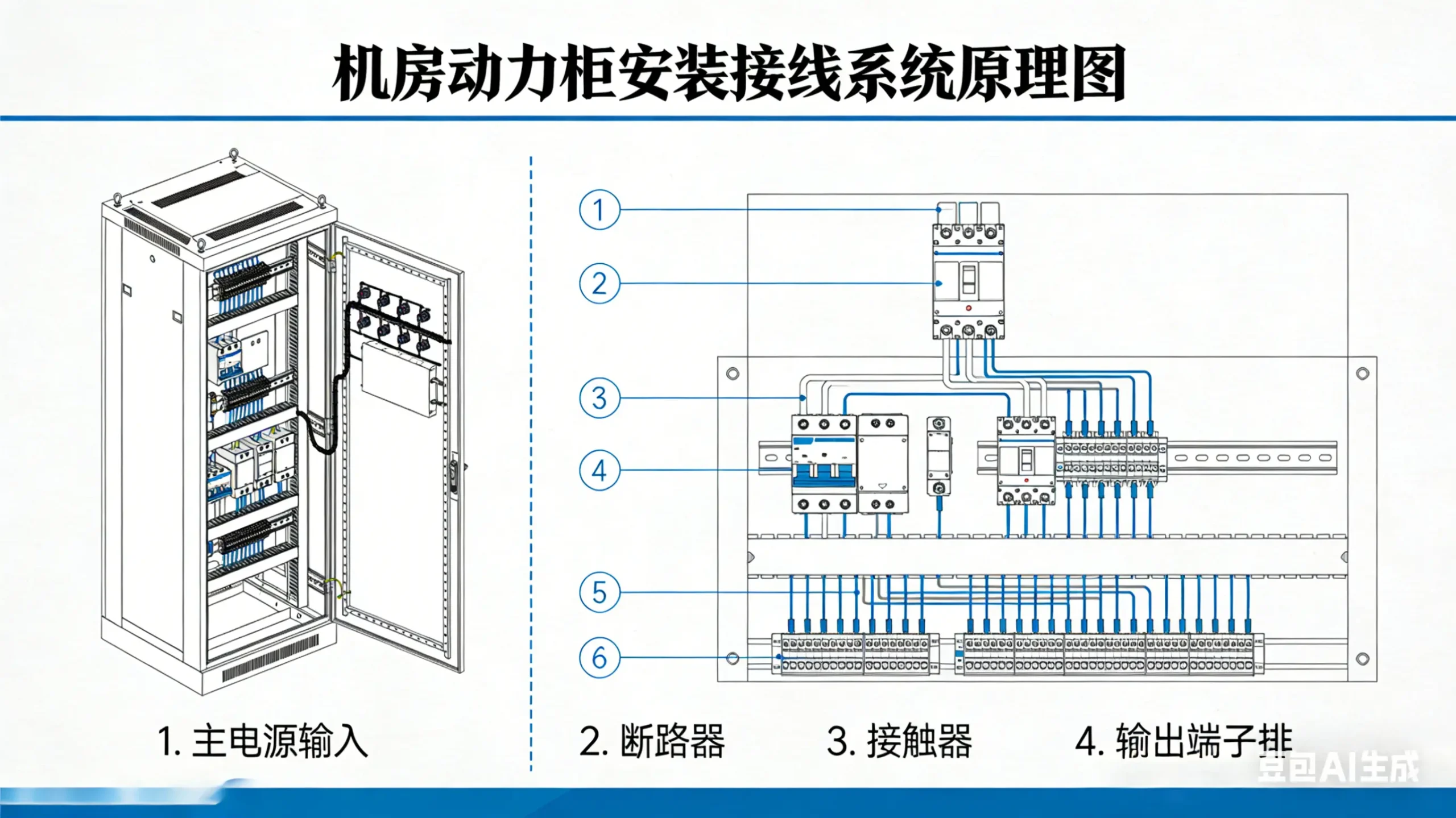
The main challenge is matching the right configuration to real site conditions: space, load, thermal environment, power availability and maintenance access. A mismatch at specification stage typically leads to rework during installation or higher operating cost.
Security gaps usually appear at integration points. A hardened rack is undermined by an unprotected cable route; a shielded room is bypassed by a shared power circuit; an access-controlled cabinet is defeated by an unmanaged key. Effective protection depends on treating control, storage and shielding as one system with no unprotected path.
Technical Analysis
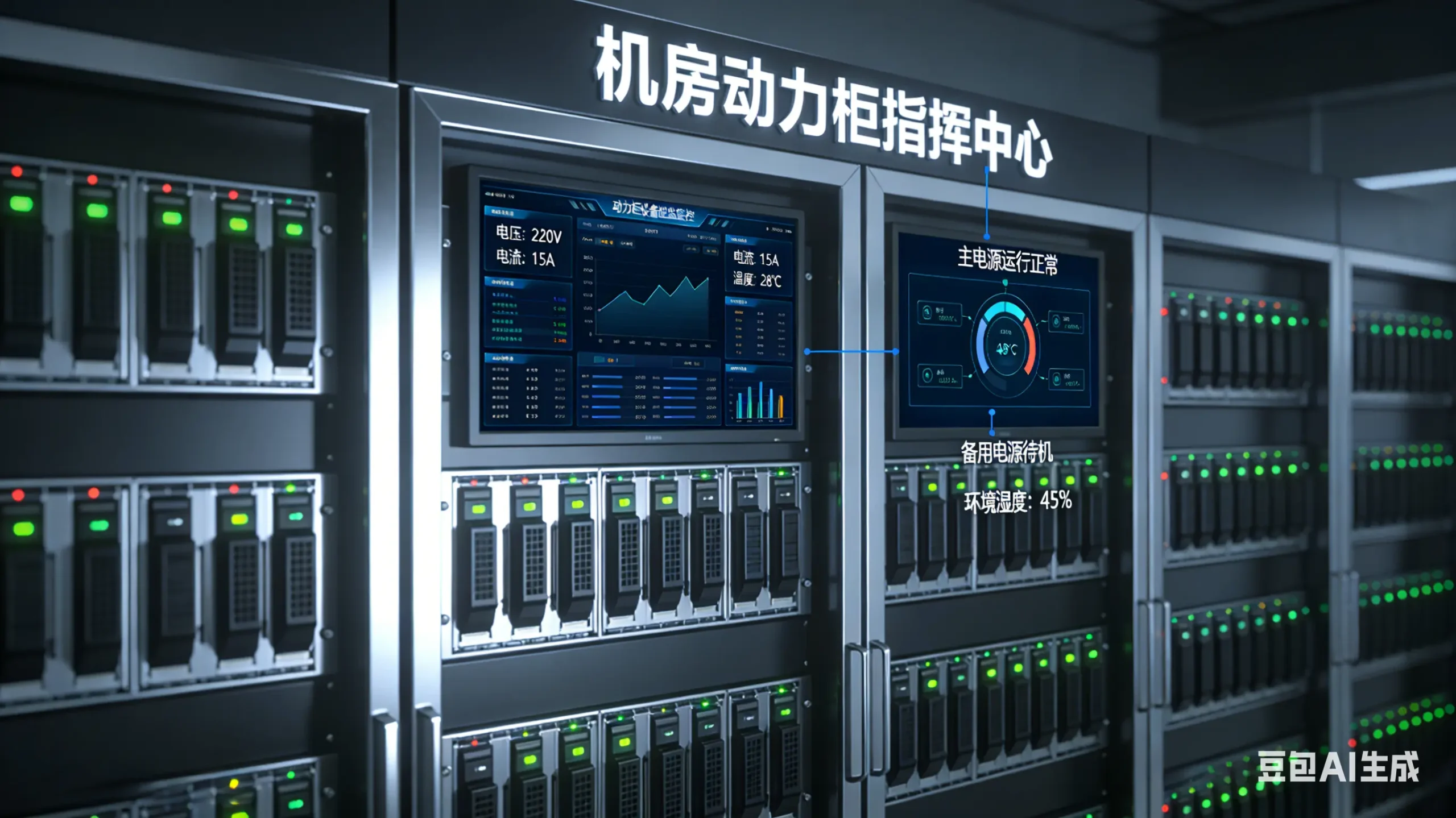
Key technical dimensions include structural integrity, thermal performance, electrical safety, environmental protection rating, and integration interfaces. Each subcategory in this family addresses a specific portion of the overall system:
- Intelligent Control Equipment
- Secure Storage Equipment
- Shielded Security Equipment
The subdivisions address different layers. Intelligent control equipment manages access, records events and links to monitoring; secure storage equipment protects media, documents and equipment against unauthorised access, fire and environmental damage; shielded security equipment limits electromagnetic emanation and interference for sensitive processing. Choosing equipment means classifying the information and the threat model first, selecting the layer that addresses each threat, then verifying that no path bypasses the protection.
Application
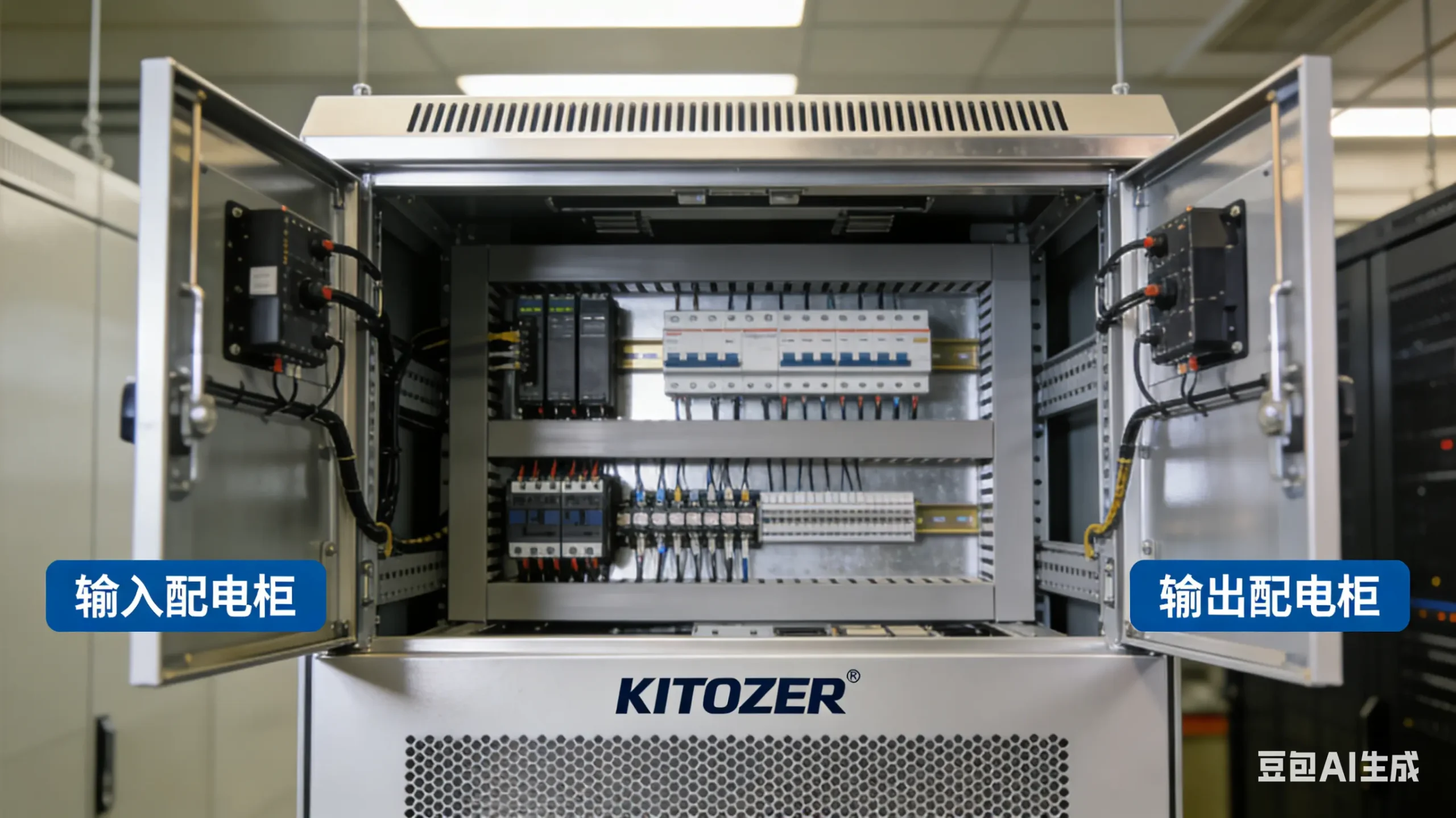
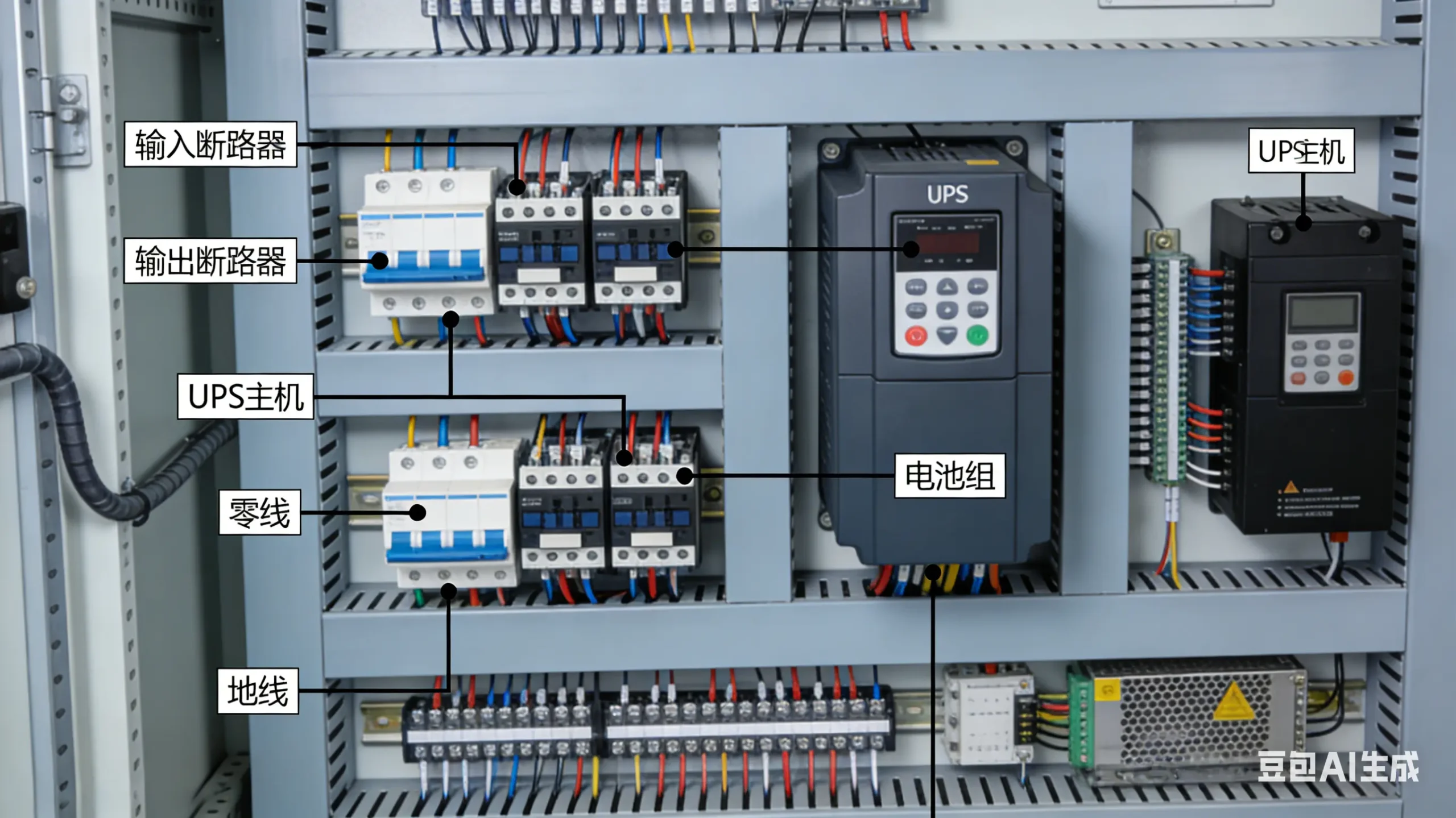
Typical applications include information security equipment environments and comparable facilities where reliability and serviceability are mandatory. Site surveys and load calculations are recommended before configuration.
Deployment follows classification. The information and threat model are defined; zones are set with the protection level each requires; equipment is selected per zone; and paths between zones — power, cabling, air and people — are controlled so protection is continuous. Commissioning includes access testing, alarm verification and, where required, electromagnetic measurement.
Selection Considerations
When selecting from this family, verify: (1) compatibility with existing infrastructure, (2) environmental conditions such as temperature, humidity and dust, (3) power and cooling budget, (4) maintenance and spare-part strategy, and (5) compliance requirements applicable to your region.
Beyond the five verification points, confirm what determines protection in practice: certification and test evidence for shielding performance, storage fire and environmental ratings, access control integration and audit logging, key and credential management, and the maintenance regime for gaskets, locks and sensors. Where classification demands it, agree the acceptance test and documentation before delivery.
Frequently Asked Questions — Quick Reference
1. What does the information security equipment family cover?
Intelligent control equipment, secure storage equipment and shielded security equipment, used together to protect information at the physical layer.
2. Why is physical protection still needed with strong software security?
Because signal leakage, electromagnetic emanation and direct physical access bypass software controls entirely.
3. How is the right protection level chosen?
By classifying the information and defining a threat model, then selecting equipment per zone and verifying that no path bypasses the protection.
4. What does shielded security equipment protect against?
Electromagnetic emanation and interference that could otherwise be captured or cause malfunction in sensitive processing.
5. How are secure storage ratings determined?
By the fire, environmental and forced-entry ratings appropriate to the media and the protection time required.
6. How does intelligent control equipment integrate?
Through standard access control and monitoring interfaces, with event logging and alarm reporting to the facility system.
7. What are the most common protection gaps?
Unprotected cable routes, shared power circuits and unmanaged keys or credentials that bypass otherwise effective equipment.
8. Can security equipment be added to an existing facility?
Yes; zones are redefined and equipment added per zone, with path controls and testing to keep protection continuous.
9. What maintenance is required?
Scheduled checks of locks, gaskets, sensors and access logs, plus re-testing after any modification to a protected zone.
10. What documentation should be requested?
Shielding test evidence, storage fire and environmental ratings, access control integration details, audit logging capability and the acceptance test plan.
Conclusion
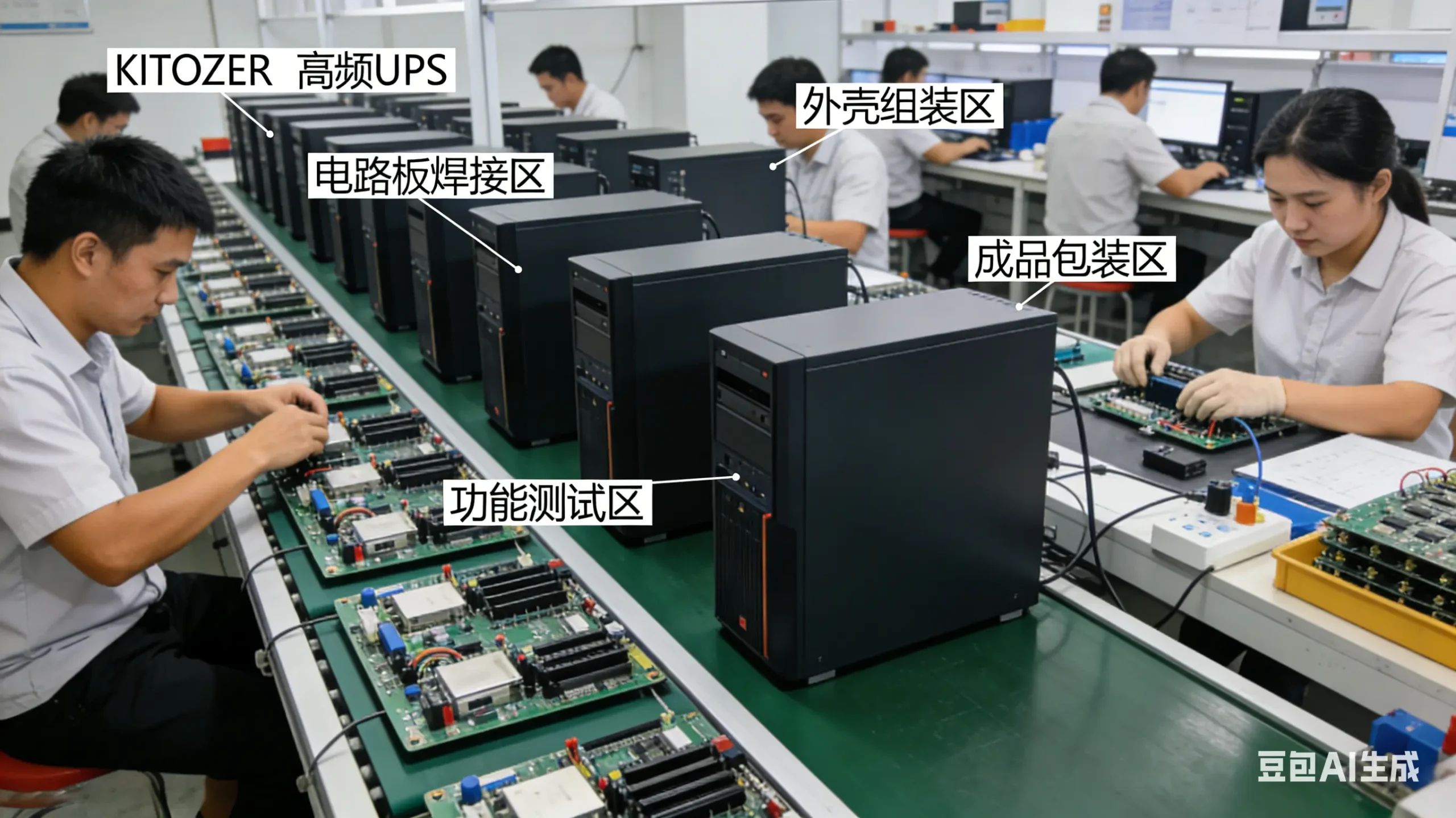
A structured, category-level approach to information security equipment procurement reduces risk and total cost. KITOZER supports customers from specification to commissioning; contact the engineering team for verified datasheets and project support.
Related Products
Information Security Equipment covers a structured family of engineered systems that support mission-critical facilities, industrial sites and communication infrastructure. This guide reviews the engineering context, typical challenges, and practical selection considerations for buyers, integrators and operations teams.
Related Articles
Information Security Equipment: Technical FAQ
Information Security Equipment: Engineering Considerations
About Guangzhou Lain Intelligent System Development Co., Ltd.
Guangzhou Lain Intelligent System Development Co., Ltd. (KITOZER) supplies and integrates information security equipment — engineered, tested and supported as one coordinated system for mission-critical and industrial sites. From single rooms to enterprise facilities, Lain provides design, manufacturing, integration, testing and after-sales service under one roof and exports worldwide.
Contact us for a free technical consultation:
- Company: Guangzhou Lain Intelligent System Development Co., Ltd.
- Address: 1st Floor, Building A, Chaotian Industrial Park, Zhongrun Industrial Park, Shilou Town, Panyu District, Guangzhou, Guangdong, China
- Tel/WeChat: +86 135-0923-8849 | +86 135-0923-8849
- WhatsApp: +86 135-0923-8849
- Email: zl19068534140@gmail.com
- Website: www.gdlain.com | Request a Quote
Typical response time: within one business day. Project references, drawings and samples are available on request.