Design Objectives
This design framework applies to 4G/5G Base Stations. The objective is a compliant, serviceable and cost-effective configuration built from verified subsystems.
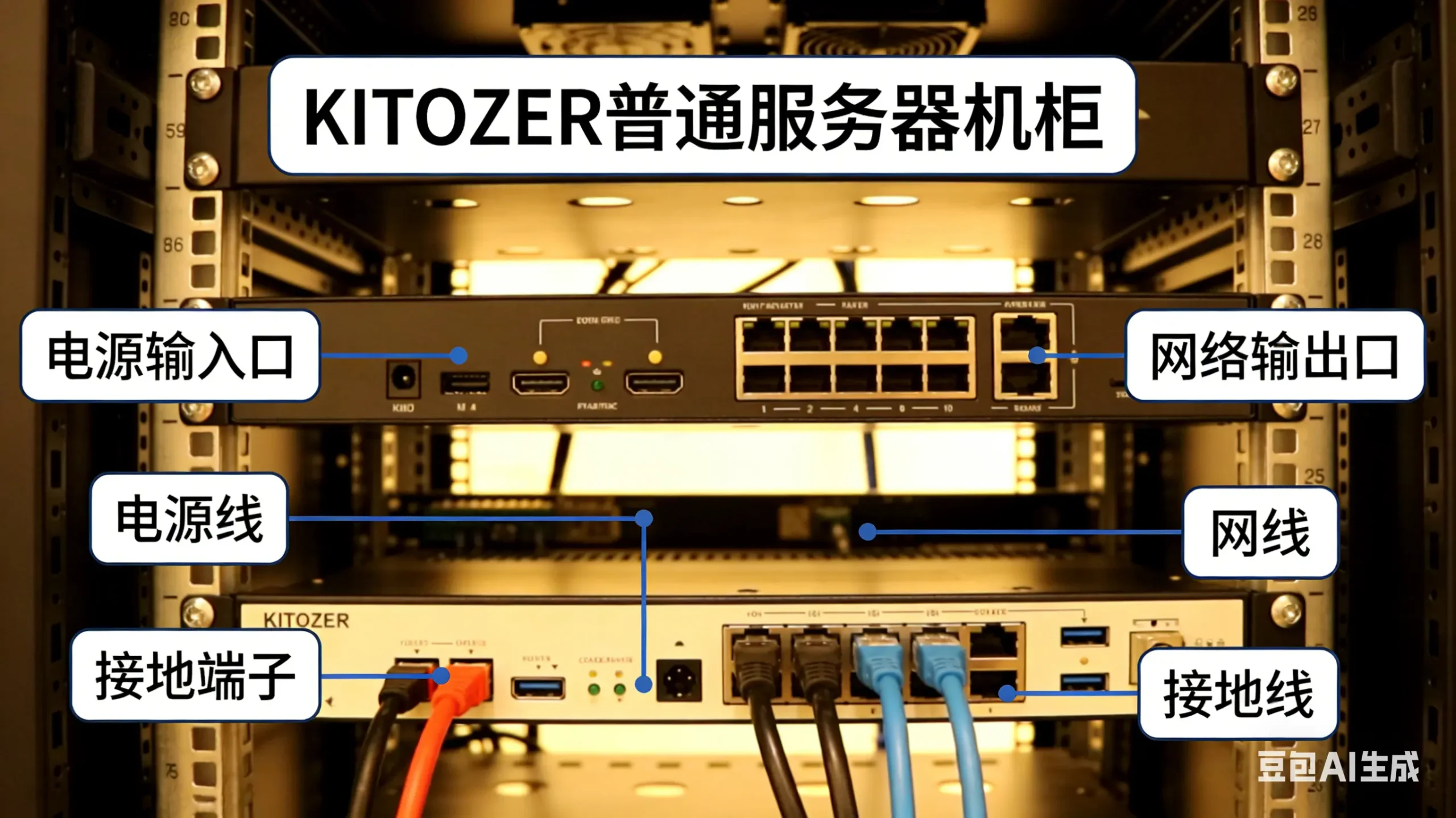
For base stations the objectives combine coverage and availability: the site must deliver the required radio coverage and capacity, stay on air through mains disturbances for the agreed autonomy, and remain safe to access and maintain in all weather.
Design Basis
The design basis includes site survey data, load requirements, environmental conditions, applicable codes and the customer’s operational requirements. All parameters are confirmed with the customer before final design.
The design basis records the coverage and capacity objective, equipment and antenna load, structural capacity of the mounting point, power supply quality and capacity, required battery autonomy, ambient and wind conditions, seismic where applicable, and the operator standards and interfaces in use.

Architecture
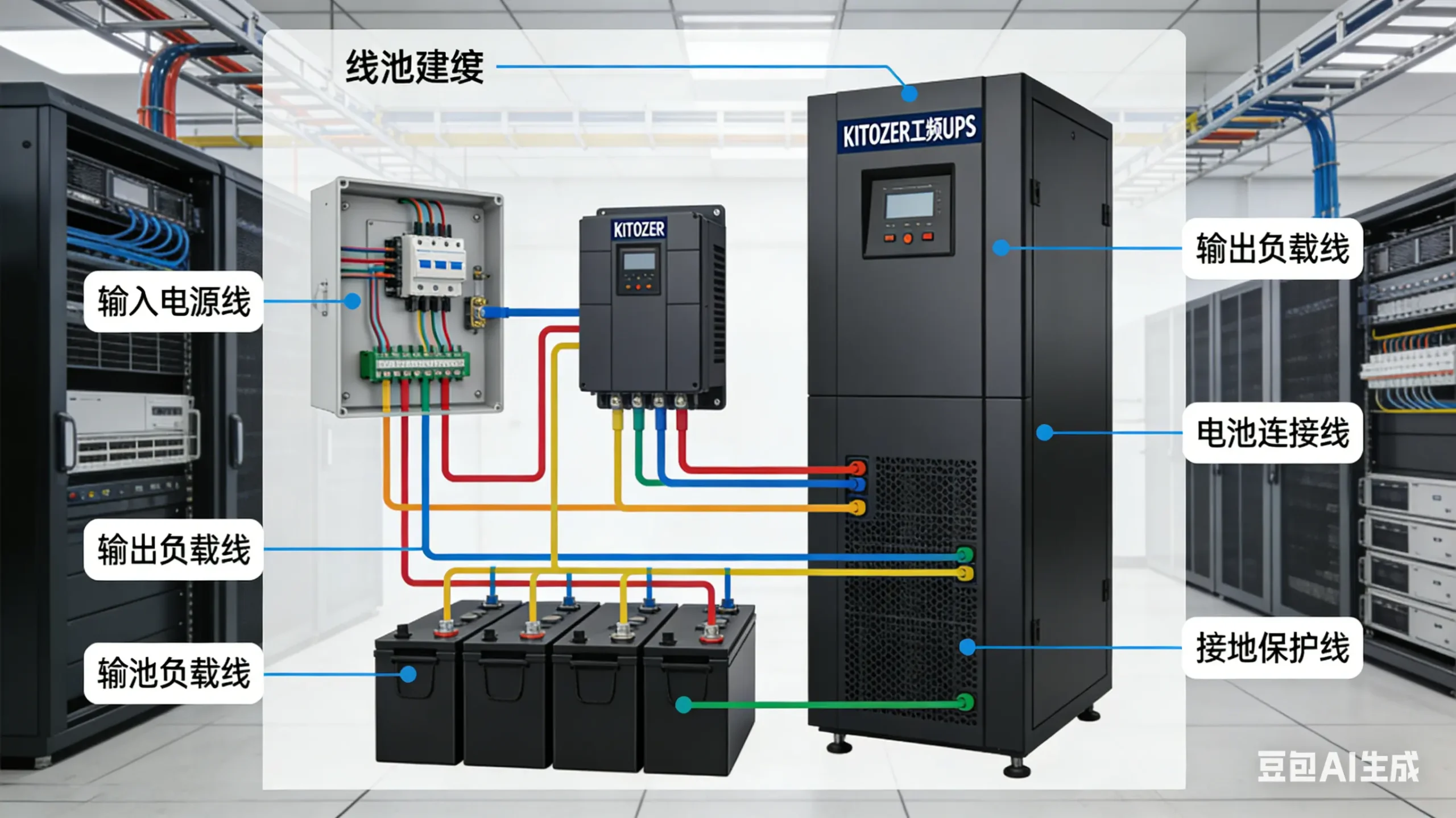
The system architecture follows the standard structure of this family: Base Station Accessories, Base Station Cabinets, Base Station Power Systems, Base Station Support Structures. Each element is selected for its function within the overall design.
The architecture fixes the four parts as one system: support structure and mounts, cabinets, power system with rectifiers and batteries, and accessories for cable management, grounding and monitoring. Review confirms that equipment mass and wind area match the structure rating, and that power and thermal capacity cover the radio load plus recharge.
Subsystem Design
- Base Station Accessories
- Base Station Cabinets
- Base Station Power Systems
- Base Station Support Structures
Each part is designed against the site: the support structure to the governing wind and seismic case with antenna wind area; cabinets to equipment size, thermal load and ambient; the power system to continuous load, recharge current and autonomy; and accessories to cable routing, bend radius, grounding continuity and monitoring interfaces.

Configuration
Configuration tiers are defined by capacity, redundancy and environmental class. A preliminary configuration table with model numbers is prepared during the design phase and finalized after technical confirmation.
Configuration tiers follow site type — rooftop, pole, tower or ground — and autonomy requirement, with options for shared or dedicated power and for equipment added later. The preliminary configuration is checked against the survey, because structural capacity and power availability usually decide the feasible tier.
Construction & Commissioning
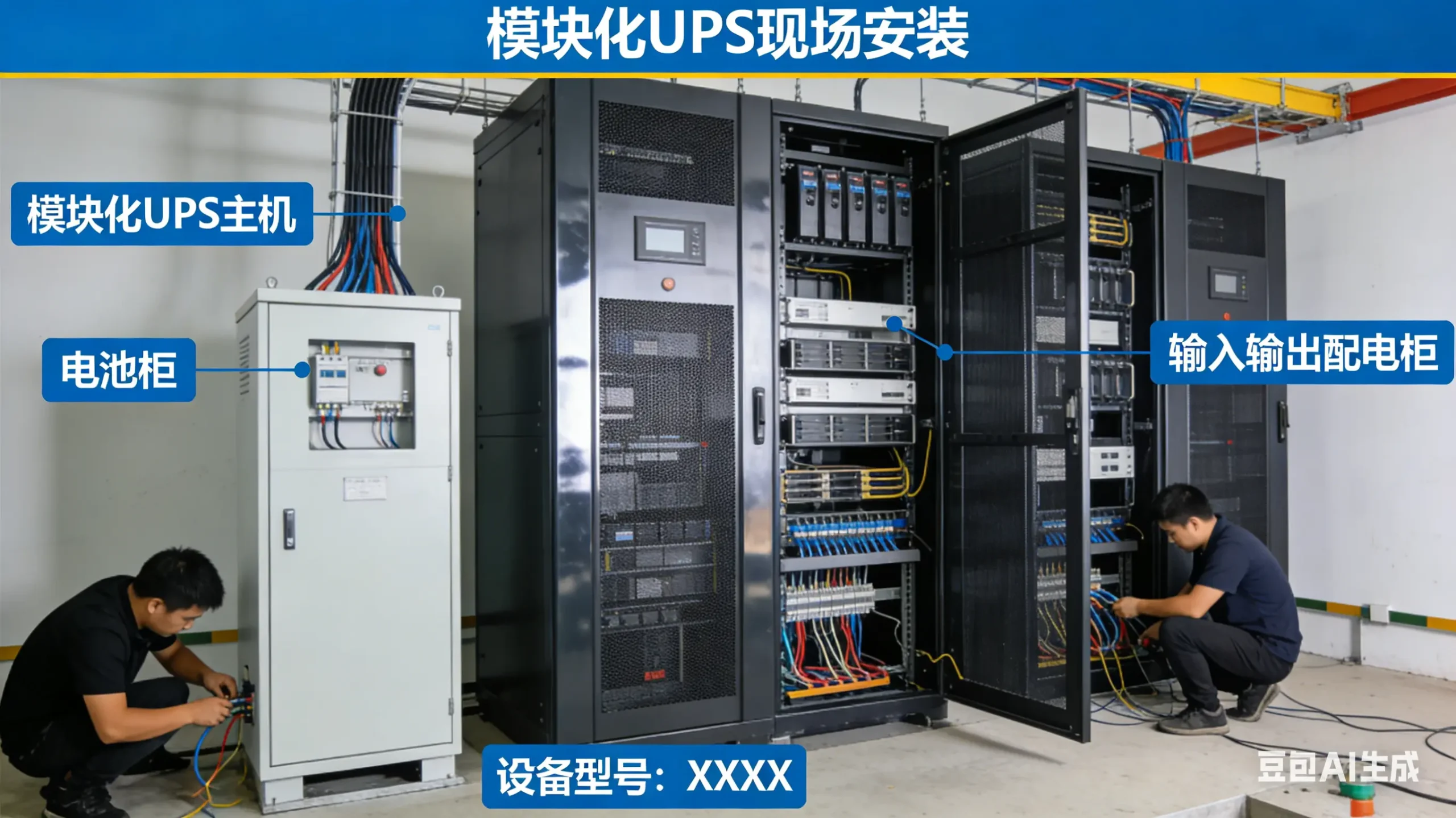
The deployment plan covers site preparation, installation sequence, cabling, testing and acceptance. Commissioning follows a documented checklist to verify each subsystem before handover.
The deployment sequence covers structural verification and installation, cabinet mounting, power and battery installation, antenna and feeder work, grounding, and integration testing. Commissioning verifies power failover and autonomy, cabinet temperature, alarm reporting and structural torque before handover.
Testing & Acceptance
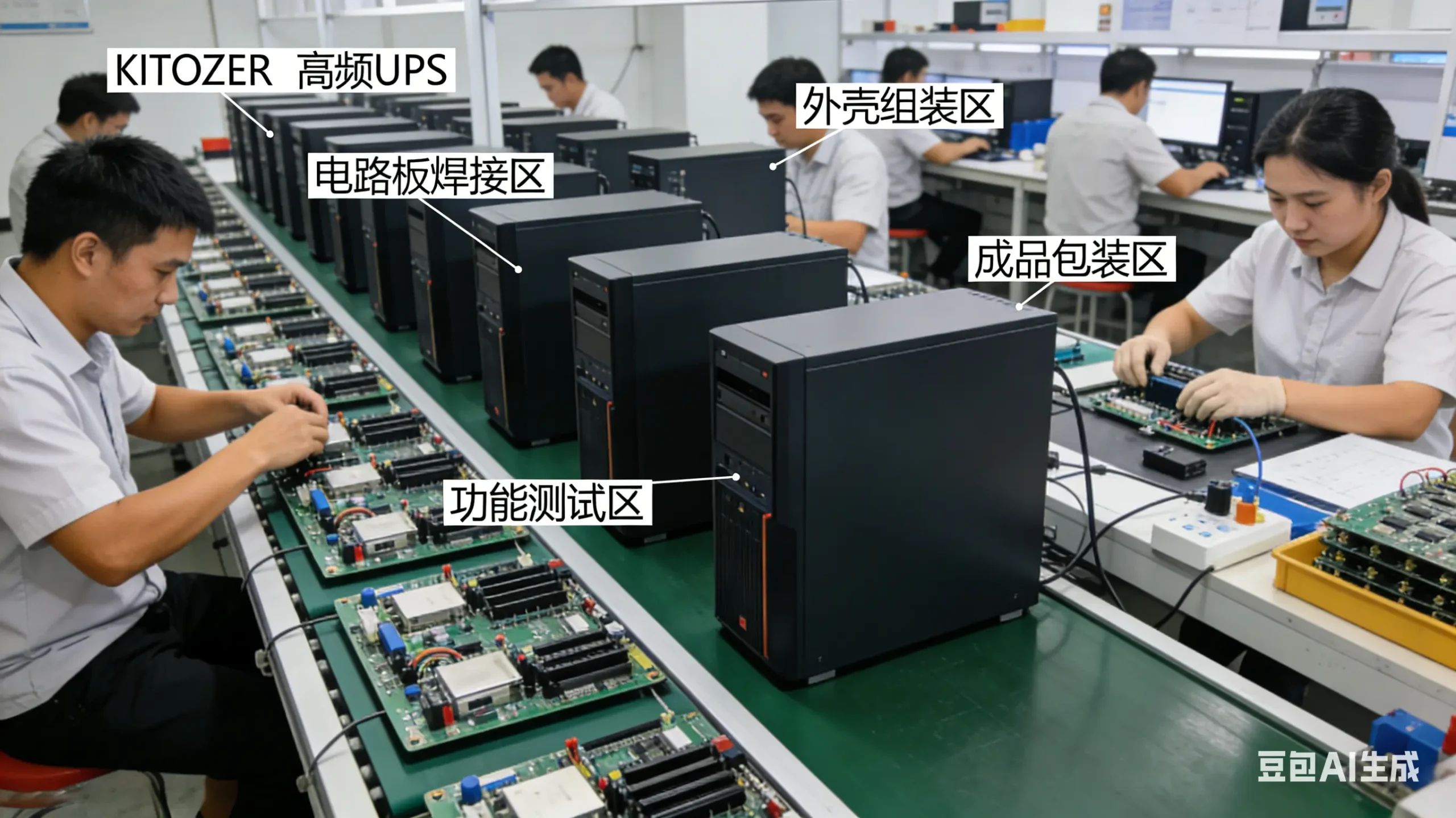
Acceptance testing covers functional tests, safety checks and performance verification against the design objectives. Documentation is delivered with the as-built record.
Acceptance testing covers power changeover and measured autonomy under load, temperature at design ambient, alarm and monitoring functions, grounding continuity, antenna alignment and the structural inspection record, with settings and as-built documentation delivered at handover.
FAQ
Frequently Asked Questions about this 4G/5G Base Stations design framework — quick reference.
1. Can the design be customized?
Yes; customization follows a documented process covering specification confirmation, engineering review and lead time.
2. What is fixed first on a base station site?
Coverage and availability objectives — coverage and capacity, plus the autonomy required during mains failure — because they set power, battery and structural sizing.
3. What data is needed before design?
Coverage objective, equipment and antenna load, structural capacity, power quality and capacity, autonomy requirement, ambient and wind conditions, and operator standards.
4. How is the support structure sized?
Against the governing wind speed for the location, ice and seismic where applicable, plus equipment and antenna wind area, with site-specific signed calculations.
5. How is battery autonomy determined?
By the operator availability target, the continuous load and recharge current, and the site’s mains reliability, with battery chemistry chosen for the operating temperature.
6. How is power capacity sized?
For continuous radio load plus recharge current with margin for future carriers and efficiency losses.
7. Why does cabinet temperature matter?
Battery and electronics life fall sharply as temperature rises, so thermal design directly affects replacement cost.
8. Can sites be upgraded rather than rebuilt?
Yes; upgrades usually replace power and batteries, add monitoring and reinforce structures where the new load requires it, keeping the site live.
9. What is verified at handover?
Power failover and measured autonomy, cabinet temperature, alarm reporting, grounding continuity, antenna alignment and bolt torque.
10. What documentation is delivered?
Structural calculations, power and autonomy calculations, as-built records, test results and maintenance information.
Conclusion
KITOZER provides design-plan support for 4G/5G Base Stations projects. Contact the engineering team for a design questionnaire and preliminary proposal.
Related Products
This design framework applies to 4G/5G Base Stations. The objective is a compliant, serviceable and cost-effective configuration built from verified subsystems.
Related Articles
4G/5G Base Stations: Technical FAQ
4G/5G Base Stations: Engineering Considerations
About Guangzhou Lain Intelligent System Development Co., Ltd.
Guangzhou Lain Intelligent System Development Co., Ltd. (KITOZER) provides design-plan support for 4G/5G base stations projects — from requirement questionnaire to configuration, commissioning and handover documentation. From single rooms to enterprise facilities, Lain provides design, manufacturing, integration, testing and after-sales service under one roof and exports worldwide.
Contact us for a free technical consultation:
- Company: Guangzhou Lain Intelligent System Development Co., Ltd.
- Address: 1st Floor, Building A, Chaotian Industrial Park, Zhongrun Industrial Park, Shilou Town, Panyu District, Guangzhou, Guangdong, China
- Tel/WeChat: +86 135-0923-8849 | +86 135-0923-8849
- WhatsApp: +86 135-0923-8849
- Email: zl19068534140@gmail.com
- Website: www.gdlain.com | Request a Quote
Typical response time: within one business day. Project references, drawings and samples are available on request.