Design Objectives
This design framework applies to Information Security Equipment. The objective is a compliant, serviceable and cost-effective configuration built from verified subsystems.
The design objective is protection matched to classification: physical access, storage and electromagnetic protection selected per zone, with no path that bypasses them. Serviceability and integration with existing access control and monitoring are set as equal requirements.
Design Basis
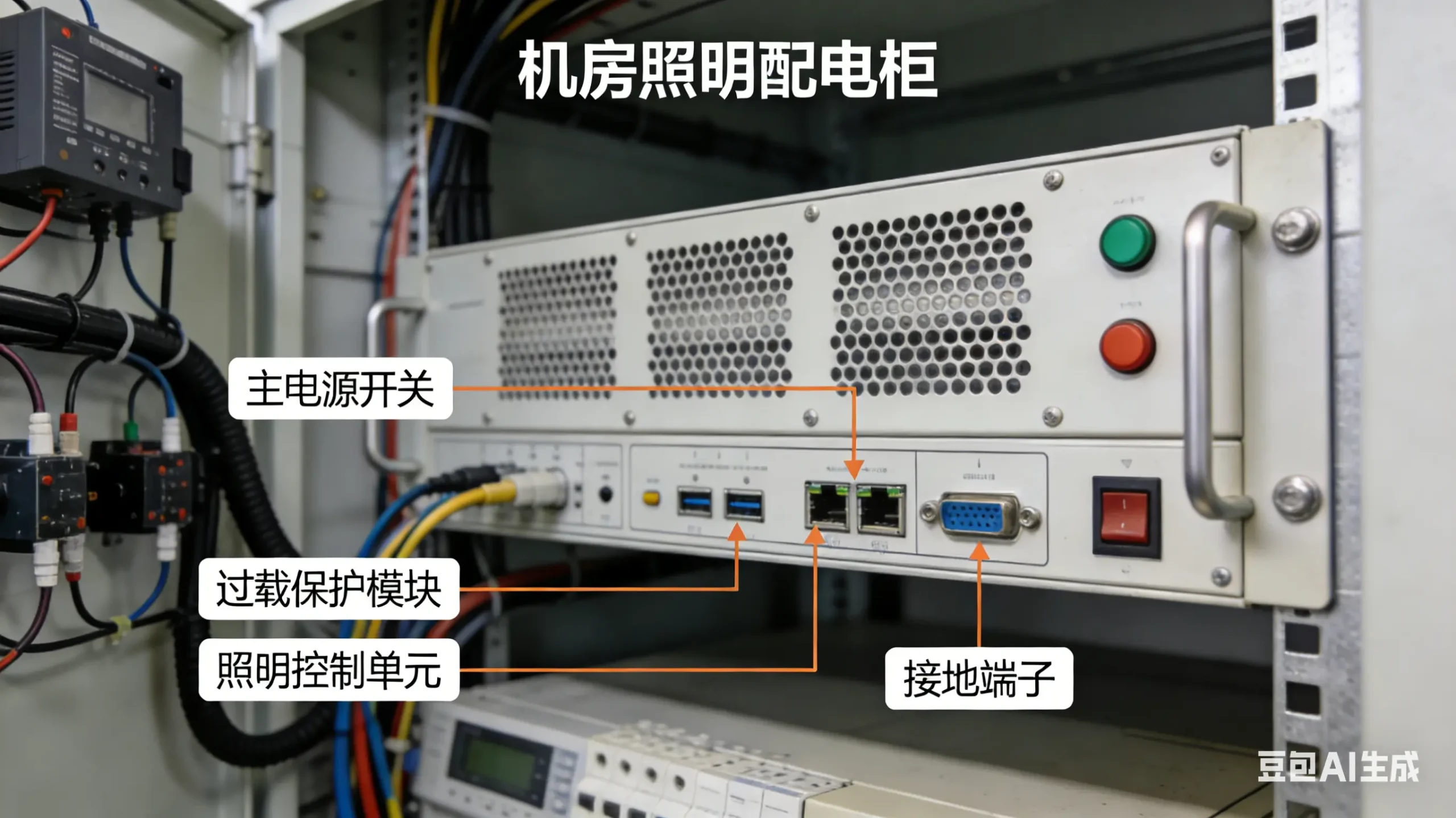
The design basis includes site survey data, load requirements, environmental conditions, applicable codes and the customer’s operational requirements. All parameters are confirmed with the customer before final design.
The design basis records the information classification and threat model, the zones and the protection level each requires, the access control and monitoring systems in use, fire and environmental requirements, credential and key management practice, and the applicable standards.
Architecture
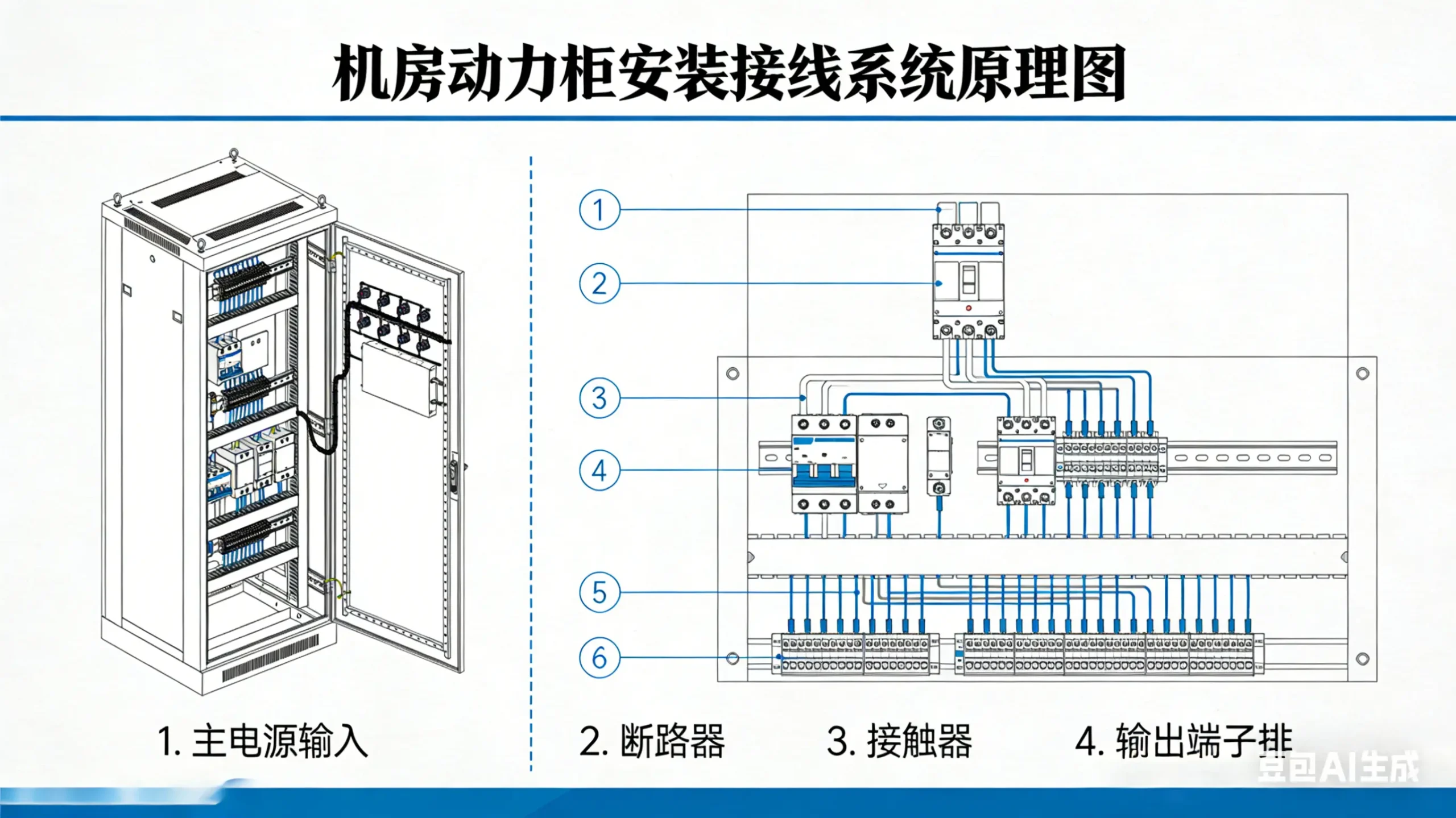
The system architecture follows the standard structure of this family: Intelligent Control Equipment, Secure Storage Equipment, Shielded Security Equipment. Each element is selected for its function within the overall design.
The architecture assigns protection per zone and controls the paths between them: power, cabling, air and people. It defines where intelligent control equipment manages access, where secure storage holds media and equipment, and where shielded equipment limits emanation — checking that no route bypasses a protected zone.
Subsystem Design
- Intelligent Control Equipment
- Secure Storage Equipment
- Shielded Security Equipment
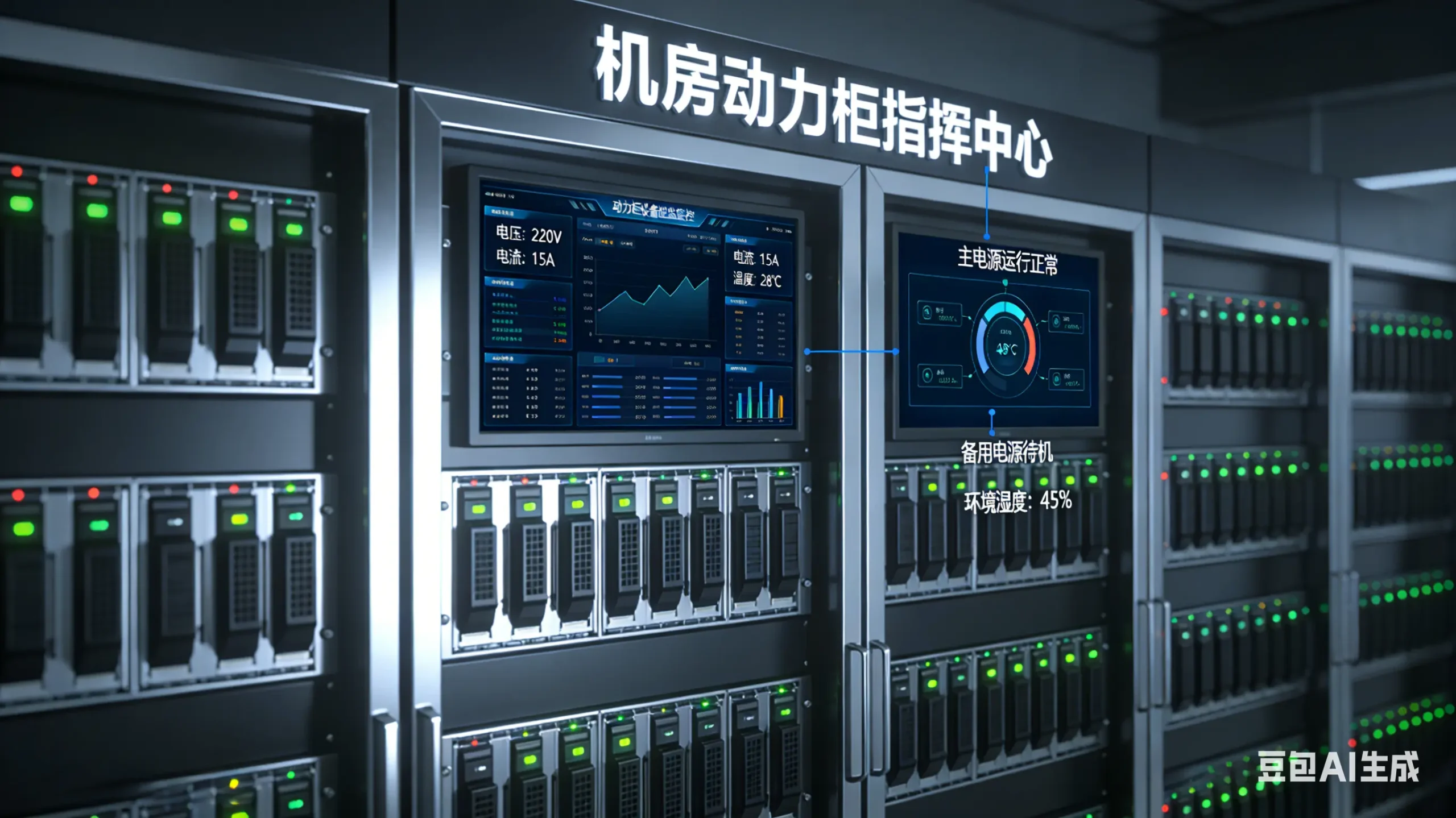
Each element is designed against its threat: intelligent control equipment to the required access rules, logging and integration; secure storage to fire, environmental and forced-entry ratings for the media and protection time; and shielded security equipment to the required emanation limits. Accessories — sensors, locks, gaskets and monitoring — are specified so protection is continuous.
Configuration
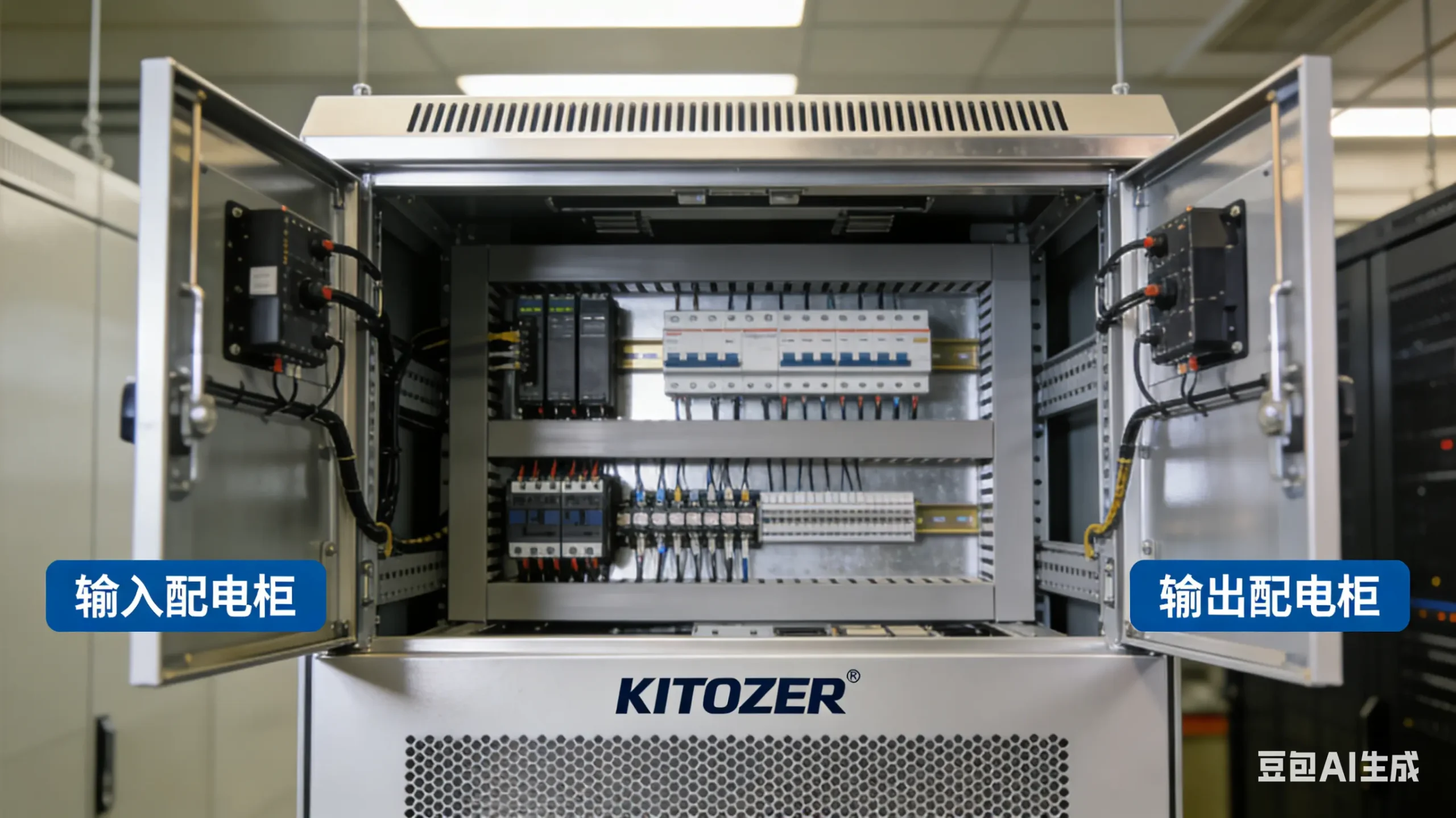
Configuration tiers are defined by capacity, redundancy and environmental class. A preliminary configuration table with model numbers is prepared during the design phase and finalized after technical confirmation.
Configuration tiers follow classification level and zone count, with options for equipment size and redundancy. The preliminary configuration is verified against the facility survey, because existing construction and services usually constrain where protection can be applied.
Construction & Commissioning
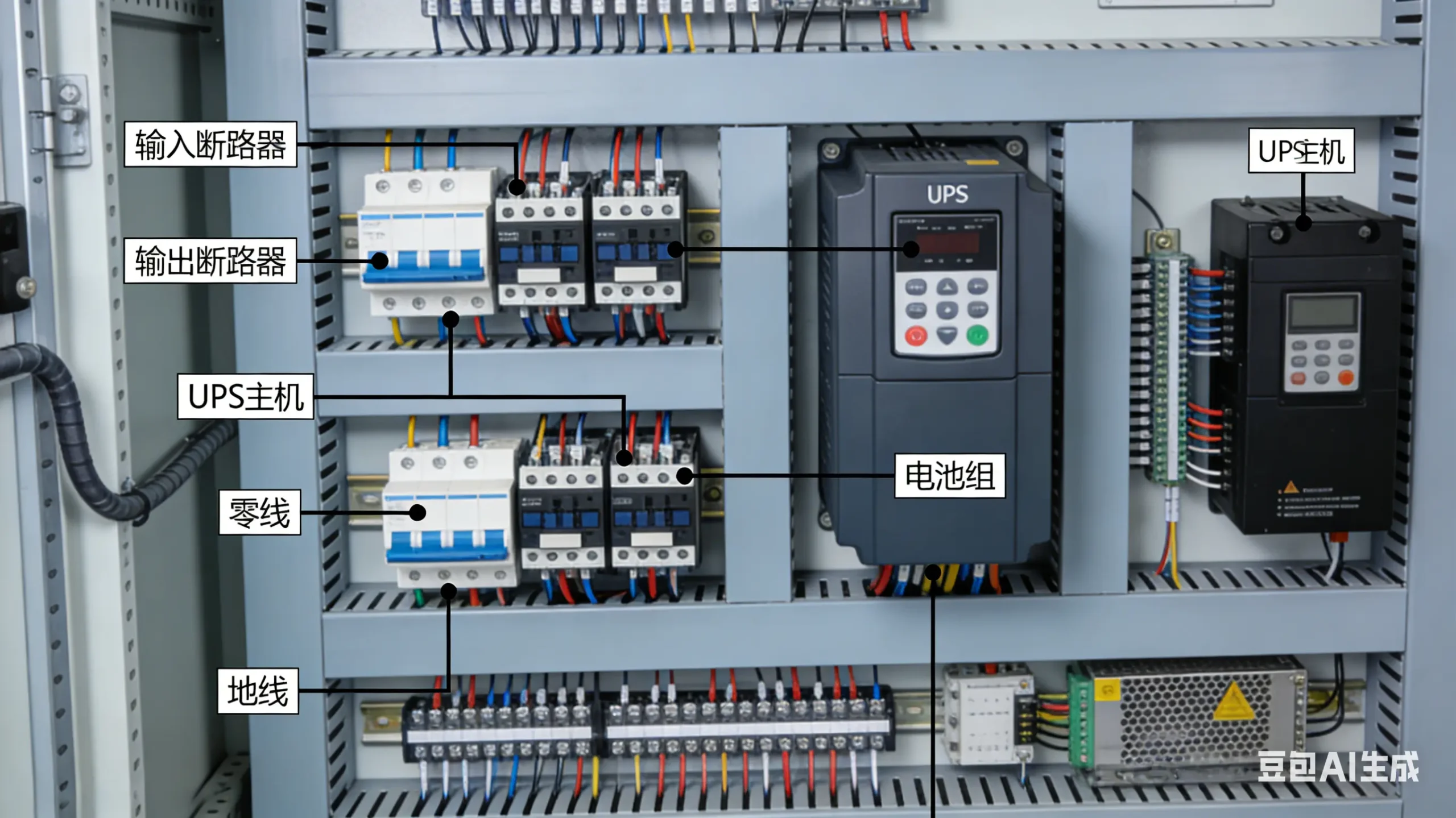
The deployment plan covers site preparation, installation sequence, cabling, testing and acceptance. Commissioning follows a documented checklist to verify each subsystem before handover.
Installation is sequenced so protection is continuous during works: zones are established, equipment installed and integrated, paths controlled, and existing systems kept live where possible. Commissioning tests access rules, alarms and, where required, electromagnetic performance.
Testing & Acceptance
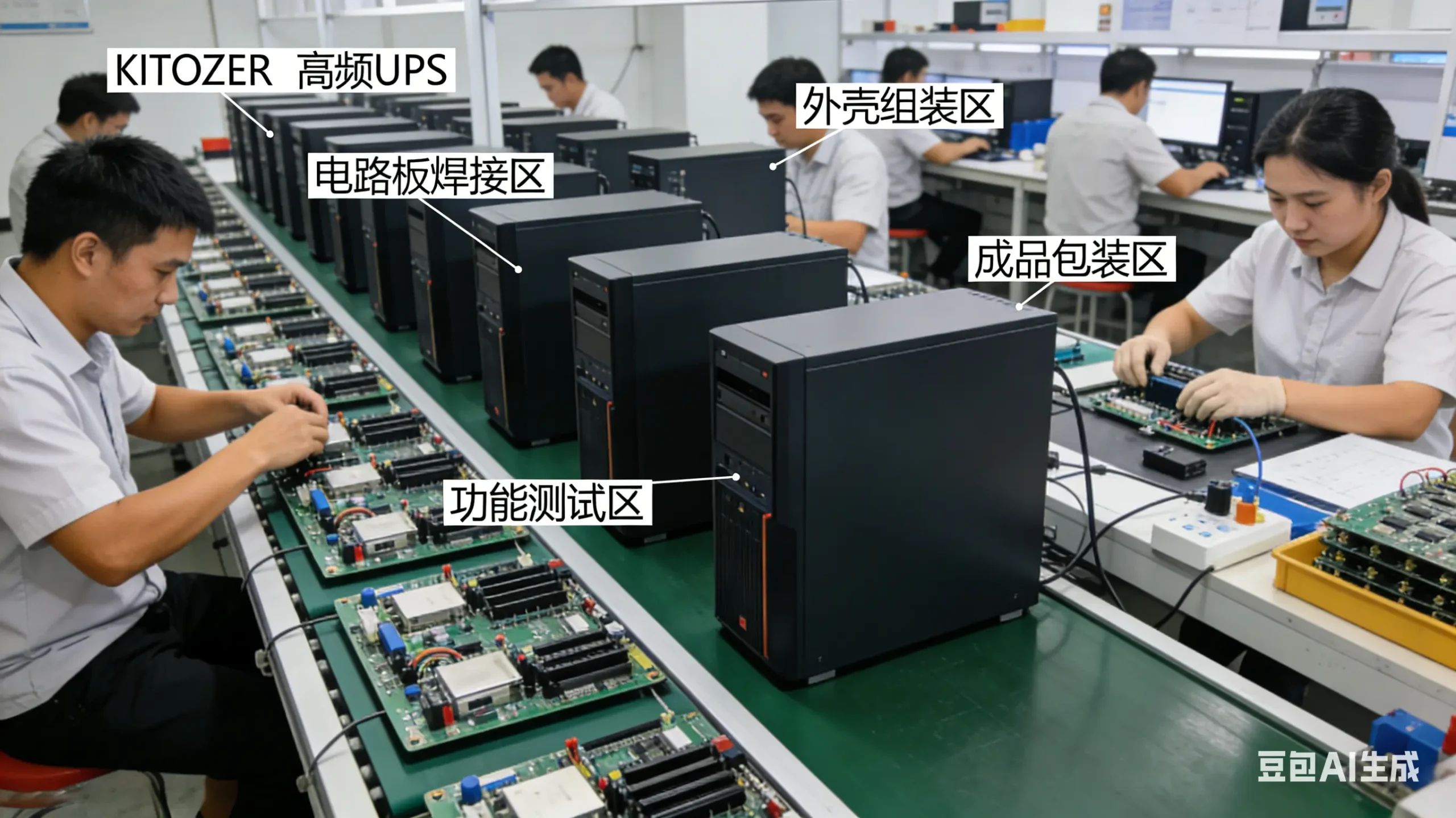
Acceptance testing covers functional tests, safety checks and performance verification against the design objectives. Documentation is delivered with the as-built record.
Acceptance testing covers access control and audit logging, verification of storage ratings, alarm and monitoring functions, and shielding measurement where specified, with the acceptance plan and results documented before handover.
FAQ
Frequently Asked Questions about this Information Security Equipment design framework — quick reference.
1. Can the design be customized?
Yes; customization follows a documented process covering specification confirmation, engineering review and lead time.
2. What is the design objective?
Protection matched to information classification, with access, storage and electromagnetic protection selected per zone and no bypassing path.
3. What data is needed before design?
Classification and threat model, zone requirements, existing access control and monitoring, fire and environmental requirements, and credential management practice.
4. How are zones defined?
By the protection level the information in each requires, with the paths between zones — power, cabling, air and people — controlled so protection is continuous.
5. What are the most common protection gaps?
Unprotected cable routes, shared power circuits and unmanaged keys or credentials that bypass otherwise effective equipment.
6. How are storage ratings chosen?
By the media and the required protection time, using appropriate fire, environmental and forced-entry ratings.
7. How does the equipment integrate?
Through standard access control and monitoring interfaces, with event logging and alarm reporting to the facility system.
8. Can protection be added to an existing facility?
Yes; zones are redefined, equipment added per zone and paths controlled, with testing to confirm continuity.
9. What is verified at handover?
Access rules and audit logging, storage ratings, alarm and monitoring functions and, where specified, shielding measurement.
10. What documentation is delivered?
The acceptance plan and results, zone and path design, integration details and maintenance information.
Conclusion
KITOZER provides design-plan support for Information Security Equipment projects. Contact the engineering team for a design questionnaire and preliminary proposal.
Related Products
This design framework applies to Information Security Equipment. The objective is a compliant, serviceable and cost-effective configuration built from verified subsystems.
Related Articles
Information Security Equipment: Technical FAQ
Information Security Equipment: Engineering Considerations
About Guangzhou Lain Intelligent System Development Co., Ltd.
Guangzhou Lain Intelligent System Development Co., Ltd. (KITOZER) provides design-plan support for information security equipment projects — from requirement questionnaire to configuration, commissioning and handover documentation. From single rooms to enterprise facilities, Lain provides design, manufacturing, integration, testing and after-sales service under one roof and exports worldwide.
Contact us for a free technical consultation:
- Company: Guangzhou Lain Intelligent System Development Co., Ltd.
- Address: 1st Floor, Building A, Chaotian Industrial Park, Zhongrun Industrial Park, Shilou Town, Panyu District, Guangzhou, Guangdong, China
- Tel/WeChat: +86 135-0923-8849 | +86 135-0923-8849
- WhatsApp: +86 135-0923-8849
- Email: zl19068534140@gmail.com
- Website: www.gdlain.com | Request a Quote
Typical response time: within one business day. Project references, drawings and samples are available on request.