Engineering considerations for information security equipment — how physical protection, access control and monitoring interact, which variables drive specification, where installations fail, and what verification should prove.
Technical Context
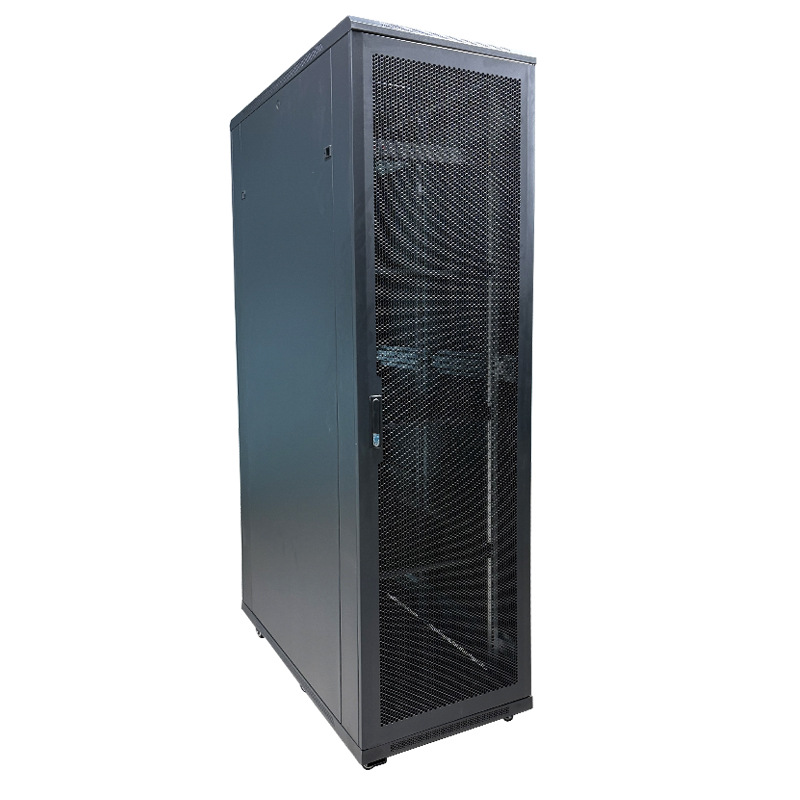
Information Security Equipment involves multiple engineering disciplines working together: structure, thermal management, electrical distribution, control and environmental protection. This article outlines the engineering considerations that determine reliable operation.
Information security equipment is the physical infrastructure that protects data, equipment and access: shielded enclosures, secure storage, anti-theft cabinets, access-controlled racks and the monitoring that reports on them. The governing consideration is that security is a system property rather than a product property — a hardened cabinet is only as strong as its door control, its anchoring and the alarm path that reports a breach. Specification therefore starts from the threat and the asset, not from a component list.
The physical layer must also coexist with the operational requirements of the room. Power, cooling, cabling and maintenance access all cross the security boundary, and every opening is a potential weakness. Access control must allow authorised work without leaving the enclosure open, monitoring must detect intrusion without generating nuisance alarms, and the structure must resist the attack the site actually faces: forced entry, removal of the whole unit, or covert access. These objectives are set together, because satisfying one at the expense of another usually leaves a gap that is discovered only after an incident.
Engineering Mechanism
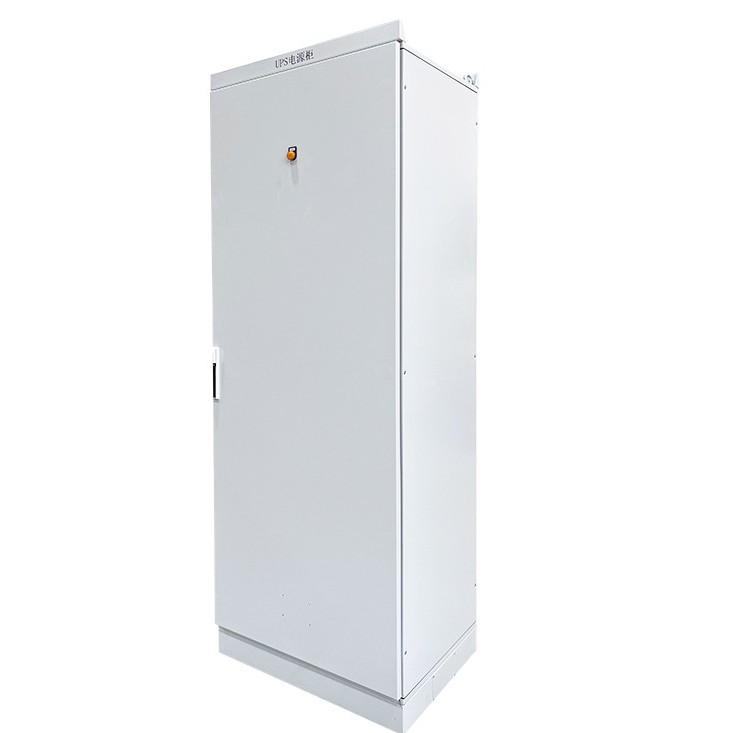
Each subsystem in this family has a defined function: Intelligent Control Equipment, Secure Storage Equipment, Shielded Security Equipment. Correct specification depends on understanding how these subsystems interact under real operating conditions.
The subsystems each address a distinct layer. Shielded security equipment prevents electromagnetic leakage and interference, protecting both the data and the equipment. Secure storage equipment protects physical media and assets from removal and unauthorised access. Intelligent control equipment ties access, alarm and environmental monitoring into one managed system that records who opened what, and when. The mechanism that decides performance is the strength of the weakest boundary: the least protected penetration, the least verified door, or the least supervised route.
That weakest-boundary effect is what makes integration, rather than component rating, the decisive factor. A high-rated cabinet with an unmonitored door, an alarm sensor left out of the schedule, or a keyed lock shared between contractors degrades the whole system to the level of its weakest element. Conversely, a modest enclosure with verified access control, tamper detection and recorded monitoring can provide a demonstrably higher assurance level than a stronger enclosure without them.
Selection Variables
- Load profile and peak demand
- Environmental class: temperature, humidity, dust and ingress protection
- Space and structural constraints
- Redundancy and availability targets
- Maintenance access and lifecycle cost
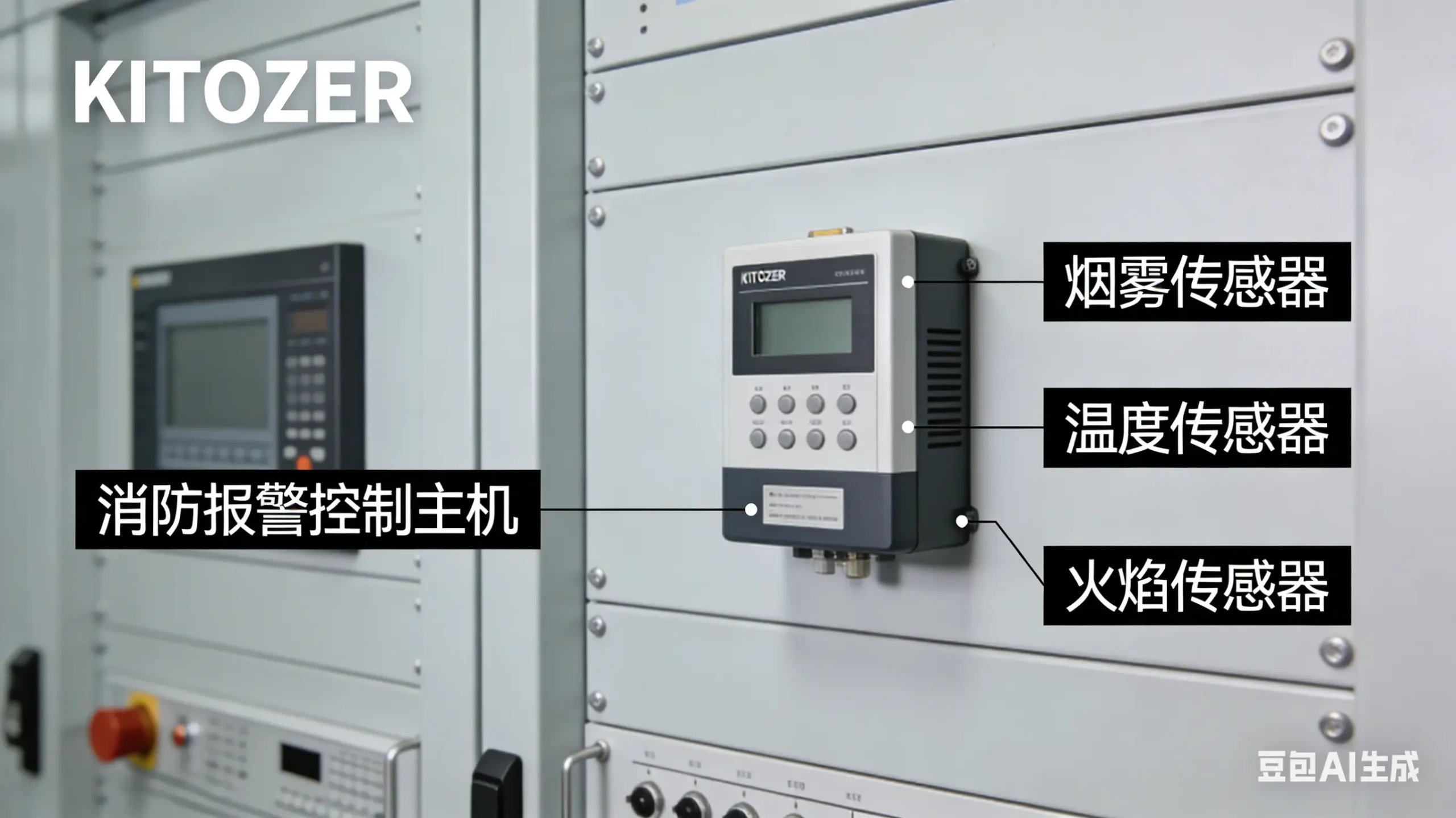
The selection variables translate directly into specification. Load profile and peak demand set power capacity and, where required, backup for the security devices themselves. Environmental class sets ingress protection, temperature range and materials. Space and structural constraints determine mounting, anchoring and resistance to removal. Redundancy and availability targets decide whether access control, monitoring and alarm reporting need standby power and alternate paths. Maintenance access sets the door arrangement so service can be performed without leaving the boundary unsecured, and lifecycle cost weighs the maintenance and administration the system will demand against its first cost.
Installation & Integration Concerns
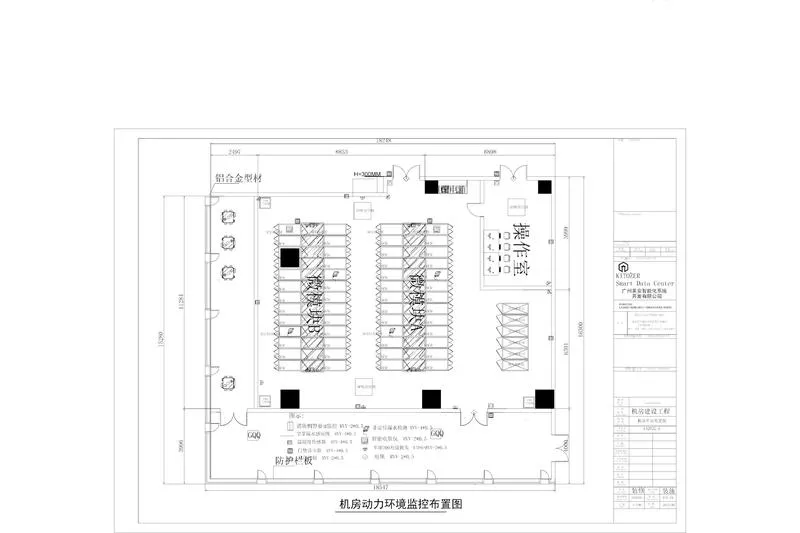
Common installation concerns include clearance for maintenance, cable routing, grounding and coordination with adjacent systems. These should be reviewed during the design stage, not discovered on site.
Installation concerns are dominated by anchoring, routing and the integrity of the boundary. Cabinets and secure storage must be anchored to a structure rated for the removal force, not merely placed on the floor. Cable entries must preserve the enclosure rating and the security boundary, with no untreated penetrations left for later use. Access control readers, locks and sensors must be positioned and wired so that a single failure cannot silently disable them, and every alarm must be mapped to the actual supervised point rather than to a generic zone.
Common Failure Modes
Typical failure modes in this category relate to thermal stress, electrical connection quality, environmental ingress and control configuration errors. Preventive measures include routine inspection, torque checks and environmental monitoring.
Failures fall into physical, control and monitoring groups. Physically, doors are forced, hinges and locks loosen, gaskets and seals degrade, and anchors pull out of inadequate structures. In control terms, credentials are shared or lost, readers fail in the unlocked state, and power loss disables access control entirely. In monitoring terms, sensors are bypassed, alarms are masked by nuisance trips and logs are never reviewed, so an intrusion produces no actionable signal. Preventive measures are scheduled mechanical inspection, credential and log auditing, tamper checks and testing of the alarm path under fault conditions.
Verification Checklist
- Specification matches site survey data
- Ratings verified against manufacturer documentation
- Installation follows the manual sequence
- Functional tests completed and recorded
Verification should prove that anchoring resists the design removal force, that doors and locks operate and alarm correctly, that access control fails in the safe state and its logs are complete, that monitoring reports the actual supervised points and survives loss of mains, and that all penetrations preserve the rating and the boundary. Records from these tests are what make the security level auditable rather than assumed.
Conclusion
Engineering discipline at specification and installation stage is the most effective way to control risk in information security equipment projects. Consult KITOZER engineering for verified technical documentation and support.
For information security equipment the decisive considerations are the integrity of the physical boundary and the reliability of the monitoring that proves it. Getting both right at design, and verifying them under fault conditions, is what delivers the protection the project was planned around.

Frequently Asked Questions — Quick Reference
1. What is the main engineering consideration for information security equipment?
The weakest boundary. Security is a system property, so the least protected penetration, door or route determines the assurance level of the whole installation.
2. How is the required security level established?
From the asset and the threat: what is being protected, what access routes exist, and what attack the site actually faces, expressed as an assurance level agreed before selection.
3. What data is needed before specification?
Asset and threat assessment, room layout and access routes, structural anchoring capacity, power and network availability, environmental conditions and the required availability target.
4. How should physical and cyber protection be combined?
As one boundary: the enclosure resists physical access while access control and monitoring record and report it, and neither is specified without the other.
5. What are the trade-offs of shielding?
Shielding reduces electromagnetic leakage and interference but adds sealing, filtering and door maintenance, and every penetration must be treated to preserve the rating.
6. What structural considerations apply?
Anchoring must resist the design removal force and be verified on the actual floor or wall construction, not assumed from the equipment mass alone.
7. What are the most common failure modes?
Forced or unmonitored doors, loose hinges and locks, degraded gaskets, inadequate anchoring, shared or lost credentials, and alarms masked by nuisance trips or never reviewed.
8. How does access control fail safely?
It should fail to a defined secure state on power or network loss, with the fallback confirmed by test rather than assumed, so a failure cannot silently unlock the boundary.
9. What should the verification checklist cover?
Anchoring and removal resistance, door and lock operation with correct alarming, access-control fail-safe behaviour and complete logs, monitoring mapped to real points, and penetration integrity.
10. What documentation should be requested?
Threat and asset assessment, anchoring and structural details, shielding test reports where applicable, access-control configuration and logs, alarm schedules and test records.
Related Products
Explore the KITOZER Information Security Equipment product range for related solutions and configurations.
Related Articles
Information Security Equipment: Design Plan Framework
Information Security Equipment: Technical FAQ
About Guangzhou Lain Intelligent System Development Co., Ltd.
Guangzhou Lain Intelligent System Development Co., Ltd. (KITOZER) supplies and integrates information security equipment — engineered, tested and supported as one coordinated system for data centers, telecom sites and industrial facilities. From single rooms to enterprise facilities, Lain provides design, manufacturing, integration, testing and after-sales service under one roof and exports worldwide.
Contact us for a free technical consultation:
- Company: Guangzhou Lain Intelligent System Development Co., Ltd.
- Address: 1st Floor, Building A, Chaotian Industrial Park, Zhongrun Industrial Park, Shilou Town, Panyu District, Guangzhou, Guangdong, China
- Tel/WeChat: +86 135-0923-8849 | +86 135-0923-8849
- WhatsApp: +86 135-0923-8849
- Email: zl19068534140@gmail.com
- Website: www.gdlain.com | Request a Quote
Typical response time: within one business day. Project references, drawings and samples are available on request.