1. Overview: The Engine Room of the Cell Site
Behind every mobile call is a cell site — and behind every reliable cell site is a base station hub: the integrated unit that houses power conversion, batteries, climate control and monitoring for the radios that serve the coverage area. 5G raised the stakes dramatically: massive MIMO radios draw 3-4 times the power of 4G equipment, and the AAUs that deliver 5G speeds are far more sensitive to heat and power quality.
Guangzhou Lain Intelligent System Development Co., Ltd. designs and manufactures base station hubs for mobile operators, tower companies and network integrators — covering macro sites, rural coverage and edge deployments. This guide explains what a hub contains, how it is sized, and how to keep it running through heat, storms and grid failure.
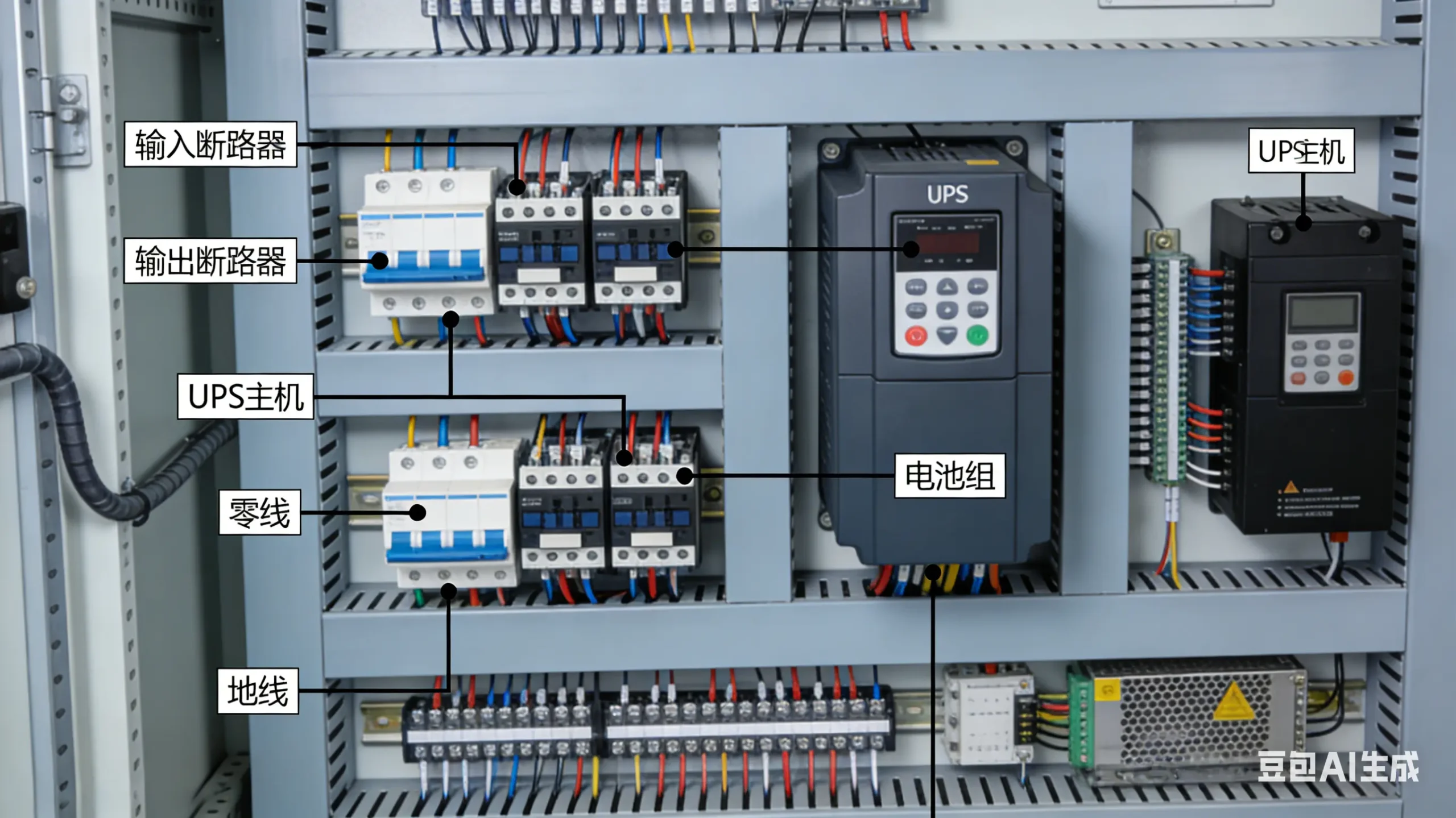
2. What a Base Station Hub Contains
2.1 The Enclosure
Galvanized-steel or composite shelter/cabinet rated IP55+, wind-load compliant, with thermal insulation and optional camouflage or pole-mount profiles. The enclosure is the first line of defense against sun, rain, dust and vandalism.
2.2 Power System
AC/DC distribution with -48V DC power system, rectifier redundancy (N+1), SPD at mains and DC level, and full grounding. Power is the hub’s most critical subsystem — everything else stops without it.
2.3 Energy Storage
LiFePO4 battery bank sized for 3-8 hours backup (more at priority sites), with battery temperature management and peak-shaving-ready interfaces. Lithium batteries withstand the heat and deep cycles that destroy lead-acid in telecom service.
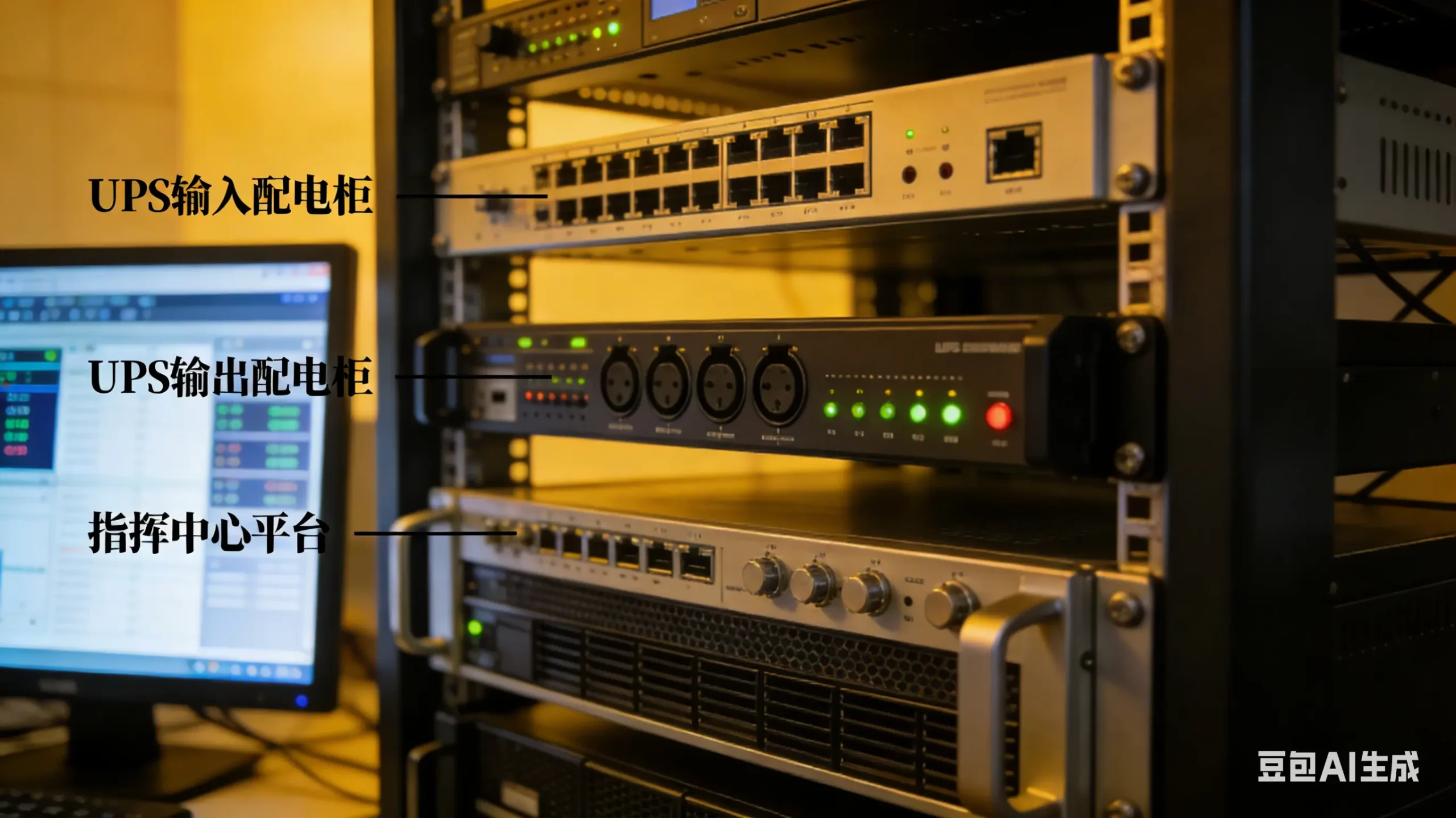
2.4 Climate Control
Precision DC or AC cooling matched to the heat load, with heater option for cold climates. Airflow is segregated so batteries stay cool — every 10°C of battery temperature rise roughly halves its life.
2.5 Monitoring and Control
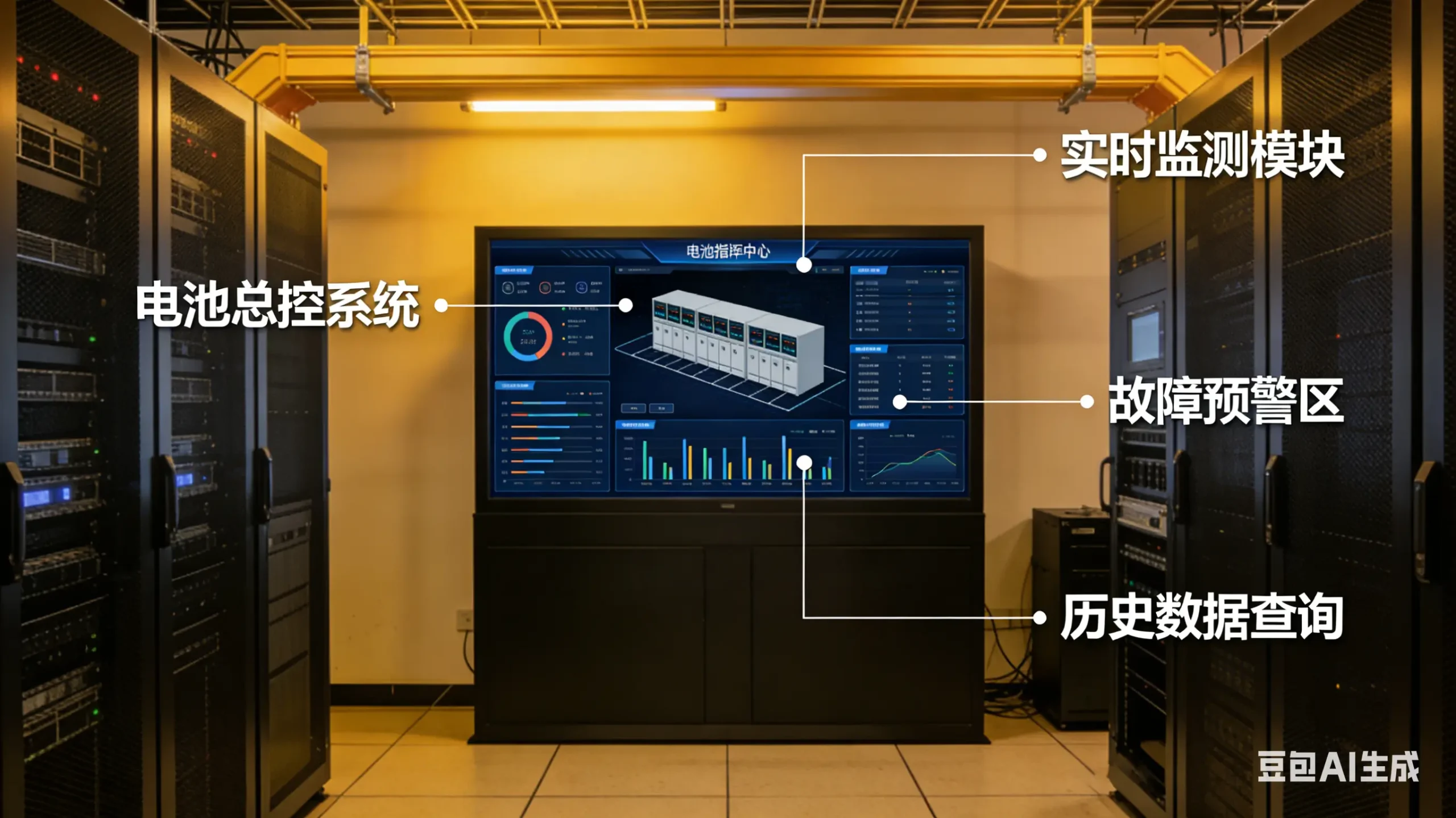
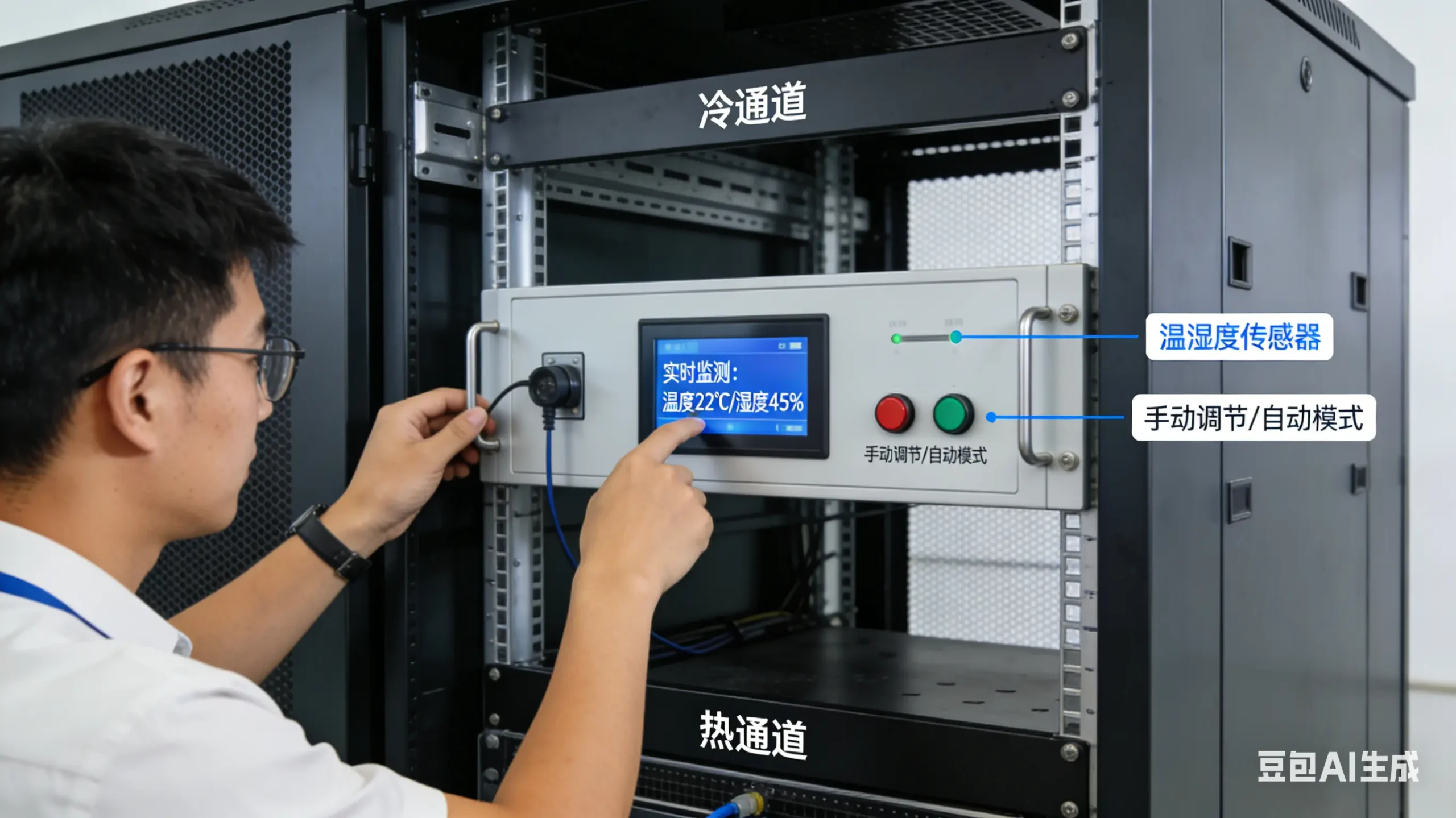
A smart site controller collects power, temperature, humidity, smoke, door and battery data, reporting over SNMP, 2G/4G or NB-IoT to the NMS. Remote visibility is what lets operators run hundreds of sites with a small field team.
3. Sizing a Hub for 5G
| Site Type | Power | Battery | Cooling |
|---|---|---|---|
| Urban macro (3 sectors, 3 AAU) | 24-36 kW | 600-1000 Ah LiFePO4 | 3-5 kW |
| Rural / highway | 12-24 kW | 300-600 Ah | Solar-ready |
| Indoor DAS head-end | Indoor 19″ rack version | 48V DC modular | Room AC |
| Edge/MEC node | As compute load | UPS-grade backup | Precision cooling |
Sizing starts from an on-site load survey: radio count and type, transmission, auxiliary loads, and the battery autonomy the operator’s policy requires. Undersized power or cooling is the most common cause of premature site failure — headroom is not waste, it is reliability.
4. Deployment Scenarios
- Macro towers — ground or rooftop hubs serving 3-sector sites.
- Highway and rural coverage — solar-ready hubs for weak-grid locations.
- Enterprise/indoor DAS — head-end rooms distributing in-building coverage.
- Temporary networks — events and emergencies needing rapid rollout.
5. Why Integrated Beats Assembled
A hub built as one engineered system — power sized to load, cooling sized to power losses, monitoring covering every subsystem — commissions in days and fails less than site-assembled boxes from multiple vendors. Interfaces are tested at the factory: generator handover, battery changeover, high-temperature alarms. The result is fewer site visits, fewer failures and lower total cost over the site’s life.
6. Factory Testing and Quality
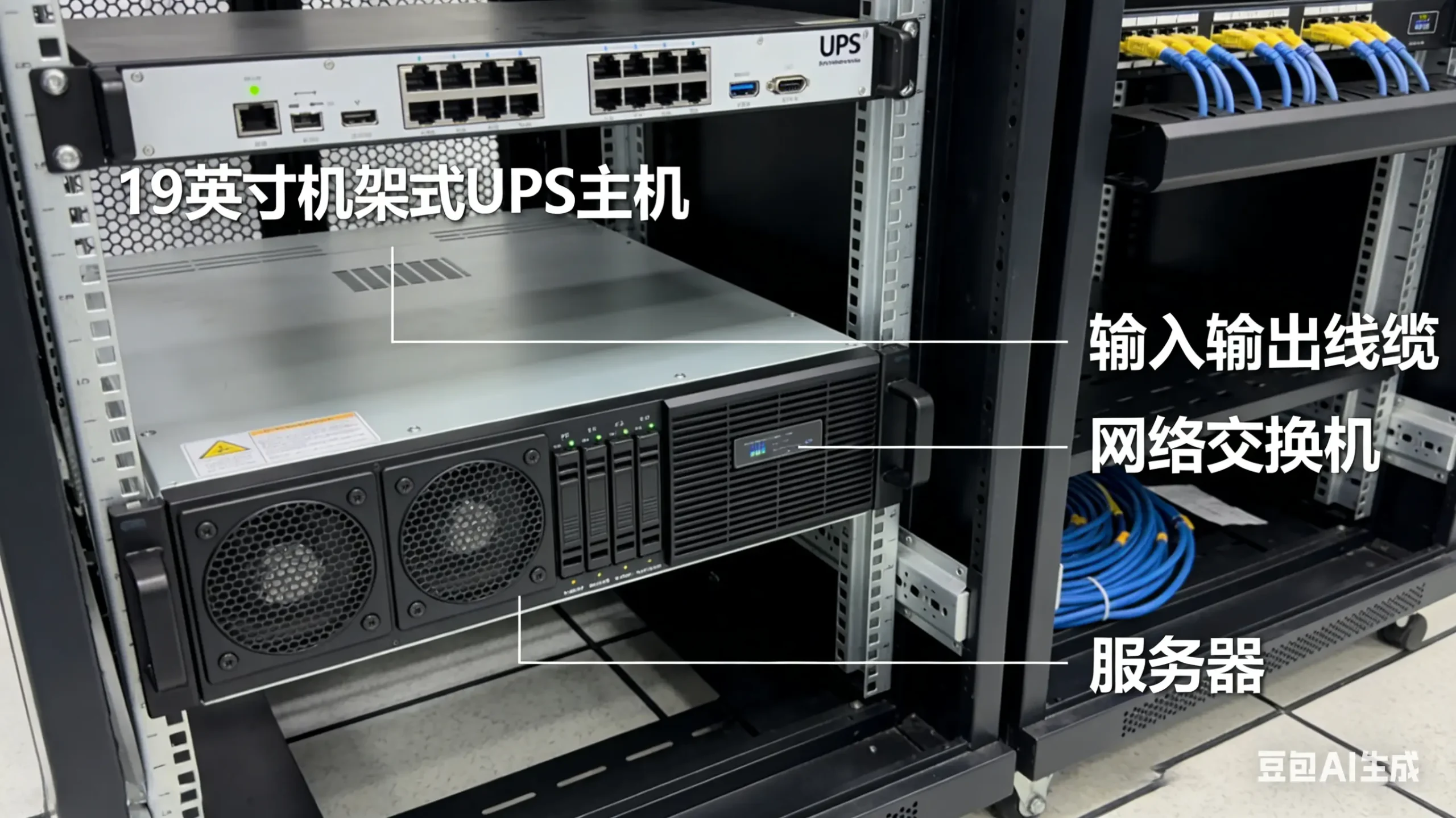
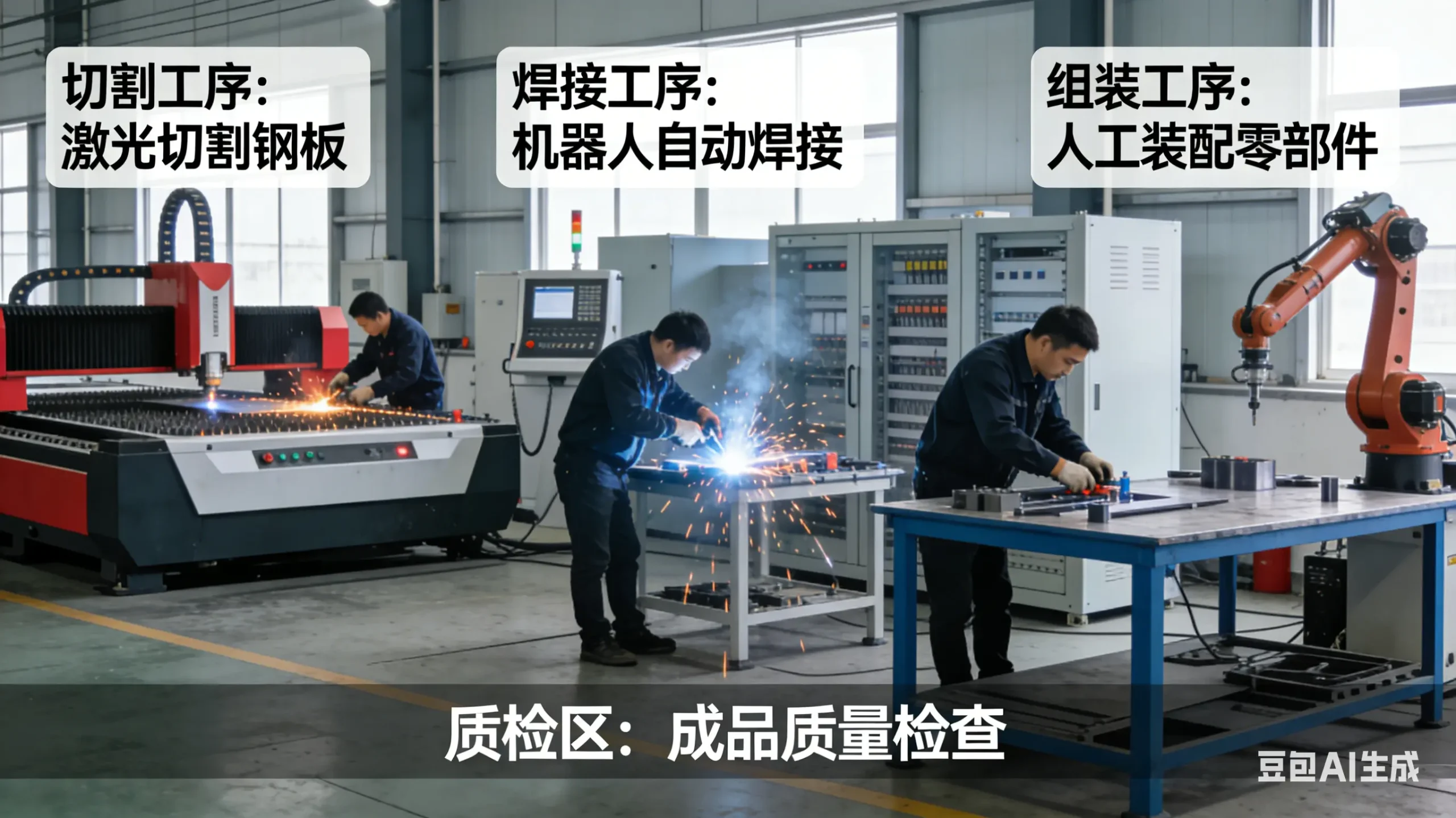
Each hub is factory-tested as an integrated system before shipping: full-load power test, battery discharge test, cooling capacity verification at high ambient, alarm and reporting checks. Documentation includes wiring diagrams, test reports and site-specific operating instructions — the difference between a delivered product and a delivered, proven product.
7. Remote Operations
The site controller is the operator’s window into every hub: live power and battery status, temperature trends, door events and alarm history. Alarms route by SMS, WeChat/WhatsApp and email; critical events trigger immediate dispatch while routine data supports preventive maintenance — filter cleaning before over-temperature, battery checks before capacity loss.
8. Frequently Asked Questions
4G/5G Base Station Hub FAQ
1. What is a 4G/5G base station hub?
A base station hub is the integrated outdoor unit that houses telecom transmission, power conversion, batteries and climate control for a cell site — the engine room of the site.
2. Why is an integrated hub better than separate boxes?
Integration reduces footprint and installation time, guarantees subsystem compatibility, simplifies cabling, and improves reliability because power, cooling and monitoring are engineered and tested as one system.
3. What backup time can you provide?
Backup is sized per operator policy — typically 3 to 8 hours at full load with LiFePO4 batteries; longer autonomy is available for priority or transmission hubs.
4. Do you support solar or hybrid power?
Yes — DC systems accept solar charge controller input, and hybrid sites combine grid, solar and batteries; generator handover is available for off-grid locations.
5. What is the typical delivery time?
Standard outdoor cabinets ship in 15-25 days; fully integrated custom shelters with factory testing usually take 30-45 days depending on configuration.
6. How is the hub monitored?
Every hub includes a site controller with local display and remote interfaces (SNMP, Modbus, 4G/NB-IoT); alarms for power, temperature, smoke, door and battery faults are pushed to the NMS or mobile app.
7. What maintenance is required?
Periodic filter cleaning, quarterly visual inspection and annual battery capacity tests; rectifier and fan modules are hot-swappable without site downtime.
8. How much power does 5G equipment draw?
Massive MIMO AAUs can draw 3-4 kW per sector, so a 3-sector 5G site may need 24-36 kW total capacity — hubs are sized accordingly with margin.
9. Do hubs meet safety and EMC standards?
Yes — enclosures and electrical assemblies are designed to meet IEC/GB standards including IP55, surge immunity and grounding, with full test documentation per project.
10. Can existing sites be upgraded to 5G?
Yes — hub power and cooling can be upgraded in place where the enclosure allows, or replaced with a pre-integrated unit for faster rollout.
11. What is the design life of a hub?
Enclosures and power systems are designed for 15-20 years of outdoor service with scheduled maintenance.
12. Do you provide installation support?
Yes — installation supervision, commissioning and operator training are available as part of the supply.
9. Related Solutions
- Base Station Environmental Sensors
- LiFePO4 Batteries for Base Stations
- Base Station SPD Module
- Telecom Power Distribution Unit
- General Outdoor Cabinets
About Guangzhou Lain Intelligent System Development Co., Ltd.
Guangzhou Lain Intelligent System Development Co., Ltd. manufactures base station hubs, telecom power systems, batteries and monitoring for mobile operators and tower companies worldwide. From single rooms to enterprise facilities, KITOZER provides design, manufacturing, integration, testing and after-sales service under one roof and exports worldwide.
Contact us for a free technical consultation:
- Company: Guangzhou Lain Intelligent System Development Co., Ltd.
- Address: 1st Floor, Building A, Chaotian Industrial Park, Zhongrun Industrial Park, Shilou Town, Panyu District, Guangzhou, Guangdong, China
- Tel/WeChat: +86 135-0923-8849 | +86 135-0923-8849
- WhatsApp: +86 135-0923-8849
- Email: zl19068534140@gmail.com
- Website: www.gdlain.com | Request a Quote
Typical response time: within one business day. Project references, drawings and samples are available on request.