1. Overview: The Questions Operators Ask Before Buying a Base Station Hub
Buying a 4G/5G base station hub involves more than comparing enclosure sizes: power capacity, battery autonomy, monitoring, delivery time and compliance all determine whether the site performs for its full design life. This page answers the questions mobile operators, tower companies and network integrators ask most often — in plain language, with the real numbers behind the answers.
Guangzhou Lain Intelligent System Development Co., Ltd. designs and manufactures base station hubs — integrated outdoor units that combine transmission space, -48V DC power conversion, LiFePO4 battery backup, climate control and remote monitoring. Every answer below reflects standard Lain engineering practice and can be confirmed against a project specification for your site.
2. The Hub and What It Does
2.1 What is a 4G/5G base station hub?
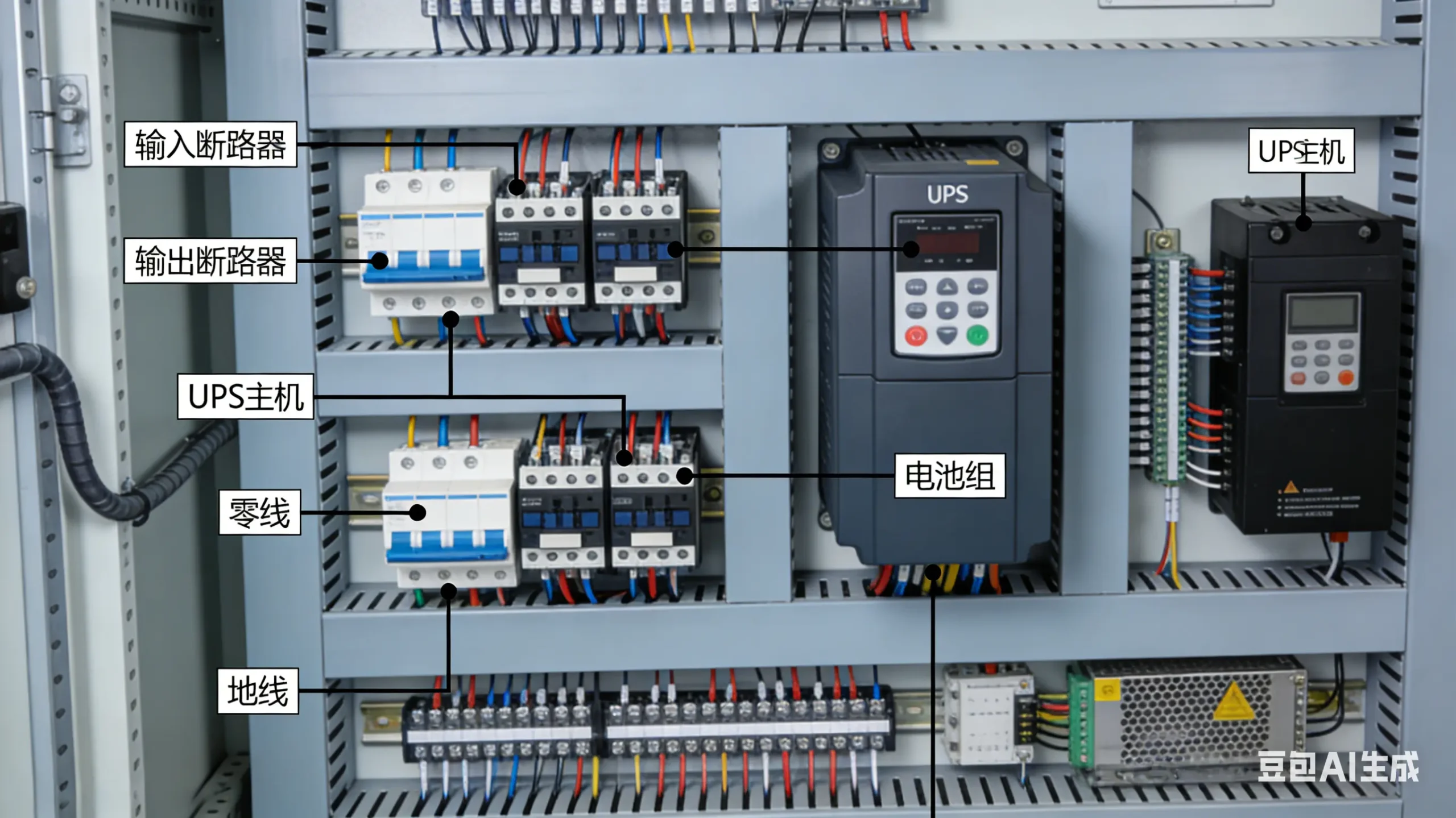
A base station hub is the integrated outdoor unit that houses telecom transmission, power conversion, batteries and climate control for a cell site. It is the “engine room” of the site: it keeps radios powered, cool and monitored in all weather, and it is where AC mains becomes the regulated -48V DC that telecom equipment actually runs on. Everything the radio needs — except the antenna itself — lives inside the hub.
2.2 Why is an integrated hub better than separate boxes?
Integration reduces the site footprint and installation time, guarantees subsystem compatibility, simplifies cabling and improves reliability — because power, cooling and monitoring are engineered and tested as one system rather than assembled on site from several vendors’ boxes. One supplier, one drawing set, one test record and one service point also simplify procurement and maintenance for operators managing hundreds of sites.
3. Power and Backup
3.1 What backup time can you provide?
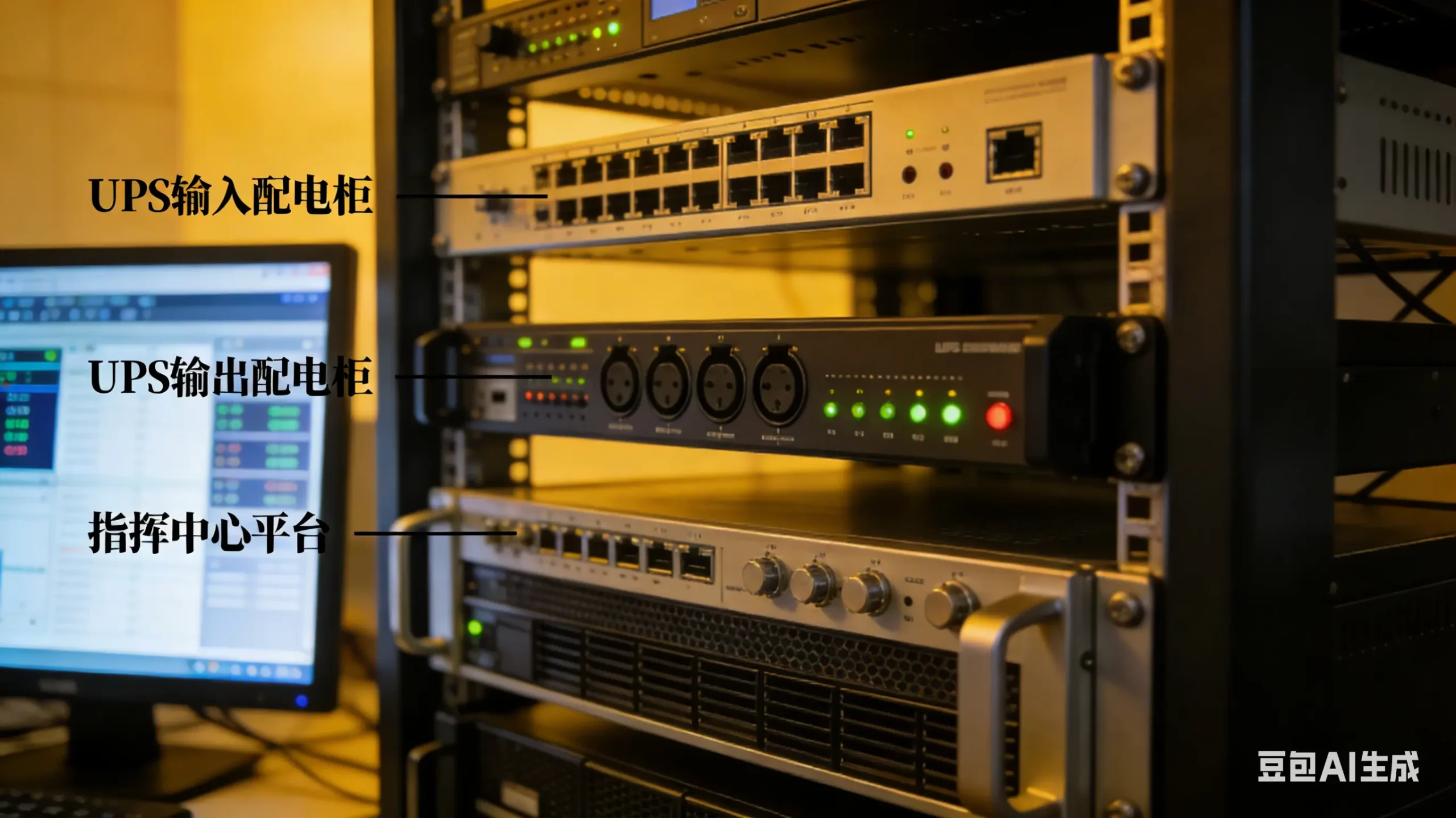
Backup is sized per operator policy — typically 3 to 8 hours at full load with LiFePO4 batteries. Longer autonomy is possible when the site is classified as a priority or transmission hub, and the battery bank can be paralleled for sites that must survive extended grid outages. The controller continuously tracks remaining runtime and reports it to the NMS.
3.2 Do you support solar or hybrid power?
Yes. Our DC systems accept a solar charge controller input, and hybrid sites can combine grid, solar and batteries. Peak-shaving and diesel-generator handover are available for off-grid locations, and the site controller manages the priority between sources automatically — solar first, grid second, battery as buffer and generator as the last line of defense.
3.3 Why LiFePO4 rather than lead-acid batteries?
LiFePO4 (lithium iron phosphate) batteries tolerate the high ambient temperatures found inside telecom enclosures, deliver deep-cycle performance and require no watering or equalizing. In telecom service they typically outlast lead-acid under the same heat profile, which lowers the total cost per delivered backup-hour over the site’s life.
4. Monitoring, Maintenance and Site Operations
4.1 How is the hub monitored?
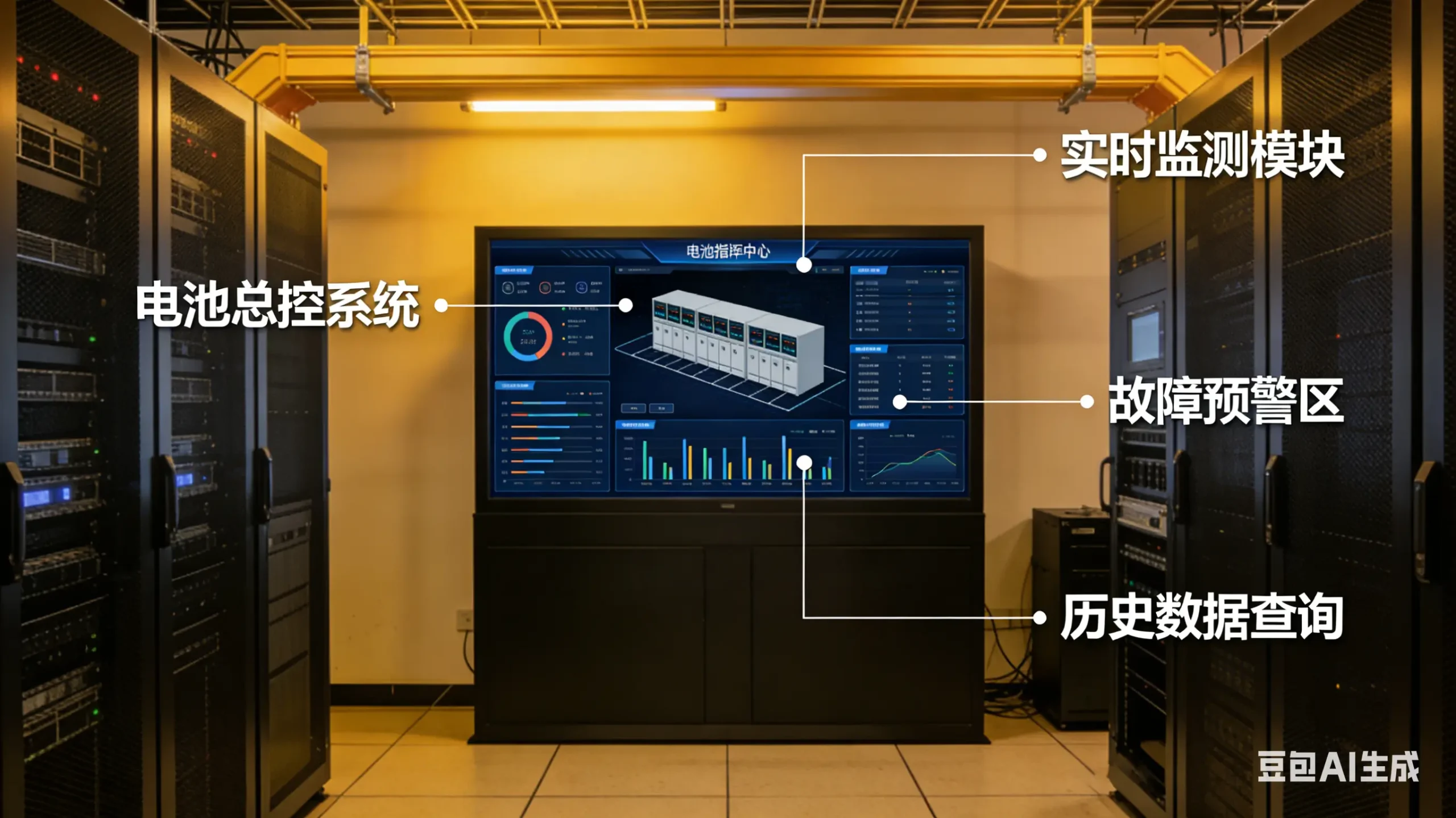
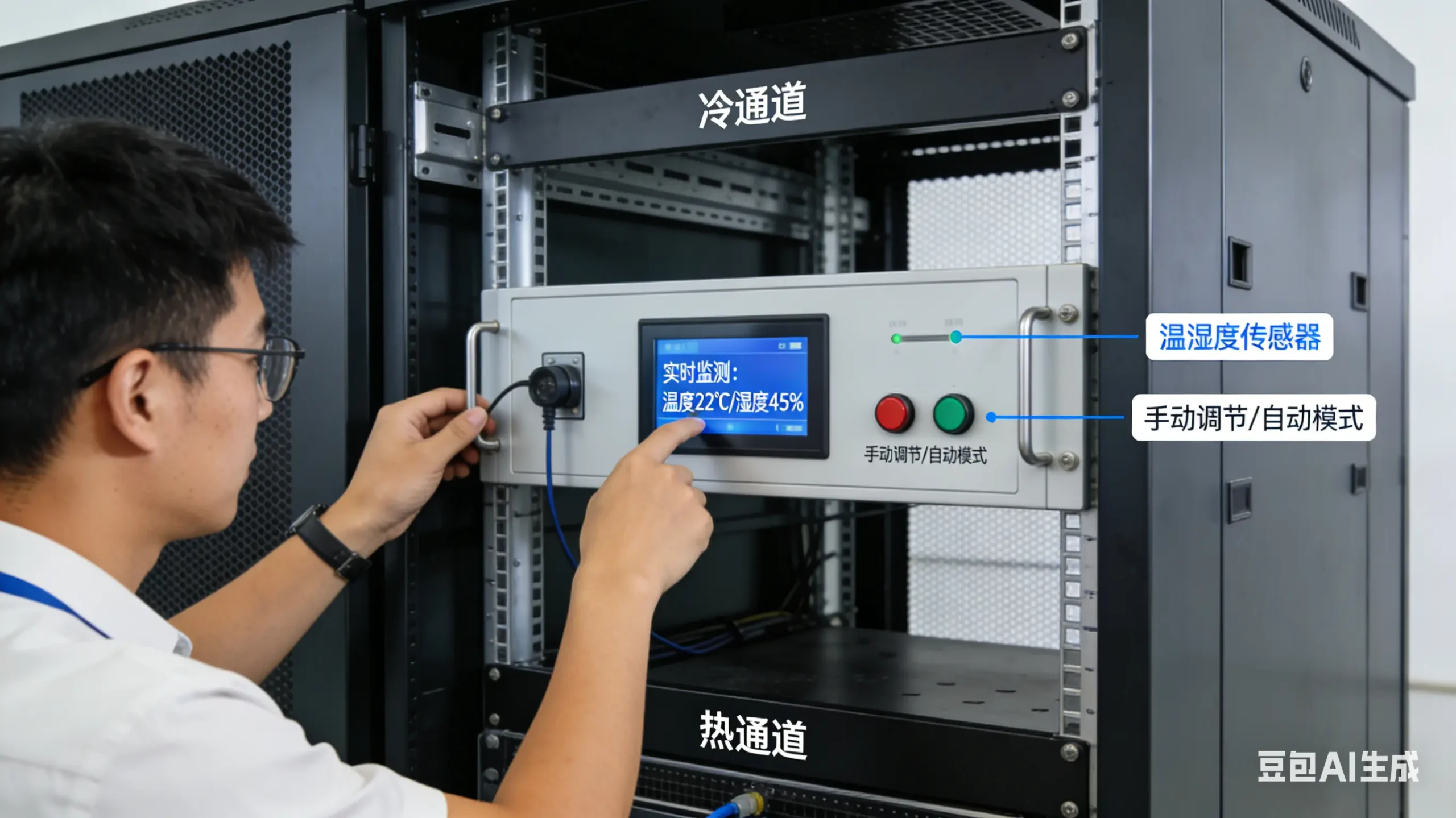
Every hub includes a site controller with a local display and remote interfaces (SNMP, Modbus, 4G/NB-IoT). Alarms for power failure, high temperature, smoke, door intrusion and battery faults are pushed to the operator’s NMS or mobile app, and the controller logs history locally so no data is lost during a network outage.
4.2 What maintenance is required?
Maintenance is limited to periodic filter cleaning, quarterly visual inspection and an annual battery capacity test. Rectifier and fan modules are hot-swappable, so a module replacement causes no site downtime — the field engineer swaps the module while the site keeps running on the remaining redundancy.
4.3 Can the hub run unattended in remote locations?
Yes — that is what the controller, remote reporting and alarm channels are for. With 4G/NB-IoT reporting, a site can be monitored and alarmed without any wired network, and scheduled maintenance visits are driven by the data the controller sends rather than by a fixed calendar alone.
5. Delivery, Standards and Project Support
5.1 What is the typical delivery time?
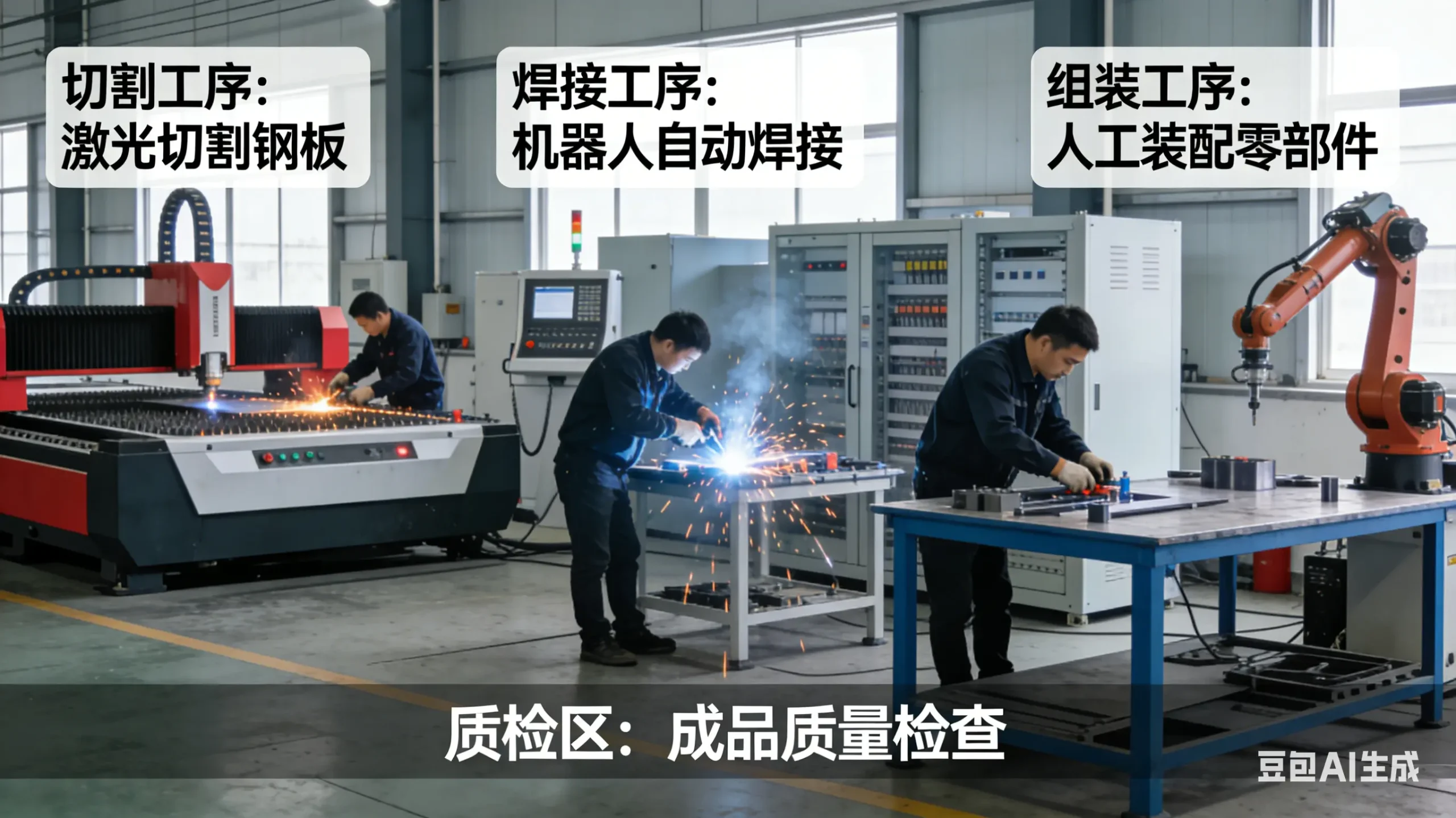
Standard outdoor cabinets ship in 15-25 days; fully integrated custom shelters with factory testing usually take 30-45 days depending on configuration. Delivery is quoted per project once the load survey and configuration are confirmed.
5.2 Do hubs meet safety and EMC standards?
Yes. Enclosures and electrical assemblies are designed to meet IEC/GB standards, including protection class IP55, surge immunity and grounding requirements, with full test documentation delivered per project. Each hub is factory-tested as an integrated system before shipment.
5.3 Do you provide installation and commissioning support?
Yes — installation supervision, commissioning and operator training are available as part of the supply. Documentation includes wiring diagrams, test reports and site-specific operating instructions, so the handover is a proven, documented system rather than a box of parts.
5.4 What is the design life of a hub?
Enclosures and power systems are designed for 15-20 years of outdoor service with scheduled maintenance. Because the -48V architecture is standard across telecom generations, the hub can carry 4G radios today and be re-utilized or upgraded for 5G loads later.
6. Frequently Asked Questions — Quick Reference
4G/5G Base Station Hub FAQ
1. How much power does 5G equipment draw compared with 4G?
Massive MIMO AAUs can draw roughly 3-4 times the power of earlier 4G radios, so a 3-sector 5G site may need 24-36 kW of total capacity. Hubs for 5G are sized from a load survey with headroom for future sectors.
2. Can an existing 4G site hub be upgraded for 5G?
In most cases yes — the -48V DC architecture is shared across generations, so power and cooling can be upgraded in place where the enclosure allows, or the hub can be replaced with a pre-integrated unit for faster rollout.
3. What protection does the hub have against lightning and surges?
The power system includes SPD (surge protective devices) at the mains and DC level plus full grounding, and the enclosure meets the surge-immunity and grounding requirements of the relevant IEC/GB standards.
4. What happens during a grid failure?
The battery bank takes over seamlessly through the DC system; the controller reports the outage, tracks remaining runtime and, on hybrid sites, can start the generator or increase solar contribution according to the configured source priority.
5. Do you customize hubs for special projects?
Yes — footprints, power capacity, battery autonomy, cooling type, color and monitoring interfaces are configurable, and shelters can be fully custom-engineered for special projects.
6. How do I get a quotation?
Send the site load list (radio types and counts, transmission, auxiliary loads) and the required battery autonomy; our engineers respond with a configuration and quotation, typically within one business day.
7. Related Solutions
- 4G/5G Base Station Hub: Complete Outdoor Site Solution
- Base Station Environmental Sensors
- LiFePO4 Batteries for Base Stations
- Base Station SPD Module
- Telecom Power Distribution Unit (PDU)
- General Outdoor Cabinets
About Guangzhou Lain Intelligent System Development Co., Ltd.
Guangzhou Lain Intelligent System Development Co., Ltd. manufactures base station hubs, telecom power systems, LiFePO4 batteries and monitoring solutions for mobile operators and tower companies worldwide. From single rooms to enterprise facilities, KITOZER provides design, manufacturing, integration, testing and after-sales service under one roof and exports worldwide.
Contact us for a free technical consultation:
- Company: Guangzhou Lain Intelligent System Development Co., Ltd.
- Address: 1st Floor, Building A, Chaotian Industrial Park, Zhongrun Industrial Park, Shilou Town, Panyu District, Guangzhou, Guangdong, China
- Tel/WeChat: +86 13922289957 | +86 18520668845 | +86 13538869979
- WhatsApp: +86 19068534140
- Email: zl19068534140@gmail.com
- Website: www.gdlain.com | Request a Quote
Typical response time: within one business day. Project references, drawings and samples are available on request.