1. Overview: Noise Is a Design Problem, Not an Inconvenience
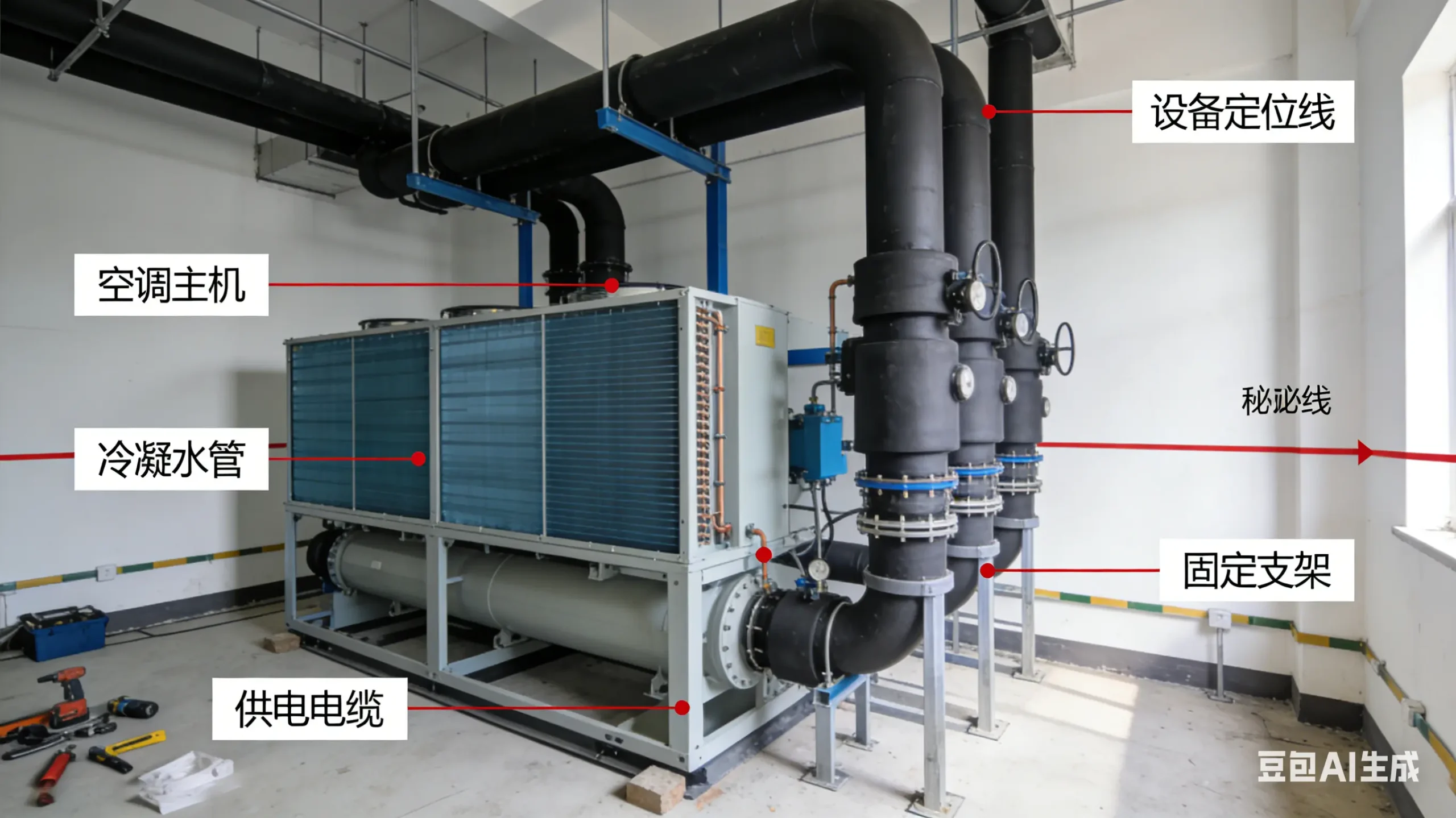
Data centers, telecom rooms and generator rooms are loud — precision AC compressors, fans, UPS systems and generators produce noise that disturbs adjacent offices, violates environmental limits and makes maintenance areas unpleasant and unsafe. In mixed-use buildings and urban sites, noise from the technical floor is one of the most common causes of neighbor complaints and even legal action.
Data center acoustic barriers — sound-absorbing panels, enclosures and silencers — contain equipment noise at the source and along its path. Guangzhou Lain Intelligent System Development Co., Ltd. supplies and installs acoustic treatment for computer rooms, generator rooms and outdoor equipment. This guide explains acoustic principles, solution types, design targets and verification.
2. Acoustic Basics: Absorption vs Barrier
- Sound absorption — porous materials (foam, mineral wool with perforated facing) convert sound energy to heat, reducing reverberation inside the room. Absorbers do not stop sound passing through walls; they make the room quieter for occupants.
- Sound barrier — mass-loaded panels block sound transmission between source and receiver. A barrier’s performance (insertion loss) depends on mass, airtightness and construction — a small gap can undo much of its performance.
Most projects need both: absorbers on room surfaces to control internal noise and reverberation, and barriers or enclosures around the noisiest equipment to protect neighbors.
3. Acoustic Solutions We Supply
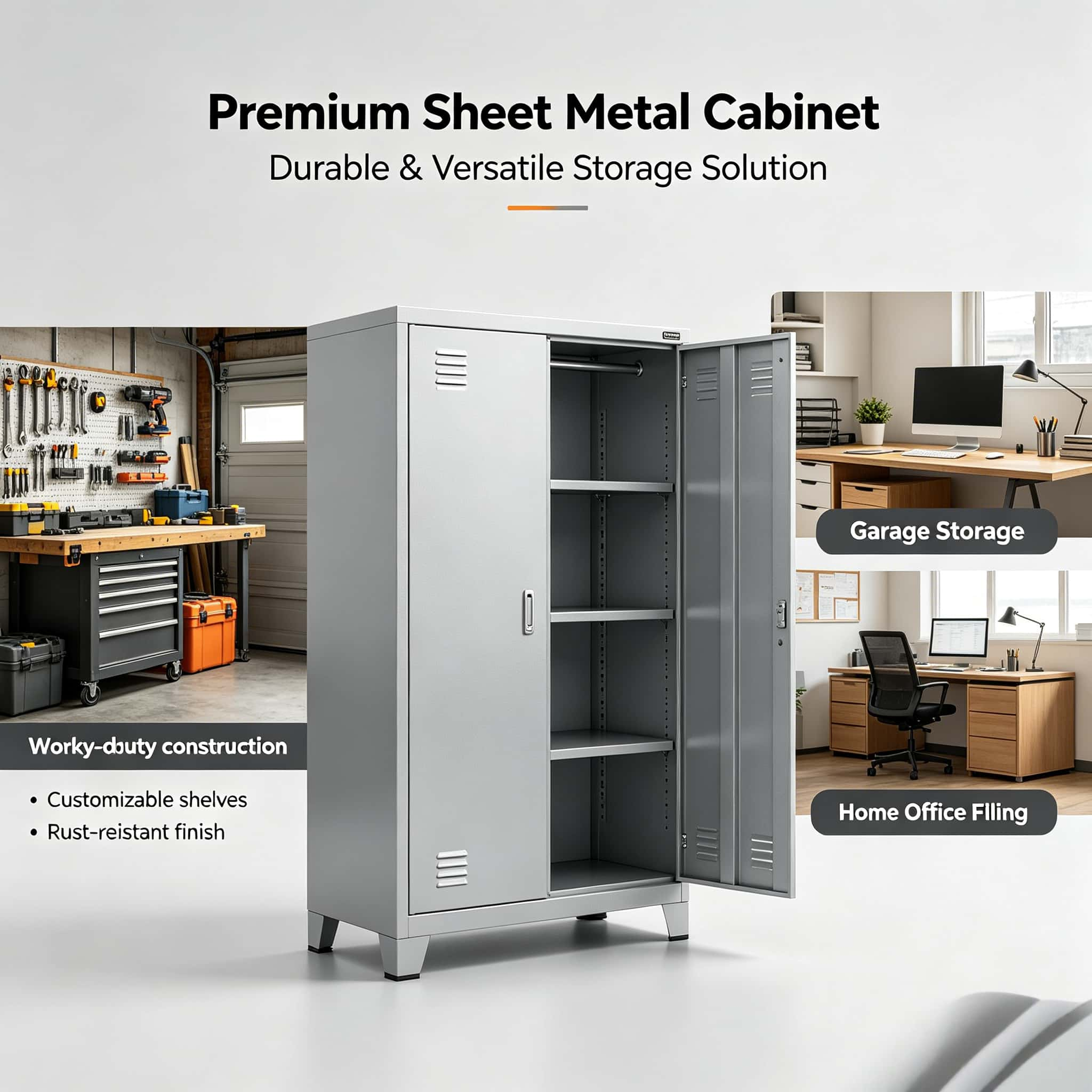
| Solution | Application | Typical Performance |
|---|---|---|
| Absorber wall/ceiling panels | Reduce reverberation in equipment halls | Absorption 0.8-0.95 |
| Equipment enclosures | Contain compressor, UPS, generator noise | Insertion loss 10-25 dB |
| Silencers and duct lining | Attenuate noise through vents and AC ducts | Per duct design |
| Vibration isolation | Spring/rubber mounts for chillers and pumps | Structure-borne reduction |
| Acoustic doors and glazing | Control room and access openings | STC-rated assemblies |
4. Materials and Fire Safety
Inside technical rooms, absorber materials are specified in fire-rated grades (Class A / non-combustible where codes require), with clean-room-compatible finishes — low dust, washable facings — where equipment sensitivity demands. Enclosures are built with access doors so maintenance is not compromised by noise control.
5. Design Targets
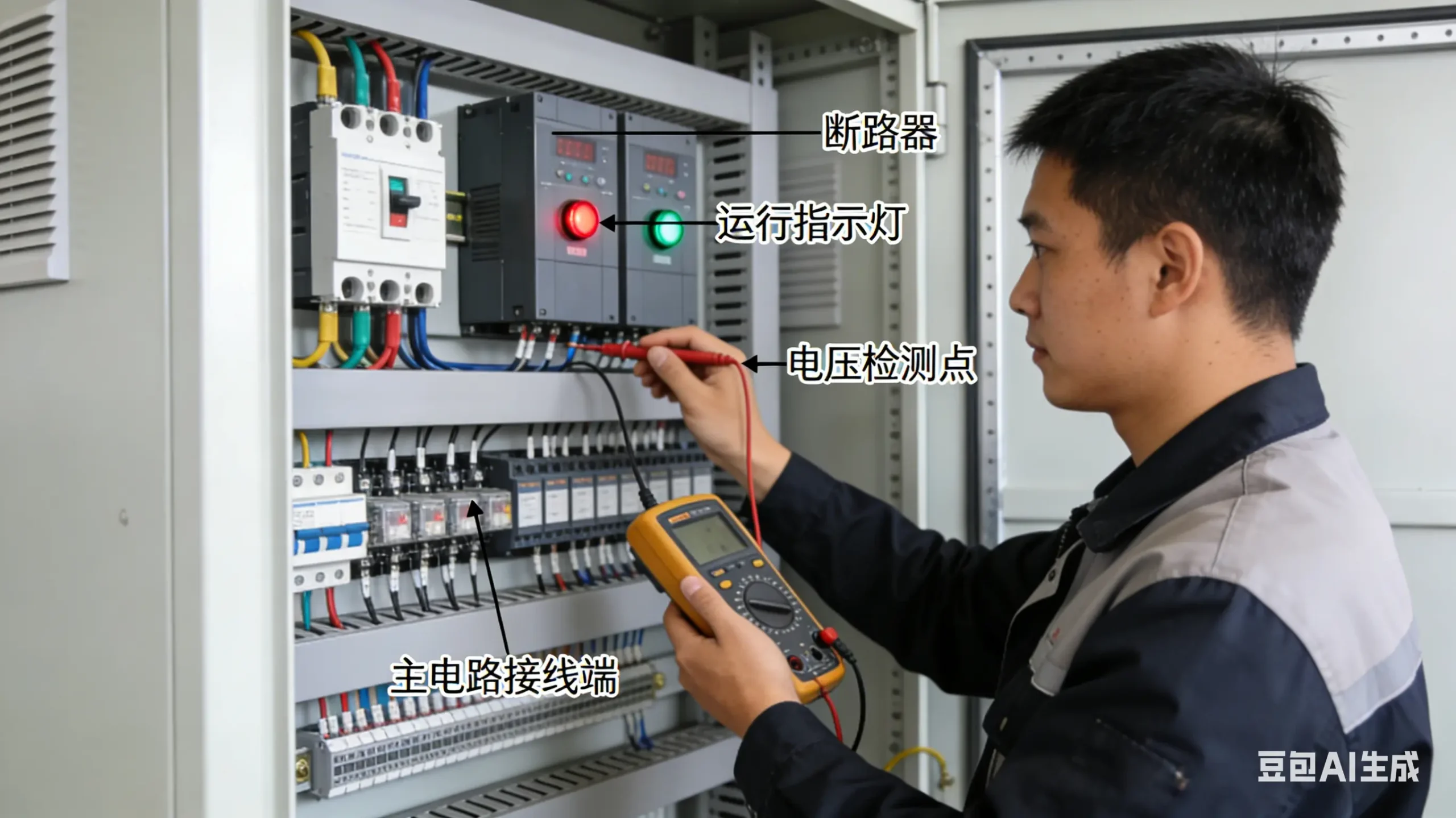
Common acoustic goals: adjacent office noise below 45-55 dB(A); generator enclosure noise below 65-75 dB(A) at 1 m; reverberation control in large halls. Targets are agreed from the site’s actual requirements — building codes, environmental limits, lease agreements or client comfort standards — before design starts.
6. Retrofits in Running Rooms
Acoustic treatment installs without stopping equipment: absorber panels are mounted from aisles and service areas; enclosures around generators or AC units are built with access provisions; vibration isolation on pumps is scheduled per unit. Before/after noise measurement documents the achieved reduction.
7. Measurement and Verification
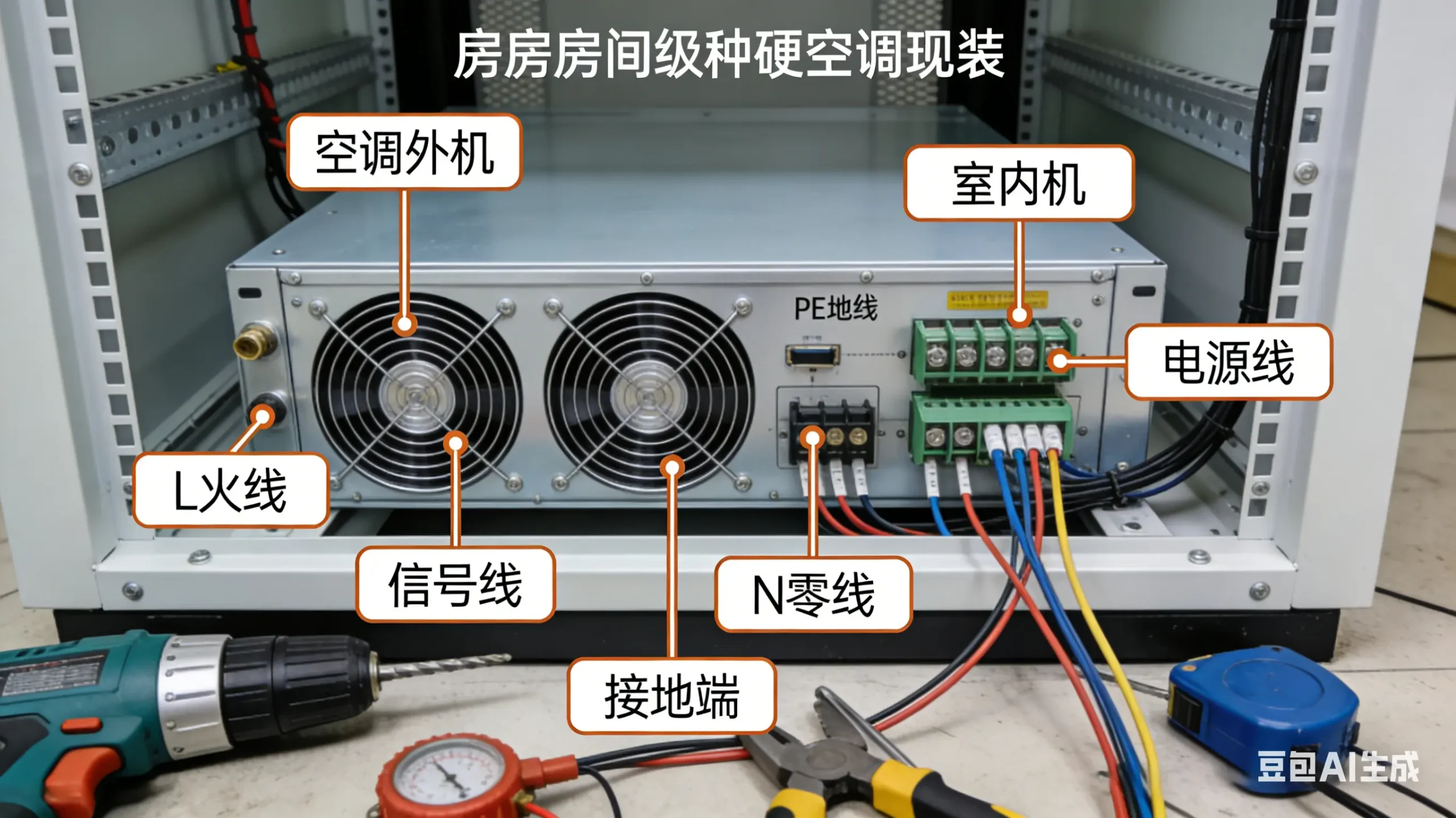
We measure or estimate the equipment noise spectrum, define the target at neighboring points, and verify the result with a sound level meter after installation. Reports show achieved levels against design targets — the evidence that resolves complaints and confirms compliance.
8. Frequently Asked Questions
Acoustic Barrier FAQ
1. Why do data centers need acoustic barriers?
Cooling compressors, fans and UPS make data centers noisy; without treatment the noise disturbs adjacent offices or violates environmental noise limits, especially for outdoor generator and AC areas.
2. What is the difference between sound absorption and a sound barrier?
Absorbers reduce reflected noise (reverberation) inside a room; barriers block direct sound transmission between source and receiver. Most projects need both.
3. Which materials are used and are they fire-safe?
Absorbers use foam or mineral wool with perforated metal/wood facing; barriers use mass-loaded panels with damping. Fire-rated Class A / non-combustible grades are available and recommended in technical rooms.
4. Can acoustic work be done in a running data center?
Yes — treatments install from aisles and service areas without touching IT equipment; enclosures around generators or AC units include access doors for maintenance.
5. How much noise reduction can you achieve?
Typical wall absorber panels reduce reverberant noise 5-10 dB; full enclosures around compressors or generators provide 10-25 dB insertion loss, enough for most office and boundary limits.
6. Do you provide measurement and verification?
Yes — before/after noise measurements with a sound level meter report achieved levels against design targets.
7. What is STC and why does it matter?
Sound Transmission Class rates how well a wall or door blocks sound; higher STC means better isolation — selected to meet the required noise difference between rooms.
8. How is vibration handled?
Chillers, pumps and generators transmit vibration through the structure; spring or rubber isolation mounts decouple them from the building frame.
9. Do silencers reduce airflow?
Silencers attenuate noise in ducts with some pressure drop; designs balance acoustic performance against airflow requirements.
10. Can enclosures overheat equipment?
Enclosures include ventilation or cooling sized for the equipment heat load, so noise control does not compromise temperature.
11. What are typical targets for offices next to data centers?
Common targets are 45-55 dB(A) in adjacent offices during operation; specific values follow codes and the client’s requirements.
12. How long does installation take?
Room treatments typically complete in days; full generator or chiller enclosures schedule with the equipment maintenance plan.
9. Related Solutions
- Cabinet Thermal Control Module
- Data Center Monitoring System
- Room Finishing Accessories
- Electrical Room Environmental Monitoring
- Outdoor Equipment Enclosures
About Guangzhou Lain Intelligent System Development Co., Ltd.
Guangzhou Lain Intelligent System Development Co., Ltd. supplies acoustic treatment, thermal management and monitoring for data centers and technical rooms worldwide. From single rooms to enterprise facilities, KITOZER provides design, manufacturing, integration, testing and after-sales service under one roof and exports worldwide.
Contact us for a free technical consultation:
- Company: Guangzhou Lain Intelligent System Development Co., Ltd.
- Address: 1st Floor, Building A, Chaotian Industrial Park, Zhongrun Industrial Park, Shilou Town, Panyu District, Guangzhou, Guangdong, China
- Tel/WeChat: +86 135-0923-8849 | +86 135-0923-8849
- WhatsApp: +86 135-0923-8849
- Email: zl19068534140@gmail.com
- Website: www.gdlain.com | Request a Quote
Typical response time: within one business day. Project references, drawings and samples are available on request.