1. Overview: What This FAQ Covers
Data center acoustic barriers — sound-absorbing panels, mass-loaded enclosures and silencers — contain the noise produced by cooling compressors, fans, UPS systems and generators so it does not disturb adjacent offices or violate environmental limits. This page answers the questions facility teams ask when planning, budgeting or commissioning noise treatment.
Guangzhou Lain Intelligent System Development Co., Ltd. supplies and installs acoustic treatment for computer rooms, generator rooms and outdoor equipment areas. The answers below reflect our standard products, design practice and measurement service.
2. Noise Sources and Limits
2.1 Which equipment makes data centers loud?
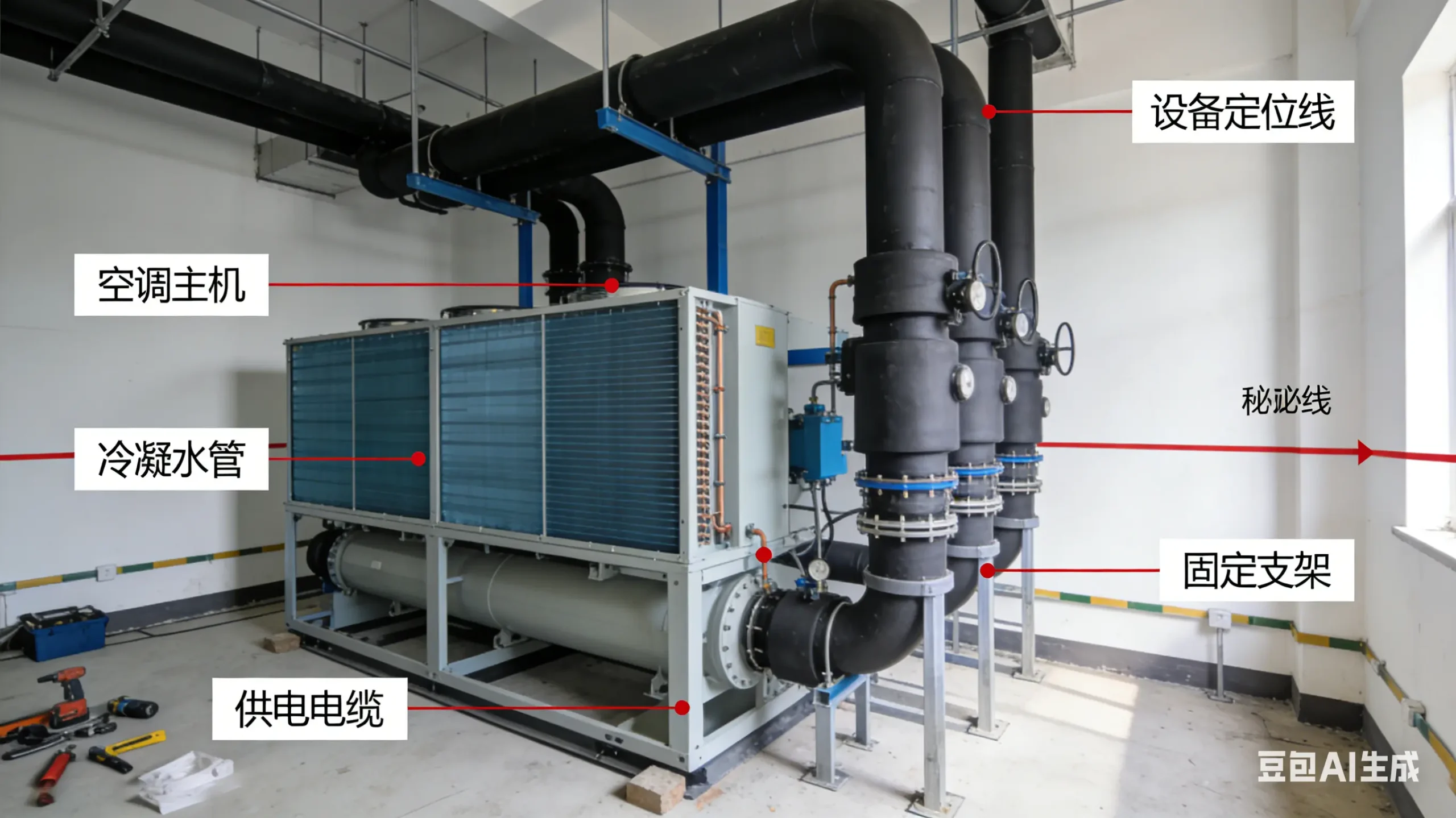
Precision cooling is usually the main source: compressor and condenser units sit outside or in plant rooms, while indoor CRAC/CRAH fans generate continuous broadband noise. UPS systems add transformer hum and cooling fans; generators add engine noise, exhaust and vibration; even densely packed server fans contribute to the overall level in a hall.
Typical levels are 70–80 dB(A) in a plant room, 65–75 dB(A) beside a running generator enclosure and 55–65 dB(A) inside a populated server hall. Next door, even 50 dB(A) from a technical floor can be clearly audible through a shared wall at night.
2.2 What noise limits apply?
Limits come from building codes, environmental regulations at the property boundary, lease agreements and office comfort standards. Day/night limits differ, and the receiver is usually a neighboring office, residence or meeting room rather than the equipment hall itself. Design starts from those boundary targets, not from an arbitrary “quiet” goal.
In mixed-use buildings the practical requirement is often the loudest condition: generator testing at night, chiller staging in summer, or UPS room fans during a battery discharge. The acoustic design should be checked against the worst realistic operating state, not average operation.
3. Absorption vs Barrier
3.1 What is the difference between sound absorption and a sound barrier?
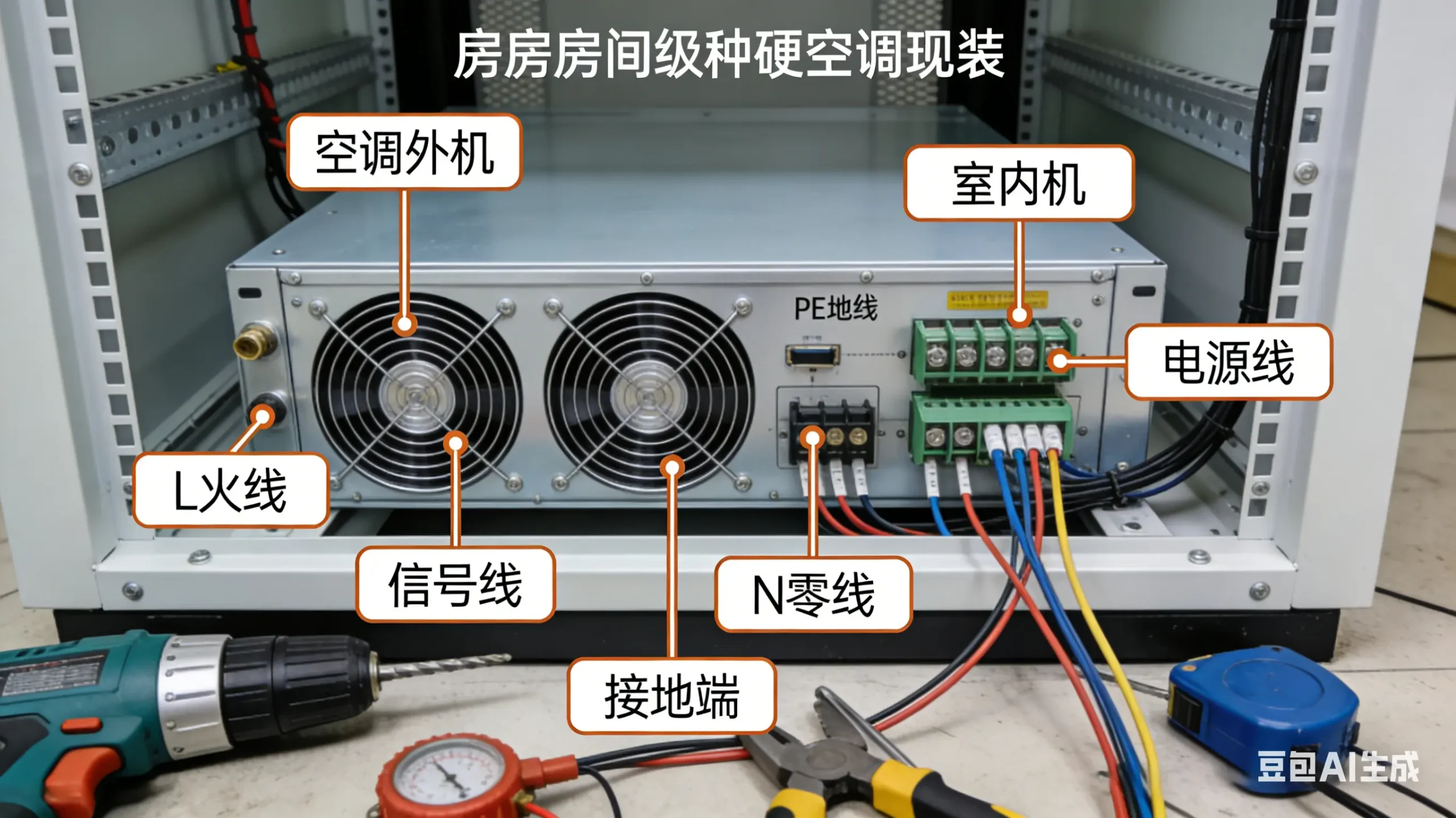
Absorption uses porous material — foam, mineral wool with perforated facing — to convert reflected sound energy into heat, reducing reverberation inside the room. Absorbers make the room quieter for people in it, but they do little to stop sound passing through a wall to the neighbor.
Barriers block the direct path between source and receiver. Performance comes from mass, airtightness and careful detailing; a barrier is only as good as its seals at doors, penetrations and joints. A small gap can reduce the effective isolation dramatically.
3.2 Do I need one or the other?
Most projects need both. Absorbers control internal noise and reverberation so the room is workable and measurements are meaningful; barriers and enclosures protect the people and spaces outside the room. A generator room, for example, usually gets absorber panels inside for maintenance comfort plus a full enclosure around each set to protect the boundary.
The split is decided by where the problem is: if the complaint is inside the hall, add absorption; if it is next door, add barrier mass and seal the structure.
4. Enclosures, Silencers and Materials
4.1 What does a complete acoustic enclosure include?
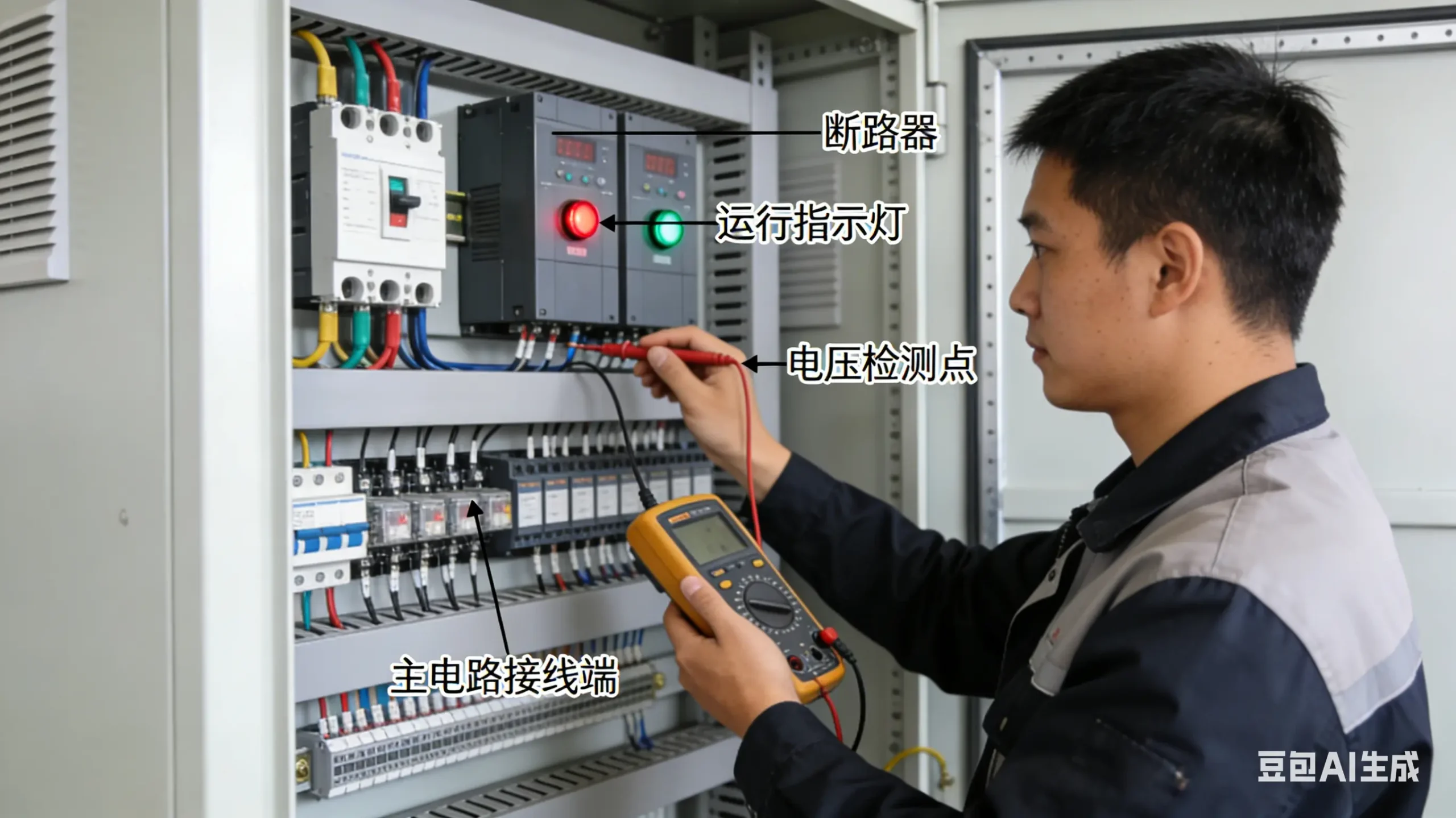
A proper enclosure is not just a box: it has mass-loaded composite panels, an acoustically rated access door, sealed cable and pipe penetrations, vibration isolation under the base, and ventilation or cooling sized for the equipment heat load. Without ventilation, enclosing a chiller or generator simply trades a noise problem for an over-temperature problem.
Enclosures are engineered per unit — compressor, pump, UPS or genset — with the cooling opening ducted through a silencer so fresh air arrives without a noise path. Lifting points and split construction allow installation and removal for major service.
4.2 Are the materials fire-safe and clean-room compatible?
Inside technical rooms, absorber facings are selected in fire-rated grades — Class A or non-combustible where codes require — with low-dust, washable finishes where equipment sensitivity demands. Barrier panels use non-combustible cores with damped steel skins. We confirm the fire classification that applies to your room before specifying materials.
4.3 Do silencers reduce airflow?
Silencers attenuate noise in ducts and ventilation openings with some pressure drop; the design balances acoustic performance against airflow and pressure requirements. For enclosure cooling, the silencer and fan are sized together so the equipment still receives its required airflow at the worst ambient condition.
5. Design Targets, Retrofit and Verification
5.1 What are typical acoustic targets?
Common targets: adjacent office noise below 45–55 dB(A) during operation; generator enclosure noise below 65–75 dB(A) at 1 m; reverberation control in large halls. Specific values follow the applicable code, the lease, environmental permits or the client’s comfort standard — targets are agreed before design starts, and the solution is then engineered to meet them.
5.2 Can acoustic treatment be retrofitted in a live room?
Yes. Absorber panels mount from aisles and service areas without touching IT equipment; enclosures around generators or AC units are built around the operating plant with access provisions; vibration isolation on pumps is scheduled unit by unit. The work is physical, not electrical, and can be phased by room or by plant item.
5.3 How is performance verified?
We measure or estimate the equipment noise spectrum, define the target at neighboring points, and verify the result with a sound level meter after installation. The before/after report shows achieved levels against design targets — the evidence that resolves complaints and demonstrates compliance to landlords or regulators.
6. Frequently Asked Questions — Quick Reference
Data Center Acoustic Barrier FAQ
1. Why do data centers need acoustic barriers?
Cooling compressors, fans, UPS systems and generators make technical rooms loud; without treatment the noise disturbs adjacent offices or violates environmental limits, especially for outdoor generator and AC areas.
2. What is the difference between sound absorption and a barrier?
Absorbers reduce reflected noise (reverberation) inside a room; barriers block direct sound transmission to the receiver. Most projects need both.
3. Which equipment is noisiest?
Precision cooling compressors and fans are usually dominant; UPS transformer hum, generator engines and exhaust and dense server fans also contribute significantly.
4. What noise limits apply to my project?
Building codes, environmental boundary limits, lease agreements and office comfort standards; day/night values differ and design targets the worst realistic operating state.
5. Are the materials fire-safe?
Yes — fire-rated Class A / non-combustible absorber facings and non-combustible barrier cores are available and recommended inside technical rooms.
6. Can enclosures overheat the equipment?
No — enclosures include ventilation or cooling sized for the heat load, with the airflow ducted through silencers so noise control does not compromise temperature.
7. Can acoustic work be done in a running data center?
Yes — treatments install from aisles and service areas without touching IT equipment; enclosures around generators or AC units include access provisions for maintenance.
8. How much reduction can I expect?
Wall absorber panels typically reduce reverberant noise 5–10 dB; full enclosures around compressors or generators provide 10–25 dB insertion loss, enough for most office and boundary limits.
9. Do silencers reduce airflow?
Silencers attenuate duct and ventilation noise with some pressure drop; fans and silencers are sized together so required airflow is maintained.
10. How is vibration handled?
Chillers, pumps and generators transmit vibration through the structure; spring or rubber isolation mounts decouple them from the building frame.
11. What is STC and why does it matter?
Sound Transmission Class rates how well a wall, door or panel blocks sound; higher STC means better isolation and is selected to meet the required noise difference between spaces.
12. Do you provide measurement and verification?
Yes — before/after sound level measurements report achieved levels against the agreed design targets.
7. Related Solutions
- Data Center Acoustic Barrier: Complete Guide
- Cabinet Thermal Control Module
- Data Center Monitoring System
- Electrical Room Environmental Monitoring
- Room Finishing Accessories
About Guangzhou Lain Intelligent System Development Co., Ltd.
Guangzhou Lain Intelligent System Development Co., Ltd. supplies acoustic treatment, thermal management and monitoring for data centers and technical rooms worldwide. From single rooms to enterprise facilities, KITOZER provides design, manufacturing, integration, testing and after-sales service under one roof and exports worldwide.
Contact us for a free technical consultation:
- Company: Guangzhou Lain Intelligent System Development Co., Ltd.
- Address: 1st Floor, Building A, Chaotian Industrial Park, Zhongrun Industrial Park, Shilou Town, Panyu District, Guangzhou, Guangdong, China
- Tel/WeChat: +86 13922289957 | +86 18520668845 | +86 13538869979
- WhatsApp: +86 19068534140
- Email: zl19068534140@gmail.com
- Website: www.gdlain.com | Request a Quote
Typical response time: within one business day. Project references, drawings and samples are available on request.