1. Overview: What This FAQ Covers
Turnkey data center integration means one contractor takes responsibility for everything technical between an empty room and a running data center — layout design, power distribution, cooling, cabling, fire protection, security, monitoring and commissioning — and hands over a tested facility the customer can simply use. Instead of coordinating separate suppliers for racks, cooling, UPS and monitoring, the customer holds a single point of responsibility for design, schedule, quality and after-sales service.
This page answers the questions IT managers, facility owners and project planners ask before committing to a turnkey project. Guangzhou Lain Intelligent System Development Co., Ltd. designs, manufactures and integrates data center infrastructure as one package; the answers below reflect our standard scope, engineering process and delivery guarantees.
2. What Does Turnkey Integration Include?
2.1 What exactly is in the scope?
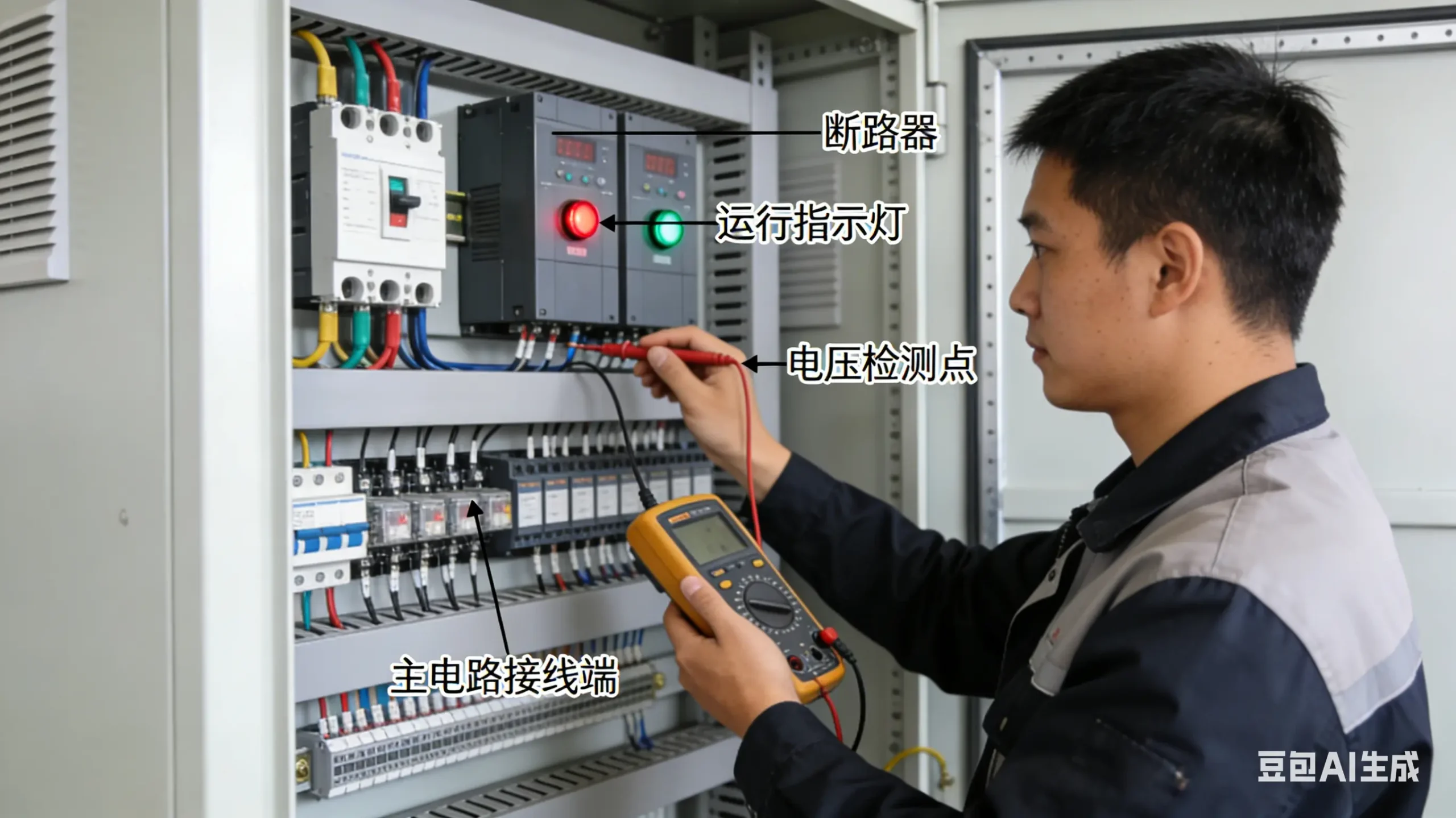
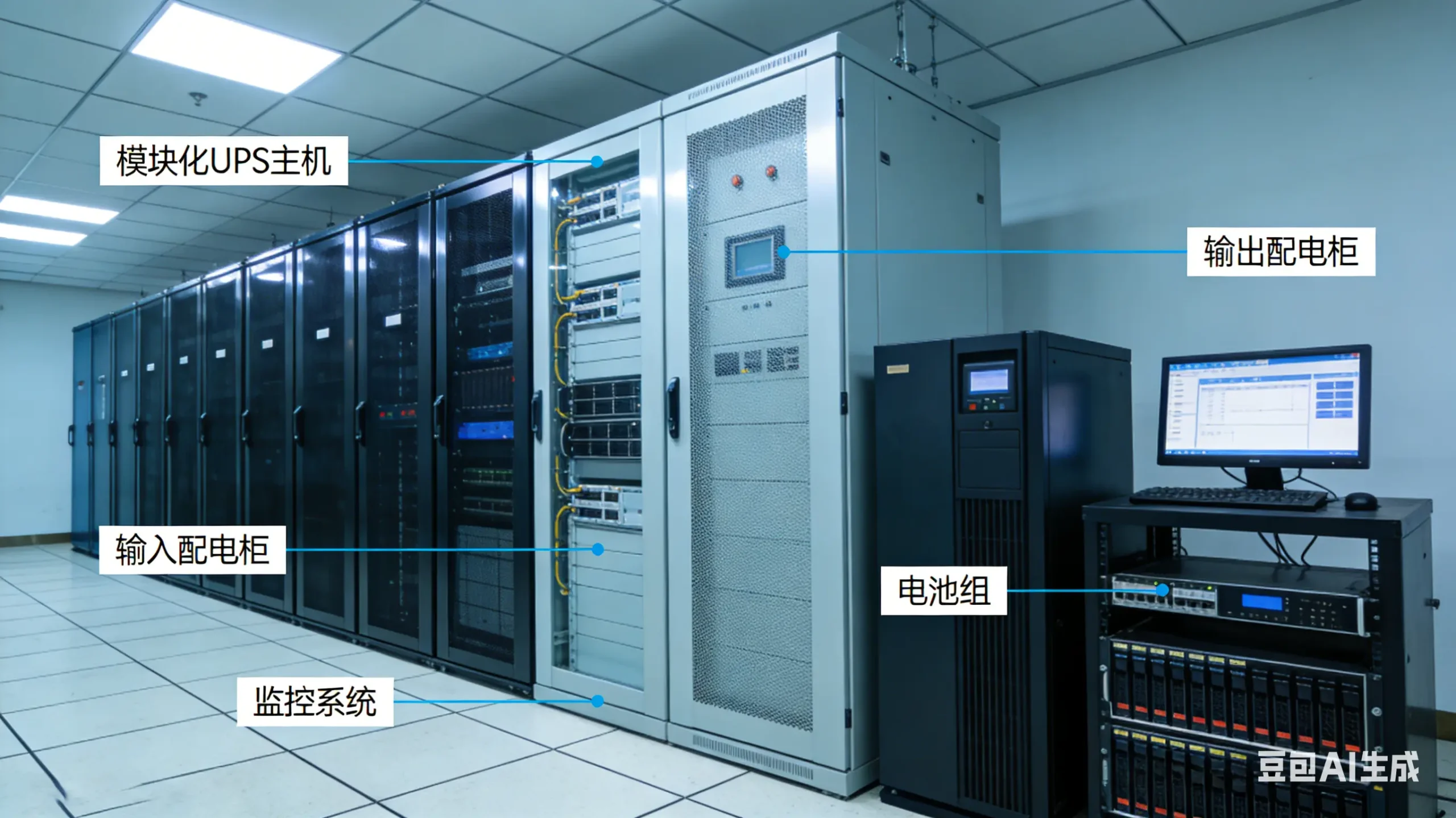
A complete turnkey scope covers: room layout and rack planning; incoming power, distribution panels, UPS and batteries; precision cooling with redundancy matched to the IT load; structured cabling and containment; fire detection and suppression; access control and CCTV; environmental and power monitoring; installation, labeling, testing and commissioning; and operator training plus documentation. The customer supplies the room and the IT equipment; everything that keeps that equipment alive and secure is our responsibility.
2.2 What is not included?
Typically excluded are building civil works such as walls, raised floors and ceiling finishes unless separately requested, and the IT hardware itself — servers, switches and storage. Any turnkey supplier should state these boundaries in writing at quotation stage so the price comparison is honest.
2.3 Why is one-contractor delivery better than separate suppliers?
Because most data center problems live at the boundaries between systems. A cooling fault that looks like a UPS fault, a fire alarm wired into the wrong monitoring point, a cable manager that blocks an airflow path — when one team designs, installs and tests everything, those boundaries are engineered instead of argued about. The customer also has one warranty and one service line instead of chasing several vendors.
3. Sizing and Design Questions
3.1 How is capacity sized?
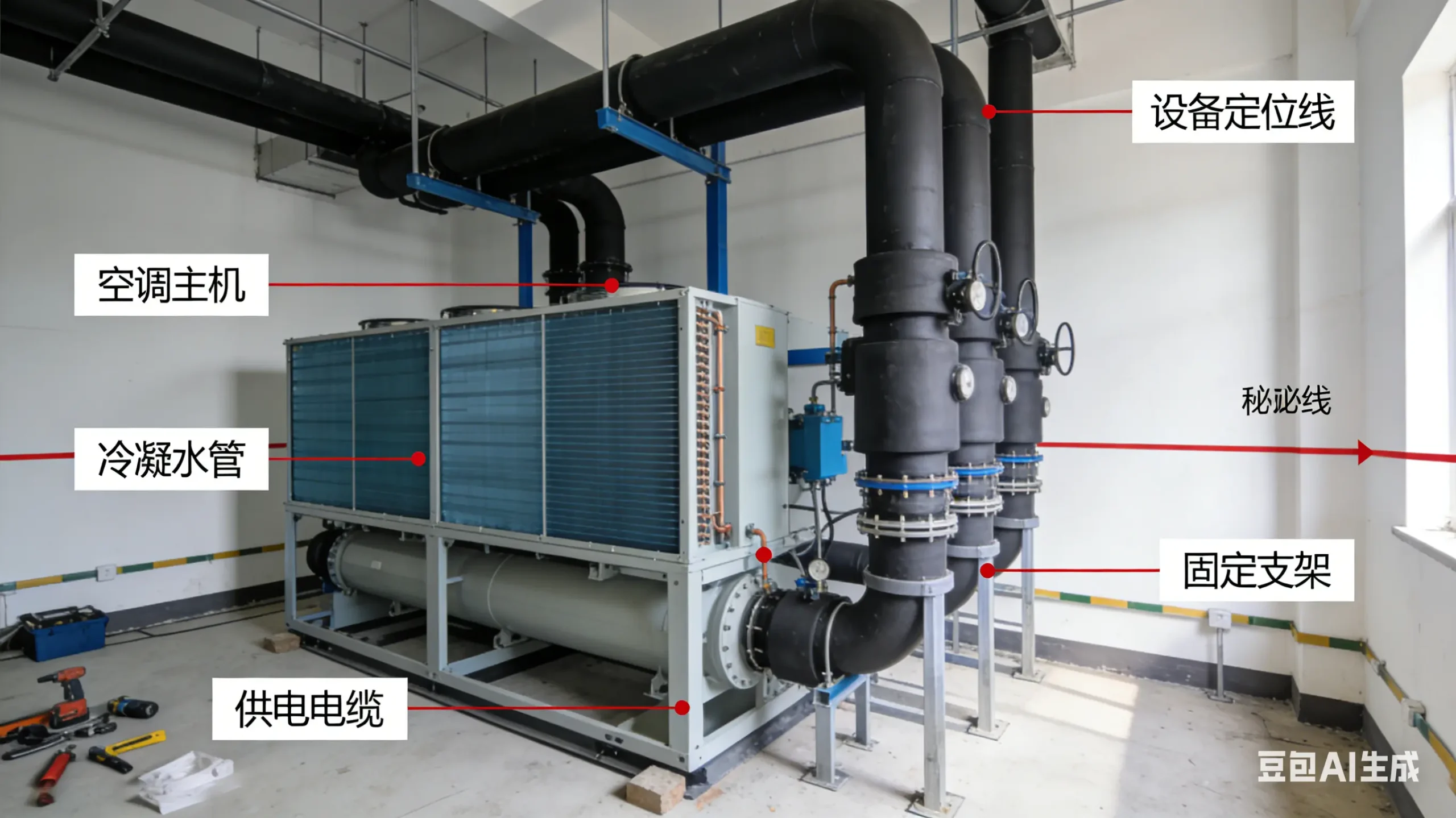
Sizing starts from the IT load: the number of racks, the power per rack today and its planned growth over three to five years. From that we calculate cooling capacity with the redundancy the customer chooses, UPS and battery autonomy, incoming power requirement and the floor area needed. Over-sizing wastes capital and energy; under-sizing forces an expensive second project, so the design locks in realistic growth margins at the start.
3.2 What redundancy level should I choose?
Redundancy is a risk and budget decision. A single-feed room with N cooling units and a single UPS is acceptable for development and testing environments; mission-critical facilities typically choose N+1 cooling and UPS, dual power paths, and generator backup. We present the options with cost and availability impact so the choice is made on facts, then engineer the selected level properly — redundancy that is designed but never tested protects nobody.
3.3 Can the design support future growth?
Yes — the layout reserves space and power headroom for additional racks and cooling units, and the monitoring and cabling infrastructure is built to a capacity above the first phase. Later expansion then happens without re-engineering the room.
4. Equipment, Brands and Build
4.1 Can I use my preferred brands?
Yes. We are not tied to one manufacturer: KITOZER supplies its own racks, cabinets, PDUs and monitoring controllers, and integrates third-party precision AC, UPS, fire suppression and security equipment the customer specifies. The quotation can be prepared with named brands and models so there is no ambiguity at handover.
4.2 Are systems prefabricated or built on site?
Both. KITOZER manufactures racks, busways and monitoring cabinets in its own factory, which shortens site work and improves quality control. Site work covers placement, interconnection, cable management, commissioning and testing. For containerized or modular deployments the same integration is factory-built into enclosures and delivered as pre-tested blocks.
4.3 How do you ensure quality before handover?
Every project follows a documented test schedule: continuity and insulation checks on power circuits, load-bank tests on UPS, cooling performance verification under heat load, fire alarm loop testing, security device function tests, and a full monitoring point-by-point verification. Test records are signed and handed over with the as-built documentation.
5. Timeline, Delivery and After-Sales
5.1 How long does a turnkey project take?
A typical single-room project completes in 4-8 weeks from design approval: around 1-2 weeks for design and documentation, 2-3 weeks for manufacturing and delivery, and 2-3 weeks for installation, commissioning and testing. Larger or multi-room facilities phase over several months. A written schedule with milestones is part of the proposal.
5.2 What happens after handover?
After-sales service includes a warranty on all supplied equipment and workmanship, remote monitoring support, scheduled maintenance options and a response commitment for faults. Guangzhou Lain keeps spare parts and documentation for the systems it delivers, and the same engineers who built the room support it afterward.
5.3 Do you provide training and documentation?
Yes — as-built drawings, cable schedules, equipment manuals, alarm lists and operating procedures are delivered with the project, and operator training is included so the customer’s own team can run the facility confidently.

6. Upgrading Existing Rooms
6.1 Can an existing room be upgraded turnkey?
Yes. Existing rooms are assessed first — current power and cooling capacity, cable condition, monitoring coverage and physical layout — then upgraded in planned phases: replacing or extending UPS, adding precision cooling, improving containment, renewing cabling and extending monitoring. Phasing lets critical rooms continue operating while work proceeds in defined zones.
6.2 How is risk managed during a live-room upgrade?
The upgrade plan sequences work to protect running IT: temporary cooling or power bridging where needed, out-of-hours change windows for connections, pre-tested new equipment brought online before old equipment is retired, and rollback steps defined in advance. Each phase is commissioned and verified before the next begins.
7. Frequently Asked Questions — Quick Reference
Data Center Turnkey Integration FAQ
1. What does turnkey data center integration include?
Everything technical between an empty room and a running data center: layout, power distribution, UPS, cooling, cabling, fire protection, security, monitoring, installation, commissioning, documentation and training — from one contractor.
2. How is capacity sized?
From the IT load per rack with a defined growth margin over 3-5 years, which drives cooling capacity, UPS autonomy, incoming power and floor area.
3. What redundancy level do I need?
It depends on the application: N or N+1 cooling and UPS, single or dual power paths, with or without generator — we cost the options so the decision is made on facts.
4. Can I use my preferred brands?
Yes — KITOZER supplies its own racks and monitoring controllers and integrates named third-party AC, UPS, fire and security brands the customer specifies.
5. How long does a turnkey project take?
A typical single room completes in 4-8 weeks from design approval; larger facilities phase over several months, with a written milestone schedule.
6. Can an existing room be upgraded turnkey?
Yes — the room is assessed and upgraded in planned phases, with bridging and out-of-hours windows so running IT is protected.
7. What is not included?
Building civil works and the customer’s IT hardware are normally excluded; boundaries are stated in writing at quotation stage.
8. Why use one contractor instead of several suppliers?
Single responsibility removes the boundary problems between systems, gives one warranty and one service line, and shortens the schedule.
9. What testing is done before handover?
Insulation checks, UPS load-bank tests, cooling performance verification, fire loop testing, security function tests and point-by-point monitoring verification, all documented.
10. Do you support the room after handover?
Yes — warranty, remote monitoring support, maintenance options, spare parts and a fault-response commitment from the same engineering team.
11. Is training included?
Operator training and full documentation — as-built drawings, cable schedules, alarm lists and procedures — are delivered with the project.
12. Can the design grow with us?
Layout, power and cooling headroom are planned above the first phase so later expansion does not require re-engineering the room.
8. Related Solutions
- Data Center Turnkey Integration: Complete Guide
- Data Center Monitoring System
- Data Center EMS Integration
- Electrical Room Environmental Monitoring
- Precision AC Remote Monitoring
About Guangzhou Lain Intelligent System Development Co., Ltd.
Guangzhou Lain Intelligent System Development Co., Ltd. delivers turnkey data center integration — power, cooling, racks, monitoring and security under one contract, from design to handover and after-sales service. From single rooms to enterprise facilities, KITOZER provides design, manufacturing, integration, testing and after-sales service under one roof and exports worldwide.
Contact us for a free technical consultation:
- Company: Guangzhou Lain Intelligent System Development Co., Ltd.
- Address: 1st Floor, Building A, Chaotian Industrial Park, Zhongrun Industrial Park, Shilou Town, Panyu District, Guangzhou, Guangdong, China
- Tel/WeChat: +86 135-0923-8849 | +86 135-0923-8849
- WhatsApp: +86 135-0923-8849
- Email: zl19068534140@gmail.com
- Website: www.gdlain.com | Request a Quote
Typical response time: within one business day. Project references, drawings and samples are available on request.