1. Overview: What This FAQ Covers
A LiFePO4 battery for UPS replaces the traditional lead-acid block with a lithium iron phosphate bank that lasts longer, recharges faster, weighs less and tolerates heat far better. This page answers the practical questions facility, IT and electrical engineers ask before retrofitting an existing UPS or specifying a new one.
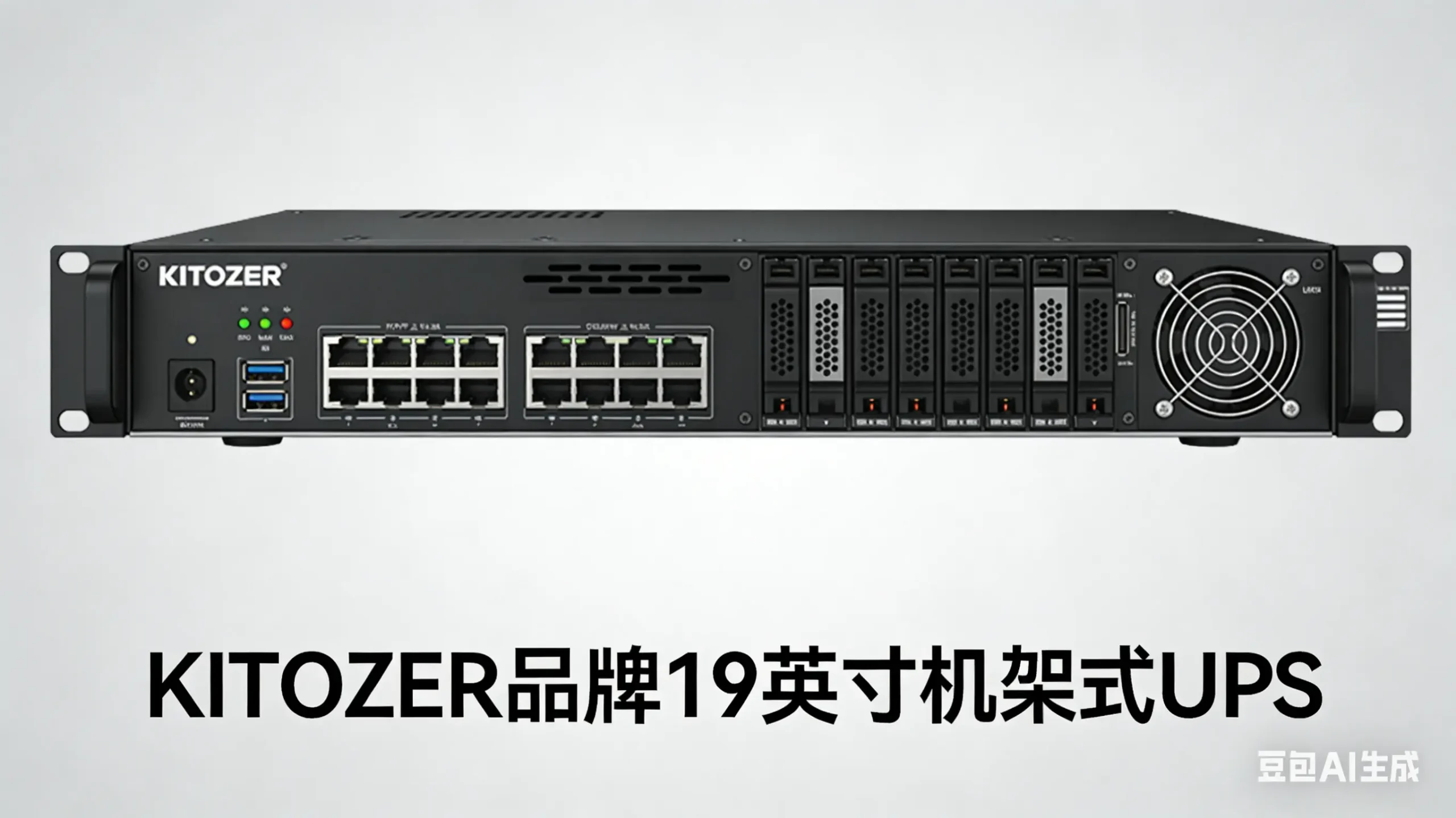
Guangzhou Lain Intelligent System Development Co., Ltd. supplies LiFePO4 battery systems and integrated UPS power solutions for commercial and industrial applications. The answers below reflect our standard engineering practice.
2. Chemistry and Economics
2.1 Why choose LiFePO4 over lead-acid for UPS?
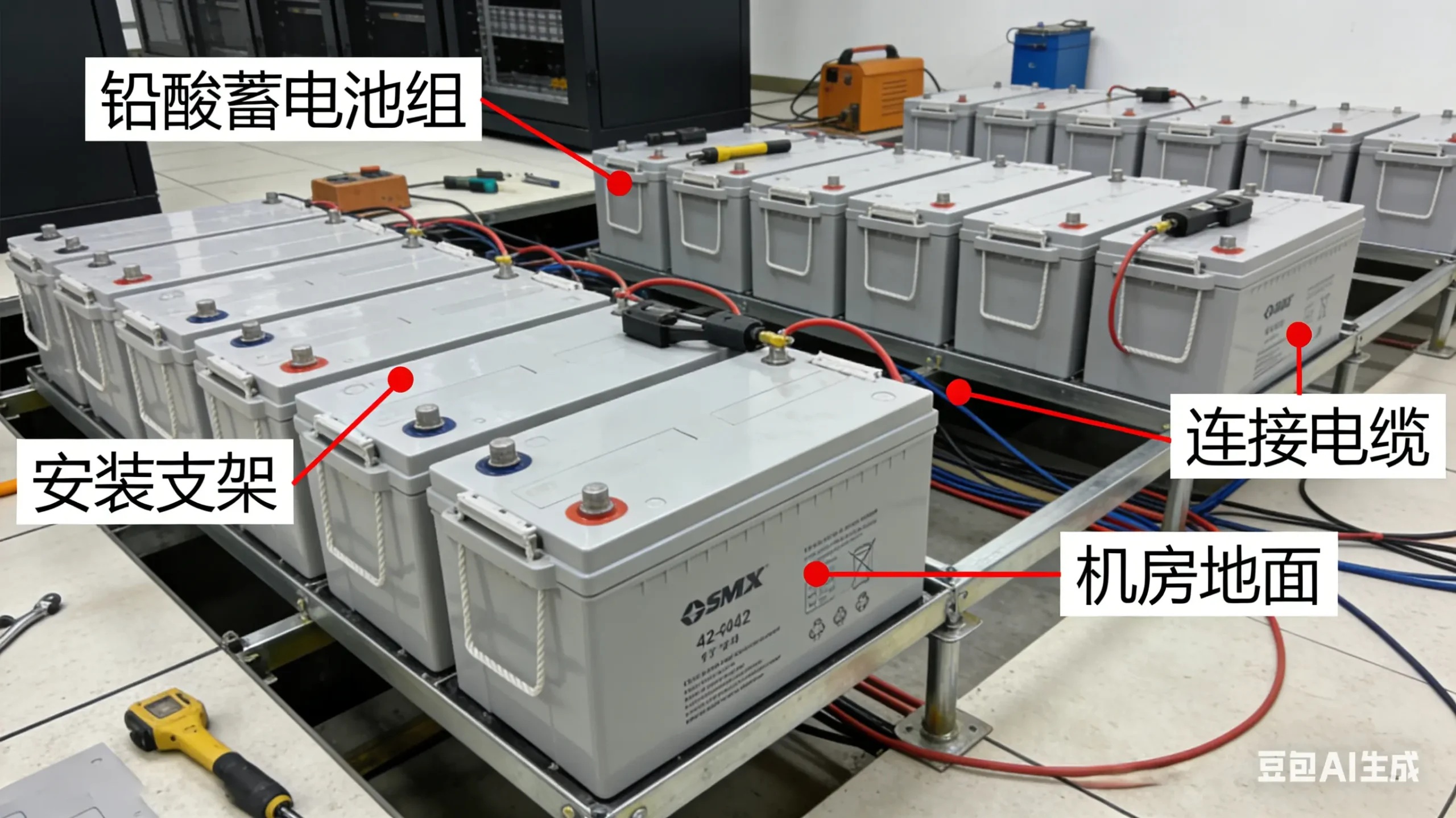
LiFePO4 offers 5-10x the cycle life, 50-70% space/weight savings, faster recharge and better high-temperature performance — lower total cost over the system life. A lead-acid bank is normally replaced two or three times within the working life of a UPS; a lithium bank usually survives the UPS itself, so the comparison must be made over ten years, not over the first purchase invoice.
2.2 What is the expected service life?
Typically 10-15 years with 3,000-6,000+ cycles at 80% depth of discharge — usually exceeding the UPS itself. Real life depends on temperature and cycling duty, which is why the battery management system tracks both and reports state of health instead of leaving you guessing.
3. Safety and Indoor Installation
3.1 Is LiFePO4 safe for indoor use?
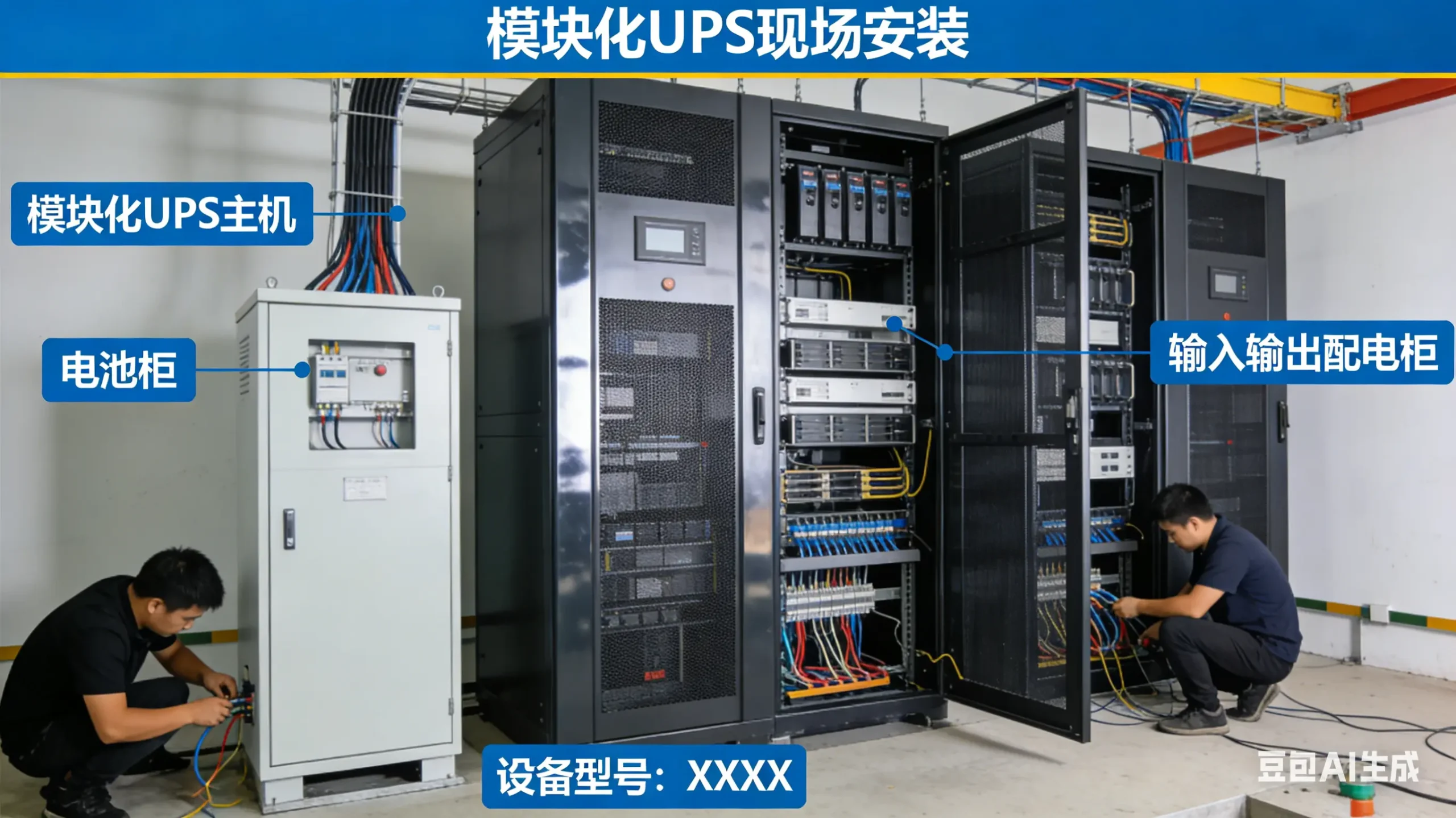
Yes — the chemistry is thermally stable with high abuse tolerance, and the BMS adds cell-level protection; systems are designed for indoor installation with proper ventilation. Lithium iron phosphate does not vent hydrogen like flooded lead-acid and has no acid handling, which simplifies room ventilation, floor protection and safety signage.
3.2 What does the BMS provide?
Cell balancing, over/under-voltage and temperature protection, SOC/SOH reporting, and communication with the UPS and monitoring platform. The BMS is the safety layer that makes lithium practical indoors: it disconnects or derates before cells leave their safe window and tells operators exactly what the battery is doing.
4. Retrofit and Compatibility
4.1 Will LiFePO4 work with my existing UPS?
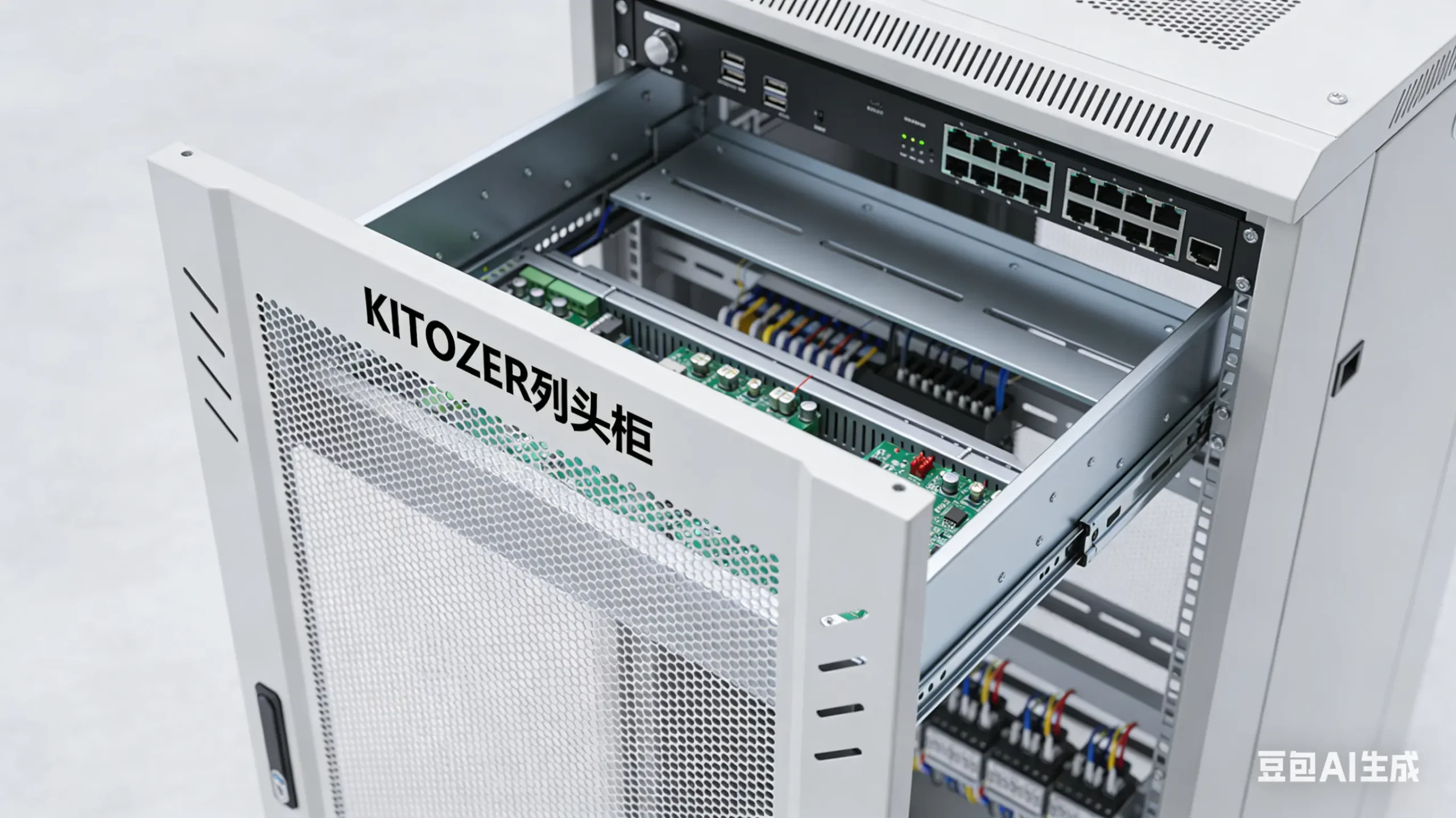
Often yes — if the UPS supports lithium charge profiles (or can be configured), retrofit kits replace the lead-acid bank; we verify compatibility before ordering. The charger curve, float voltage and communication interface must match, so the first step is always a compatibility check rather than a straight swap.
4.2 How long does a LiFePO4 battery take to recharge?
A LiFePO4 bank typically returns to full readiness in 2-4 hours versus 8-16 hours for lead-acid, so the vulnerable window after an outage is much shorter. If the grid fails again the next day, a lithium-backed UPS is already armed while a lead-acid bank may still be charging.
5. Sizing and Lifecycle
5.1 How is backup capacity sized?
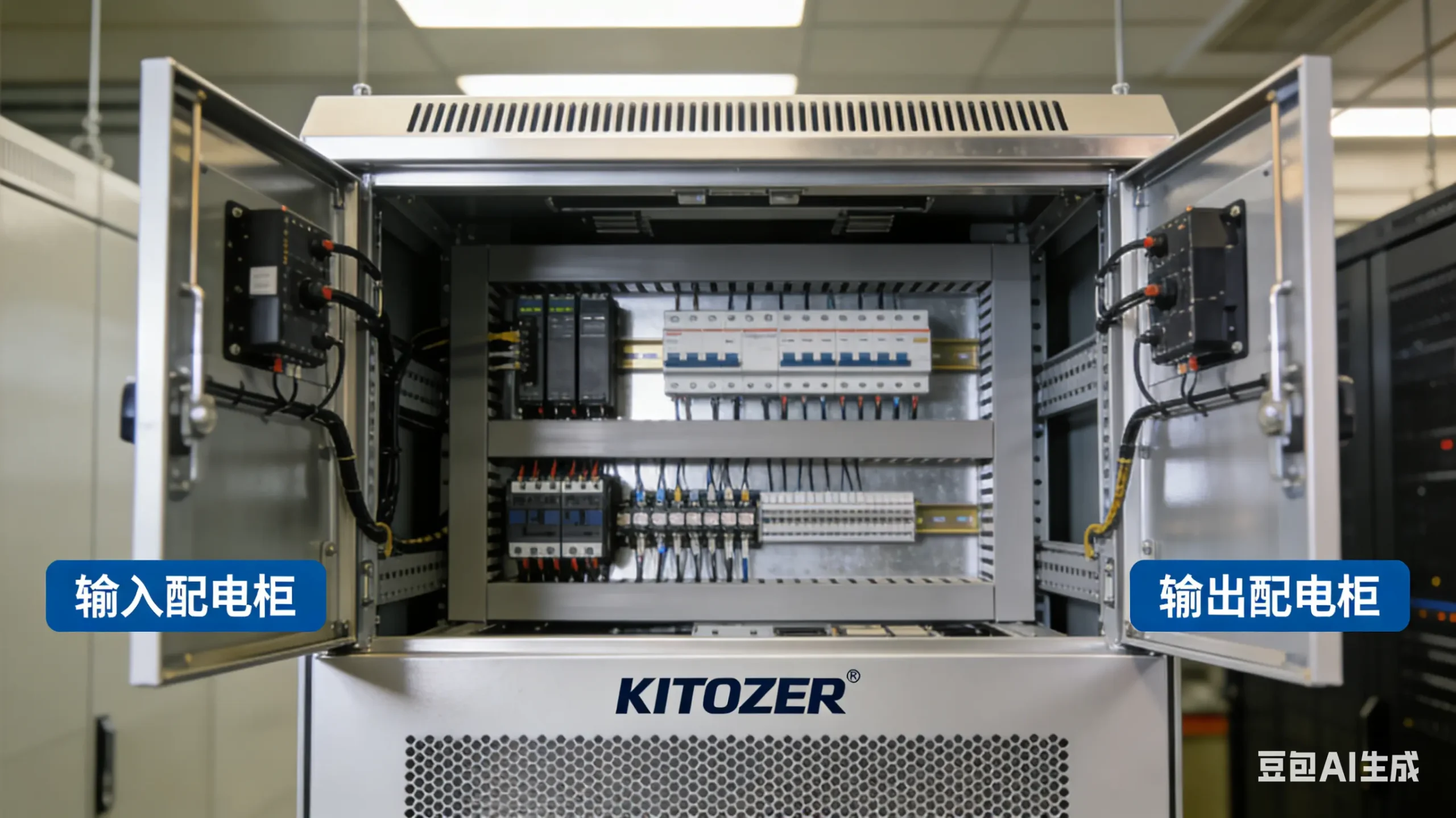
From UPS load and required autonomy at design temperature; we calculate the bank, verify UPS settings and document the result with test reports. Sizing also checks the discharge current against the cell rating, because a UPS draws its full load in seconds when mains drops.
5.2 How much lighter is a LiFePO4 battery bank?
Typically about 50% lighter and up to 50-70% smaller than an equivalent lead-acid bank, which eases floor loading, installation and later replacement. That saving often lets a higher-capacity lithium bank fit into the footprint the old lead-acid string occupied.
6. Frequently Asked Questions — Quick Reference
LiFePO4 Batteries for UPS FAQ
1. Why choose LiFePO4 over lead-acid for UPS?
LiFePO4 offers 5-10x the cycle life, 50-70% space/weight savings, faster recharge and better high-temperature performance — lower total cost over the system life.
2. Is LiFePO4 safe for indoor use?
Yes — the chemistry is thermally stable with high abuse tolerance, and the BMS adds cell-level protection; systems are designed for indoor installation with proper ventilation.
3. Will LiFePO4 work with my existing UPS?
Often yes — if the UPS supports lithium charge profiles (or can be configured), retrofit kits replace the lead-acid bank; we verify compatibility before ordering.
4. What does the BMS provide?
Cell balancing, over/under-voltage and temperature protection, SOC/SOH reporting, and communication with the UPS and monitoring platform.
5. How is backup capacity sized?
From UPS load and required autonomy at design temperature; we calculate the bank, verify UPS settings and document the result with test reports.
6. What is the expected service life?
Typically 10-15 years with 3,000-6,000+ cycles at 80% depth of discharge — usually exceeding the UPS itself.
7. How long does a LiFePO4 battery take to recharge?
A LiFePO4 bank typically returns to full readiness in 2-4 hours versus 8-16 hours for lead-acid, so the vulnerable window after an outage is much shorter.
8. Does the UPS battery need a special charger?
The UPS charge profile must support lithium charging — constant current/constant voltage with the BMS in control; many modern UPS models offer a lithium mode.
9. How much lighter is a LiFePO4 battery bank?
Typically about 50% lighter and up to 50-70% smaller than an equivalent lead-acid bank, which eases floor loading, installation and later replacement.
10. What happens at the end of the battery’s life?
The BMS tracks state of health and gives advance warning; modules are replaced in manageable units rather than swapping an entire heavy bank at once.
7. Related Solutions
- LiFePO4 Batteries for UPS: Complete Guide
- LiFePO4 Batteries for Base Stations
- New-Energy Site Intelligence (Solar + Storage)
- NMS Software: One Console for Your Network
- Data Center Turnkey Integration
About Guangzhou Lain Intelligent System Development Co., Ltd.
Guangzhou Lain Intelligent System Development Co., Ltd. supplies LiFePO4 battery systems and integrated UPS power solutions for commercial and industrial applications. From single rooms to enterprise facilities, KITOZER provides design, manufacturing, integration, testing and after-sales service. Export and support scope are confirmed on the quotation.
Contact us for a free technical consultation:
- Company: Guangzhou Lain Intelligent System Development Co., Ltd.
- Address: 1st Floor, Building A, Chaotian Industrial Park, Zhongrun Industrial Park, Shilou Town, Panyu District, Guangzhou, Guangdong, China
- Tel/WeChat: +86 13538869979 | +86 13538869979
- WhatsApp: +86 19068534140
- Email: zl19068534140@gmail.com
- Website: www.gdlain.com | Request a Quote
Typical response time: within one business day. Project references, drawings and samples are available on request.