1. Overview: What This FAQ Covers
LiFePO4 batteries for base stations replace lead-acid backup with lithium iron phosphate modules built for telecom duty: wide temperature tolerance, thousands of deep cycles, fast recharge and remote visibility through the battery management system. This page answers the practical questions operators, tower companies and network engineers ask before retrofitting sites.
Guangzhou Lain Intelligent System Development Co., Ltd. supplies LiFePO4 backup and 48 V DC power solutions for telecom operators, tower companies and enterprise networks. The answers below reflect our standard engineering practice.
2. Why Lithium at the Site
2.1 Why switch base stations to LiFePO4?
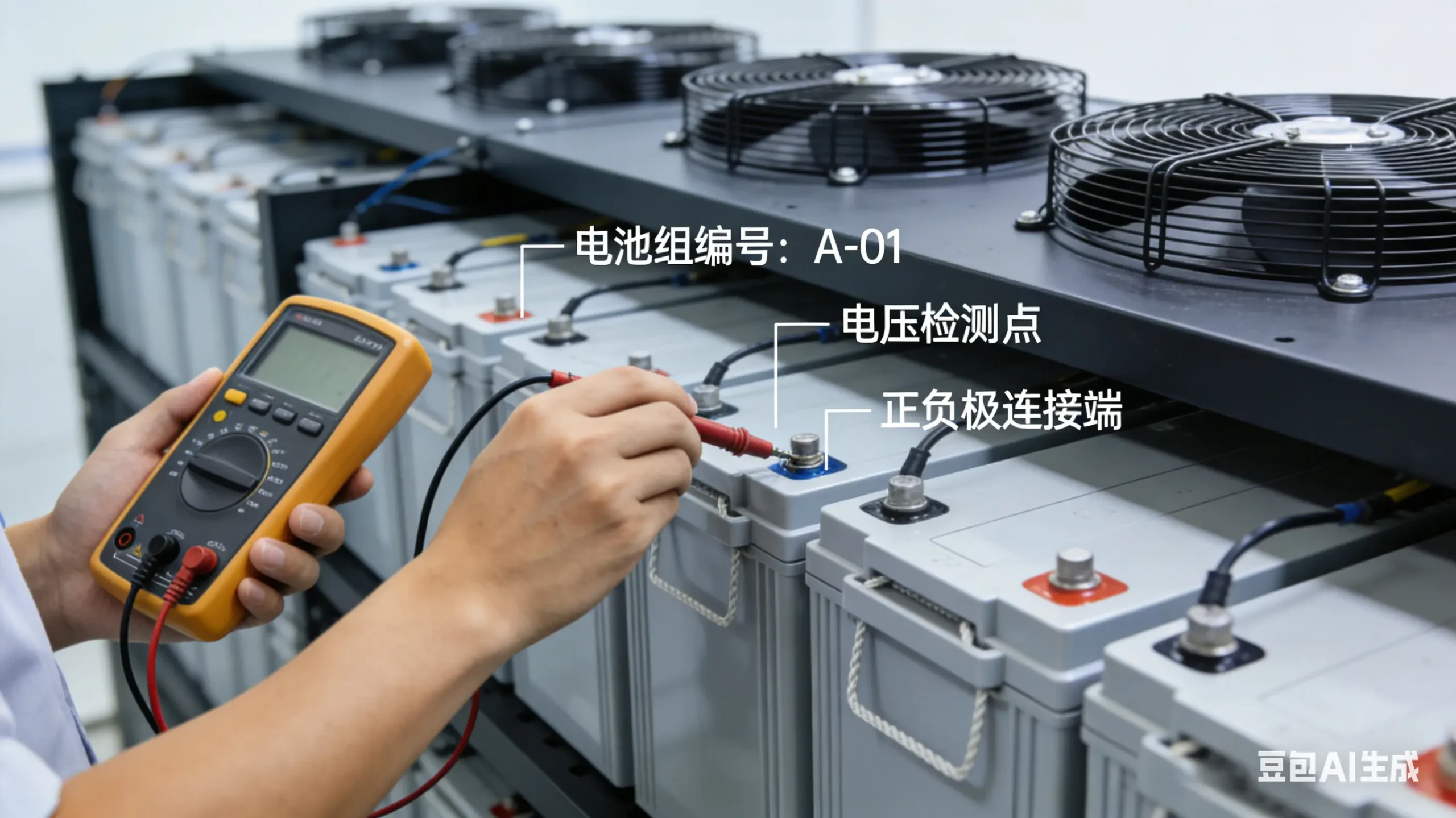
LiFePO4 withstands heat and deep discharges far better than lead-acid, lasts 10+ years, and cuts site visits — lower total cost in tough telecom environments. Where lead-acid fails fastest — hot shelters, frequent outages, long deep discharges — lithium is at its best, and fewer truck rolls for battery swaps directly improves network OPEX.
2.2 How long do telecom LiFePO4 batteries last?
Typically 10+ years with thousands of deep cycles, versus 3-5 years for lead-acid in the same hot site — which is why the lithium bank usually outlives the site contract. Because the BMS reports state of health continuously, replacements are planned from data instead of discovered at the moment of an outage.
3. Hot Sites and Heat Resilience
3.1 Do they work in hot cabinets?
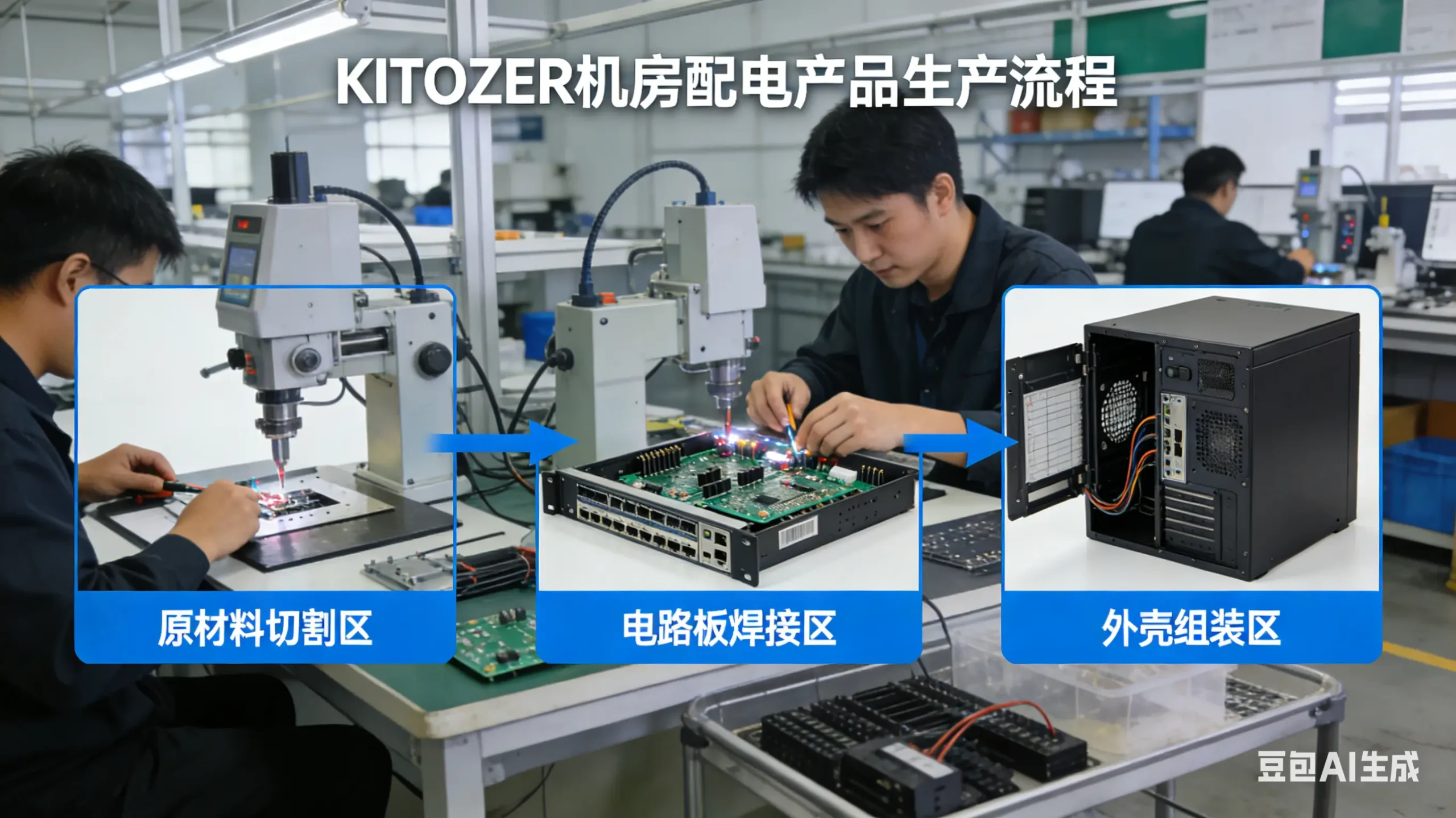
Yes — LiFePO4 retains capacity at 40-55°C where lead-acid derates and ages rapidly; outdoor-rated versions serve extreme climates. Unventilated shelters and outdoor cabinets that bake in summer are exactly where the chemistry difference shows: the lithium string holds its capacity while a lead-acid string silently loses years of life.
3.2 What happens during frequent short outages?
Lithium handles repeated partial cycles without capacity memory or sulfation, and fast recharge means the site is ready again quickly after each interruption. Weak-grid areas that cycle the battery several times a week degrade lead-acid quickly; lithium treats the same duty as routine.

4. Compatibility and DC Architecture
4.1 Are they compatible with existing rectifiers?
Yes — modules operate at standard -48V (51.2V nominal) with rectifier-compatible charge profiles; we verify the site power plant before retrofit. The string voltage, charge curve and communication interface are confirmed against the installed rectifier so the swap is a like-for-like electrical upgrade, not a redesign of the site.
4.2 Can they replace lead-acid in existing cabinets?
Usually yes — smaller footprint means the lithium bank often fits the same space with spare room; cabling and breakers are matched during retrofit. Lower weight also helps pole-top and rooftop sites where structural limits made larger lead-acid banks impossible.

5. Monitoring and Scaling
5.1 How is the battery managed and monitored?
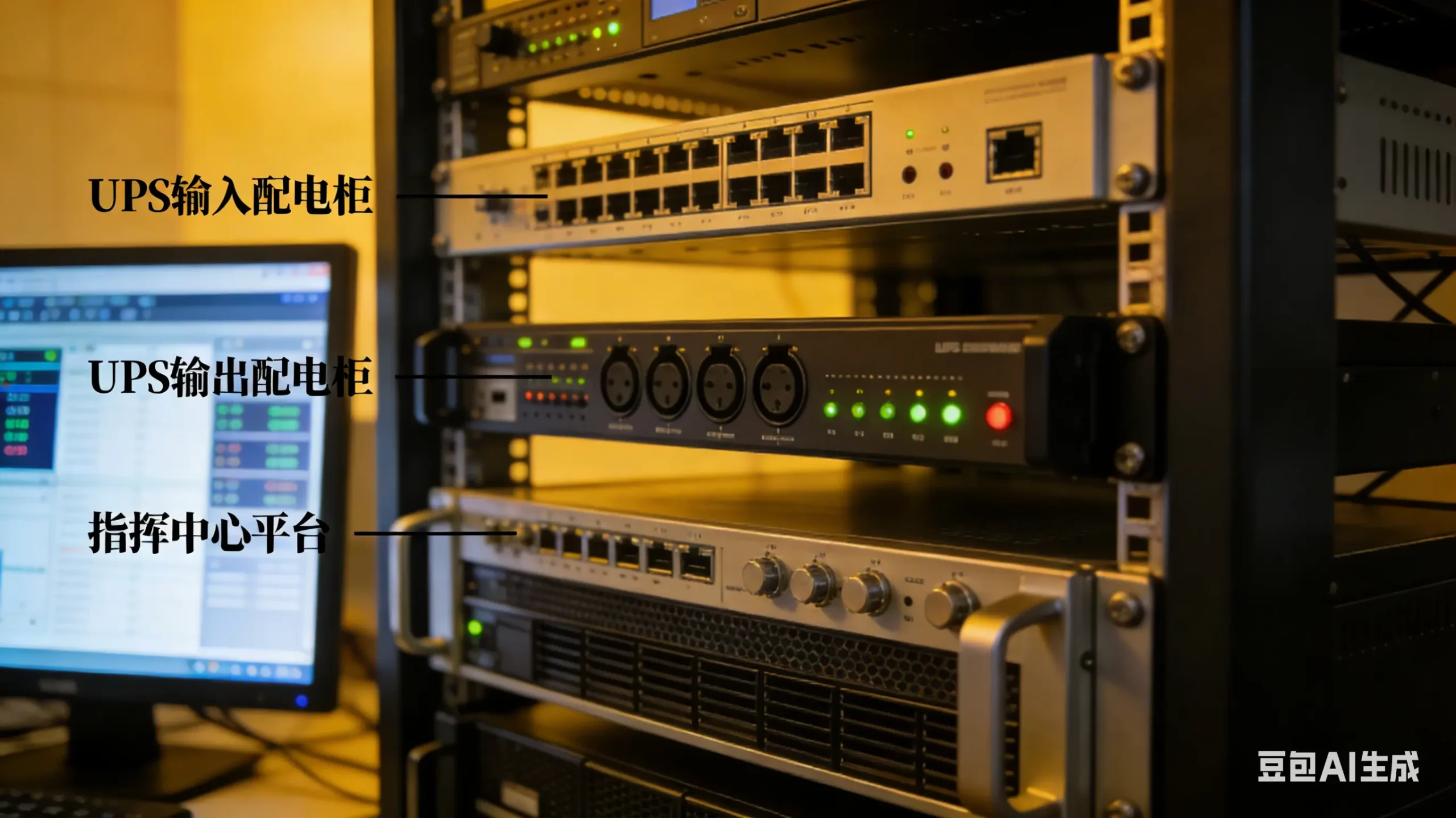
The BMS balances cells and reports SOC/SOH, temperature and alarms over RS485/Modbus to the site controller and NMS — no manual checks needed. Operators see every string’s health on the same platform as the rectifier and environment monitoring, so a failing module alarms before it becomes a dropped site.
5.2 Can battery capacity be expanded later?
Yes — modules are added in parallel on the same DC bus up to the design limit, and the BMS is configured for the enlarged string during commissioning. Sites that grow with new carriers or 5G load can scale backup without discarding the original modules.
6. Frequently Asked Questions — Quick Reference
LiFePO4 Batteries for Base Stations FAQ
1. Why switch base stations to LiFePO4?
LiFePO4 withstands heat and deep discharges far better than lead-acid, lasts 10+ years, and cuts site visits — lower total cost in tough telecom environments.
2. How is backup autonomy sized?
From site load (radios, transmission, auxiliary) and required hours at the design temperature; modules are added in parallel to scale capacity.
3. Do they work in hot cabinets?
Yes — LiFePO4 retains capacity at 40-55°C where lead-acid derates and ages rapidly; outdoor-rated versions serve extreme climates.
4. Are they compatible with existing rectifiers?
Yes — modules operate at standard -48V (51.2V nominal) with rectifier-compatible charge profiles; we verify the site power plant before retrofit.
5. How is the battery managed and monitored?
The BMS balances cells and reports SOC/SOH, temperature and alarms over RS485/Modbus to the site controller and NMS — no manual checks needed.
6. Can they replace lead-acid in existing cabinets?
Usually yes — smaller footprint means the lithium bank often fits the same space with spare room; cabling and breakers are matched during retrofit.
7. How long do telecom LiFePO4 batteries last?
Typically 10+ years with thousands of deep cycles, versus 3-5 years for lead-acid in the same hot site — which is why the lithium bank usually outlives the site contract.
8. What happens during frequent short outages?
Lithium handles repeated partial cycles without capacity memory or sulfation, and fast recharge means the site is ready again quickly after each interruption.
9. Do LiFePO4 modules need ventilation or acid containment?
No — the sealed modules produce no hydrogen in normal operation and contain no acid, simplifying shelter design and safety compliance for unattended sites.
10. Can battery capacity be expanded later?
Yes — modules are added in parallel on the same DC bus up to the design limit, and the BMS is configured for the enlarged string during commissioning.
7. Related Solutions
- LiFePO4 Batteries for Base Stations: Complete Guide
- LiFePO4 Batteries for UPS
- Base Station Environmental Sensors
- NMS Software: One Console for Your Network
- New-Energy Site Intelligence (Solar + Storage)
About Guangzhou Lain Intelligent System Development Co., Ltd.
Guangzhou Lain Intelligent System Development Co., Ltd. supplies LiFePO4 backup and 48 V DC power solutions for telecom operators, tower companies and enterprise networks. From single rooms to enterprise facilities, KITOZER provides design, manufacturing, integration, testing and after-sales service. Export and support scope are confirmed on the quotation.
Contact us for a free technical consultation:
- Company: Guangzhou Lain Intelligent System Development Co., Ltd.
- Address: 1st Floor, Building A, Chaotian Industrial Park, Zhongrun Industrial Park, Shilou Town, Panyu District, Guangzhou, Guangdong, China
- Tel/WeChat: +86 13538869979 | +86 13538869979
- WhatsApp: +86 19068534140
- Email: zl19068534140@gmail.com
- Website: www.gdlain.com | Request a Quote
Typical response time: within one business day. Project references, drawings and samples are available on request.