1. Overview: What This FAQ Covers
NMS software (network management system) discovers and maps the network, collects faults and performance, tracks inventory, and gives operators one console for monitoring and management. This page answers the questions network managers ask when choosing and deploying NMS.
Guangzhou Lain Intelligent System Development Co., Ltd. supplies and deploys NMS software for multi-vendor enterprise and campus networks. The answers below reflect our standard practice.

2. Discovery and Mapping
2.1 What does NMS software do?
It discovers and maps the network, collects faults and performance, tracks inventory, and gives operators one console for monitoring and management. The NMS turns a sprawl of switches, routers and links into a living map — faults land in one console, performance trends accumulate, and inventory is always current.
2.2 How are devices discovered?
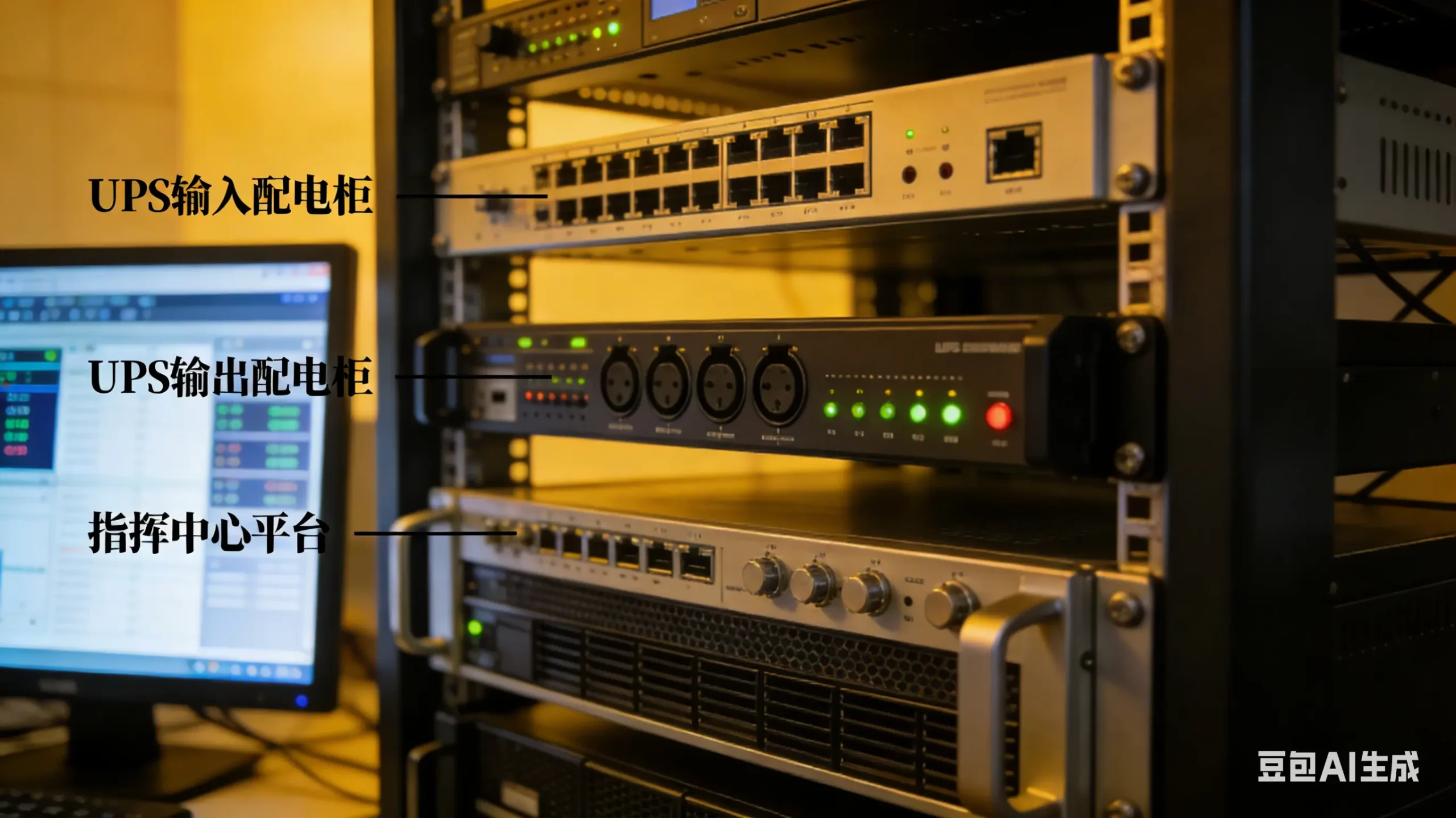
Through SNMP and management protocols with credential-based discovery; the network is mapped automatically into a live topology. Discovery walks the network the way traffic does: find a device, read its neighbors, move on — and the topology draws itself, refreshed as devices are added or moved.
3. Alarms and Performance
3.1 What is alarm correlation?
Grouping related alarms (e.g. one link failure causing many unreachable alerts) into a single root-cause event to reduce noise and speed response. Correlation separates the cause from the symptoms — one downed link becomes one ticket instead of forty unreachable-device pages, and the operator fixes the link, not the noise.
3.2 Does it monitor performance?
Yes — utilization, errors and latency trends per link and device with thresholds that warn before users are affected. Performance monitoring catches the slow decline — the link filling up, the interface erroring, the latency creeping — while there is still time to act before anyone complains.

4. Multi-Vendor and Deployment
4.1 Does it support multi-vendor networks?
Yes — standard protocols cover most vendors; specific device packs extend deeper support for major brands. Real networks mix vendors, and the NMS speaks to them all at the standard level — with deeper device packs where the network needs vendor-specific insight.
4.2 How is it deployed?
Scope review, NMS deployment, discovery and policy configuration, migration of existing monitoring, and operator training — phased to minimize impact. Deployment is a controlled project: agree scope, stand up the platform, discover and tune policies, migrate monitoring from the old tools, then hand over with training.

5. Operations
5.1 Where does the NMS run?
On a server, VM or the cloud — sized to the device count, with redundancy where network availability demands it. The platform sits where it is safest to run: a critical network earns a redundant NMS, a small site runs one efficient instance.
5.2 What documentation is provided?
Discovery records, alarm policies, device-pack notes and operating guides — the file that keeps the NMS aligned with the network it watches and the team that runs it.

6. Frequently Asked Questions — Quick Reference
NMS Software FAQ
1. What does NMS software do?
It discovers and maps the network, collects faults and performance, tracks inventory, and gives operators one console for monitoring and management.
2. How are devices discovered?
Through SNMP and management protocols with credential-based discovery; the network is mapped automatically into a live topology.
3. What is alarm correlation?
Grouping related alarms (e.g. one link failure causing many unreachable alerts) into a single root-cause event to reduce noise and speed response.
4. Does it monitor performance?
Yes — utilization, errors and latency trends per link and device with thresholds that warn before users are affected.
5. Does it support multi-vendor networks?
Yes — standard protocols cover most vendors; specific device packs extend deeper support for major brands.
6. How is it deployed?
Scope review, NMS deployment, discovery and policy configuration, migration of existing monitoring, and operator training — phased to minimize impact.
7. Which devices are covered?
Switches, routers, firewalls, wireless controllers, servers and other SNMP-capable gear across the network.
8. Can it send alerts by SMS or email?
Yes — alarms notify operators by SMS, email and platform push with escalation rules.
9. How is the NMS hosted?
On a server, VM or the cloud — sized to the device count, with redundancy where network availability demands it.
10. What documentation is provided?
Discovery records, alarm policies, device-pack notes and operating guides.
7. Related Solutions
- NMS Software: Complete Guide
- Network Operations Terminal
- Network Traffic Analysis
- Core Router
- IDS/IPS Intrusion Detection & Prevention
About Guangzhou Lain Intelligent System Development Co., Ltd.
Guangzhou Lain Intelligent System Development Co., Ltd. supplies and deploys NMS software for multi-vendor enterprise and campus networks. From single rooms to enterprise facilities, KITOZER provides design, manufacturing, integration, testing and after-sales service. Export and support scope are confirmed on the quotation.
Contact us for a free technical consultation:
- Company: Guangzhou Lain Intelligent System Development Co., Ltd.
- Address: 1st Floor, Building A, Chaotian Industrial Park, Zhongrun Industrial Park, Shilou Town, Panyu District, Guangzhou, Guangdong, China
- Tel: +86 13538869979
- WhatsApp: +86 13538869979
- Email: zl19068534140@gmail.com
- Website: www.gdlain.com | Request a Quote
Typical response time: within one business day. Project references, drawings and samples are available on request.