Table of Contents
ToggleTechnical Articles
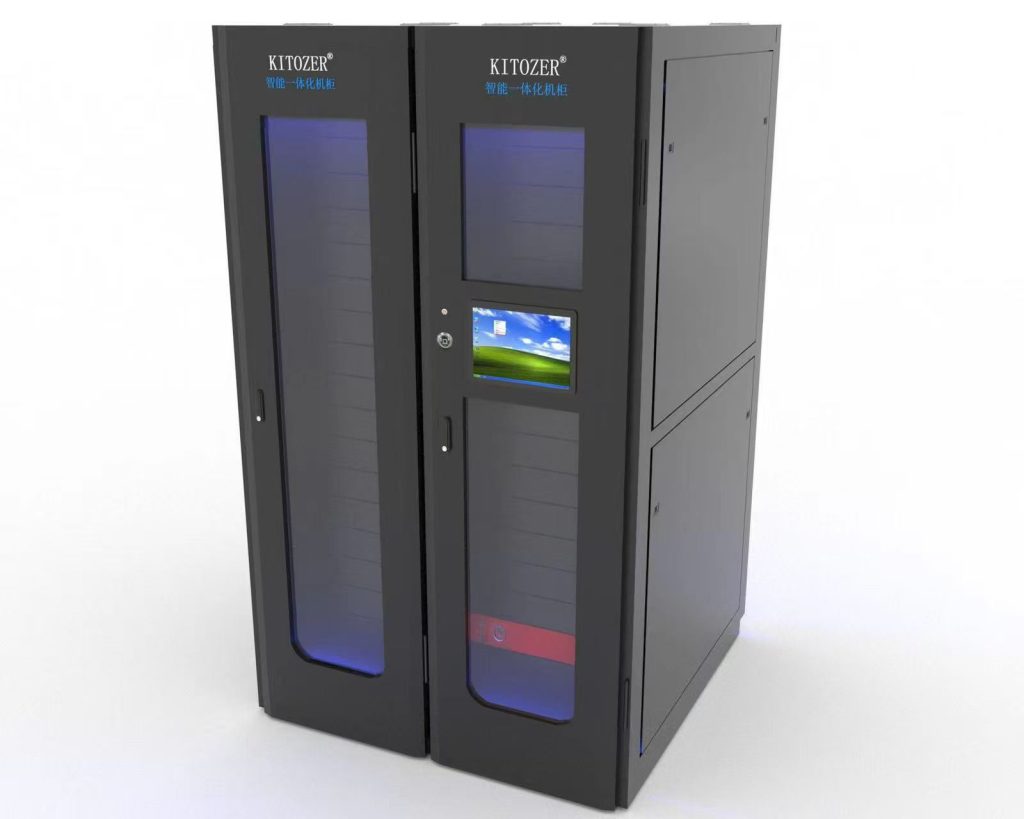
Weak Current Technology
Weak Current Technology refers to systems and applications that operate using low-voltage electrical currents, typically under 50 volts. It is widely used in areas such as telecommunications, security systems, networking, and automation. This technology enables the transmission of signals for various devices like alarms, cameras, intercoms, and data networks without the need for high power. It is critical in ensuring energy efficiency and safety while supporting modern infrastructure. Weak current systems are integral to smart buildings, IoT devices, and integrated communication networks, offering reliable and cost-effective solutions for everyday operations and connectivity.
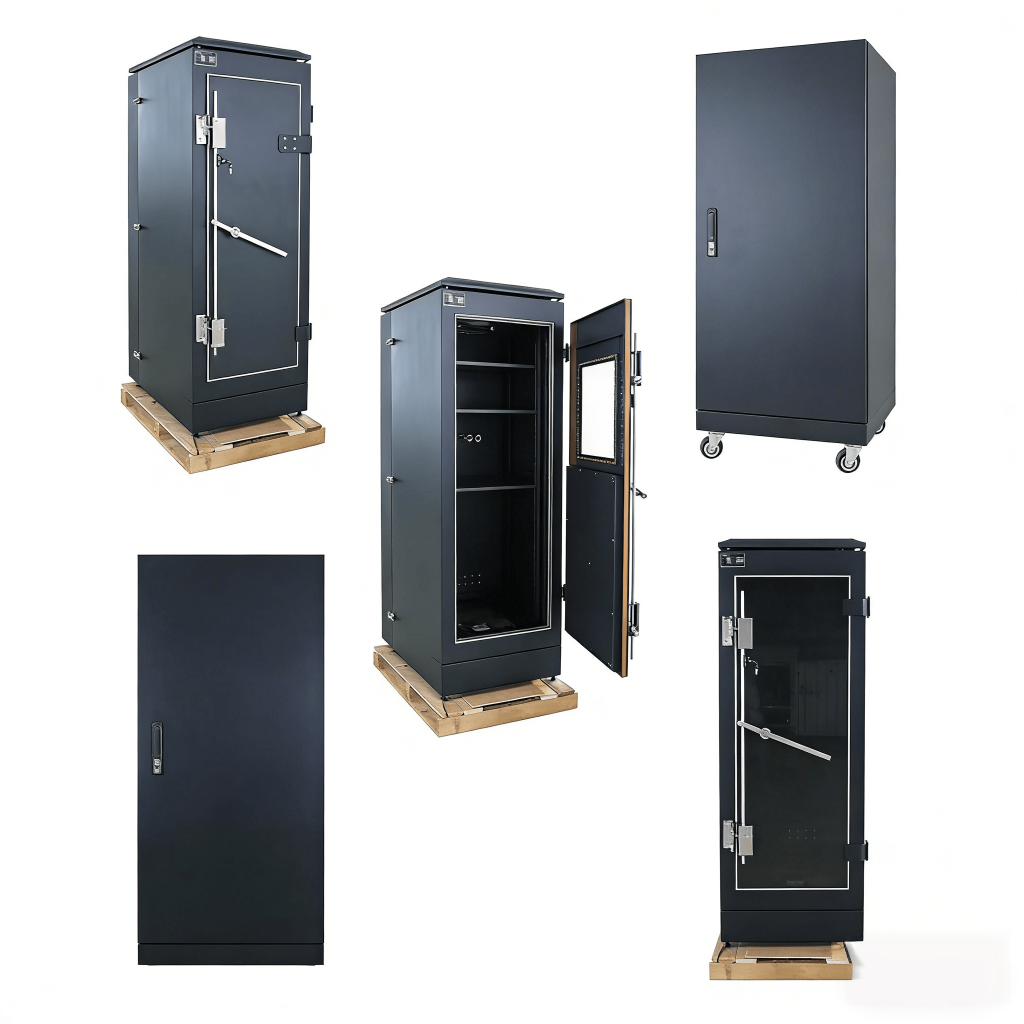
Strong Current Technology
Strong Current Technology involves systems and equipment that use high-voltage electrical currents, typically above 50 volts, to power industrial machinery, electrical grids, and heavy-duty devices. This technology is fundamental for the operation of power distribution, motors, HVAC systems, and large-scale manufacturing processes. It enables the efficient transfer and use of electrical energy for various applications, ensuring the functionality of critical infrastructure. Strong current systems are crucial in industries such as construction, energy, transportation, and utilities, providing the necessary power to operate large-scale equipment while adhering to safety standards and regulatory requirements.
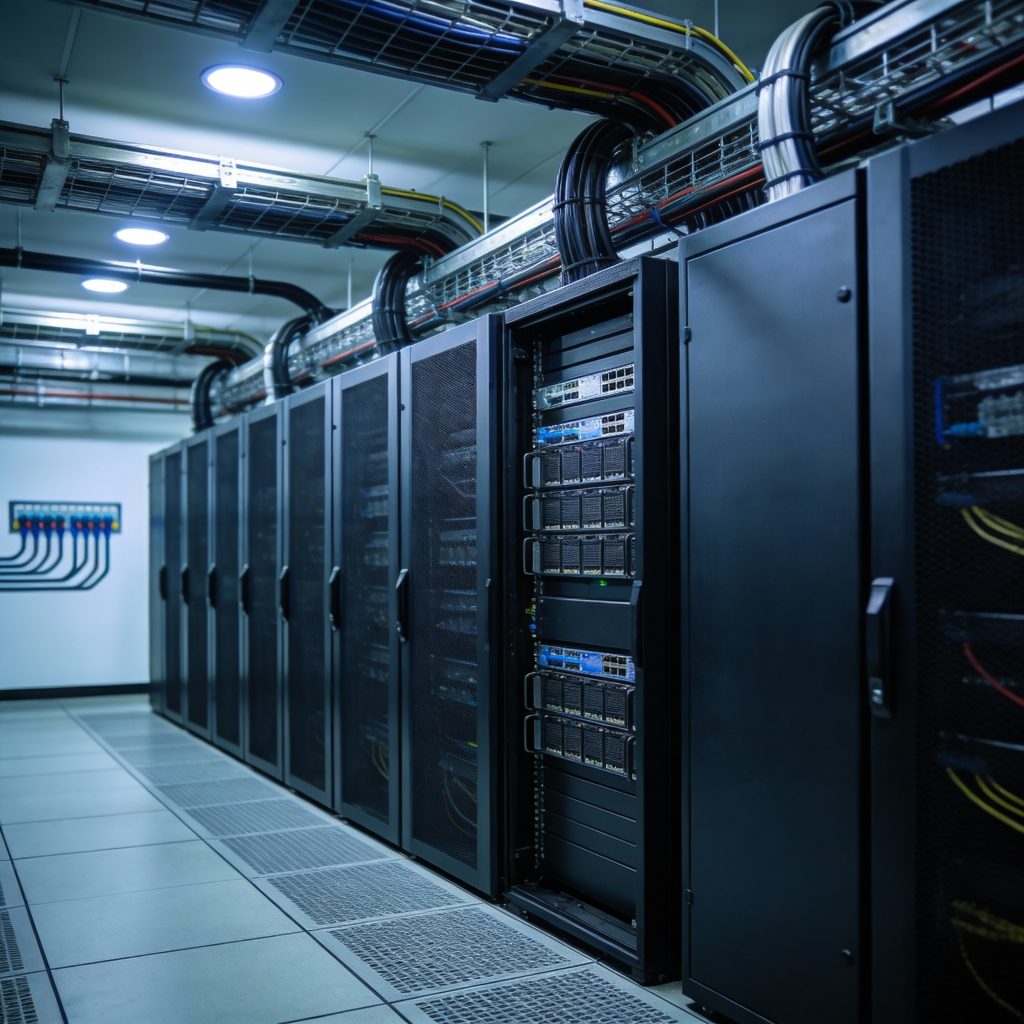
Intelligent Technology
Intelligent Technology refers to the use of advanced systems that integrate artificial intelligence (AI), machine learning, data analytics, and automation to enhance decision-making and improve efficiency. These technologies enable devices and systems to learn, adapt, and perform tasks with minimal human intervention. Applications of intelligent technology span across industries, including healthcare, manufacturing, finance, and transportation, driving innovation and transforming operations. By optimizing processes, improving accuracy, and enhancing user experiences, intelligent technology plays a key role in shaping the future of smart cities, IoT devices, autonomous vehicles, and more, making them more responsive and adaptive to real-world conditions.
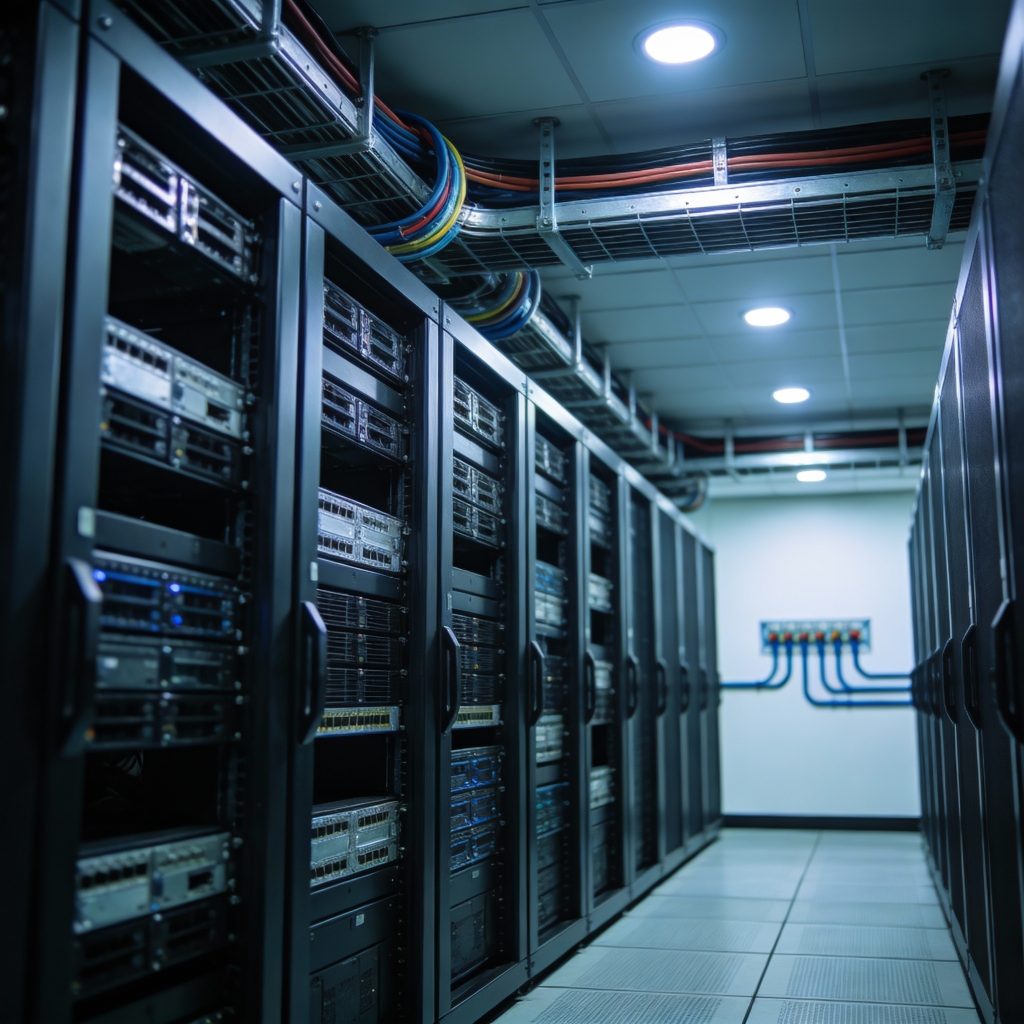
New Energy Technology
New Energy Technology refers to innovative solutions designed to generate, store, and manage energy from renewable and sustainable sources. This includes solar, wind, hydro, geothermal, and bioenergy technologies, as well as advancements in energy storage systems like batteries and supercapacitors. These technologies aim to reduce reliance on fossil fuels, lower carbon emissions, and promote environmental sustainability. As global energy demands increase, new energy technologies are essential for creating cleaner, more efficient energy systems, helping industries and communities transition towards greener, more resilient energy futures while addressing climate change and resource depletion.
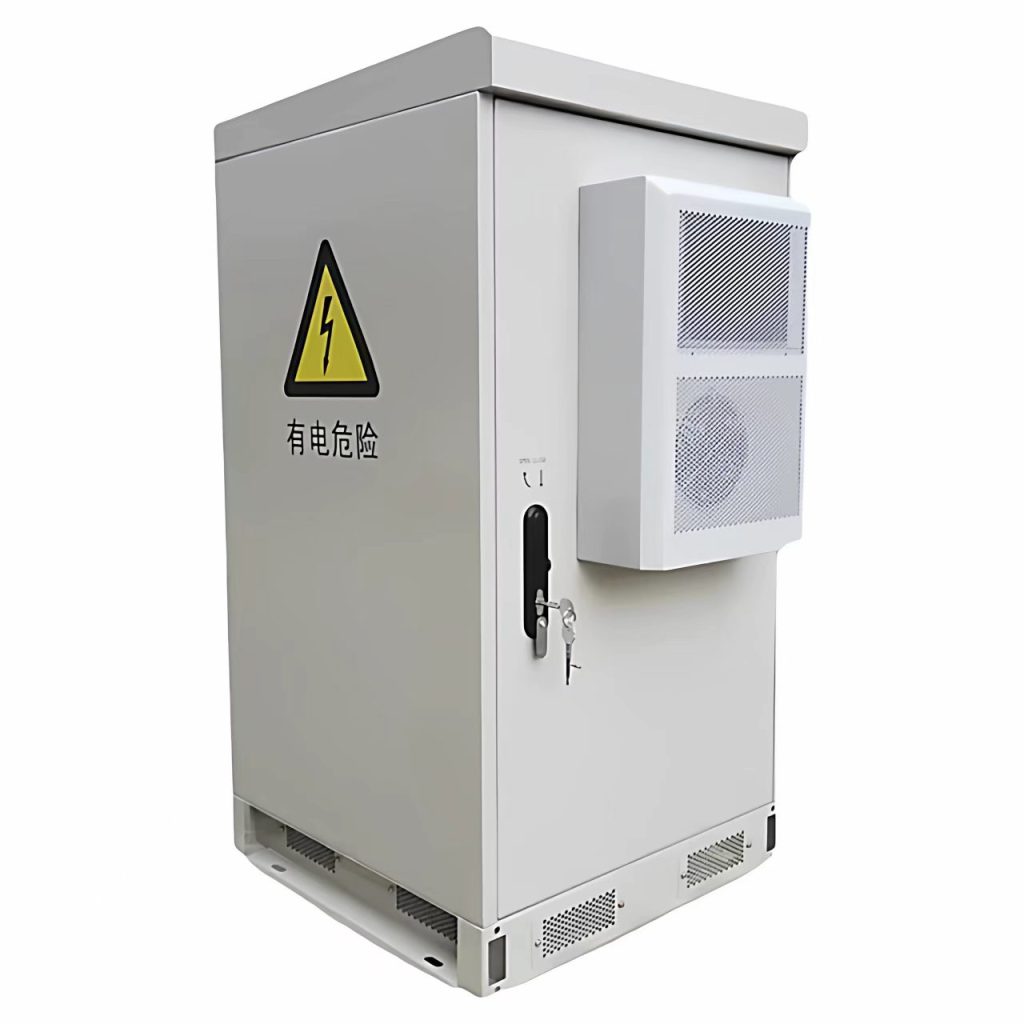
Smart Equipment Technology
Smart Equipment Technology refers to advanced systems and devices equipped with sensors, connectivity, and artificial intelligence (AI) to enhance automation, efficiency, and functionality. These technologies allow equipment to collect data, make real-time decisions, and optimize performance without constant human intervention. Used in industries such as manufacturing, healthcare, and logistics, smart equipment improves operational workflows, reduces downtime, and enhances productivity. Examples include smart machinery that adjusts its settings based on environmental conditions, predictive maintenance tools, and IoT-enabled devices that provide real-time monitoring and remote control. This technology is key to driving the evolution of smart factories and digital transformation.