Executive Summary
Containerized Systems covers a structured family of engineered systems that support mission-critical facilities, industrial sites and communication infrastructure. This guide reviews the engineering context, typical challenges, and practical selection considerations for buyers, integrators and operations teams.
Containerised systems move the factory to the site. By building the equipment into a standard transportable shell, integration, testing and quality control happen indoors, and the site work is reduced to foundations, connections and commissioning. This guide covers the family from base systems and containerised data centres to emergency support, energy storage, and general-purpose, industrial or commercial units, and explains how transport, environment and integration are specified together.
Industry Context
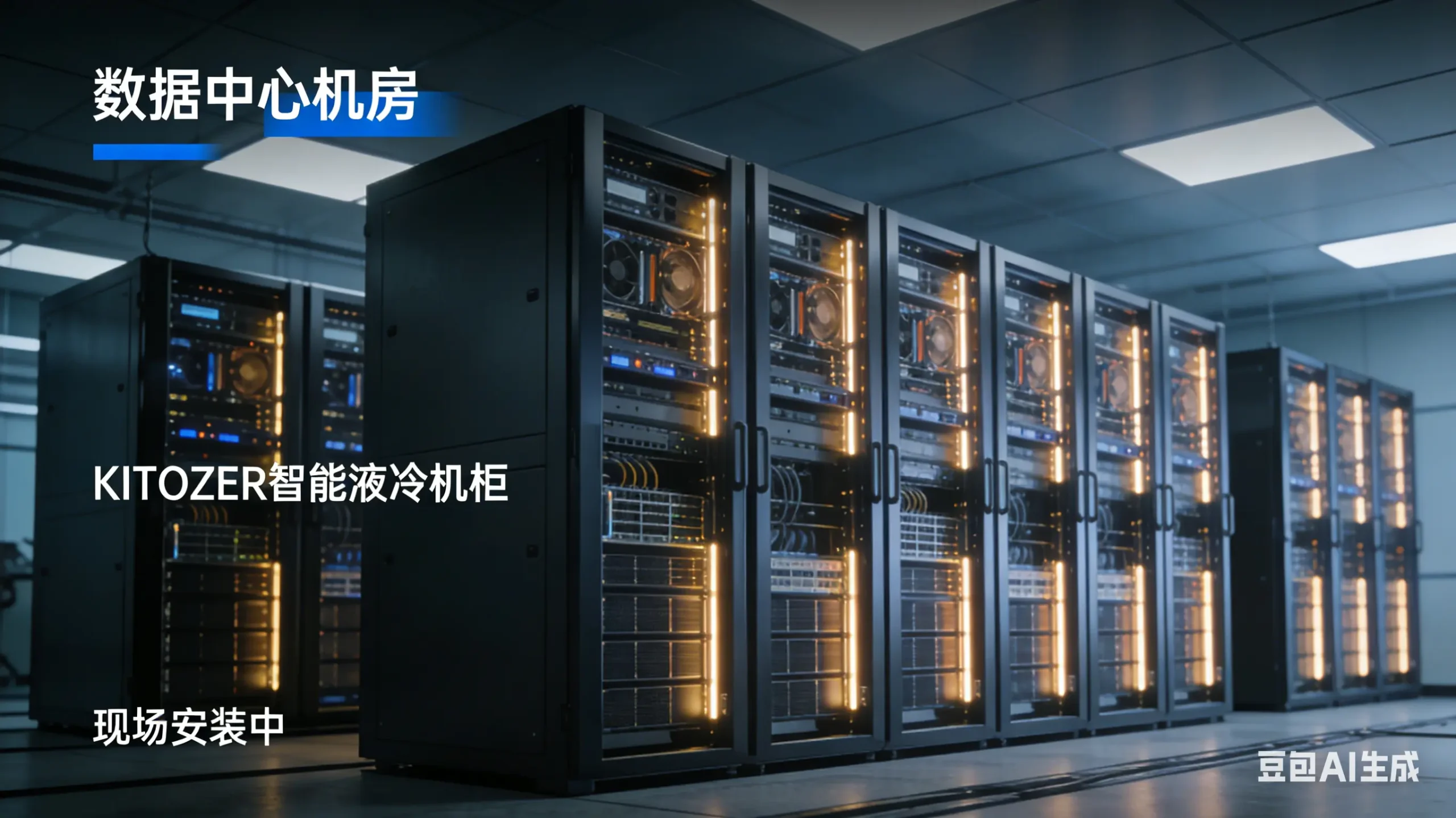
Demand for containerized systems continues to grow as operators upgrade legacy infrastructure and adopt standardized, factory-integrated solutions. Procurement decisions increasingly depend on verified specifications, lifecycle cost and supplier engineering capability rather than price alone.
Three trends favour containerisation. Projects need speed, and factory integration shortens site programmes dramatically. Remote and harsh locations lack construction infrastructure, so a pre-built, tested unit is safer to deliver. And energy storage and edge computing add demand for compact, relocatable facilities that can be deployed, moved or expanded as requirements change.
Engineering Challenge
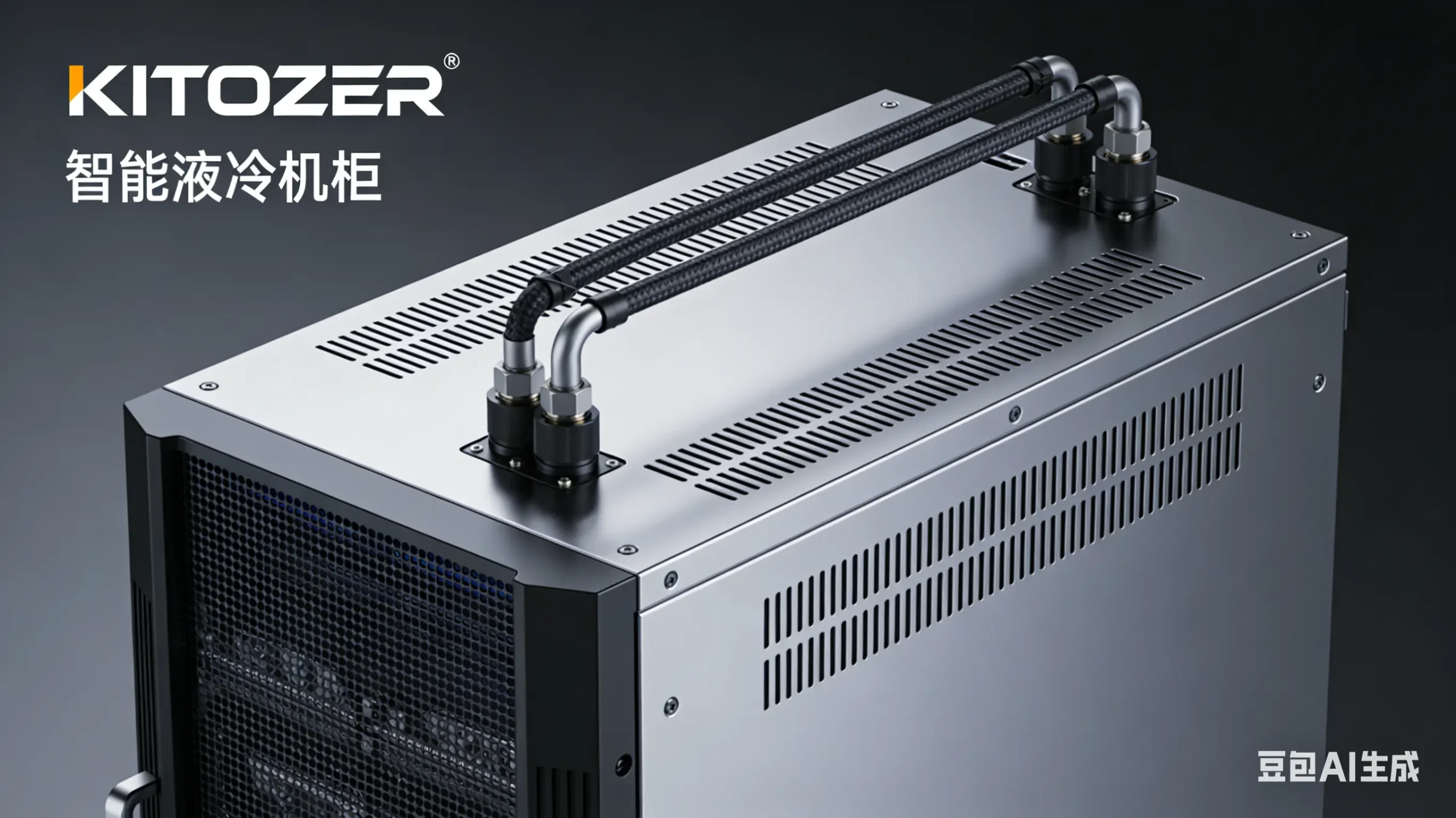
The main challenge is matching the right configuration to real site conditions: space, load, thermal environment, power availability and maintenance access. A mismatch at specification stage typically leads to rework during installation or higher operating cost.
Container projects fail on the details between factory and site. External dimensions are chosen without checking transport limits and lifting points; thermal design assumes the factory test rather than the site’s ambient and solar load; structural design ignores stacking, wind and seismic; and interfaces — power, network, cooling, fire — are left to site improvisation. Because the unit cannot easily be modified once delivered, these decisions must be resolved at design stage.
Technical Analysis
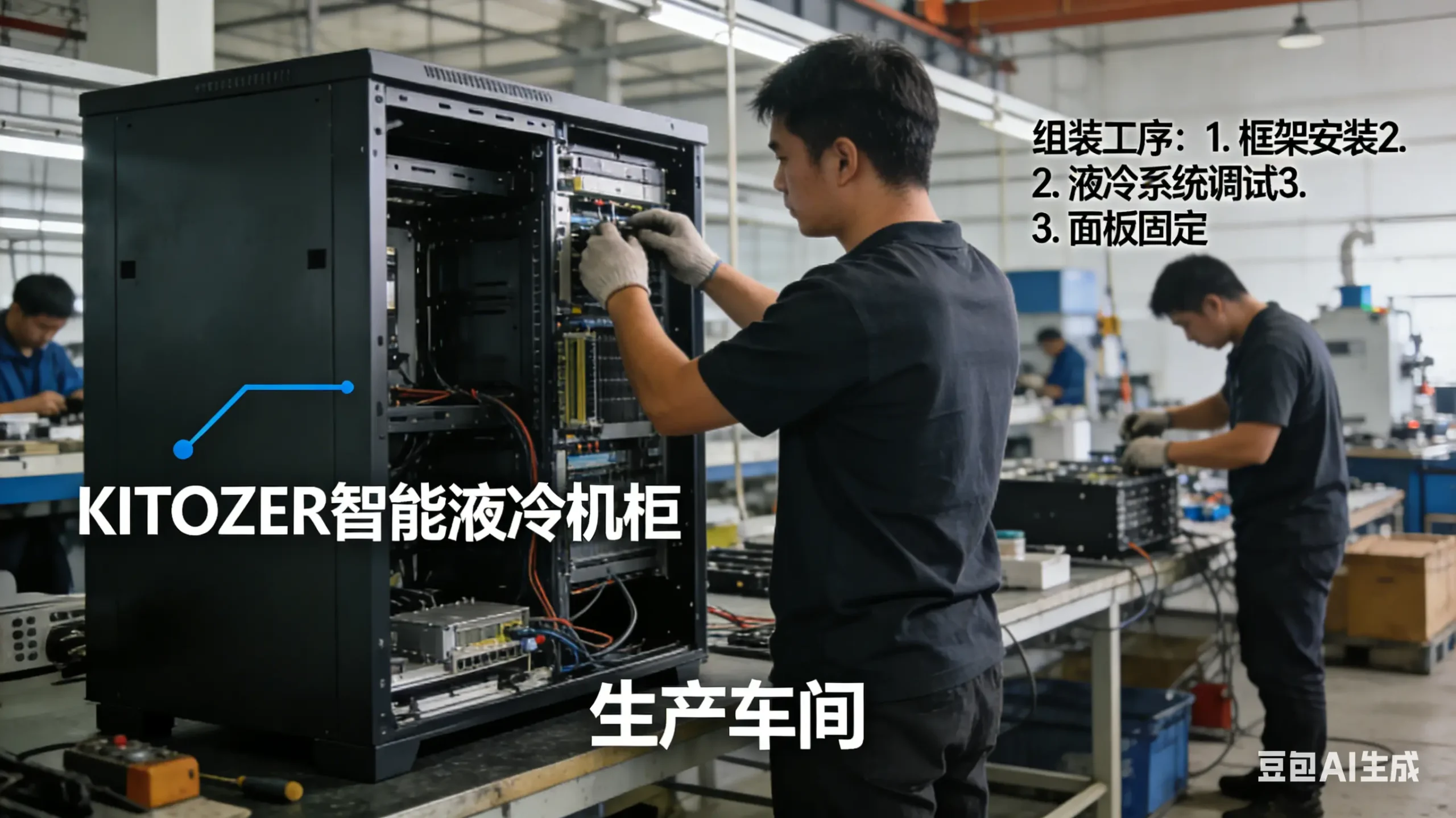
Key technical dimensions include structural integrity, thermal performance, electrical safety, environmental protection rating, and integration interfaces. Each subcategory in this family addresses a specific portion of the overall system:
- Container Base Systems
- Containerized Data Centers
- Emergency Support Containers
- Energy Storage Containers
- General-Purpose Containers
- Industrial Special Containers
- Residential & Commercial Containers
The subdivisions reflect different payloads and constraints. Base systems provide the shell, structure and services; containerised data centres add IT load, cooling and power distribution; emergency support containers provide power, communications or medical capability; energy storage containers house batteries with fire suppression and thermal management; and general-purpose, industrial special and residential or commercial containers adapt the same shell to different uses. Container size, ISO or custom, insulation, cooling method, fire protection, structural rating and lifting arrangement all interact and must be fixed as a set.
Application
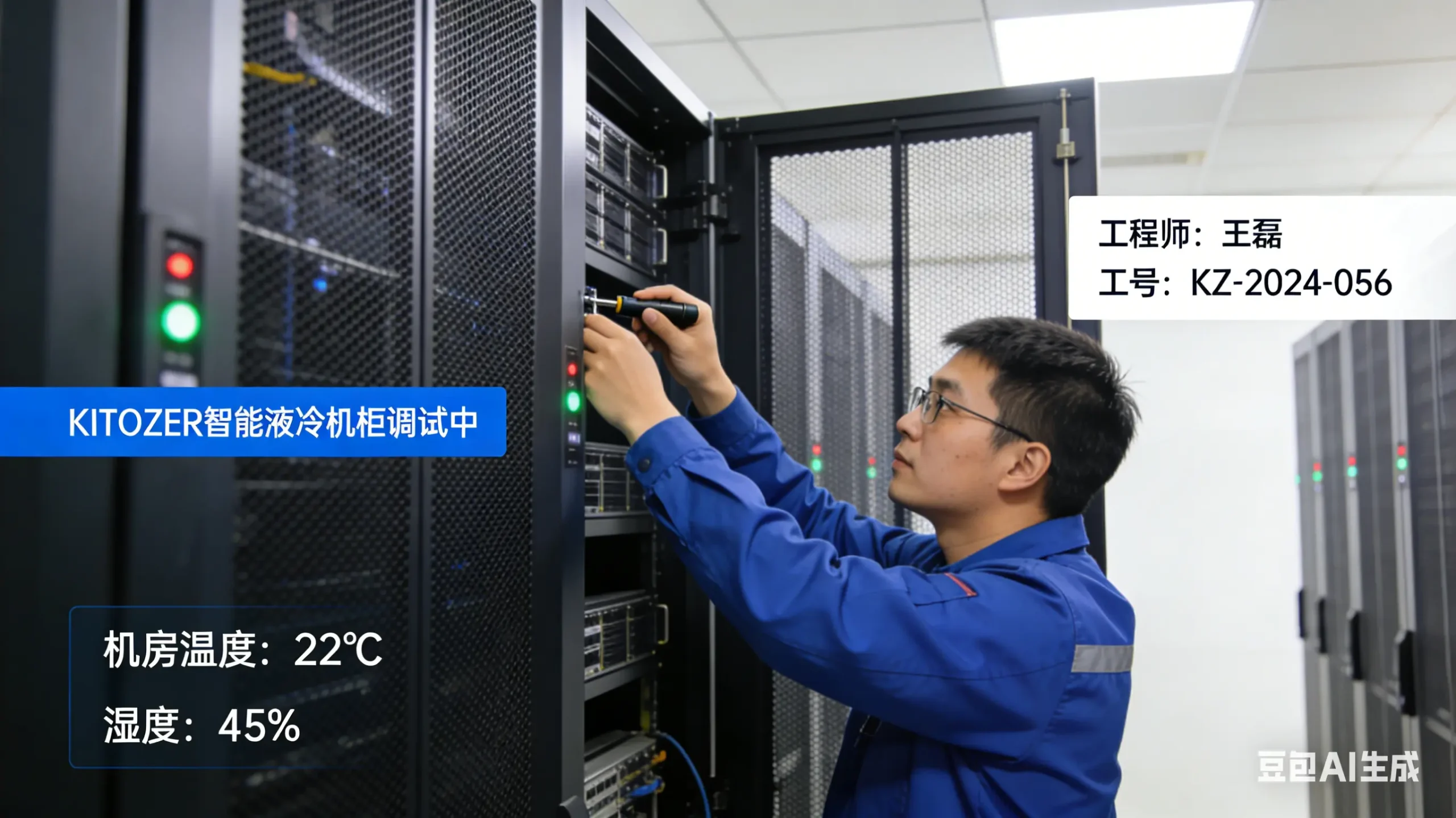
Typical applications include containerized systems environments and comparable facilities where reliability and serviceability are mandatory. Site surveys and load calculations are recommended before configuration.
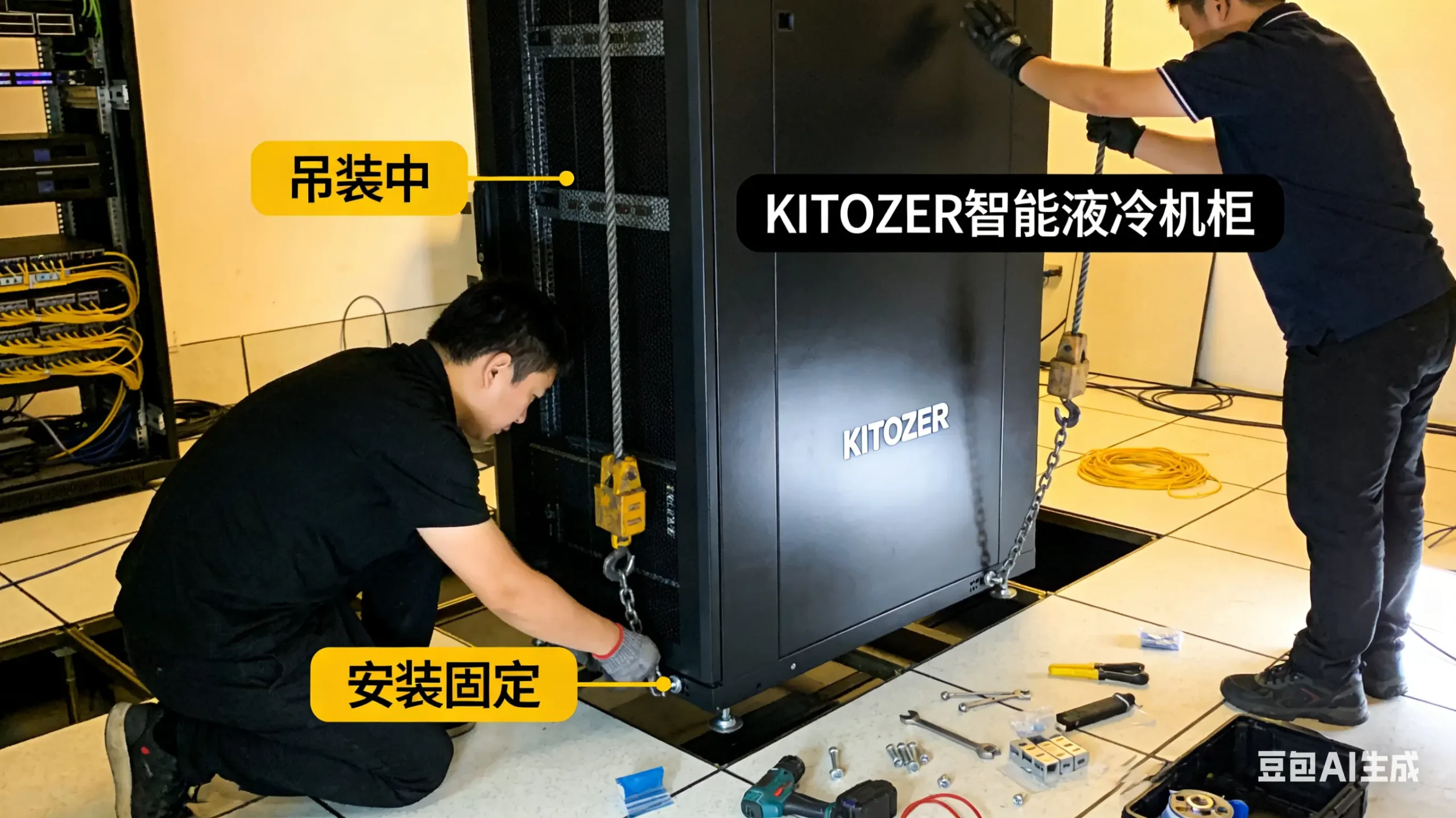
Projects run from requirement to commissioning. The intended use and site conditions set the internal layout and thermal load; the transport route and lifting capability set the external dimensions and weight; the structural design is verified for wind, seismic and stacking; services are integrated and tested in the factory; and on site only foundations, connections and commissioning remain. Factory acceptance testing before shipment is the key control, because it is far cheaper to correct a fault in the workshop than on a remote site.
Selection Considerations
When selecting from this family, verify: (1) compatibility with existing infrastructure, (2) environmental conditions such as temperature, humidity and dust, (3) power and cooling budget, (4) maintenance and spare-part strategy, and (5) compliance requirements applicable to your region.
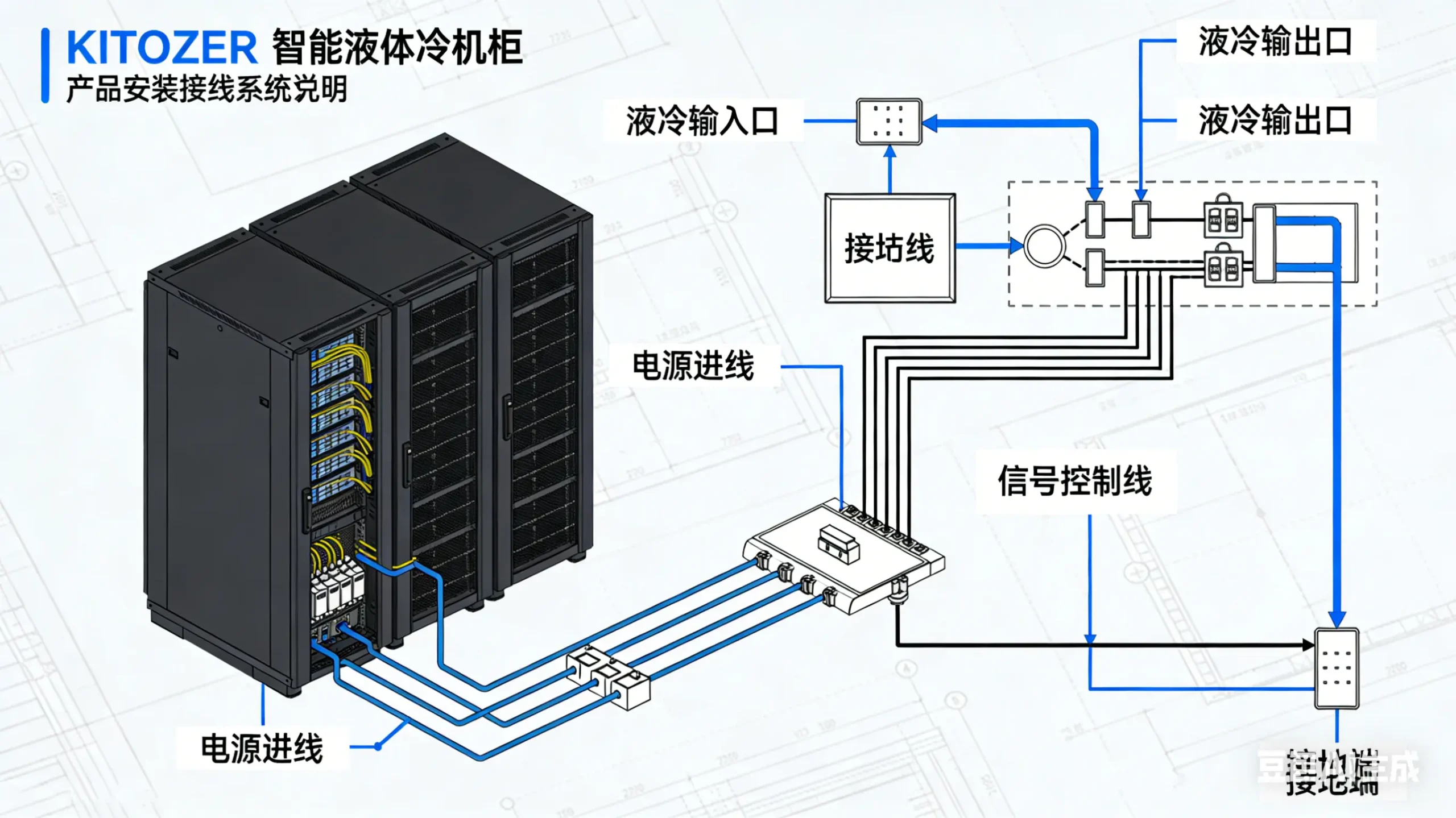
Beyond the five verification points, confirm what decides a container project’s success: transport and lifting plan with dimensions and weights, thermal calculation for the site’s ambient and solar load, structural calculation for wind, seismic and stacking, integrated fire detection and suppression, and factory acceptance testing before shipment. For energy storage and data centre units, confirm that control, monitoring and safety systems are commissioned in the factory.
Frequently Asked Questions — Quick Reference
1. What does the containerized systems family cover?
Base systems, containerised data centres, emergency support, energy storage, and general-purpose, industrial special and residential or commercial containers.
2. Why containerise rather than build on site?
Because factory integration compresses the programme, improves quality control and reduces the site work and risk in remote or harsh locations.
3. What decides the container dimensions?
Transport limits, lifting capability and internal layout together; external size is chosen after the route is checked, not before.
4. How is thermal design handled?
For the site’s ambient and solar load, not the factory test conditions, with insulation, cooling method and airflow fixed as a set.
5. What structural loads must be verified?
Wind, seismic where applicable, and stacking or handling loads, plus lifting points and spreader arrangement.
6. How are services integrated?
Power, cooling, fire, network and monitoring are integrated and tested in the factory, leaving only connections and commissioning on site.
7. What is factory acceptance testing?
Testing the completed unit against the specification before shipment, which is far cheaper than correcting faults in the field.
8. Are containers suitable for energy storage?
Yes, with battery thermal management, fire detection and suppression, and appropriate separation designed in.
9. Can containers be relocated?
Yes; the lifting and structural design supports relocation, and services are arranged at accessible connection points.
10. What should be verified on site?
Foundations and level, connections and torque, fire and alarm functions, thermal performance at design ambient, and the handover test record.
Conclusion
A structured, category-level approach to containerized systems procurement reduces risk and total cost. KITOZER supports customers from specification to commissioning; contact the engineering team for verified datasheets and project support.
Related Products
Containerized Systems covers a structured family of engineered systems that support mission-critical facilities, industrial sites and communication infrastructure. This guide reviews the engineering context, typical challenges, and practical selection considerations for buyers, integrators and operations teams.
Related Articles
Containerized Systems: Technical FAQ
Containerized Systems: Engineering Considerations
About Guangzhou Lain Intelligent System Development Co., Ltd.
Guangzhou Lain Intelligent System Development Co., Ltd. (KITOZER) supplies and integrates containerized systems — engineered, tested and supported as one coordinated system for mission-critical and industrial sites. From single rooms to enterprise facilities, Lain provides design, manufacturing, integration, testing and after-sales service under one roof and exports worldwide.
Contact us for a free technical consultation:
- Company: Guangzhou Lain Intelligent System Development Co., Ltd.
- Address: 1st Floor, Building A, Chaotian Industrial Park, Zhongrun Industrial Park, Shilou Town, Panyu District, Guangzhou, Guangdong, China
- Tel/WeChat: +86 135-0923-8849 | +86 135-0923-8849
- WhatsApp: +86 135-0923-8849
- Email: zl19068534140@gmail.com
- Website: www.gdlain.com | Request a Quote
Typical response time: within one business day. Project references, drawings and samples are available on request.