Executive Summary
Data Center Engineering covers a structured family of engineered systems that support mission-critical facilities, industrial sites and communication infrastructure. This guide reviews the engineering context, typical challenges, and practical selection considerations for buyers, integrators and operations teams.
Rather than treating each component as a separate purchase, the family is planned as one coordinated system: cabinets and racks, cabling, power distribution, cooling, fire protection, grounding and load-bearing structures are specified together so the finished room performs as designed. This guide walks through that coordinated approach from the engineering challenge to selection and deployment.
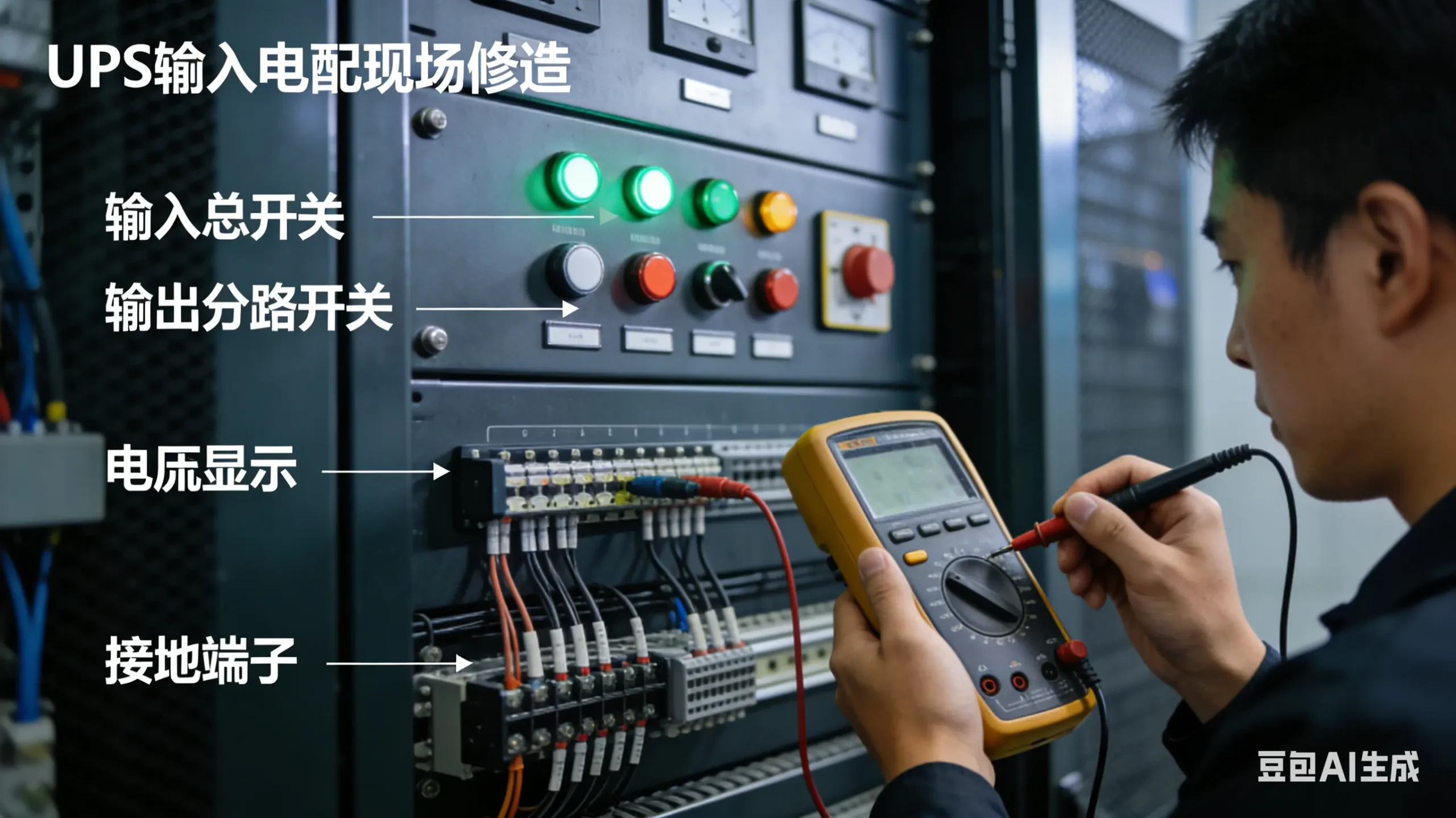
Industry Context
Demand for data center engineering continues to grow as operators upgrade legacy infrastructure and adopt standardized, factory-integrated solutions. Procurement decisions increasingly depend on verified specifications, lifecycle cost and supplier engineering capability rather than price alone.
Three shifts drive this change. First, edge and hybrid deployments spread compute across more, smaller rooms that must still meet enterprise reliability. Second, energy efficiency and thermal density have moved from afterthought to design driver as rack power rises. Third, procurement teams increasingly require documented test data, drawings and certifications before award — because rework discovered at installation costs far more than the engineering review that would have prevented it.

Engineering Challenge
The main challenge is matching the right configuration to real site conditions: space, load, thermal environment, power availability and maintenance access. A mismatch at specification stage typically leads to rework during installation or higher operating cost.
In practice the mismatches are predictable: cabinets specified without checking floor loading, cooling sized for nameplate rather than real heat load, power distribution without fault-level coordination, and cable pathways that block the very airflow they were meant to support. Each is avoidable with a disciplined survey and a single-line design agreed before manufacturing begins.
Technical Analysis
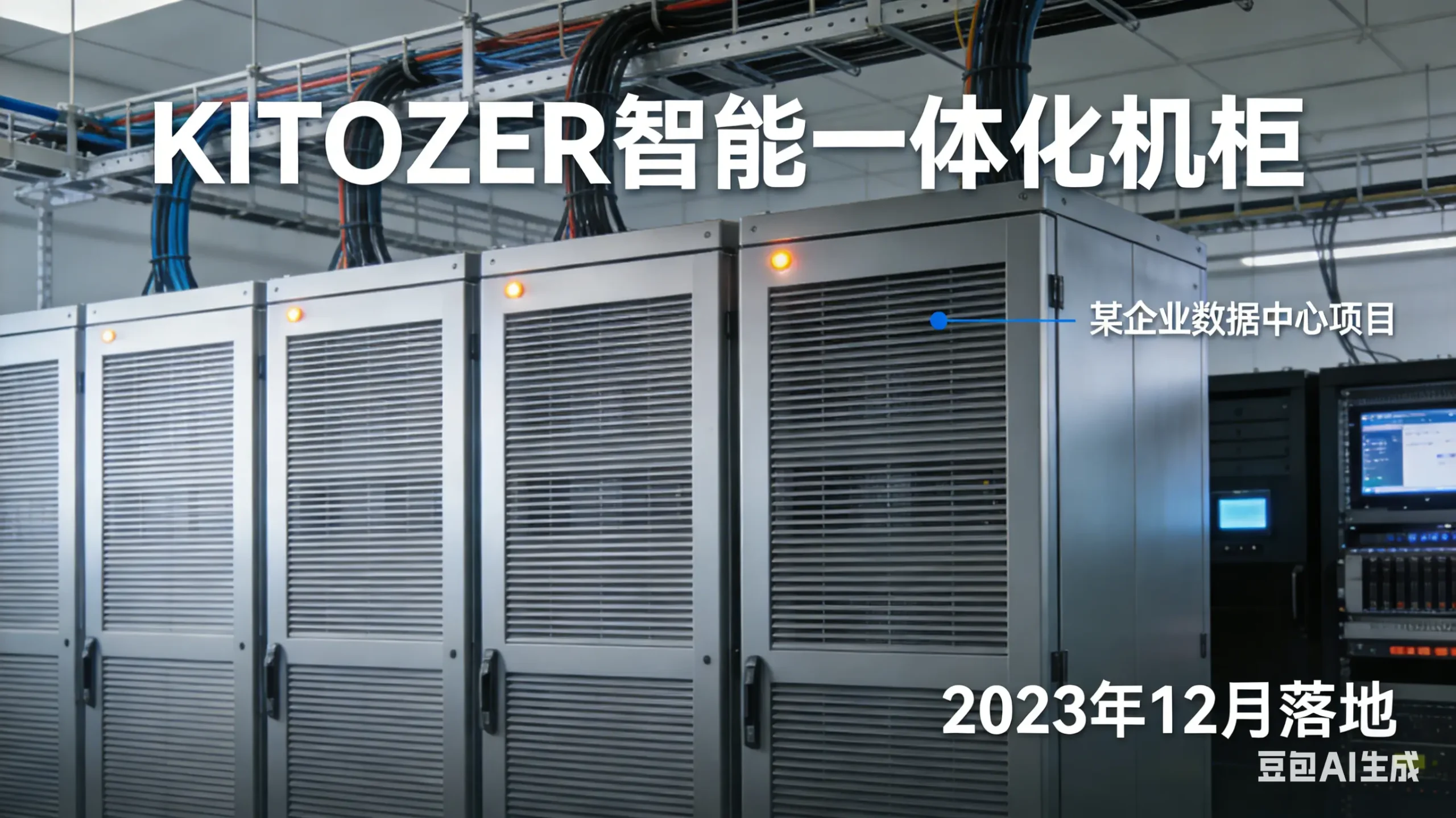
Key technical dimensions include structural integrity, thermal performance, electrical safety, environmental protection rating, and integration interfaces. Each subcategory in this family addresses a specific portion of the overall system:
- Cabinets & Racks
- Cabling
- Fire Protection
- Lightning Protection & Grounding
- Load-Bearing Reinforcement
- Power Distribution
- Precision Air Conditioning
- Room Decoration
- UPS Systems
The dimensions interact. Structural integrity sets the load the room can carry and therefore the cabinet density; thermal performance determines how much IT load that density can dissipate; electrical safety and grounding determine whether faults are contained; and environmental protection determines how long the equipment survives dust, humidity and contaminants. Specifying one without the others produces a room that meets a datasheet but not a requirement.
Application
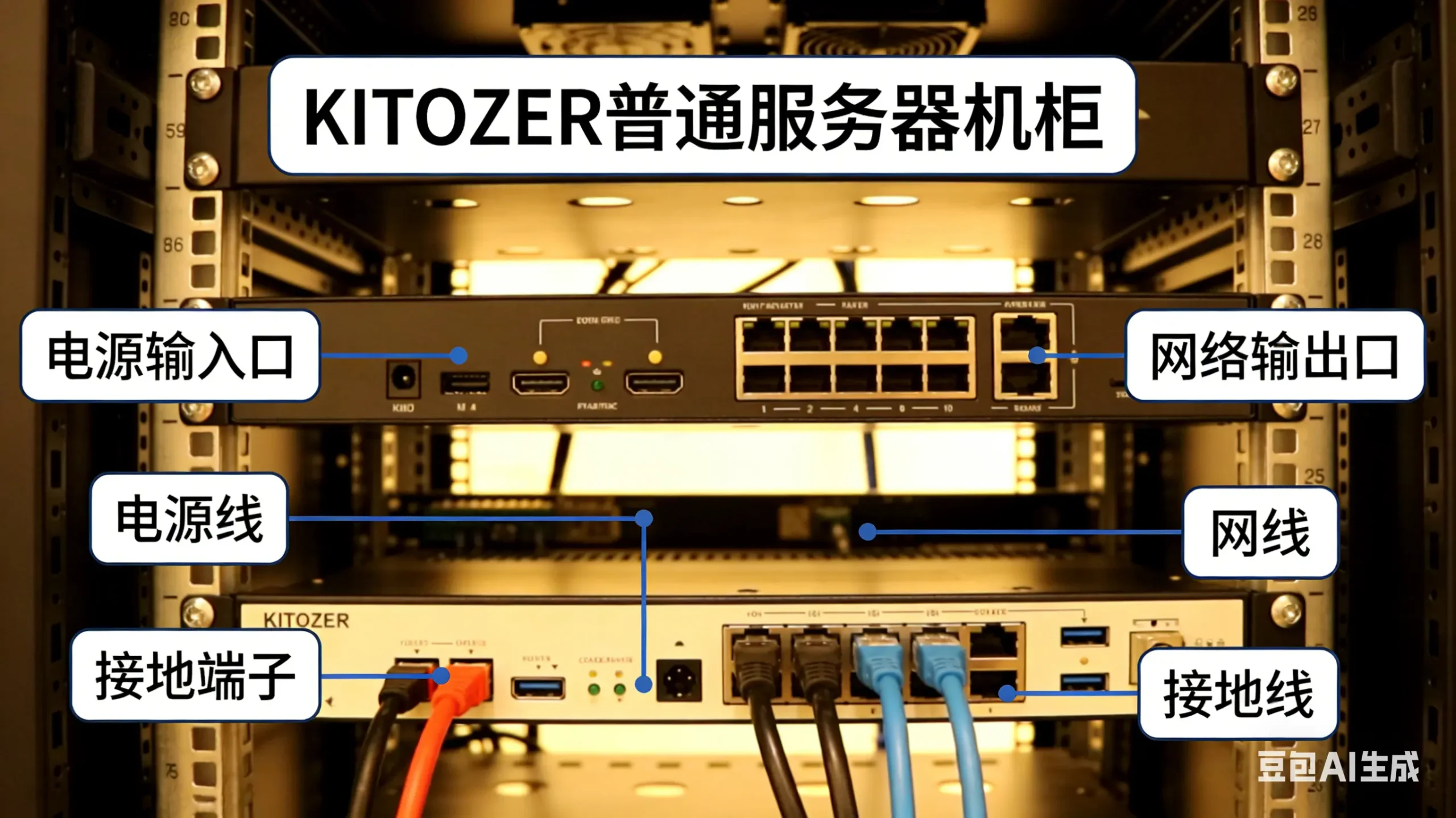
Typical applications include data centers, server rooms, industrial control rooms, communication base stations and comparable facilities where reliability and serviceability are mandatory. Site surveys and load calculations are recommended before configuration.
For greenfield projects the family is designed into the building from the outset; for retrofits, the same principles are applied in reverse — surveying what exists, identifying the binding constraint (often power or floor loading), and staging upgrades so critical services stay online throughout.
Selection Considerations
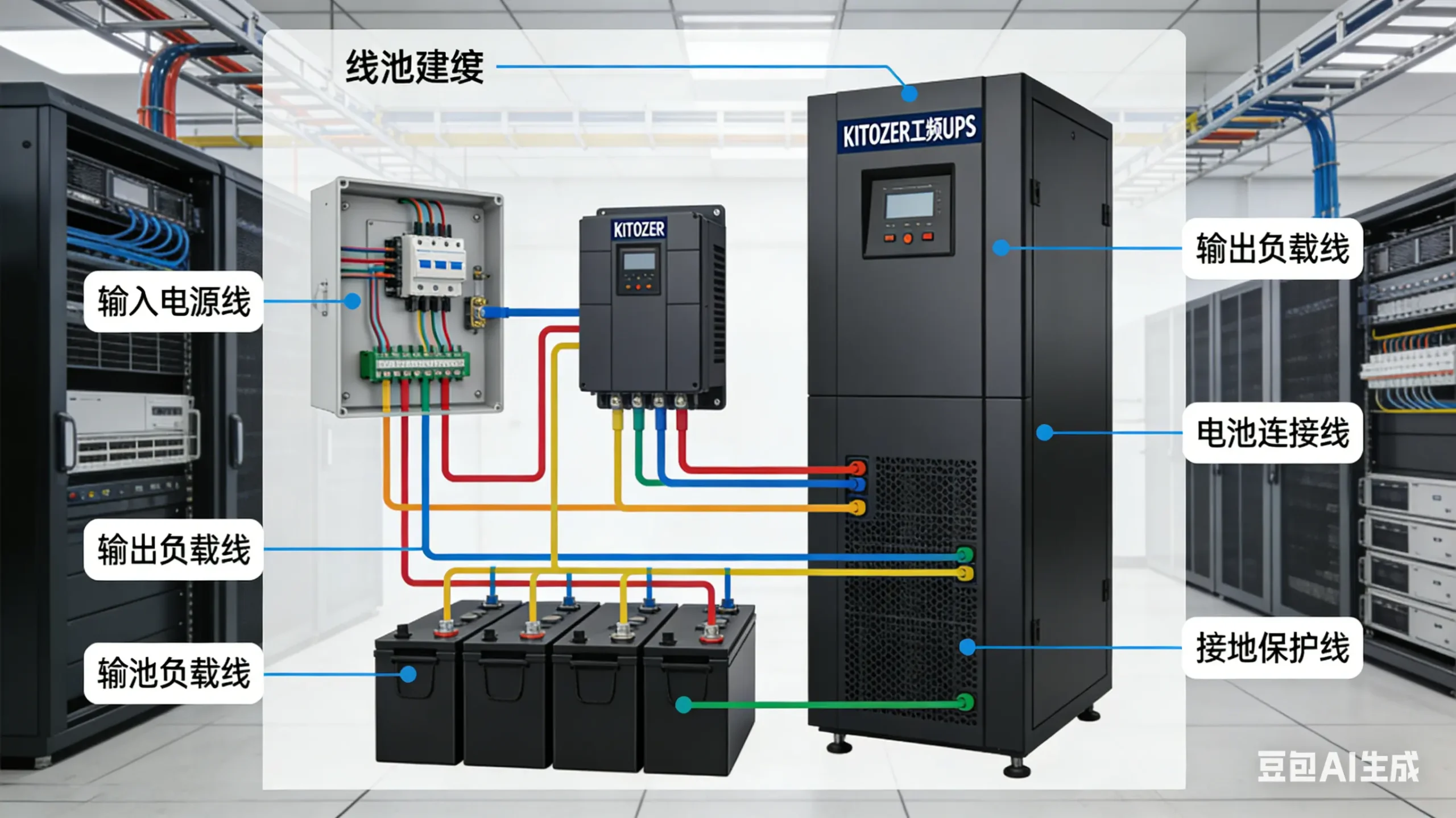
When selecting from this family, verify: (1) compatibility with existing infrastructure, (2) environmental conditions such as temperature, humidity and dust, (3) power and cooling budget, (4) maintenance and spare-part strategy, and (5) compliance requirements applicable to your region.
Also confirm the commercial and delivery terms that affect project risk: drawing approval before production, factory test documentation, packaging and transport protection, and the commissioning support included. These determine whether the delivered system can be accepted and operated as planned — not only whether the specification matched on paper.
Frequently Asked Questions — Quick Reference
Data Center Engineering Guide FAQ
1. What does the data center engineering family cover?
Cabinets and racks, cabling, power distribution, UPS, precision air conditioning, fire protection, lightning protection and grounding, load-bearing reinforcement and room decoration — engineered as one coordinated system.
2. Why specify the family as a system rather than item by item?
Because the dimensions interact — structure sets density, thermal performance limits load, grounding contains faults. Specifying them together avoids mismatches found only at installation.
3. What site data is needed before configuration?
Space and layout, IT load and growth forecast, floor loading, power availability and quality, thermal conditions, dust and humidity exposure, and maintenance access.
4. How is the right cooling capacity determined?
From measured or calculated heat load rather than installed nameplate — including a margin for load growth and de-rating at the hottest design ambient.
5. How is floor loading addressed?
Load-bearing reinforcement and cabinet base design are specified against the room’s structural capacity, verified with the building engineer where needed.
6. What protection does grounding and lightning protection provide?
They divert fault and surge energy to earth, protecting equipment and people and maintaining signal integrity for sensitive systems.
7. Can existing rooms be upgraded in stages?
Yes — retrofits typically stage around the binding constraint (often power or floor loading) with critical services maintained online throughout.
8. What documentation should be requested?
Drawings, load and thermal calculations, protection coordination data, test certificates and commissioning records.
9. What compliance requirements apply?
Requirements vary by region and sector — electrical, fire and environmental rules are confirmed per project and reflected in the design.
10. How is project risk reduced?
By approving drawings before production, requiring factory test documentation, and planning packaging, transport and commissioning support up front.
Conclusion
A structured, category-level approach to data center engineering procurement reduces risk and total cost. KITOZER supports customers from specification to commissioning; contact the engineering team for verified datasheets and project support.
Related Products
Explore the KITOZER Data Center Engineering product range for related solutions and configurations.
Related Articles
Data Center Engineering: Design Plan Framework
Data Center Engineering: Engineering Considerations
About Guangzhou Lain Intelligent System Development Co., Ltd.
Guangzhou Lain Intelligent System Development Co., Ltd. (KITOZER) supplies and integrates the data center engineering family — cabinets, power, cooling, protection and structures — as one coordinated system. From single rooms to enterprise facilities, Lain provides design, manufacturing, integration, testing and after-sales service under one roof and exports worldwide.
Contact us for a free technical consultation:
- Company: Guangzhou Lain Intelligent System Development Co., Ltd.
- Address: 1st Floor, Building A, Chaotian Industrial Park, Zhongrun Industrial Park, Shilou Town, Panyu District, Guangzhou, Guangdong, China
- Tel/WeChat: +86 135-0923-8849 | +86 135-0923-8849
- WhatsApp: +86 135-0923-8849
- Email: zl19068534140@gmail.com
- Website: www.gdlain.com | Request a Quote
Typical response time: within one business day. Project references, drawings and samples are available on request.