Executive Summary
Indoor Integrated Cabinets covers a structured family of engineered systems that support mission-critical facilities, industrial sites and communication infrastructure. This guide reviews the engineering context, typical challenges, and practical selection considerations for buyers, integrators and operations teams.
An indoor integrated cabinet is more than a rack: it combines the enclosure, power distribution, cooling, monitoring and safety devices into a single factory-assembled unit. This guide explains how the family is specified — from heat load and cooling method through power, monitoring and installation — so the delivered cabinet performs as designed in the room it serves.
Industry Context
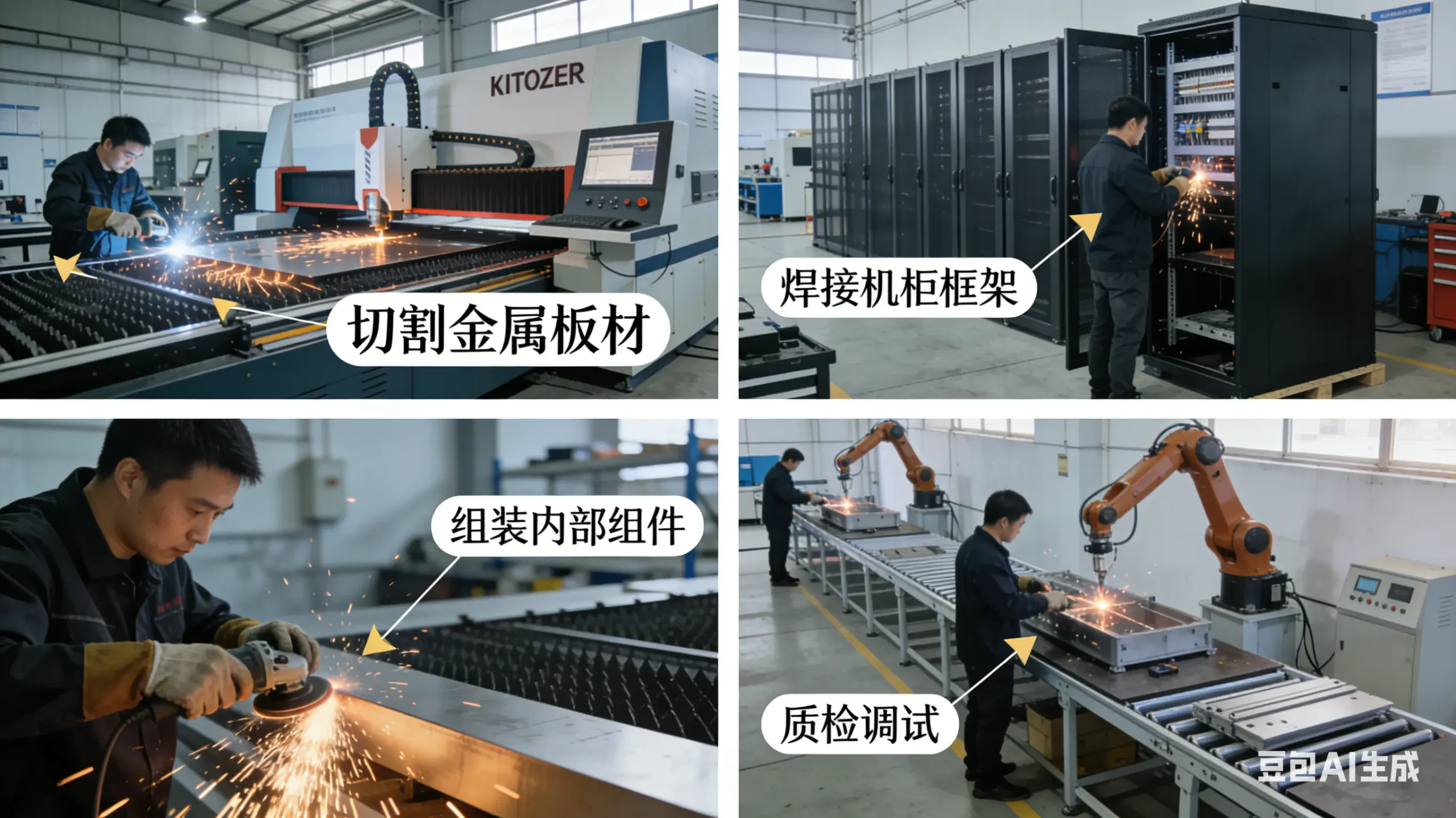
Demand for indoor integrated cabinets continues to grow as operators upgrade legacy infrastructure and adopt standardized, factory-integrated solutions. Procurement decisions increasingly depend on verified specifications, lifecycle cost and supplier engineering capability rather than price alone.
Three shifts drive this change. First, edge computing and distributed sites put real IT load into rooms that were never designed as data centers, so the cabinet must bring its own cooling and power management. Second, rack density in those cabinets is rising, which pushes air cooling toward its limits and makes liquid-cooled options practical. Third, operators want to cut on-site labor — factory assembly, pre-wiring and pre-testing reduce installation time and the risk of on-site error.
Engineering Challenge
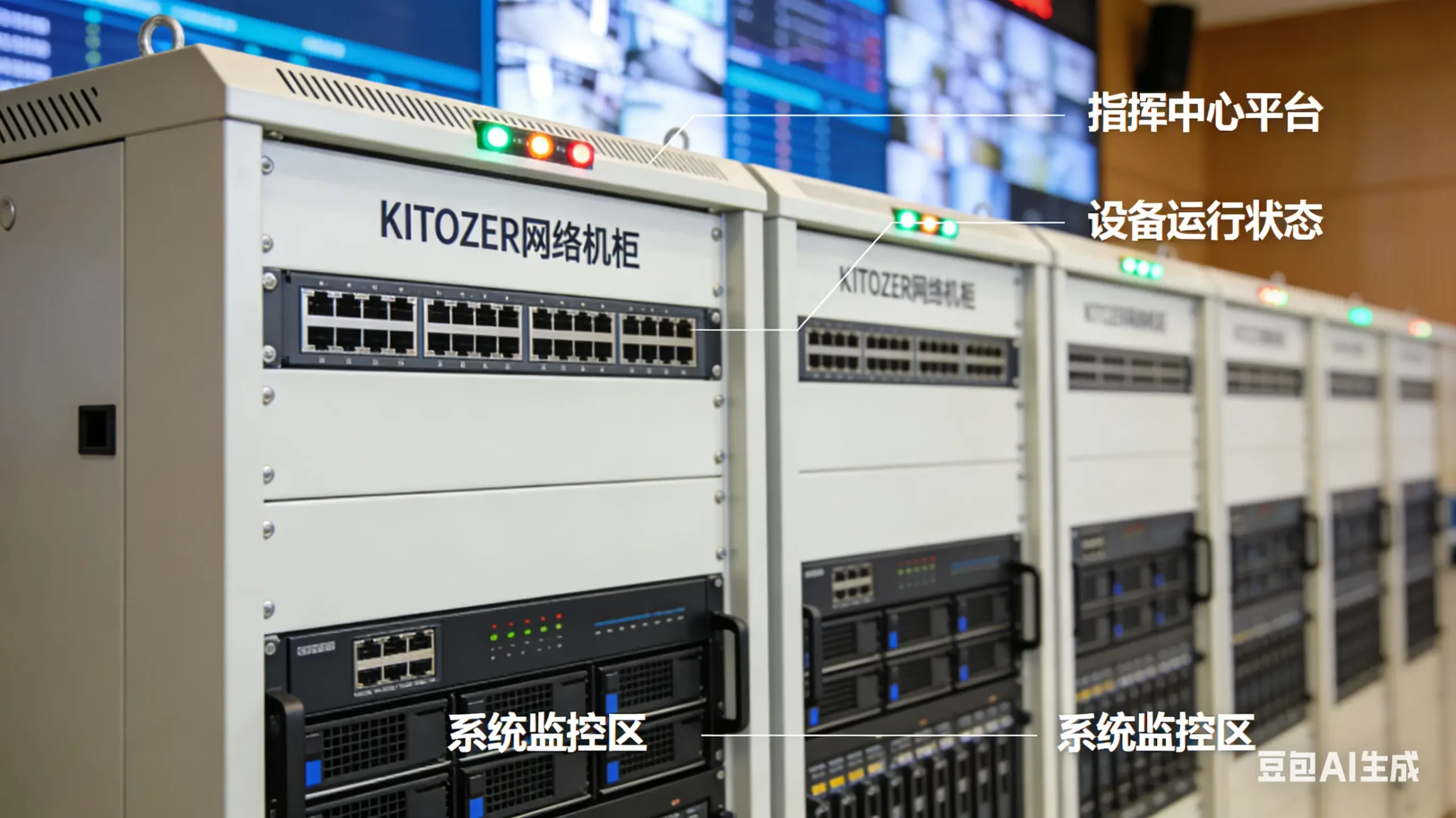
The main challenge is matching the right configuration to real site conditions: space, load, thermal environment, power availability and maintenance access. A mismatch at specification stage typically leads to rework during installation or higher operating cost.
The mismatches repeat in practice: cooling selected for nameplate rather than real heat load; power feeds and distribution sized without growth margin; cabinet depth chosen without allowing rear service access; and monitoring specified without a clear network path or alarm destination. Each is avoidable when the heat load, power budget, room layout and monitoring plan are agreed before the cabinet is assembled.

Technical Analysis
Key technical dimensions include structural integrity, thermal performance, electrical safety, environmental protection rating, and integration interfaces. Each subcategory in this family addresses a specific portion of the overall system:
- Air-Cooled Integrated Cabinets
- Indoor Cabinet Accessories
- Liquid-Cooled Integrated Cabinets
- Water-Cooled Integrated Cabinets
The dimensions interact. Cooling method sets the maximum rack density the cabinet can support; power distribution and UPS capacity set how long the load rides through an outage; monitoring determines whether a fault is noticed before it becomes an outage; and the enclosure determines protection level and serviceability. Specifying one without the others produces a cabinet that meets a datasheet but not the site requirement.

Application
Typical applications include air-cooled integrated cabinets environments and comparable facilities where reliability and serviceability are mandatory. Site surveys and load calculations are recommended before configuration.
Indoor integrated cabinets are deployed in edge and branch sites, industrial control rooms, telecom access sites, laboratories, healthcare and commercial facilities, and as supplementary capacity inside larger data centers. For new sites the cabinet is designed into the room from the outset; for retrofits, the same principles apply in reverse — surveying the room, identifying the binding constraint (usually cooling or power), and selecting the cabinet configuration that fits it.
Selection Considerations
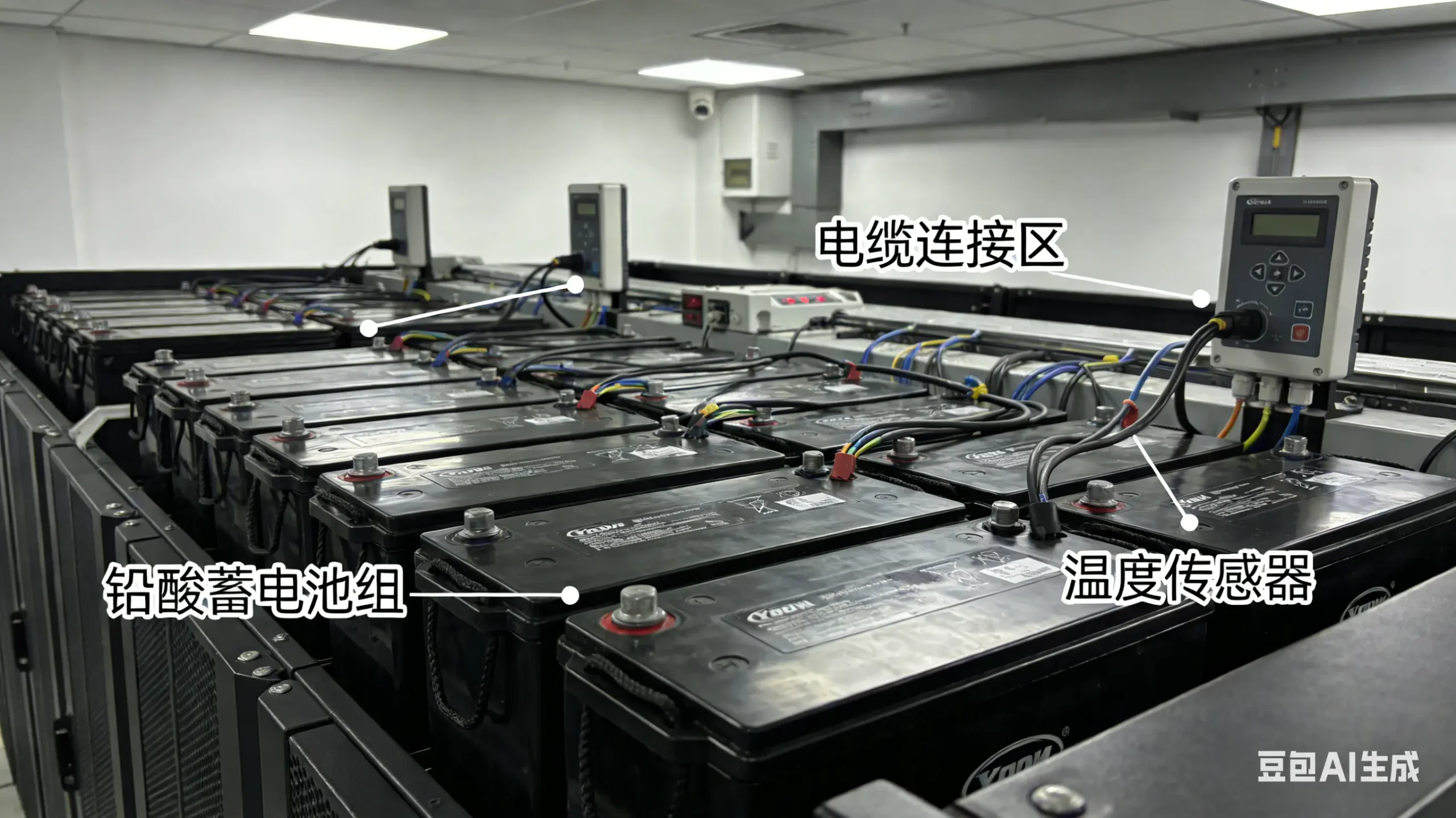
When selecting from this family, verify: (1) compatibility with existing infrastructure, (2) environmental conditions such as temperature, humidity and dust, (3) power and cooling budget, (4) maintenance and spare-part strategy, and (5) compliance requirements applicable to your region.
Also confirm the details that govern performance and risk: cooling type and its ambient design limit, heat load margin for growth, power feed and distribution rating, UPS runtime, protection rating (IP) against dust and water, monitoring protocols and alarm integration, and the documentation supplied with the unit — drawings, test records and commissioning support.
Frequently Asked Questions — Quick Reference
Indoor Integrated Cabinets FAQ
1. What is an indoor integrated cabinet?
A factory-assembled enclosure that integrates rack space with power distribution, cooling, monitoring and safety devices, so a single unit can serve as a small server room or edge IT site.
2. How do I choose between air-cooled and liquid/water-cooled cabinets?
Air cooling suits moderate rack density and rooms with adequate ambient control; liquid or water cooling is selected when density or ambient conditions exceed what air can remove efficiently.
3. What heat load can one cabinet handle?
It depends on the cooling method and design ambient — air-cooled units suit moderate loads while liquid-cooled units support high density; the figure is confirmed from the real IT load plus a growth margin.
4. Does the cabinet include a UPS?
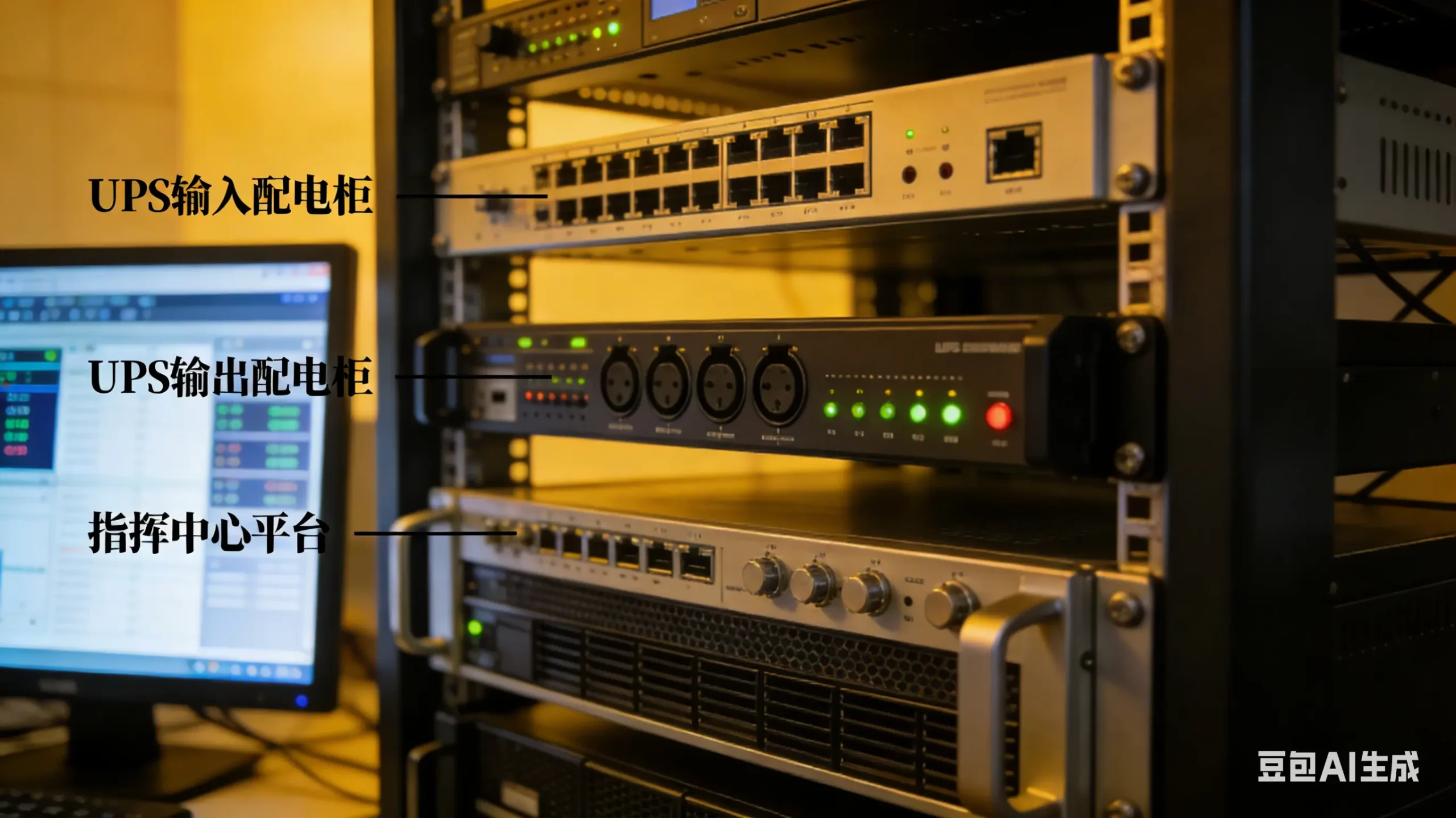
UPS capacity and internal distribution can be integrated or supplied as a matching separate unit depending on the required runtime and load.
5. What protection rating should I specify?
Match IP rating to the room — dusty or humid industrial areas require higher protection than a clean, air-conditioned office or data hall.
6. Can the cabinets be monitored remotely?
Yes — temperature, humidity, power, door status and alarm contacts can be reported over standard protocols to the site monitoring or SNMP/NMS platform.
7. How much on-site work is required?
Factory assembly, pre-wiring and pre-testing reduce site work to positioning, connecting power and network, and commissioning checks.
8. Are the cabinets compatible with standard 19-inch equipment?
Yes — the family follows standard 19-inch rack mounting, with accessories for cable management, blanking and airflow control.
9. How is maintenance handled?
Front and rear access, replaceable modules and a recommended spares list keep maintenance simple; service access must be planned at layout stage.
10. What documentation should be requested?
General arrangement drawings, cooling and power calculations, wiring diagrams, test certificates and the monitoring integration guide.
Conclusion
A structured, category-level approach to indoor integrated cabinets procurement reduces risk and total cost. KITOZER supports customers from specification to commissioning; contact the engineering team for verified datasheets and project support.
Related Products
Explore the KITOZER Indoor Integrated Cabinets product range for related solutions and configurations.
Related Articles
Indoor Integrated Cabinets: Technical FAQ
Indoor Integrated Cabinets: Engineering Considerations
About Guangzhou Lain Intelligent System Development Co., Ltd.
Guangzhou Lain Intelligent System Development Co., Ltd. (KITOZER) supplies and integrates indoor integrated cabinets — enclosure, cooling, power distribution, UPS and monitoring — as one factory-assembled unit. From single rooms to enterprise facilities, Lain provides design, manufacturing, integration, testing and after-sales service under one roof and exports worldwide.
Contact us for a free technical consultation:
- Company: Guangzhou Lain Intelligent System Development Co., Ltd.
- Address: 1st Floor, Building A, Chaotian Industrial Park, Zhongrun Industrial Park, Shilou Town, Panyu District, Guangzhou, Guangdong, China
- Tel/WeChat: +86 135-0923-8849 | +86 135-0923-8849
- WhatsApp: +86 135-0923-8849
- Email: zl19068534140@gmail.com
- Website: www.gdlain.com | Request a Quote
Typical response time: within one business day. Project references, drawings and samples are available on request.