1. Overview: The Shared Key Is a Security Hole
Telecom cabinets, network racks and IT enclosures hold the configuration, data and spares that keep networks running — and in most facilities they are protected by a shared key that a dozen people have copied. When something fails, no one can prove who last touched the equipment; when someone unauthorized opens a cabinet, no one knows until damage is done.
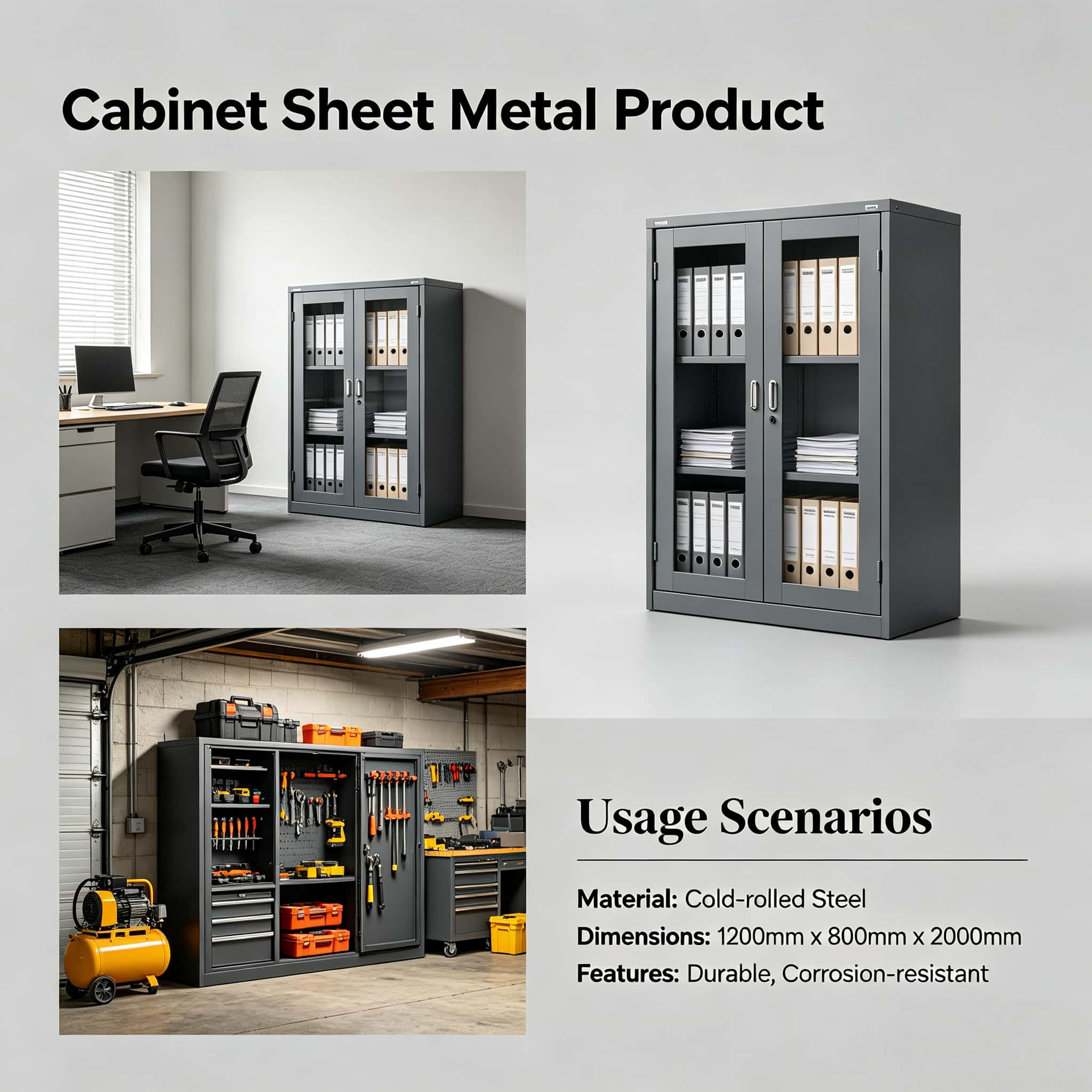
Cabinet access control replaces shared keys with electronic locks that record who opened which cabinet and when — with alarms for forced entry and time-based rights for each engineer. Guangzhou Lain Intelligent System Development Co., Ltd. supplies electronic cabinet locks and integrates them into site access-management systems. This guide explains the components, capabilities and business case.
2. Why Electronic Cabinet Access
- Accountability — every opening is logged: who, when, how long. Incident investigation starts from facts, not guesswork.
- Deterrence — engineers and contractors know access is recorded; unauthorized changes drop.
- Remote management — rights are granted and revoked from the office in seconds — no re-keying, no chasing keys when staff leave.
- Compliance — audit trails support ISO 27001, telecom operator requirements and internal security standards.
- Protection of critical equipment — cabinets holding core network, security and payment systems get real protection instead of a common key.
3. System Components
3.1 Electronic Locks
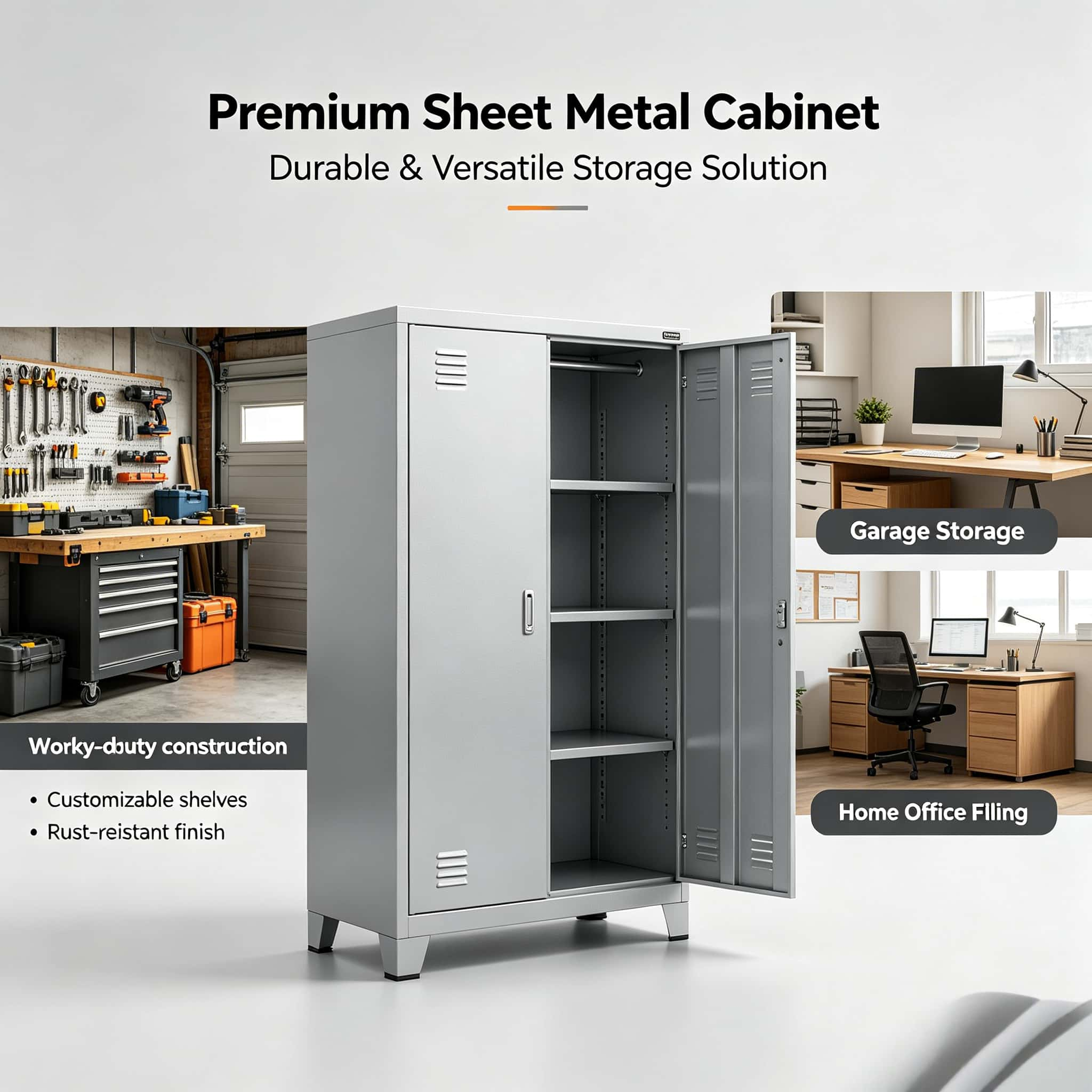
Cabinet door locks with RFID reader, keypad or both; versions for 19″ rack doors, outdoor cabinet doors and wall boxes. Locks are rated for the environment — indoor racks and ruggedized outdoor versions that handle rain, dust and temperature extremes.
3.2 Controllers
Lock groups are managed by a controller that stores rights and event logs locally and reports online or offline to the platform. Offline operation means locks keep working and logging even when the network is down, syncing records when connectivity returns.
3.3 Management Platform
The platform defines who may open which cabinet group, when, and delivers the full audit trail. Credentials — RFID cards/fobs, mobile app or emergency mechanical keys — are assigned by role: cards for field engineers, app plus remote unlock for management.
4. Key Capabilities
| Capability | What It Means |
|---|---|
| Time-based access windows | Engineers can open only within their scheduled shift or maintenance window |
| Group rights | One credential opens only the cabinet group that person is authorized for |
| Forced-entry alarm | Trying to force a door triggers immediate alarm and camera snapshots |
| Door-open-too-long | Open doors beyond a set time alarm, catching forgotten or abandoned work |
| Offline operation | Locks function and log without network; records sync later |
| Emergency key | Mechanical override with logged use for genuine emergencies |
5. Integration with Site Security
Cabinet access control is strongest when integrated: forced-opening alarms trigger CCTV recording and operator notification in one workflow; cabinet events join building access control logs; and environmental monitoring shares the same platform view, so a security incident and an environmental event at the same cabinet are correlated automatically.
6. Outdoor and Harsh Environments
Outdoor telecom cabinets demand more from access hardware: sealed locks rated IP65+, wide temperature operation (-40 to +70°C options), corrosion-resistant materials and battery-aware power design for solar or DC-powered sites. Guangzhou KITOZER supplies outdoor-rated electronic locks and controllers matched to telecom enclosure doors.
7. Deployment
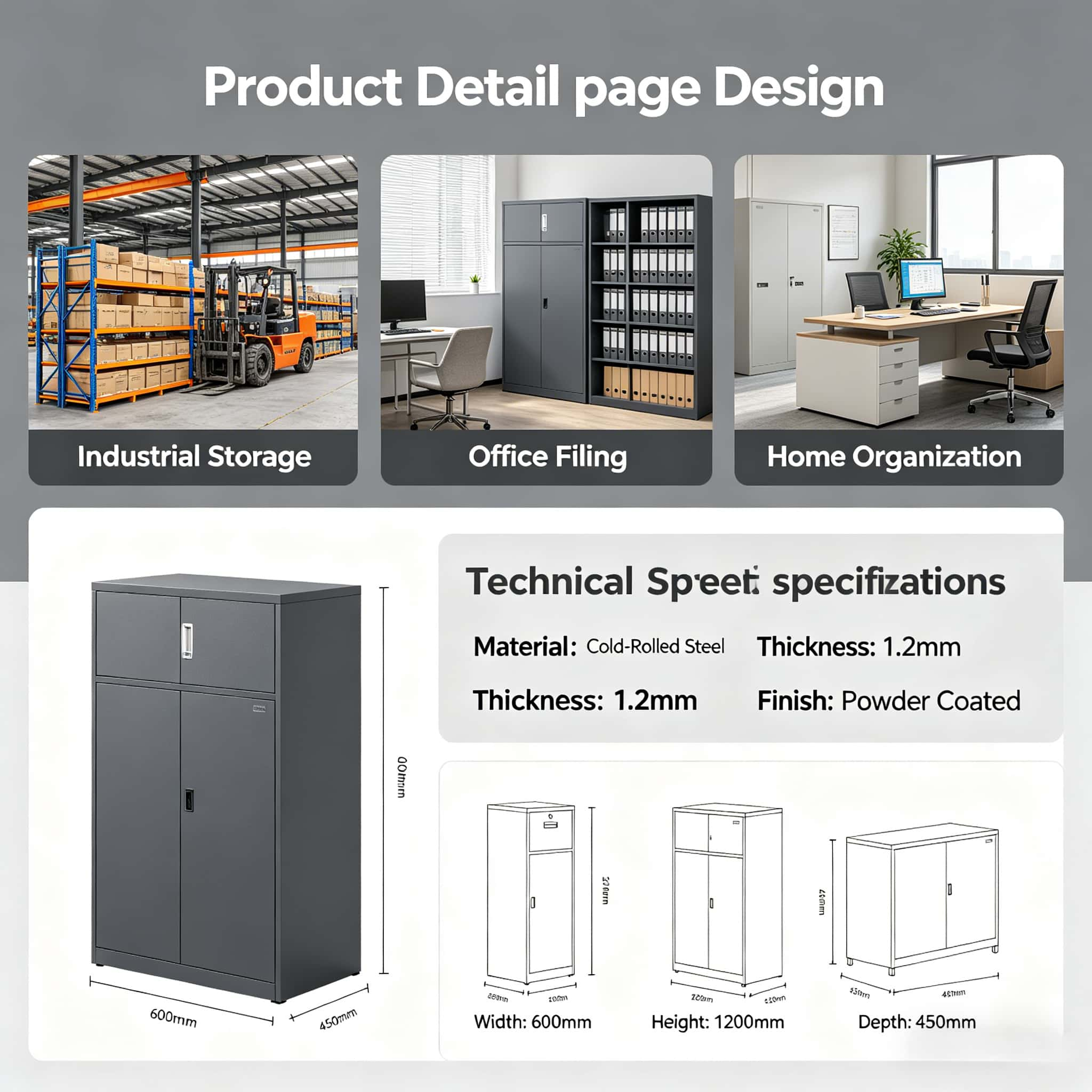
- Survey — cabinet inventory, door types, network and power availability at each location.
- Design — lock selection, controller grouping, rights structure and alarm routing.
- Installation — locks fitted to existing doors; controllers and network connected; indoor and outdoor versions per site.
- Configuration — credentials, time windows, group rights and escalation loaded.
- Testing — normal open/close, denied access, forced-entry alarm and offline behavior verified per site.
- Handover — operator training and documentation delivered.
8. Business Case
Beyond security, access control pays operational dividends: no more key management for dozens of staff and contractors; remote lockout of departed employees in seconds; faster incident resolution with reliable records; and audit-ready evidence for certifications. For multi-site estates, one platform manages every cabinet from the office — the difference between knowing your sites are protected and hoping they are.
9. Frequently Asked Questions
Cabinet Access Control FAQ
1. Why do cabinets need electronic access control?
Cabinet doors protect critical equipment. Electronic locks give a record of every opening — who, when, and for how long — which shared keys cannot provide, improving accountability and security compliance.
2. What types of credentials are supported?
RFID cards/fobs, PIN keypads, mobile app credentials and emergency mechanical keys; choice follows the site role and usage pattern.
3. Can access be restricted by time or person?
Yes — each user or group can be limited to specific cabinet groups and time windows, with changes managed centrally from the office.
4. What happens if the network goes down?
Locks continue operating offline against locally cached rights and record events; logs sync to the platform automatically when connectivity returns.
5. Can it integrate with existing site security systems?
Yes — cabinet access control integrates with building access control, CCTV and environment monitoring so forced-opening alarms trigger cameras and notifications.
6. Is it suitable for outdoor telecom cabinets?
Yes — outdoor-rated locks handle rain, dust and temperature extremes and fit standard 19″ and telecom enclosure doors.
7. How is a forced entry detected?
The lock senses tampering or forced opening and raises an immediate alarm with event logging; optional camera integration captures visual evidence.
8. Do engineers need training?
Minimal — presenting a card or entering a PIN is intuitive; administrators receive training on rights management and the audit console.
9. Can the system scale to many sites?
Yes — one platform manages cabinets across sites with per-site views, centralized rights and consolidated audit reports.
10. What happens when an employee leaves?
Their credentials are revoked centrally in seconds; the audit trail confirms what they accessed for review.
11. Is a mechanical key still available?
Yes — emergency mechanical keys exist for genuine emergencies, with key use logged for accountability.
12. What power does the system need?
Locks and controllers run on low-voltage power with battery backup options; outdoor versions support solar/DC-powered sites.
10. Related Solutions
- Data Center Monitoring System
- Campus Security Integration
- Cabinet Sealing Materials
- General Outdoor Cabinets
- Computer Room Security Solutions
About Guangzhou Lain Intelligent System Development Co., Ltd.
Guangzhou Lain Intelligent System Development Co., Ltd. supplies electronic cabinet access control, security integration and monitoring for telecom, data center and industrial customers worldwide. From single rooms to enterprise facilities, KITOZER provides design, manufacturing, integration, testing and after-sales service under one roof and exports worldwide.
Contact us for a free technical consultation:
- Company: Guangzhou Lain Intelligent System Development Co., Ltd.
- Address: 1st Floor, Building A, Chaotian Industrial Park, Zhongrun Industrial Park, Shilou Town, Panyu District, Guangzhou, Guangdong, China
- Tel/WeChat: +86 135-0923-8849 | +86 135-0923-8849
- WhatsApp: +86 135-0923-8849
- Email: zl19068534140@gmail.com
- Website: www.gdlain.com | Request a Quote
Typical response time: within one business day. Project references, drawings and samples are available on request.