1. Overview: What This FAQ Covers
Data center EMS integration connects power, cooling and environmental metering into a single energy management platform — the system that computes PUE, detects waste, allocates energy to tenants and supports capacity planning. Data centers consume ten to a hundred times more energy per square meter than offices, and most of that energy flows through systems whose efficiency stays invisible until it is measured.
This page answers the questions data center managers, facility teams and colocation operators ask when planning or extending an energy management system. Guangzhou Lain Intelligent System Development Co., Ltd. designs and delivers EMS integration for new and existing data centers; the answers below reflect our standard practice, platform capabilities and delivery process.

2. Why Integrate an EMS
2.1 Why does a data center need energy management at all?
Without measurement, cooling runs harder than the load justifies, UPS operates below its efficient band, phases stay unbalanced and night consumption goes unexplained — for months. The fix is usually not new hardware but visibility: EMS integration turns raw meter data into operational decisions that cut waste and protect uptime.
2.2 What results are realistic?
Measured improvements of 5-15% in facility energy are common in the first year — from operational changes that visibility enables, such as reducing idle cooling, matching plant to load and balancing phases. Payback for EMS integration is typically under a year when the platform drives these changes.

3. What Data Sources Are Integrated
3.1 Which electrical data matters?
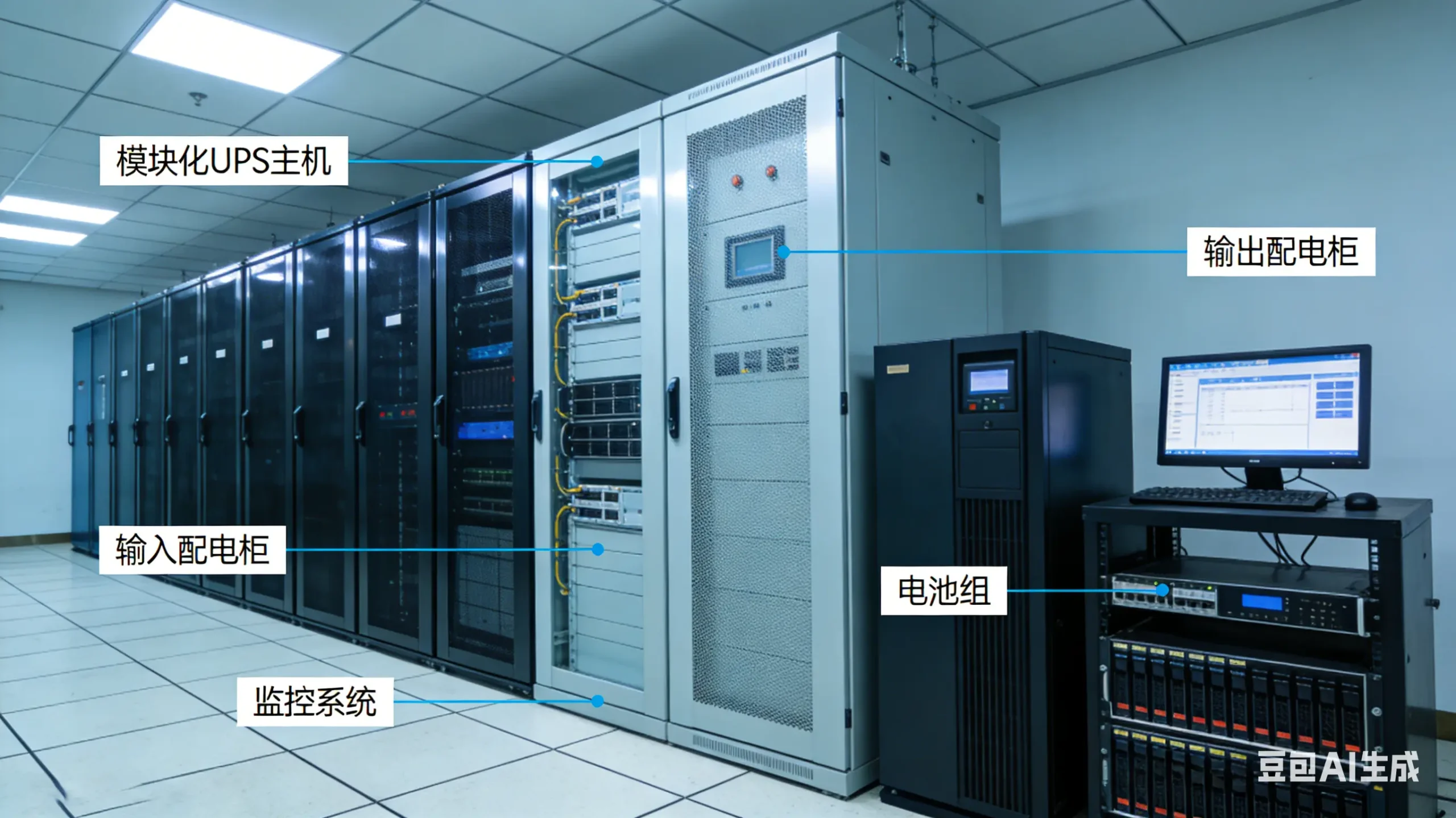
Incoming feeders, transformer meters, UPS input/output/bypass, PDU and rack meters, generator and ATS status. These define where power enters and how it is consumed — the boundary data every efficiency calculation depends on.
3.2 Which cooling and environmental data?
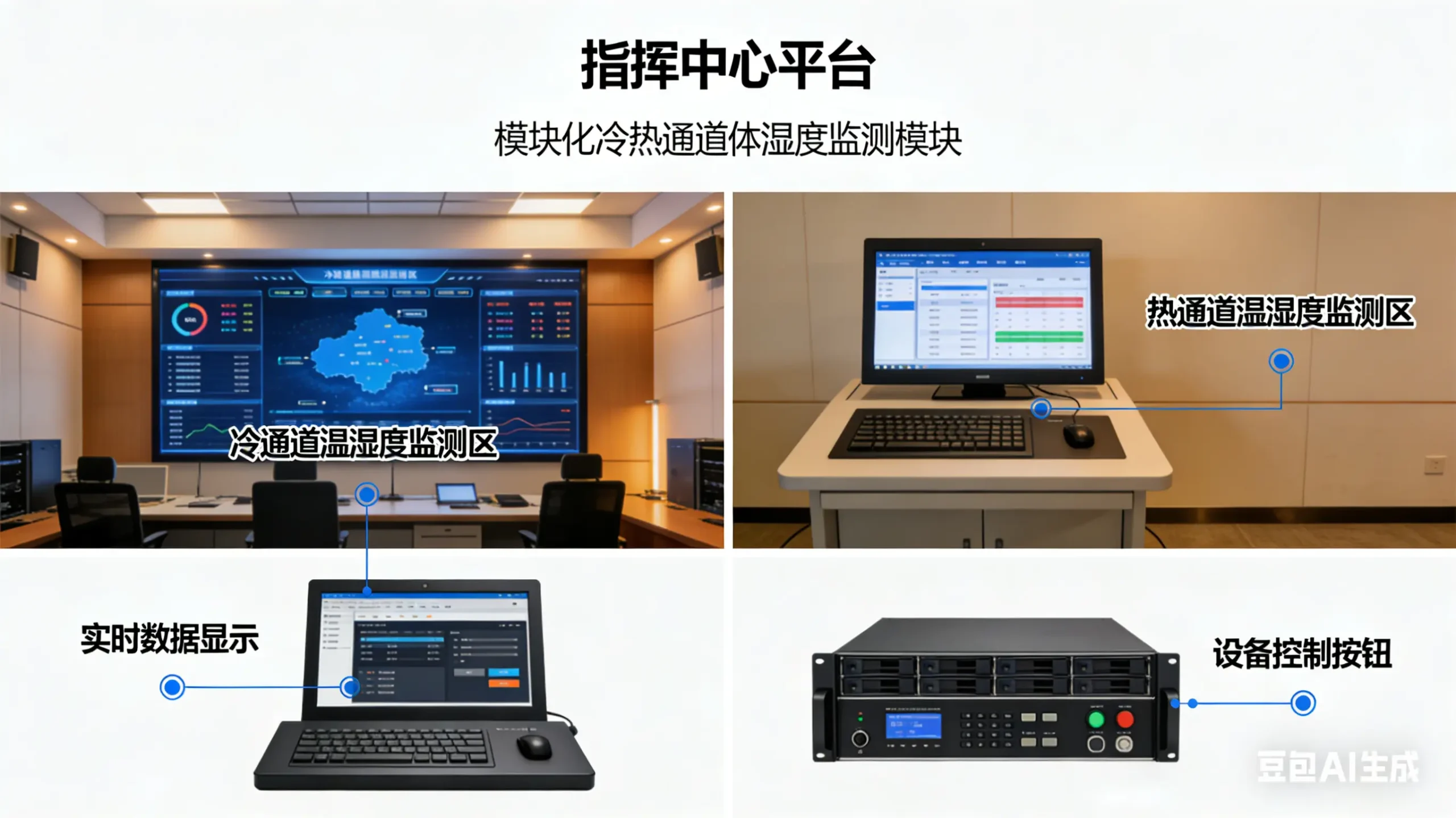
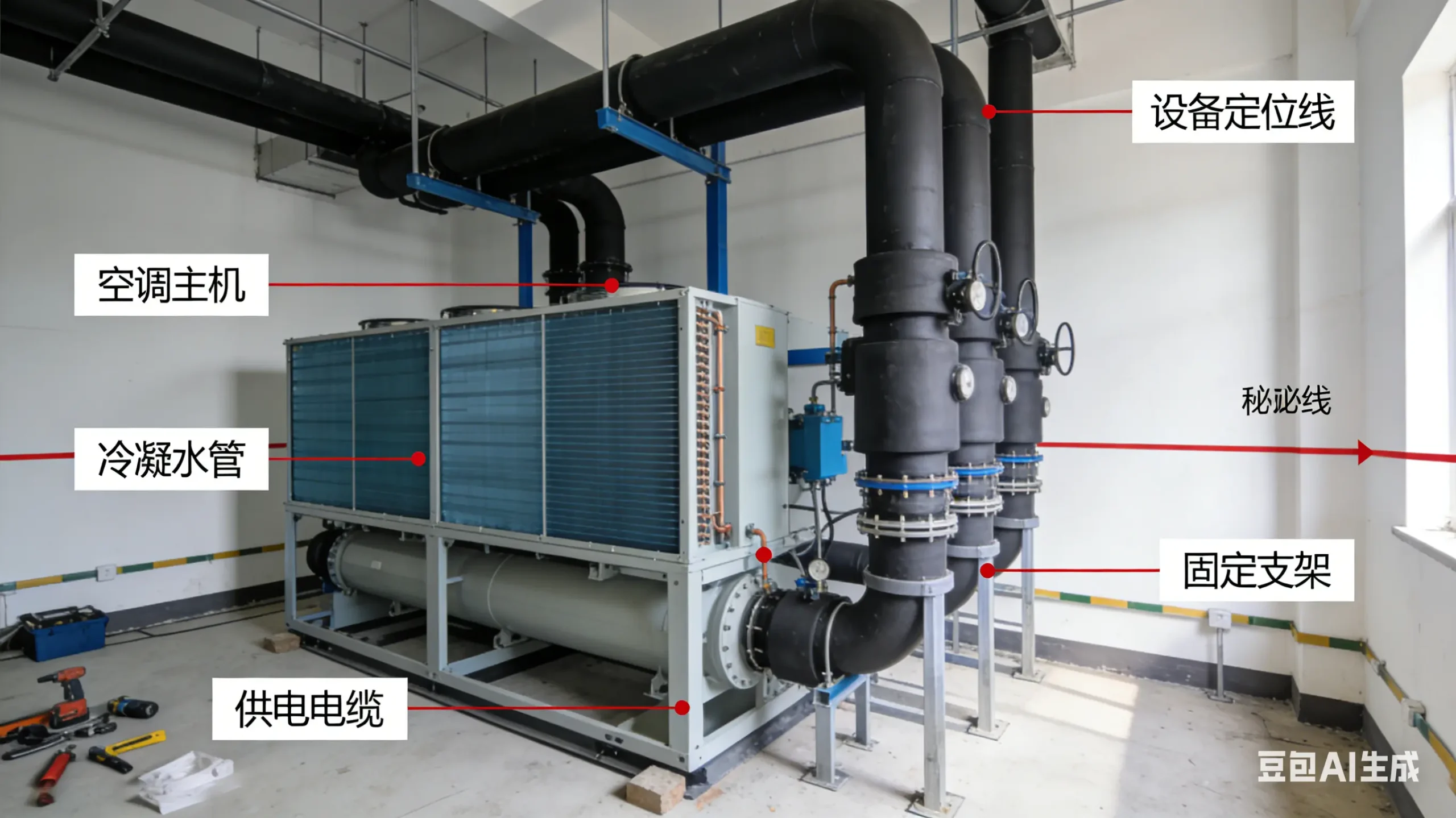
Chiller plant power and efficiency, precision AC power, cooling tower and fan power, water flow and temperatures — cooling is typically 30-40% of data center energy. Room and rack temperatures then correlate energy with thermal conditions, exposing overcooling, hot spots and airflow waste.
3.3 Where does IT load data come from?
Server power from rack PDUs gives true IT consumption — the denominator of PUE and the basis of tenant allocation and efficiency metrics.
4. The Metrics That Matter
PUE (total facility energy divided by IT energy) remains the industry benchmark; DCiE is its reciprocal. Beyond PUE, an EMS tracks IT load versus capacity, cooling efficiency (cooling kWh per IT kWh) and power quality — harmonics, balance and power factor. The difference between a higher and a lower PUE can change the annual energy bill, which is why continuous measurement is useful. Site energy targets are confirmed on the quotation.
4.1 Do I need new meters?
Not necessarily. Modern UPS, PDU, switchgear and cooling controllers already expose data via Modbus, SNMP or BACnet. The first step is an inventory of what exists and where gaps hide; submeters are added only where data is missing — typically branch feeders, cooling plant and tenant boundaries — using CT-operated meters that install without shutdown.
5. Platform Capabilities
- Real-time PUE — continuous calculation with trend graphs, not monthly manual estimates.
- Anomaly detection — cooling running harder than load justifies, UPS above recommended load, unexpected night consumption.
- Energy allocation — per tenant, zone or rack for colocation billing and showback.
- Capacity dashboard — power headroom, cooling headroom and space linked for deployment decisions.
- Reports — daily/monthly energy, PUE trend, anomaly log and savings verification.
6. Integration Architecture and Delivery
6.1 How is the system put together?
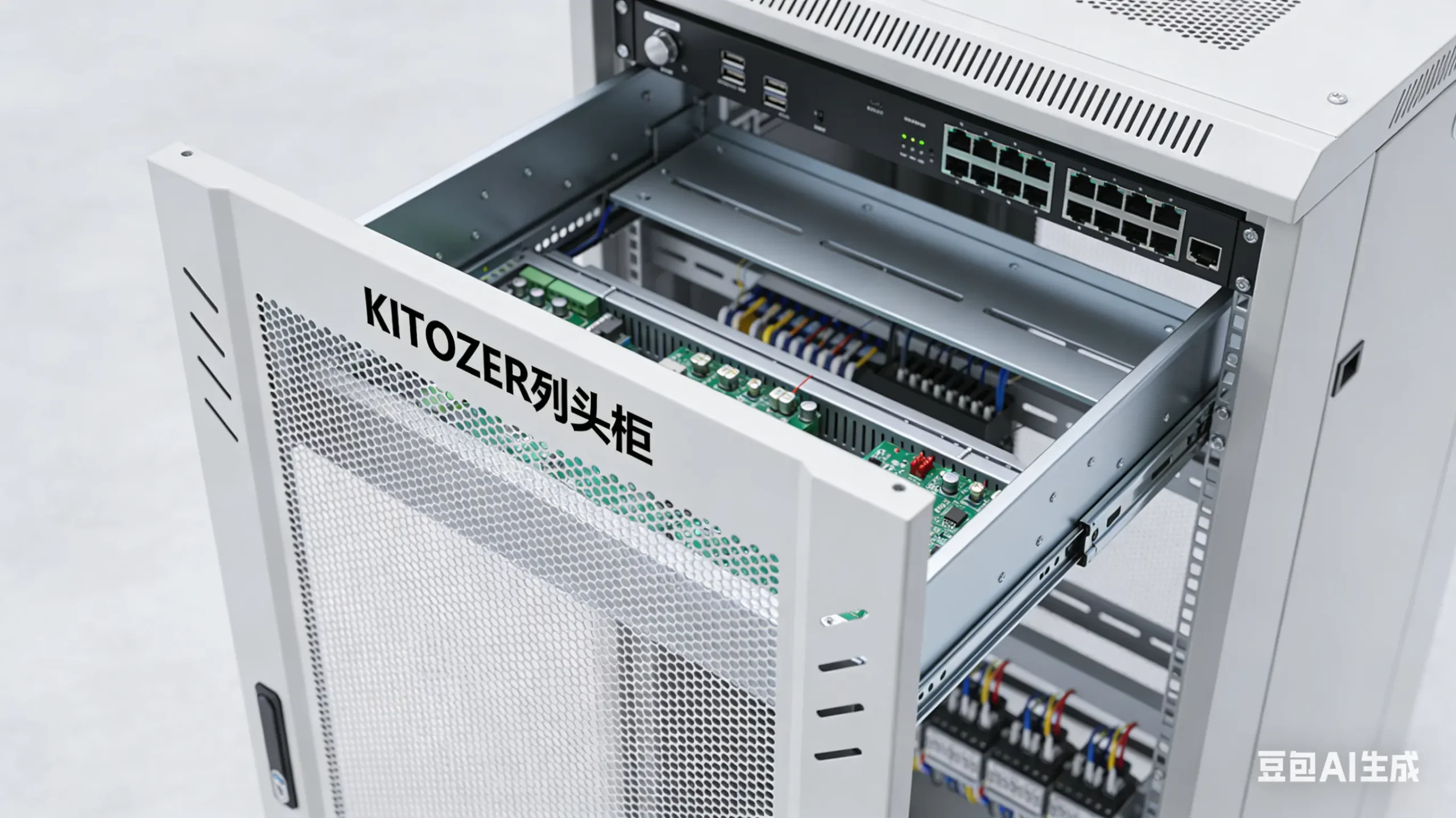
Field meters and controllers connect over RS485/Modbus, SNMP or BACnet to data concentrators, which forward to the EMS server over TCP/IP. The server stores interval data, applies the PUE formula at defined boundaries and serves dashboards to operators and management. Multi-building or multi-site estates run one EMS node per site reporting to a central platform.
6.2 How long does a project take?
A typical room deploys in 2-4 weeks; multi-site estates phase over 1-3 months depending on meter installation. The process covers meter and data inventory, measurement planning, non-disruptive installation, data mapping and platform configuration, a baseline period, then continuous operation and tuning.
6.3 Is EMS the same as DCIM?
No — EMS focuses on energy and efficiency, DCIM on infrastructure status and capacity. They share data sources and often the same communication bus; Guangzhou Lain integrates both where required so the two dashboards complement each other on a consistent data foundation.
7. Frequently Asked Questions — Quick Reference
Data Center EMS Integration FAQ
1. What is data center EMS integration?
It connects power, cooling and environmental metering into one platform that computes efficiency (PUE), allocates energy, detects anomalies and supports capacity planning.
2. Do I need new meters?
Not necessarily — modern UPS, PDU, switchgear and cooling controllers already expose data via Modbus/SNMP; we inventory first and add submeters only where gaps exist.
3. How is PUE calculated accurately?
Total facility energy is divided by IT energy, both measured at defined boundary points over the same interval; the platform computes real PUE continuously.
4. What savings can I expect?
Measured improvements of 5-15% are common after visibility reveals idle cooling, unbalanced loads and scheduling waste, with payback typically under a year.
5. Can it support tenant billing in colocation?
Yes — energy is allocated by tenant, zone or rack from PDU and submeter data, with reports suitable for billing and showback.
6. Is EMS separate from the monitoring (DCIM) system?
EMS focuses on energy, DCIM on infrastructure status; they share the same data bus, and we integrate both so dashboards complement each other.
7. What protocols are supported?
Modbus RTU/TCP, SNMP and BACnet cover most meters and controllers; custom gateways handle proprietary devices.
8. Can EMS help capacity planning?
Yes — the capacity dashboard links power headroom, cooling headroom and space so new IT deployments are sited safely.
9. How long does integration take?
A typical room deploys in 2-4 weeks; multi-site estates phase over 1-3 months depending on meter installation.
10. What reports are produced?
PUE trends, energy consumption by zone/system, anomaly logs, tenant allocation and savings verification reports.
11. Does it measure cooling efficiency separately?
Yes — cooling power per IT kWh is tracked to detect cooling waste and verify optimization measures.
12. Is remote monitoring available?
Yes — the platform is accessible over the web, with alarms routed to operators by SMS, WeChat/WhatsApp or email.
8. Related Solutions
- Data Center EMS Integration: Complete Guide
- Data Center Monitoring System
- Energy Meter & Submetering
- Energy Efficiency Monitoring System
- Data Center Turnkey Integration
About Guangzhou Lain Intelligent System Development Co., Ltd.
Guangzhou Lain Intelligent System Development Co., Ltd. delivers data center EMS integration, energy metering and efficiency platforms for operators, enterprises and colocation providers worldwide. From single rooms to enterprise facilities, KITOZER provides design, manufacturing, integration, testing and after-sales service under one roof and exports worldwide.
Contact us for a free technical consultation:
- Company: Guangzhou Lain Intelligent System Development Co., Ltd.
- Address: 1st Floor, Building A, Chaotian Industrial Park, Zhongrun Industrial Park, Shilou Town, Panyu District, Guangzhou, Guangdong, China
- Tel/WeChat: +86 135-0923-8849 | +86 135-0923-8849
- WhatsApp: +86 135-0923-8849
- Email: zl19068534140@gmail.com
- Website: www.gdlain.com | Request a Quote
Typical response time: within one business day. Project references, drawings and samples are available on request.