1. Overview: The Heart of -48V DC Power Distribution
Telecom networks run on -48V DC: rectifiers convert mains to DC, batteries store it, and a distribution system carries it to radios, transmission equipment and auxiliary loads. The DC distribution cabinet is that distribution system — the central point where rectified DC is divided into protected, measurable branches, and where batteries connect through controlled, monitored paths.
Guangzhou Lain Intelligent System Development Co., Ltd. manufactures DC distribution cabinets rated from 100 A to 2000 A for base stations, exchanges, data centers and industrial DC plants. This guide explains their function, construction, sizing and maintenance so you can specify and operate them with confidence.
2. Core Functions
2.1 Load Distribution
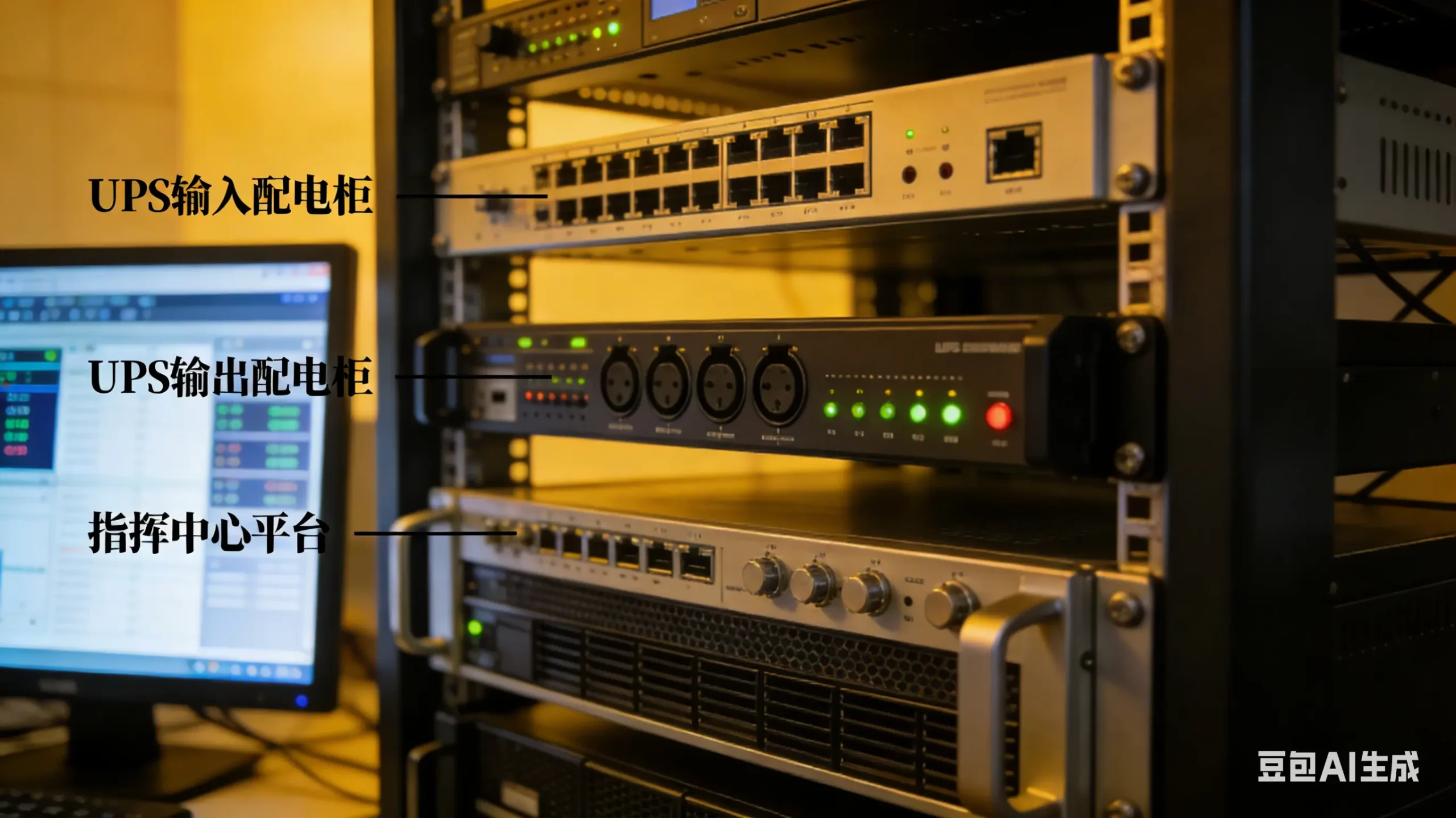
The cabinet receives DC from the rectifier/battery bus and distributes it through 12 to 96 individual branches, each protected by a pluggable DC miniature circuit breaker or fuse from 10 A to 630 A. Branches feed radios (RRU/AAU), transmission, controllers, and auxiliary DC loads, with spare ways reserved for growth.
2.2 Battery Distribution and Protection
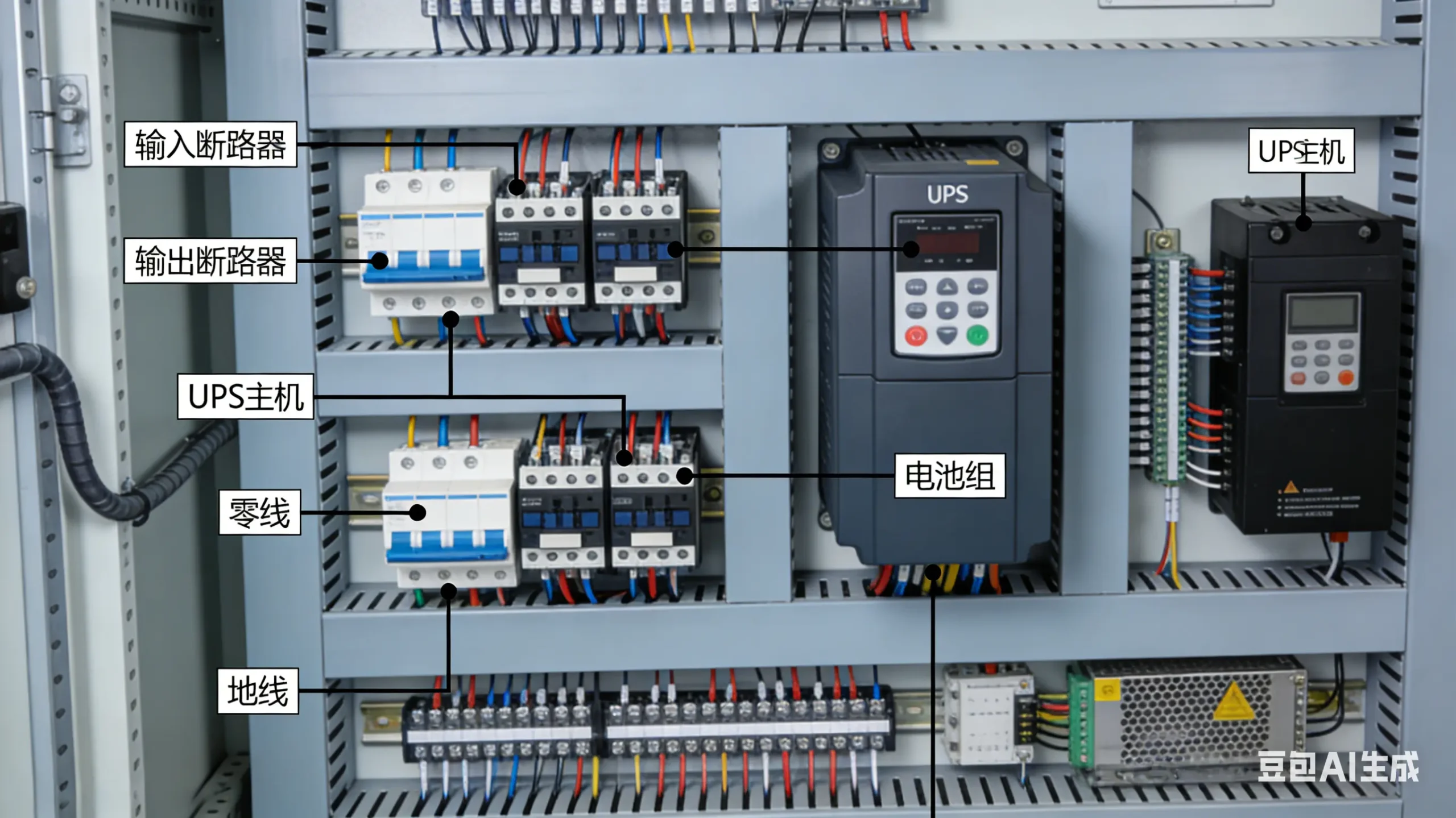
Battery strings connect through dedicated high-current paths with battery fuses and a low-voltage disconnect (LVD). LVD automatically sheds non-critical loads when battery voltage falls (commonly below 43.2 V for a 48V system), preserving energy for critical transmission equipment during long outages and protecting the battery from deep discharge.
2.3 Metering and Monitoring
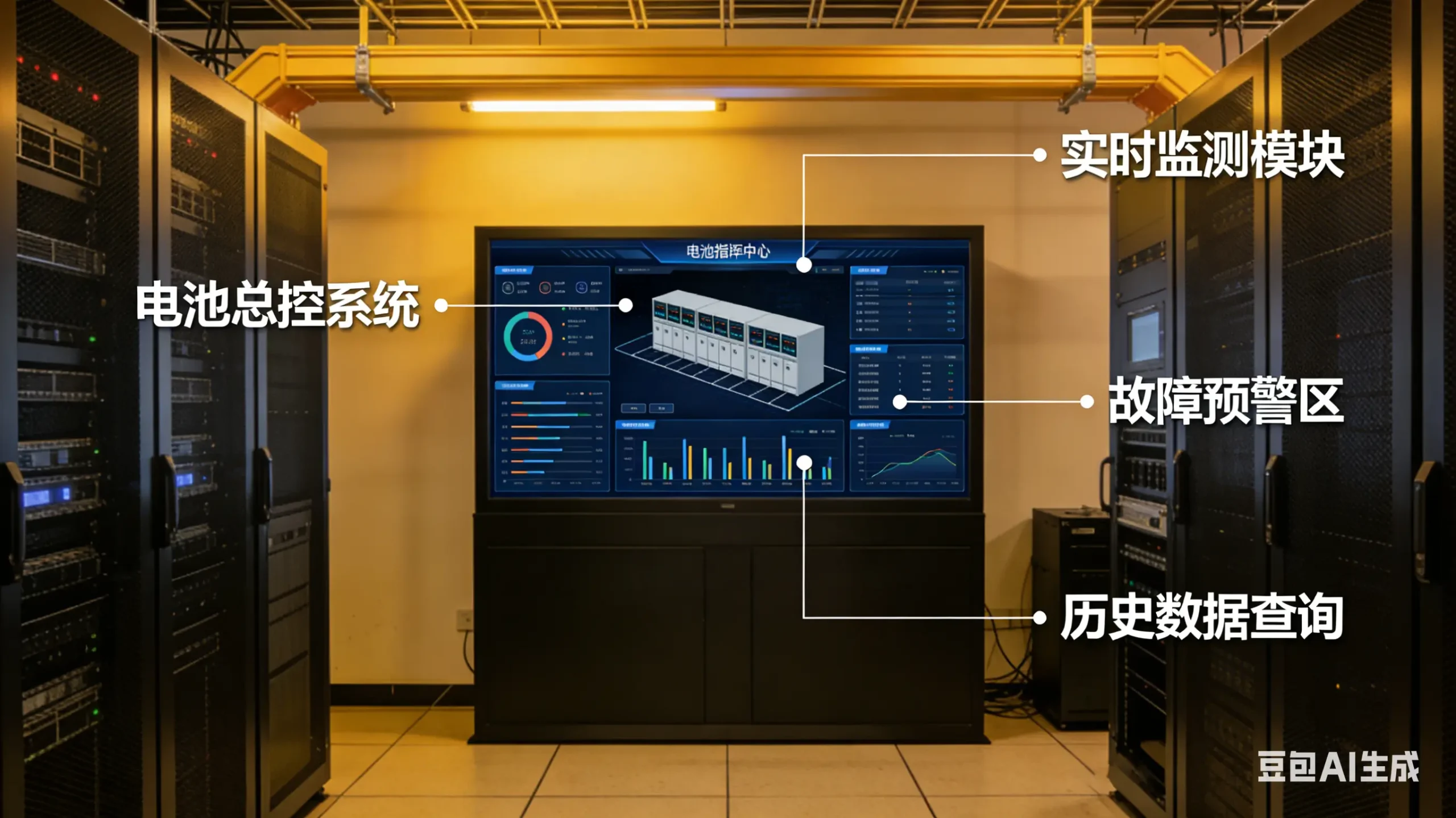
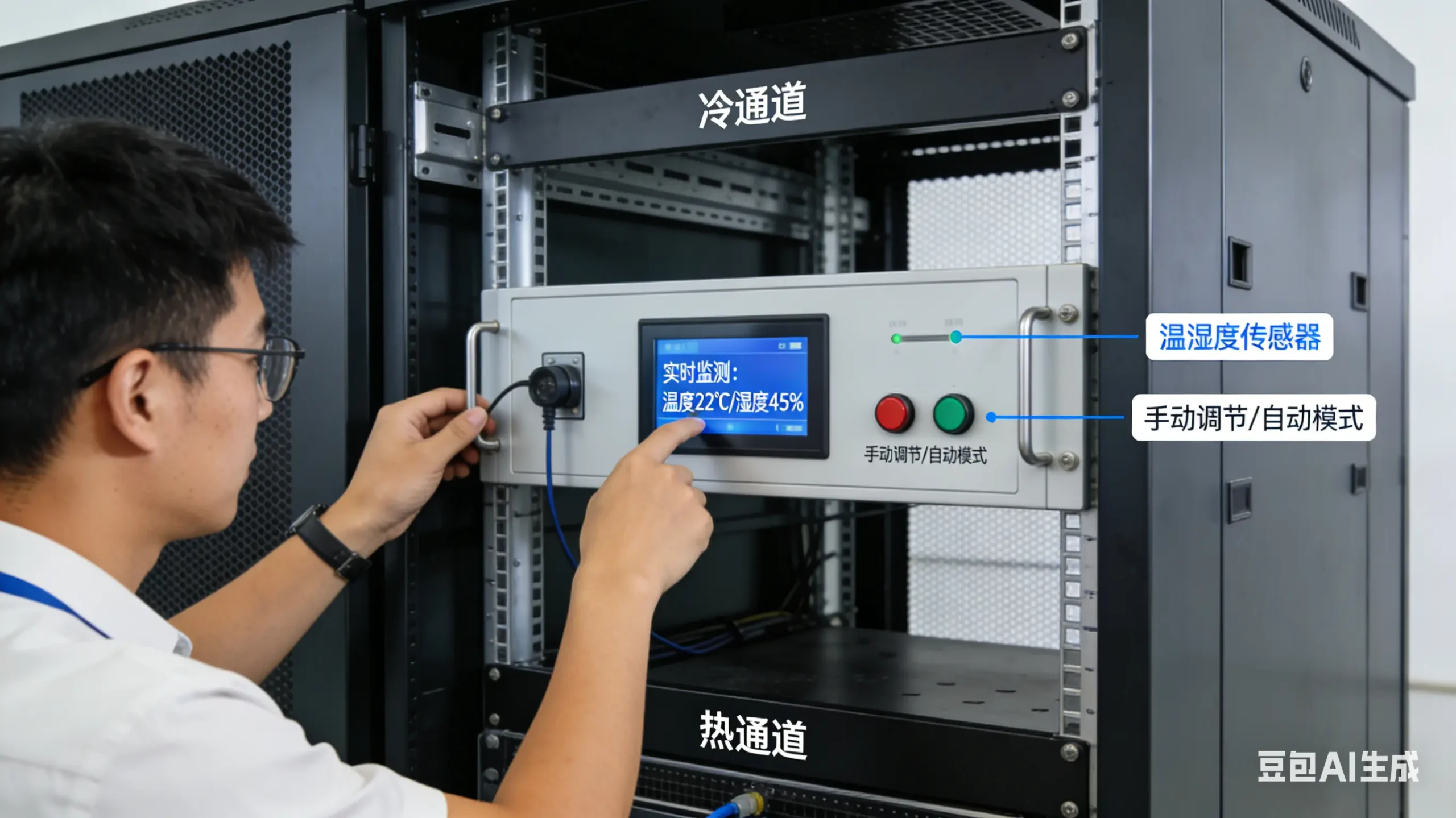
Total and per-branch voltage, current and power are measured by shunt or Hall sensors. Smart cabinets report over RS485/Modbus or SNMP to the site controller and NMS: branch trips, fuse failures, LVD actions and door events all become visible alarms. Load balance across branches is displayed, helping operators prevent overloaded circuits.
2.4 Protection and Safety
Protection includes DC-rated breakers with correct interrupting capacity, reverse-polarity options, insulation monitoring on large plants, and clear labeling with arc barriers between phases. Earthing follows telecom practice with a controlled battery-return reference.
3. Applications
- Macro base stations — wall-mount or small floor units distributing to 3-6 sectors plus transmission.
- Converged and distributed sites — dual-input cabinets serving multiple operators or technologies from one shelter.
- Small exchanges and central offices — larger cabinets (up to 2000 A) with busbar distribution for racks of equipment.
- Enterprise DC plants — 48V plants powering servers, routers and storage in telecom-style environments.
- Industrial and railway DC systems — 24V/48V/110V distribution for control and signalling loads.
4. Technical Specifications
| Parameter | Standard Range | Notes |
|---|---|---|
| Nominal voltage | -48V DC (24V/110V on request) | Standard telecom voltage |
| Total rating | 100 A to 2000 A | Wall-mount to floor busbar types |
| Branches | 12 to 96 ways | Pluggable DC MCB or fuse |
| Branch ratings | 10 A to 630 A | Mixed per circuit schedule |
| LVD | Optional, e.g. 43.2 V | Protects battery and critical loads |
| Metering | Total + per-branch smart | RS485/Modbus, SNMP |
| Enclosure | Wall-mount / floor / 19″ | IP20-IP55 as required |
| Busbar | Tinned copper | Low voltage-drop design |
4.1 Construction Highlights
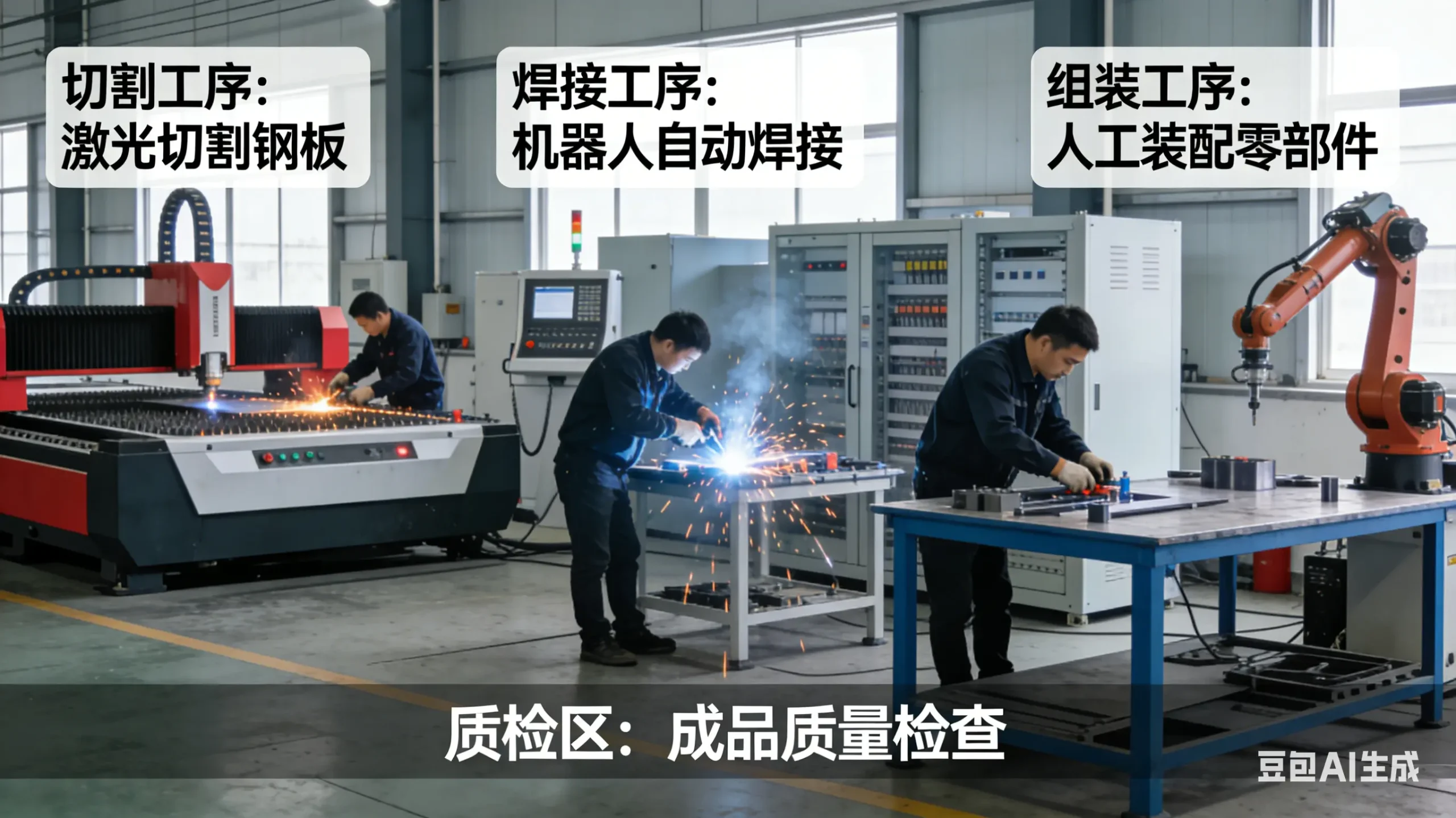
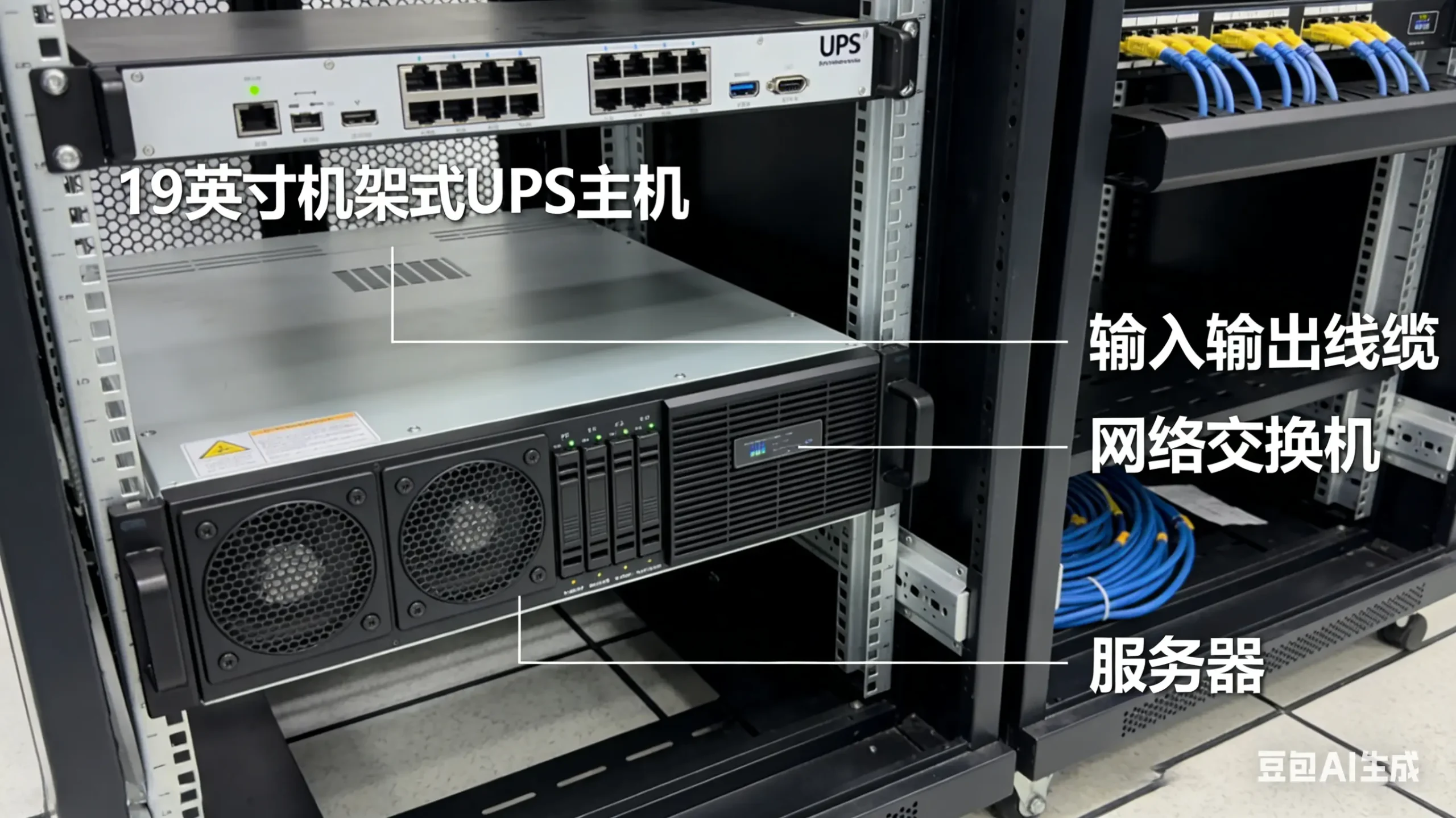
Tinned copper busbars with low voltage drop; insulation barriers between phases; color-coded wiring with service loops; hot-swap branch modules so circuits can be changed without powering down the cabinet — essential for live site expansion. Each unit is factory load-tested and delivered with schematic diagrams, terminal schedules and test certificates.
5. Sizing and Selection Guide
- Sum the load — add every DC branch (radios, transmission, auxiliary) at full load; apply 20-30% growth margin.
- Choose the architecture — wall-mount for small sites, floor cabinet for macro sites, busbar cabinet for exchanges.
- Size the battery path — battery fuse and cable must carry maximum recharge current plus load; LVD current rating follows the protected branch total.
- Decide monitoring — per-branch metering pays for itself at remote sites where branch trips otherwise need a truck roll.
- Plan spare ways — reserve 20-30% of branch positions for future sectors and features.
6. Installation and Commissioning
- Mounting and earthing per the site power plan.
- Rectifier and battery connections terminated with correct torque and polarity verification.
- Branch breakers fitted per the circuit schedule and labeled.
- Commissioning tests: insulation, polarity, LVD function at simulated low voltage, alarm reporting to the site controller.
- Handover with as-built schedules and operator training.
Because branch modules are pluggable, adding or changing circuits during commissioning does not interrupt service.
7. Maintenance and Troubleshooting
DC distribution cabinets are extremely reliable when maintained simply: quarterly visual inspection for heat discoloration and dust; annual torque check on battery and busbar connections; periodic LVD function test; and breaker sample testing. Troubleshooting guides cover branch trips (check load vs rating and downstream faults), metering anomalies (shunt wiring, communication address) and warm busbars (loose connection or overload). Battery-path fuses and LVD contactors are the components to verify most — they act only in emergencies, so they must be proven regularly.
8. Standards and Compliance
Cabinets are designed per telecom power practice and tested to applicable IEC/GB requirements, including clearance and creepage distances, temperature-rise limits and surge protection. DC components are rated for DC interruption (AC-rated breakers are not acceptable on DC circuits). Test certificates and design documentation are delivered with each cabinet for acceptance and audit.
9. Industry Use Cases
9.1 Urban Macro Site Modernization
An operator standardized 5G macro sites on 800 A smart cabinets with per-branch metering. Remote visibility cut branch-trip truck rolls by more than half and exposed two chronic feeder overloads within weeks.
9.2 Rural Site Battery Protection
Sites with weak grids installed cabinets with LVD at 43.2 V. Battery banks that previously suffered repeated deep discharges now retain capacity, and critical transmission loads survive outages up to 40% longer.
9.3 Small Exchange Consolidation
A regional exchange consolidated three legacy panels into one 1200 A busbar cabinet with dual battery paths, freeing floor space and adding remote alarming to the NOC.
10. Frequently Asked Questions
DC Distribution Cabinet FAQ
1. What is a DC distribution cabinet used for?
It distributes -48V DC from rectifiers and batteries to telecom and IT loads through individually protected branches, while measuring consumption and reporting branch status and alarms to the network operations center.
2. What ratings are available?
Wall-mount units start at 100 A; floor cabinets range from 400 A up to 2000 A with busbar distribution. Branch ratings run from 10 A to 630 A.
3. Can branches be added later without downtime?
Yes — with pluggable breaker or fuse modules, spare ways can be fitted live without switching off the cabinet, essential for evolving sites.
4. Does it include low-voltage disconnect?
Optional but recommended: LVD disconnects non-critical loads when battery voltage drops (for example below 43.2 V), preserving energy for critical transmission equipment.
5. Can it monitor each branch remotely?
Yes — smart versions measure per-branch current and status, reporting over RS485/Modbus or SNMP to the site controller or NMS.
6. How is safety ensured?
DC-rated breakers, insulation barriers, proper creepage/clearance per standards, controlled earthing and routine dielectric testing; certificates are delivered with each cabinet.
7. Can AC-rated breakers be used on DC?
No — DC interruption is harder than AC; only DC-rated breakers with correct interrupting capacity are used.
8. What is the difference between a PDU and a PDB?
Both distribute DC power; PDU often means the rack or cabinet-level unit, PDB (power distribution board) the larger room-level panel. Functionally they are the same family.
9. How is load balance managed?
Smart metering shows per-branch current so operators can rebalance circuits before breakers approach rating.
10. What maintenance is required?
Quarterly visual checks, annual torque verification, periodic LVD testing and battery-path fuse inspection.
11. Can it work with 24V or 110V systems?
Yes — versions for 24V DC and 110V DC (railway/industrial) are available with matching breakers and metering.
12. What is delivered with the cabinet?
Schematic diagrams, terminal schedules, test certificates, operating manual and, for smart units, protocol documentation.
11. Related Solutions
- AC Distribution Unit
- Telecom Power Distribution Unit (-48V)
- LiFePO4 Batteries for Base Stations
- Data Center Monitoring System
- Base Station SPD Module
About Guangzhou Lain Intelligent System Development Co., Ltd.
Guangzhou Lain Intelligent System Development Co., Ltd. designs and manufactures -48V DC power systems, distribution cabinets, batteries and monitoring platforms for telecom operators, tower companies and industrial customers worldwide. From single rooms to enterprise facilities, KITOZER provides design, manufacturing, integration, testing and after-sales service under one roof and exports worldwide.
Contact us for a free technical consultation:
- Company: Guangzhou Lain Intelligent System Development Co., Ltd.
- Address: 1st Floor, Building A, Chaotian Industrial Park, Zhongrun Industrial Park, Shilou Town, Panyu District, Guangzhou, Guangdong, China
- Tel/WeChat: +86 135-0923-8849 | +86 135-0923-8849
- WhatsApp: +86 135-0923-8849
- Email: zl19068534140@gmail.com
- Website: www.gdlain.com | Request a Quote
Typical response time: within one business day. Project references, drawings and samples are available on request.