1. Overview: Connections Are Where Panels Succeed or Fail
Every circuit in a distribution board ends at a connection — and connections are where most field failures begin: a lug crimped with the wrong tool heats up under load, a terminal block rated below the circuit melts, a loose busbar joint arcs. Distribution terminals — terminal blocks, cable lugs, busbar connectors and accessories — are the components that carry current safely and make circuits serviceable.
Guangzhou Lain Intelligent System Development Co., Ltd. supplies a complete range of connection components for LV panels and switchboards. This guide covers product types, selection and installation quality.
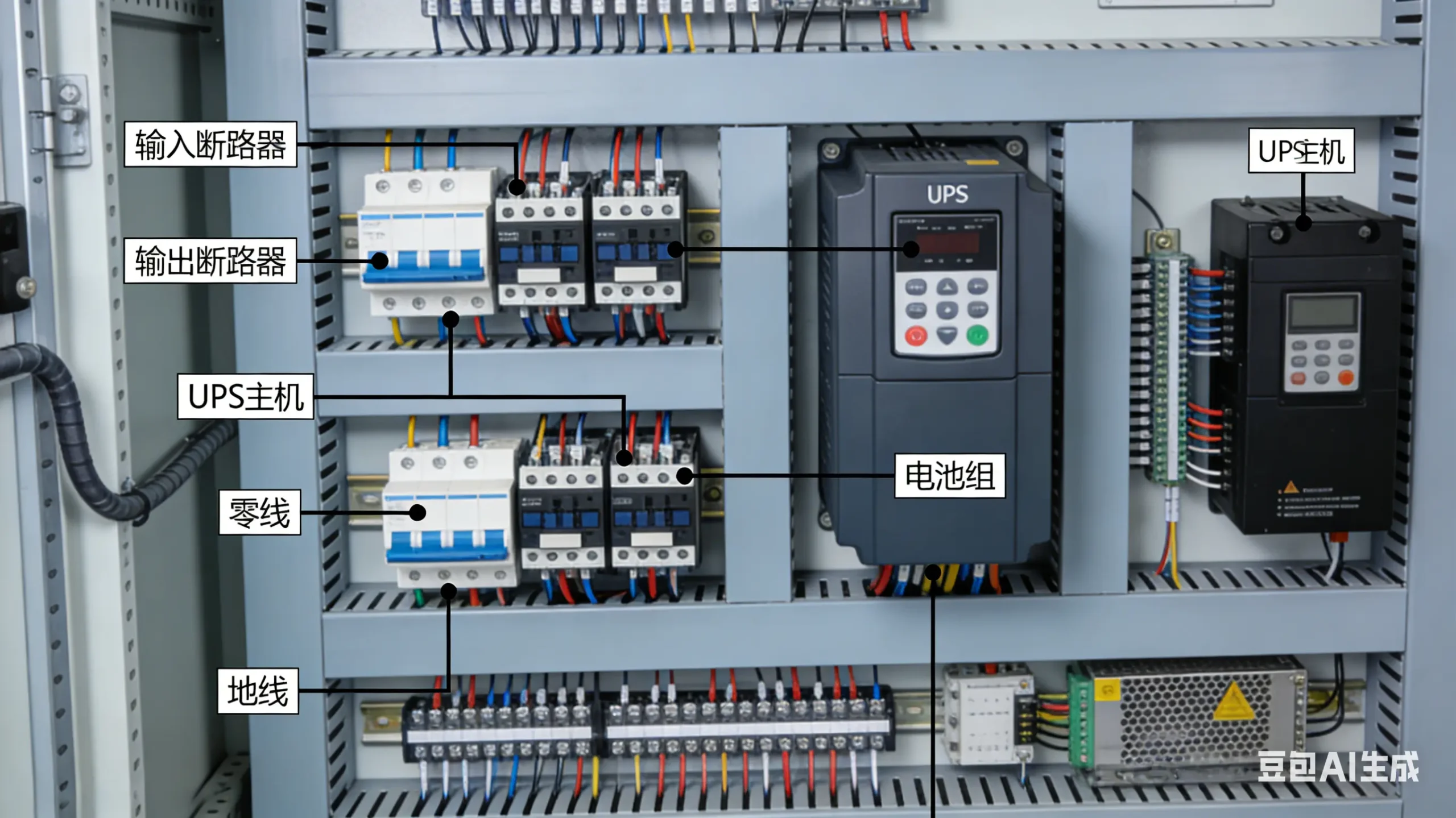
2. Product Range
2.1 Terminal Blocks
Feed-through, fuse, disconnect and grounding types for 1.5-300 mm² conductors, with DIN-rail or screw mounting. Fuse and disconnect types add circuit protection or isolation directly at the terminal.
2.2 Cable Lugs and Connectors
Copper and aluminum lugs, pin and fork terminals, insulated or uninsulated, matched to cable cross-section and stud size — installed with calibrated crimping tools.

2.3 Busbar Systems
Tinned copper busbars, connectors, supports and tap-off units for main and neutral/earth distribution, sized for current and fault levels.
2.4 Accessories
End covers, partition plates, markers, test plugs and shorting links for metering circuits — the details that make panels safe to work on.
3. Selection and Quality Considerations
| Factor | Guidance |
|---|---|
| Current rating | Terminal and lug rated above the circuit current with margin |
| Conductor size | Terminal range matches the wire cross-section used |
| Clearance | Creepage and clearance per the panel voltage and environment |
| Crimping | Calibrated tools, correct die, pull-test verification on critical joints |
| Torque | Busbar and terminal torque per manufacturer values |
| Identification | Markers and color-coding per the circuit schedule |
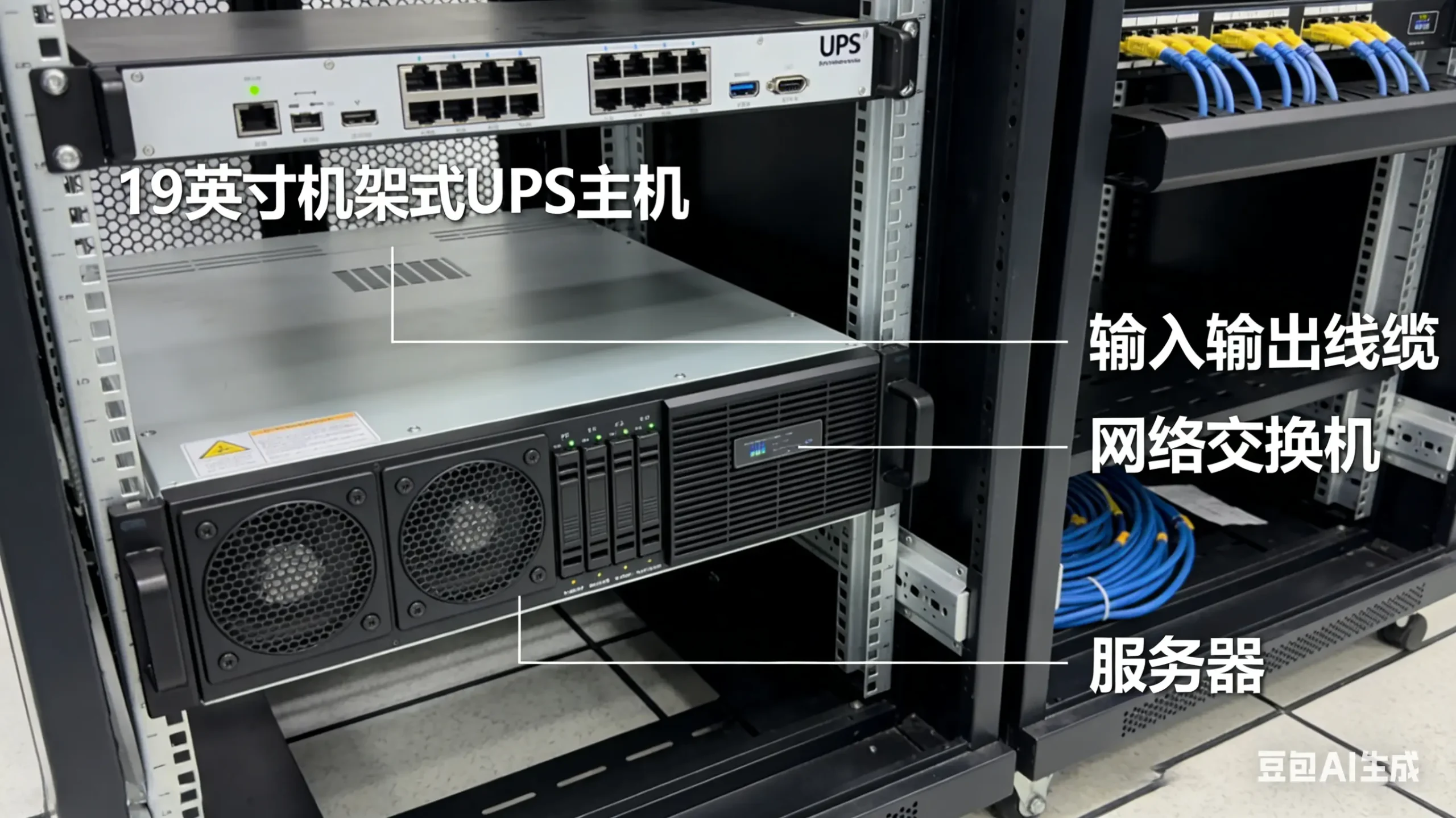
4. Why Connection Quality Matters
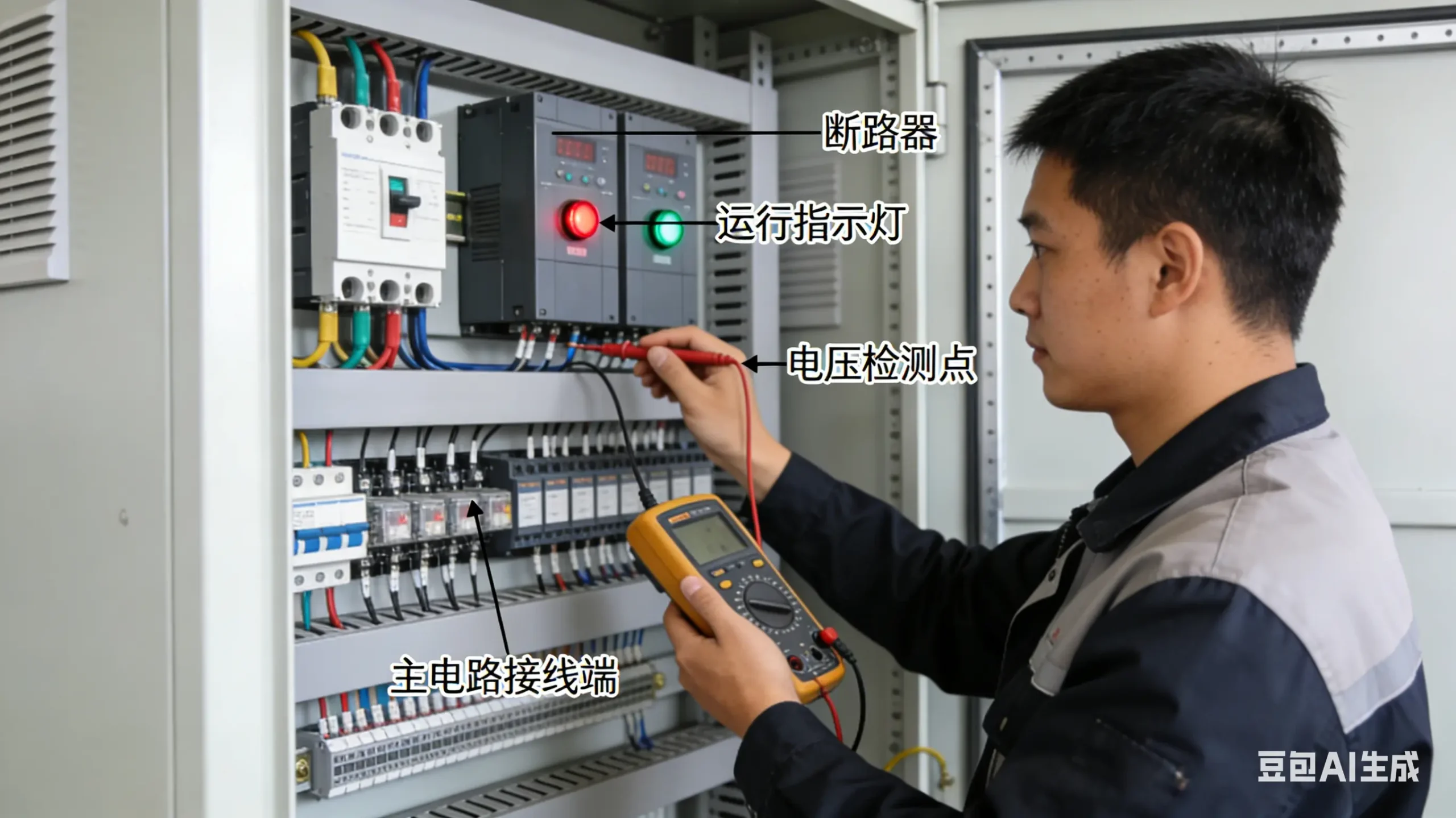
A poor connection adds resistance; under load it heats, oxidizes and heats more — a self-accelerating failure that shows up as a warm terminal, a tripped breaker, or ultimately a burned board. Correct component selection, installation torque and periodic thermal inspection turn connections from the weak point into the reliable backbone of the panel.
5. Frequently Asked Questions
Distribution Terminals FAQ
1. What are distribution terminals?
The connection components of LV panels — terminal blocks, cable lugs, busbar connectors and accessories — that carry current and make circuits serviceable.
2. How do I select terminal block size?
By conductor cross-section and rated current with proper clearance; fuse and disconnect types add circuit protection or isolation at the terminal.
3. What is the correct way to connect cables to busbars?
Use compression lugs sized to the cable and stud, apply correct torque, and follow manufacturer spacing for heat dissipation and clearance.
4. Why does crimping quality matter?
A poor crimp adds resistance and heats under load, eventually failing; calibrated tools and pull tests verify connection quality.
5. Are marking accessories available?
Yes — terminal markers, end covers and color-coding keep panels identifiable and safe for maintenance.
6. Can you supply a full kit per panel?
Yes — connection kits are prepared from your panel schedule, matched to breakers and busbar systems, including spares.
7. Copper or aluminum lugs?
Copper lugs for copper cables; aluminum or bi-metallic lugs for aluminum conductors, with proper anti-oxidation compound at dissimilar joints.
8. What is a test plug used for?
Metering circuits use test plugs to isolate and test instruments without disconnecting live wiring.
9. How often should connections be checked?
Thermal imaging of terminations annually (or more in harsh environments) catches developing hot joints early.
10. Do you supply DIN-rail and panel-mount types?
Yes — both mounting styles are available to match the panel construction.
11. What standards apply?
Components follow IEC/GB requirements for low-voltage connection devices; certificates are provided per batch.
12. What documentation is provided?
Product data, installation torque values and batch certificates.
6. Related Solutions
- Distribution Switchgear
- Distribution SPD Module
- Instrument Transformers
- Grounding Copper Bar
- Energy Meter & Submetering
About Guangzhou Lain Intelligent System Development Co., Ltd.
Guangzhou Lain Intelligent System Development Co., Ltd. supplies distribution terminals, connection components and LV panel products for panel builders and industry worldwide. From single rooms to enterprise facilities, KITOZER provides design, manufacturing, integration, testing and after-sales service under one roof and exports worldwide.
Contact us for a free technical consultation:
- Company: Guangzhou Lain Intelligent System Development Co., Ltd.
- Address: 1st Floor, Building A, Chaotian Industrial Park, Zhongrun Industrial Park, Shilou Town, Panyu District, Guangzhou, Guangdong, China
- Tel/WeChat: +86 135-0923-8849 | +86 135-0923-8849
- WhatsApp: +86 135-0923-8849
- Email: zl19068534140@gmail.com
- Website: www.gdlain.com | Request a Quote
Typical response time: within one business day. Project references, drawings and samples are available on request.