1. Overview: What This FAQ Covers
A Fibre Channel (FC) switch connects servers and storage arrays in a storage area network (SAN) with lossless, low-latency transport — the standard backbone for enterprise block storage. This page answers the questions storage and infrastructure engineers ask when planning or expanding a SAN fabric.
Guangzhou Lain Intelligent System Development Co., Ltd. supplies and deploys Fibre Channel SAN solutions and supporting data center infrastructure. The answers below reflect our standard design and deployment practice.

2. Role and Choice
2.1 What is a Fibre Channel switch used for?
It connects servers and storage arrays in a SAN with lossless, low-latency transport — the standard backbone for enterprise block storage. Where databases and virtual machines depend on predictable storage performance, the FC fabric delivers deterministic latency and no packet loss under load.
2.2 FC switch or Ethernet switch?
FC is purpose-built for storage: no packet loss, deterministic latency and mature SAN management. Ethernet (iSCSI/NVMe-oF) suits simpler or unified fabrics. The decision follows the workload and the team: mission databases with strict latency needs favor FC; mixed or simpler environments often consolidate on Ethernet.

3. Fabric Design
3.1 What is zoning and why is it important?
Zoning restricts which devices can communicate, isolating traffic and improving security and stability. Misconfigured zoning is a common cause of SAN disruptions — zoning is designed per device pair and change-controlled, because a loose zone can let one server’s traffic or a rogue device disturb the whole fabric.
3.2 Single or dual fabric?
Mission-critical SANs use dual fabrics (two independent switches) so one fabric’s maintenance or failure never takes storage offline. Dual fabrics give the storage path the same redundancy philosophy as the servers — every path has a spare that is genuinely independent.
4. Speeds and Deployment
4.1 Which speed should I choose?
Match ports to the slowest link (host HBA, array port, optics); 16/32 Gbps cover most environments, with 64G for high-density flash arrays. Speed is a chain — a 32G switch port behind a 16G HBA runs at 16G — so port selection follows the full link, not the switch alone.
4.2 Can you help with design and deployment?
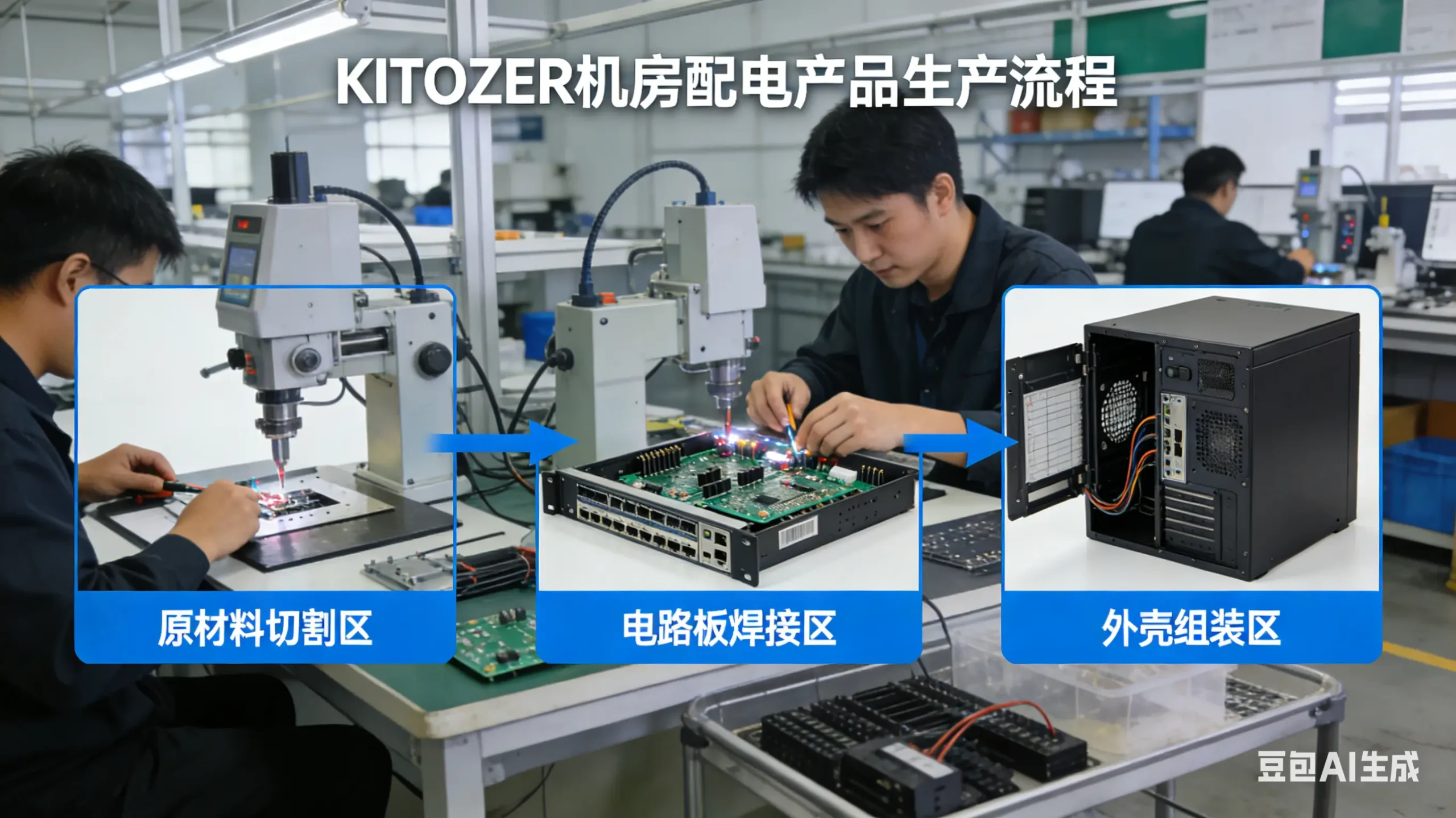
Yes — fabric design, zoning configuration, installation, failover testing, documentation and training are part of our service. Handover includes fabric diagrams, zoning tables and test records proving the failover behavior the design promised.

5. Operations
5.1 What monitoring does a fabric need?
Port utilization and error counters, fabric events and performance trends — feeding the monitoring platform so storage teams see developing issues before users do. FC fabrics report rich telemetry; the discipline is watching it consistently.
5.2 What supporting infrastructure matters?
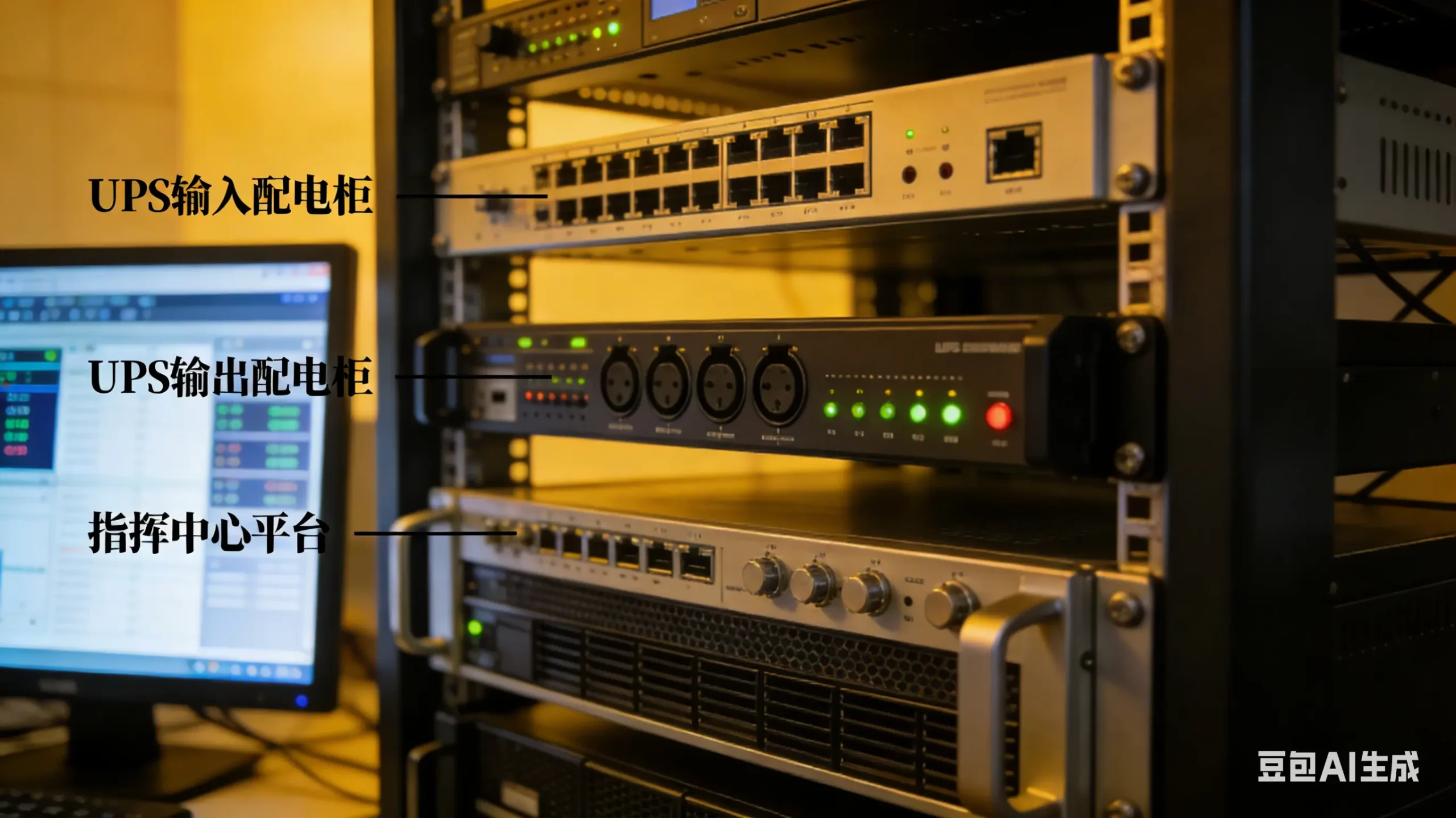
Redundant power, controlled cooling and clean fibre management in the cabinets — Lain integrates SAN racks with power distribution, thermal control and monitoring so the storage network’s physical layer matches the fabric’s reliability.
6. Frequently Asked Questions — Quick Reference
Fibre Channel Switch FAQ
1. What is a Fibre Channel switch used for?
It connects servers and storage arrays in a SAN with lossless, low-latency transport — the standard backbone for enterprise block storage.
2. FC switch or Ethernet switch?
FC is purpose-built for storage with no packet loss and deterministic latency; Ethernet (iSCSI/NVMe-oF) suits simpler or unified fabrics.
3. What is zoning and why is it important?
Zoning restricts which devices can communicate, isolating traffic and improving security and stability; misconfigured zoning is a common cause of SAN disruptions.
4. Single or dual fabric?
Mission-critical SANs use dual independent fabrics so one fabric’s maintenance or failure never takes storage offline.
5. Which speed should I choose?
Match ports to the slowest link (host HBA, array port, optics); 16/32 Gbps cover most environments, with 64G for high-density flash arrays.
6. Can you help with design and deployment?
Yes — fabric design, zoning configuration, installation, failover testing, documentation and training are part of the service.
7. How is a fabric monitored?
Port utilization and error counters, fabric events and performance trends feed the monitoring platform for proactive management.
8. Can FC and Ethernet coexist?
Yes — many environments run FC for block storage and Ethernet for everything else, with the SAN isolated on its own fabric.
9. What documentation is delivered?
Fabric diagrams, zoning tables, configuration records and failover test reports at handover.
10. What supporting infrastructure is needed?
Redundant power, controlled cooling and clean fibre management, integrated by Lain with the SAN racks.
7. Related Solutions
- Core Router
- Network Traffic Analysis
- IDS/IPS
- Data Center Turnkey Integration
- Cabinet Thermal Control Module
About Guangzhou Lain Intelligent System Development Co., Ltd.
Guangzhou Lain Intelligent System Development Co., Ltd. supplies Fibre Channel SAN switches and supporting data center infrastructure for enterprise storage networks worldwide. From single rooms to enterprise facilities, KITOZER provides design, manufacturing, integration, testing and after-sales service under one roof and exports worldwide.
Contact us for a free technical consultation:
- Company: Guangzhou Lain Intelligent System Development Co., Ltd.
- Address: 1st Floor, Building A, Chaotian Industrial Park, Zhongrun Industrial Park, Shilou Town, Panyu District, Guangzhou, Guangdong, China
- Tel/WeChat: +86 135-0923-8849 | +86 135-0923-8849
- WhatsApp: +86 135-0923-8849
- Email: zl19068534140@gmail.com
- Website: www.gdlain.com | Request a Quote
Typical response time: within one business day. Project references, drawings and samples are available on request.