Engineering considerations for power distribution systems — how fault level, protection and thermal duty interact, which variables drive specification, where installations fail, and what verification should prove.
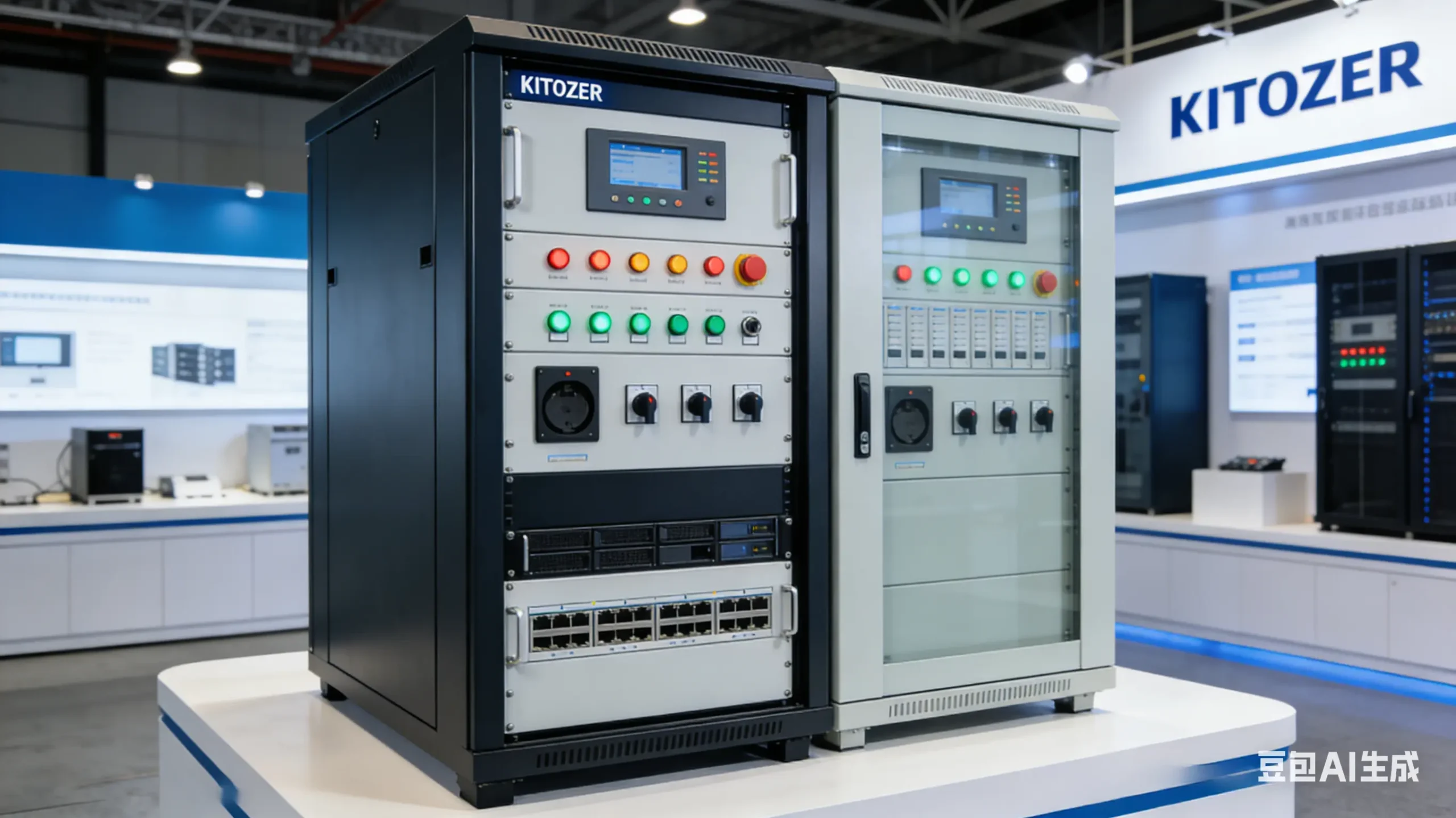
Technical Context
Power Distribution Systems involves multiple engineering disciplines working together: structure, thermal management, electrical distribution, control and environmental protection. This article outlines the engineering considerations that determine reliable operation.
Power distribution is an engineering problem because several requirements must be satisfied at once and they interact. The system must carry normal and peak load, clear faults without harm to people or equipment, coordinate protection so only the affected section trips, and remain safe to maintain while live. Each of these is set by a different calculation, and the results must be consistent with each other rather than optimised one at a time.
The second consideration is that distribution faults are usually design faults that appear in service. A rating chosen below the prospective fault current, a protection setting graded without checking discrimination at the real fault level, or a thermal rating verified at nominal ambient all pass inspection and then fail years later under load. Because correction means an outage, the engineering effort belongs at the drawing and coordination-study stage.
Engineering Mechanism
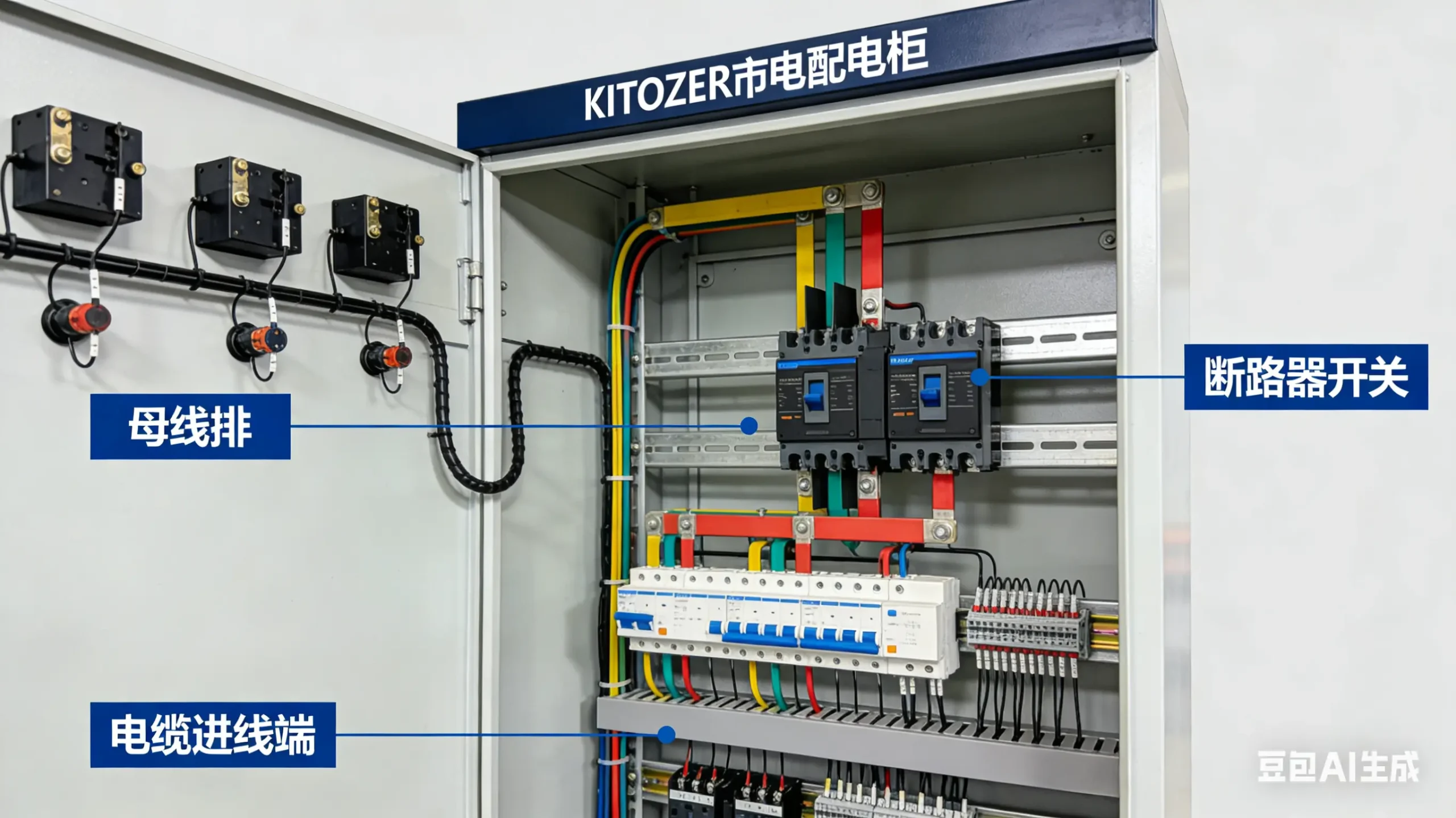
Each subsystem in this family has a defined function: Distribution Accessories, High-Voltage Switchgear, Low-Voltage Switchgear, New-Energy Distribution Equipment, Special-Purpose Distribution Equipment. Correct specification depends on understanding these functions and their interaction under real operating conditions.
The mechanism is a vertical chain of ratings and settings. Incoming supply and transformation set the available fault level; switchgear interrupting ratings must exceed it; cable and busbar ratings must carry the load thermally; and protection devices are graded so the device closest to the fault operates first. Bidirectional generation and storage add a second source of fault current and reverse power flow that the same chain must accommodate.
What decides safety and continuity is coordination. Interrupting capacity protects equipment from destruction; thermal rating protects against overheating and insulation failure; and discrimination protects continuity by confining an outage to the affected section. A system that satisfies one of these but not the others is either unsafe, unreliable or both — which is why the coordination study is part of the specification rather than an optional extra.
Selection Variables
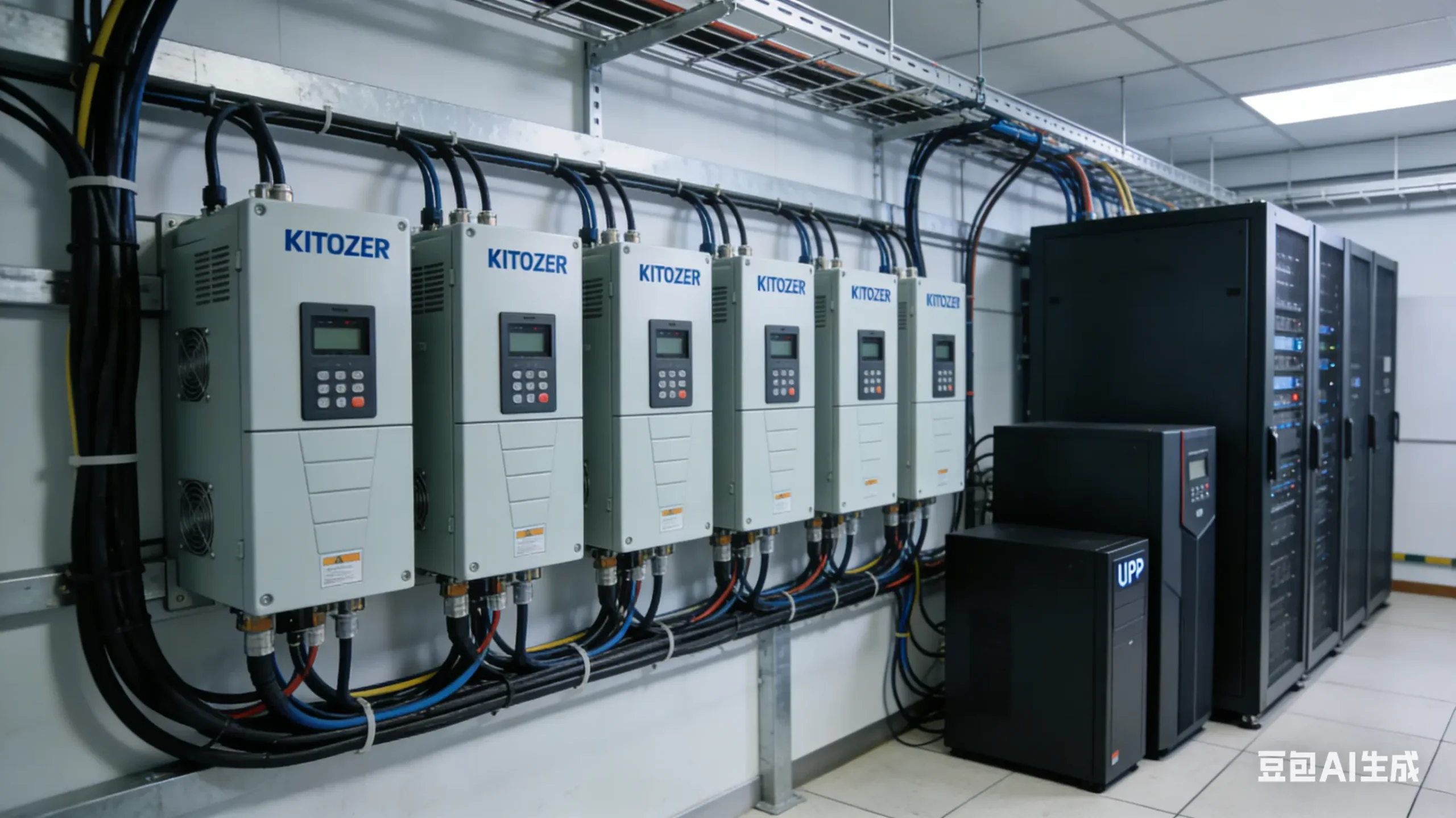
The variables translate into distribution specification. Load profile and peak demand set ratings and the number of outgoing ways. Environmental class sets enclosure ingress rating and, where relevant, special-purpose equipment. Space and structural constraints set switchgear type, form of separation and cable routing. Redundancy targets decide between single, N+1 and duplicate supplies. Maintenance access sets clearances and whether sections can be isolated safely, and lifecycle cost weighs higher-rated equipment against maintenance and outage cost.
Installation & Integration Concerns
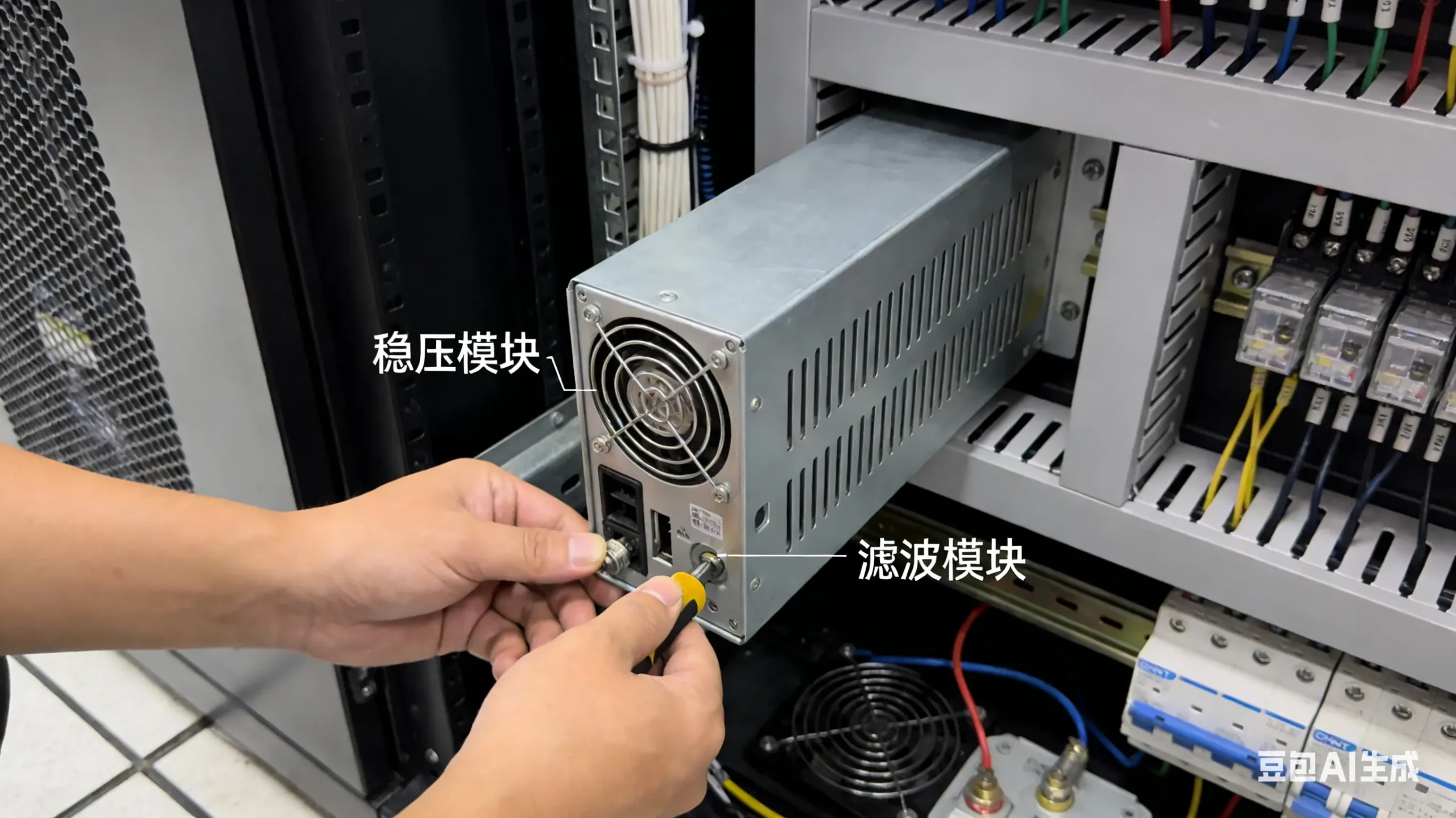
Installation concerns centre on ratings, terminations and earthing. Busbar and cable terminations must be torqued to specification because loose joints heat; earthing and bonding must be continuous and verified; protection settings must be applied as designed rather than left at factory defaults; and staged work must maintain supply to unaffected sections. Each is cheap to confirm during installation and expensive to discover through a failure.
Common Failure Modes
undefined
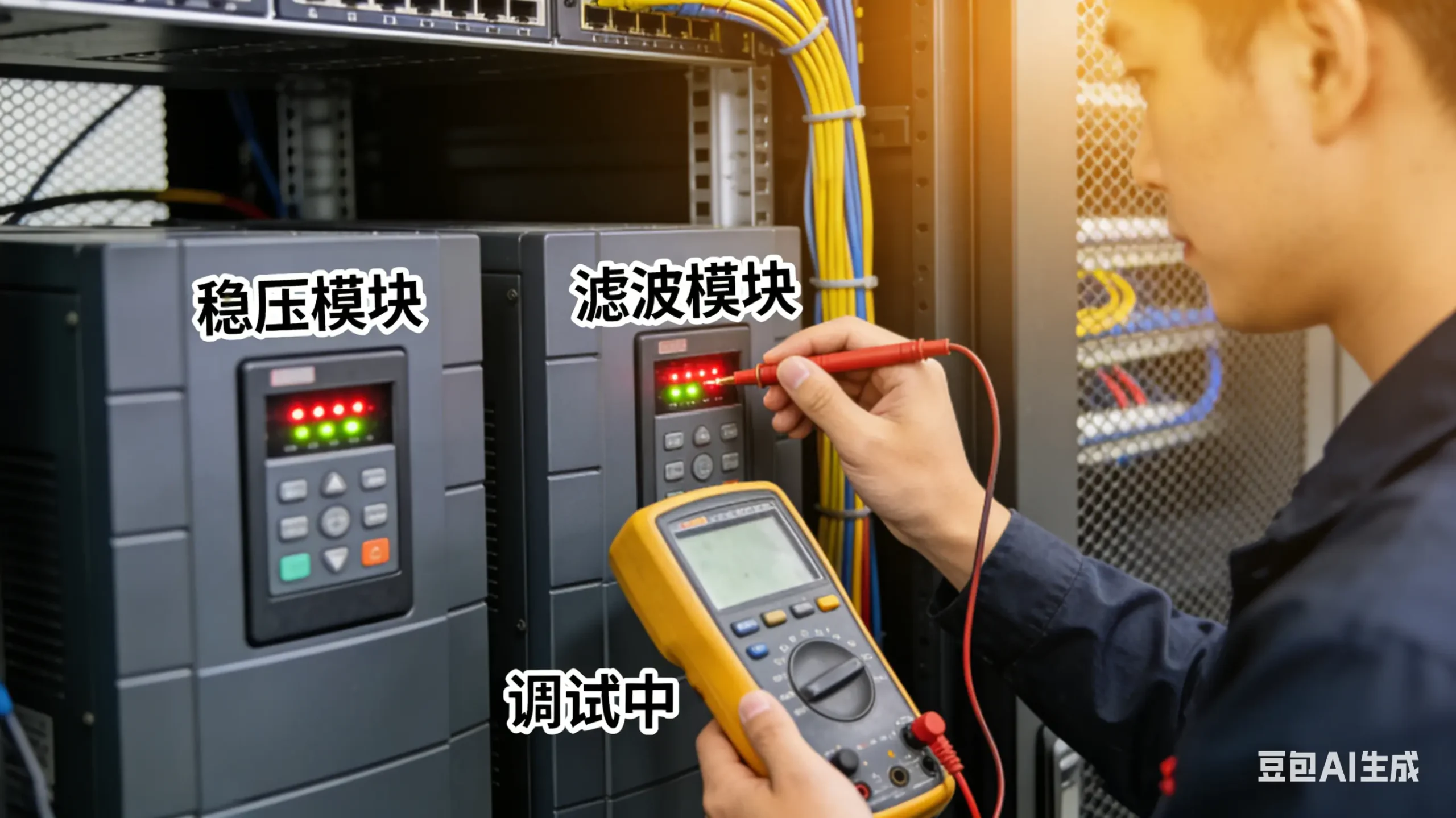
Distribution failures are dominated by heat and mis-coordination. Loose terminations overheat and eventually fail; overloaded circuits trip or degrade insulation; mis-coordinated protection turns a local fault into a widespread outage; contamination and moisture reduce insulation resistance; and settings left at default fail to discriminate. Preventive measures are thermographic inspection, torque checks, protection testing against the coordination study, and environmental control in switch rooms.
Verification Checklist
- Specification matches site survey data
- Ratings verified against manufacturer documentation
- Installation follows the manual sequence
- Functional tests completed and recorded
Verification should confirm insulation resistance, continuity and earth fault loop readings, protection settings against the coordination study, functional switching, thermal inspection of terminations under load and, where required, injection tests. Test records and as-built single-line diagrams make the installation auditable and safe to extend.
Conclusion
Engineering discipline at specification and installation stage is the most effective way to control risk in power distribution systems projects. Consult KITOZER engineering for verified technical documentation and support.
For power distribution the engineering considerations are coordinated ratings and verified settings. Design the chain as one system, verify it under load, and the installation stays safe and selective for its service life.

Frequently Asked Questions — Quick Reference
1. What is the core engineering consideration for power distribution?
Coordination — fault level, interrupting ratings, thermal ratings and protection settings must be consistent with each other, not optimised one at a time.
2. What determines switchgear ratings?
Prospective short-circuit current sets interrupting ratings; continuous load and design ambient set thermal ratings; both are verified before selection.
3. What is protection coordination?
Grading protection devices so the device closest to a fault clears it first, confining the outage to the affected section.
4. What changes with generation and storage?
Bidirectional power flow adds a second fault current source and reverse flow, so protection, metering and switchgear must be rated and configured for it.
5. What data is needed before design?
Connected and diversified load with growth, supply characteristics including fault level, design ambient, earthing arrangement and applicable standards.
6. What are typical installation concerns?
Termination torque, continuous earthing and bonding, applying protection settings as designed, and staging work to keep unaffected sections supplied.
7. What are the most common failure modes?
Loose terminations overheating, insulation degradation from overload, mis-coordination turning a local fault into a widespread outage, and defaults left unset.
8. How is thermal performance verified?
By inspecting terminations under load, typically with thermography, in addition to design-stage thermal calculations at design ambient.
9. What tests are done at commissioning?
Insulation resistance, continuity, earth fault loop, protection settings against the coordination study, functional switching and, where required, injection tests.
10. What documentation should be requested?
As-built single-line diagrams, the coordination study and protection settings, test records and the maintenance plan.
Related Products
Explore the KITOZER Power Distribution Systems product range for related solutions and configurations.
Related Articles
Power Distribution Systems: Design Plan Framework
Power Distribution Systems: Technical FAQ
About Guangzhou Lain Intelligent System Development Co., Ltd.
Guangzhou Lain Intelligent System Development Co., Ltd. (KITOZER) supplies and integrates power distribution systems — engineered, tested and supported as one coordinated system for data centers, telecom sites and industrial facilities. From single rooms to enterprise facilities, Lain provides design, manufacturing, integration, testing and after-sales service under one roof and exports worldwide.
Contact us for a free technical consultation:
- Company: Guangzhou Lain Intelligent System Development Co., Ltd.
- Address: 1st Floor, Building A, Chaotian Industrial Park, Zhongrun Industrial Park, Shilou Town, Panyu District, Guangzhou, Guangdong, China
- Tel/WeChat: +86 135-0923-8849 | +86 135-0923-8849
- WhatsApp: +86 135-0923-8849
- Email: zl19068534140@gmail.com
- Website: www.gdlain.com | Request a Quote
Typical response time: within one business day. Project references, drawings and samples are available on request.