Executive Summary
Power Distribution Systems covers a structured family of engineered systems that support mission-critical facilities, industrial sites and communication infrastructure. This guide reviews the engineering context, typical challenges, and practical selection considerations for buyers, integrators and operations teams.
Power distribution is where safety, capacity and continuity meet. The system must carry normal load, clear faults without harm, coordinate protection so a single fault does not cascade, and remain maintainable while live. This guide covers the family from switchgear and accessories to new-energy and special-purpose equipment, and explains how capacity, protection and selectivity are specified together so the installation is safe and expandable.
Industry Context
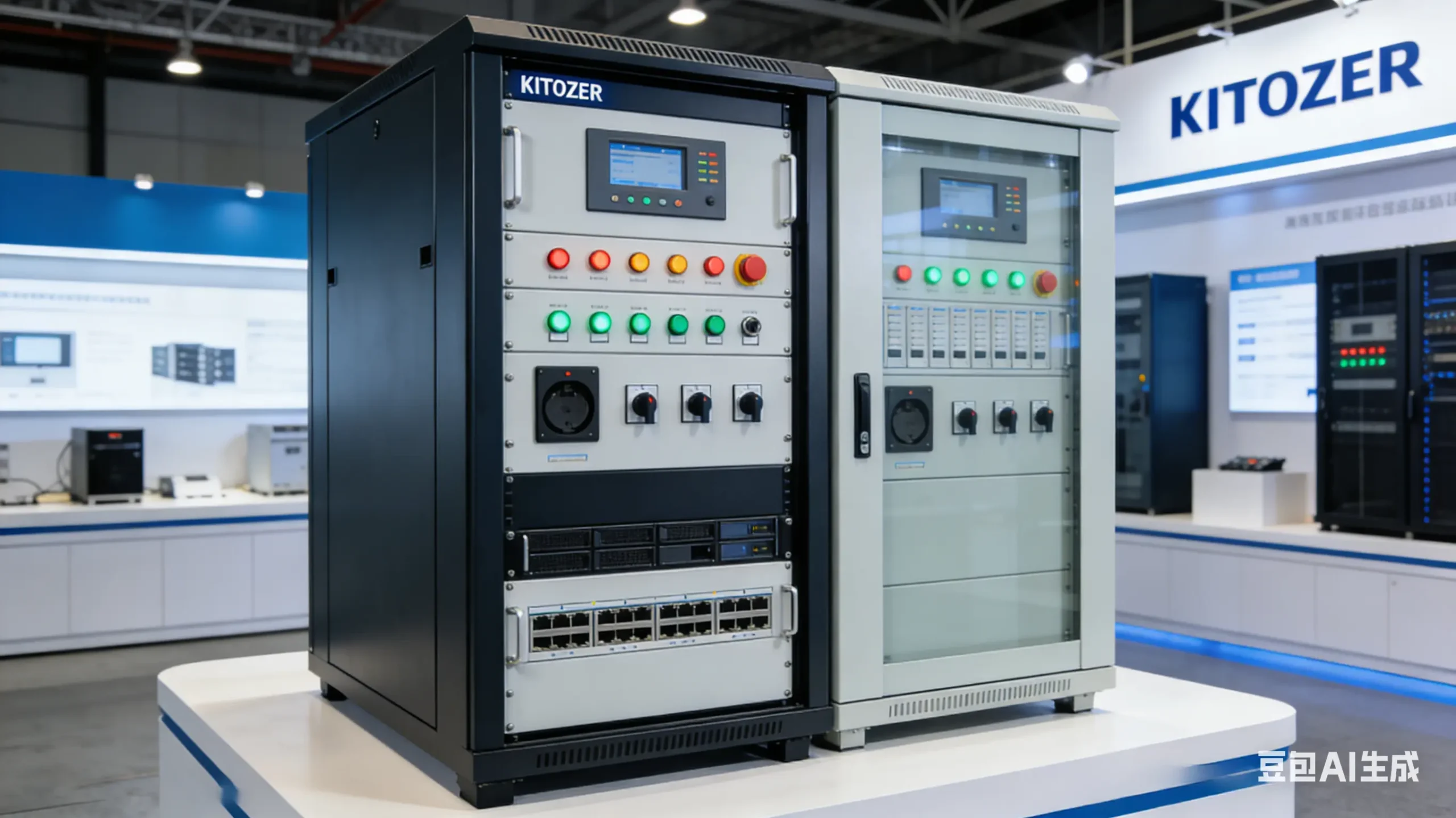
Demand for power distribution systems continues to grow as operators upgrade legacy infrastructure and adopt standardized, factory-integrated solutions. Procurement decisions increasingly depend on verified specifications, lifecycle cost and supplier engineering capability rather than price alone.
Three shifts are reshaping distribution design. Loads are growing and becoming less predictable as electrification and charging add new demand. Distributed generation and storage mean power now flows in both directions, so protection and metering must handle it. And operators demand selectivity and monitoring so a fault trips the smallest possible section and the cause is visible immediately.
Engineering Challenge
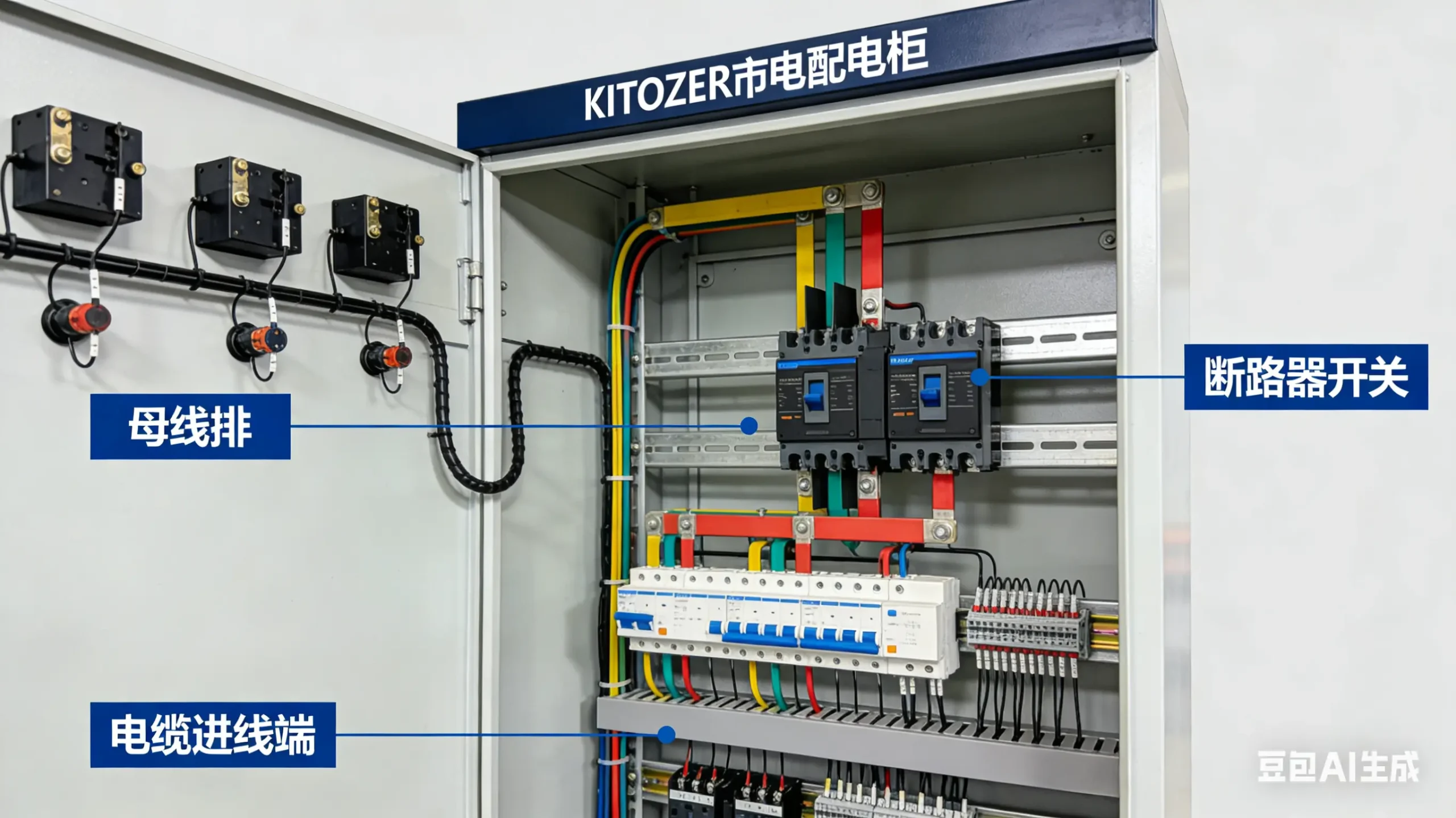
The main challenge is matching the right configuration to real site conditions: space, load, thermal environment, power availability and maintenance access. A mismatch at specification stage typically leads to rework during installation or higher operating cost.
Distribution faults tend to be design faults. Protection is graded without checking discrimination at the actual fault levels, switchgear interrupting ratings are chosen below the prospective short-circuit current, thermal ratings are checked at nominal rather than design ambient, and maintenance access is forgotten until the first outage. Each is easier to resolve on the drawing than in service, so coordination studies and rating verification belong in the specification stage.
Technical Analysis
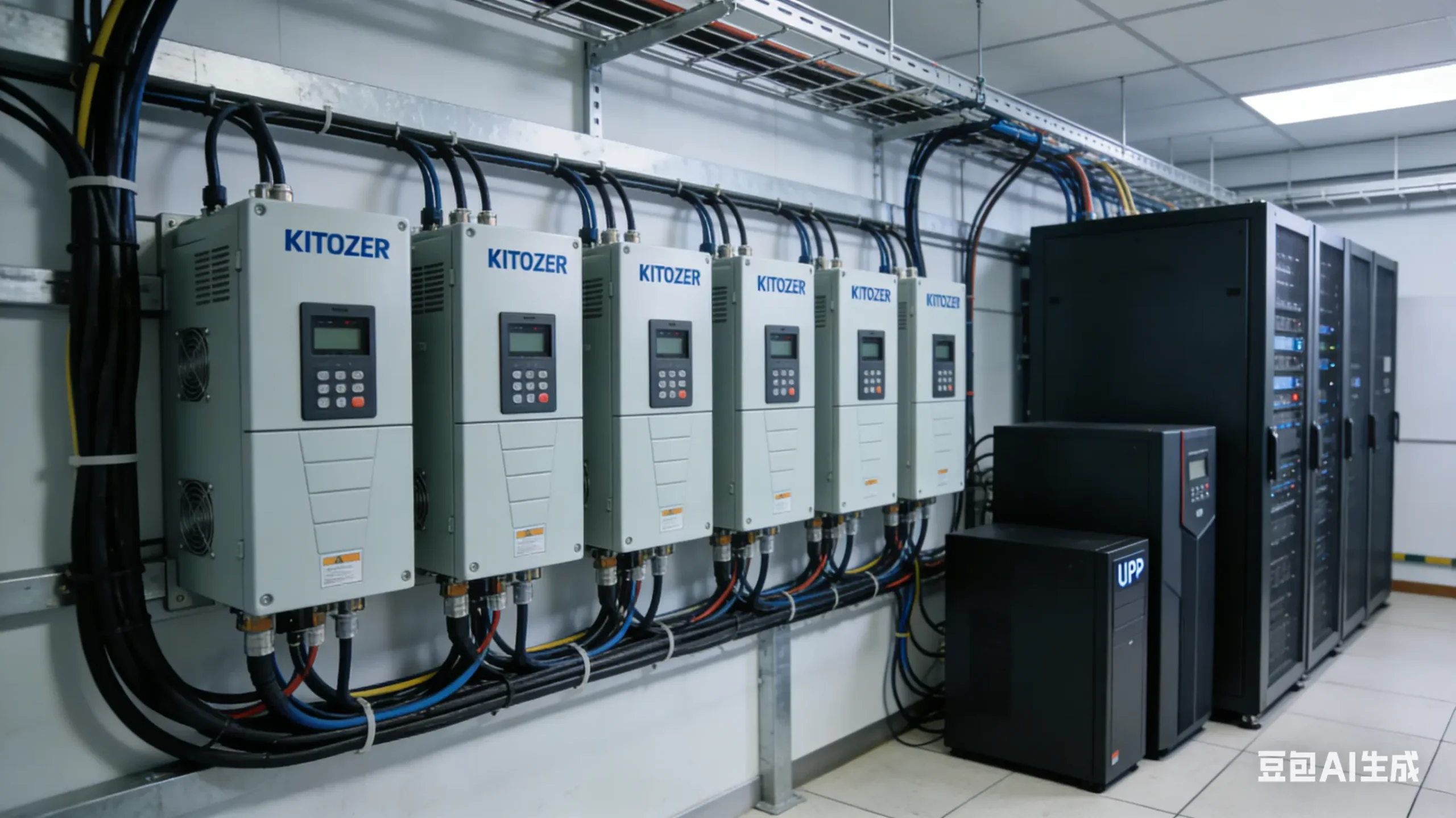
Key technical dimensions include structural integrity, thermal performance, electrical safety, environmental protection rating, and integration interfaces. Each subcategory in this family addresses a specific portion of the overall system:
- Distribution Accessories
- High-Voltage Switchgear
- Low-Voltage Switchgear
- New-Energy Distribution Equipment
- Special-Purpose Distribution Equipment
The subdivisions cover the layers of a distribution system. High-voltage switchgear handles incoming supply and transformation; low-voltage switchgear distributes to final circuits and provides protection and switching; distribution accessories — busbars, enclosures, metering and cable management — connect and monitor the system; new-energy distribution equipment supports generation, storage and charging with bidirectional flow; and special-purpose equipment meets particular environments such as industrial, marine or hazardous areas. Ratings must be coordinated vertically: prospective fault current determines interrupting ratings, load and ambient determine thermal ratings, and the protection setting determines discrimination.
Application
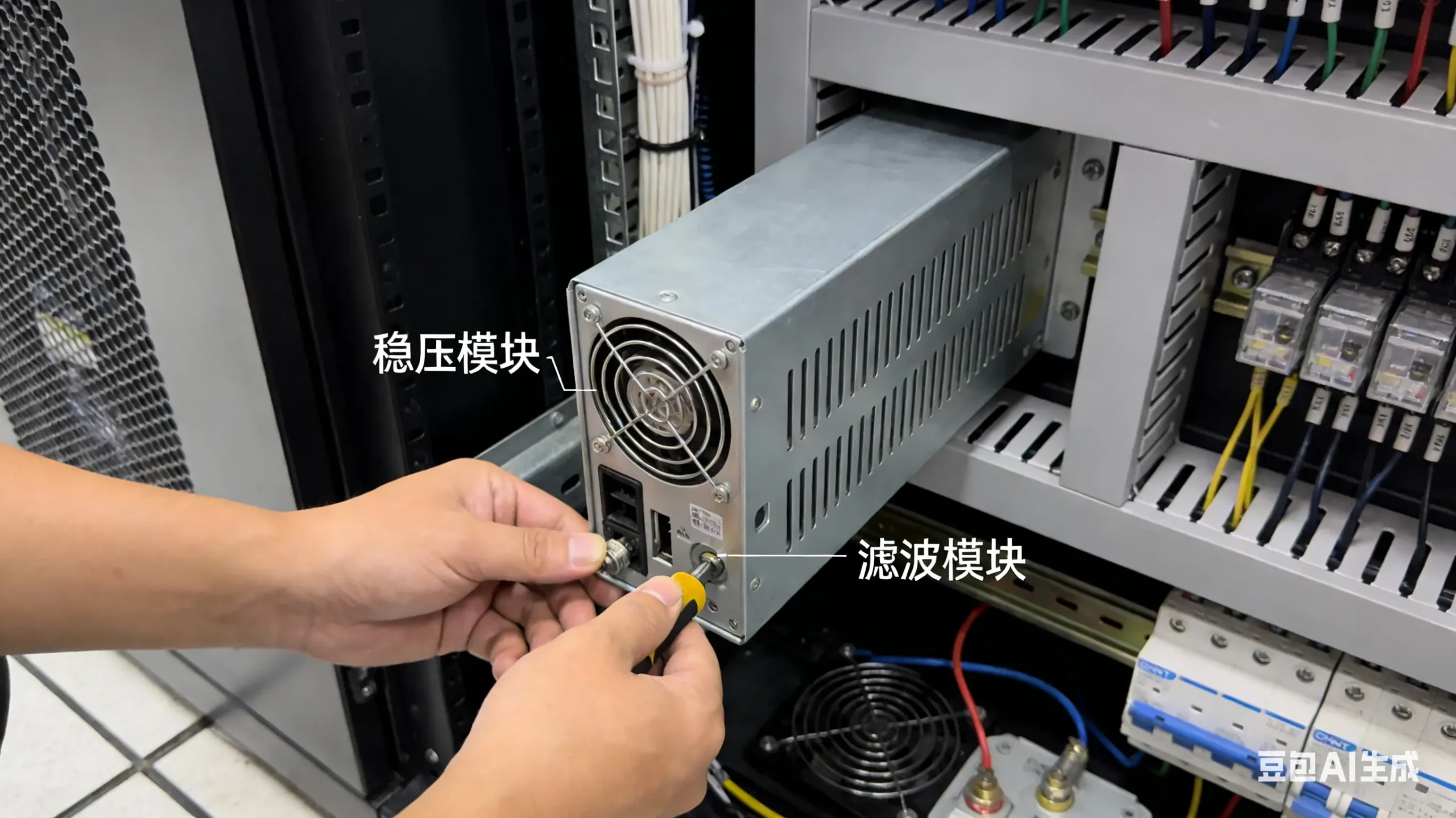
Typical applications include power distribution systems environments and comparable facilities where reliability and serviceability are mandatory. Site surveys and load calculations are recommended before configuration.
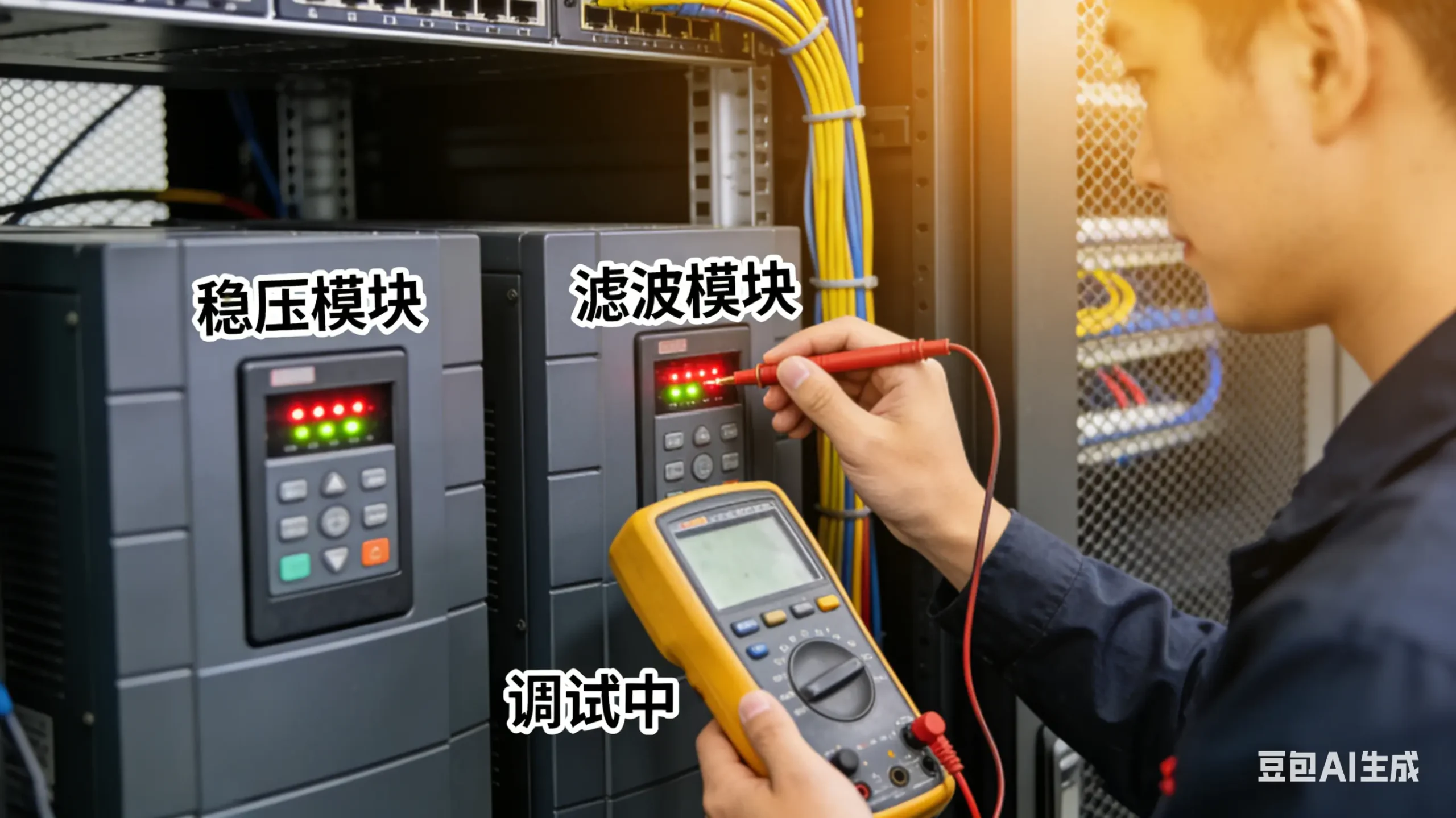
The design sequence is fixed. Load data is collected and diversity and growth factors applied; supply characteristics including fault level are obtained; a single-line diagram is drawn with the protection scheme; switchgear ratings are verified against fault and thermal duty; enclosure and ingress ratings are matched to the environment; and commissioning includes insulation, continuity, protection setting and functional tests. For live expansions the sequence is repeated while supply to unaffected sections is maintained.
Selection Considerations
When selecting from this family, verify: (1) compatibility with existing infrastructure, (2) environmental conditions such as temperature, humidity and dust, (3) power and cooling budget, (4) maintenance and spare-part strategy, and (5) compliance requirements applicable to your region.
Beyond the five verification points, confirm what decides safety in service: certified interrupting and short-circuit ratings, a protection coordination study at the real fault level, thermal verification at design ambient, form of separation and ingress rating, metering and monitoring interfaces, and the maintenance and spare-part plan. For bidirectional or new-energy installations, confirm that protection and metering handle reverse flow.

Frequently Asked Questions — Quick Reference
1. What does the power distribution systems family cover?
High-voltage and low-voltage switchgear, distribution accessories, new-energy distribution equipment and special-purpose distribution equipment.
2. What determines switchgear ratings?
The prospective short-circuit current sets interrupting ratings, while load and design ambient set thermal ratings. Both are verified before selection.
3. What is protection coordination and why does it matter?
It grades protection devices so the closest device clears the fault; without it, a small fault can trip a whole section.
4. How is thermal rating verified?
Against the design ambient temperature and the actual continuous load, not the nominal rating on the label.
5. What changes with new-energy and storage?
Power can flow in both directions, so protection, metering and switchgear must be rated and configured for reverse flow.
6. What is form of separation?
The degree to which live parts and circuits are separated inside an assembly, which sets safety during inspection and maintenance.
7. How is the environment matched?
By an enclosure and ingress rating appropriate to dust, humidity, corrosive atmosphere or hazardous area.
8. Can distribution systems be expanded while live?
Yes; sections are isolated in sequence, and the single-line diagram and protection settings are updated to keep supply to unaffected loads.
9. What tests are done at commissioning?
Insulation resistance, continuity, earth fault loop, protection setting verification, functional switching and, where required, injection tests.
10. What documentation should be requested?
Certified ratings, a coordination study at the real fault level, thermal calculations, single-line diagrams, test records and the maintenance plan.
Conclusion
A structured, category-level approach to power distribution systems procurement reduces risk and total cost. KITOZER supports customers from specification to commissioning; contact the engineering team for verified datasheets and project support.
Related Products
Power Distribution Systems covers a structured family of engineered systems that support mission-critical facilities, industrial sites and communication infrastructure. This guide reviews the engineering context, typical challenges, and practical selection considerations for buyers, integrators and operations teams.
Related Articles
Power Distribution Systems: Design Plan Framework
Power Distribution Systems: Technical FAQ
About Guangzhou Lain Intelligent System Development Co., Ltd.
Guangzhou Lain Intelligent System Development Co., Ltd. (KITOZER) supplies and integrates power distribution systems — engineered, tested and supported as one coordinated system for mission-critical and industrial sites. From single rooms to enterprise facilities, Lain provides design, manufacturing, integration, testing and after-sales service under one roof and exports worldwide.
Contact us for a free technical consultation:
- Company: Guangzhou Lain Intelligent System Development Co., Ltd.
- Address: 1st Floor, Building A, Chaotian Industrial Park, Zhongrun Industrial Park, Shilou Town, Panyu District, Guangzhou, Guangdong, China
- Tel/WeChat: +86 135-0923-8849 | +86 135-0923-8849
- WhatsApp: +86 135-0923-8849
- Email: zl19068534140@gmail.com
- Website: www.gdlain.com | Request a Quote
Typical response time: within one business day. Project references, drawings and samples are available on request.