Engineering considerations for data center engineering — how the subsystems interact, which variables drive specification, where installations go wrong, and what a verification checklist should prove.
Technical Context
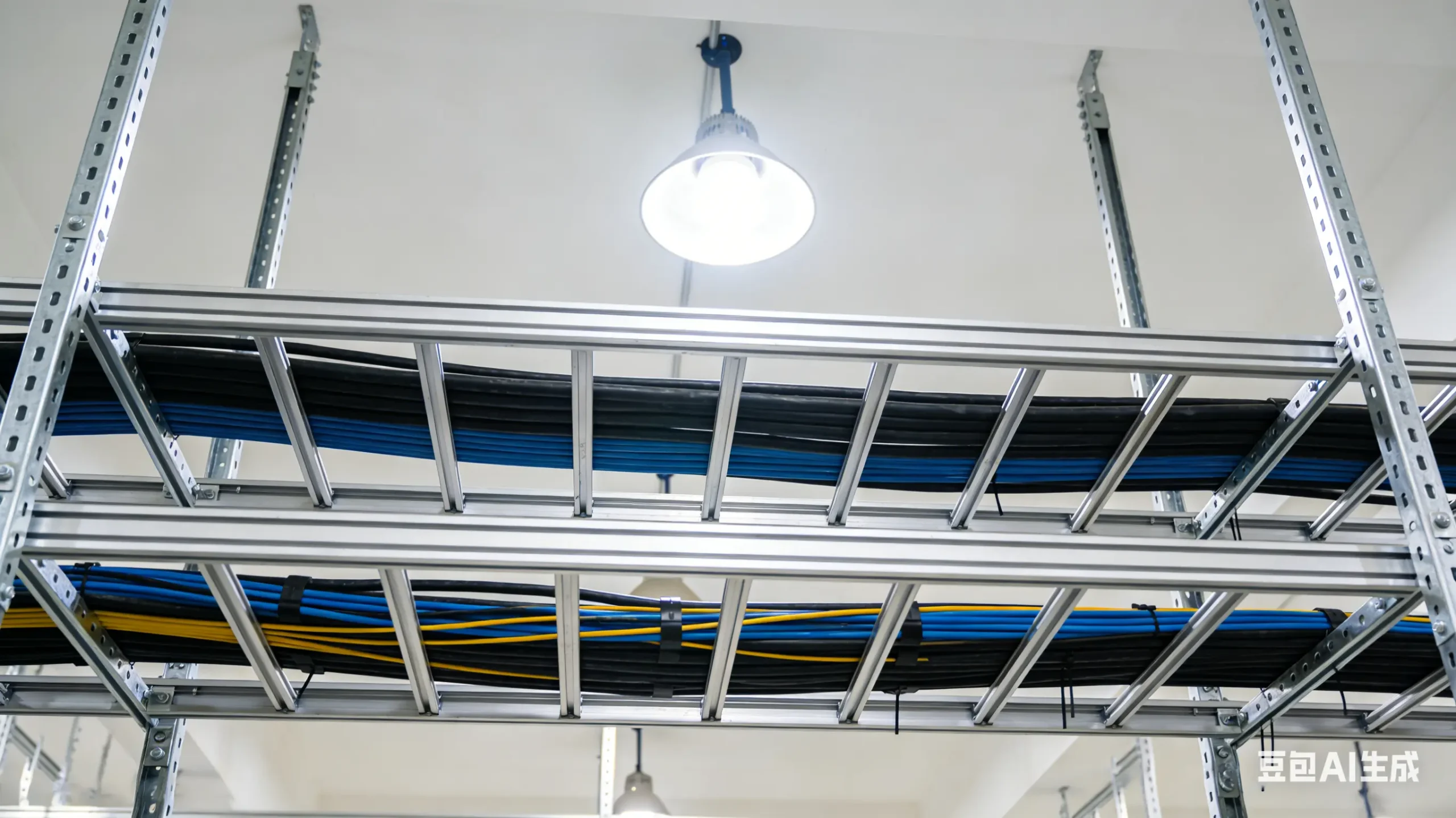
Data Center Engineering involves multiple engineering disciplines working together: structure, thermal management, electrical distribution, control and environmental protection. This article outlines the engineering considerations that determine reliable operation.
The disciplines are not independent. Structural capacity sets how much equipment the floor can carry, which sets cabinet density; thermal capacity then determines how much IT load that density can dissipate; electrical distribution and grounding determine whether faults are contained; and room decoration and environmental control determine how long the equipment survives dust, humidity and contaminants.
In practice the decisions that matter are made early and are expensive to reverse. Floor loading, ceiling height, cable route capacity, cooling unit placement, incoming supply fault level and the eventual rack power density should be fixed before construction begins. Decided one at a time — often by different parties — they produce a room that passes inspection and then runs hot, trips on start-up, or cannot be expanded without a shutdown.
Engineering Mechanism
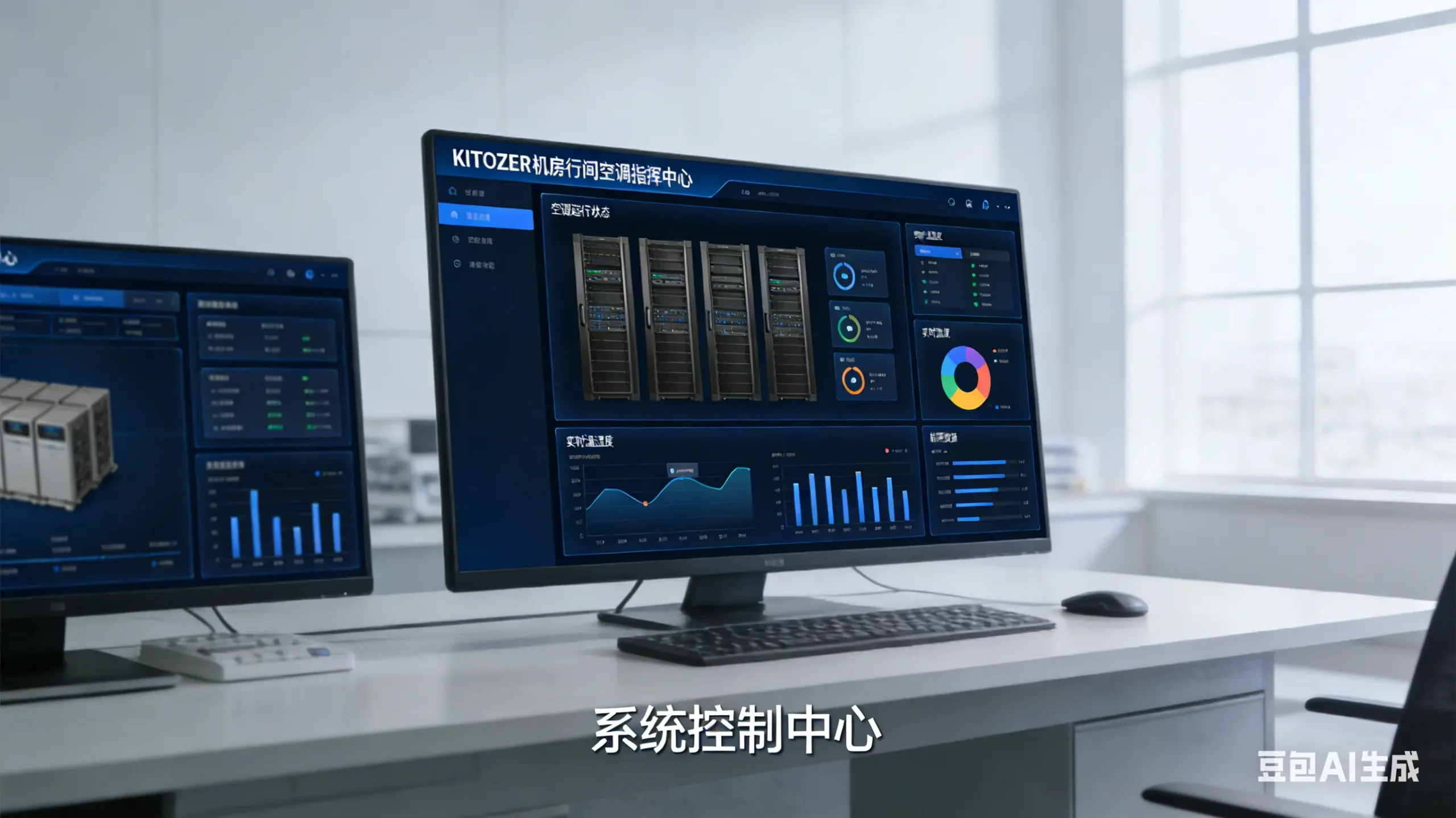
Each subsystem in this family has a defined function: Cabinets & Racks, Cabling, Fire Protection, Lightning Protection & Grounding, Load-Bearing Reinforcement, Power Distribution, Precision Air Conditioning, Room Decoration, UPS Systems. Correct specification depends on understanding how these subsystems interact under real operating conditions.
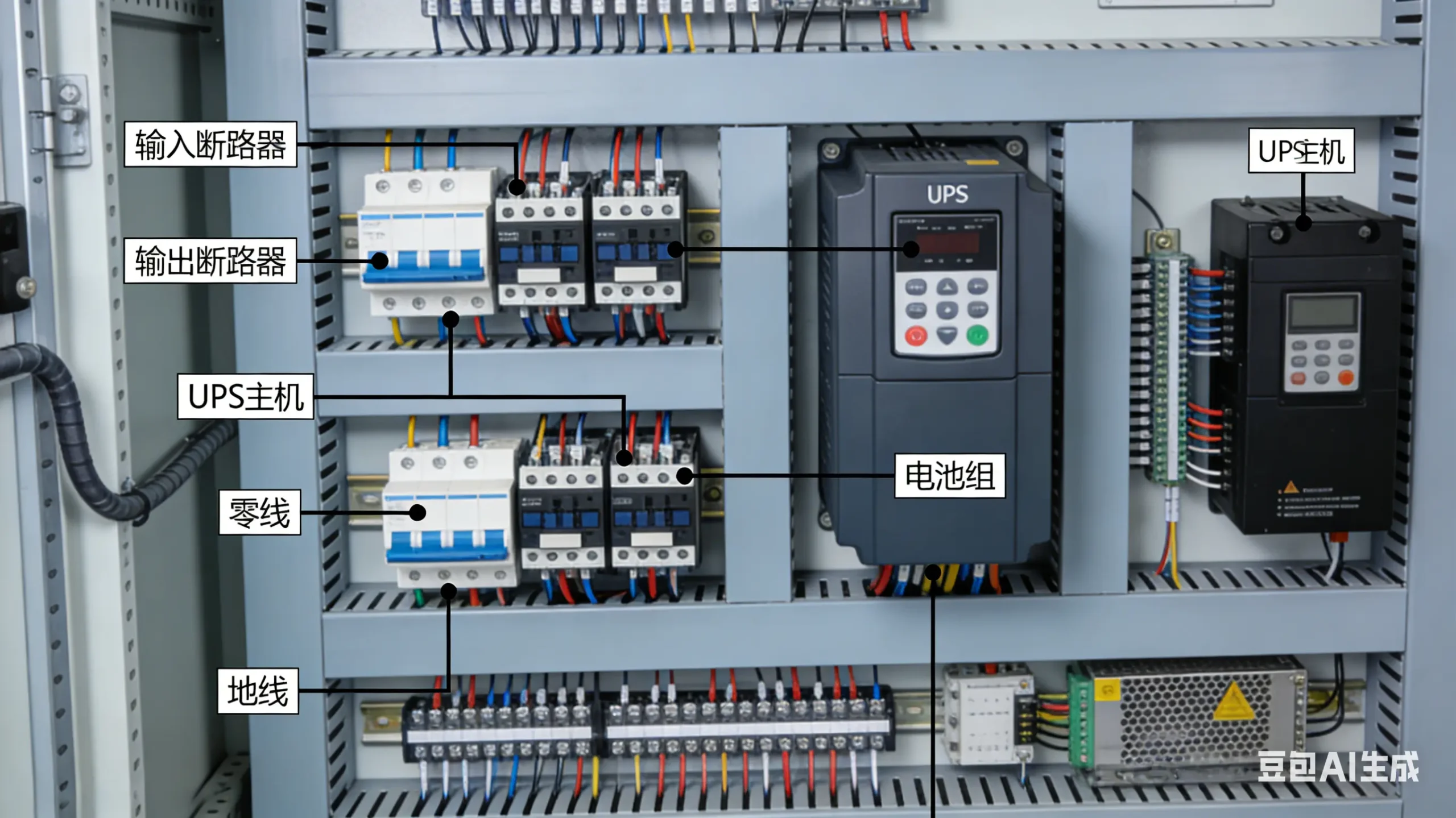
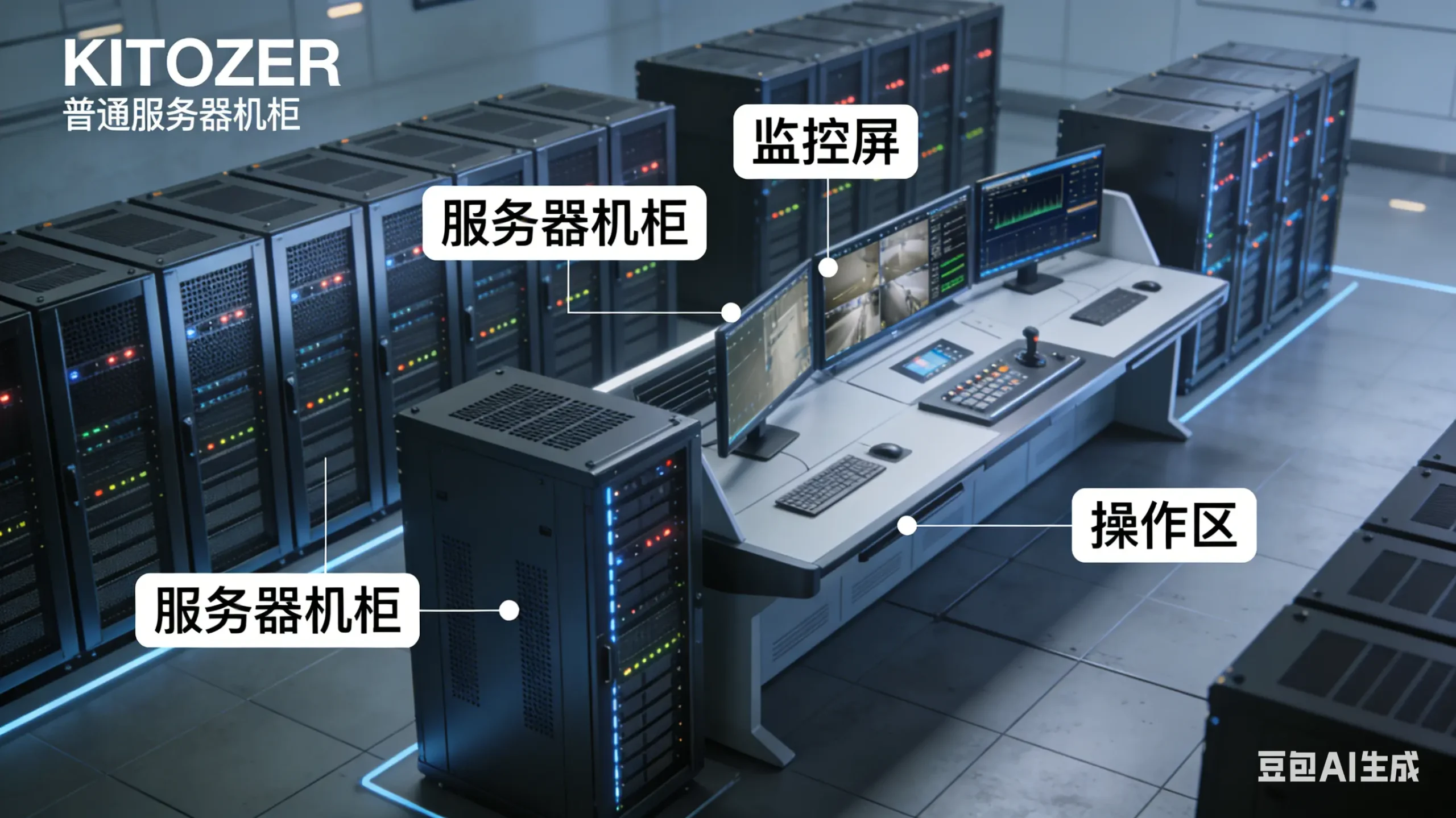
These subsystems are specified as one coordinated set, not as separate purchases. Cabinets and racks define the physical interface and the airflow path; cabling carries power and data within the route capacity allowed; UPS and power distribution convert and protect the supply; precision air conditioning removes the heat the IT load produces; fire protection and lightning protection with grounding protect life and equipment; load-bearing reinforcement keeps the structure within its limit; and room decoration controls dust, humidity and access. Change one and the others must be re-checked.
The interactions are what make the family an engineering problem rather than a procurement list. Raising rack density increases heat load and airflow demand, which may require in-row cooling, which in turn changes power distribution and floor loading. Adding UPS autonomy increases battery mass and heat, which affects both structure and cooling. Every change propagates, and the design is only complete once that propagation has been followed through.
Selection Variables
- Load profile and peak demand
- Environmental class: temperature, humidity, dust and ingress protection
- Space and structural constraints
- Redundancy and availability targets
- Maintenance access and lifecycle cost
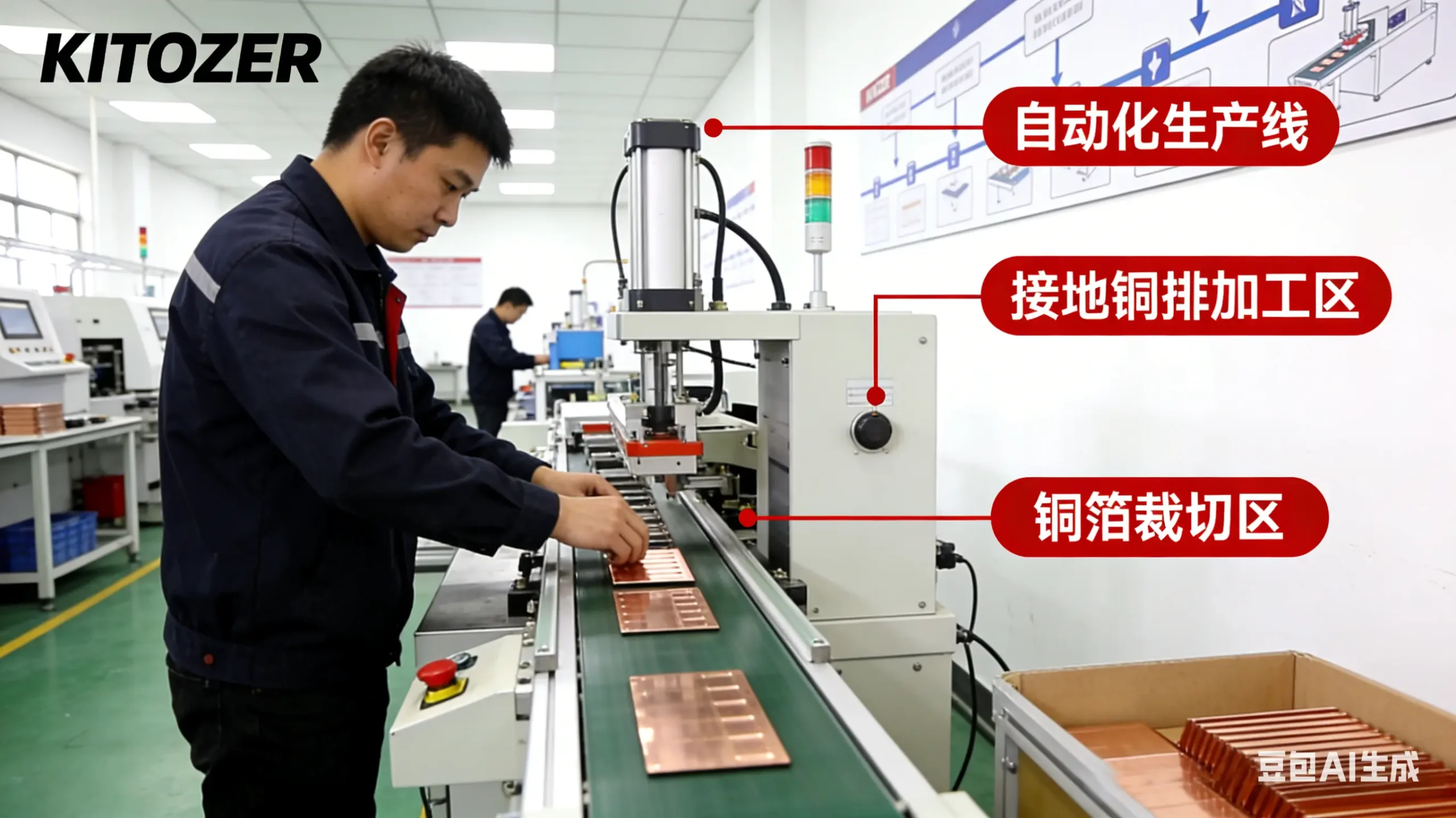
Each variable translates into a specification decision. Load profile and peak demand set the incoming supply, transformer and UPS rating. Environmental class sets IP rating, filtration and cooling type. Space and structural constraints set cabinet dimensions and reinforcement. Redundancy and availability targets set the N+1 or 2N configuration of power and cooling. Maintenance access sets aisle width and equipment clearances, and lifecycle cost decides between a lower purchase price and a lower running cost over the service life.
Installation & Integration Concerns
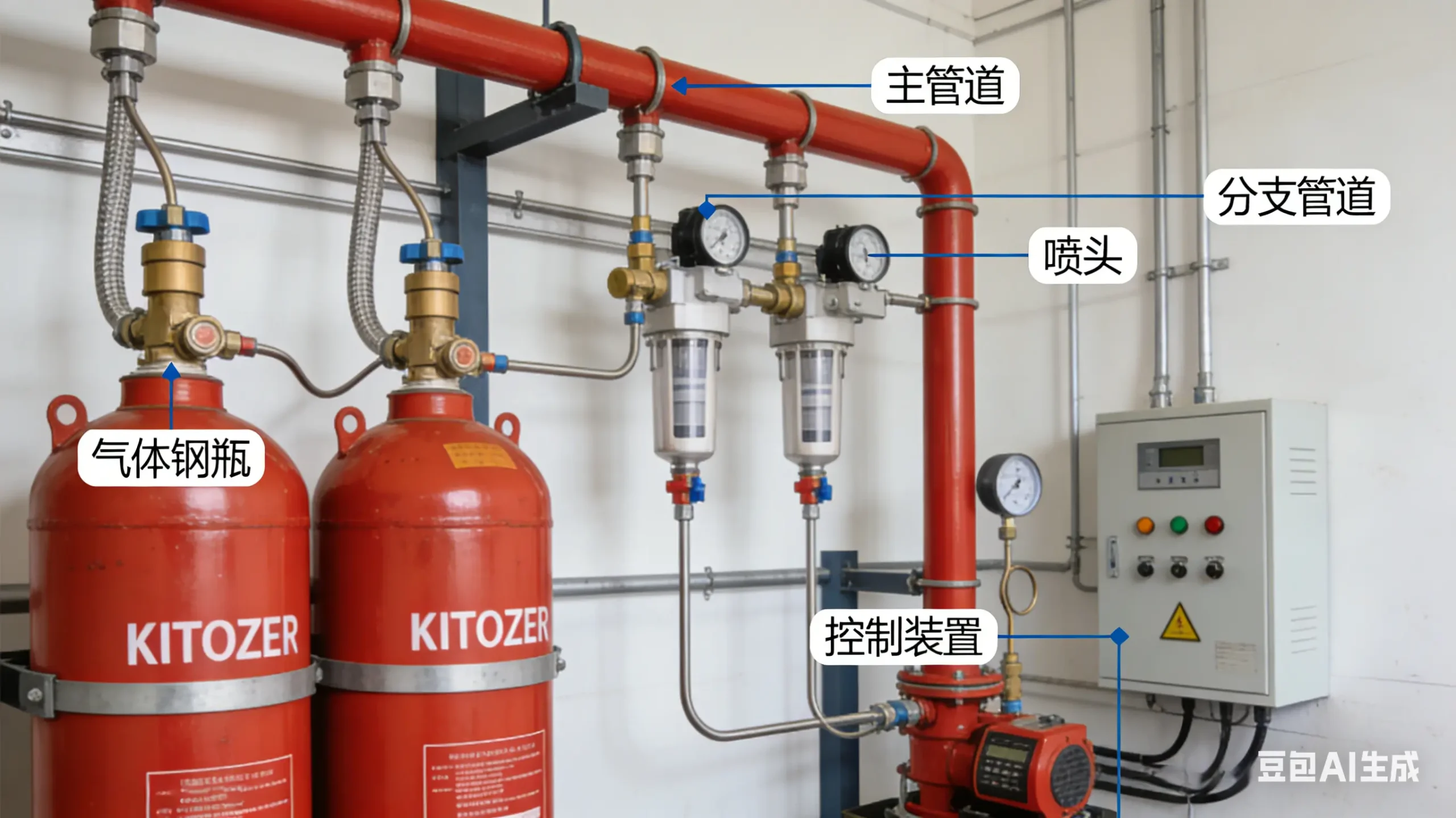
Common installation concerns include clearance for maintenance, cable routing, grounding and coordination with adjacent systems. These should be reviewed during the design stage, not discovered on site.
Installation risk is dominated by what was not checked at design stage. Typical issues include insufficient maintenance clearance in front of cabinets and panels, cable routes that cross hot aisles or block airflow, missing equipotential bonding between racks and the grounding grid, and no coordination between fire suppression discharge and the room air management. Reviewing these on the drawings costs hours; correcting them after equipment is installed costs shutdowns.
Common Failure Modes
Typical failure modes in this category relate to thermal stress, electrical connection quality, environmental ingress and control configuration errors. Preventive measures include routine inspection, torque checks and environmental monitoring.
The most common failures are practical ones: loose or over-torqued electrical terminations that heat under load, cooling that cannot hold setpoint once the design heat load arrives, condensate drainage that overflows, ingress through unsealed cable entries, and control parameters left at factory defaults so the system never matches the installed layout. Preventive measures are unglamorous — thermographic scans, torque checks at defined intervals, filter and drainage maintenance, environmental monitoring with alarms, and re-commissioning after any change to the room.
Verification Checklist
- Specification matches site survey data
- Ratings verified against manufacturer documentation
- Installation follows the manual sequence
- Functional tests completed and recorded
Verification is a sequence, not a single inspection. It starts with a design review against the site survey, continues through factory acceptance testing of manufactured items, proceeds to installation checks (level, torque, bonding, clearances) and ends with integrated functional testing under load — power failover, cooling response, alarm reporting and fire suppression release. Every step is recorded, because the records are what allow the room to be operated and modified with confidence.
Conclusion
Engineering discipline at specification and installation stage is the most effective way to control risk in data center engineering projects. Consult KITOZER engineering for verified technical documentation and support.
The considerations that matter most are coordination and verification: agreeing the interfaces before manufacturing, and proving at commissioning that the installed system behaves as designed. Both are far cheaper than the rework they prevent.
Frequently Asked Questions — Quick Reference
1. What does Data Center Engineering cover?
Cabinets and racks, cabling, fire protection, lightning protection and grounding, load-bearing reinforcement, power distribution, precision air conditioning, room decoration and UPS systems — engineered as one coordinated system.
2. What engineering data is needed before design?
Site survey data: space and ceiling height, IT load and growth forecast, floor loading capacity, incoming power quality and fault level, ambient and dust conditions, fire strategy and maintenance access.
3. Why is coordination the main engineering consideration?
Because the subsystems interact — structure sets density, thermal capacity limits load, grounding contains faults. Specifying one in isolation simply moves the problem to another part of the room.
4. How is redundancy decided?
From the availability target. N+1 is common for single rooms; 2N or concurrently maintainable configurations are used where downtime is not acceptable. It applies to power and cooling together, not to one alone.
5. What are the key installation concerns?
Maintenance clearance, cable route capacity and separation, equipotential bonding, sealed cable entries, and coordination of the fire suppression release with air management.
6. What are the most common failure modes?
Loose electrical terminations, cooling unable to hold setpoint at design load, condensate overflow, ingress through unsealed entries, and control parameters left at factory defaults.
7. How is floor loading addressed?
Reinforcement and base design are specified against the building’s structural capacity and verified with a structural engineer before equipment is ordered.
8. What should the verification checklist cover?
Specification against survey data, ratings against manufacturer documentation, installation sequence, and recorded functional tests under load.
9. How can an existing room be upgraded?
Survey the existing room, identify the binding constraint — usually power or floor loading — and stage the upgrade so critical services stay online throughout.
10. What documentation should be requested?
Drawings, load and thermal calculations, protection coordination data, test certificates, commissioning records, and operating and maintenance manuals.
Related Products
Explore the KITOZER Data Center Engineering product range for related solutions and configurations.
Related Articles
Data Center Engineering: Technical FAQ
Data Center Engineering: Design Plan Framework
About Guangzhou Lain Intelligent System Development Co., Ltd.
Guangzhou Lain Intelligent System Development Co., Ltd. (KITOZER) supplies and integrates data center engineering — engineered, tested and supported as one coordinated system for data centers, telecom sites and industrial facilities. From single rooms to enterprise facilities, Lain provides design, manufacturing, integration, testing and after-sales service under one roof and exports worldwide.
Contact us for a free technical consultation:
- Company: Guangzhou Lain Intelligent System Development Co., Ltd.
- Address: 1st Floor, Building A, Chaotian Industrial Park, Zhongrun Industrial Park, Shilou Town, Panyu District, Guangzhou, Guangdong, China
- Tel/WeChat: +86 135-0923-8849 | +86 135-0923-8849
- WhatsApp: +86 135-0923-8849
- Email: zl19068534140@gmail.com
- Website: www.gdlain.com | Request a Quote
Typical response time: within one business day. Project references, drawings and samples are available on request.