Engineering considerations for containerized systems — how transport, thermal, structural and integration requirements interact, which variables drive specification, where projects fail, and what verification should prove.
Technical Context
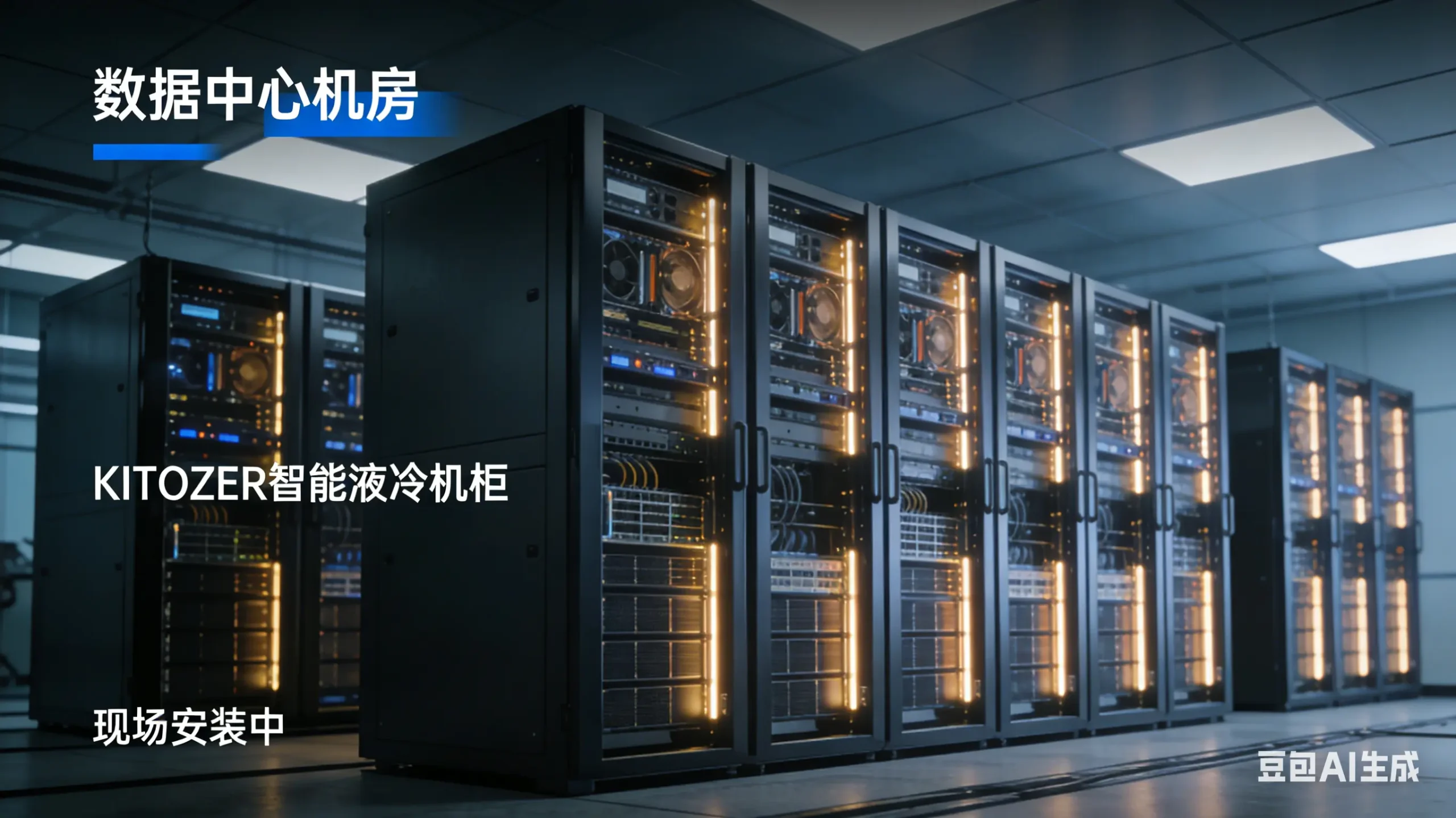
Containerized Systems involves multiple engineering disciplines working together: structure, thermal management, electrical distribution, control and environmental protection. This article outlines the engineering considerations that determine reliable operation.
Containerization moves work from the site to the factory, and with it moves the engineering decisions. The unit must be designed for two environments at once: the transport route and the operating site. Dimensions, weight, lifting points, bracing and shock protection are set by transport; thermal load, ambient, cooling, fire protection and structural loading are set by operation. Getting one right and the other wrong usually becomes visible only on arrival.
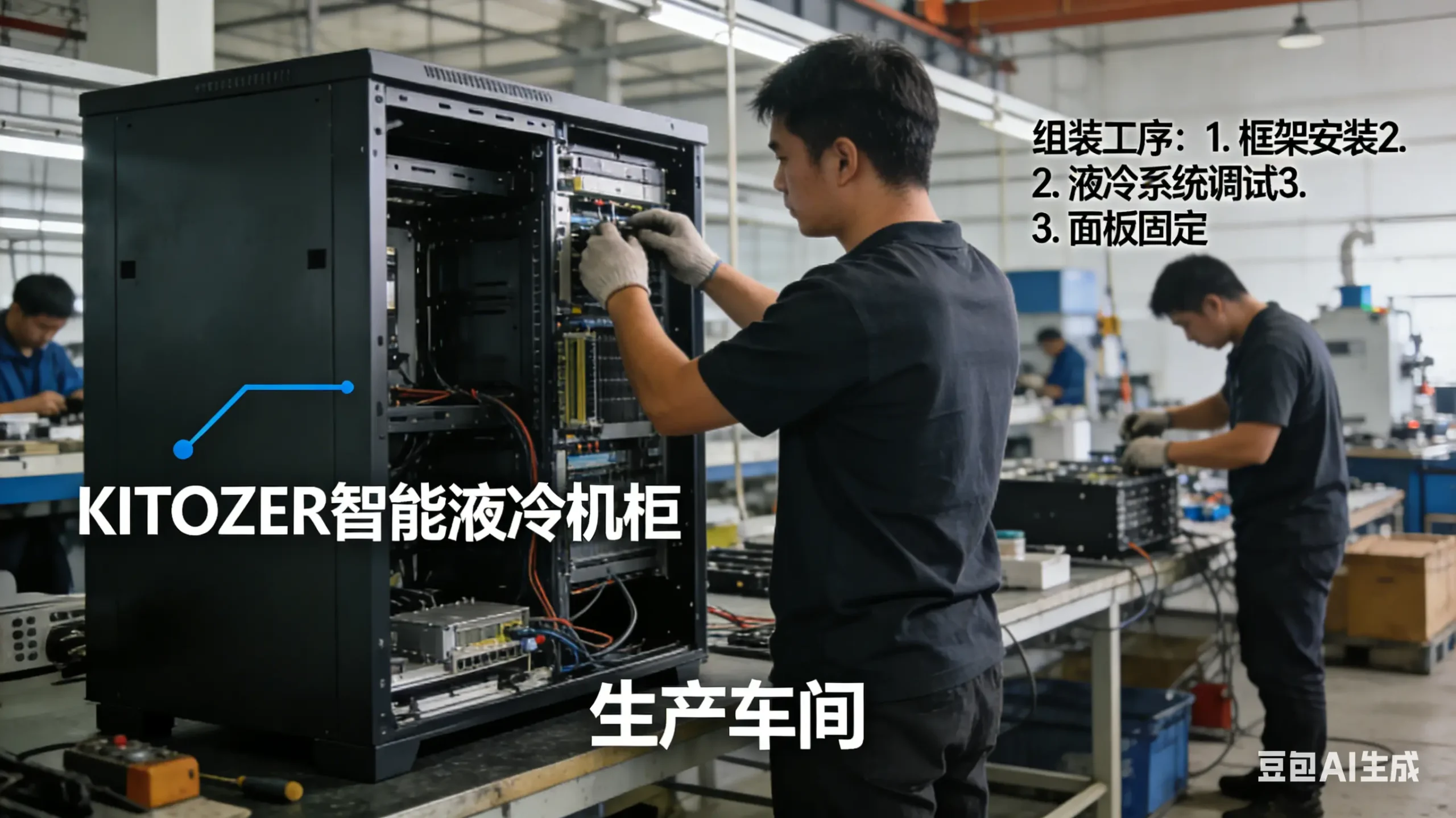
The factory environment is an advantage that has to be used deliberately. Because integration, testing and quality control happen indoors, faults that would be found in the field can be found in the workshop — but only if factory acceptance testing is specified and witnessed. A container shipped without testing simply relocates the commissioning problem to a location that is harder and more expensive to work in.
Engineering Mechanism
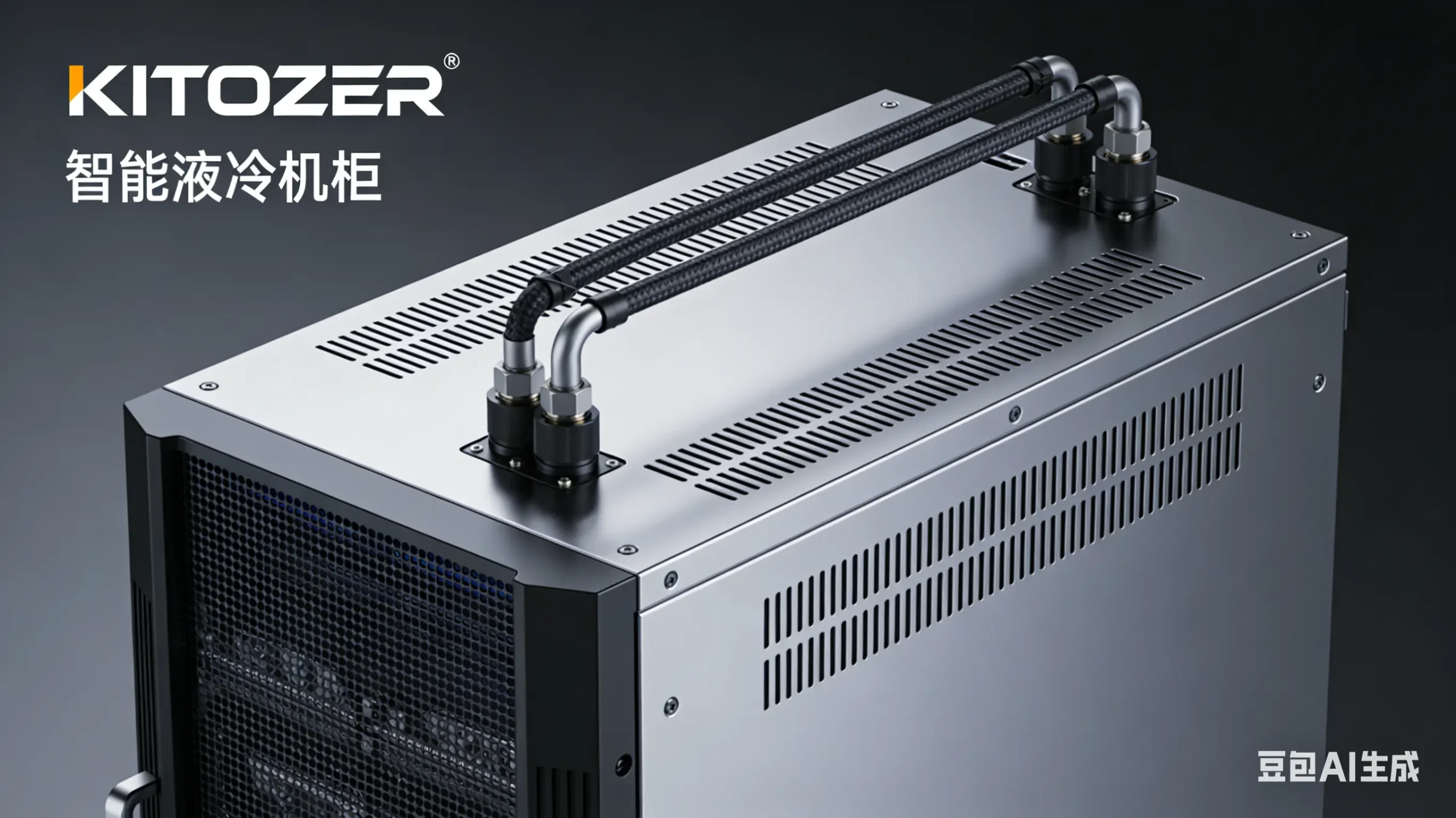
Each subsystem in this family has a defined function: Container Base Systems, Containerized Data Centers, Emergency Support Containers, Energy Storage Containers, General-Purpose Containers, Industrial Special Containers, Residential & Commercial Containers. Correct specification depends on understanding how these subsystems interact under real operating conditions.
The subdivisions reflect different payloads and constraints. Base systems provide shell, structure and services. Containerized data centers add IT load, cooling and power distribution. Emergency support containers provide power, communications or medical capability. Energy storage containers house batteries with thermal management and fire suppression. General-purpose, industrial special and residential or commercial containers adapt the same shell to different uses. In each case the mechanism is the same: a structural shell carries the payload and services, and a thermal system keeps them within range.
The mechanism that decides success is the interaction between shell, services and load. Insulation reduces both heat gain and available space; a cooling system adds power load and heat of its own; battery or IT density raises the thermal and fire-protection requirements; and every added kilogram must still be within the transport and lifting limits. Because these trade against each other, the container is designed as one set of values rather than item by item.
Selection Variables
- Load profile and peak demand
- Environmental class: temperature, humidity, dust and ingress protection
- Space and structural constraints
- Redundancy and availability targets
- Maintenance access and lifecycle cost
The variables translate into container specification. Load profile and peak demand set internal layout, cooling capacity and power feed. Environmental class sets insulation, cooling method and coating. Space and structural constraints set container size and stacking ability. Redundancy targets decide whether cooling or power need N+1 capacity. Maintenance access sets internal clearances and service hatches, and lifecycle cost weighs factory quality and cooling efficiency against a cheaper unit that is harder to service.
Installation & Integration Concerns
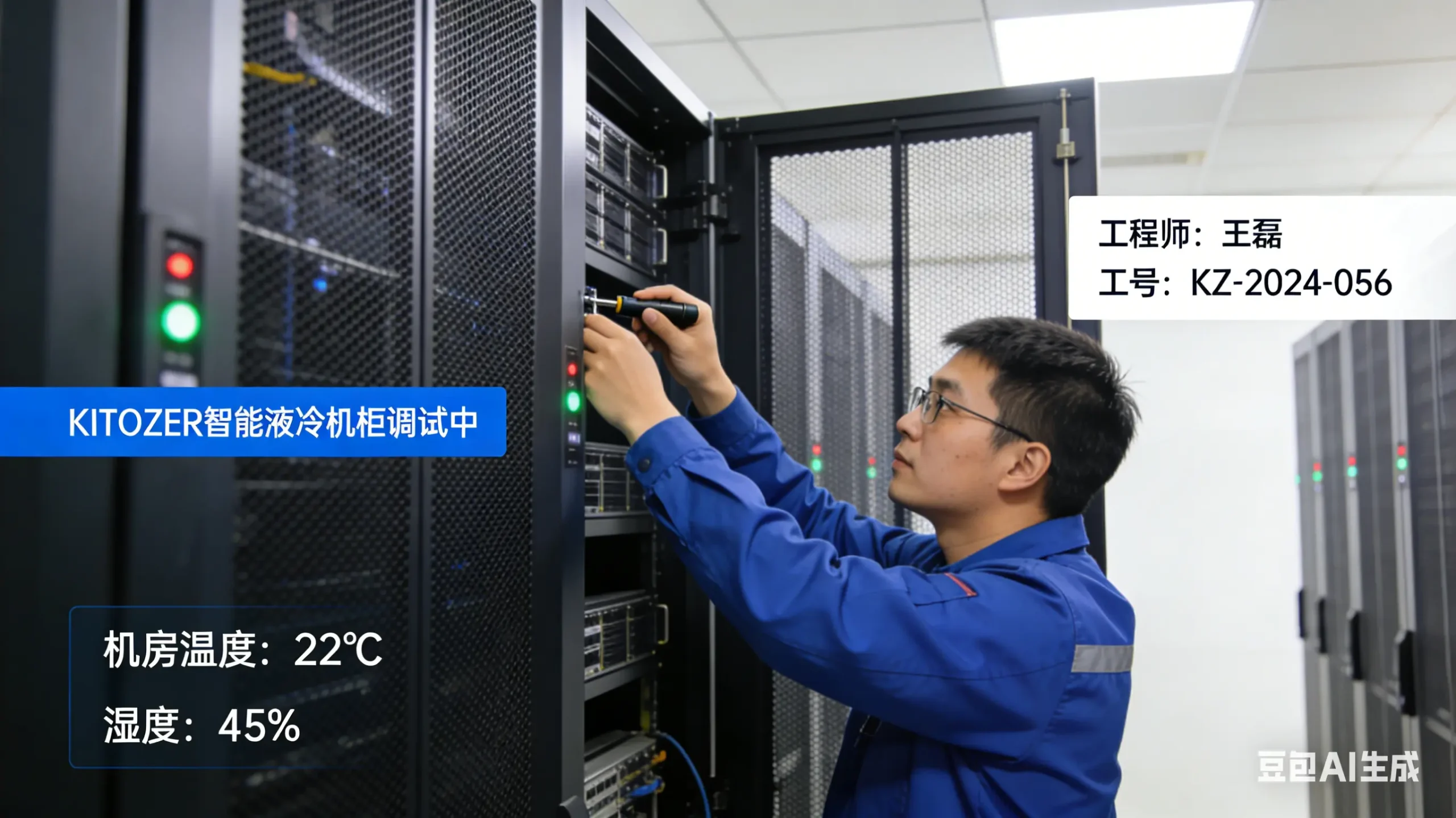
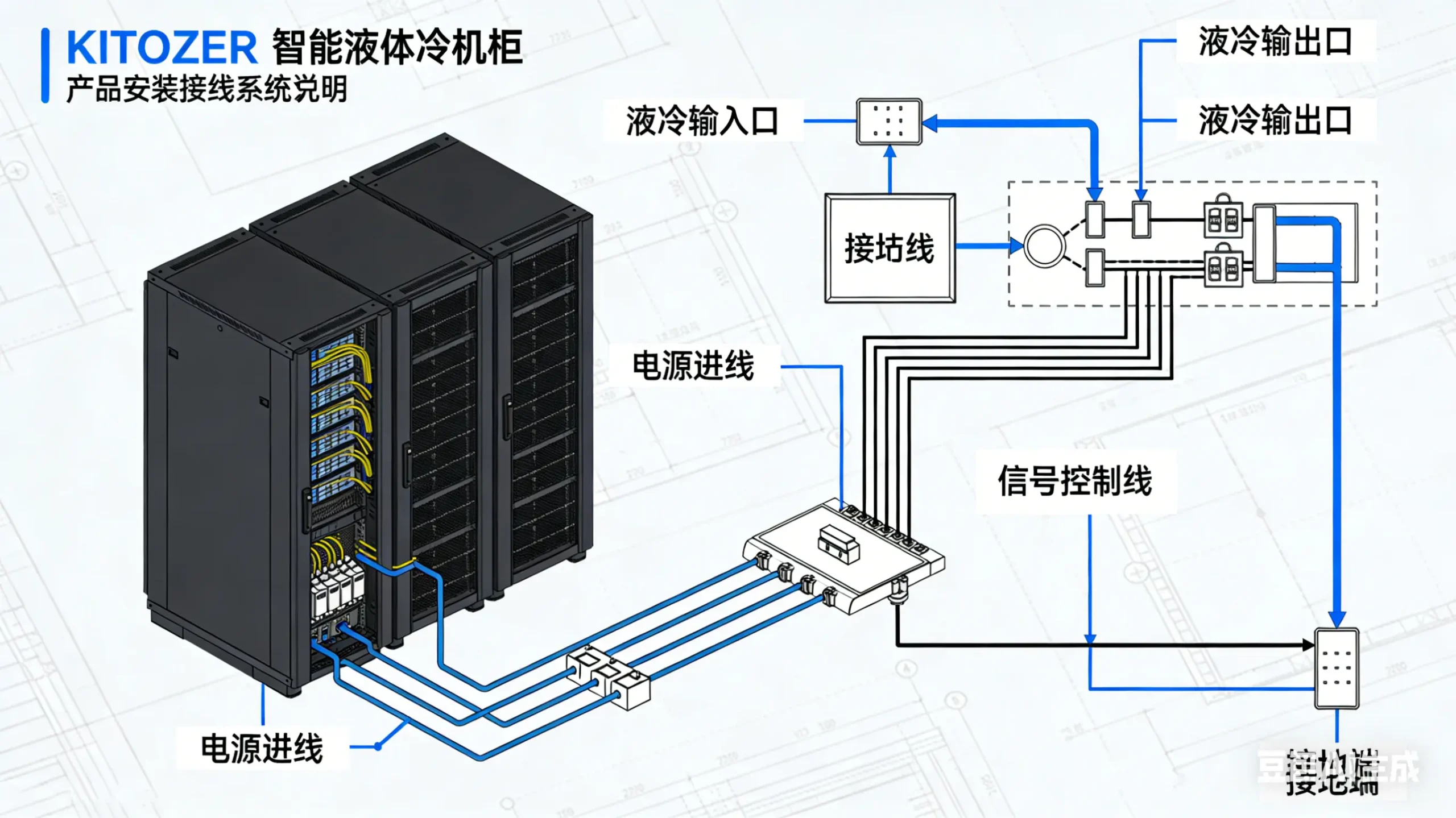
Common installation concerns include clearance for maintenance, cable routing, grounding and coordination with adjacent systems. These should be reviewed during the design stage, not discovered on site.
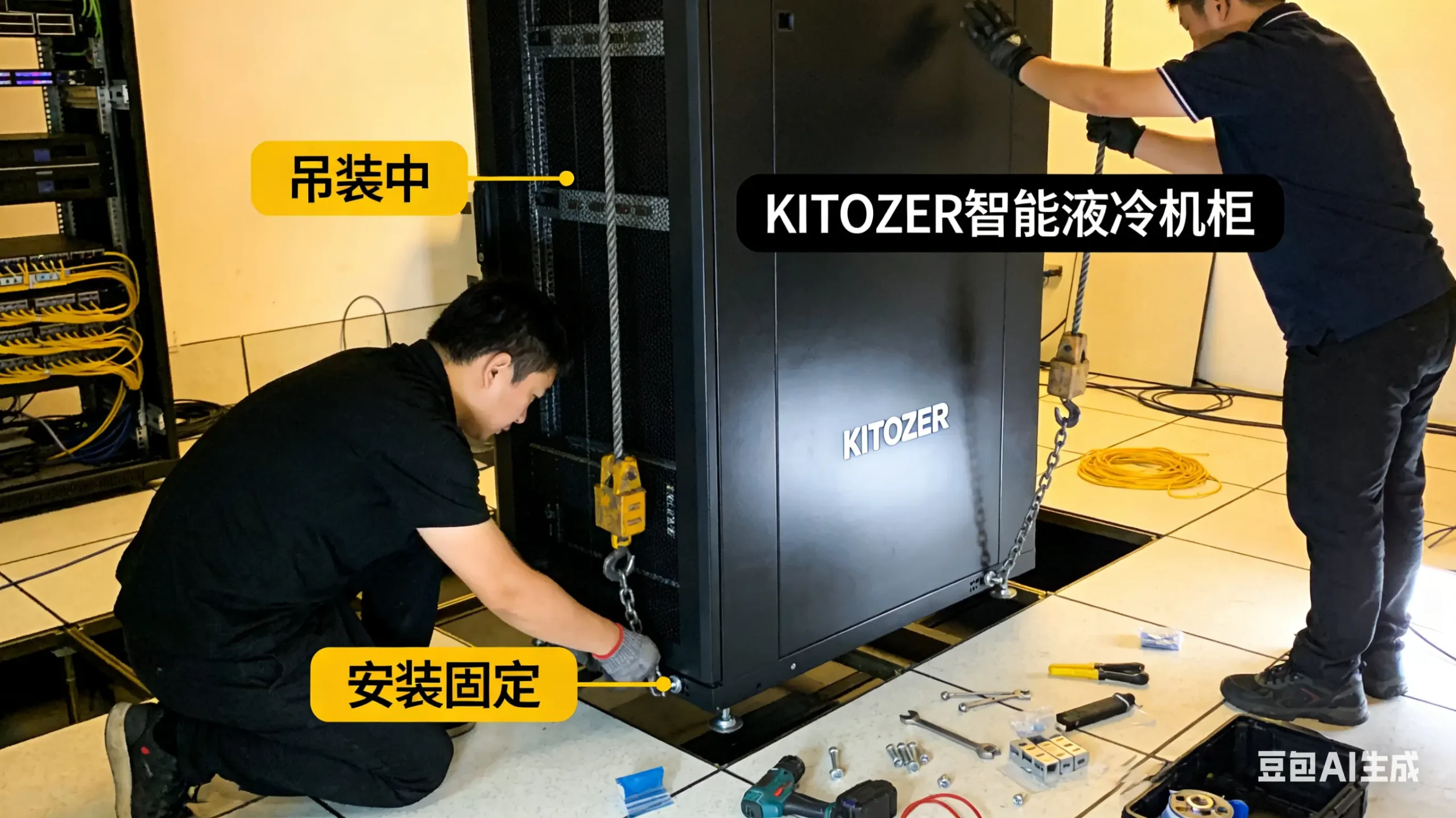
Installation concerns are mostly about what happens between factory and site. Lifting points and spreader arrangements must match the actual lift; bracing must survive the transport route; services must be arranged at accessible connection points rather than behind equipment; and foundations or pads must be ready before arrival, because some climates do not allow an unpowered container to stand. Each of these is planned before shipment, not discovered on site.
Common Failure Modes
Typical failure modes in this category relate to thermal stress, electrical connection quality, environmental ingress and control configuration errors. Preventive measures include routine inspection, torque checks and environmental monitoring.
Container failures usually trace back to design assumptions rather than construction defects. Thermal design based on factory conditions fails at site ambient with solar load; cooling and fire systems that were installed but not commissioned fail when they are needed; condensation forms in units sealed without humidity control; and transit damage occurs where bracing or lifting plans were inadequate. Factory acceptance testing, transport planning and commissioning records are the preventive measures.
Verification Checklist
- Specification matches site survey data
- Ratings verified against manufacturer documentation
- Installation follows the manual sequence
- Functional tests completed and recorded
Verification should prove the unit against specification at the factory — thermal performance, cooling, power distribution, fire and alarm systems — and then on site confirm foundations and level, connections and torque, alarm and fire function, and thermal performance at design ambient. The factory test record is the baseline; the site test confirms nothing changed in transit.
Conclusion
Engineering discipline at specification and installation stage is the most effective way to control risk in containerized systems projects. Consult KITOZER engineering for verified technical documentation and support.
For containerized systems the engineering considerations are design for transport and design for site together, and using the factory as the place where faults are found. Verify in the workshop and confirm on site, and the container delivers the schedule advantage it was chosen for.
Frequently Asked Questions — Quick Reference
1. What are the two design environments for a container?
The transport route and the operating site — dimensions, weight and lifting are set by transport, while thermal load, cooling, fire protection and structural loading are set by operation.
2. Why is factory acceptance testing important?
It finds faults in the workshop where correction is cheap, instead of relocating the commissioning problem to a site that is harder and more expensive to work in.
3. What data is needed before design?
Intended use and equipment, site ambient and solar conditions, transport route and lifting capability, structural requirements, power and network availability, and fire and safety requirements.
4. What decides container dimensions and weight?
The transport route, lifting equipment and internal layout together, with stacking or handling loads included in the structural design.
5. How is thermal design handled?
For the site ambient and solar load rather than factory conditions, with insulation, cooling method and airflow fixed as a set.
6. What installation concerns matter most?
Lifting points and spreaders, transport bracing, services arranged at accessible connection points, and foundations ready before arrival.
7. What are the most common failure modes?
Thermal design based on factory conditions, systems installed but not commissioned, condensation without humidity control, and damage from inadequate bracing or lifting plans.
8. How is energy storage handled in a container?
With battery thermal management, fire detection and suppression, and appropriate separation designed in from the start.
9. What should verification prove?
Factory performance against specification, then on site foundations and level, connections and torque, alarm and fire function, and thermal performance at design ambient.
10. What documentation should be requested?
Factory acceptance test records, structural and transport calculations, as-built drawings, commissioning records and maintenance instructions.
Related Products
Explore the KITOZER Containerized Systems product range for related solutions and configurations.
Related Articles
Containerized Systems: Design Plan Framework
Containerized Systems: Technical FAQ
About Guangzhou Lain Intelligent System Development Co., Ltd.
Guangzhou Lain Intelligent System Development Co., Ltd. (KITOZER) supplies and integrates containerized systems — engineered, tested and supported as one coordinated system for data centers, telecom sites and industrial facilities. From single rooms to enterprise facilities, Lain provides design, manufacturing, integration, testing and after-sales service under one roof and exports worldwide.
Contact us for a free technical consultation:
- Company: Guangzhou Lain Intelligent System Development Co., Ltd.
- Address: 1st Floor, Building A, Chaotian Industrial Park, Zhongrun Industrial Park, Shilou Town, Panyu District, Guangzhou, Guangdong, China
- Tel/WeChat: +86 135-0923-8849 | +86 135-0923-8849
- WhatsApp: +86 135-0923-8849
- Email: zl19068534140@gmail.com
- Website: www.gdlain.com | Request a Quote
Typical response time: within one business day. Project references, drawings and samples are available on request.