1. Overview: Security That Works as One System
Most campuses accumulate security subsystems over years: access control from one vendor, cameras from another, alarms from a third — each with its own console, its own operators and no shared logic. A door alarm goes off and nobody sees the camera; a camera catches an incident and nobody can say who opened the door. The gaps between subsystems are where incidents happen.
Campus security integration connects access control, video surveillance, intrusion detection, intercom and alarm systems across buildings into one platform with one operator workflow and automated cross-system response. Guangzhou Lain Intelligent System Development Co., Ltd. delivers campus-wide security integration projects for industrial parks, hospitals, universities and corporate campuses. This guide explains the subsystems, the unified behavior and the delivery approach.
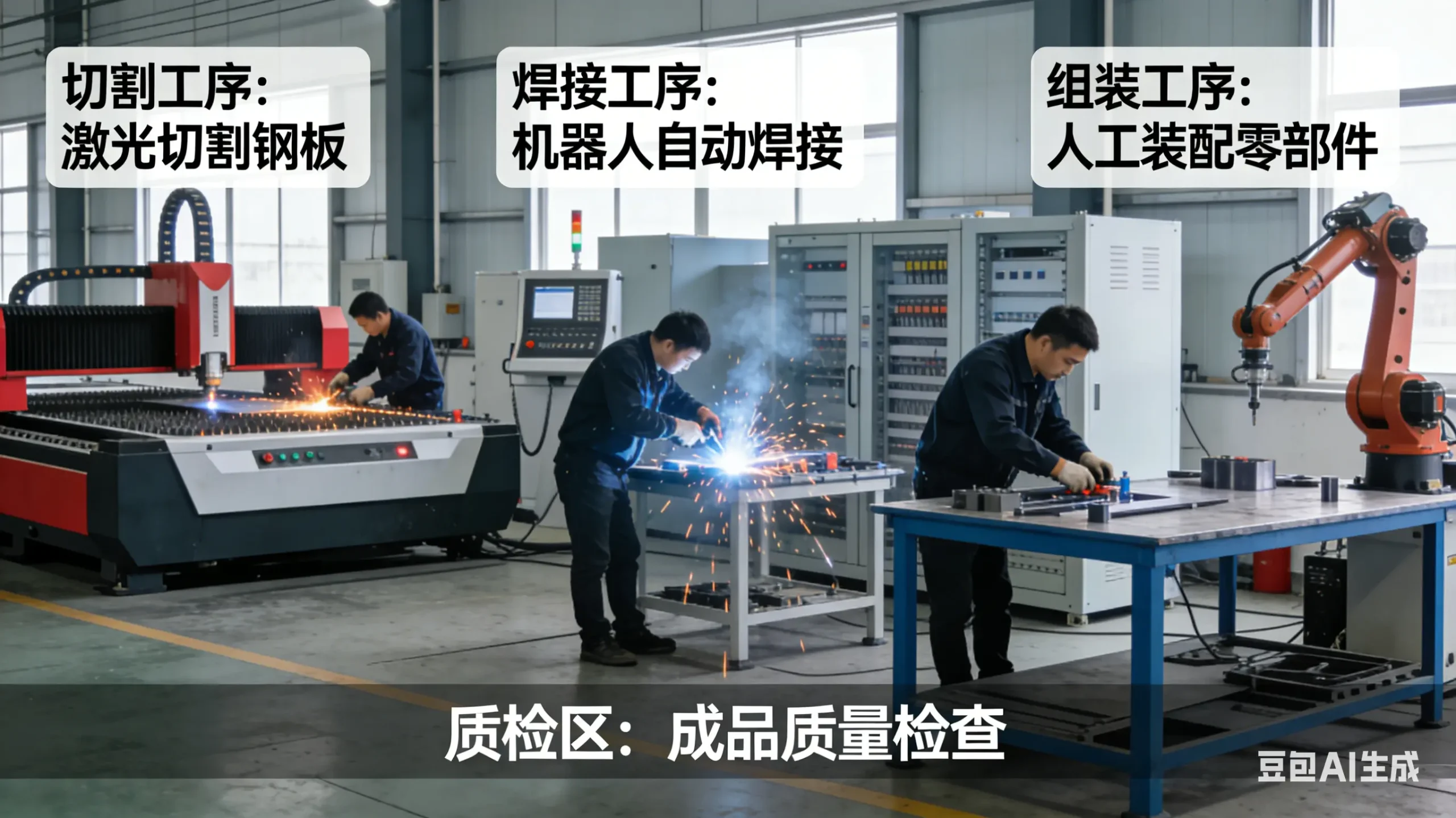
2. Subsystems Integrated
2.1 Access Control
Doors, turnstiles, vehicle barriers and lifts with one credential system, visitor workflow and centralized rights. Staff carry one card or mobile credential for every door on campus; rights are granted and revoked centrally.
2.2 Video Surveillance
IP cameras with central management, recording and AI analytics — face recognition, license plate recognition, intrusion detection, loitering alerts and people counting — applied per site policy with privacy safeguards.
2.3 Intrusion Detection
Perimeter and interior detectors linked to camera presets and alarm verification, so every intrusion alarm is verified visually before dispatch.
2.4 Intercom and Announcement
IP intercom at gates and emergency call points, with mass-notification loudspeakers for evacuation and announcements.
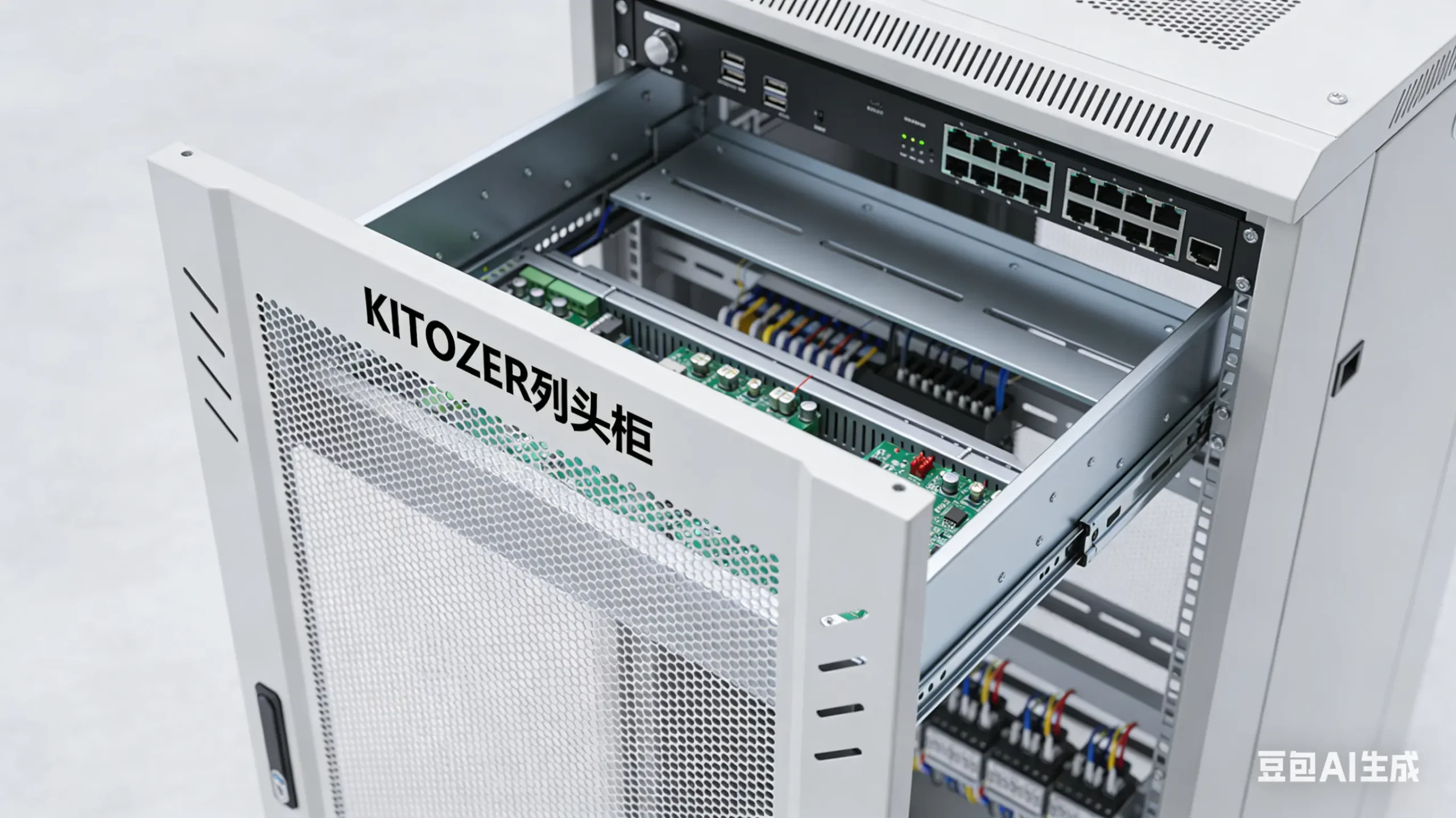
3. Unified Platform Behavior
Integration’s value is in the correlated response: a single event triggers a coordinated chain automatically.
- A forced door shows its camera on the operator screen, starts recording from that moment, notifies the nearest patrol via mobile app, and logs the incident with one-click report generation.
- A vehicle with a blacklisted plate at the barrier alerts the control room and records approach video.
- An intrusion alarm at a perimeter zone pulls up the zone cameras, announces over the local intercom and escalates if unacknowledged.
- Tailgating detection at sensitive doors flags the event with both door and video records.
These cross-subsystem rules are configured per site policy — the platform is not just a viewer, it is the operator’s decision support.
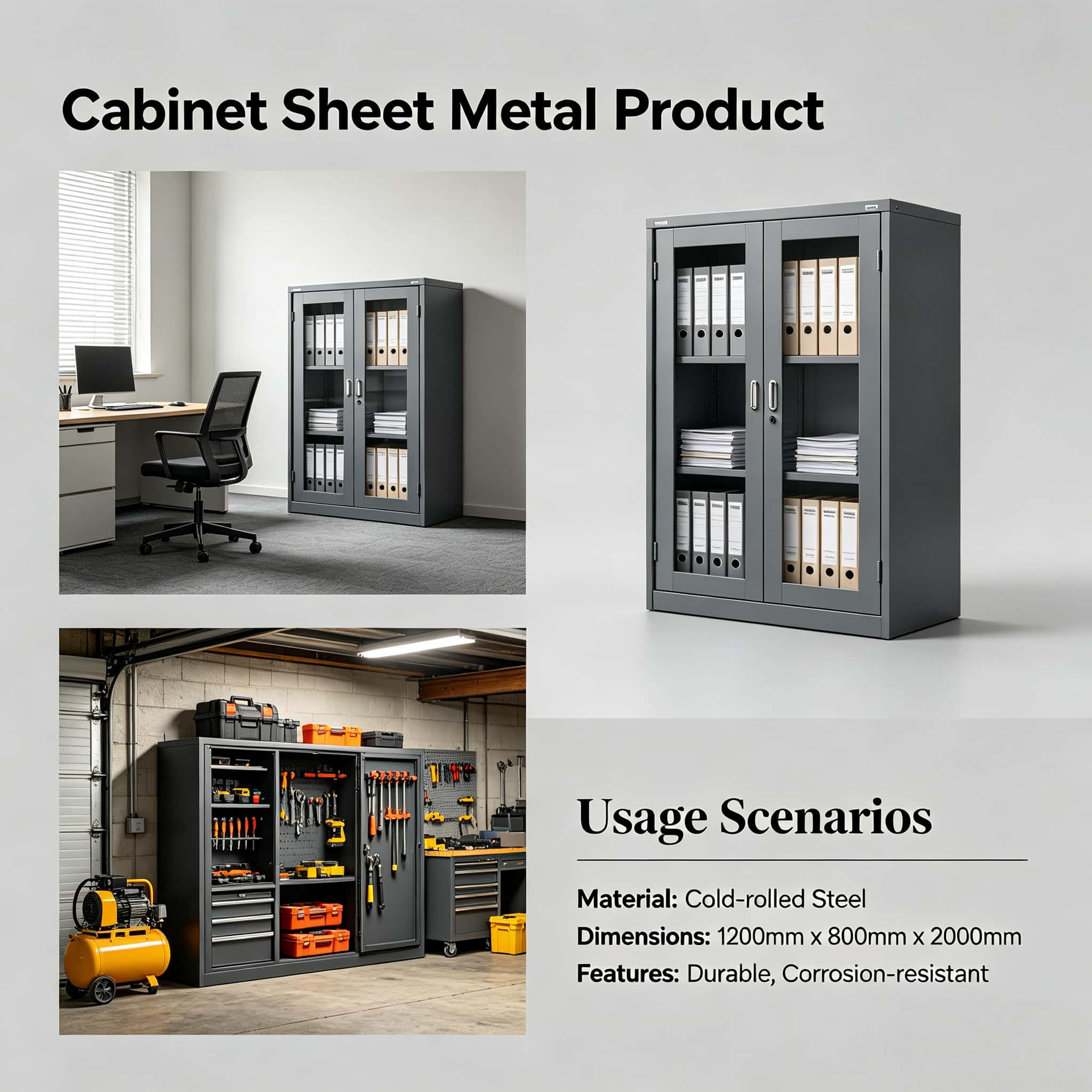
4. Why Integration Beats Separate Systems
| Problem with Separate Systems | Integrated Answer |
|---|---|
| Door alarm with no video context | Alarm auto-displays the door camera and recording |
| Camera incident with no access record | Access logs attached to the video timeline |
| Several consoles to watch | One operator screen with one workflow |
| Manual incident reports | Auto-generated incident files with evidence |
| Slow visitor management | Central visitor workflow with pre-registration |
5. Working with Existing Equipment
Integration does not mean rip-and-replace. Legacy access controllers and cameras with open interfaces (ONVIF, standard SDKs) are integrated rather than replaced; equipment is upgraded only when it lacks the interfaces needed. The integration layer is built to be vendor-neutral, so future purchases compete on merit rather than locking into one brand.

6. Privacy and Compliance
Campus video and access data is personal data. Projects are designed with privacy safeguards: role-based access to video, retention policies aligned with local regulation, restricted use of biometric analytics, and full audit logging of operator actions. Documentation supports compliance reviews and data-protection requirements.
7. Delivery Process
- Security risk assessment — campus zones, threats, existing systems, gaps.
- Design — subsystem plan, device layout, integration rules, network and storage design.
- Installation — devices and network; phased by building to control disruption.
- Platform configuration — credentials, rules, alarm responses, dashboards.
- Testing — cross-system scenarios proven (forced door, blacklist, intrusion).
- Training and handover — operator training, runbooks, as-built documentation.
8. Operations After Handover
Your security team operates the unified console after training; optional remote support covers rule tuning and system health for the first year. Preventive maintenance keeps cameras, controllers and storage healthy, and quarterly scenario tests keep operators fluent in the response procedures.
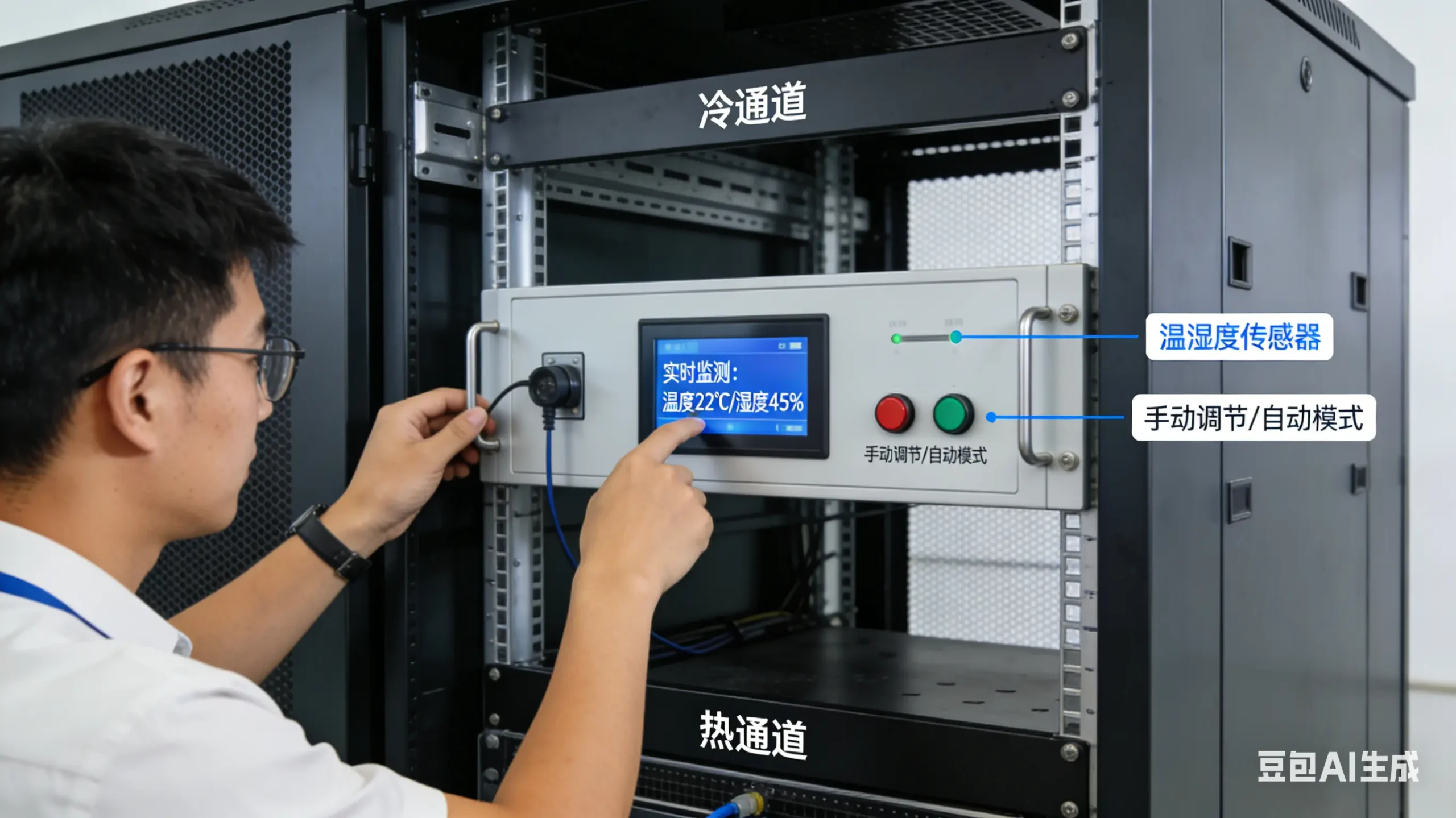
9. Frequently Asked Questions
Campus Security Integration FAQ
1. What is campus security integration?
It connects access control, video, intrusion and intercom systems on one platform so operators manage everything from a single console and alarms trigger coordinated actions across subsystems.
2. Why integrate instead of buying separate systems?
Separate systems leave gaps: an access alarm without video cannot be verified; a camera without access logs cannot identify who was there. Integration closes those gaps and cuts operator workload.
3. Can existing equipment be kept?
Yes — legacy access controllers and cameras with open interfaces (ONVIF, standard SDKs) are integrated rather than replaced; replacement is recommended only when devices lack required interfaces.
4. What AI analytics are available?
Face recognition, license plate recognition, intrusion and line-crossing detection, loitering alerts and people counting — applied per site policy with privacy safeguards.
5. Is it possible to phase the project?
Yes — we phase by building or subsystem, keeping each phase operational and extending the unified platform as new buildings come online.
6. Who operates it after handover?
Your security team runs the unified console after training; optional remote support covers rule tuning and system health for the first year.
7. How is privacy protected?
Role-based access, retention policies aligned with regulation, restricted biometric use and full audit logging of operator actions are standard.
8. Can visitors be managed centrally?
Yes — pre-registration, approval, temporary credentials and expiry are handled in one visitor workflow across all campus doors.
9. What happens if the network fails?
Critical subsystems continue local operation (doors open per local rules, recording buffers on devices) and synchronize when the network returns.
10. How are alarms verified?
Cross-system correlation — an alarm pulls the relevant camera and access records automatically, so operators verify before dispatching.
11. What documentation is delivered?
Risk assessment, design documents, as-built drawings, configuration records, runbooks and training materials.
12. Can the platform scale to more buildings?
Yes — architecture scales by adding devices and servers as buildings are added, keeping one operator view.

10. Related Solutions
- Cabinet Access Control
- Data Center Monitoring System
- Campus Energy Monitoring Integration
- Building Automation System
- Fire & Life-Safety Solutions
About Guangzhou Lain Intelligent System Development Co., Ltd.
Guangzhou Lain Intelligent System Development Co., Ltd. delivers campus security integration, access control and video systems for industrial parks, hospitals, universities and corporate campuses worldwide. From single rooms to enterprise facilities, KITOZER provides design, manufacturing, integration, testing and after-sales service under one roof and exports worldwide.
Contact us for a free technical consultation:
- Company: Guangzhou Lain Intelligent System Development Co., Ltd.
- Address: 1st Floor, Building A, Chaotian Industrial Park, Zhongrun Industrial Park, Shilou Town, Panyu District, Guangzhou, Guangdong, China
- Tel/WeChat: +86 135-0923-8849 | +86 135-0923-8849
- WhatsApp: +86 135-0923-8849
- Email: zl19068534140@gmail.com
- Website: www.gdlain.com | Request a Quote
Typical response time: within one business day. Project references, drawings and samples are available on request.