1. Overview: What This FAQ Covers
Campus security integration connects access control, video surveillance, intrusion detection and intercom systems across a university, hospital, industrial park or corporate estate onto one platform, so security operators manage every subsystem from a single console and alarms trigger coordinated actions across devices. Instead of separate credentials, cameras, alarms and help points, the whole campus is protected as one system — which is the only practical way to secure dozens of buildings without multiplying staffing and training costs.
This page answers the questions campus security managers, facility directors and IT teams ask when planning or upgrading an integrated security platform. Guangzhou Lain Intelligent System Development Co., Ltd. designs and delivers campus-level security integration for education, healthcare, industrial and commercial estates; the answers below reflect our standard practice and delivery experience.
2. What Campus Security Integration Means
2.1 What is campus security integration?
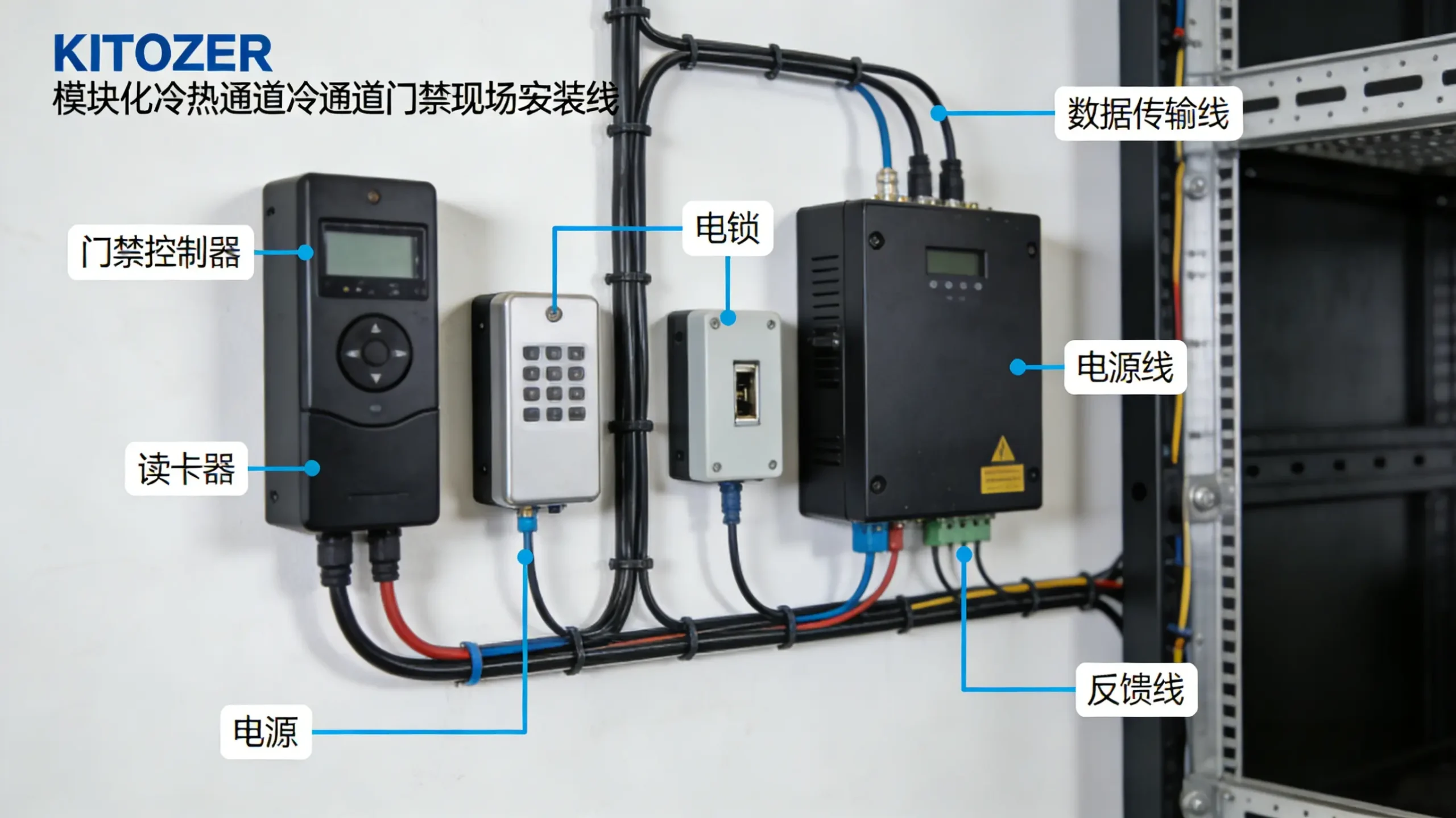
Campus security integration unifies access control, video surveillance, intrusion and intercom subsystems on one software platform. A guard who sees an access-control alarm can instantly pull the related camera footage, open or lock the door remotely, raise an intercom call and log the whole event — without switching between different vendor consoles. Data from all subsystems shares one event timeline, one user directory and one alarm rule engine.
2.2 Which subsystems are typically included?
The core scope is: door access control and electronic locks; IP video surveillance and recording; intrusion detection and perimeter alarms; audio intercom and help points; plus optional additions such as license-plate recognition at entrances, people counting and elevator or gate control. Every campus has a different mix, so the platform is designed around what is already installed and what each site actually needs.
2.3 How does a single console change daily operations?
Operators see one alarm queue instead of several screens, one map of the whole campus instead of per-building views, and one set of rules for who can enter where and when. Training time drops, response times shorten, and the security team can be smaller because routine events are handled through automation rather than manual cross-checking.

3. Why Integrate Instead of Buying Separate Systems
3.1 Why not keep separate access, video and alarm systems?
Separate systems leave gaps exactly where incidents happen: an access alarm without video cannot be verified, a camera without access logs cannot show who was present, and an intercom call without location context cannot be prioritised. When an event spans two systems, staff must manually correlate records — slow, error-prone and impossible during a real emergency. Integration closes those gaps by linking events at the platform level.
3.2 What does integration save in practice?
It reduces operator workload, cuts the number of consoles and servers to maintain, removes duplicate user databases, and shortens incident investigation from hours to minutes because every event already carries its related video, access and alarm records. For multi-building campuses the saving multiplies, since one team and one platform replace per-building islands.
3.3 Does integration improve security itself, not just convenience?
Yes. Coordinated rules — door forced open triggers camera recording and guard notification; after-hours access requires intercom verification; a help-point call automatically locks surrounding sensitive doors — prevent small events from becoming serious ones. Automated verification also means fewer false alarms consume the team’s attention.
4. Working With Existing Equipment
4.1 Can existing equipment be kept when we integrate?
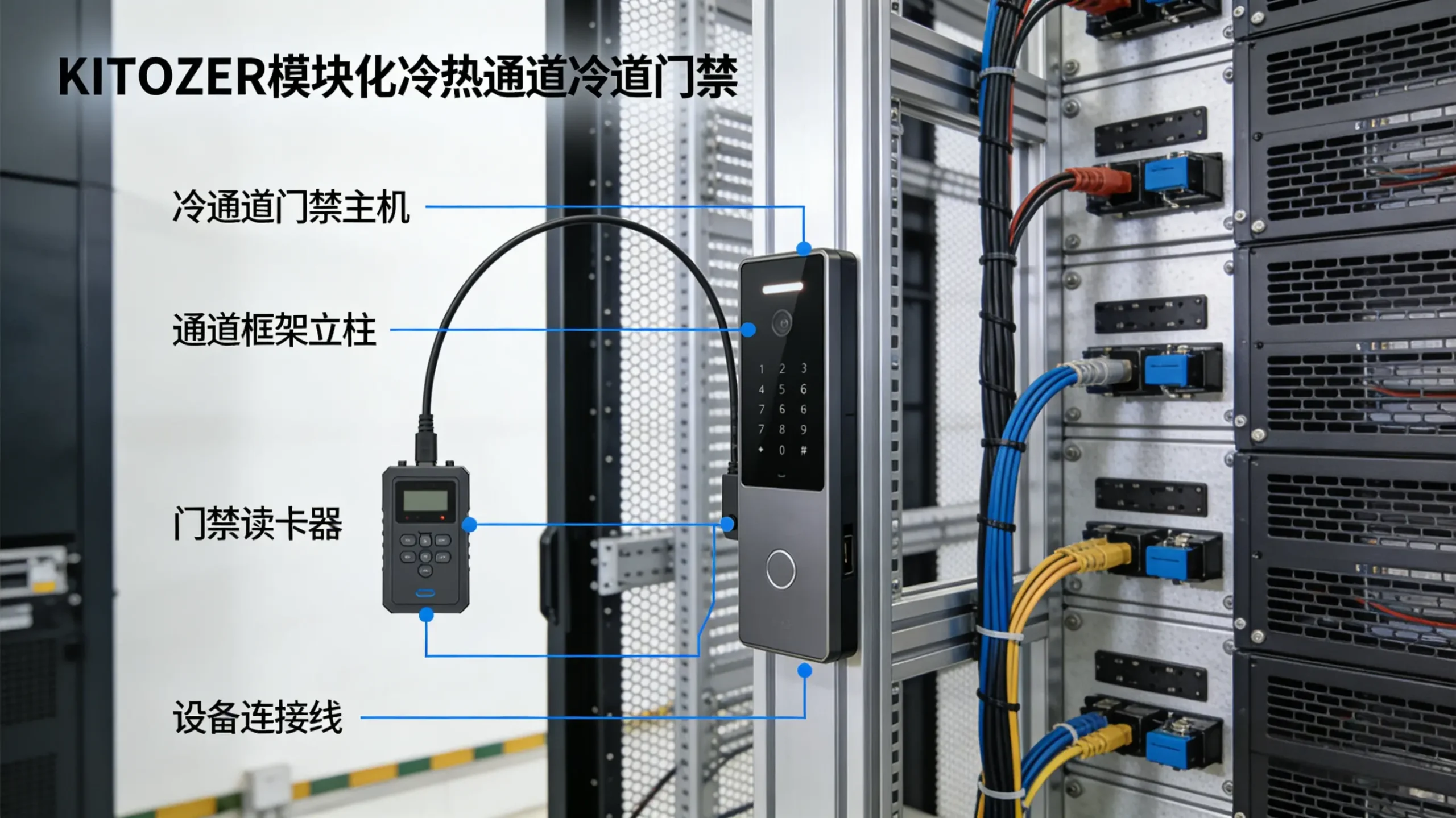
In most cases, yes. Legacy access controllers and cameras with open interfaces — ONVIF for video, standard SDKs or open protocols for access control — are integrated rather than replaced. The first project step is a site survey that inventories every door, camera, controller and intercom point to confirm which devices can be brought onto the unified platform and what firmware or gateway each one needs.
4.2 When does equipment need to be replaced?
Replacement is recommended only when devices lack the required interfaces, are end-of-life, or fail to meet current security standards — for example, cameras below the resolution needed for facial identification or controllers that cannot support the campus card standard. The survey report separates “reuse” from “replace” so the budget is spent where it genuinely improves security.
4.3 How are different vendors connected on one platform?
Through integration gateways and standard interfaces: ONVIF and RTSP for video devices, SDKs and open APIs for access and alarm panels, and protocol converters where a subsystem only speaks a proprietary protocol. Guangzhou Lain handles the integration engineering, so the campus is not locked into any single brand and future devices can be added without rework.
5. AI Analytics and Smarter Monitoring
5.1 What AI analytics are available on the platform?
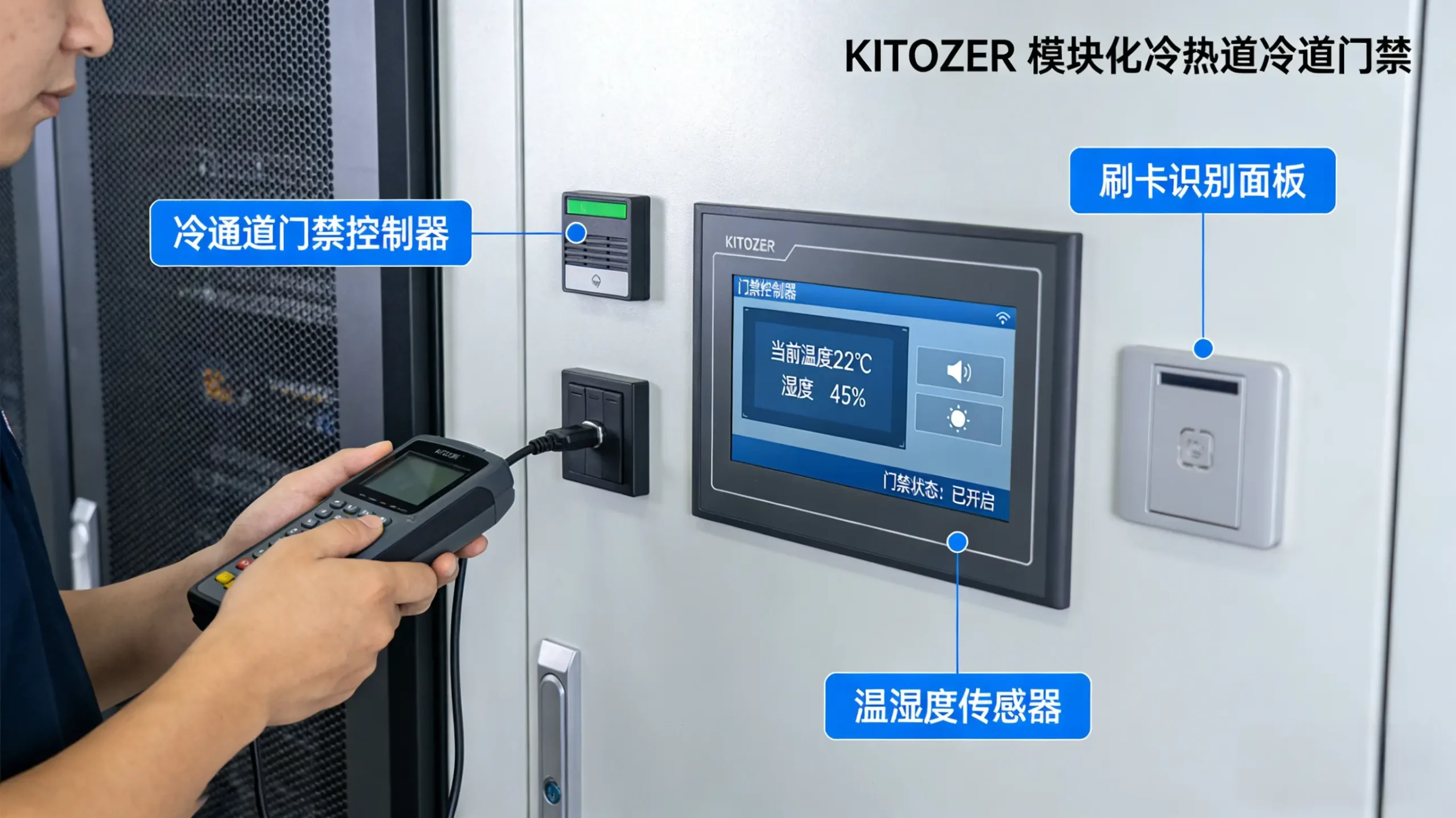
Common modules include face recognition, license-plate recognition, intrusion and line-crossing detection, loitering alerts, people counting and abandoned-object detection. Analytics run on the recorded video stream and raise alarms only when a configured rule is matched, keeping the operator focused on real events instead of watching every screen.
5.2 How is AI applied per site policy with privacy safeguards?
Analytics are configured to match each campus’s own policy — which zones need face recognition, where plate capture is allowed, how long video is retained and who may search it. Access to analytic data is role-based and fully logged, and features can be limited to alerting without storing biometric templates where local regulation requires it.
5.3 What value do analytics add to a campus security team?
They convert cameras from passive recording into active detection: a person crossing a restricted perimeter at night triggers an immediate response instead of being discovered on review days later; a crowd forming at an entrance alerts before congestion becomes a safety issue; and after an incident, search by face, plate or time finds the relevant footage in seconds.
6. Phasing, Deployment and Operation
6.1 Is it possible to phase the project instead of doing everything at once?
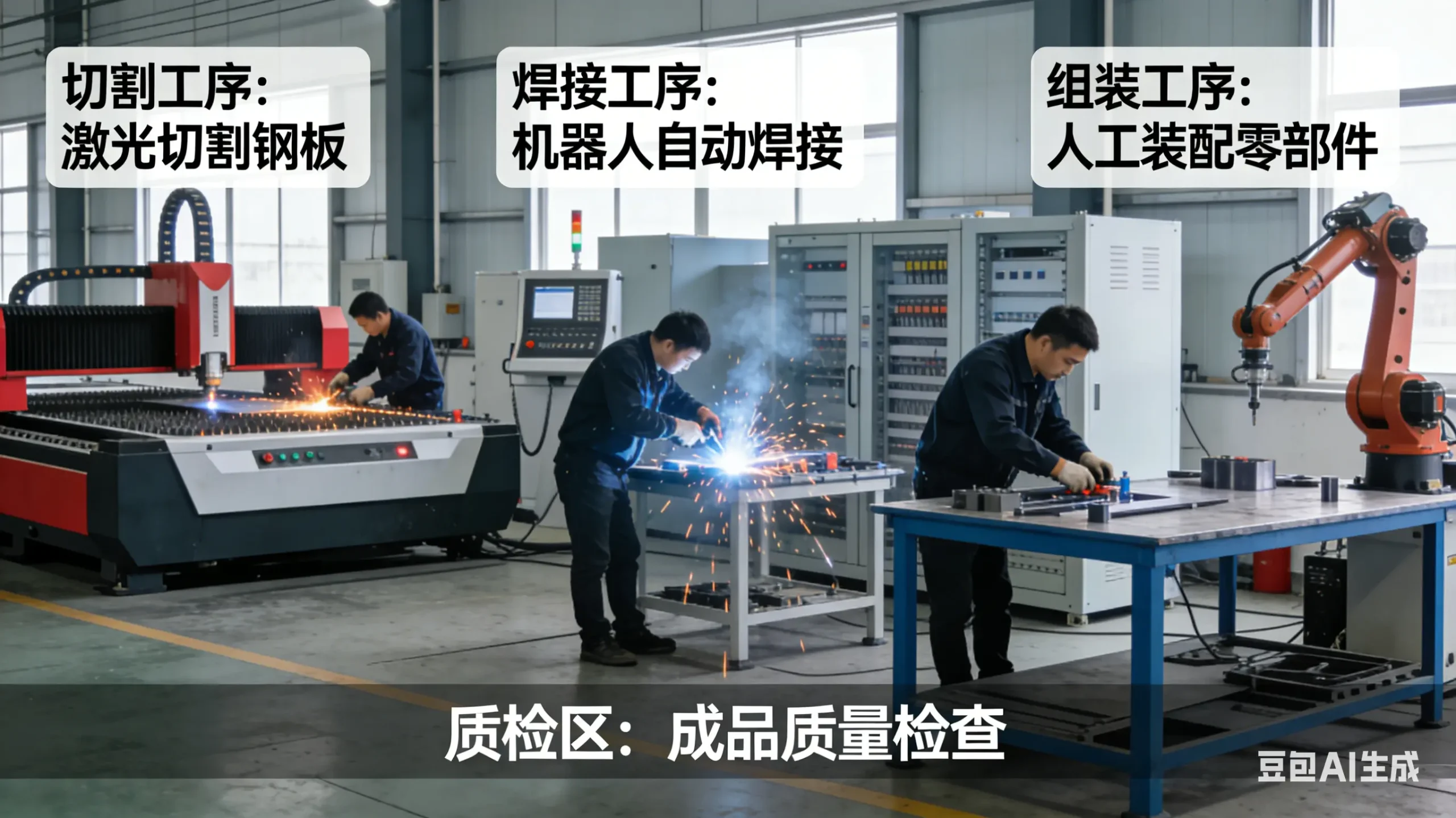
Yes. Integration is phased by building or by subsystem — for example, access control and video on the highest-risk buildings first, then intrusion and intercom, then the remaining campus. Each phase is fully operational on its own and joins the same unified platform, so security improves from day one and later phases extend it as new buildings or subsystems come online.
6.2 How long does a typical campus deployment take?
A single-building pilot deploys in 1-3 weeks; a full campus of several buildings typically takes 4-10 weeks depending on scale and how much new wiring and hardware is required. Because phases are independent, the campus keeps running throughout and early phases fund later ones where budget is released in stages.
6.3 Who operates the system after handover?
Your own security team operates the unified console after structured training — operators, supervisors and administrators each get role-specific sessions. Optional remote support from our engineers covers rule tuning, firmware updates and system health for the first year, so the platform stays effective after the project team leaves.
7. Frequently Asked Questions — Quick Reference
Campus Security Integration FAQ
1. What is campus security integration?
It connects access control, video, intrusion and intercom systems on one platform so operators manage everything from a single console and alarms trigger coordinated actions across subsystems.
2. Why integrate instead of buying separate systems?
Separate systems leave gaps: an access alarm without video cannot be verified, and a camera without access logs cannot identify who was there. Integration closes those gaps and cuts operator workload.
3. Can existing equipment be kept?
Yes — legacy access controllers and cameras with open interfaces (ONVIF, standard SDKs) are integrated rather than replaced; replacement is recommended only when devices lack required interfaces or are end-of-life.
4. How are different vendors connected?
Through integration gateways and standard interfaces such as ONVIF, RTSP, SDKs and open APIs, plus protocol converters for proprietary subsystems — so the campus is not locked into one brand.
5. What AI analytics are available?
Face recognition, license plate recognition, intrusion and line-crossing detection, loitering alerts, people counting and abandoned-object detection — applied per site policy with privacy safeguards.
6. Is it possible to phase the project?
Yes — we phase by building or by subsystem, keeping each phase operational and extending the unified platform as new buildings come online.
7. Who operates it after handover?
Your security team runs the unified console after role-based training; optional remote support covers rule tuning and system health for the first year.
8. How does integration improve security?
Coordinated rules link access, video and alarms — for example a forced-open door triggers recording and notification — so small events are prevented from becoming serious ones.
9. What does integration save?
Fewer consoles and servers, one user database, lower training effort and faster incident investigation because every event already carries its video, access and alarm records.
10. How long does deployment take?
A single-building pilot takes 1-3 weeks; a full campus typically 4-10 weeks, phased so the campus stays operational throughout.
11. Are analytics configurable per site?
Yes — each zone, rule and retention period is configured to match the campus policy, with role-based access and full logging of analytic data.
12. Can new buildings be added later?
Yes — each new building or subsystem joins the same unified platform through the same integration interfaces, extending coverage without rework.
8. Related Solutions
- Campus Security Integration: Complete Guide
- Video Surveillance, Access Control & Alarm Solutions
- Cabinet Access Control FAQ
- Data Center Monitoring System
- Data Center Solutions
About Guangzhou Lain Intelligent System Development Co., Ltd.
Guangzhou Lain Intelligent System Development Co., Ltd. delivers campus security integration for education, healthcare, industrial and commercial estates — access control, video, alarms and intercom on one unified platform, from survey to handover. From single rooms to enterprise facilities, KITOZER provides design, manufacturing, integration, testing and after-sales service under one roof and exports worldwide.
Contact us for a free technical consultation:
- Company: Guangzhou Lain Intelligent System Development Co., Ltd.
- Address: 1st Floor, Building A, Chaotian Industrial Park, Zhongrun Industrial Park, Shilou Town, Panyu District, Guangzhou, Guangdong, China
- Tel/WeChat: +86 135-0923-8849 | +86 135-0923-8849
- WhatsApp: +86 135-0923-8849
- Email: zl19068534140@gmail.com
- Website: www.gdlain.com | Request a Quote
Typical response time: within one business day. Project references, drawings and samples are available on request.