1. Overview: Cold Chain Needs a Reliable Box
Cold chain moves perishable goods — food, pharmaceuticals, vaccines, biological samples, cut flowers — through controlled temperature environments from production to final delivery. Every link in the chain matters: a single unplanned warm period can spoil an entire batch of food or destroy vaccines worth far more than the container that holds them.
A cold-chain container is a self-contained, insulated, refrigerated unit that maintains a set temperature range wherever power is available. It works equally well as a standalone storage room, a mobile cold room at a market or event, a temporary vaccine store, or a field cold room at a farm or fishing port. Guangzhou Lain Intelligent System Development Co., Ltd. supplies cold-chain containers with precision temperature control, monitoring and data logging built in. This guide explains design, technology, sizing and compliance.
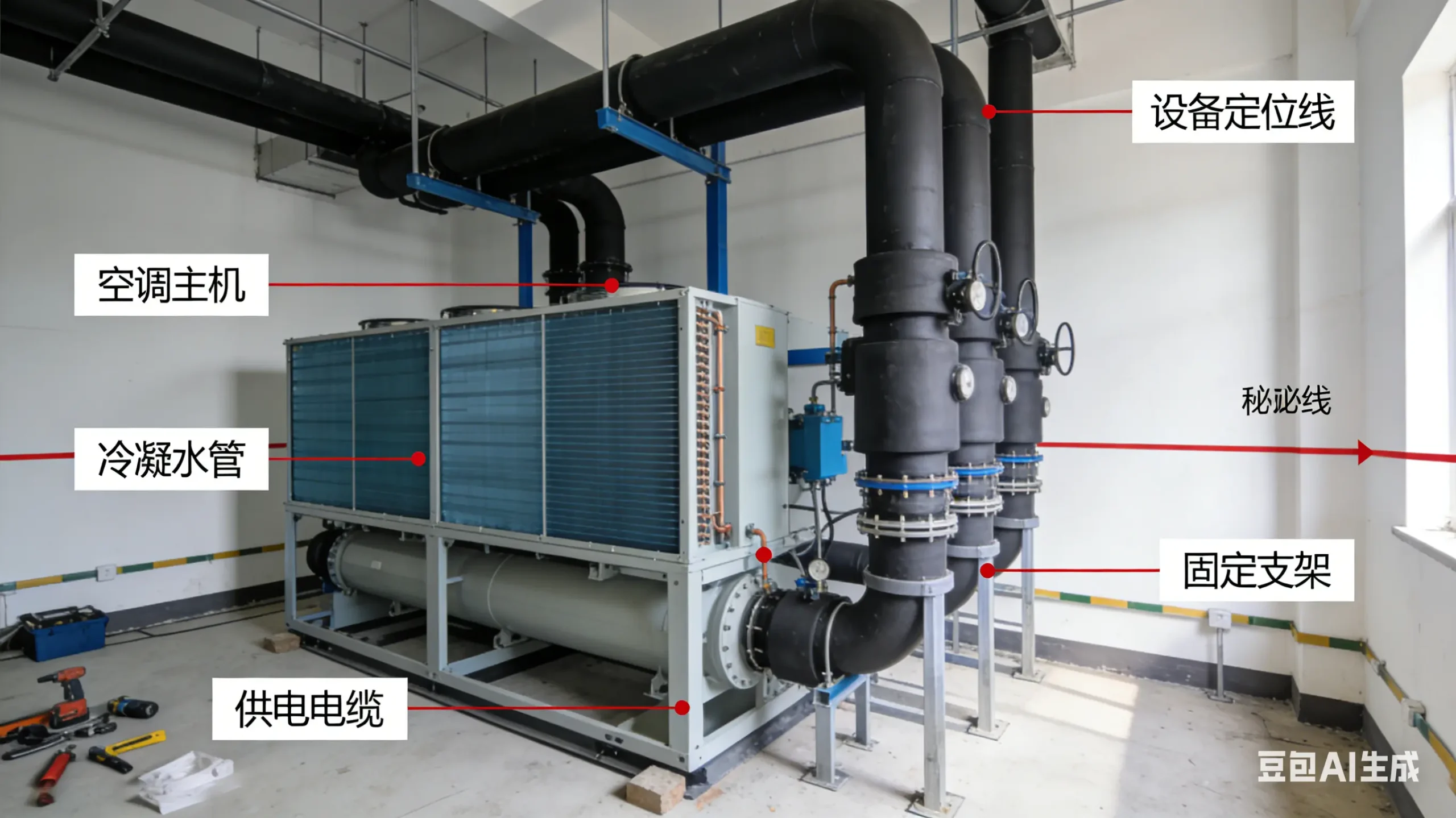
2. Temperature Classes and Typical Applications
| Class | Temperature Range | Typical Cargo |
|---|---|---|
| Ambient / dry | +15 to +25 C | Packaged foods, textiles, general goods |
| Chilled (fresh) | +2 to +8 C | Dairy, meat, produce, pharmaceuticals |
| Frozen | -18 to -25 C | Frozen food, ice cream, seafood |
| Deep freeze | -40 to -60 C | Research samples, some biologics |
| Pharma / vaccine | +2 to +8 C or -20 C | Vaccines, insulin, diagnostics |
Selection starts from the cargo’s required temperature band, the volume to be stored, and how long the container must hold temperature during power outages or door openings.
3. Construction: The Envelope Does Half the Work
- Insulated panels — high-density polyurethane foam injected between steel or aluminum skins; typical insulation thickness 60-100 mm keeps heat gain low.
- Sealed floor — leak-proof, easy-to-clean floor with drainage for defrost and wash-down.
- Refrigeration door — insulated door with cam locks and gaskets; optional strip curtains or air curtain for frequent access.
- Forklift pockets and corner castings — allow transport and stacking like a standard container.
- Air circulation — floor or ceiling ducting keeps temperature uniform even when fully loaded.
Container-style construction makes the unit relocatable: it can be delivered by truck, craned onto a site, and moved again when requirements change — no building permit, no permanent civil works.
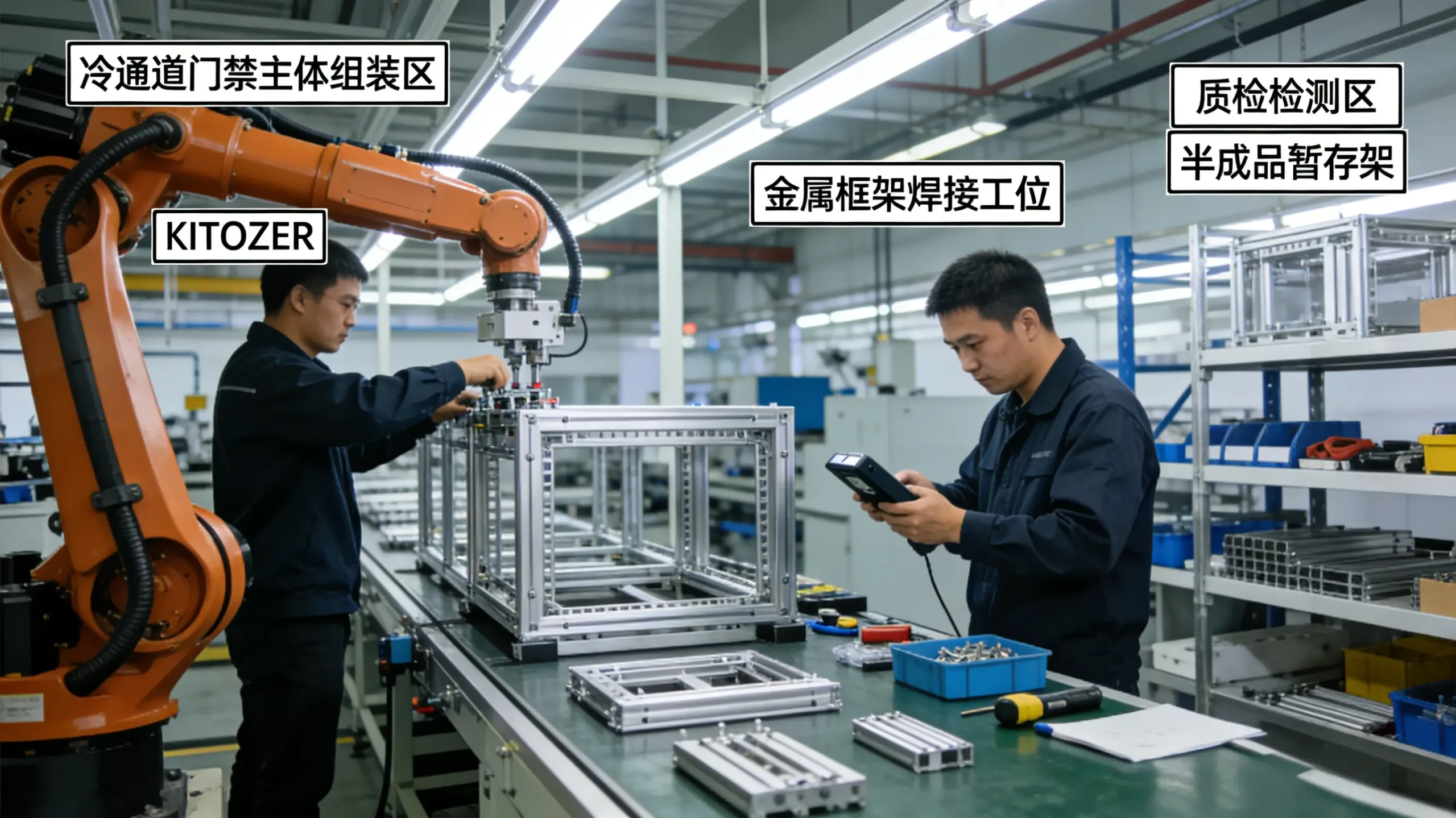
4. Refrigeration Systems
4.1 Compressor Refrigeration
Standard systems use a hermetically sealed compressor with R134a or R404A refrigerant, sized for the container volume and ambient conditions. Units run on 220/380V AC and maintain setpoint with thermostat control, switching between cooling and defrost automatically.
4.2 Dual-Power and Standby
For sites with unreliable mains, containers can be fitted with dual power input (mains + generator changeover) or integrated battery/UPS backup for the controller and monitoring, so even a full power loss triggers alarms rather than silent drift.
4.3 Solar-Ready Options
Remote cold stores — farms, fishing sites, health posts — can pair the container with a solar-plus-battery system sized for the refrigeration load, making cold storage possible where no grid exists.
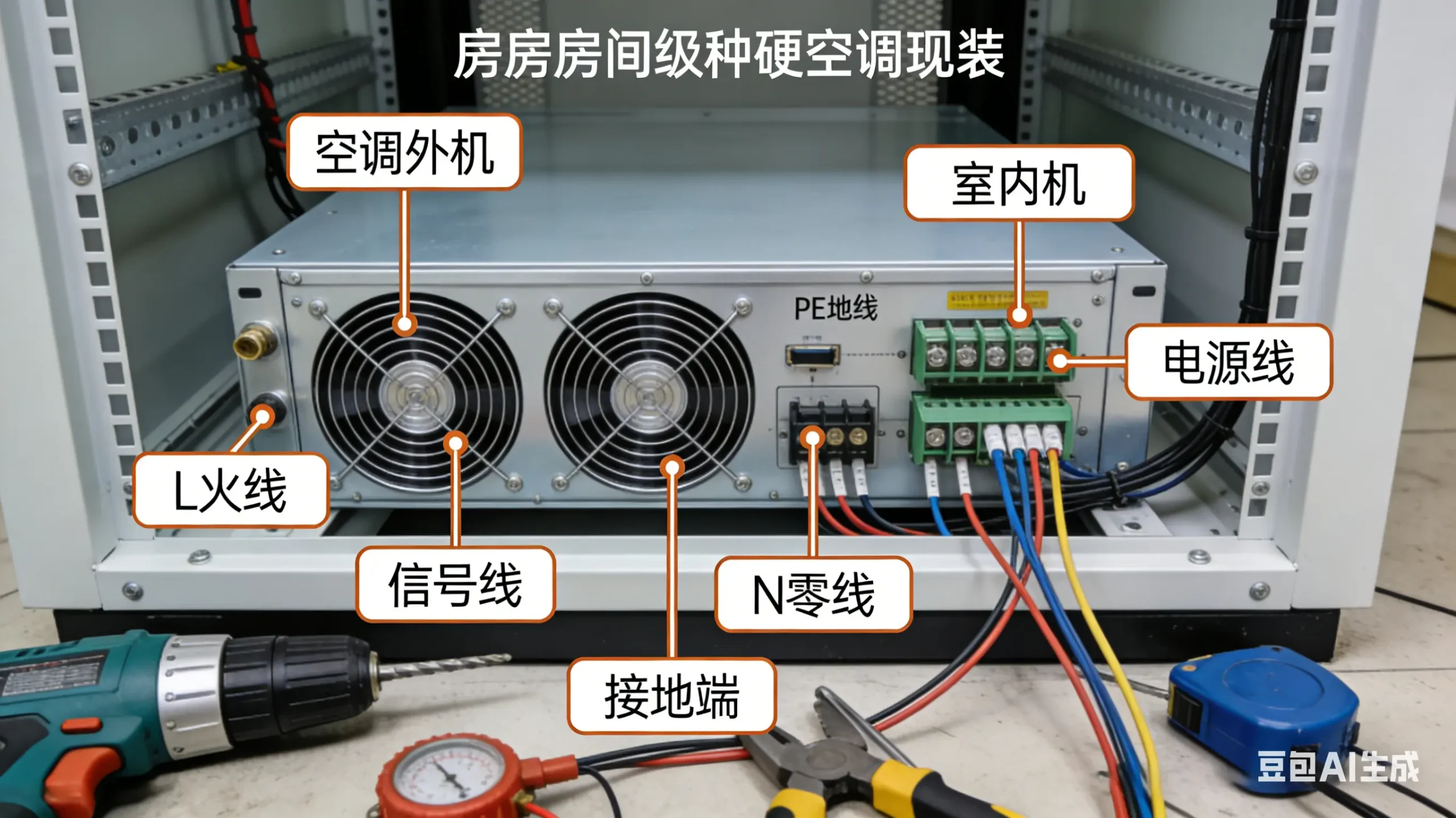
5. Monitoring, Logging and Alarm
Temperature alone is not enough — the chain needs evidence. Lain cold-chain containers integrate sensors for temperature and humidity, a local controller with display, and connectivity for remote visibility:
- Continuous temperature logging with exportable records for audits and cold-chain compliance.
- High/low temperature, power failure, door-open and unit-fault alarms — local sounder plus SMS/email/WeChat/WhatsApp notification.
- Remote dashboard showing live conditions, unit status and history.
- Optional multi-point sensors for larger units to verify uniformity, and calibrated sensor certificates on request.
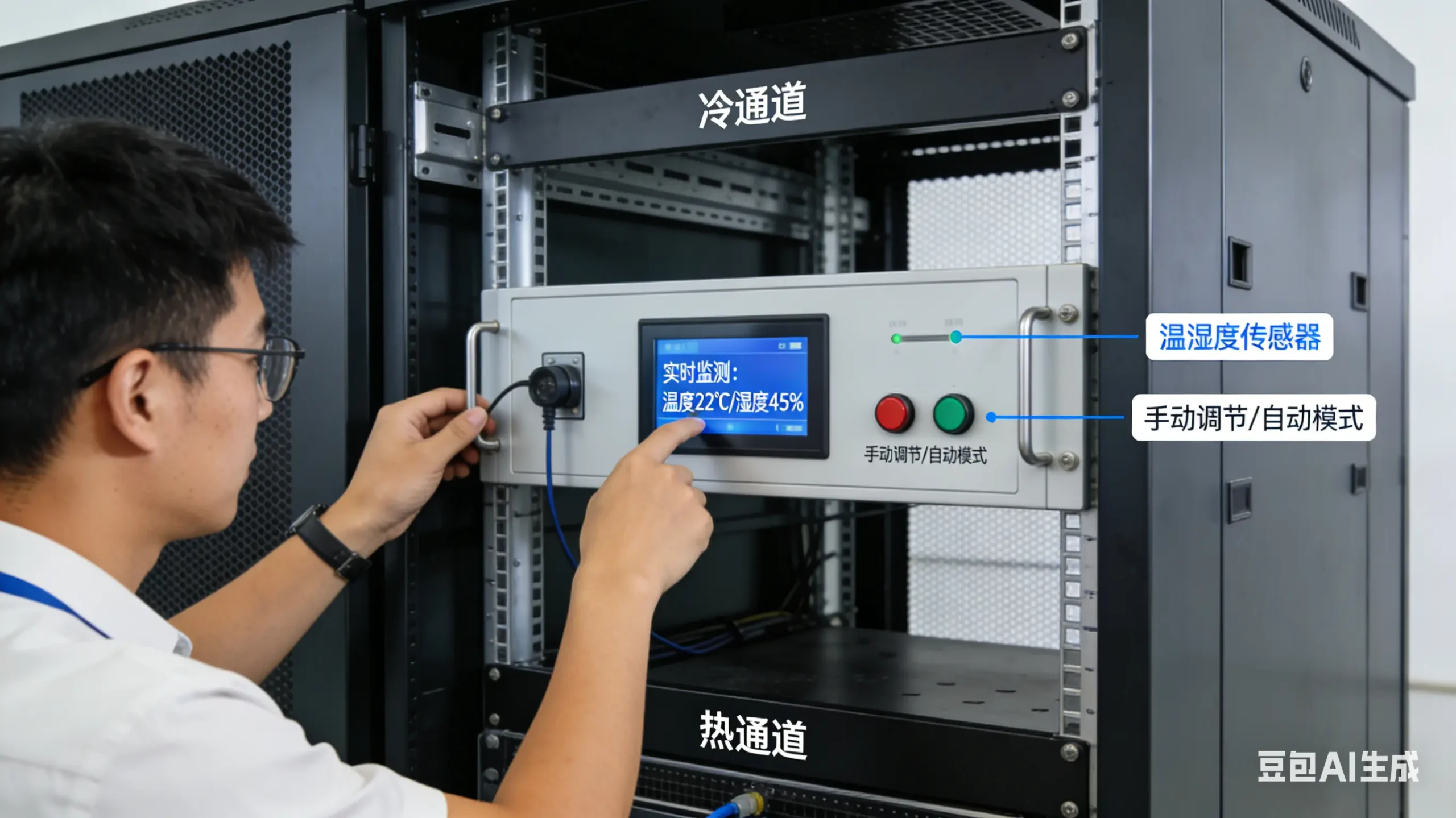
6. Sizing and Configuration
Capacity is quoted in cubic meters of usable space and by pallet positions. A 10 ft unit suits small pharmacies and restaurants; 20 ft and 40 ft units serve wholesale, distribution and field operations. Internal fit-out can include shelving, partitioned zones (chill + frozen in one unit), floor racks for air flow, and anti-slip flooring.
7. Compliance and Validation
For pharmaceutical and vaccine use, customers commonly require qualification support: temperature mapping of the loaded container, sensor calibration certificates, and documentation aligned with WHO/PICS GDP expectations. KITOZER provides test certificates per unit and supports on-site mapping so the container arrives with documented performance.

8. Frequently Asked Questions
Cold Chain Container FAQ
1. What temperature ranges can a cold-chain container maintain?
Standard units maintain chilled (+2 to +8 C), frozen (-18 to -25 C) and deep-freeze ranges; multi-temperature partitions allow chill and frozen zones in one container.
2. What sizes are available?
Common sizes are 10 ft, 20 ft and 40 ft containers, quoted by usable cubic meters and pallet positions; internal fit-out is configured to the cargo.
3. How long does the container hold temperature during a power cut?
With the door closed, an insulated container holds temperature for many hours; battery-backed controllers keep monitoring and alarms live, and standby generator or solar options extend runtime indefinitely.
4. Can it run on single-phase power?
Smaller units can run on 220V single phase; larger refrigeration loads typically use 380V three phase. Dual-power input with automatic changeover is available.
5. How is temperature monitored and recorded?
Continuous sensors log temperature and humidity; records are exportable for audits. Alarms notify duty staff by SMS, email or messaging apps on high/low temperature, power failure or door-open events.
6. Is the container suitable for vaccines and pharmaceuticals?
Yes — with +2 to +8 C or -20 C operation, calibrated sensors, temperature mapping support and documentation aligned with cold-chain good practice.
7. Can the container be moved later?
Yes — container construction with corner castings and forklift pockets means it can be transported and relocated with standard equipment.
8. How is air kept uniform when fully loaded?
Floor or ceiling ducting and fan circulation move air around palletised loads; loading guides and floor racks prevent blocking the air path.
9. What maintenance does the refrigeration unit need?
Scheduled checks of the compressor, condenser cleaning, door gaskets and defrost function; KITOZER provides service documentation and spare parts.
10. Does Lain support installation and commissioning?
Yes — delivery, positioning, power connection and commissioning can be arranged, including on-site temperature mapping if required.
9. Related Solutions
- Climate-Controlled Container
- Accommodation Container
- Military Operations Container
- General Outdoor Cabinets
- Data Center Turnkey Integration
About Guangzhou Lain Intelligent System Development Co., Ltd.
Guangzhou Lain Intelligent System Development Co., Ltd. supplies cold-chain containers, temperature-controlled enclosures and environmental monitoring systems for food, pharma and industrial applications worldwide. From single rooms to enterprise facilities, KITOZER provides design, manufacturing, integration, testing and after-sales service under one roof and exports worldwide.
Contact us for a free technical consultation:
- Company: Guangzhou Lain Intelligent System Development Co., Ltd.
- Address: 1st Floor, Building A, Chaotian Industrial Park, Zhongrun Industrial Park, Shilou Town, Panyu District, Guangzhou, Guangdong, China
- Tel/WeChat: +86 135-0923-8849 | +86 135-0923-8849
- WhatsApp: +86 135-0923-8849
- Email: zl19068534140@gmail.com
- Website: www.gdlain.com | Request a Quote
Typical response time: within one business day. Project references, drawings and samples are available on request.