1. Overview: Stable Climate for Sensitive Equipment, Anywhere
Batteries, electronics, telecom gear, laboratory instruments and stored materials share one requirement: a stable environment. Temperature swings age batteries and electronics, humidity causes condensation and corrosion, dust shortens equipment life — and at remote sites, the outdoor climate is exactly the opposite of what the equipment needs. A climate-controlled container solves this by putting precision environmental control around the equipment, in a transportable, factory-integrated module.
Guangzhou Lain Intelligent System Development Co., Ltd. integrates climate control into containers and shelters — from thermal design to complete turnkey modules — for battery energy storage, telecom shelters, electrical rooms, laboratories and remote facilities. This guide explains what is controlled, how capacity is calculated and how units are delivered.
2. What Is Controlled
2.1 Temperature
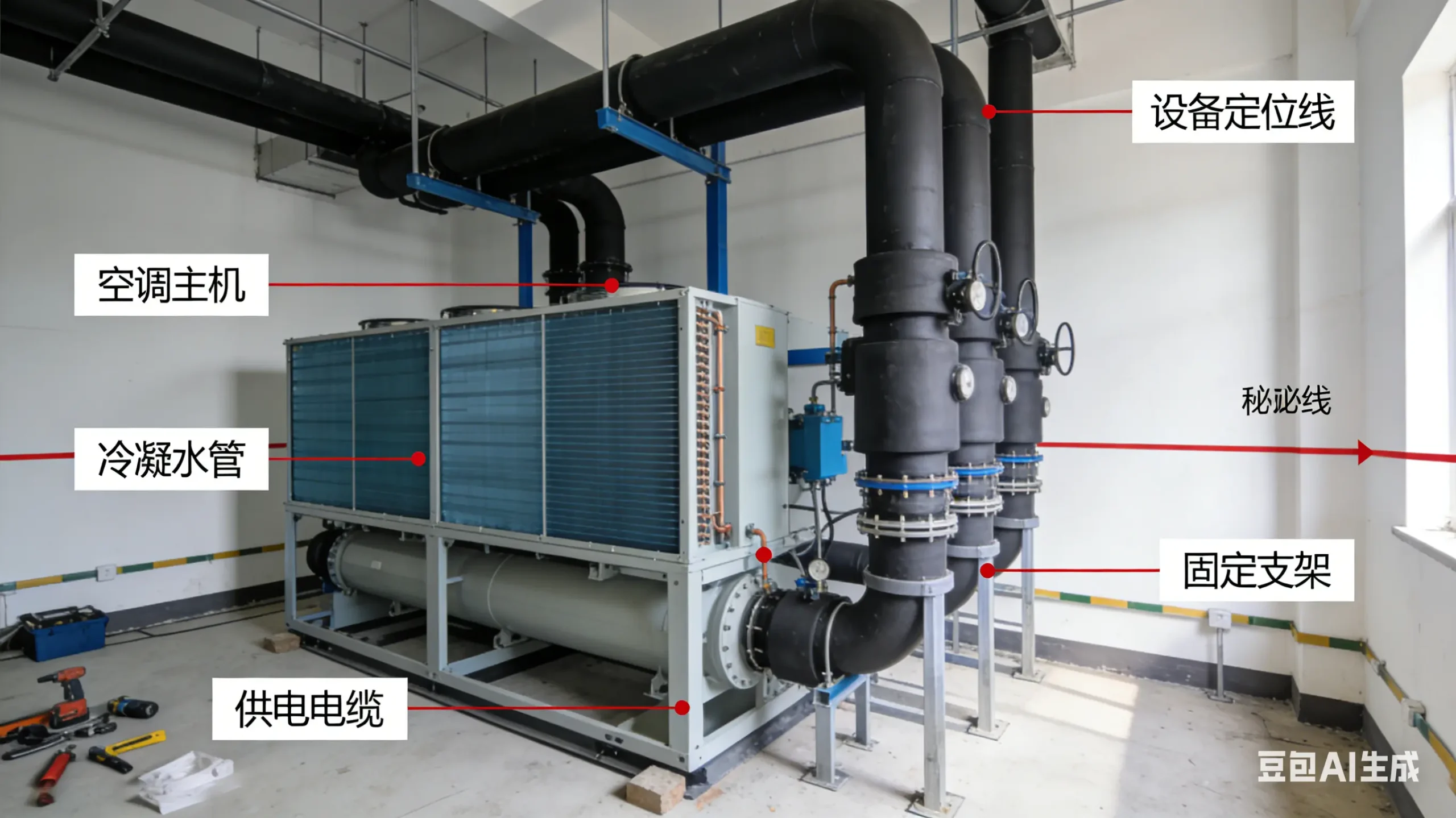
Precision cooling (and heating in cold climates) is sized to the internal heat load plus solar gain. Typical targets: 15-35°C for electrical and battery rooms; tighter bands for laboratories and sensitive storage. Cooling is selected for the site’s worst-case ambient — a unit sized for 25°C will fail in a 45°C desert summer.
2.2 Humidity
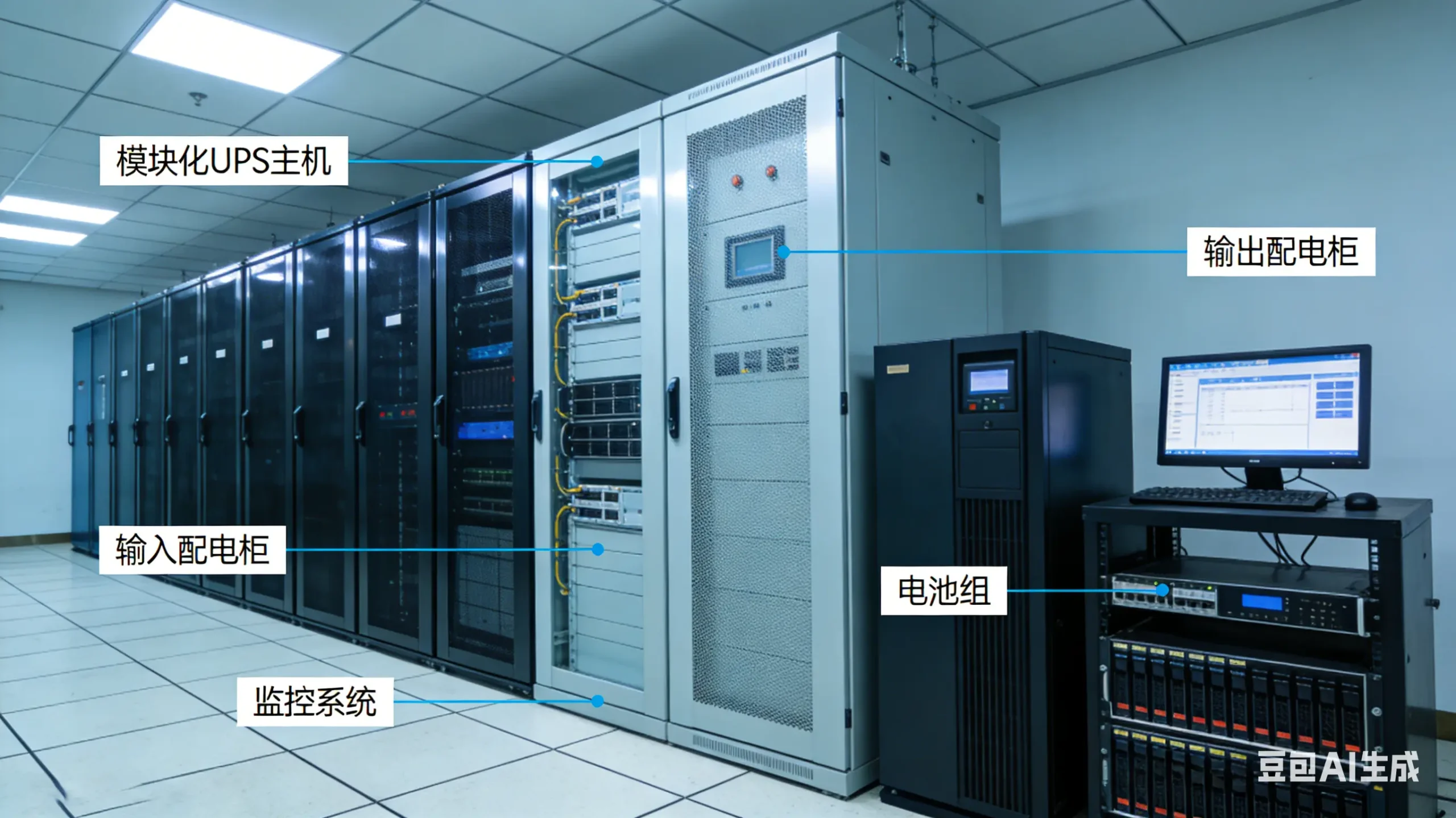
Dehumidification or humidification keeps moisture in the safe band: too high causes condensation and corrosion on terminals and electronics; too low raises electrostatic risk. Stable humidity is especially important for battery rooms, where corrosion directly shortens life.
2.3 Ventilation and Air Quality
Controlled fresh-air and exhaust handle battery gas, personnel occupancy and heat removal; filtration protects equipment in dusty environments. Positive pressure and higher-grade filtration are options for sensitive or clean applications.
2.4 Zoning
Partitioned containers control different areas independently — a battery room at 25°C and an equipment room at 20°C in one footprint, with separate setpoints and airflow.
3. Applications
| Application | Key Requirement |
|---|---|
| Battery energy storage (BESS) | Cell temperature directly affects life and safety; tight control plus battery gas ventilation |
| Telecom and power shelters | Wide-climate operation with remote monitoring |
| Electrical and control rooms | Prevent condensation, corrosion and overheating |
| Laboratories and mobile medical | Tight tolerance with monitoring and backup |
| Water treatment and industry | Harsh ambient isolation for control electronics |
4. Thermal Design and Sizing
Cooling capacity is calculated from four components: equipment heat load (power draw), container surface gain (insulation performance), solar load (sun exposure, container color and orientation) and ventilation load. Heating capacity is added for cold climates. Guangzhou Lain documents the thermal balance for every project — the calculation is not a guess, it is a deliverable.
5. Power, Backup and Monitoring
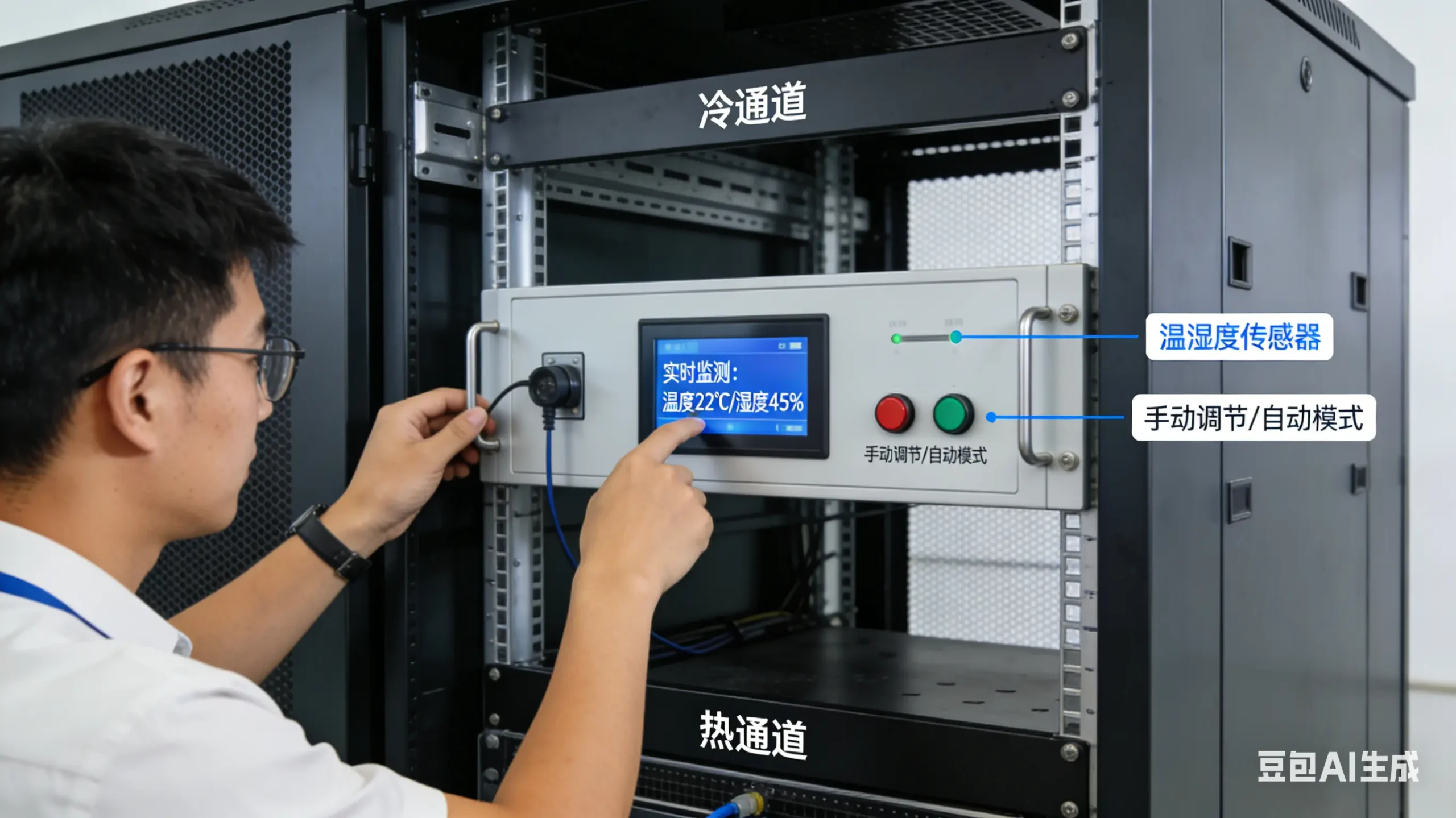
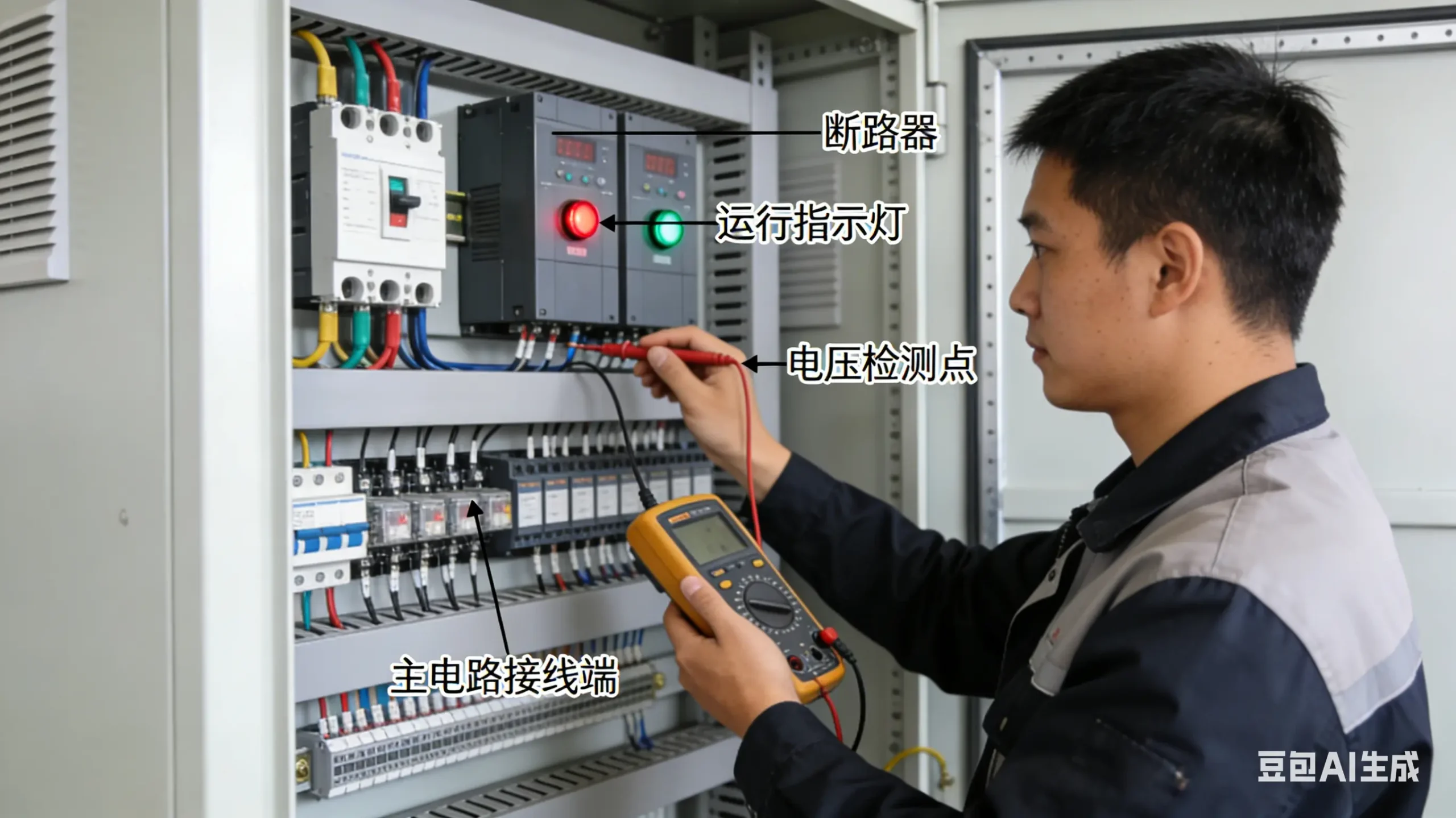
Units run on mains with generator or battery backup depending on the application; monitoring covers climate data, unit status and alarms — high/low temperature, cooling failure and humidity limits — reporting to the site platform with automatic backup-cooling start where configured. Fire and gas detection integrate per application (for example battery gas detection in BESS containers), and remote management is standard for unattended sites.
6. Factory Integration and Delivery
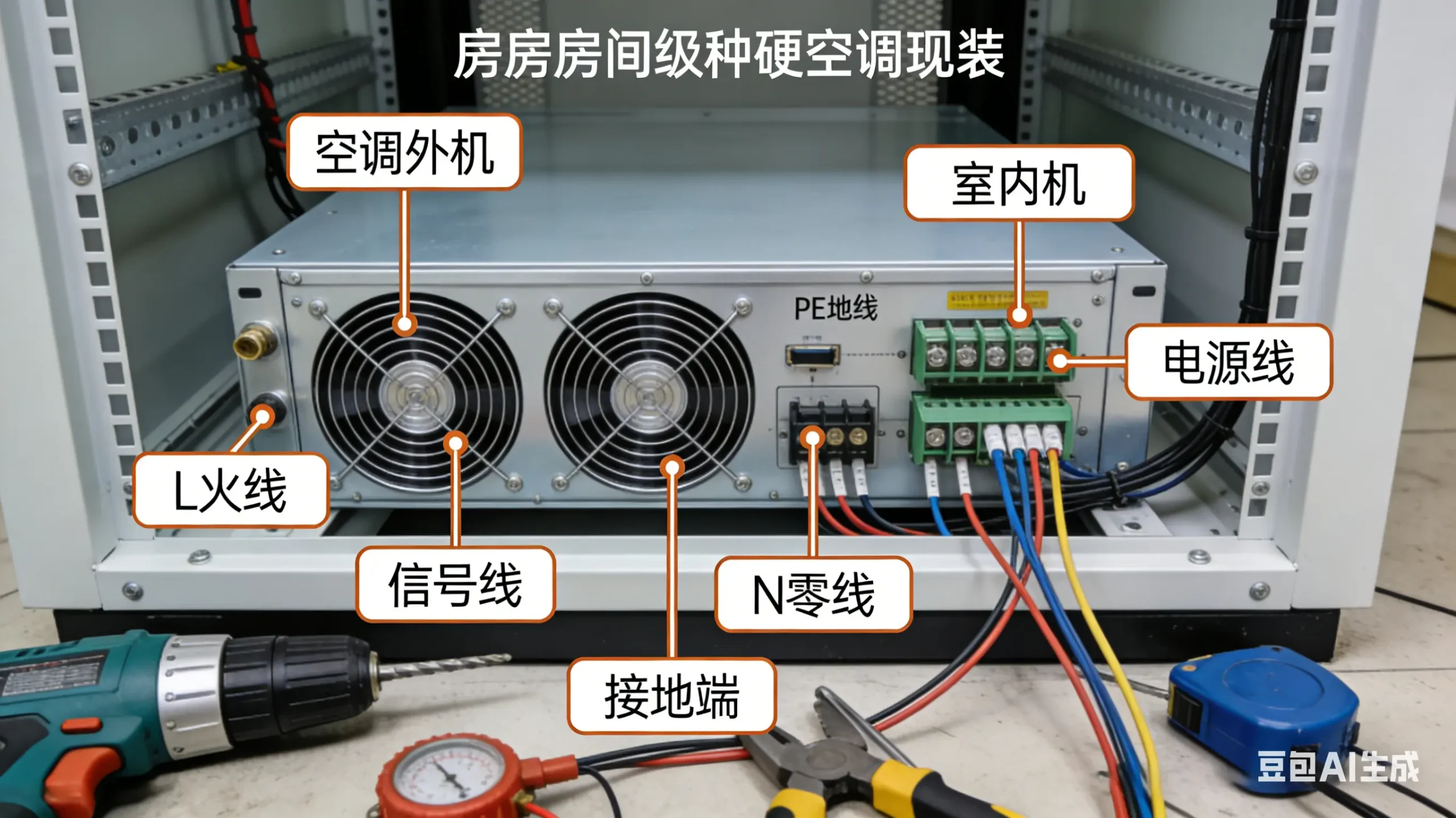
Each container is built and tested at the factory: insulation, climate units, electrical distribution, monitoring and safety systems are integrated as one unit, then heat-run tested before delivery. On site, the module needs only foundation, power and network connection — deployment takes days, not months, and the container can move when the operation moves.
7. Frequently Asked Questions
Climate-Controlled Container FAQ
1. What is a climate-controlled container?
It is a container or shelter equipped with precision cooling/heating, humidity control and ventilation to keep internal conditions stable for sensitive equipment such as batteries, electronics or laboratory instruments.
2. Which applications need one?
Battery energy storage, telecom and power shelters, electrical rooms in harsh climates, laboratories, mobile medical and research facilities.
3. How is cooling capacity calculated?
From internal heat load (equipment power), container surface gain, solar load and target temperature; heating is added for cold climates. The thermal balance is documented per project.
4. Why is humidity control important for batteries?
High humidity causes condensation and corrosion on terminals and electronics; low humidity raises static risk. Stable humidity extends battery life and reduces maintenance.
5. What happens if the cooling unit fails?
The monitoring system alarms immediately; optional redundant units or backup cooling start automatically and duty staff are notified.
6. Can one container have different climate zones?
Yes — partitioned containers control battery and equipment areas separately with independent setpoints and airflow.
7. How long does delivery take?
Factory build and testing typically take 4-8 weeks depending on configuration; on-site deployment is usually 1-2 weeks.
8. Can it be transported after installation?
Yes — modules use standard container logistics and can be relocated as operations change.
9. What monitoring is included?
Climate data, unit status and alarms report to a local display and remote platform, with optional backup-cooling automation.
10. Is solar power supported?
Yes — solar hybrid systems with battery storage are available for remote sites without reliable mains.
11. What documentation is provided?
Thermal calculations, electrical drawings, factory test reports, as-built documentation and operating manuals.
12. Do you support extreme climates?
Yes — insulation, heating and cooling are selected for site conditions from arctic to tropical.
8. Related Solutions
- Edge Computing Container
- Cold-Chain Container
- Containerized Solutions
- General Outdoor Cabinets
- Data Center Monitoring System
About Guangzhou Lain Intelligent System Development Co., Ltd.
Guangzhou Lain Intelligent System Development Co., Ltd. manufactures climate-controlled containers and shelters for energy storage, telecom, industry and laboratories worldwide. From single rooms to enterprise facilities, KITOZER provides design, manufacturing, integration, testing and after-sales service under one roof and exports worldwide.
Contact us for a free technical consultation:
- Company: Guangzhou Lain Intelligent System Development Co., Ltd.
- Address: 1st Floor, Building A, Chaotian Industrial Park, Zhongrun Industrial Park, Shilou Town, Panyu District, Guangzhou, Guangdong, China
- Tel/WeChat: +86 135-0923-8849 | +86 135-0923-8849
- WhatsApp: +86 135-0923-8849
- Email: zl19068534140@gmail.com
- Website: www.gdlain.com | Request a Quote
Typical response time: within one business day. Project references, drawings and samples are available on request.