1. Overview: What This FAQ Covers
Cold-chain containers are factory-built refrigerated containers and cold-room modules that keep perishable goods — food, pharmaceuticals, vaccines and other temperature-sensitive products — within a controlled temperature range anywhere in the supply chain. Each unit combines insulated construction, refrigeration equipment, power backup and continuous temperature monitoring, so goods stay safe from the producer’s door to the final cold store.
This page answers the questions logistics managers, cold-store operators, pharmaceutical distributors and project buyers ask when selecting, deploying or expanding refrigerated container capacity. Guangzhou Lain Intelligent System Development Co., Ltd. designs and builds cold-chain containers and monitoring systems; the answers below reflect our standard practice and delivery experience.
2. What a Cold-Chain Container Is
2.1 What is a cold-chain container?
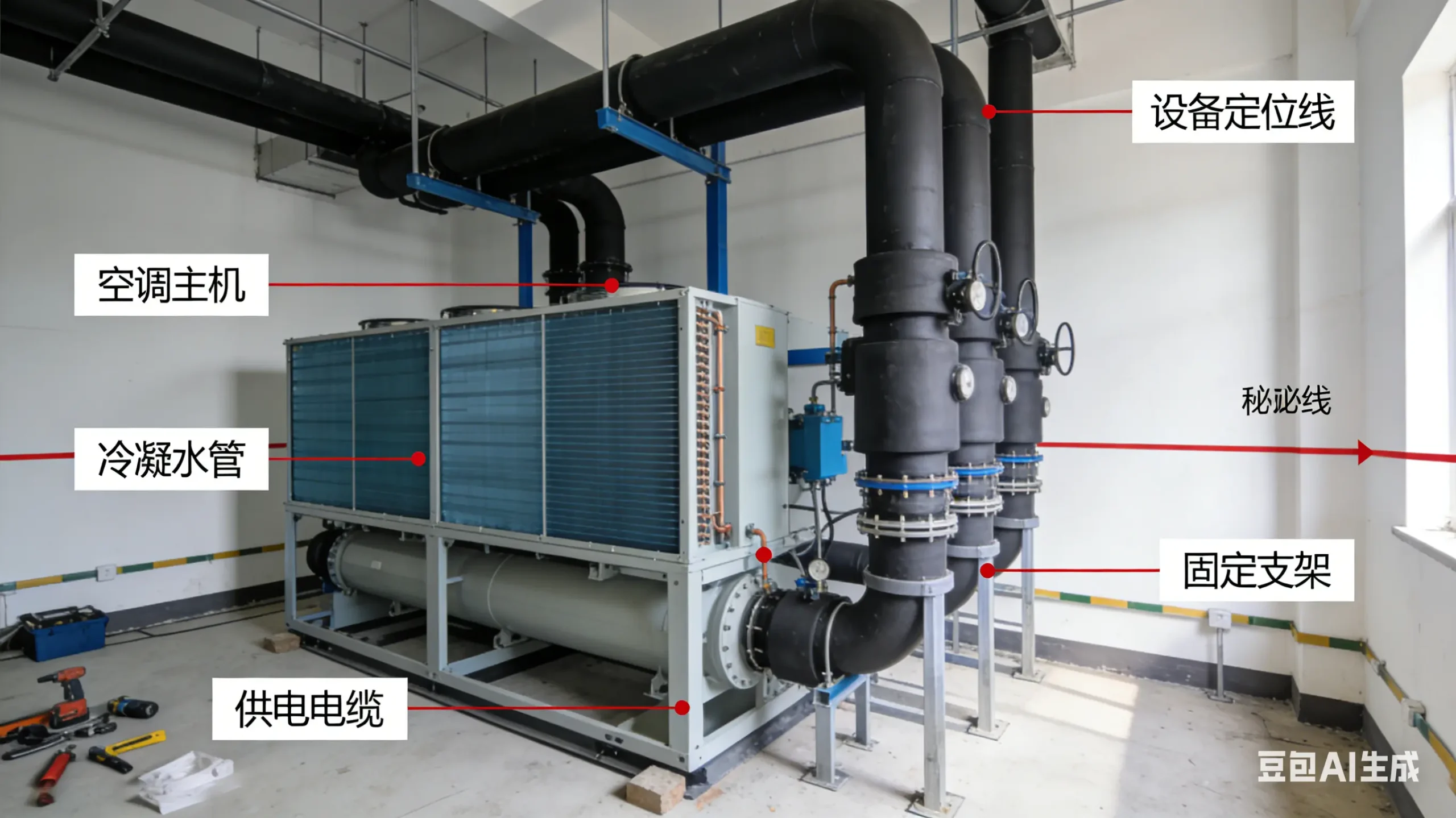
A cold-chain container is a self-contained, factory-built refrigerated volume: a container or modular cold-room with high-performance insulation panels, a refrigeration unit, power distribution, backup capability and sensors. It is delivered ready to operate, connected to power, and used for chilled or frozen storage where a permanent cold room is not available or where capacity must be flexible and relocatable.
2.2 How is it different from a normal refrigerated truck or built-in cold room?
Unlike a truck, it is a stationary storage volume; unlike a brick cold room, it is factory-built, standardized, relocatable and quick to deploy. That makes it ideal for seasonal peaks, remote sites, temporary projects, export staging and fast-expanding businesses that cannot wait months for construction.
2.3 Where in the supply chain is it used?
Cold-chain containers appear at every stage: at farms and packing houses for pre-cooling, at distribution centres for holding stock, at the final retail or catering site for backup storage, and at ports or border crossings as inspection and staging rooms. Because the unit is standardized, the same design serves each role with only configuration changes.
3. Temperature Ranges and Configurations
3.1 What temperature ranges are available?
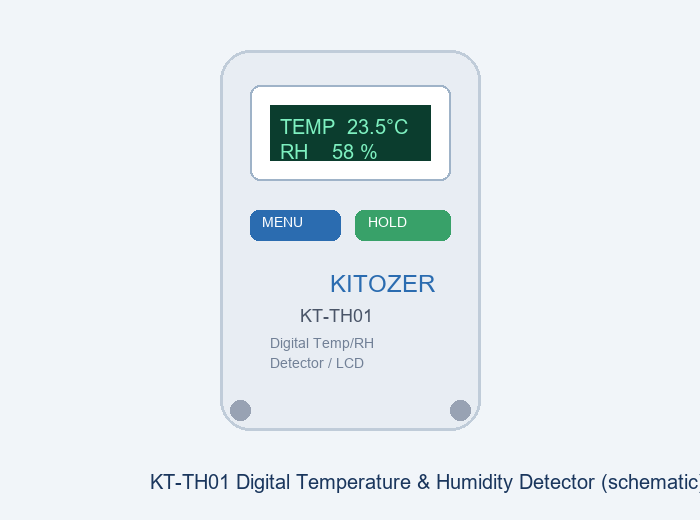
Common ranges are: chilled 2-8°C for fresh produce, dairy and many pharmaceuticals; frozen -18 to -25°C for meat, seafood and prepared foods; deep-freeze down to -40°C for certain medical and laboratory products; and ambient or dual-zone configurations where one container holds chilled and frozen sections at the same time for mixed loads.
3.2 Can one container hold different temperatures at once?
Yes — dual-zone units divide the interior with an insulated partition and run separate temperature control per zone, so a single container can carry chilled produce and frozen goods together. Each zone has its own sensor, set point and alarm, and the control system manages both refrigeration circuits independently.
3.3 How is the right range chosen for a product?
The deciding factors are the product’s required storage temperature, allowable fluctuation, and any regulatory requirements such as GDP or GSP for pharmaceuticals. The specification starts from the product’s label requirements and adds margin for door openings, defrost cycles and ambient conditions, then the unit and monitoring set points are configured to hold the required band reliably.
4. Monitoring, Alarms and Compliance
4.1 How is temperature monitored inside the container?
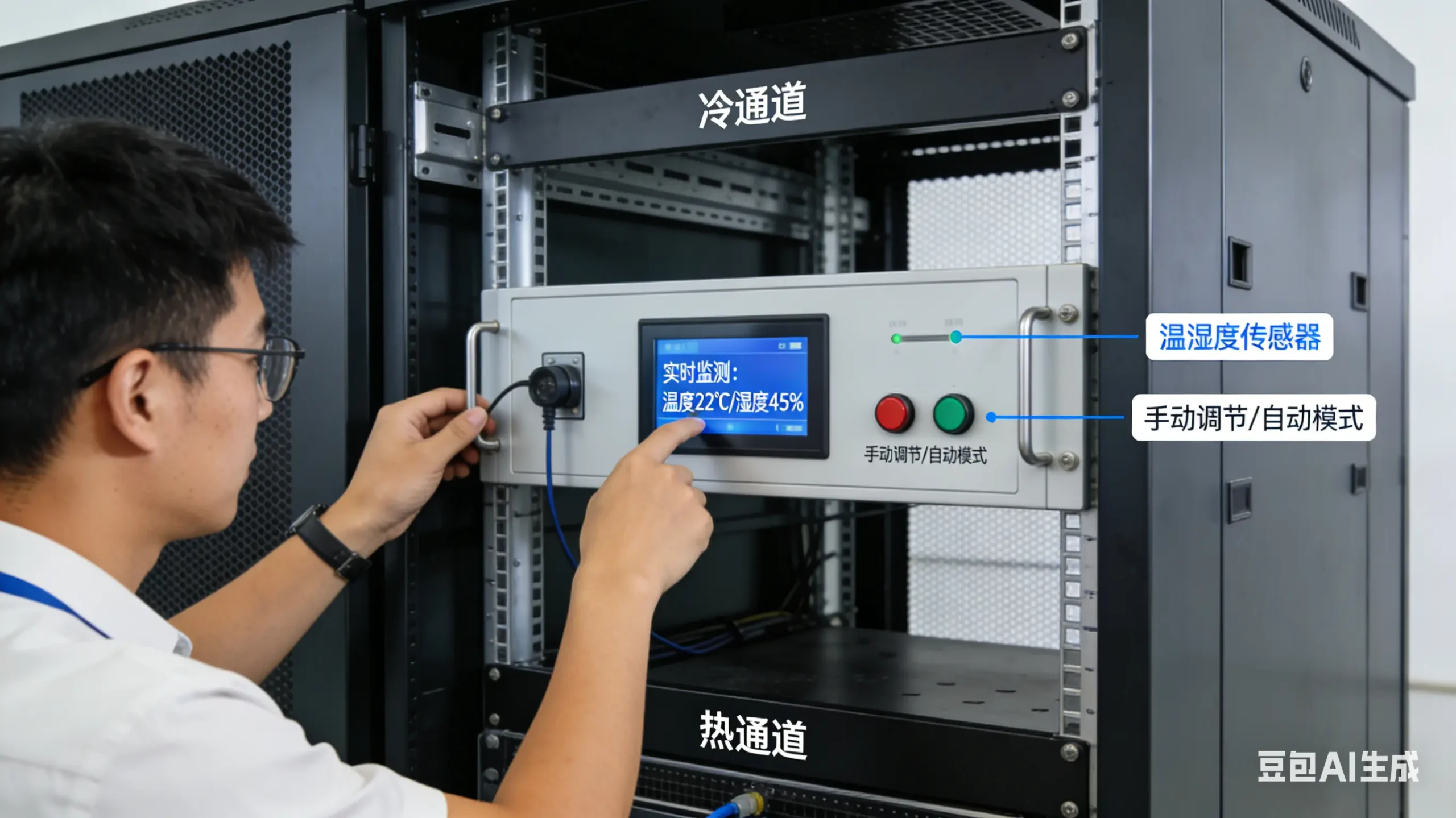
Multiple calibrated sensors are placed at representative points — supply air, return air and product zones — and record temperature continuously. Readings are transmitted to a cloud platform over the network or 4G, giving the operator a live view of every container from a phone or computer rather than relying on a local display that nobody checks.
4.2 What happens when a limit is breached?
Alarms are sent immediately by SMS, WeChat/WhatsApp or email to the responsible person, so a failing unit is acted on before the goods are lost. Alarm thresholds include high and low temperature, rate-of-change, power loss, door-open duration and communication failure — each configurable per container and per product.
4.3 Do the records support audits and compliance?
Yes — the platform keeps continuous, tamper-resistant temperature logs with exportable reports for compliance audits, customer proof-of-cold-chain and dispute resolution. For regulated goods the logging and alarm configuration follow GDP/GSP expectations, giving distributors the documentation they need without manual charting.
5. Power Failure and Backup Behaviour
5.1 What happens during a power failure?
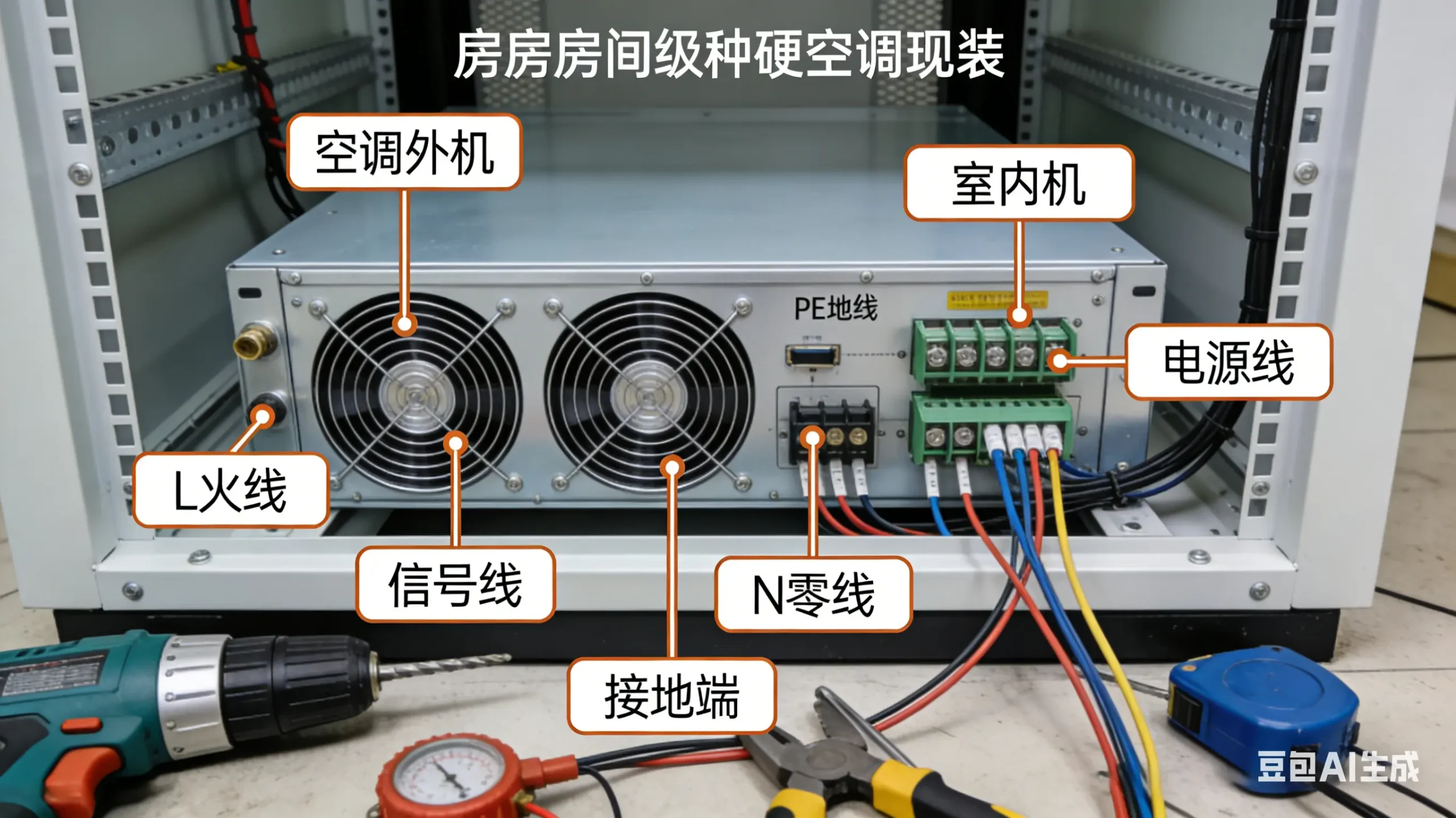
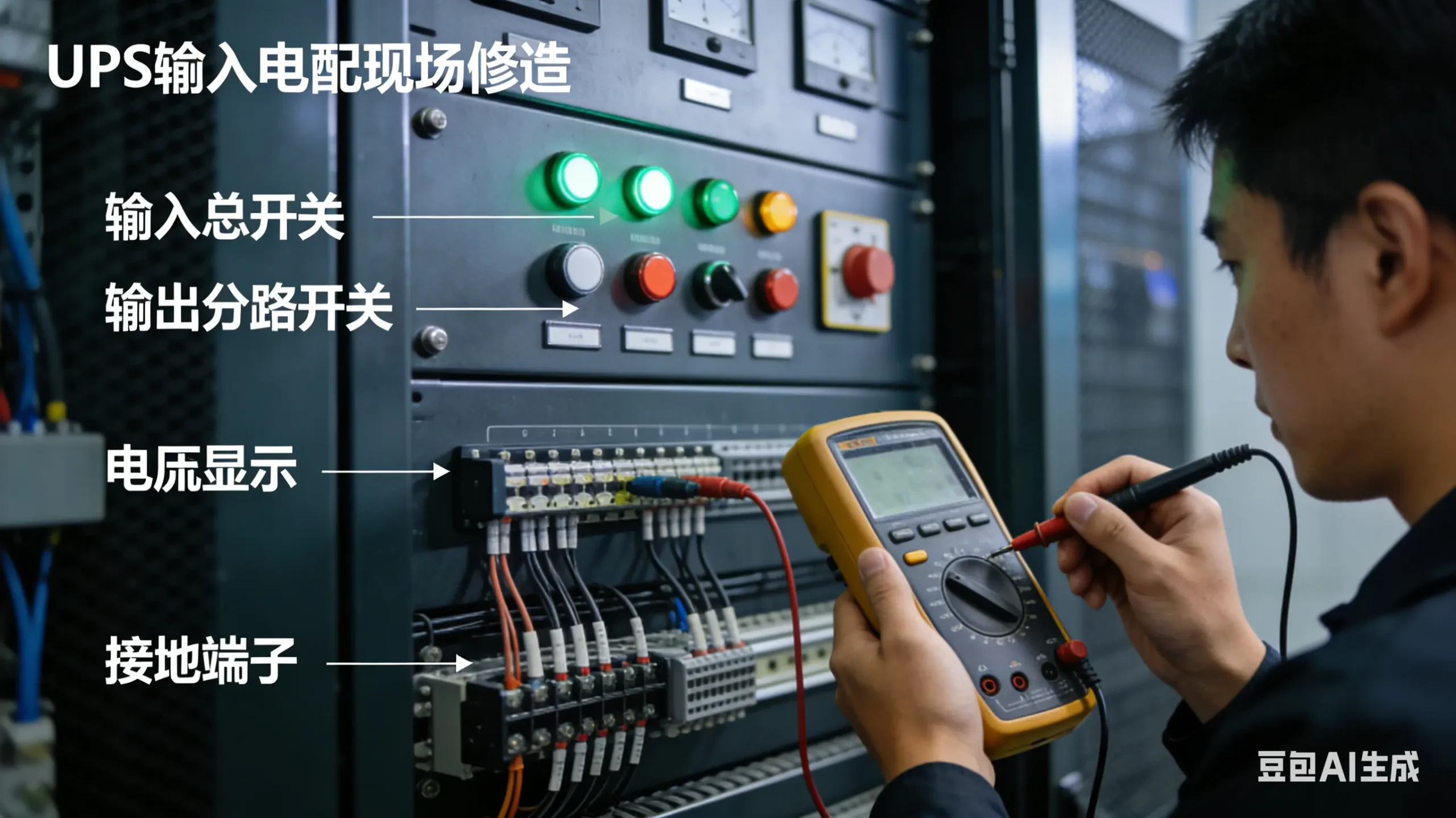
Containers connect to generator or UPS backup for critical storage; the control system detects mains loss immediately, switches to backup where installed, and raises an alarm so the failure is never discovered only when temperatures have already drifted. For battery-backed units the UPS carries the controller, sensors and communications so monitoring continues throughout the event.
5.2 How do we know what happened during an outage?
The monitoring system records the whole event: time of mains failure, backup activation, temperature throughout the outage and time of recovery. That record shows exactly how long the unit ran on backup and whether any product was exposed outside its band — essential for deciding whether affected stock is still usable or must be rejected.
5.3 What backup duration should be planned?
It depends on the value of the goods and the reliability of local power. Typical designs cover 30 minutes to several hours of full refrigeration via generator, or long-duration monitoring-only backup where a generator is shared across a site. Guangzhou Lain sizes the UPS and generator interface to the specific product risk and site conditions.
6. Expansion, Deployment and Specialised Use
6.1 Can capacity be expanded later?
Yes — containers are modular. Add another container alongside, or connect prefabricated cold-room sections to enlarge a single space, and the refrigeration and monitoring scale with the new volume. Because units are standardized, expansion is planned, priced and deployed far faster than conventional construction.
6.2 How long does deployment take?
A standard container is typically operational within days of delivery — positioning, power connection, commissioning of the refrigeration and monitoring, and temperature verification. Larger multi-unit installations are phased so the operation never stops and early units generate revenue while later ones are commissioned.
6.3 Is it suitable for pharmaceutical and vaccine storage?
Yes — units for regulated goods include redundant refrigeration, validated temperature mapping, door alarms, secure access and full data logging aligned with GDP/GSP practice. Each unit is supplied with its mapping and calibration documentation so qualification is straightforward, and monitoring alarms route to the qualified personnel responsible for the stock.
7. Frequently Asked Questions — Quick Reference
Cold-Chain Container FAQ
1. What is a cold-chain container?
A factory-built refrigerated container or cold-room module with insulation, refrigeration, power backup and temperature monitoring — used for storing perishable goods at controlled temperatures anywhere in the supply chain.
2. What temperature ranges are available?
Chilled 2-8°C, frozen -18 to -25°C, deep freeze to -40°C for medical use, and ambient or dual-zone configurations in one container for mixed loads.
3. Can one container hold different temperatures?
Yes — dual-zone units use an insulated partition with independent sensors, set points and alarms per zone, so chilled and frozen goods travel or store together.
4. How is temperature monitored?
Multiple calibrated sensors record continuously and report to a cloud platform; alarms go by SMS, WeChat/WhatsApp or email if limits are breached, and exportable logs satisfy compliance audits.
5. What happens during a power failure?
Containers connect to generator or UPS backup for critical storage; the system alarms on mains loss and tracks temperature throughout the event so you know exactly what happened.
6. Do records support compliance audits?
Yes — continuous tamper-resistant logs with exportable reports follow GDP/GSP expectations for regulated goods.
7. Can I expand capacity later?
Yes — containers are modular: add another container or connect prefabricated cold-room sections, and refrigeration and monitoring scale with the new volume.
8. How long does deployment take?
A standard unit is typically operational within days of delivery — positioning, power, commissioning and temperature verification included.
9. Is it suitable for pharmaceutical storage?
Yes — units for regulated goods include redundant refrigeration, validated temperature mapping, door alarms and full data logging aligned with GDP/GSP practice.
10. Where in the supply chain is it used?
At farms for pre-cooling, distribution centres for holding stock, retail sites for backup storage, and ports as inspection and staging rooms — the same standard unit serves each role.
11. What backup duration should be planned?
Typically 30 minutes to several hours via generator, or long-duration monitoring-only backup where a generator is shared; sizing follows product value and site power reliability.
12. Who installs and supports the units?
Guangzhou Lain delivers, commissions and supports the units, including temperature mapping, monitoring configuration and after-sales service.
8. Related Solutions
- Cold-Chain Container: Refrigerated Storage Guide
- Accommodation Container FAQ
- Precision Temperature & Humidity Monitoring FAQ
- Grain Storage Monitoring System FAQ
- Data Center Monitoring System
About Guangzhou Lain Intelligent System Development Co., Ltd.
Guangzhou Lain Intelligent System Development Co., Ltd. builds cold-chain containers and cold-room modules for food, pharmaceutical and industrial cold chains — insulated units, refrigeration, power backup and cloud monitoring from one supplier. From single rooms to enterprise facilities, KITOZER provides design, manufacturing, integration, testing and after-sales service under one roof and exports worldwide.
Contact us for a free technical consultation:
- Company: Guangzhou Lain Intelligent System Development Co., Ltd.
- Address: 1st Floor, Building A, Chaotian Industrial Park, Zhongrun Industrial Park, Shilou Town, Panyu District, Guangzhou, Guangdong, China
- Tel/WeChat: +86 135-0923-8849 | +86 135-0923-8849
- WhatsApp: +86 135-0923-8849
- Email: zl19068534140@gmail.com
- Website: www.gdlain.com | Request a Quote
Typical response time: within one business day. Project references, drawings and samples are available on request.