1. Overview: What This FAQ Covers
The core router is the network backbone — the device that interconnects distribution switches, buildings and data center pods and connects them to the WAN edge. This page answers the questions network architects ask when planning or upgrading the core: role, sizing, redundancy, platform choice, security and deployment support.
Guangzhou Lain Intelligent System Development Co., Ltd. supplies and deploys core router platforms, network equipment and supporting power/cabinet infrastructure for enterprise, campus and data center networks. The answers below reflect our standard engineering practice.
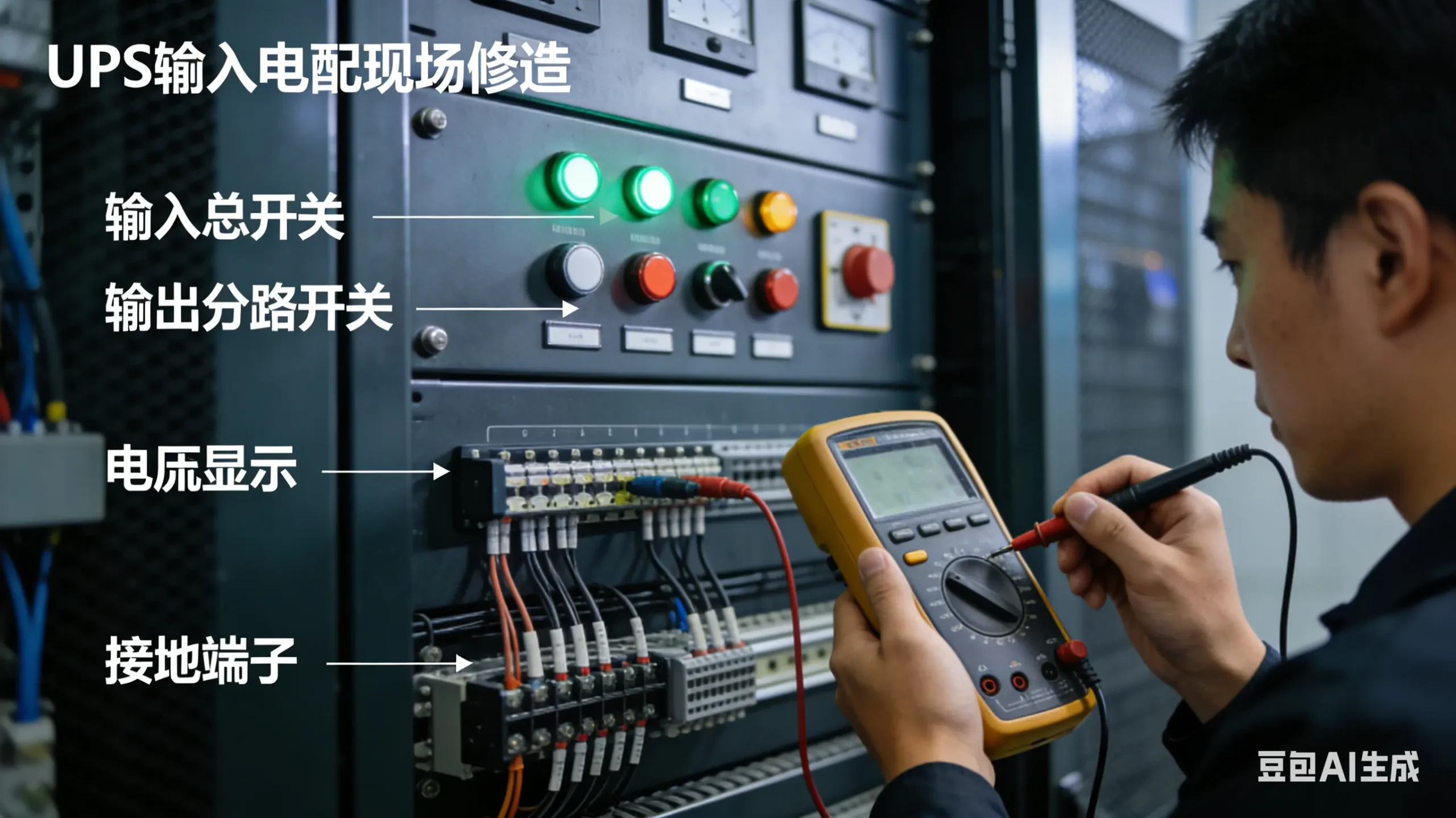
2. Role and Sizing
2.1 What is the role of a core router?
It is the network backbone: it interconnects distribution switches, buildings and data center pods and connects them to the WAN edge, forwarding traffic at high speed with high availability. Every cross-building and north-south flow passes through the core, so it must be fast, resilient and easy to operate.
2.2 How do I size the core router?
From peak aggregated traffic, expected growth (typically 30–50% headroom), interface counts and services (QoS, security, telemetry). A traffic study replaces guesswork — sizing from today’s peaks without growth margin is how cores become bottlenecks eighteen months later.

3. Redundancy and Platform Choice
3.1 What redundancy is recommended?
Dual supervisors, power and fans in the chassis, plus protocol-level redundancy (VRRP/M-LAG/ECMP). For mission networks, dual devices in each layer — redundancy is designed at every level from line cards to whole devices, so no single failure interrupts the backbone.
3.2 Core switch or core router?
Modern cores run both L2/L3; “router” emphasizes L3 and WAN services. For VXLAN data center fabrics and BGP edge, router-class platforms are preferred — the choice follows the traffic patterns and services the core must carry, not the label on the box.
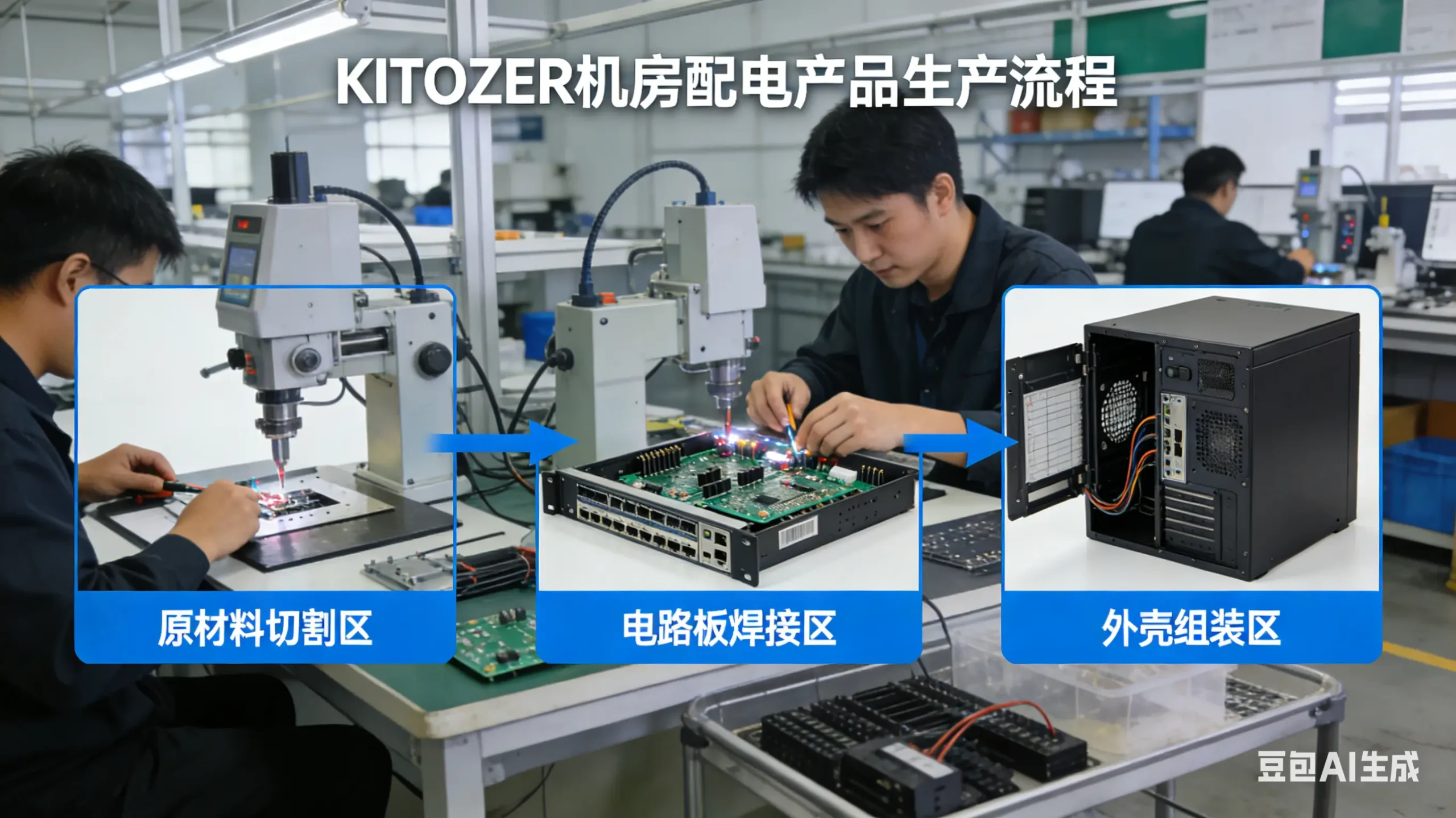
4. Security and Operations
4.1 What security features are available?
ACLs, uRPF anti-spoofing, flow monitoring (NetFlow/sFlow), segment isolation and optional firewall integration at the core boundary. The core is the natural enforcement point for east-west isolation and north-south filtering, so security features are a first-class selection criterion.
4.2 Do you provide deployment support?
Yes — topology design, configuration, cutover planning, acceptance testing, documentation and operator training are part of our service. Handover includes configurations, as-built diagrams and runbooks, so the operations team inherits a working, documented core rather than a mystery box.

5. Power and Infrastructure
5.1 What supporting infrastructure do core devices need?
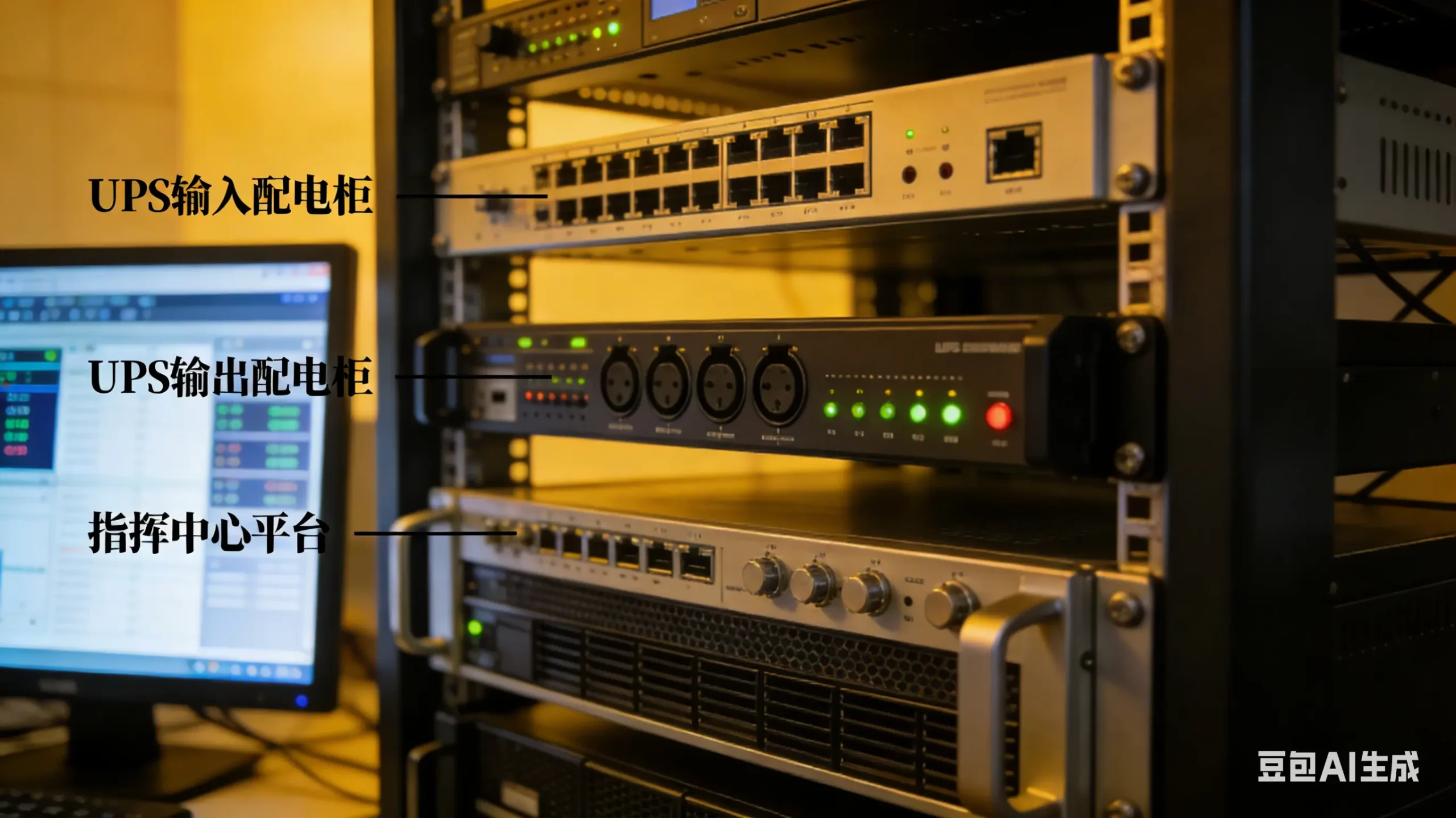
Redundant power (dual feeds or A/B PDU paths), adequate cooling in the cabinet and clean, protected cabling — Lain integrates core racks with power distribution, thermal control and monitoring so the network’s heart has the same reliability as the devices themselves.
5.2 How is the core monitored?
Devices export telemetry, syslog and SNMP to the network monitoring platform; environmental sensors in the core cabinets add temperature, power and access visibility, so faults are seen before users feel them.
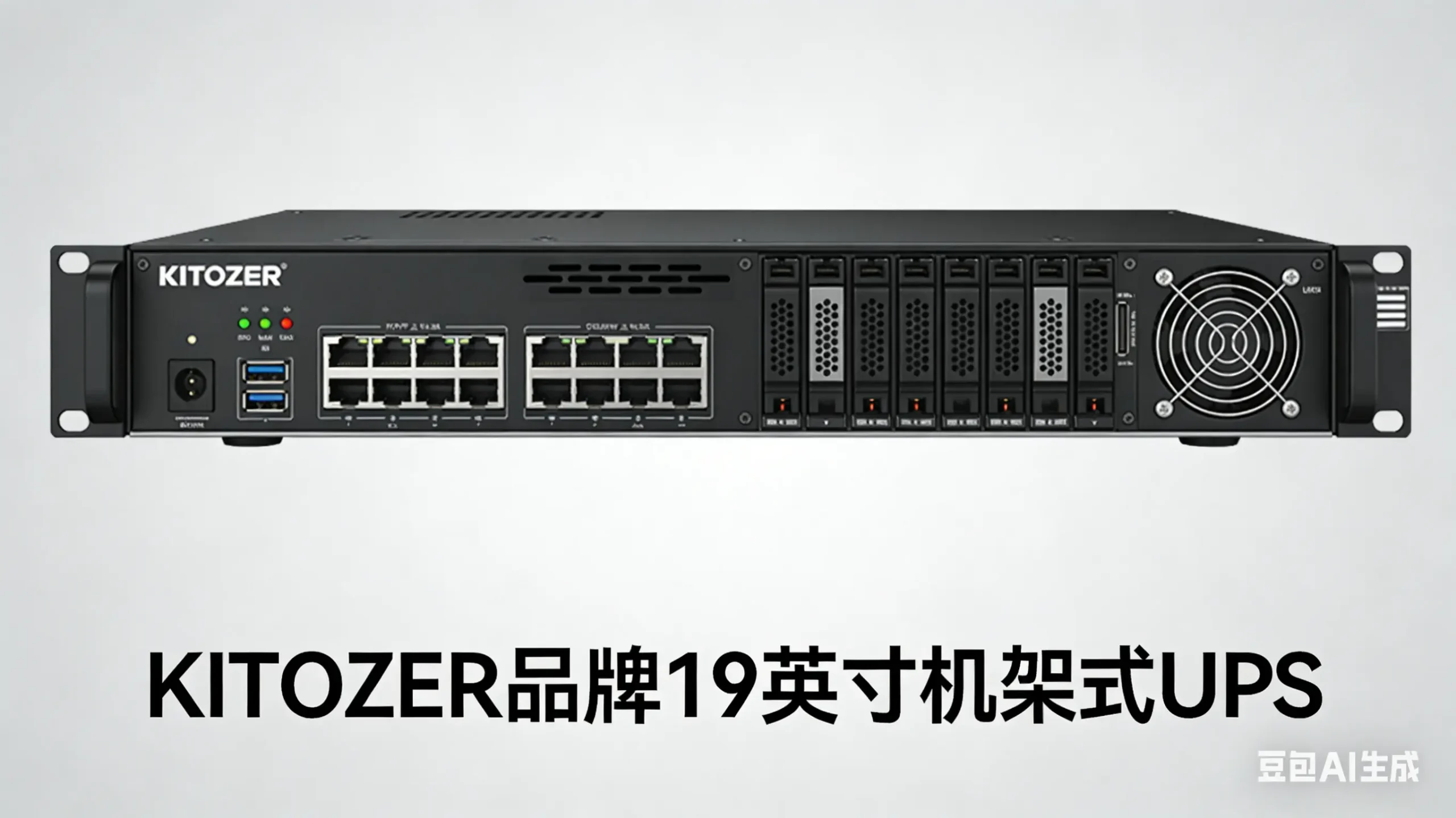
6. Frequently Asked Questions — Quick Reference
Core Router FAQ
1. What is the role of a core router?
It is the network backbone: it interconnects distribution switches, buildings and data center pods and connects them to the WAN edge, forwarding traffic at high speed with high availability.
2. How do I size the core router?
From peak aggregated traffic, expected growth (typically 30–50% headroom), interface counts and services (QoS, security, telemetry), using a traffic study rather than guesswork.
3. What redundancy is recommended?
Dual supervisors, power and fans in the chassis plus protocol-level redundancy (VRRP/M-LAG/ECMP); dual devices per layer for mission networks.
4. Core switch or core router?
Modern cores run both L2/L3; router-class platforms are preferred for VXLAN fabrics and BGP edge, where L3 and WAN services dominate.
5. What security features are available?
ACLs, uRPF anti-spoofing, flow monitoring (NetFlow/sFlow), segment isolation and optional firewall integration at the core boundary.
6. Do you provide deployment support?
Yes — topology design, configuration, cutover planning, acceptance testing, documentation and operator training as part of the service.
7. What interfaces and speeds are supported?
Platforms are selected to your port plan, typically 10/25/40/100G uplinks with 1/10G access — confirmed in the design phase.
8. Can the core support multiple buildings or pods?
Yes — the core aggregates distribution layers across buildings and pods, with VXLAN or routed segmentation per the architecture.
9. How do I avoid the core becoming a bottleneck?
Size from a traffic study with 30–50% growth headroom and monitor utilization trends so upgrades are planned before saturation.
10. What documentation is delivered?
As-built topology, device configurations, acceptance test records and operator runbooks at handover.
7. Related Solutions
- Core Router: Complete Guide
- Network Traffic Analysis
- IDS/IPS
- Gap Gateway
- Data Center Turnkey Integration
About Guangzhou Lain Intelligent System Development Co., Ltd.
Guangzhou Lain Intelligent System Development Co., Ltd. supplies and deploys core routers and supporting network infrastructure for enterprise, campus and data center networks worldwide. From single rooms to enterprise facilities, KITOZER provides design, manufacturing, integration, testing and after-sales service under one roof and exports worldwide.
Contact us for a free technical consultation:
- Company: Guangzhou Lain Intelligent System Development Co., Ltd.
- Address: 1st Floor, Building A, Chaotian Industrial Park, Zhongrun Industrial Park, Shilou Town, Panyu District, Guangzhou, Guangdong, China
- Tel/WeChat: +86 135-0923-8849 | +86 135-0923-8849
- WhatsApp: +86 135-0923-8849
- Email: zl19068534140@gmail.com
- Website: www.gdlain.com | Request a Quote
Typical response time: within one business day. Project references, drawings and samples are available on request.