1. Overview: What This FAQ Covers
Maintenance on a medium-voltage circuit is only safe when the circuit is proved dead, visibly isolated and earthed. An HV isolator cabinet (disconnector cabinet) is the panel that provides that state — a visible air gap between the live busbar and the outgoing circuit, plus an earthing position that holds the section at earth potential while technicians work. This page answers the questions project engineers and electrical contractors ask when specifying isolator cabinets for MV networks.
Guangzhou Lain Intelligent System Development Co., Ltd. manufactures HV isolator/disconnector cabinets for 10kV-35kV distribution networks, substations and industrial power systems. The answers below reflect our standard engineering and testing practice.
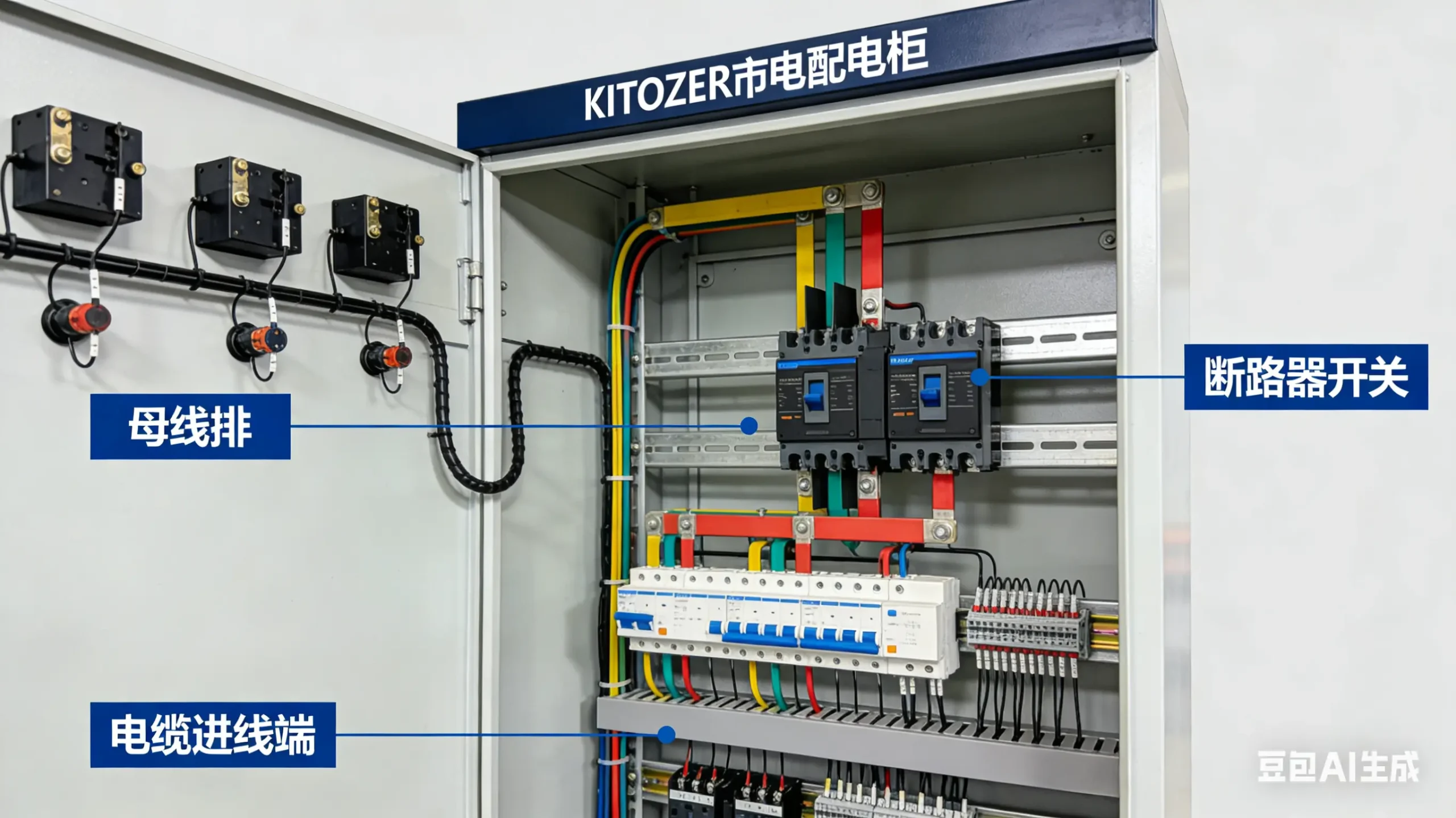
2. The Basics
2.1 What is an HV isolator cabinet?
It is a medium-voltage panel containing a disconnector (and often an earthing switch) that provides a visible break for safe maintenance of MV circuits. The isolator opens a physical air gap between the busbar and the outgoing feeder, so anyone standing at the panel can see the circuit is disconnected — not merely relying on a remote signal or indicator.
2.2 Is an isolator the same as a circuit breaker?
No. A circuit breaker interrupts load and fault current; an isolator is not designed to break load current. They work together: the breaker clears the current first, then the isolator opens to provide visible disconnection and earthing for safe work.
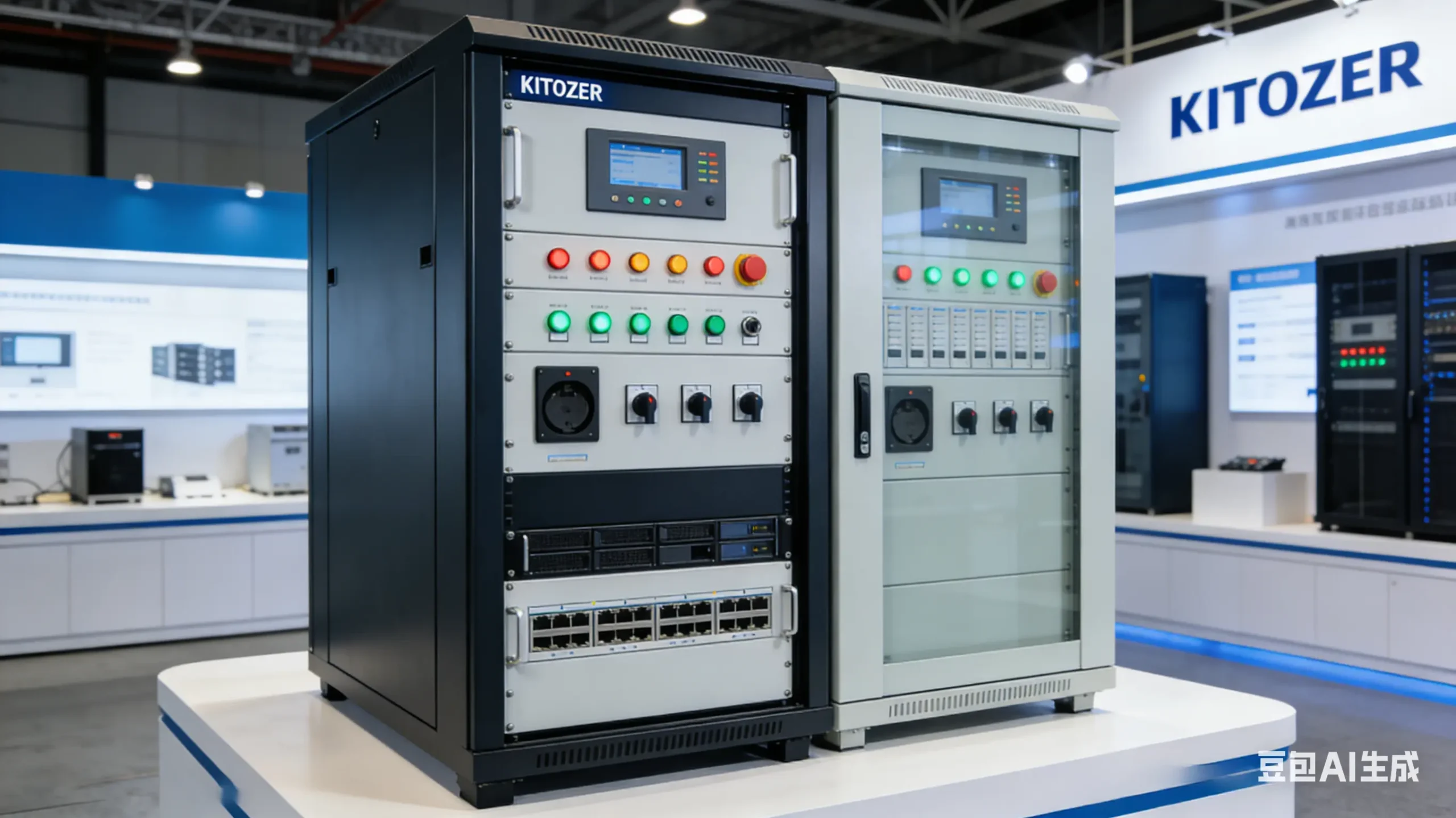
3. Why and How Safety Is Enforced
3.1 Why is visible isolation required?
Workers must see a definite break before touching downstream equipment; an open disconnector gives that certainty, unlike a closed breaker alone. A breaker can fail closed, a remote signal can be wrong — but an open air gap cannot be mistaken.
3.2 What does the earthing switch do?
It connects the isolated section to earth, draining residual and induced charge and keeping the section at earth potential while work is performed. With the earthing switch closed, even an accidental re-energisation cannot raise the section to a dangerous voltage.
3.3 How is operator safety enforced?
Mechanical or key interlocks prevent unsafe sequences — for example opening under load or closing onto an earth — making mistakes physically impossible. Door interlocking also keeps access closed while a compartment is live, so safety does not depend on memory or discipline alone.

4. Operation and Automation
4.1 Can the isolator be motor operated?
Yes — motor-operated versions support remote and automatic isolation in substation schemes, with position feedback to SCADA. Motor drive turns manual sequences into remote commands while keeping the same interlocking rules.
4.2 What position feedback is provided?
Auxiliary contacts report open/closed/earthed positions to the protection and SCADA systems, so remote operators always know the true state of the bay. The actual position is confirmed mechanically, not assumed from the last command.
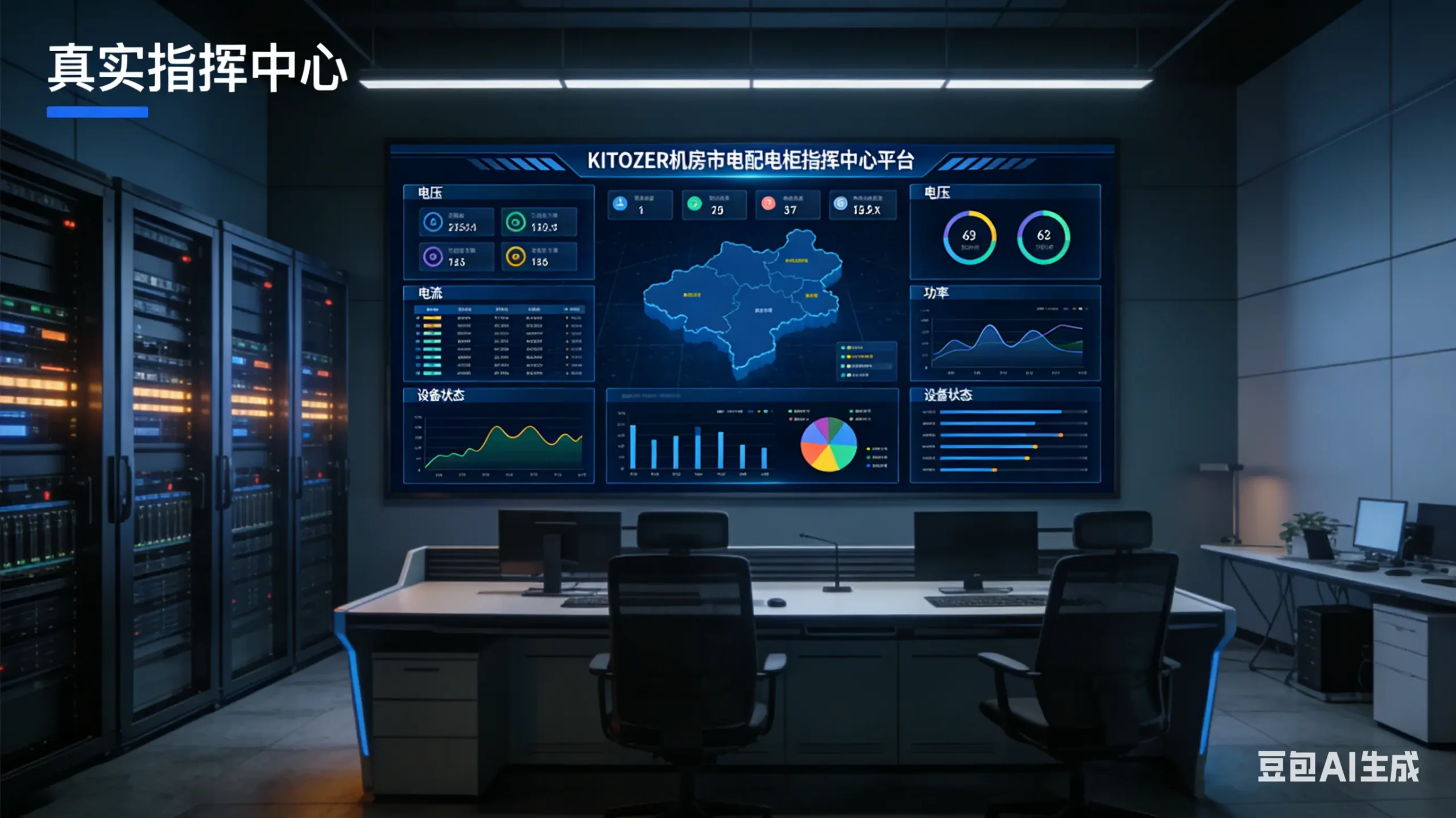
5. Standards, Testing and Documentation
5.1 Which standards apply?
Panels are designed per IEC 62271-1/-102 (and IEC 62271-200 for metal-enclosed switchgear) with routine testing of each unit; certificates and drawings are delivered per order. Type-test documentation covers ratings, internal arc and mechanical endurance.
5.2 What documentation is delivered with each cabinet?
Drawings, wiring diagrams, type-test and routine-test certificates, operating instructions and commissioning support. Everything a consultant or utility needs for approval and future maintenance is included in the handover file.


6. Frequently Asked Questions — Quick Reference
HV Isolator Cabinet FAQ
1. What is an HV isolator cabinet?
A medium-voltage panel containing a disconnector (and often an earthing switch) that provides a visible break for safe maintenance of MV circuits.
2. Why is visible isolation required?
Workers must see a definite break before touching downstream equipment; an open disconnector gives that certainty, unlike a closed breaker alone.
3. What does the earthing switch do?
It connects the isolated section to earth, draining residual charge and keeping the section at earth potential while work is performed.
4. How is operator safety enforced?
Mechanical or key interlocks prevent unsafe sequences such as opening under load or closing onto an earth, making mistakes physically impossible.
5. Can the isolator be motor operated?
Yes — motor-operated versions support remote and automatic isolation in substation schemes, with position feedback to SCADA.
6. Is an isolator the same as a circuit breaker?
No — a breaker interrupts load and fault current, while an isolator provides visible disconnection and earthing and is not designed to break load current.
7. What voltage classes are available?
Typical ratings are 12kV, 24kV and 40.5kV (10kV/35kV networks), with current ratings matched to the feeder load.
8. Can the isolator be opened under load?
No — opening under load causes arcing. Interlocks and operating procedures require the upstream breaker to open first.
9. Are indoor and outdoor versions available?
Yes — indoor metal-clad switchgear and outdoor weatherproof kiosk versions are both manufactured.
10. Which standards apply?
Panels are designed per IEC 62271-1/-102 with routine testing of each unit; certificates and drawings are delivered per order.
11. What documentation is provided?
Drawings, wiring diagrams, type-test and routine-test certificates, operating instructions and commissioning support.
12. What is the lead time?
Typical manufacture is 3-6 weeks after approval of drawings, depending on configuration and quantity.
7. Related Solutions
- HV Isolator Cabinet: Safe Disconnection for MV Networks
- HV Switchgear: MV Circuit Protection & Control
- HV Metering Cabinet
- 10kV/35kV HV Distribution Module
- LV Distribution Cabinet
About Guangzhou Lain Intelligent System Development Co., Ltd.
Guangzhou Lain Intelligent System Development Co., Ltd. manufactures HV isolator cabinets, MV switchgear and power distribution solutions with visible isolation, earthing and interlocking for utilities, industry and infrastructure worldwide. From single rooms to enterprise facilities, KITOZER provides design, manufacturing, integration, testing and after-sales service. Export and support scope are confirmed on the quotation..
Contact us for a free technical consultation:
- Company: Guangzhou Lain Intelligent System Development Co., Ltd.
- Address: 1st Floor, Building A, Chaotian Industrial Park, Zhongrun Industrial Park, Shilou Town, Panyu District, Guangzhou, Guangdong, China
- Tel: +86 13538869979
- WhatsApp: +86 13538869979
- Email: zl19068534140@gmail.com
- Website: www.gdlain.com | Request a Quote
Typical response time: within one business day. Project references, drawings and samples are available on request.