1. Overview: Visible Isolation for Safe MV Maintenance
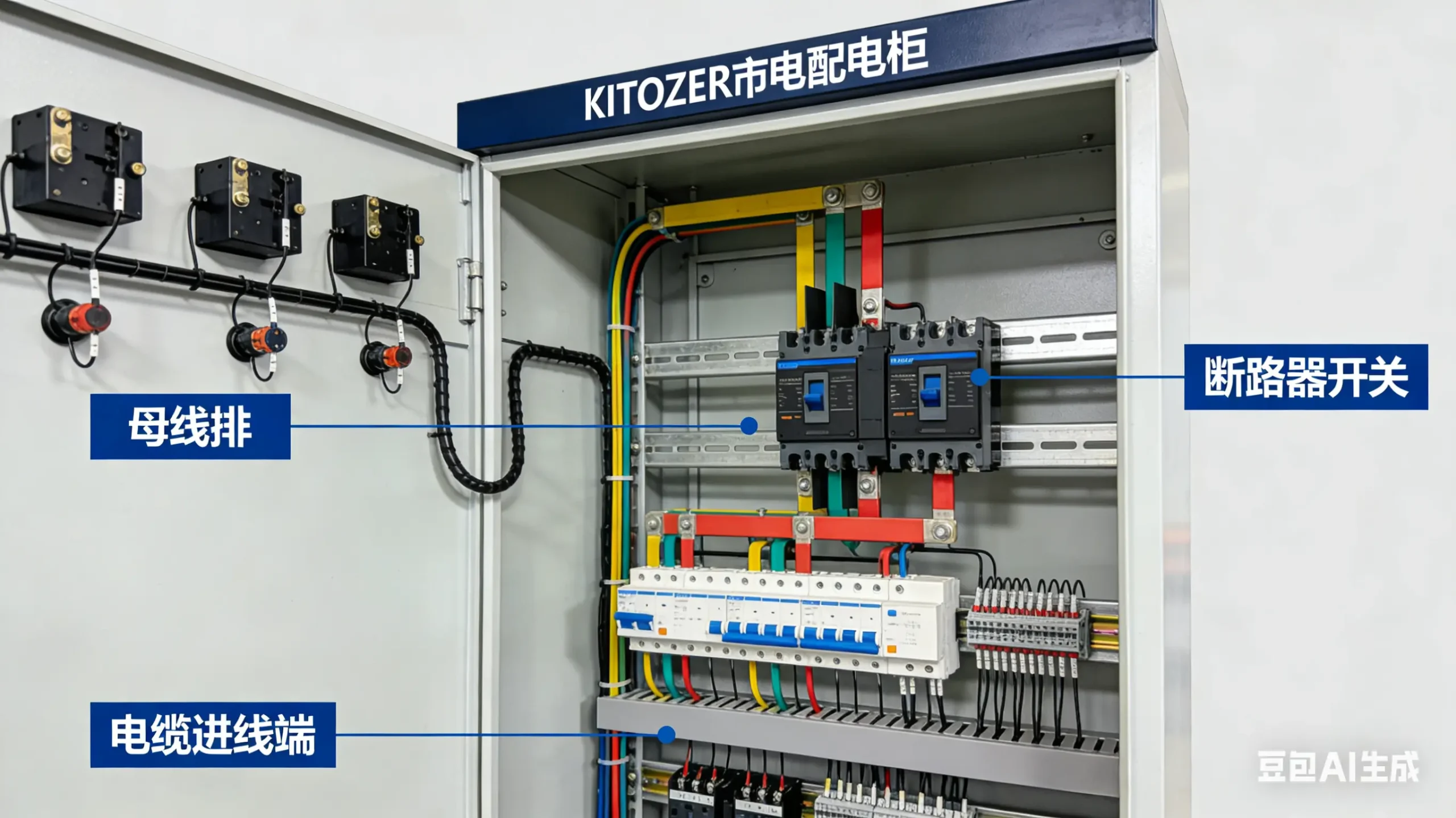
Working on a medium-voltage circuit demands more than switching it off at a breaker — the circuit must be proved dead and visibly isolated from every possible source of power before a technician approaches. An HV isolator cabinet (disconnector cabinet) provides that guarantee: a visible air gap between the live busbar and the outgoing circuit, plus an earthing position that makes the isolated section safe to work on.
Guangzhou Lain Intelligent System Development Co., Ltd. manufactures HV isolator/disconnector cabinets for 10kV-35kV distribution networks, substations and industrial power systems. This guide explains how isolator cabinets work, the types available, key safety features and how to select one for your project.
2. What an HV Isolator Cabinet Does
2.1 Visible Disconnection
The isolator opens a physical air gap that is visible to the operator — the classic guarantee that the circuit cannot be re-energised from the busbar side while work is in progress. Unlike a circuit breaker, an isolator is not designed to break load current; it operates after the load has been interrupted by the breaker.
2.2 Earthing Position
In the earthed position, the outgoing side of the isolator is connected to the earth bus, draining any induced or residual charge and holding the circuit at earth potential — the state maintenance crews require before opening panels or touching conductors.
2.3 Interlocking with Breakers
Mechanical or electrical interlocks prevent dangerous sequences: the isolator cannot be opened under load, the earthing switch cannot close while the isolator is closed, and access doors stay locked while the compartment is live.
3. Types and Configurations
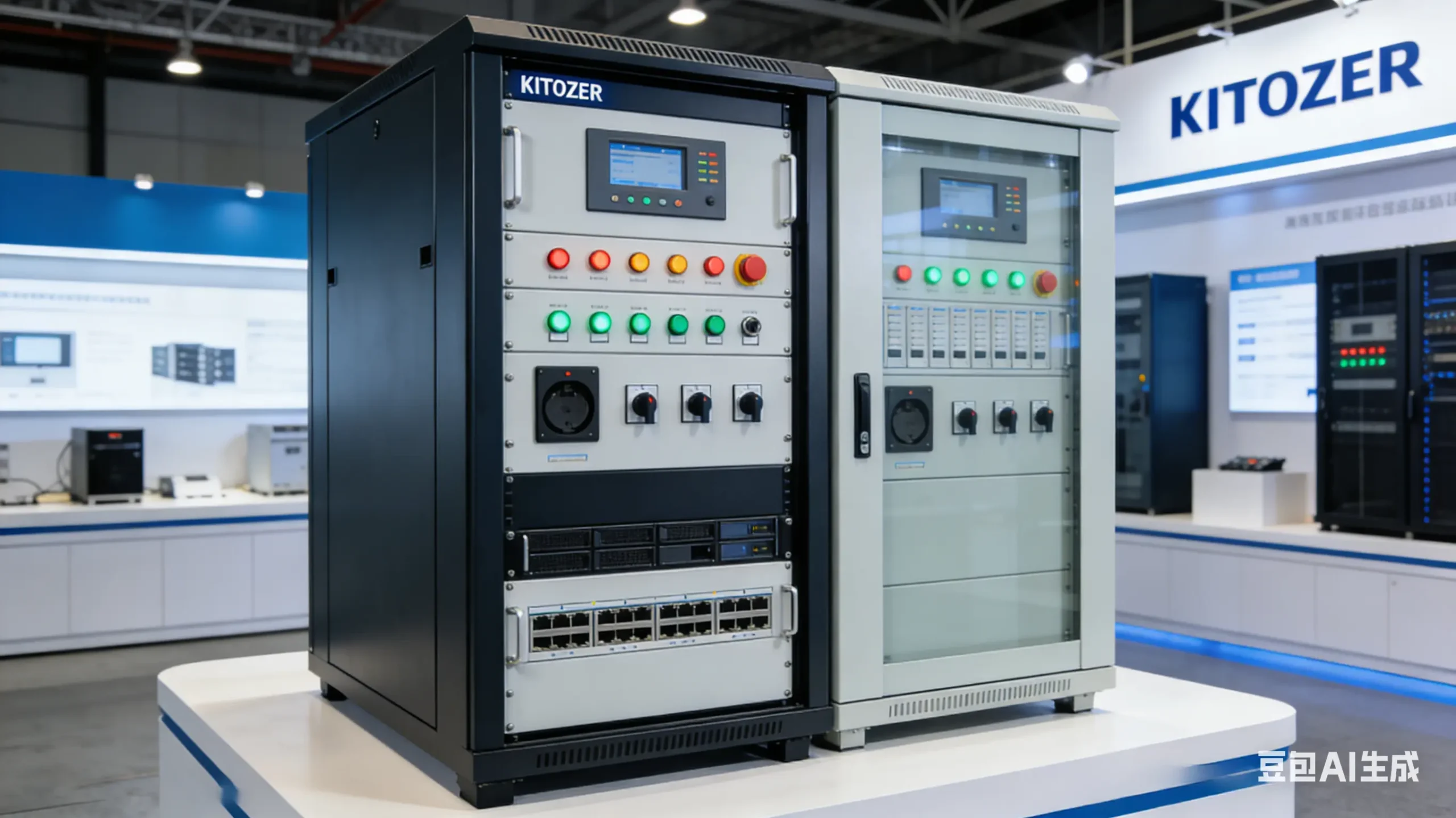
| Type | Typical Use | Key Feature |
|---|---|---|
| Fixed-mount disconnector | Substation busbar and feeder isolation | Simple, proven, low cost |
| Withdrawable (truck) type | Switchgear where the breaker withdraws for isolation | Full visible break on withdrawal |
| Load-break isolator | Ring networks with limited load breaking | Breaks small load currents safely |
| With earthing switch | Feeder and cable bays | Integrated earth position |
| Motor-operated | Remote/automated substations | SCADA control and interlocking |
4. Applications
- Substations — isolating transformers, busbars and feeders for maintenance.
- Ring main units (RMU) — isolating cable loops and transformers in compact enclosures.
- Industrial plants — isolating MV motors, furnaces and process feeders.
- Renewables — isolating inverters and transformers in solar and storage plants.
- Mining and infrastructure — where MV maintenance happens under demanding conditions.

5. Safety Features
5.1 Interlocking System
Key- or solenoid-based interlocks enforce the correct sequence of breaker-open, isolator-open, earth-close and door-access, so an incorrect sequence is physically impossible rather than merely discouraged.
5.2 Position Indication
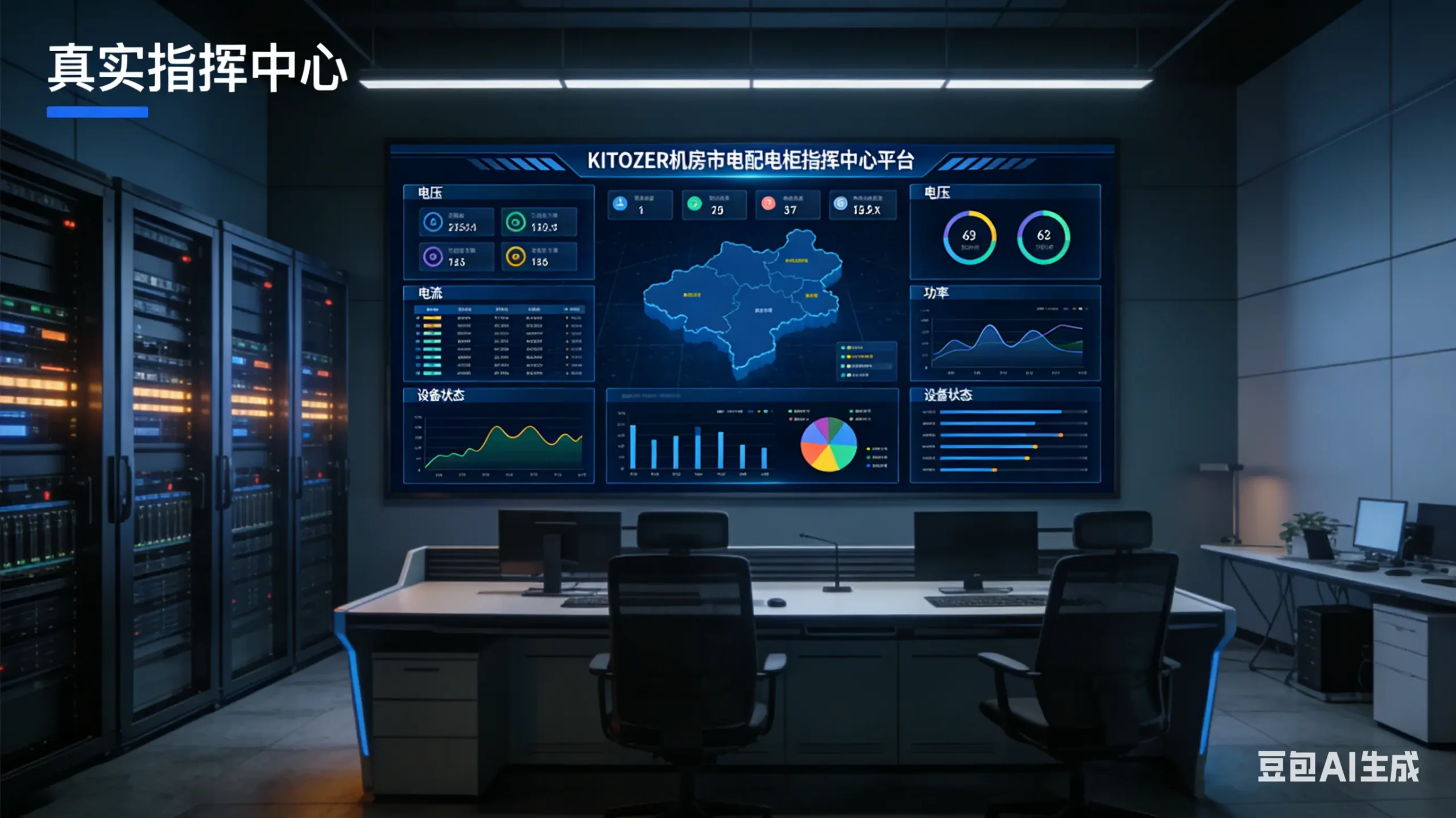
Clearly visible indicators (open/closed/earthed) plus auxiliary contacts report the actual position to the protection and SCADA systems, so remote operators know the true state of the bay.
5.3 Arc and Fault Containment
Metal-enclosed compartments with pressure relief and tested internal-arc classification contain the effects of a fault, protecting people standing in front of the cabinet.
6. Selecting an Isolator Cabinet
- Voltage and insulation level — 12kV, 24kV or 40.5kV class to match the network.
- Current rating — busbar and disconnector rated for the feeder load with margin.
- Short-circuit withstand — verified against the fault level at the point of installation.
- Configuration — fixed, withdrawable, with or without earthing switch, single or double busbar.
- Operation — manual, motorised, or remote-controlled for automated substations.
- Environment — indoor metal-clad or outdoor weatherproof construction, altitude and pollution class.
7. Frequently Asked Questions
HV Isolator Cabinet FAQ
1. What is the difference between an isolator and a circuit breaker?
A circuit breaker interrupts load and fault current; an isolator provides visible disconnection and earthing but is not designed to break load current. Both are used together in MV switchgear.
2. Why is a visible air gap required?
It gives maintenance staff a physical guarantee that the circuit is disconnected from the live busbar, independent of any indicator or remote signal.
3. Can an isolator be opened under load?
No — opening under load causes arcing. Interlocks and operating procedures require the upstream breaker to open first.
4. What voltage classes are available?
Typical ratings are 12kV, 24kV and 40.5kV (10kV/35kV networks), with current ratings matched to the feeder.
5. What does the earthing switch do?
It connects the isolated section to earth, draining residual charge and holding the circuit at earth potential for safe work.
6. Can the cabinet be automated?
Yes — motor-operated isolators with auxiliary contacts support SCADA/remote control and interlocking in automated substations.
7. Is the cabinet arc-proof?
Metal-enclosed versions are available with internal-arc classification and pressure relief for operator protection.
8. Do you supply indoor and outdoor versions?
Yes — indoor metal-clad switchgear and outdoor weatherproof kiosks/cabinets are both manufactured.
9. What protection devices are included?
The isolator bay works with CTs, VTs and protection relays; interposing protection and metering compartments can be integrated.
10. Can existing switchgear be extended?
Yes — KITOZER supplies matching extension bays and busbar connections for existing MV installations.
11. What documentation is provided?
Drawings, type-test certificates, wiring diagrams, operating instructions and commissioning support.
12. What is the lead time?
Typical manufacture is 3-6 weeks after approval of drawings, depending on configuration and quantity.

8. Related Solutions
- HV Switchgear
- HV Metering Cabinet
- 10kV/35kV HV Distribution Module
- LV Distribution Cabinet
- Distribution Switchgear
- Instrument Transformers
About Guangzhou Lain Intelligent System Development Co., Ltd.
Guangzhou Lain Intelligent System Development Co., Ltd. manufactures MV/HV switchgear, isolator cabinets and power distribution solutions for utilities, industry and infrastructure worldwide. From single rooms to enterprise facilities, KITOZER provides design, manufacturing, integration, testing and after-sales service. Export and support scope are confirmed on the quotation..
Contact us for a free technical consultation:
- Company: Guangzhou Lain Intelligent System Development Co., Ltd.
- Address: 1st Floor, Building A, Chaotian Industrial Park, Zhongrun Industrial Park, Shilou Town, Panyu District, Guangzhou, Guangdong, China
- Tel: +86 13538869979
- WhatsApp: +86 13538869979
- Email: zl19068534140@gmail.com
- Website: www.gdlain.com | Request a Quote
Typical response time: within one business day. Project references, drawings and samples are available on request.