1. Overview: What This FAQ Covers
MV/HV switchgear protects and controls medium-voltage circuits — interrupting faults, switching feeders, and enabling safe operation of transformers, motors and networks. This page answers the questions engineers ask when specifying panels for substations and industrial power systems.
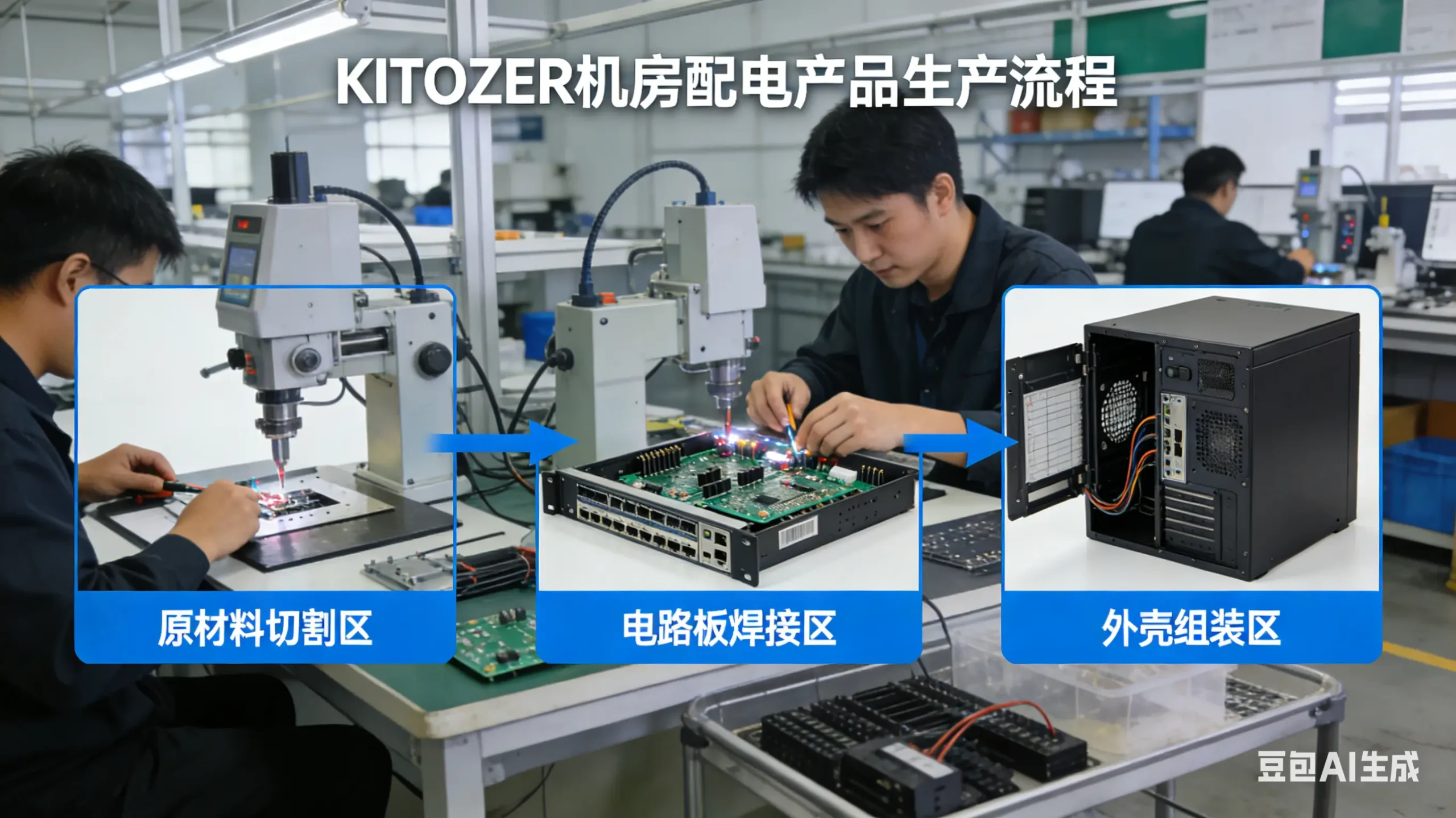
Guangzhou Lain Intelligent System Development Co., Ltd. supplies MV/HV switchgear panels rated 12–40.5 kV with numerical protection and SCADA communication. The answers below reflect our standard range and engineering practice.
2. Role and Panel Types
2.1 What is MV/HV switchgear used for?
It protects and controls medium-voltage circuits — interrupting faults, switching feeders, and enabling safe operation of transformers, motors and networks. Switchgear is the point where protection meets the circuit: it senses a fault, interrupts it in milliseconds and isolates the failed section so the rest of the network keeps running.
2.2 Which panel types do you supply?
Incoming/outgoing feeder panels, bus couplers, transformer feeders and motor feeders with vacuum circuit breakers, rated 12–40.5 kV. The panel range covers the standard substation functions — intake, distribution, coupling, transformer and motor duty — built to the same tested platform.
3. Motor Duty and Protection
3.1 VCB panel or contactor panel for motors?
VCB panels handle higher ratings and frequent fault duty; contactor-fuse panels suit frequent switching of smaller motors at lower cost. Motor duty decides the device: big and critical motors get a breaker, while smaller motors that start and stop often are served economically by contactor-fuse combinations.
3.2 What protection relays are provided?
Numerical relays with overcurrent and earth fault as standard; differential and distance functions on request, with fault recording and SCADA communication. Relays record the fault event and waveform, so after a trip the engineers see what happened instead of guessing.

4. Control and Delivery
4.1 Do panels connect to SCADA?
Yes — relays and controllers communicate via IEC 61850 or Modbus for remote control, measurement and alarms. Operators switch, measure and diagnose from the control room — and the same link feeds the historian and the protection engineer’s analysis tools.
4.2 How long is delivery?
Standard panels typically 6–10 weeks after drawing approval; special schemes longer depending on relay and component lead times. The drawing approval cycle drives the schedule, so early submission of the single-line and protection specification is the fastest path.

5. Operations
5.1 What standards are panels built to?
Assemblies follow IEC 62271 (and GB 3906 locally), with type tests for making/breaking, temperature rise, internal arc and dielectric performance; routine tests are performed on every panel with certificates delivered.
5.2 What maintenance is needed?
VCB mechanisms need little routine work; the program covers mechanism checks, relay and communication tests, and thermal imaging of connections on a cycle. Remote monitoring trends so maintenance is planned around data, not surprise failures.
6. Frequently Asked Questions — Quick Reference
HV Switchgear FAQ
1. What is MV/HV switchgear used for?
It protects and controls medium-voltage circuits — interrupting faults, switching feeders, and enabling safe operation of transformers, motors and networks.
2. Which panel types do you supply?
Incoming/outgoing feeder panels, bus couplers, transformer feeders and motor feeders with vacuum circuit breakers, rated 12–40.5 kV.
3. VCB panel or contactor panel for motors?
VCB panels handle higher ratings and fault duty; contactor-fuse panels suit frequent switching of smaller motors at lower cost.
4. What protection relays are provided?
Numerical relays with overcurrent and earth fault as standard; differential and distance functions on request, with fault recording and SCADA communication.
5. Do panels connect to SCADA?
Yes — IEC 61850 or Modbus communication provides remote control, measurement and alarms.
6. How long is delivery?
Standard panels typically 6–10 weeks after drawing approval; special schemes longer depending on relay and component lead times.
7. What voltage ratings are available?
Panels are rated 12–40.5 kV to cover 10kV/35kV class distribution systems.
8. What standards apply?
IEC 62271 (and GB 3906 locally), with type tests and routine tests on every panel with certificates.
9. What documentation is delivered?
Single-line and layout drawings, relay settings, test certificates and operation manuals at handover.
10. Do you support commissioning?
Yes — installation supervision, relay commissioning, SCADA integration testing and operator training are available.
7. Related Solutions
- HV Switchgear: Complete Guide
- HV Metering Cabinet
- HV Isolator Cabinet
- Instrument Transformer CT & VT
- 10kV/35kV HV Distribution Module
About Guangzhou Lain Intelligent System Development Co., Ltd.
Guangzhou Lain Intelligent System Development Co., Ltd. supplies MV/HV switchgear panels with numerical protection and SCADA communication for substations and industry worldwide. From single rooms to enterprise facilities, KITOZER provides design, manufacturing, integration, testing and after-sales service. Export and support scope are confirmed on the quotation..
Contact us for a free technical consultation:
- Company: Guangzhou Lain Intelligent System Development Co., Ltd.
- Address: 1st Floor, Building A, Chaotian Industrial Park, Zhongrun Industrial Park, Shilou Town, Panyu District, Guangzhou, Guangdong, China
- Tel: +86 13538869979
- WhatsApp: +86 13538869979
- Email: zl19068534140@gmail.com
- Website: www.gdlain.com | Request a Quote
Typical response time: within one business day. Project references, drawings and samples are available on request.