1. Overview: The Eyes of Every Measurement and Protection System
Meters, relays and analyzers cannot connect directly to power circuits. Line currents reach thousands of amperes and voltages reach tens of kilovolts — far beyond what an instrument can sense or what a human should touch. Instrument transformers — current transformers (CTs) and voltage transformers (VTs, also called potential transformers or PTs) — step these quantities down to safe, standardized levels: typically 1 A or 5 A secondary current and 100–120 V secondary voltage. Every accurate energy bill, every protective relay decision and every power-quality measurement stands on these transformers.
Guangzhou Lain Intelligent System Development Co., Ltd. supplies instrument transformers and integrated metering/protection solutions for LV and MV distribution. This guide explains how CTs and VTs work, how they differ for measurement versus protection, and how to select and install them correctly.
2. Current Transformers: Measuring the Flow
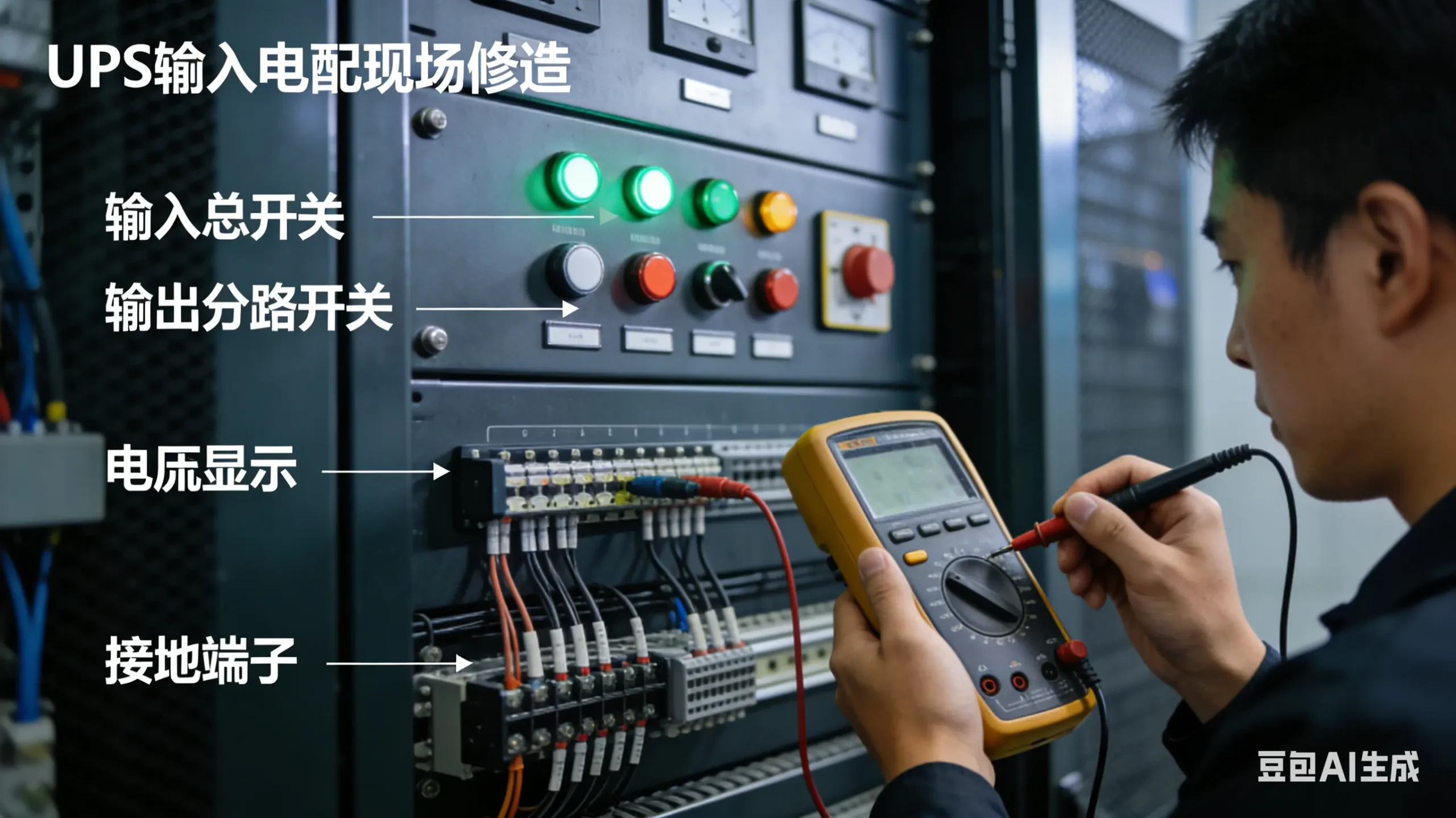
A current transformer has a primary winding (the conductor carrying the load current, often a single pass through a window or bushing) and a secondary winding connected to the instrument. The secondary is always loaded with a meter, relay or shorting device — never left open, because the CT acts as a current source and an open secondary can generate dangerously high voltage. The transformation ratio relates primary current to the standardized secondary current, and the accuracy class states how faithfully the secondary reproduces the primary under defined conditions.

3. Voltage Transformers: Measuring the Pressure
A voltage transformer connects across the circuit like a small, precisely wound transformer, stepping line voltage down to a standardized secondary voltage. Two families exist: electromagnetic VTs for LV/MV applications, and capacitive voltage transformers (CVTs) used at high and extra-high voltage. Because a VT is a voltage source, its secondary must never be short-circuited. Accuracy, burden matching and, at MV, the risk of ferroresonance are the key engineering considerations.
4. Measurement Versus Protection Cores
| Aspect | Measurement (Metering) | Protection |
|---|---|---|
| Accuracy class | 0.2 / 0.5 / 1 (tight, linear) | 5P / 10P / 5P20 (accurate up to fault level) |
| Behavior | Accurate at normal load | Must reproduce high fault currents without saturation |
| Typical secondary | 1 A or 5 A | 1 A or 5 A |
| Application | Energy metering, billing, monitoring | Overcurrent, differential, earth-fault relaying |
Modern CTs often carry two or more cores on one primary — one metering core for the energy meter and one or more protection cores for relays — so each function gets a core optimized for its duty without duplicate primary installations.

5. Core Terms and Ratings Explained
- Ratio — primary-to-secondary turns ratio, e.g. 200/5 A means 200 A primary produces 5 A secondary.
- Burden — the load impedance (VA) the secondary must drive; exceeding rated burden degrades accuracy.
- Accuracy class — maximum ratio and phase error at rated conditions (0.2, 0.5, 1 for metering; 5P, 10P for protection).
- ALF / accuracy limit factor — how many times rated current the protection core stays accurate (e.g. 5P20 = 20×).
- Rated voltage / insulation level — system voltage and insulation class the transformer is designed for.
- Thermal short-circuit current — the fault current the CT can withstand thermally and dynamically for a rated duration.
6. Types of Current Transformers
| Type | Construction | Typical Use |
|---|---|---|
| Window (through-type) | Cable or busbar passes through | Panel feeders, retrofits, existing bars |
| Bar primary | Integral primary bar | Panel mounting, switchgear |
| Wound primary | Multi-turn primary winding | Low currents, precise ratios |
| Bushing type | Built around a bushing | Transformers and circuit breakers |
| Split-core | Openable for retrofit | Adding metering without de-energizing |
Each type suits an installation context — split-core CTs allow retrofitting metering onto live feeders safely during planned access, while bar and window types dominate new switchgear and panels.
7. Selection Checklist
- System parameters — nominal voltage, insulation level, frequency and prospective fault current.
- Primary rating — choose so normal load sits in the accurate band (typically 30–100% of rated current for metering).
- Secondary rating — 1 A for long secondary runs, 5 A for conventional panels.
- Burden — sum instrument burdens plus wiring; select a VA rating above the total.
- Accuracy — 0.2/0.5 s for fiscal metering, 5P/10P with suitable ALF for protection.
- Core count — one core per function (metering + protection cores as needed).
- Insulation and environment — indoor/outdoor, pollution class, mounting form.
8. Installation Safety: The Rules That Protect People
- Never open a CT secondary under load — the induced voltage can flash over and injure; use shorting blocks or connect instruments before energizing.
- Ground the secondary — one point of the secondary circuit is earthed to limit potential rise and protect personnel.
- Never short a VT secondary — it is a voltage source; shorts cause high circulating current and damage.
- Polarity discipline — consistent primary/secondary polarity markings are essential for differential and directional relaying.
- Termination quality — correct torque, ferrule and labeling prevent loose connections that cause metering errors and heating.

9. Quality, Standards and Testing
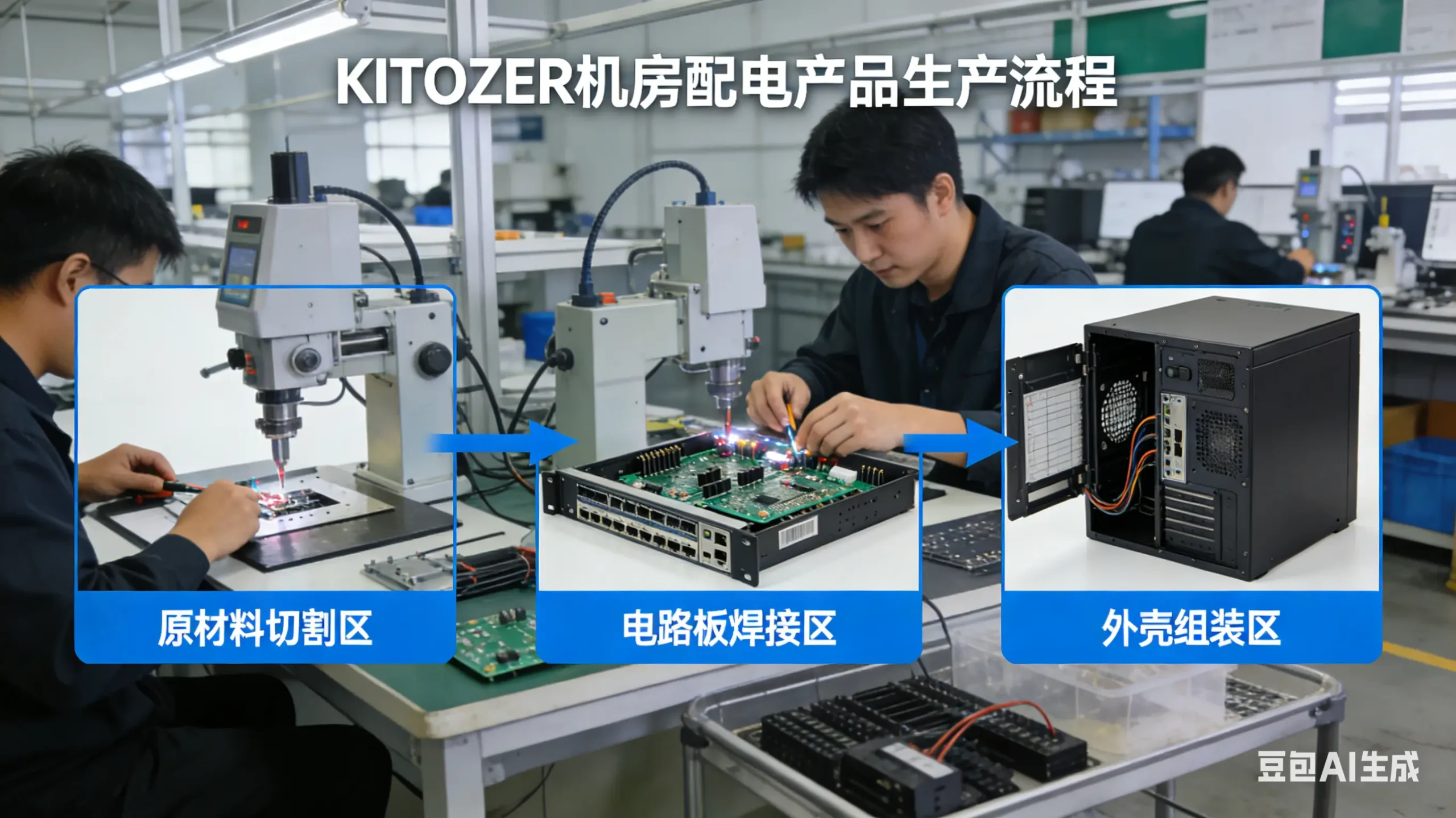
Instrument transformers are safety-critical metering components, and quality is proven by test. Lain-supplied units are designed and tested to the IEC 61869 series (instrument transformers) with routine tests on every unit — ratio and phase error verification, polarity, insulation and secondary winding resistance — and type tests covering temperature rise, short-circuit withstand and impulse voltage. Test certificates accompany each batch, giving engineers the documented assurance their meters and relays will see the truth.
10. Applications
- Energy metering and billing — accurate CT/VT sets feeding meters and submetering platforms.
- Protection schemes — overcurrent, earth-fault and differential relaying in switchgear.
- Power-quality monitoring — analyzers and harmonic studies on critical feeders.
- MV/LV substations — incomer and feeder instrument transformers.
- Retrofit energy projects — split-core CT addition to existing distribution for submetering.
- Renewables and industrial plants — generation and process feeder instrumentation.
11. Frequently Asked Questions
Instrument Transformer FAQ
1. What is the difference between a CT and a VT?
A current transformer (CT) measures current with its secondary effectively shorted to an instrument; a voltage transformer (VT) measures voltage across the circuit and must never be shorted. Both step power quantities down to safe standardized levels.
2. Why are there different accuracy classes?
Metering cores (0.2, 0.5, 1) are accurate at normal load for billing and monitoring; protection cores (5P, 10P with an accuracy limit factor) stay accurate through fault currents for relays.
3. What does 5P20 mean?
The protection core has 5% maximum error and remains accurate up to 20 times its rated current (the accuracy limit factor) before saturation.
4. Can I connect a meter and a relay to the same CT?
Yes, if the CT has separate cores — one metering core and one protection core — each sized for its function; loading both on one core compromises both.
5. Why must a CT secondary never be opened?
A CT is a current source; with the secondary open, the primary current forces the core toward saturation and induces a dangerous high voltage across the open terminals.
6. How do I choose the CT ratio?
So normal operating current falls in the accurate band of the meter (typically 30–100% of rated current) while the short-time rating withstands the site fault level.
7. What burden rating do I need?
Sum the VA of all connected instruments plus the wiring; choose a transformer rated above that total so accuracy is maintained.
8. Are split-core CTs accurate enough for metering?
Modern split-core CTs achieve good accuracy (class 0.5 or better available) and are widely used for retrofit submetering where busbars cannot be opened.
9. How is the secondary grounded?
One point of the secondary circuit is connected to earth — typically at the instrument panel — to limit potential rise and protect personnel and equipment.
10. What standards apply?
The IEC 61869 series covers current and voltage transformers, with routine tests on every unit and type tests for thermal, short-circuit and impulse performance.
12. Related Solutions
- HV Metering Cabinet
- Energy Meter & Submetering Solutions
- Distribution Switchgear
- HV Switchgear
- Grounding Copper Bar
- Industrial Energy Submetering System
About Guangzhou Lain Intelligent System Development Co., Ltd.
Guangzhou Lain Intelligent System Development Co., Ltd. supplies instrument transformers and integrated metering, protection and monitoring solutions for LV/MV distribution worldwide. From single rooms to enterprise facilities, KITOZER provides design, manufacturing, integration, testing and after-sales service. Export and support scope are confirmed on the quotation.
Contact us for a free technical consultation:
- Company: Guangzhou Lain Intelligent System Development Co., Ltd.
- Address: 1st Floor, Building A, Chaotian Industrial Park, Zhongrun Industrial Park, Shilou Town, Panyu District, Guangzhou, Guangdong, China
- Tel: +86 13538869979
- WhatsApp: +86 13538869979
- Email: zl19068534140@gmail.com
- Website: www.gdlain.com | Request a Quote
Typical response time: within one business day. Project references, drawings and samples are available on request.