1. Overview: What This FAQ Covers
A knock-down container is a flat-pack container whose walls, roof and floor collapse into a compact bundle for transport and assemble into a rigid unit on site. This page answers the questions procurement, logistics and site managers ask when choosing between assembled containers and flat-pack units.
Guangzhou Lain Intelligent System Development Co., Ltd. manufactures and supplies knock-down container units with configured fit-out for storage, shelter and accommodation programs. The answers below reflect our standard engineering practice.
2. Design and Transport
2.1 What is a knock-down container?
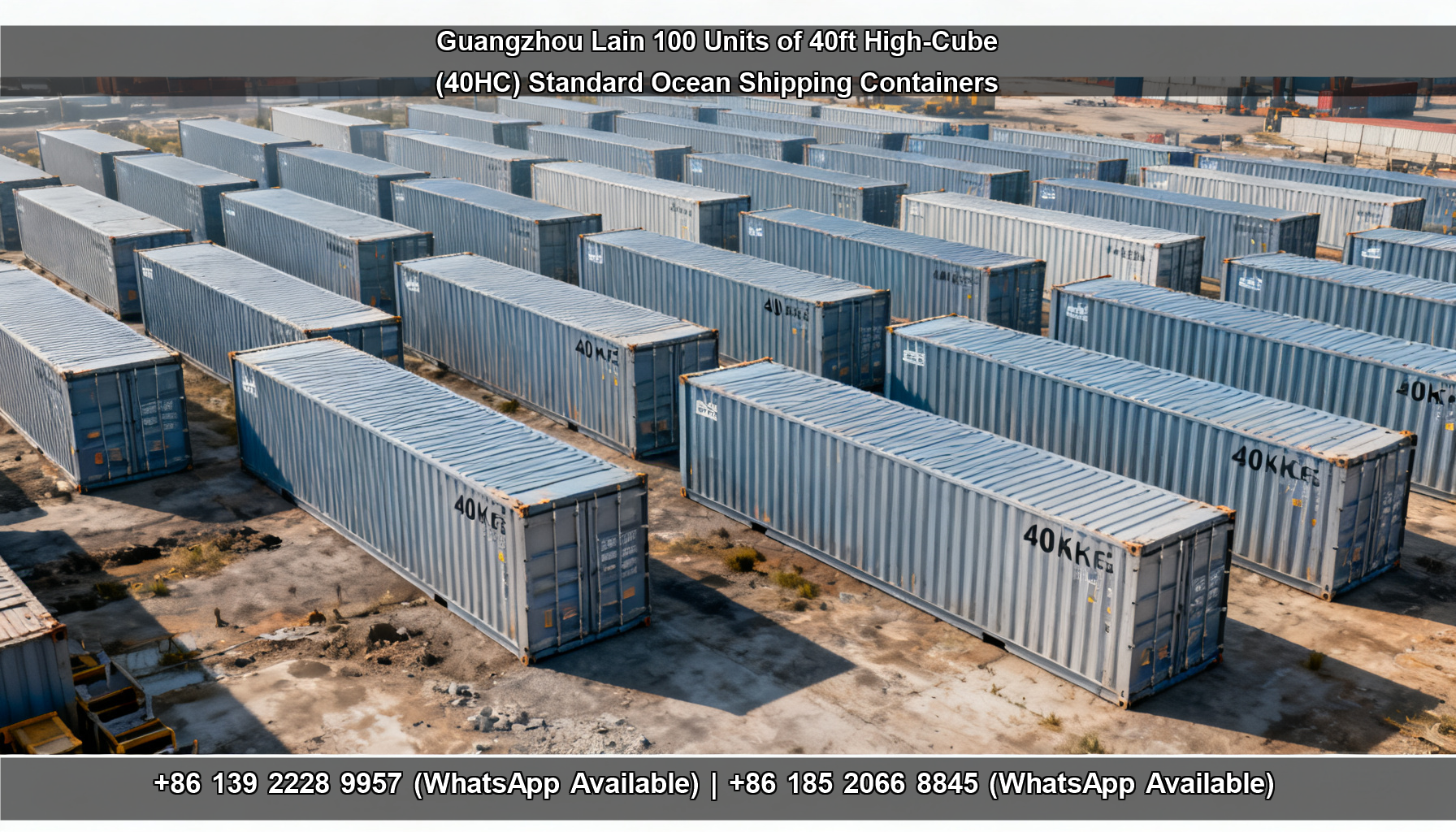
A flat-pack container whose walls, roof and floor collapse into a compact bundle for transport and assemble into a rigid unit on site. It gives the strength and weather protection of a container when erected, while shipping like a fraction of one — the core advantage for bulk or remote programs.
2.2 How much transport space is saved?
Typically 3-5 flat units occupy the volume of one assembled unit, cutting shipping cost dramatically for bulk programs to remote sites. Containers in kit form load flat and stack tight, so a single truck or container moves several complete units instead of one.
3. Assembly and Weatherproofing
3.1 How long does assembly take?
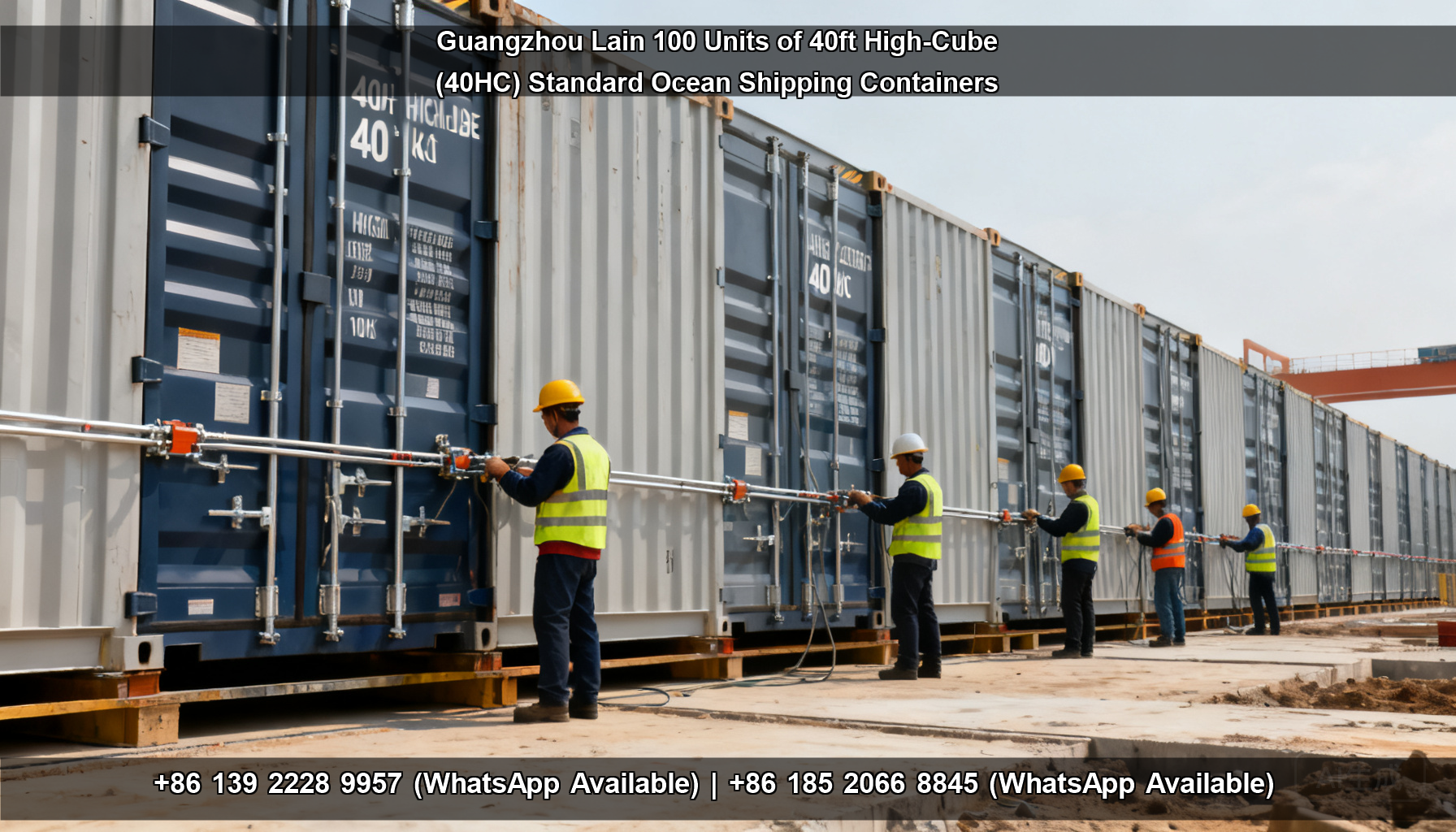
A small crew assembles most units in hours with bolted connections and basic tools; no crane is required for standard sizes. Panels are numbered and the assembly sequence is documented, so a trained crew erects a unit predictably without heavy lifting equipment.
3.2 Is the assembled unit weatherproof?
Yes — assembled units are weatherproof with sealed joints and lockable doors; insulated versions serve climate-sensitive contents. Joint gaskets, sealed roof laps and a proper floor base keep rain and dust out, and insulated panels hold temperature for equipment, stores or people.
4. Stacking and Fit-Out
4.1 Can units be stacked?
Stacking is available where specified, using reinforced corner structures; confirm stacking requirements when ordering. Two-high stacking needs stronger corners and documented floor loads, so the stacking plan must be fixed before manufacture rather than improvised on site.
4.2 What fit-out options exist?
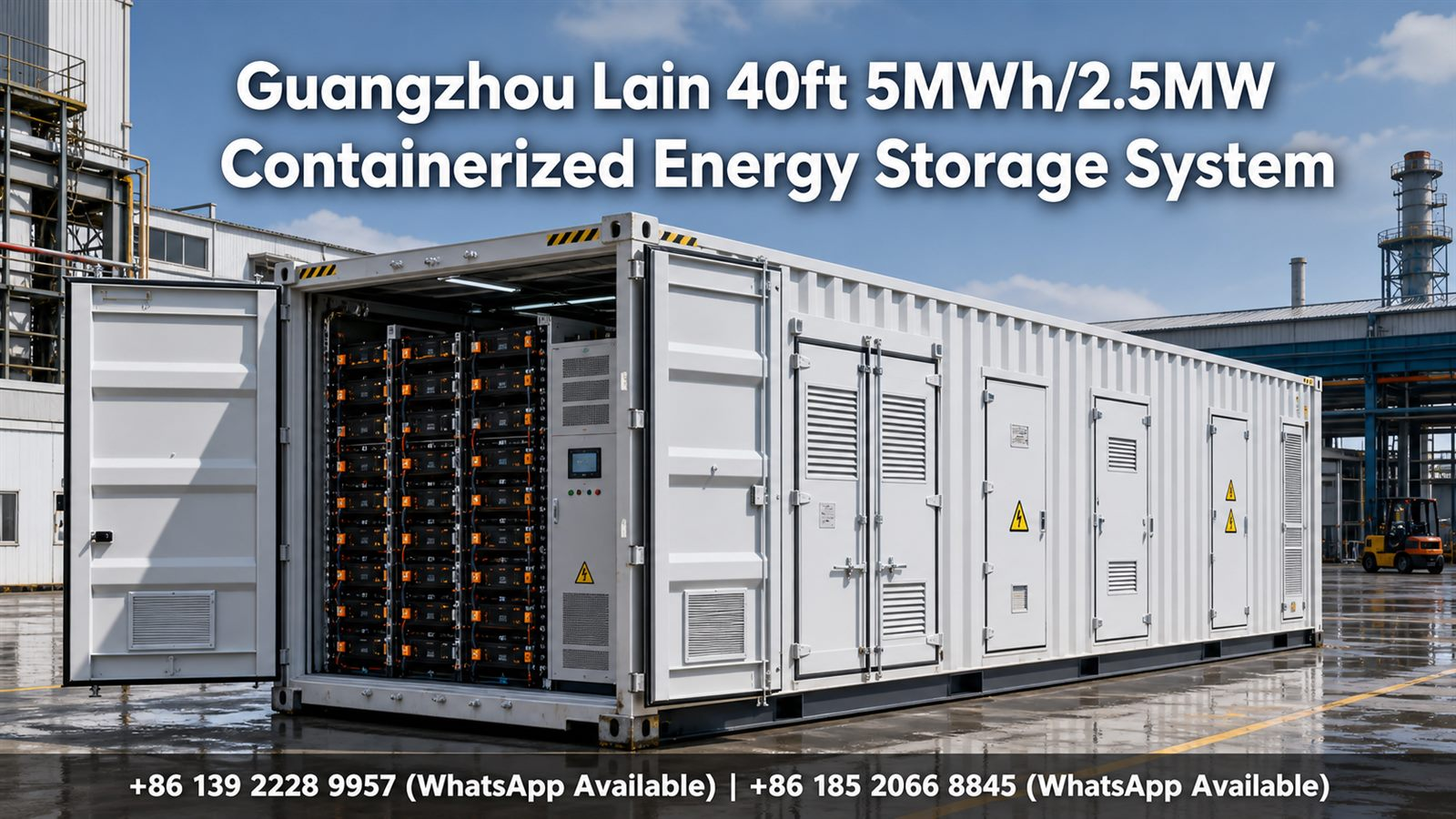
Doors, windows, ventilation, insulation, shelving, electrical fit-out and lift points are configured per application. Fit-out is agreed at the drawing stage — power points, lighting, vents and racking are built in during production so the unit arrives ready to use.
5. Sizing, Documentation and Reuse
5.1 What sizes are available?
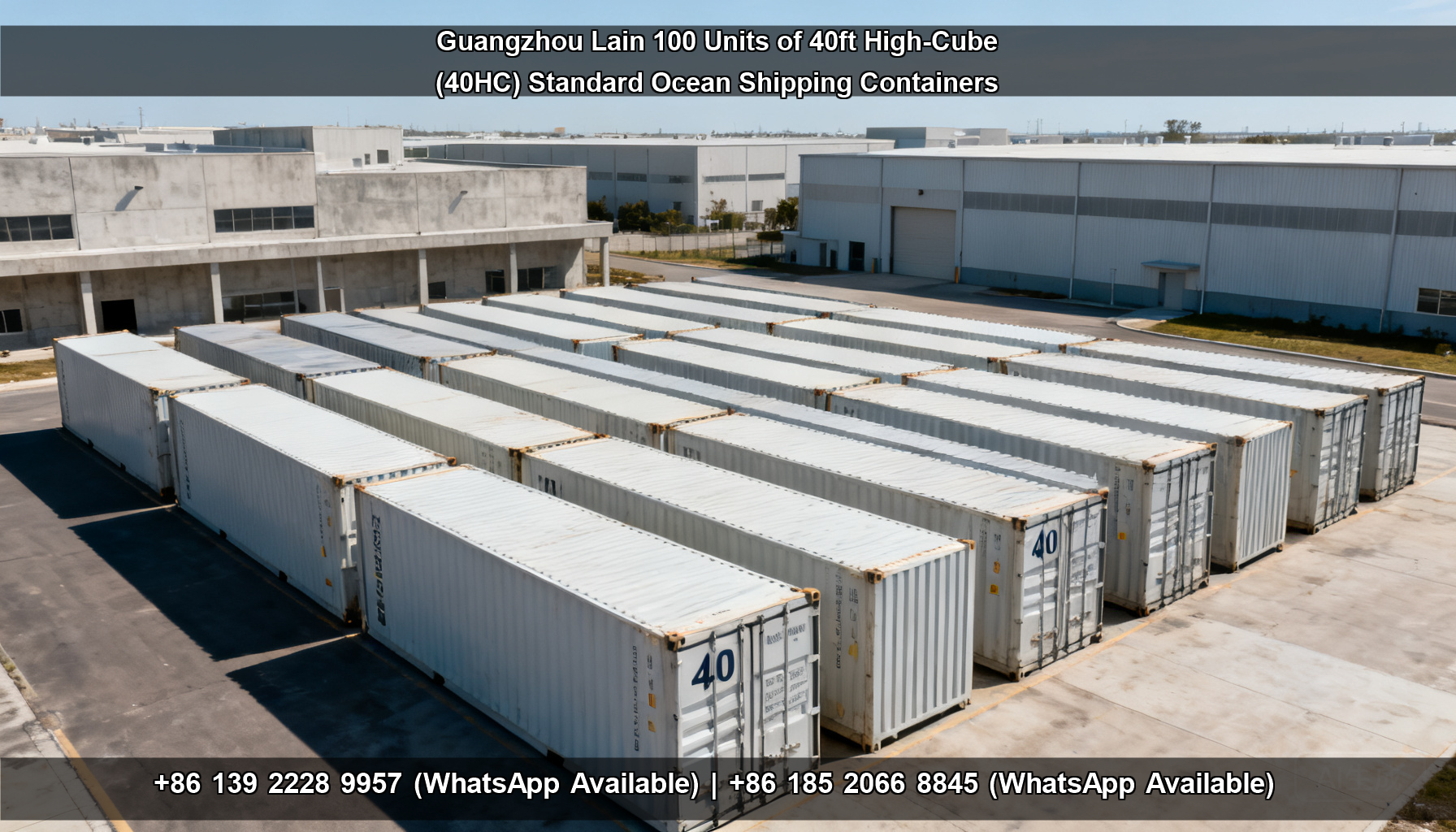
Units follow standard container footprints such as 10 ft, 20 ft and 40 ft, with custom widths and heights available on project volume. Standard footprints keep transport, foundations and site planning simple, while custom dimensions suit unusual site layouts or equipment.
5.2 What documentation is provided?
Approved drawings, material certificates, assembly instructions and test reports accompany delivery for compliant, traceable installations. The documentation file makes import, approval and site acceptance straightforward and gives the client a complete record for future relocations.
6. Frequently Asked Questions — Quick Reference
Knock-Down Container FAQ
1. What is a knock-down container?
A flat-pack container whose walls, roof and floor collapse into a compact bundle for transport and assemble into a rigid unit on site.
2. How much transport space is saved?
Typically 3-5 flat units occupy the volume of one assembled unit, cutting shipping cost dramatically for bulk programs to remote sites.
3. How long does assembly take?
A small crew assembles most units in hours with bolted connections and basic tools; no crane is required for standard sizes.
4. Is the assembled unit weatherproof?
Yes — assembled units are weatherproof with sealed joints and lockable doors; insulated versions serve climate-sensitive contents.
5. Can units be stacked?
Stacking is available where specified, using reinforced corner structures; confirm stacking requirements when ordering.
6. What fit-out options exist?
Doors, windows, ventilation, insulation, shelving, electrical fit-out and lift points are configured per application.
7. What sizes are available?
Units follow standard container footprints such as 10 ft, 20 ft and 40 ft, with custom widths and heights available on project volume.
8. What documentation is provided?
Approved drawings, material certificates, assembly instructions and test reports accompany delivery for compliant, traceable installations.
9. How are units protected in transit?
Flat bundles are crated or banded with edge protection, and corner castings or lifting lugs are provided for mechanical handling.
10. Can units be reused or relocated?
Yes — knock-down units are designed for repeated assembly, disassembly and relocation, which makes them cost-effective for staged or temporary programs.
7. Related Solutions
- Knock-Down Container: Complete Guide
- Material Storage Container
- Military Operations Container
- Homestay Container
- Accommodation Container
About Guangzhou Lain Intelligent System Development Co., Ltd.
Guangzhou Lain Intelligent System Development Co., Ltd. manufactures and supplies knock-down container units with configured fit-out for storage, shelter and accommodation programs. From single rooms to enterprise facilities, KITOZER provides design, manufacturing, integration, testing and after-sales service. Export and support scope are confirmed on the quotation.
Contact us for a free technical consultation:
- Company: Guangzhou Lain Intelligent System Development Co., Ltd.
- Address: 1st Floor, Building A, Chaotian Industrial Park, Zhongrun Industrial Park, Shilou Town, Panyu District, Guangzhou, Guangdong, China
- Tel/WeChat: +86 13538869979 | +86 13538869979
- WhatsApp: +86 135-0923-8849
- Email: zl19068534140@gmail.com
- Website: www.gdlain.com | Request a Quote
Typical response time: within one business day. Project references, drawings and samples are available on request.