1. Overview: Ship Several Containers in the Space of One
Shipping empty containers costs almost as much as shipping full ones — the volume is the same and the cargo is thin air. A knock-down container (flat-pack container) solves that problem: walls, roof and floor fold or stack flat for transport, so several units ship in one truck or one container slot, and then reassemble on site into full-size, weatherproof storage, shelter or accommodation modules.
Guangzhou Lain Intelligent System Development Co., Ltd. manufactures knock-down containers and turnkey modular solutions for remote sites, industry, agriculture and relief operations. This guide explains how flat-pack containers work, what they save in logistics, and how they are configured and assembled in the field.

2. How a Knock-Down Container Works
A flat-pack container is engineered like a standard container but designed to disassemble into flat components. The base frame stays one rigid piece; wall and roof panels fold down or unbolt and stack; and the complete pack occupies a fraction of the assembled volume. On site, panels are raised, locked and sealed — usually with only basic tools — and the unit reaches its full dimensions in hours. Because the components are machined at the factory, reassembled units return to original tolerances every time, not approximations.

3. The Logistics Advantage
| Aspect | Standard Container | Knock-Down Container |
|---|---|---|
| Empty transport volume | Full unit cube | Flat pack: 3–6 units per truck/slot |
| Round-trip cost | Full freight both ways | Return and repositioning cost a fraction |
| Storage footprint | Full size when idle | Flat when stacked |
| Air/sea freight of empties | Full rate | Reduced by pack ratio |
| Delivery to remote sites | One unit per truck | Several units per trip |
For projects moving many units to one site — camps, depots, disaster response or export programs — the packing ratio directly cuts freight, customs-volume charges and handling.
4. Configurations and Options
- Storage — general and secure storage for tools, materials, produce and equipment.
- Shelter and workshop — weatherproof cover for maintenance, field workshops and pump housing.
- Site office and welfare — insulated office, rest or canteen units with glazing and services.
- Accommodation — insulated living modules with HVAC, lighting and power provision.
- Specialized — cold/insulated, ventilated, hazardous-material and fire-rated variants.
Every option is engineered at the factory — doors, windows, ventilation, insulation and service penetrations are built in before flat-packing, not improvised on site.
5. Materials and Construction
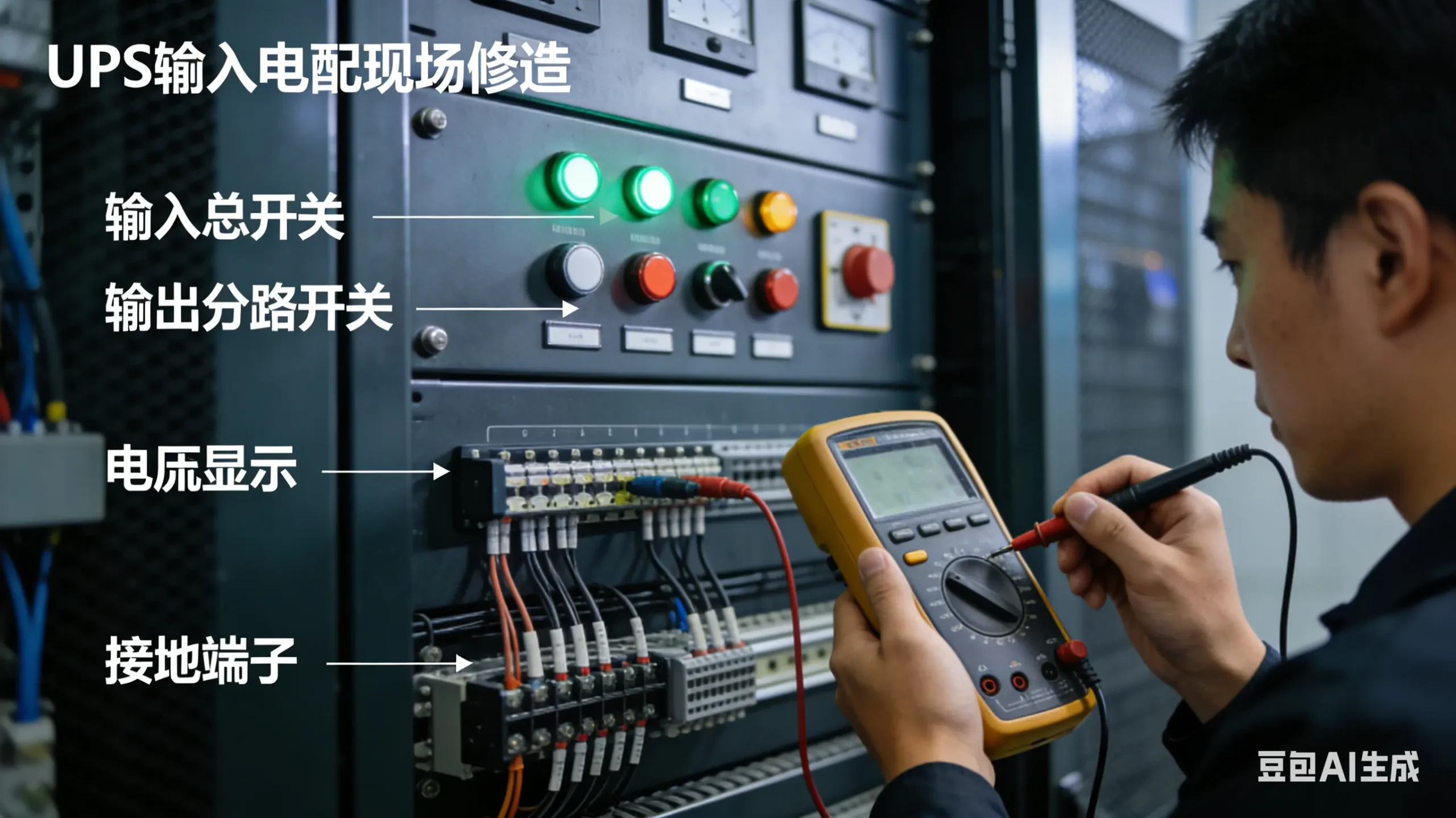
| Component | Material | Function |
|---|---|---|
| Base frame | Heavy-gauge steel | Rigid foundation, fork-lift and lifting points |
| Wall / roof panels | Steel-faced sandwich with insulation core | Structure, thermal performance, flat-pack fold |
| Floor | Plywood or composite over steel subframe | Load capacity, durability |
| Seals and locks | Compression gaskets, cam locks | Weatherproofing, security |
| Finishes | Powder coat, interior lining | Corrosion resistance, cleanable interior |
Panel construction doubles as insulation: standard units suit dry storage, while insulated variants maintain stable interiors for accommodation, electronics or temperature-sensitive goods.
6. Assembly on Site
- Foundation — level pads, gravel beds or simple supports per the unit footprint; no permanent civil works required.
- Unpacking — panels lifted from the flat pack and staged around the base frame.
- Raising — walls and roof erected and locked; a small crew with basic tools completes a standard unit in hours.
- Sealing and finishing — gaskets seated, cam locks tightened, services connected.
- Commissioning — where integrated, power, lighting, HVAC and monitoring are factory-tested and re-verified after assembly.
Re-location is equally simple: units knock down, move flat and rebuild — which is why they suit temporary, staged and mobile operations as well as permanent sites.
7. Integration: Power, HVAC and Monitoring
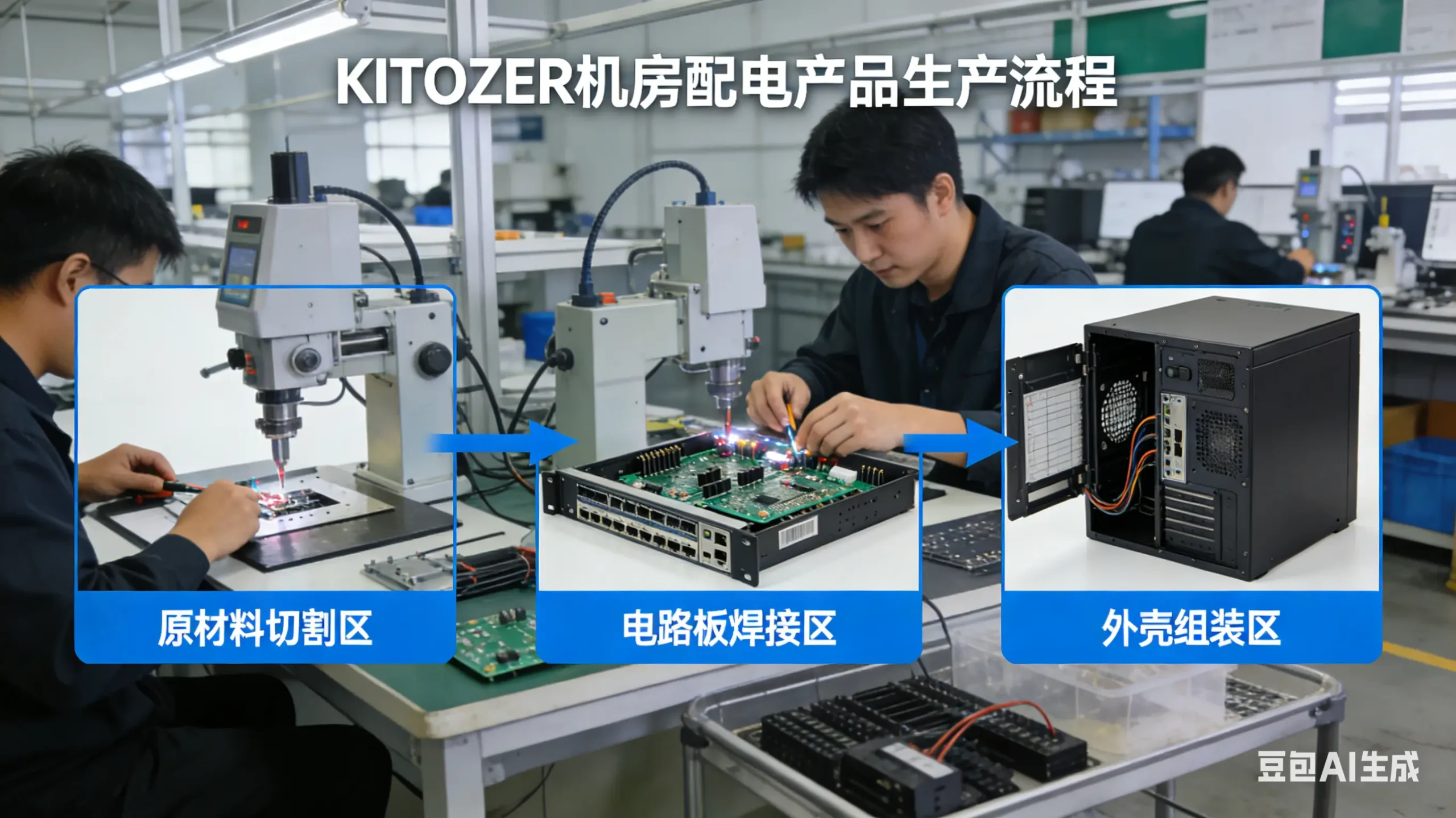
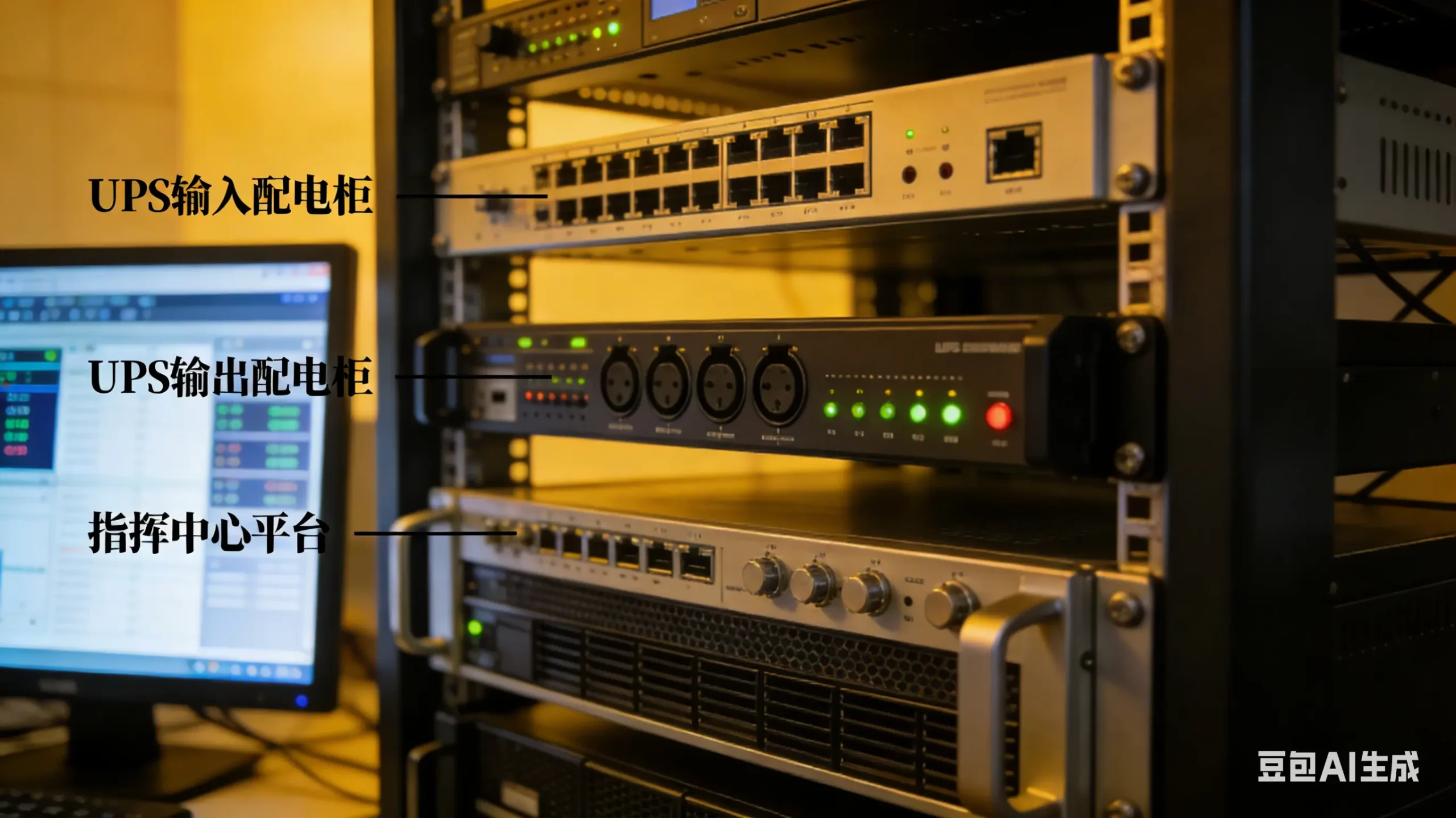
A knock-down container is often more than a box. Lain integrates electrical distribution, lighting, surge protection and earthing; HVAC sized to the unit and climate; and optional monitoring — temperature, humidity, door and smoke sensors reporting to a central platform over Ethernet or 4G. For equipment shelters, racks and cabinets are pre-mounted with cable management; for cold storage, the insulated envelope is matched with the refrigeration duty. Because integration happens at the factory, each unit arrives as a working system, not a shell awaiting site work.
8. Durability and Standards
- Structural design — engineered to container loading and stacking duty with factory load testing.
- Weatherproofing — tested seals and drainage handling wind-driven rain in exposed sites.
- Corrosion protection — surface treatment matched to coastal, industrial and tropical environments.
- Electrical compliance — integrated distribution built and tested to applicable standards.
- Documentation — assembly manual, test records, wiring schematics and component certificates with every unit.
9. Applications
- Remote site logistics — mining, energy and construction camps shipping many units in few trucks.
- Export programs — containerized products delivered flat to reduce international freight and duties.
- Emergency and relief — rapid deployment of shelters, clinics and stores after disasters.
- Agriculture — produce stores, equipment shelters and field pack houses.
- Industry and utilities — weatherproof equipment shelters and workshops at distributed sites.
- Defense and mobile operations — relocatable accommodation and command modules.
10. Frequently Asked Questions
Knock-Down Container FAQ
1. What is a knock-down container?
A container engineered to fold or disassemble into flat components for transport, then reassemble on site to full dimensions — typically shipping three to six units in the space of one standard container.
2. How much does it save in transport?
The flat-pack ratio cuts empty-freight volume by roughly 60–80%, depending on configuration, reducing shipping, handling and repositioning cost proportionally.
3. How long does assembly take?
A standard unit reassembles in hours with a small crew and basic tools; integrated power, HVAC and monitoring are pre-tested and re-verified after assembly.
4. Is a reassembled unit as strong as a standard container?
Yes — components are machined at the factory and locked to original tolerances on reassembly, with structural and weatherproofing tests behind the design.
5. Can units be relocated?
Yes — that is the core advantage: knock down, move flat and rebuild at the next site with the same result.
6. What sizes are available?
Standard container footprints (for example 10 ft, 20 ft and 40 ft equivalents) with height and configuration options tailored to the application.
7. Can you fit power and cooling?
Yes — electrical distribution, lighting, HVAC, earthing and optional monitoring are integrated at the factory as complete systems.
8. Are insulated and cold variants available?
Yes — insulated sandwich panels support accommodation, equipment shelters and refrigerated storage applications.
9. What foundation is needed?
Level pads, gravel or simple supports — no permanent civil works; the base frame carries fork-lift and lifting points for placement.
10. Do you supply assembly documentation?
Yes — every unit ships with an assembly manual, test records, wiring schematics and component certificates.
11. Related Solutions
- Edge Computing Container
- Homestay Container
- Cold-Chain Container
- Data Center Turnkey Integration
- General Outdoor Cabinets
- Industry Application Outdoor Cabinets
About Guangzhou Lain Intelligent System Development Co., Ltd.
Guangzhou Lain Intelligent System Development Co., Ltd. manufactures knock-down flat-pack containers and integrated modular shelters for storage, accommodation and equipment applications worldwide. From single rooms to enterprise facilities, KITOZER provides design, manufacturing, integration, testing and after-sales service. Export and support scope are confirmed on the quotation.
Contact us for a free technical consultation:
- Company: Guangzhou Lain Intelligent System Development Co., Ltd.
- Address: 1st Floor, Building A, Chaotian Industrial Park, Zhongrun Industrial Park, Shilou Town, Panyu District, Guangzhou, Guangdong, China
- Tel/WeChat: +86 13538869979 | +86 13538869979
- WhatsApp: +86 135-0923-8849
- Email: zl19068534140@gmail.com
- Website: www.gdlain.com | Request a Quote
Typical response time: within one business day. Project references, drawings and samples are available on request.