1. Overview: Cool the Row, Not the Whole Room
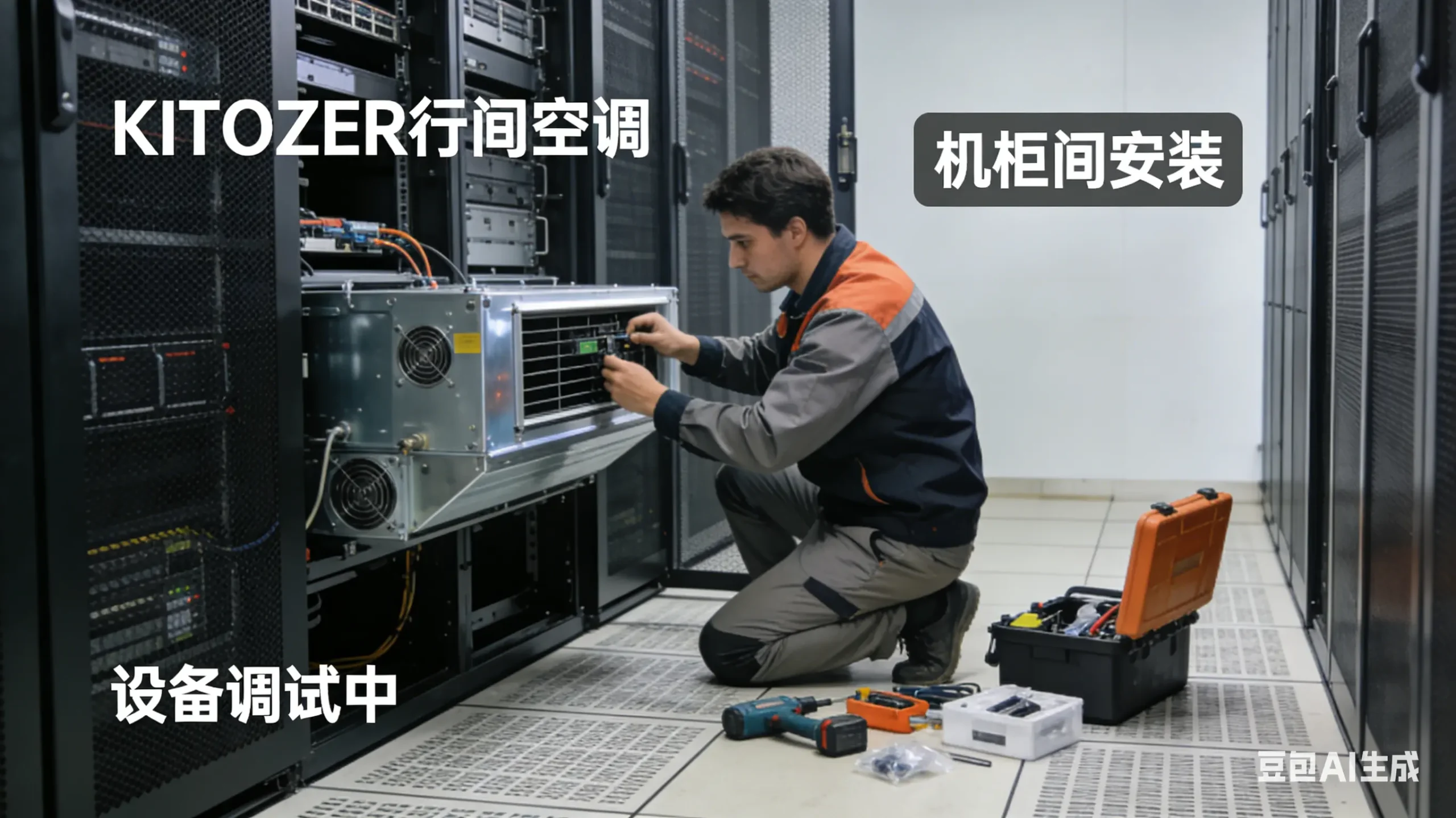
As server densities climb past 8-10 kW per rack, room-level precision air conditioning reaches its limits. The air that arrives at a rack intake has already mixed with hot exhaust from other racks, cooled the ceiling, washed along cable trays and absorbed heat from lighting — by the time it reaches the server, its temperature and reliability are hard to guarantee. Aisle cooling devices solve this by moving the cooling source close to the IT load: instead of cooling a whole room to cool a few racks, they deliver conditioned air directly to the contained aisle or remove heat at the row itself.
Guangzhou Lain Intelligent System Development Co., Ltd. supplies row-level and aisle-level cooling equipment for data centers, telecom rooms and edge sites: in-row coolers, overhead coolers, rear-door heat exchangers and integrated row cooling solutions. This guide explains how aisle cooling works, compares the main device types, and shows how to select, size and integrate them for high-density or retrofit projects.
2. Why Aisle Cooling Devices Are Needed
Every IT rack produces heat roughly equal to its electrical input. A rack drawing 10 kW must reject 10 kW of heat into the room. Room-level cooling relies on large air volumes, low supply temperatures and careful airflow management to move that heat away — which becomes inefficient and risky as density rises.
- Hot spots — room cooling cannot target individual high-density racks, so a 15 kW rack inside a room sized for 5 kW racks creates a local hot spot regardless of total capacity.
- Air mixing losses — supply air blends with room air before reaching the rack, forcing lower set points and higher fan energy to compensate.
- Capacity mismatch — adding a few high-density rows would require upsizing the entire room system, which is expensive and often physically impossible.
- Retrofit constraints — existing rooms with adequate total cooling often cannot deliver it where new high-density equipment is installed.
Aisle cooling devices address each problem by conditioning air at the point of use, which is why they have become standard for high-density, mixed-density and retrofit data centers.
3. Types of Aisle Cooling Devices
| Device Type | Mounting | How It Works | Best For |
|---|---|---|---|
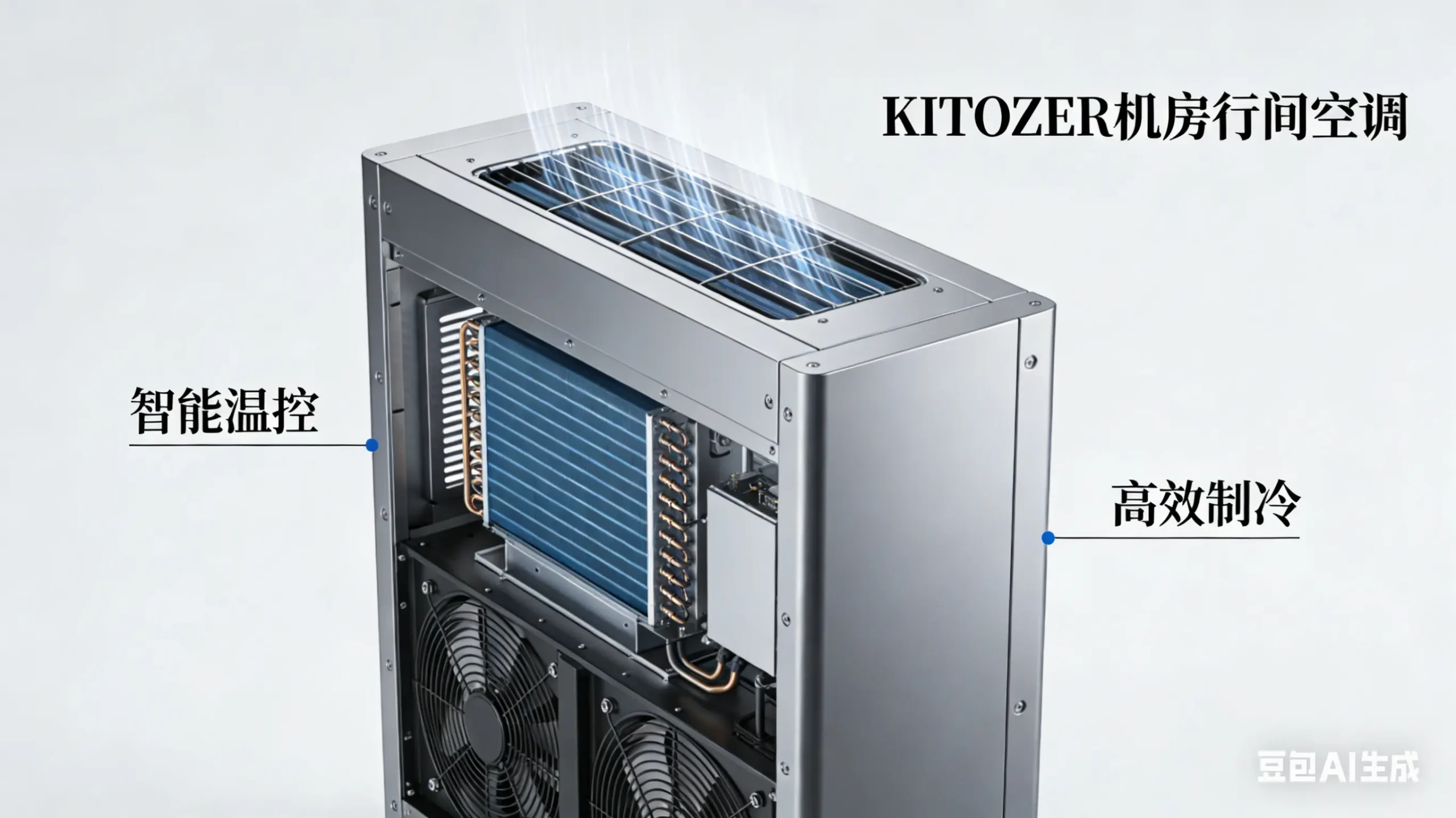
| In-row cooler | Between racks in the row | Draws hot air from the hot aisle, cools it, discharges into the cold aisle | 8-30 kW per rack, mixed densities, retrofit |
| Overhead cooler | Above the rack row | Cools air at ceiling level and returns it into the cold aisle | Rooms with limited floor space between racks |
| Rear-door heat exchanger | On the rack rear door | Water- or refrigerant-cooled coil removes heat at the rack exhaust | Very high density, liquid-ready sites |
| Row-level chilled-water unit | End of row or underfloor | Central chilled water supplies row unit with fans and coil | Sites with existing chilled-water plant |
| Self-contained row AC | Between racks | Direct-expansion refrigerant system, no central chiller needed | Small rooms, edge sites, telecom rooms |
All types share one design goal: shorten the path between the cooling coil and the IT equipment so that supply temperatures can be higher, fan power lower, and capacity predictable.
4. In-Row Cooling in Detail
In-row coolers are installed between server racks within the row, forming part of the row itself. Hot air from rack exhausts enters the rear of the unit, passes over the cooling coil, and is discharged from the front into the cold aisle. Because the unit is inside the containment envelope, it cools exactly the air that the neighboring racks will draw.
4.1 Cooling Media
In-row units are available as chilled-water or direct-expansion (DX) types. Chilled-water units connect to a central chiller plant or a dedicated chiller and offer high efficiency and no on-site refrigerant; DX units contain their own refrigeration circuit and are simpler to deploy in rooms without chilled water. Both can be supplied with variable-speed fans that modulate airflow to match rack demand.
4.2 Hot-Aisle vs Cold-Aisle Discharge
Most in-row coolers discharge into the cold aisle and draw from the hot aisle, working naturally with hot/cold aisle containment. Where containment is not yet installed, units can operate in an open-row configuration, though sealing the row improves both temperature stability and efficiency.
5. Overhead and Rear-Door Cooling
5.1 Overhead Coolers
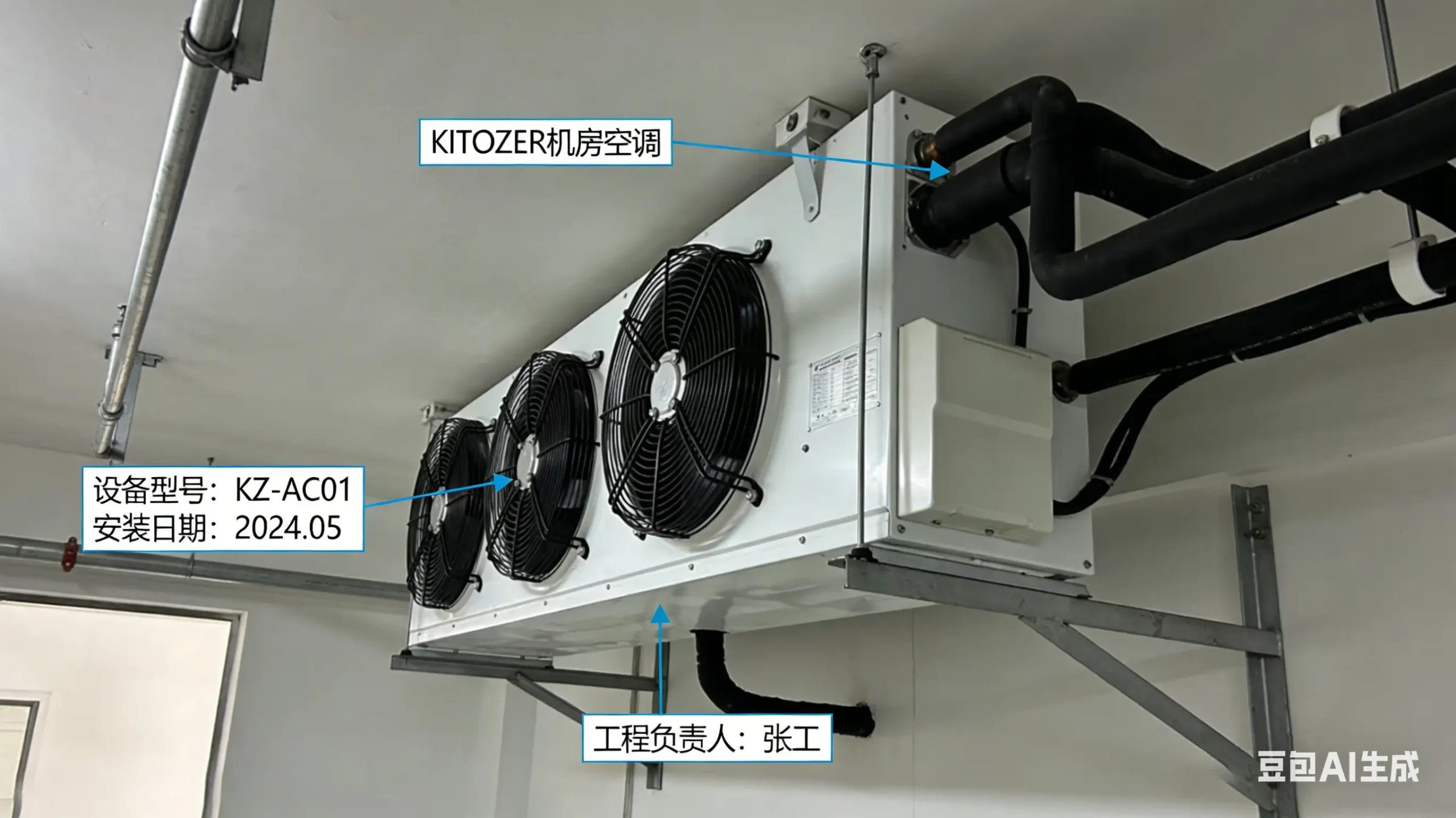
Overhead units mount above the rack row and draw hot air rising from the hot aisle through a coil, discharging cooled air downward into the cold aisle. They keep the floor area between racks clear for cabling and are a good choice where rack-to-rack spacing must be preserved for service access.
5.2 Rear-Door Heat Exchangers
Rear-door units replace or supplement the rear door of the rack with a water- or refrigerant-cooled coil. Hot air leaving the servers passes through the coil and is cooled before it ever enters the room. Rear-door cooling can remove 10-30 kW per rack and is the most effective option for extreme densities, but it requires a liquid cooling distribution system and careful water-quality management.
6. Integration with Aisle Containment
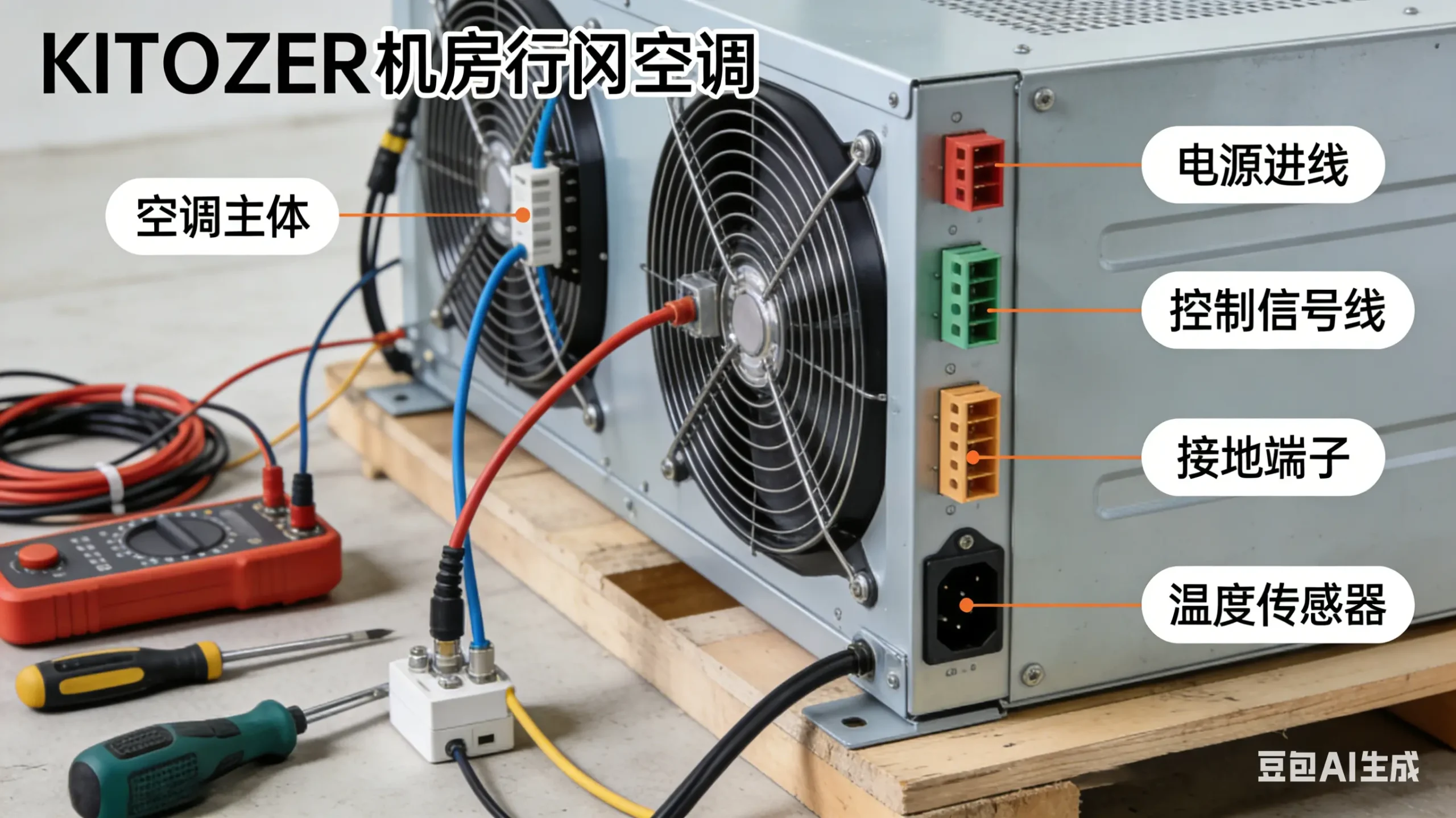
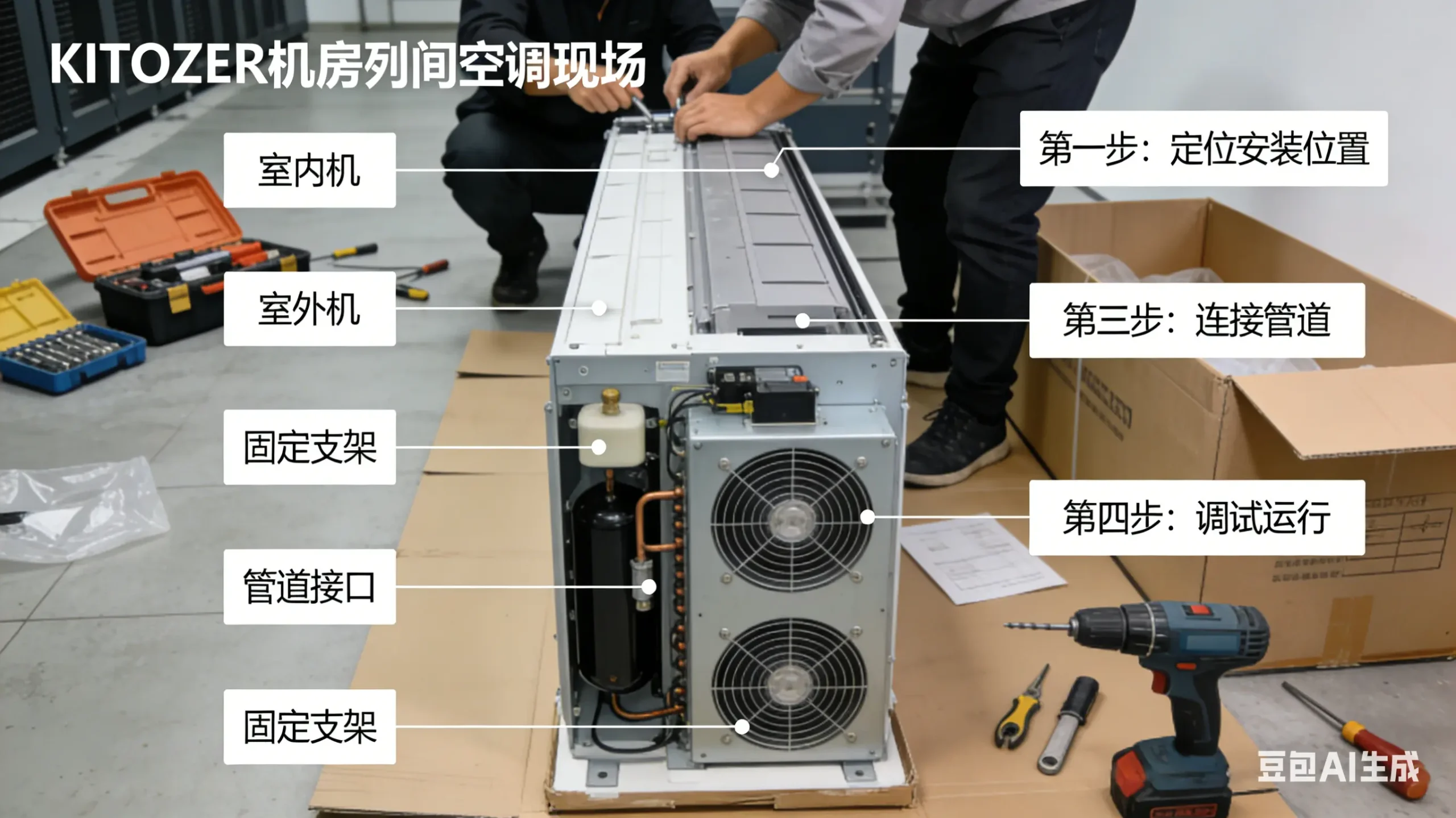
Aisle cooling devices perform best inside a contained hot/cold aisle layout. The containment ceiling, end doors and sealing strips (all available from Lain) prevent bypass airflow so that the cooling unit sees the full rack load and the racks see the full cooling output. When row cooling is added to an existing containment layout, the two systems are planned together: cooling unit positions are chosen so that each rack has a predictable supply-air path, and sensors are placed to verify intake temperatures across the row.
For rooms using aisle cooling alone, each row becomes a self-contained cooling zone: the row-level units handle the row’s heat, and room-level units (if any) handle only perimeter and ancillary loads. This zone approach makes capacity planning simple and lets different rows run at different densities and temperatures.
7. Sizing and Selection Guide
- Calculate the row heat load — sum the nameplate or measured load of every rack in the row, not the room average.
- Apply the redundancy policy — N+1 cooling within the row means one extra unit so that any single failure leaves the row protected.
- Match supply air temperature — higher supply set points (18-24°C where ASHRAE guidance permits) improve efficiency and allow more free-cooling hours.
- Check physical fit — in-row units consume one or more rack spaces; confirm the row length and the unit footprint before layout.
- Plan the water path — chilled-water and rear-door units need supply/return piping, isolation valves, condensate handling and water treatment.
- Verify airflow direction — unit airflow must match the rack airflow (front-to-rear) and the containment layout.
Guangzhou Lain engineers size row cooling from your rack inventory and room drawings, and provide a layout showing unit positions, capacities and redundancy before any equipment is ordered.
8. Control and Monitoring
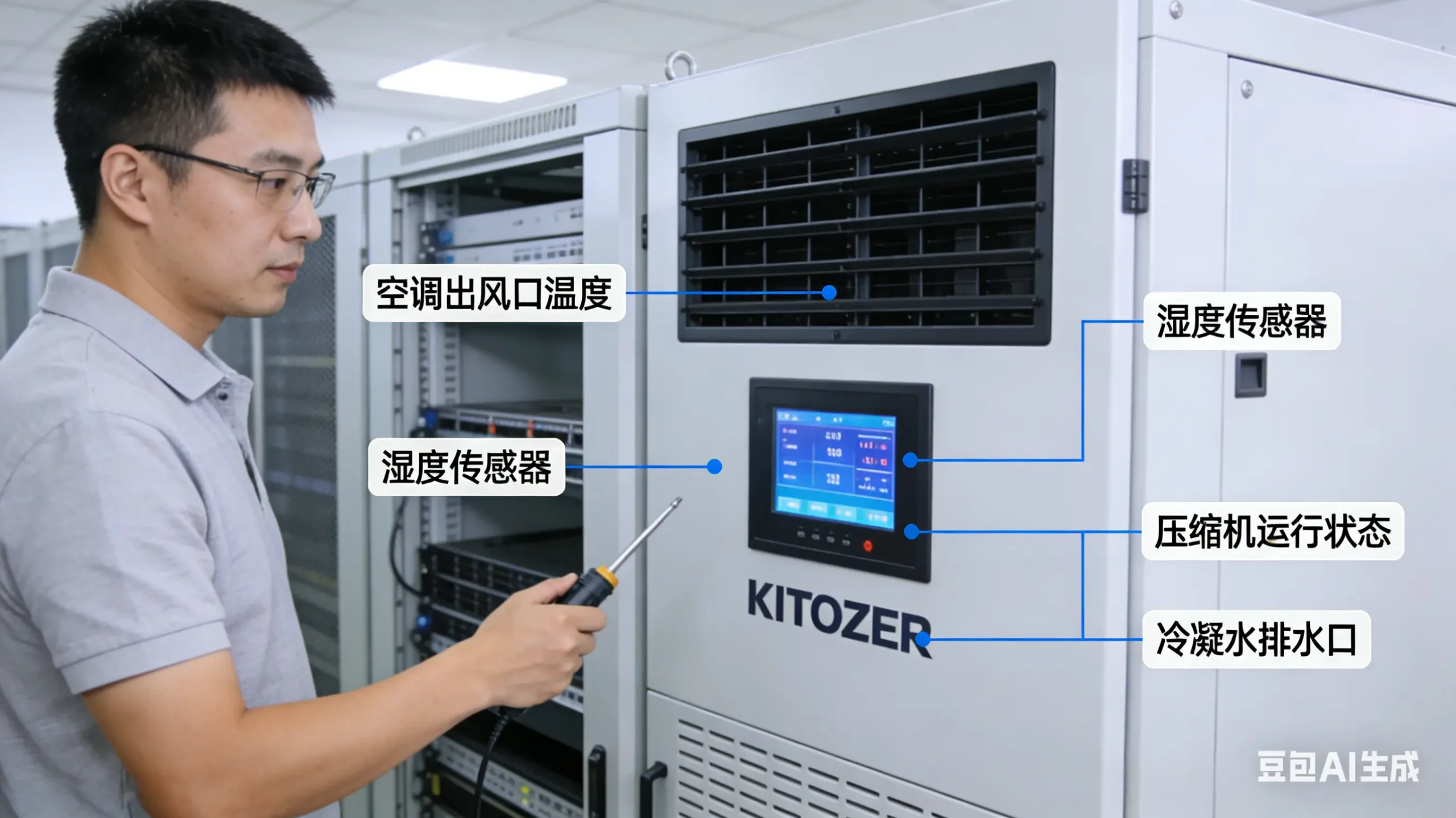
Modern aisle cooling devices are delivered with intelligent controllers that modulate fan speed, valve opening and (for DX units) compressor capacity against rack intake temperature rather than room temperature. Units communicate over Modbus, SNMP or BACnet so that the data center monitoring platform can trend temperatures, energy use and alarm conditions per row. This is what turns a row of coolers into a managed cooling system: set-point control, load following, remote alarming and energy reporting become standard.
9. Energy and Operating Benefits
- Higher supply temperatures — close coupling lets the same IT load be cooled with warmer supply air, improving chiller and compressor efficiency.
- Lower fan energy — air travels centimetres instead of metres, so fans move less air at lower pressure.
- Targeted capacity — cooling is installed only where density exists, avoiding the cost of upsizing room systems.
- Elimination of hot spots — each row controls its own environment, so mixed-density rooms stay within specification.
- Scalability — new high-density rows are added with their own cooling, independent of the room plant.
10. Frequently Asked Questions
Aisle Cooling Devices FAQ
1. When should I choose aisle cooling instead of room-level cooling?
When rack density exceeds roughly 8-10 kW per rack, when the room has persistent hot spots, or when a retrofit adds high-density rows to an existing room without spare room-level capacity.
2. What is the difference between in-row and overhead cooling?
In-row coolers sit between racks at floor level; overhead coolers mount above the row. Both cool at the row, but in-row units replace rack space while overhead units keep the floor clear.
3. Can aisle cooling devices work without containment?
Yes, they operate in open layouts, but hot/cold aisle containment improves supply-air stability and efficiency, so Lain recommends installing them together.
4. Do in-row coolers use chilled water or refrigerant?
Both types are available. Chilled-water units connect to a central plant; self-contained DX units include their own refrigeration and need no central chiller.
5. How much heat can a rear-door heat exchanger remove?
Rear-door coils typically remove 10-30 kW per rack depending on water temperature, airflow and coil size, making them suitable for very high density rows.
6. What redundancy should I plan for row cooling?
A common policy is N+1 within the row: one additional cooling unit so the row stays protected if any unit fails or is taken offline for maintenance.
7. What supply air temperature should I use?
ASHRAE-recommended ranges (18-27°C, with allowance for higher temperatures in many modern designs) let you raise set points and save energy; Lain helps you set safe targets for your equipment.
8. How are aisle cooling devices monitored?
Controllers support Modbus, SNMP and BACnet, feeding temperatures, fan status, valve position and alarms into the data center monitoring platform.
9. Can row cooling be added to an existing data center?
Yes — this is the most common retrofit. Lain surveys the room, checks water or power availability, and designs a row-level solution that coexists with the existing cooling.
10. How do aisle cooling devices affect maintenance?
Units are serviceable from the front or top without moving racks; filters, fans and coils are accessible, and redundancy allows maintenance without interrupting the IT load.
11. Related Solutions
- Aisle Sealing Strips
- Aisle Ceiling Tiles
- Cabinet Thermal Control Module
- Precision Temperature & Humidity Monitoring
- Data Center Monitoring System
- Data Center Turnkey Integration
About Guangzhou Lain Intelligent System Development Co., Ltd.
Guangzhou Lain Intelligent System Development Co., Ltd. supplies aisle cooling devices, containment systems and precision environment monitoring for high-density data centers, delivered as coordinated row-level solutions with engineering support. From single rooms to enterprise facilities, KITOZER provides design, manufacturing, integration, testing and after-sales service under one roof and exports worldwide.
Contact us for a free technical consultation:
- Company: Guangzhou Lain Intelligent System Development Co., Ltd.
- Address: 1st Floor, Building A, Chaotian Industrial Park, Zhongrun Industrial Park, Shilou Town, Panyu District, Guangzhou, Guangdong, China
- Tel/WeChat: +86 135-0923-8849 | +86 135-0923-8849
- WhatsApp: +86 135-0923-8849
- Email: zl19068534140@gmail.com
- Website: www.gdlain.com | Request a Quote
Typical response time: within one business day. Project references, drawings and samples are available on request.