Executive Summary
Environmental Monitoring covers a structured family of engineered systems that support mission-critical facilities, industrial sites and communication infrastructure. This guide reviews the engineering context, typical challenges, and practical selection considerations for buyers, integrators and operations teams.
Environmental monitoring turns a physical condition into a decision. The value is not the sensor but the chain behind it — calibration, communications, alarm logic, data storage and the action taken when a threshold is crossed. This guide covers the family’s major applications, from agriculture and cold chain to data centers, geohazards and industrial energy, and explains how to specify a monitoring system that stays trustworthy over years of unattended operation.
Industry Context
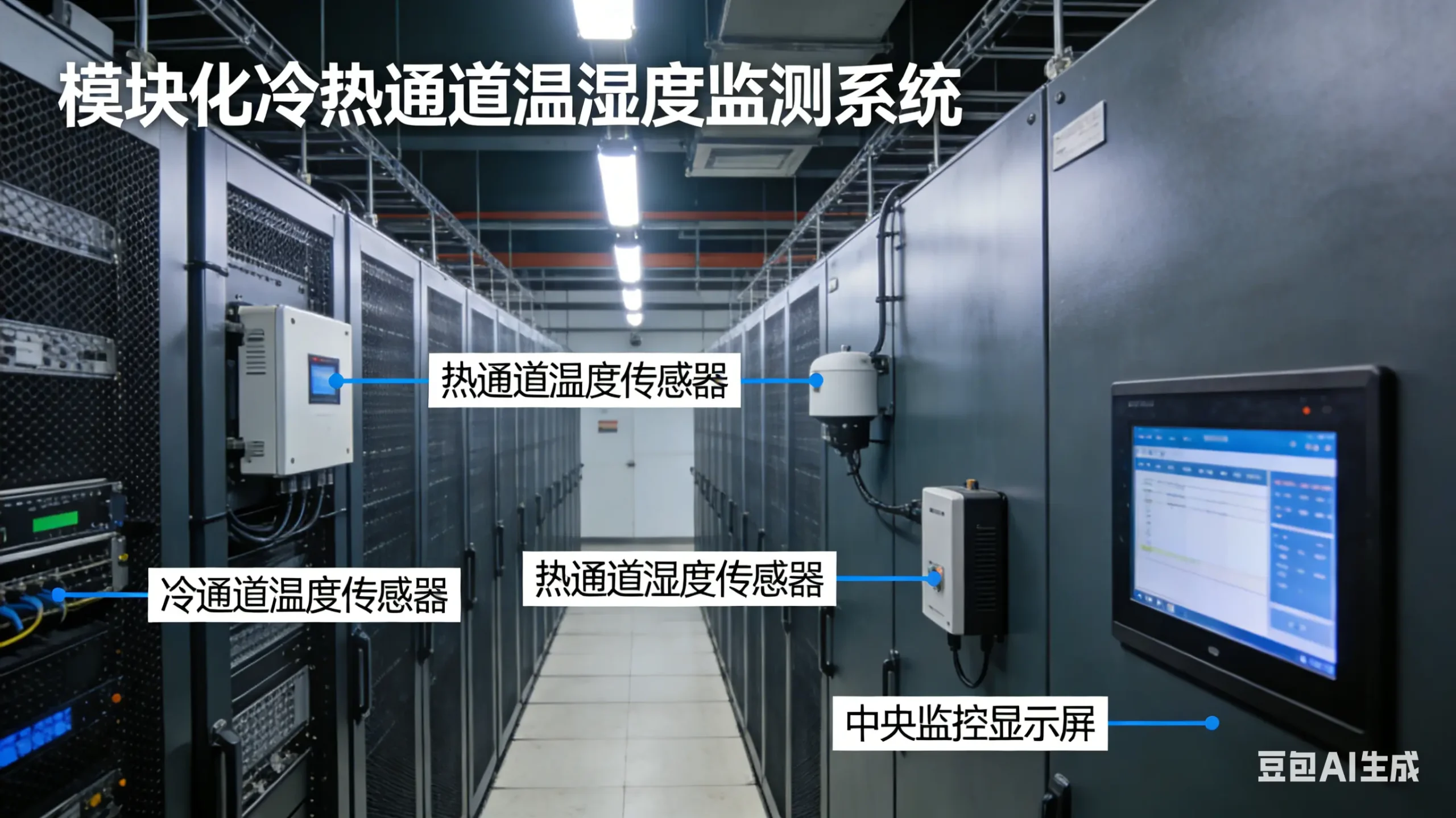
Demand for environmental monitoring continues to grow as operators upgrade legacy infrastructure and adopt standardized, factory-integrated solutions. Procurement decisions increasingly depend on verified specifications, lifecycle cost and supplier engineering capability rather than price alone.
Three trends expand demand. Compliance now requires continuous, auditable records for cold chain, emissions and workplace conditions. Operations increasingly rely on early warning to prevent loss rather than to explain it afterwards. And low-power wireless and cloud platforms have made monitoring affordable at sites that were previously too small or too remote.
Engineering Challenge
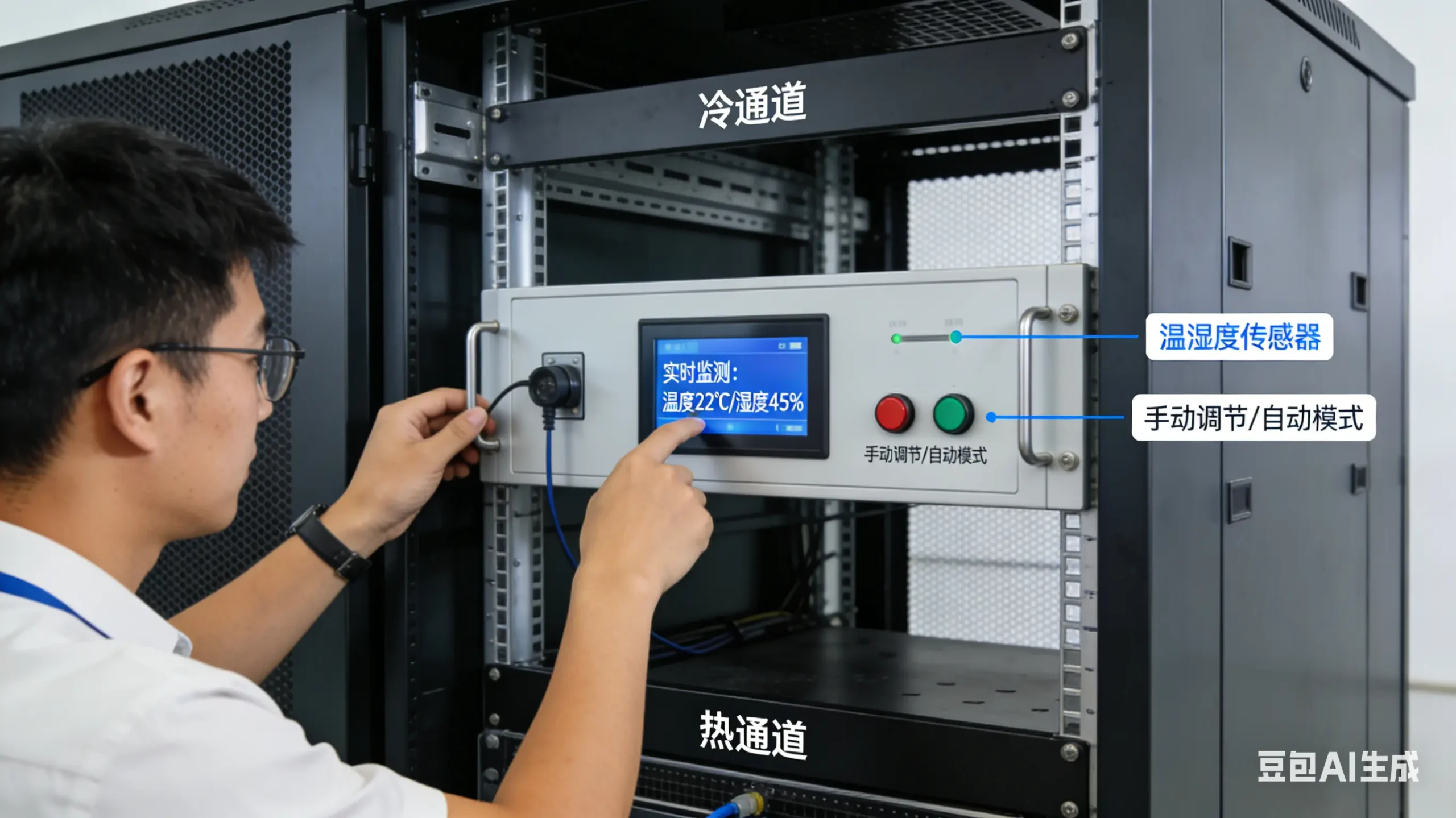
The main challenge is matching the right configuration to real site conditions: space, load, thermal environment, power availability and maintenance access. A mismatch at specification stage typically leads to rework during installation or higher operating cost.
Monitoring systems fail quietly. Sensors drift out of calibration, communications drop during the very event that matters, threshold logic triggers on noise, and data is recorded but never acted upon. Because the failure produces no error, the system looks healthy until the loss occurs — so calibration schedules, communications redundancy, alarm validation and defined response procedures are the real engineering content.
Technical Analysis
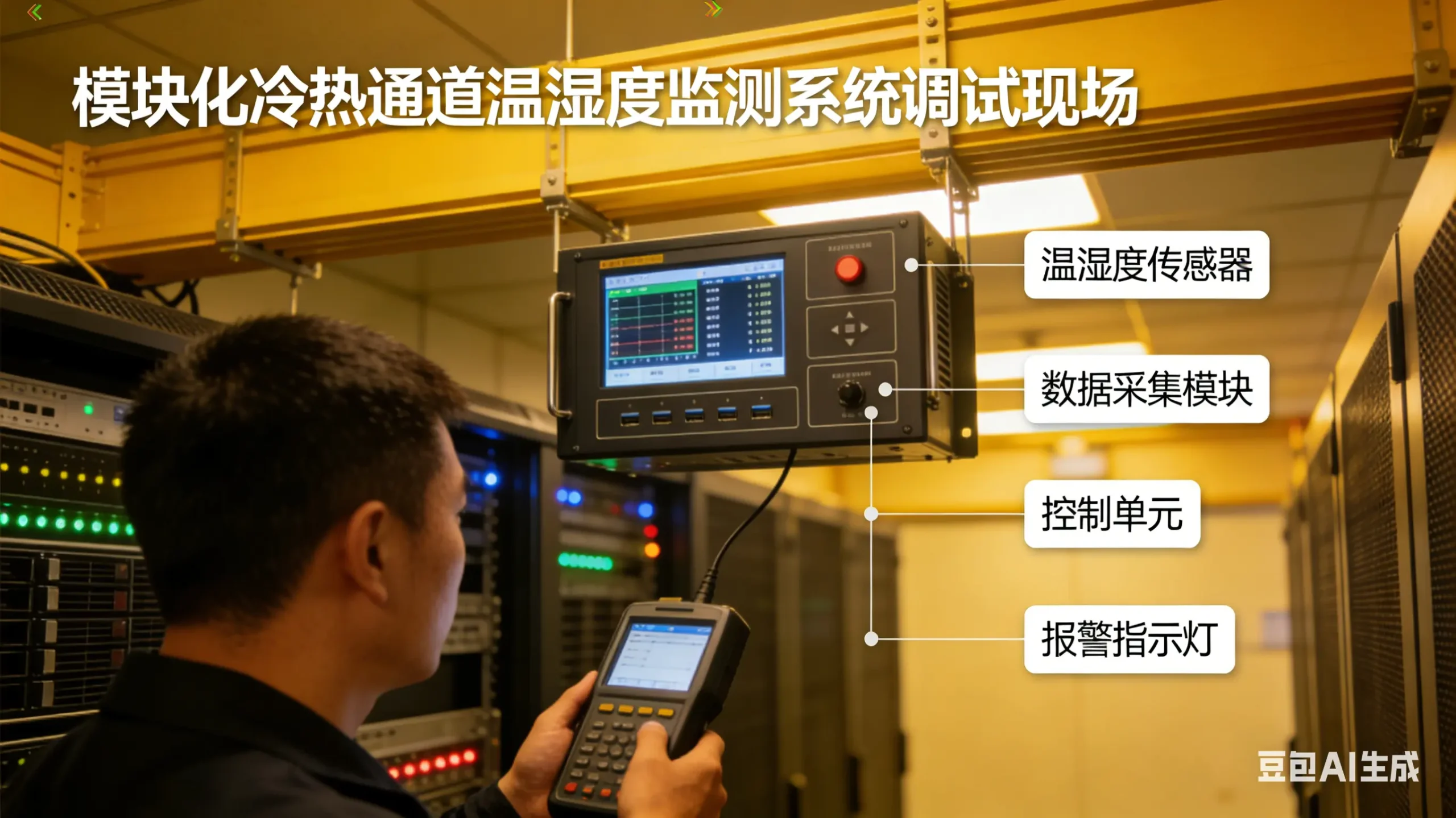
Key technical dimensions include structural integrity, thermal performance, electrical safety, environmental protection rating, and integration interfaces. Each subcategory in this family addresses a specific portion of the overall system:
- Agriculture & Grain Monitoring
- Ambient Air & Weather Monitoring
- Building & Special-Facility Monitoring
- Cold Chain & Medical Storage Monitoring
- Data Center Environmental Monitoring
- Geohazard Monitoring
- Hydrology & Water Monitoring
- Industrial Environmental & Energy Monitoring
- Museum, Tobacco & Specialty Storage Monitoring
- Power & Energy Infrastructure Monitoring
- Transport & Port Monitoring
The subdivisions share a common architecture but differ in sensor and durability requirements. Agriculture and grain monitoring needs dust tolerance and long-range coverage; ambient air and weather monitoring needs vetted siting and meteorological accuracy; building and special-facility monitoring needs integration with HVAC and fire systems; cold chain and medical storage needs certified traceability; data center monitoring needs fast sampling and tight alarm integration; geohazard monitoring needs unattended power and telemetry; hydrology and water monitoring needs rugged, flood-tolerant installation; and industrial environmental and energy monitoring needs protocol compatibility with meters and PLCs. Choosing sensors means matching accuracy, range, environment and calibration interval to the decision the data must support.
Application
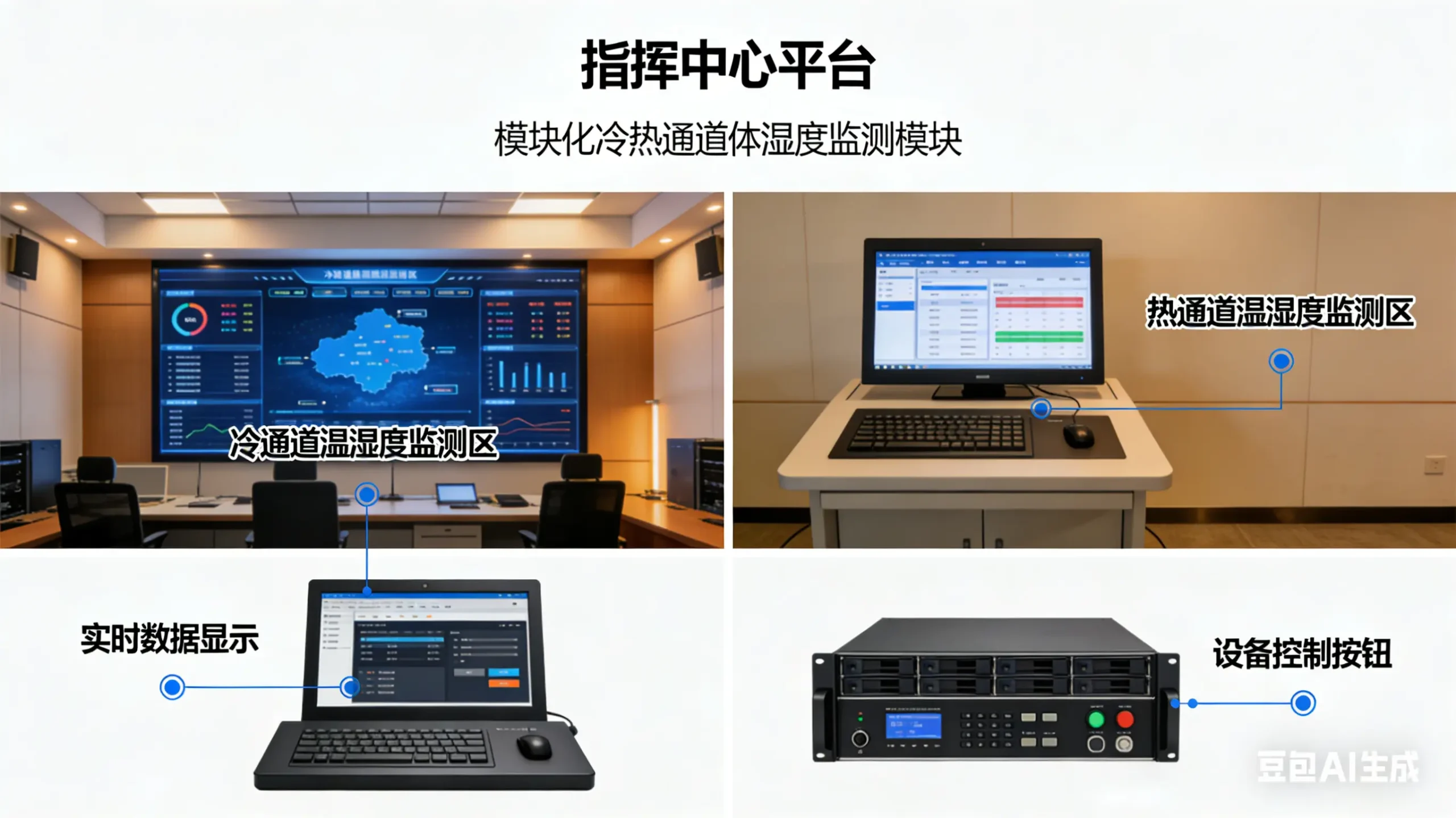
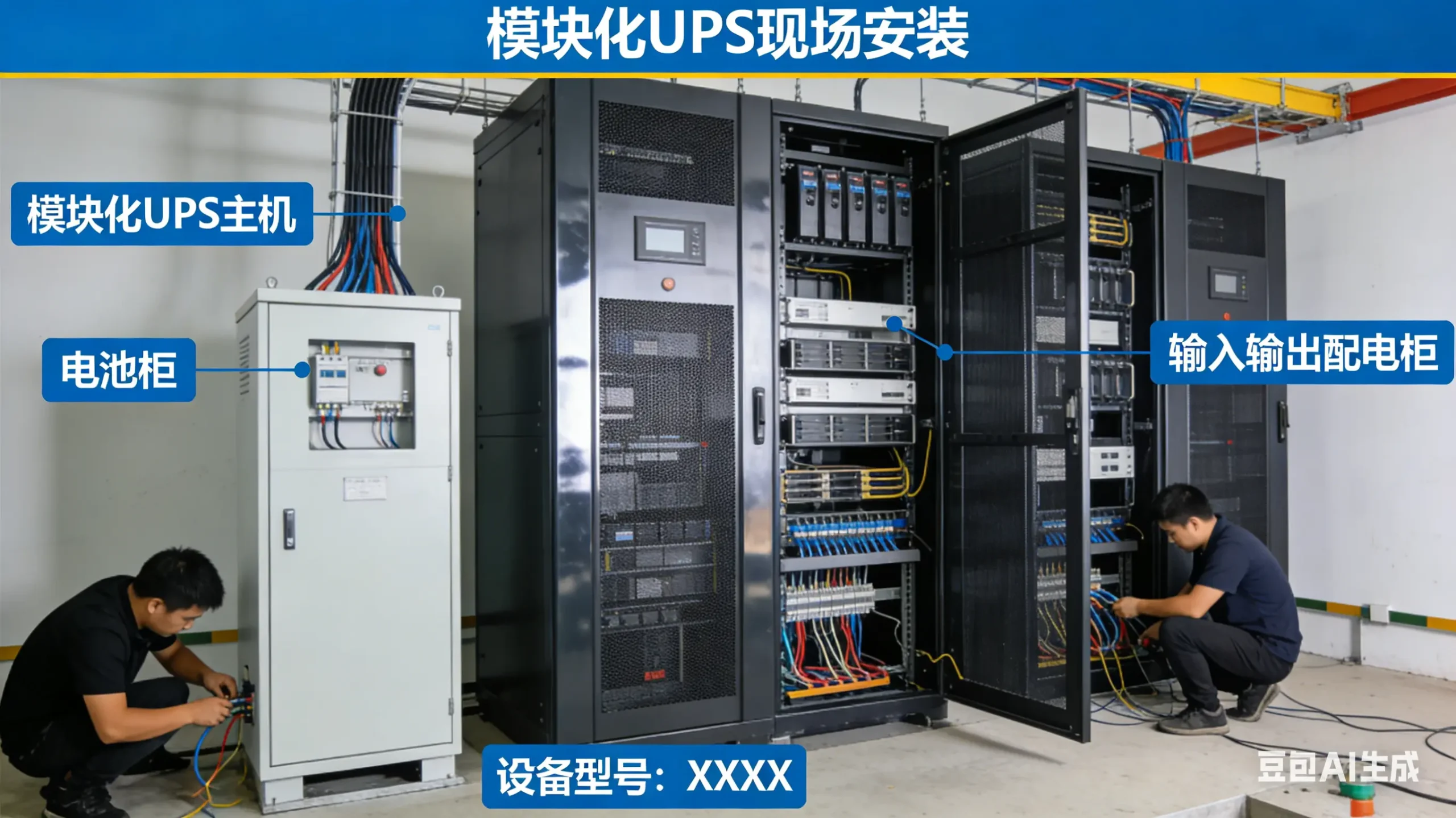
Typical applications include environmental monitoring environments and comparable facilities where reliability and serviceability are mandatory. Site surveys and load calculations are recommended before configuration.
Projects begin with the decisions the data must drive: which thresholds, how fast a response, who acts and what evidence is required. Sensors and siting are then chosen, communications designed for the worst case rather than the average, alarm logic validated against real noise, and data retention set to the compliance period. Commissioning includes calibration records and a test of the full chain from sensor to alert.
Selection Considerations
When selecting from this family, verify: (1) compatibility with existing infrastructure, (2) environmental conditions such as temperature, humidity and dust, (3) power and cooling budget, (4) maintenance and spare-part strategy, and (5) compliance requirements applicable to your region.
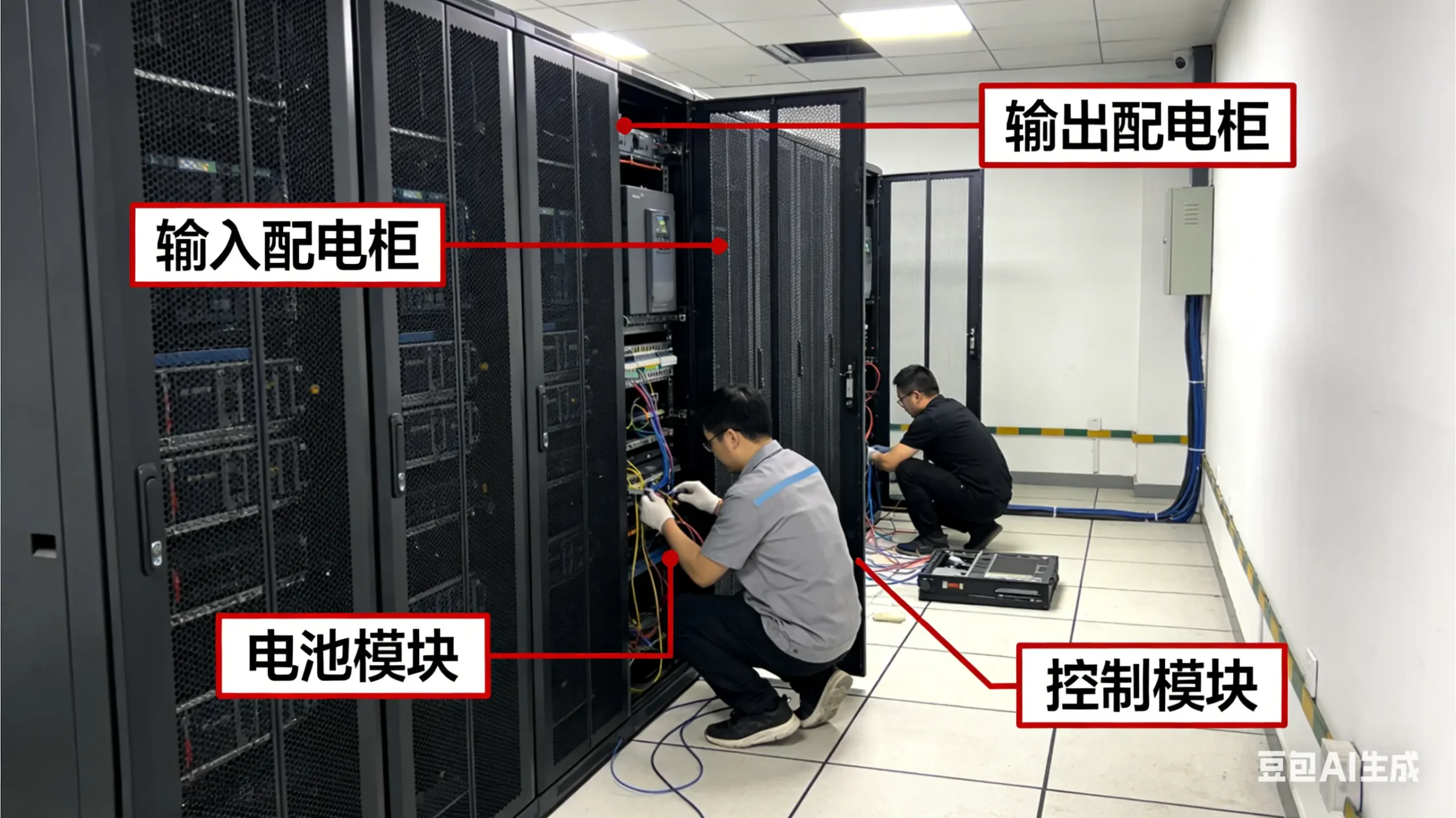
Beyond the five verification points, confirm what decides long-term trust: sensor accuracy and calibration interval with traceable certificates, communications redundancy and offline buffering, alarm escalation and acknowledgement, data retention and export for audits, and integration with existing BMS, PLC or cloud platforms. For regulated applications, confirm that records meet the required format and retention period before deployment.
Frequently Asked Questions — Quick Reference
1. What does the environmental monitoring family cover?
Agriculture and grain, ambient air and weather, building and special facilities, cold chain and medical storage, data centers, geohazards, hydrology and water, and industrial environmental and energy monitoring.
2. What matters more — sensors or the system behind them?
The system. Calibration, communications, alarm logic, data storage and the defined response determine whether monitoring actually prevents loss.
3. How often should sensors be calibrated?
According to the sensor type and the accuracy the decision requires, with traceable certificates and a schedule that reflects drift in the real environment.
4. How is communications reliability ensured?
By designing for the worst case, adding redundancy and buffering data locally so nothing is lost when the link drops.
5. How do you stop false alarms?
By validating thresholds against real noise, requiring sustained deviation and using multi-sensor correlation before escalation.
6. What data retention is needed?
At least the compliance period for the application; regulated cold chain and emissions records are kept for the period the rules require and stored so they can be exported for audit.
7. Can monitoring integrate with existing systems?
Yes — standard protocols connect to BMS, PLC, SCADA and cloud platforms, with alarm mapping to the facility escalation path.
8. What is needed for cold chain compliance?
Certified sensors, continuous recording, traceable calibration and records that meet the governing standard’s format and retention rules.
9. How are remote or off-grid sites handled?
With low-power sensors, solar or battery supply, telemetry and local buffering, sized for the site’s access interval.
10. What should be verified at commissioning?
Calibration records, sensor siting, the full chain from sensor to alert, alarm escalation and acknowledgement, and data export for the compliance period.
Conclusion
A structured, category-level approach to environmental monitoring procurement reduces risk and total cost. KITOZER supports customers from specification to commissioning; contact the engineering team for verified datasheets and project support.
Related Products
Environmental Monitoring covers a structured family of engineered systems that support mission-critical facilities, industrial sites and communication infrastructure. This guide reviews the engineering context, typical challenges, and practical selection considerations for buyers, integrators and operations teams.
Related Articles
Environmental Monitoring: Design Plan Framework
Environmental Monitoring: Technical FAQ
About Guangzhou Lain Intelligent System Development Co., Ltd.
Guangzhou Lain Intelligent System Development Co., Ltd. (KITOZER) supplies and integrates environmental monitoring — engineered, tested and supported as one coordinated system for mission-critical and industrial sites. From single rooms to enterprise facilities, Lain provides design, manufacturing, integration, testing and after-sales service under one roof and exports worldwide.
Contact us for a free technical consultation:
- Company: Guangzhou Lain Intelligent System Development Co., Ltd.
- Address: 1st Floor, Building A, Chaotian Industrial Park, Zhongrun Industrial Park, Shilou Town, Panyu District, Guangzhou, Guangdong, China
- Tel/WeChat: +86 135-0923-8849 | +86 135-0923-8849
- WhatsApp: +86 135-0923-8849
- Email: zl19068534140@gmail.com
- Website: www.gdlain.com | Request a Quote
Typical response time: within one business day. Project references, drawings and samples are available on request.