Engineering considerations for environmental monitoring — how measurement, communications and alarm logic interact, which variables drive specification, where monitoring fails, and what verification should prove.
Technical Context
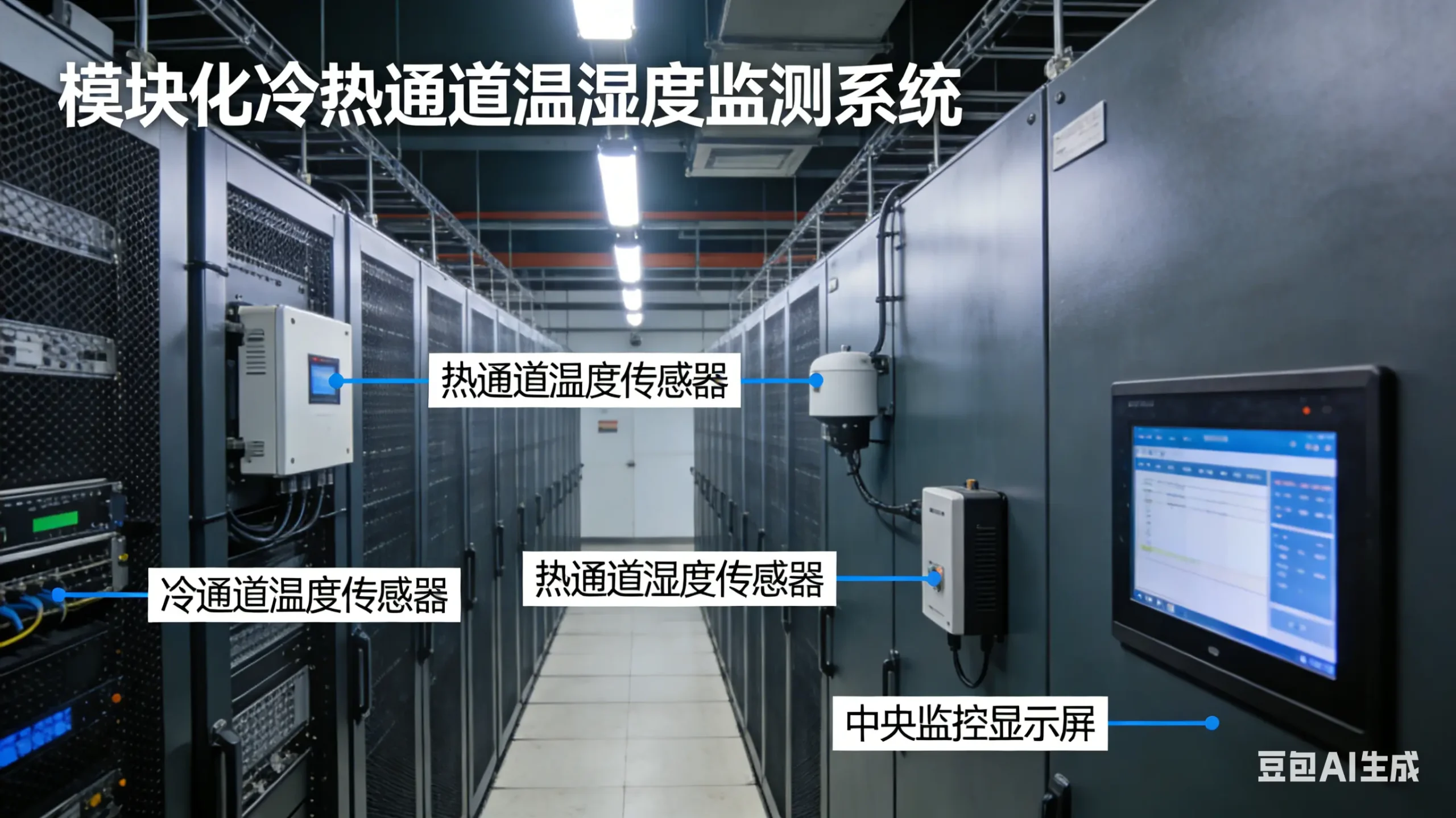
Environmental Monitoring involves multiple engineering disciplines working together: structure, thermal management, electrical distribution, control and environmental protection. This article outlines the engineering considerations that determine reliable operation.
Environmental monitoring is an engineering problem because the output is a decision, not a reading. Sensors, communications, alarm logic, data storage and the response procedure form one chain, and a weakness anywhere along it produces either a missed event or an ignored alarm. The considerations therefore start with the decision the data must support and work backwards to sensor accuracy, sampling rate and alarm thresholds.
The second consideration is that monitoring systems fail quietly. A drifting sensor, a dropped link or a threshold set too close to normal noise produces no error message; the system simply appears healthy until the event it was installed to detect occurs. Design has to make failure visible — through calibration schedules, communications redundancy, buffering and alarm validation — rather than assuming the absence of alarms means correct operation.
Engineering Mechanism
Each subsystem in this family has a defined function: Agriculture & Grain Monitoring, Ambient Air & Weather Monitoring, Building & Special-Facility Monitoring, Cold Chain & Medical Storage Monitoring, Data Center Environmental Monitoring, Geohazard Monitoring, Hydrology & Water Monitoring, Industrial Environmental & Energy Monitoring, Museum, Tobacco & Specialty Storage Monitoring, Power & Energy Infrastructure Monitoring, and more. Correct specification depends on understanding these functions and their interaction under real operating conditions.
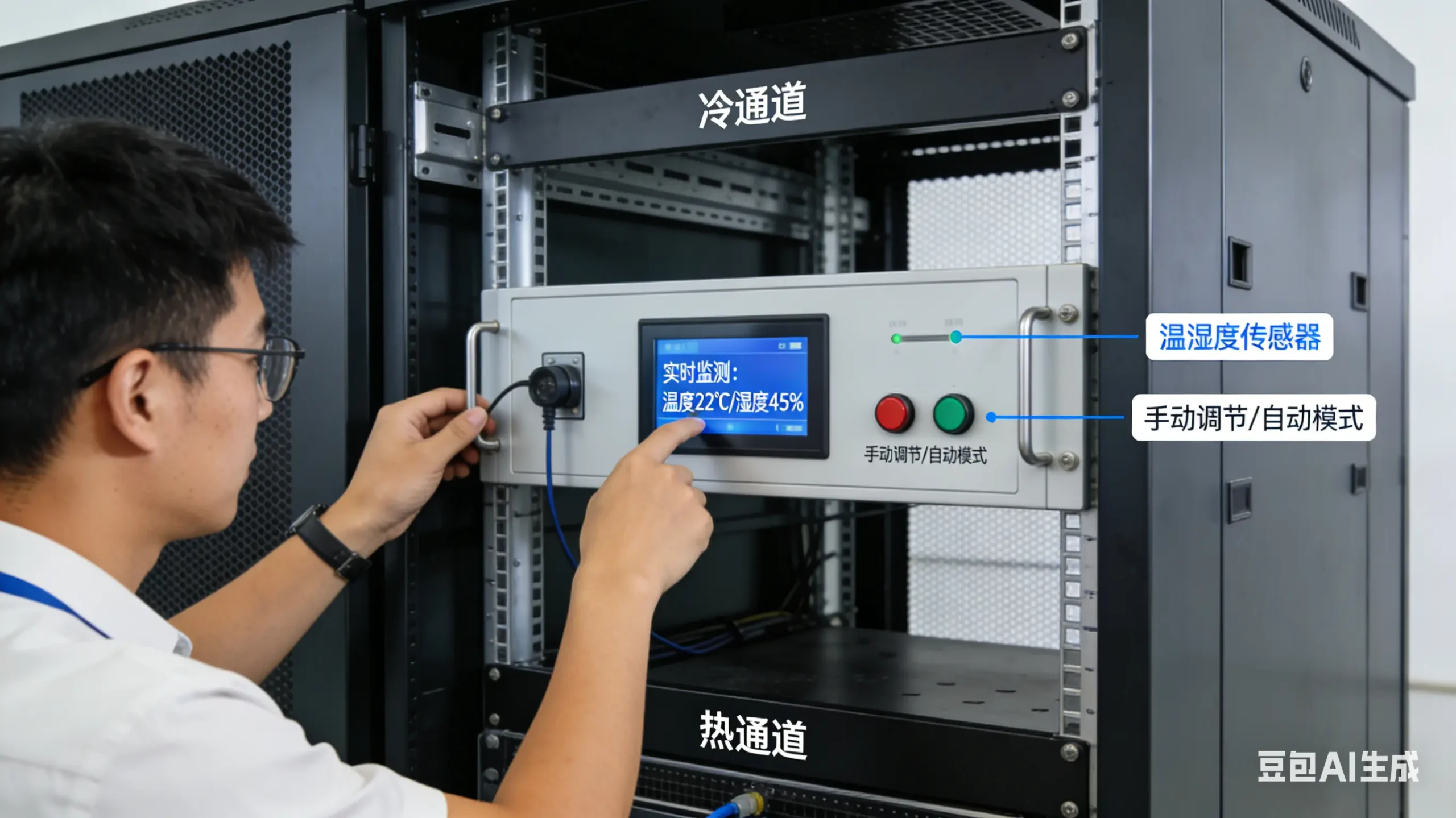
The mechanism is a measurement chain. A sensor converts a physical condition into a signal; a controller or gateway conditions and transmits it; a platform stores it and applies alarm logic; and a person or automated system acts on the result. Each link has its own accuracy, latency and failure mode, and the chain is only as trustworthy as its weakest part.
What decides performance is matching the chain to the decision. A cold chain compliance application needs certified traceability and retention; a data centre application needs fast sampling and tight integration with cooling and power; a geohazard site needs unattended power and telemetry. Applying the same generic platform to all three produces records that satisfy none of them, because accuracy, sampling, retention and response differ.
Selection Variables
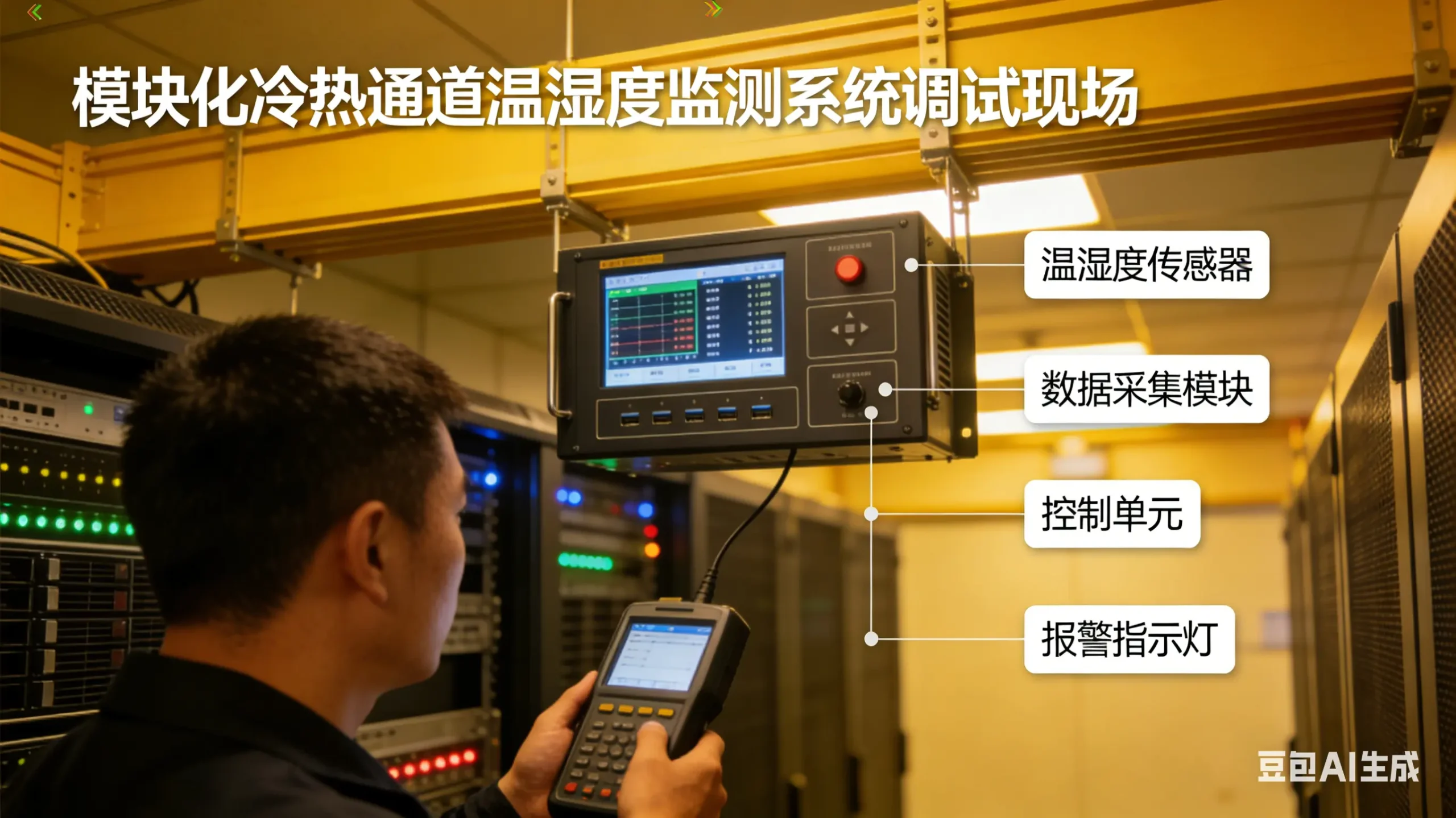
The variables translate into monitoring specification. Instead of load profile, the driver is the condition to be measured and the accuracy the decision needs. Environmental class sets sensor housing and mounting. Space and structural constraints set siting and access. Redundancy targets decide whether communications or power need backup. Maintenance access sets calibration intervals, and lifecycle cost weighs sensor quality and calibration effort against the cost of a missed event.
Installation & Integration Concerns
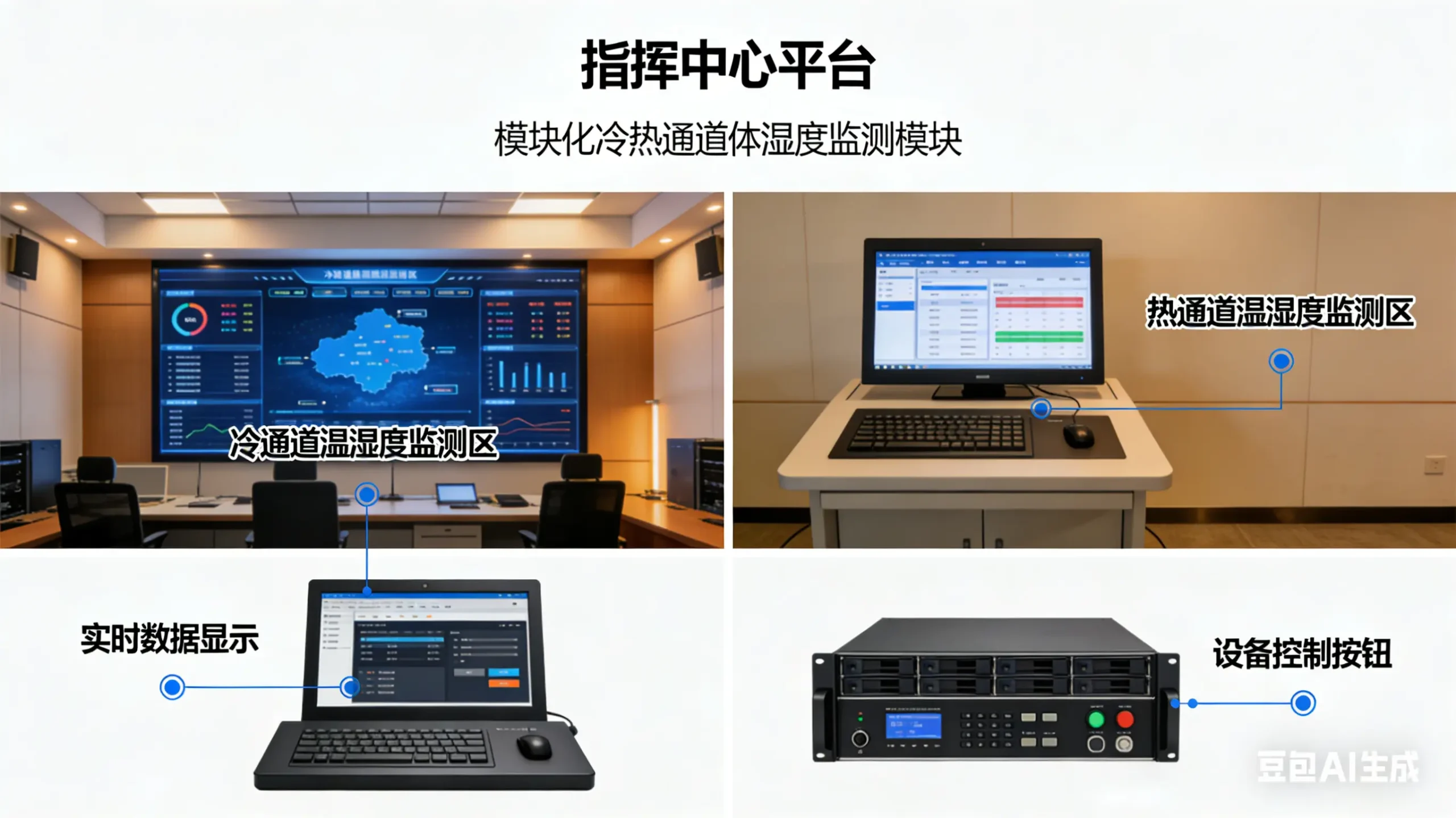
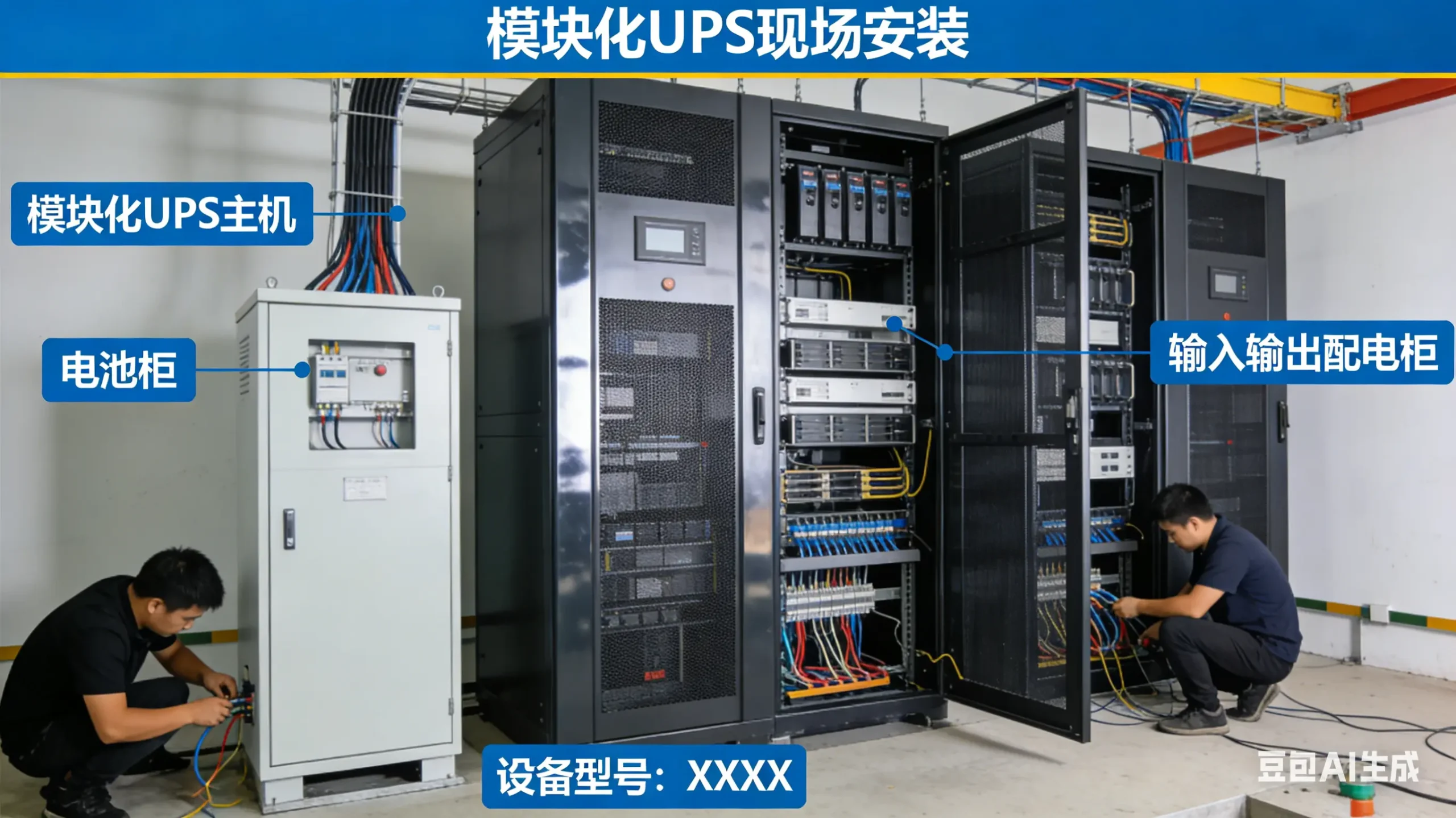
Installation concerns are siting, power and connectivity. Sensor siting must represent the condition rather than a convenient wall; power must survive the site; communications must be designed for the worst case and buffer locally; and enclosures must protect against the local environment. Commissioning must test the whole chain from sensor to alert, including what happens when the link drops.
Common Failure Modes
undefined
Monitoring failures are usually silent. Sensors drift out of calibration; communications drop during the event that matters; thresholds trigger on noise or fail to trigger at all; data is recorded but never reviewed; and power or battery failures stop logging. Preventive measures are calibration schedules with certificates, buffering and redundancy, alarm validation against real noise, defined review and response procedures, and monitoring that reports its own power failure.
Verification Checklist
- Specification matches site survey data
- Ratings verified against manufacturer documentation
- Installation follows the manual sequence
- Functional tests completed and recorded
Verification should confirm calibration with traceable certificates, sensor siting that represents the measured condition, data path integrity including buffering through a communications loss, alarm escalation and acknowledgement, and data retention and export for the required period. These tests show the chain works before anyone relies on it.
Conclusion
Engineering discipline at specification and installation stage is the most effective way to control risk in environmental monitoring projects. Consult KITOZER engineering for verified technical documentation and support.
For environmental monitoring the engineering considerations are chain integrity and visible failure: match the chain to the decision, design so that failure announces itself, and verify the full path from sensor to alert.
Frequently Asked Questions — Quick Reference
1. What is the core engineering consideration for monitoring?
Chain integrity — sensor, communications, controller, platform and response form one chain and the weakest link determines trustworthiness.
2. Why do monitoring systems fail quietly?
Because a drifting sensor or dropped link produces no error; the system appears healthy until the event it was installed to detect occurs.
3. What data is needed before specification?
The conditions to be measured and the accuracy required, the decision each supports, environment and access at each location, and the retention period.
4. How is sensor accuracy chosen?
From the decision the data must support, with the calibration interval set to maintain that accuracy in the real environment.
5. How is communications reliability designed?
For the worst-case link, with redundancy and local buffering so data is not lost when the link drops.
6. How are false alarms reduced?
By validating thresholds against real noise, requiring sustained deviation and correlating multiple sensors before escalation.
7. What are the most common failure modes?
Calibration drift, communications loss during critical events, poorly set thresholds, unreviewed data and power or battery failure that stops logging.
8. How is compliance documentation handled?
Records are stored in the required format for the required retention period and can be exported for audit.
9. What should verification prove?
Calibration with traceable certificates, representative siting, data path integrity through a link loss, alarm escalation and acknowledgement, and retention and export.
10. What documentation should be requested?
Calibration certificates, the sensor schedule, network and data architecture, test records and operating and maintenance instructions.
Related Products
Explore the KITOZER Environmental Monitoring product range for related solutions and configurations.
Related Articles
Environmental Monitoring: Design Plan Framework
Environmental Monitoring: Technical FAQ
About Guangzhou Lain Intelligent System Development Co., Ltd.
Guangzhou Lain Intelligent System Development Co., Ltd. (KITOZER) supplies and integrates environmental monitoring — engineered, tested and supported as one coordinated system for data centers, telecom sites and industrial facilities. From single rooms to enterprise facilities, Lain provides design, manufacturing, integration, testing and after-sales service under one roof and exports worldwide.
Contact us for a free technical consultation:
- Company: Guangzhou Lain Intelligent System Development Co., Ltd.
- Address: 1st Floor, Building A, Chaotian Industrial Park, Zhongrun Industrial Park, Shilou Town, Panyu District, Guangzhou, Guangdong, China
- Tel/WeChat: +86 135-0923-8849 | +86 135-0923-8849
- WhatsApp: +86 135-0923-8849
- Email: zl19068534140@gmail.com
- Website: www.gdlain.com | Request a Quote
Typical response time: within one business day. Project references, drawings and samples are available on request.