Executive Summary
Network & Cybersecurity covers a structured family of engineered systems that support mission-critical facilities, industrial sites and communication infrastructure. This guide reviews the engineering context, typical challenges, and practical selection considerations for buyers, integrators and operations teams.
Network and cybersecurity infrastructure is where availability and protection meet. The same equipment that keeps traffic flowing must also be segmented, monitored and resilient, because a single unmanaged path can defeat an otherwise well-defended network. This guide covers the family — data security, network management, security, transport, and servers with virtualisation — and how they are specified as one architecture rather than a list of devices.
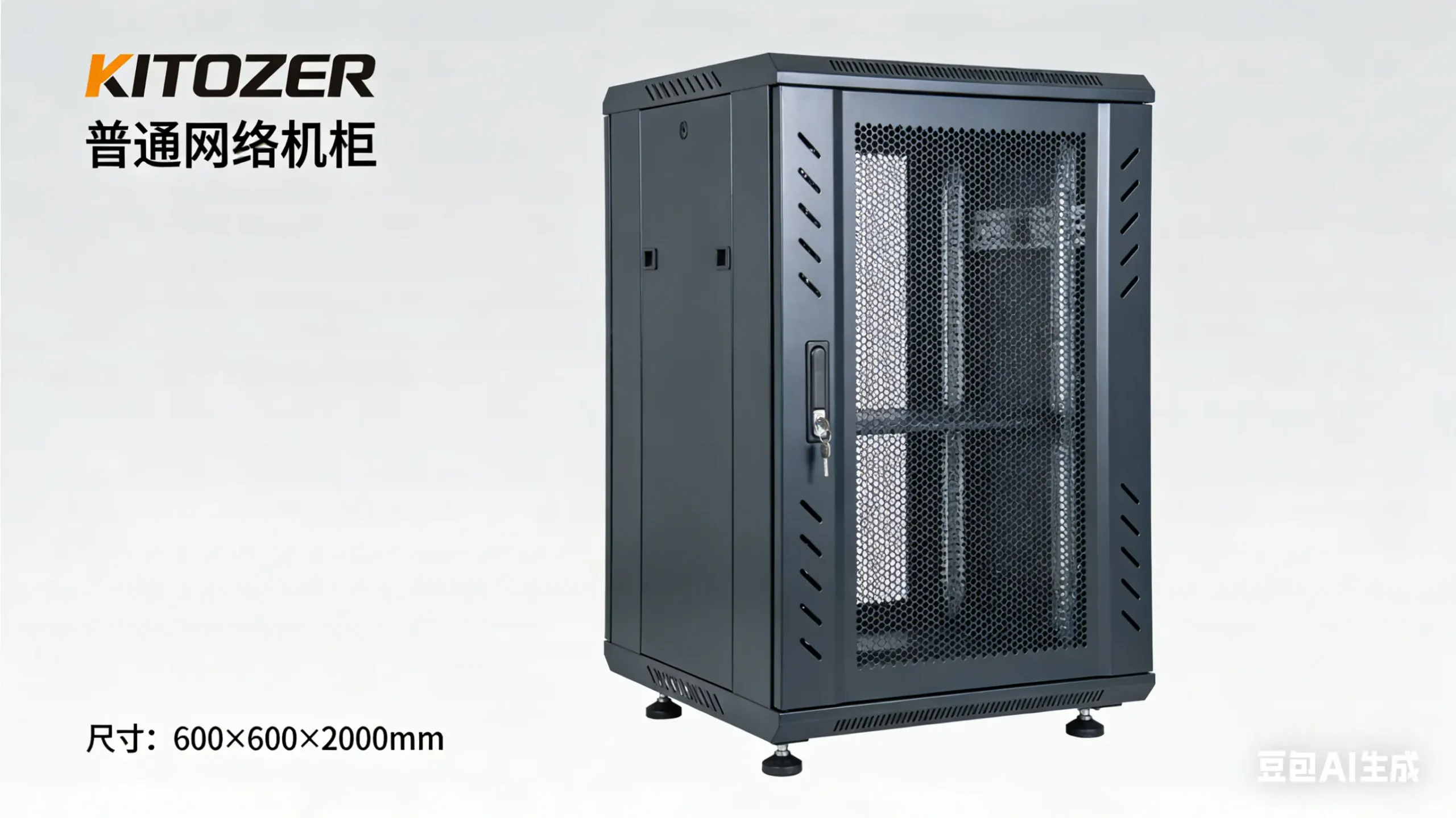
Industry Context
Demand for network and cybersecurity infrastructure continues to grow as operators upgrade legacy infrastructure and adopt standardized, factory-integrated solutions. Procurement decisions increasingly depend on verified specifications, lifecycle cost and supplier engineering capability rather than price alone.
Three trends shape demand. Perimeter-only defence is obsolete as remote work and cloud services extend the network. Operational technology and IT are converging, so industrial networks now need the same discipline as corporate ones. And compliance regimes require logged, auditable controls rather than periodic reviews.

Engineering Challenge
The main challenge is matching the right configuration to real site conditions: space, load, thermal environment, power availability and maintenance access. A mismatch at specification stage typically leads to rework during installation or higher operating cost.
Failures cluster at the boundaries. Flat networks let one compromised device reach everything; unmanaged switches hide the topology; transport capacity is sized for average rather than peak load; and virtualisation consolidates risk onto a single host without a tested recovery path. Each is an architecture decision, so segmentation, monitoring and resilience must be designed in rather than added later.
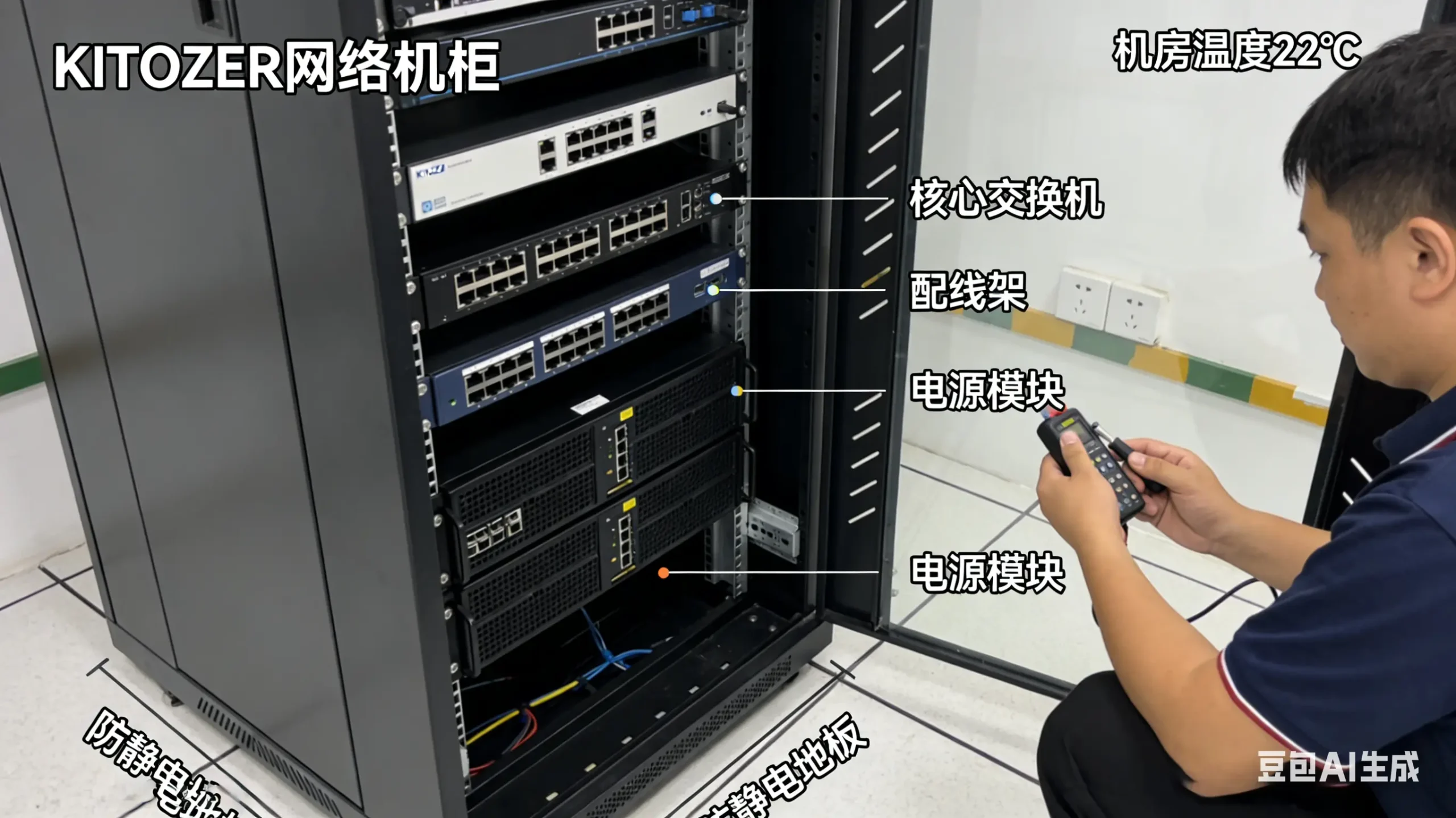
Technical Analysis
Key technical dimensions include structural integrity, thermal performance, electrical safety, environmental protection rating, and integration interfaces. Each subcategory in this family addresses a specific portion of the overall system:
- Data Security Equipment
- Network Management Equipment
- Network Security Equipment
- Network Transport Equipment
- Servers & Virtualization
The subdivisions cover the architecture layers. Network transport provides the physical and logical paths — switching, routing, cabling and bandwidth; network management provides visibility, configuration and monitoring; network security provides segmentation, inspection and access control; data security protects information at rest and in transit; and servers with virtualisation host the services. The dimensions interact: segmentation depends on transport capability, monitoring depends on management instrumentation, and virtualised workloads depend on the transport and security beneath them.
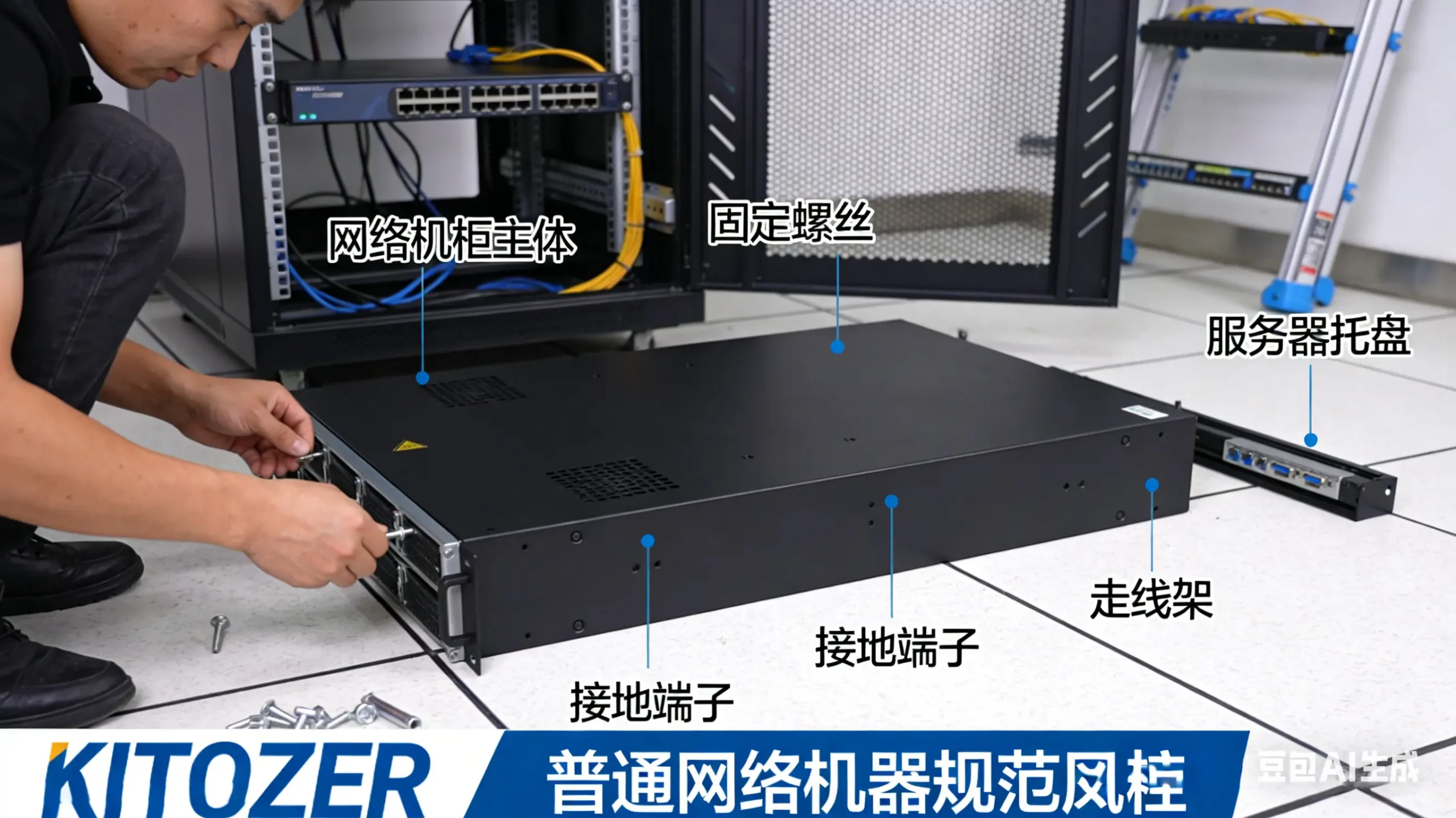
Application
Typical applications include network and cybersecurity infrastructure environments and comparable facilities where reliability and serviceability are mandatory. Site surveys and load calculations are recommended before configuration.
Design begins with a traffic and trust model: what must talk to what, over which path, with what evidence. Zones and conduits are defined; transport capacity is sized for peak plus growth with redundancy where availability demands it; management and monitoring are instrumented from the start; security controls are placed at the boundaries between zones; and recovery is designed and tested rather than assumed. Commissioning verifies failover, monitoring coverage and control effectiveness.
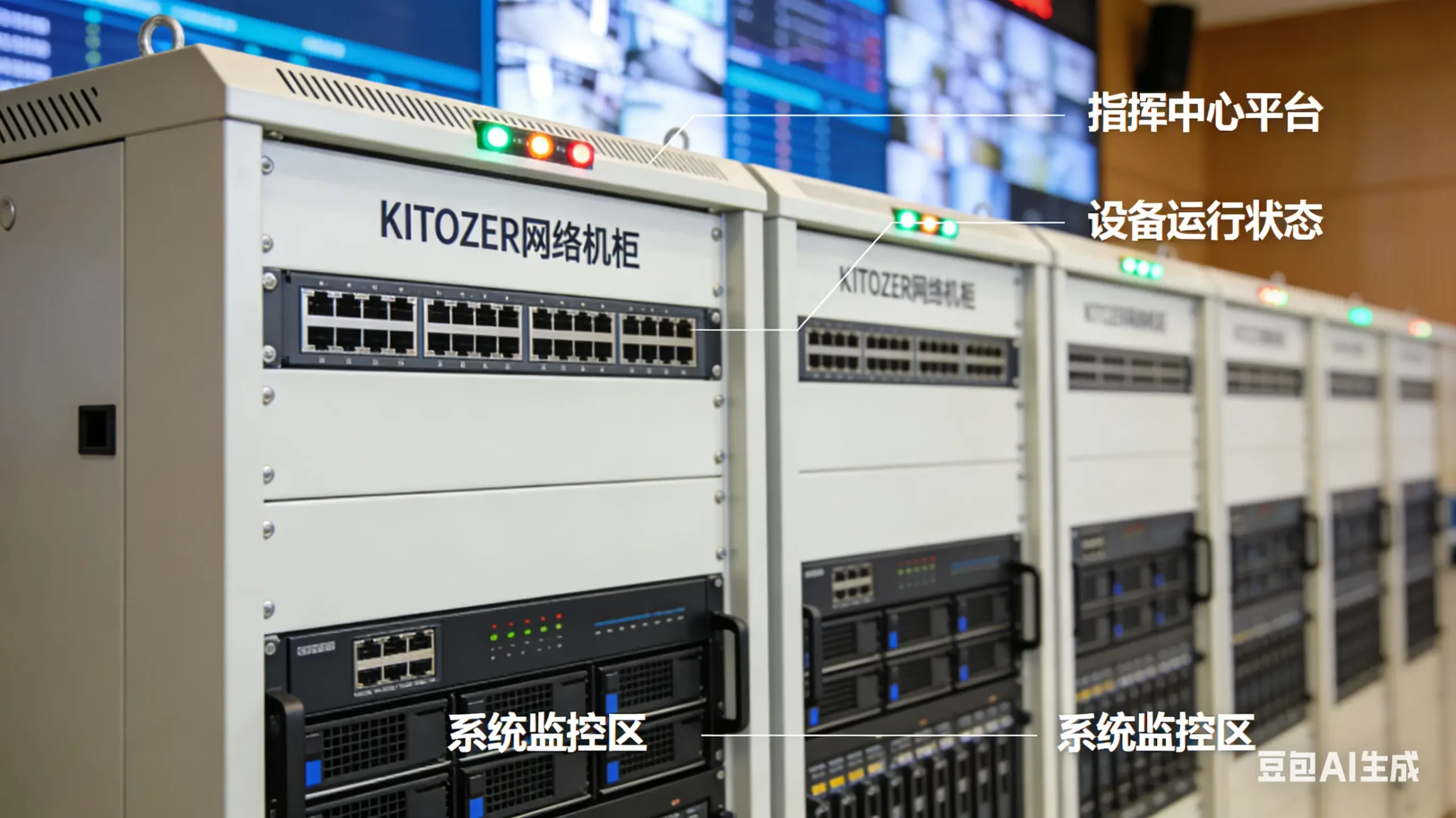
Selection Considerations
When selecting from this family, verify: (1) compatibility with existing infrastructure, (2) environmental conditions such as temperature, humidity and dust, (3) power and cooling budget, (4) maintenance and spare-part strategy, and (5) compliance requirements applicable to your region.
Beyond the five verification points, confirm what decides operational safety: documented segmentation and access control design, management and monitoring coverage with alerting, transport capacity and redundancy for peak load, virtualisation host capacity and recovery procedures, and compliance logging with retention. For converged IT/OT environments, confirm that the design respects the industrial protocols and timing requirements in use.
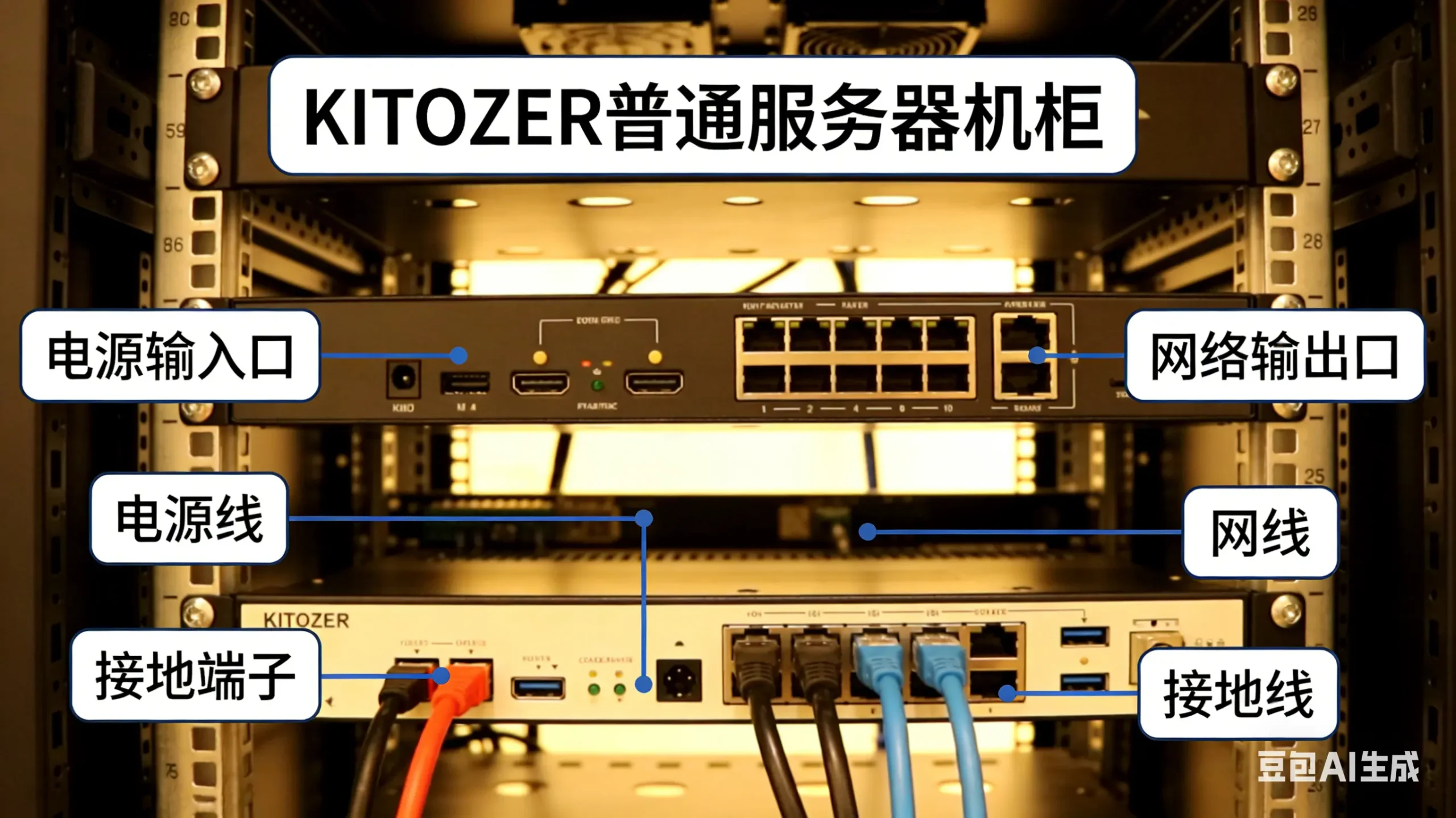
Frequently Asked Questions — Quick Reference
1. What does the network and cybersecurity family cover?
Network transport, network management, network security, data security, and servers with virtualisation, specified as one architecture.
2. Why is a flat network a risk?
Because one compromised device can reach every other one; segmentation limits the blast radius and makes monitoring meaningful.
3. How is transport capacity sized?
For peak load plus growth, with redundancy where availability targets require it — not for average utilisation.
4. What does network management provide?
Topology visibility, configuration control and monitoring with alerting, which is what makes faults and intrusions detectable.
5. Where should security controls sit?
At the boundaries between trust zones, plus on endpoints and data, so protection is layered rather than concentrated.
6. What is different in converged IT/OT networks?
Industrial protocols, timing and legacy equipment must be respected, so segmentation and inspection are designed around them.
7. How is virtualisation risk managed?
By sizing hosts for the real workload, separating sensitive workloads, and designing and testing recovery so consolidation does not become a single point of failure.
8. What logging is required for compliance?
Access, configuration and security events with retention matched to the governing regime, stored so they can be exported and audited.
9. How is failover verified?
By testing it under load at commissioning and again on a schedule, so recovery works when it is needed.
10. What documentation should be requested?
Segmentation and access control design, monitoring coverage, capacity calculations, recovery procedures, and logging and retention configuration.
Conclusion
A structured, category-level approach to network and cybersecurity infrastructure procurement reduces risk and total cost. KITOZER supports customers from specification to commissioning; contact the engineering team for verified datasheets and project support.
Related Products
Network & Cybersecurity covers a structured family of engineered systems that support mission-critical facilities, industrial sites and communication infrastructure. This guide reviews the engineering context, typical challenges, and practical selection considerations for buyers, integrators and operations teams.
Related Articles
Network & Cybersecurity: Design Plan Framework
Network & Cybersecurity: Technical FAQ
About Guangzhou Lain Intelligent System Development Co., Ltd.
Guangzhou Lain Intelligent System Development Co., Ltd. (KITOZER) supplies and integrates network and cybersecurity infrastructure — engineered, tested and supported as one coordinated system for mission-critical and industrial sites. From single rooms to enterprise facilities, Lain provides design, manufacturing, integration, testing and after-sales service under one roof and exports worldwide.
Contact us for a free technical consultation:
- Company: Guangzhou Lain Intelligent System Development Co., Ltd.
- Address: 1st Floor, Building A, Chaotian Industrial Park, Zhongrun Industrial Park, Shilou Town, Panyu District, Guangzhou, Guangdong, China
- Tel/WeChat: +86 135-0923-8849 | +86 135-0923-8849
- WhatsApp: +86 135-0923-8849
- Email: zl19068534140@gmail.com
- Website: www.gdlain.com | Request a Quote
Typical response time: within one business day. Project references, drawings and samples are available on request.