Engineering considerations for network and cybersecurity infrastructure — how capacity, segmentation, monitoring and recovery interact, which variables drive specification, where networks fail, and what verification should prove.
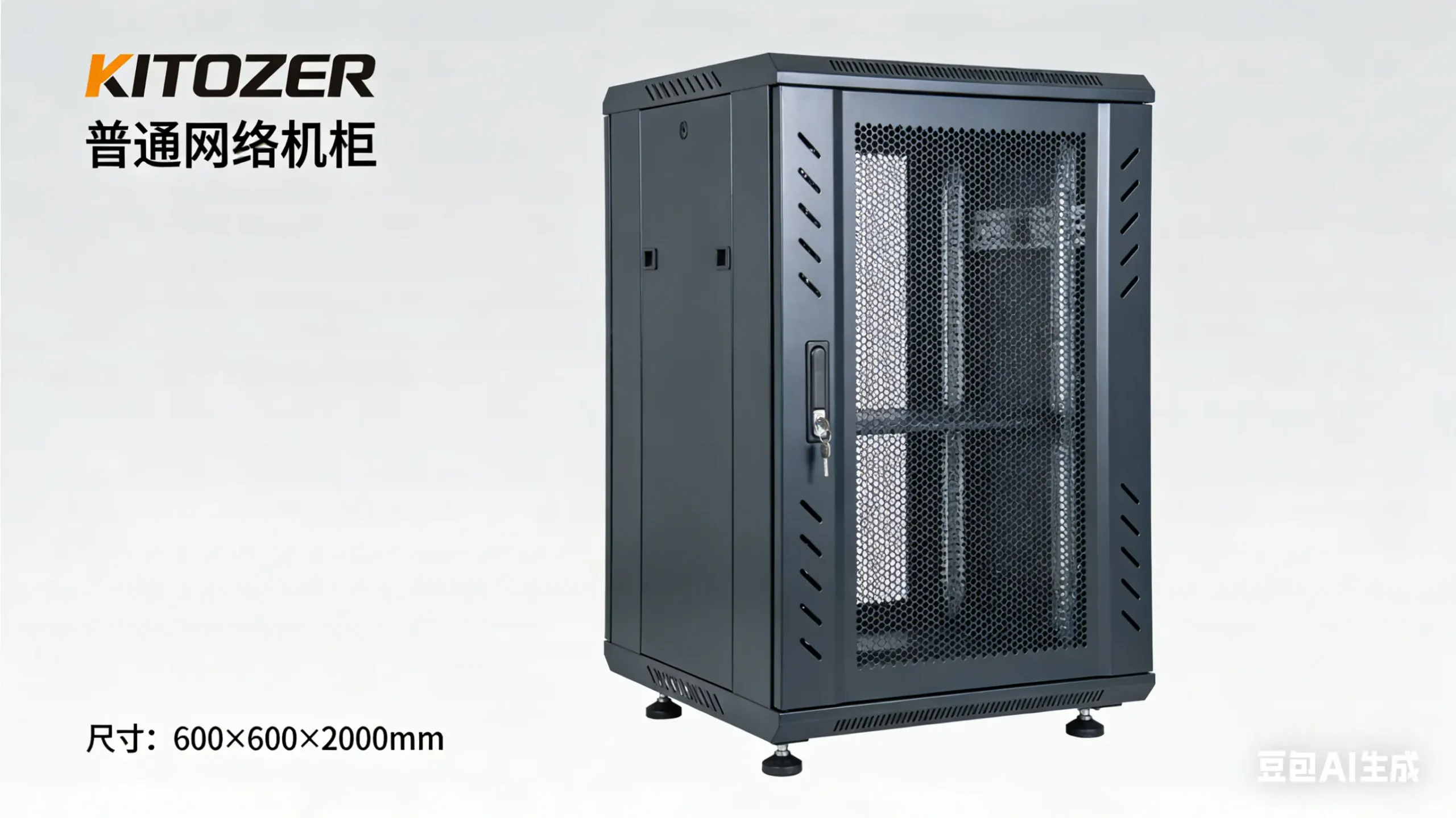
Technical Context
Network & Cybersecurity involves multiple engineering disciplines working together: structure, thermal management, electrical distribution, control and environmental protection. This article outlines the engineering considerations that determine reliable operation.
Network and cybersecurity infrastructure is an engineering problem because availability and protection pull in different directions. Every control added to protect the network also adds a point that can fail or be misconfigured, and every simplification that improves availability also reduces visibility. The considerations therefore start with the traffic and trust model: what must talk to what, over which path, and with what evidence.
The second consideration is that failures are usually found at boundaries. A flat network lets one compromised device reach everything; unmanaged switches hide the topology; capacity is sized for average load and fails at peak; and virtualisation consolidates risk onto a single host whose recovery path has never been tested. Each is an architecture decision, and each is far cheaper to resolve on paper than during an incident.

Engineering Mechanism
Each subsystem in this family has a defined function: Data Security Equipment, Network Management Equipment, Network Security Equipment, Network Transport Equipment, Servers & Virtualization. Correct specification depends on understanding these functions and their interaction under real operating conditions.
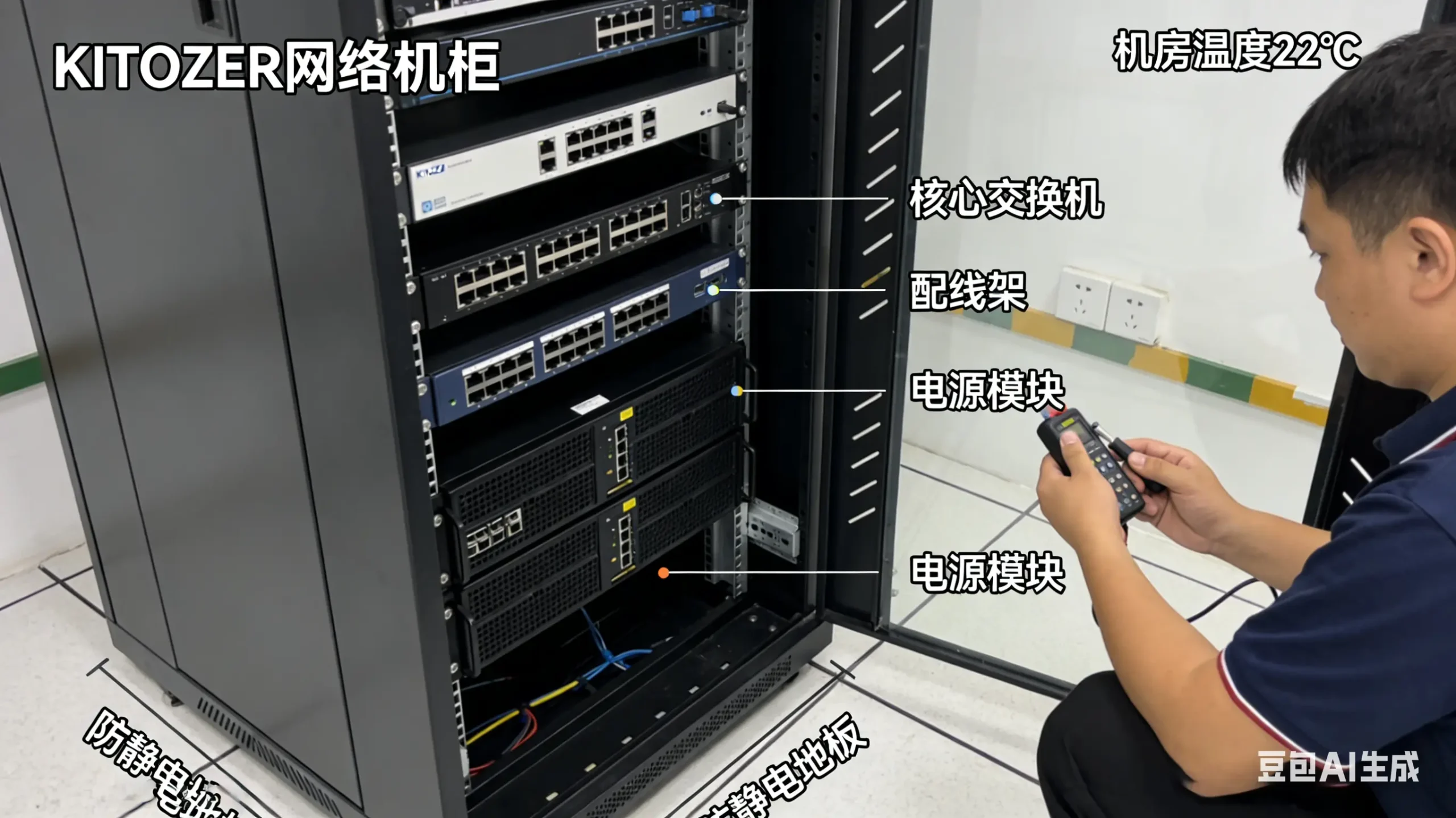
The mechanism is layered. Network transport provides the paths and the bandwidth; network management provides visibility, configuration and monitoring; network security provides segmentation, inspection and access control; data security protects information at rest and in transit; and servers with virtualisation host the services. Each layer depends on those below it, so a weakness at the bottom cannot be compensated for at the top.
What decides resilience is whether the design has a defined response to failure and to compromise. Redundancy covers component failure; segmentation limits the effect of a compromise; monitoring makes both visible; and a tested recovery procedure covers the case where prevention fails. A network with strong prevention and no tested recovery is one incident away from an outage, because recovery is the point at which the design is actually judged.
Selection Variables
The variables translate into network specification. Load profile and peak demand set transport capacity and redundancy. Environmental class sets physical protection and, in industrial settings, protocol and timing requirements. Space and structural constraints set cabinet and cabling provision. Redundancy and availability targets set the level of duplication. Maintenance access sets out-of-band management and physical access, and lifecycle cost weighs management and monitoring investment against the cost of an undetected fault.
Installation & Integration Concerns
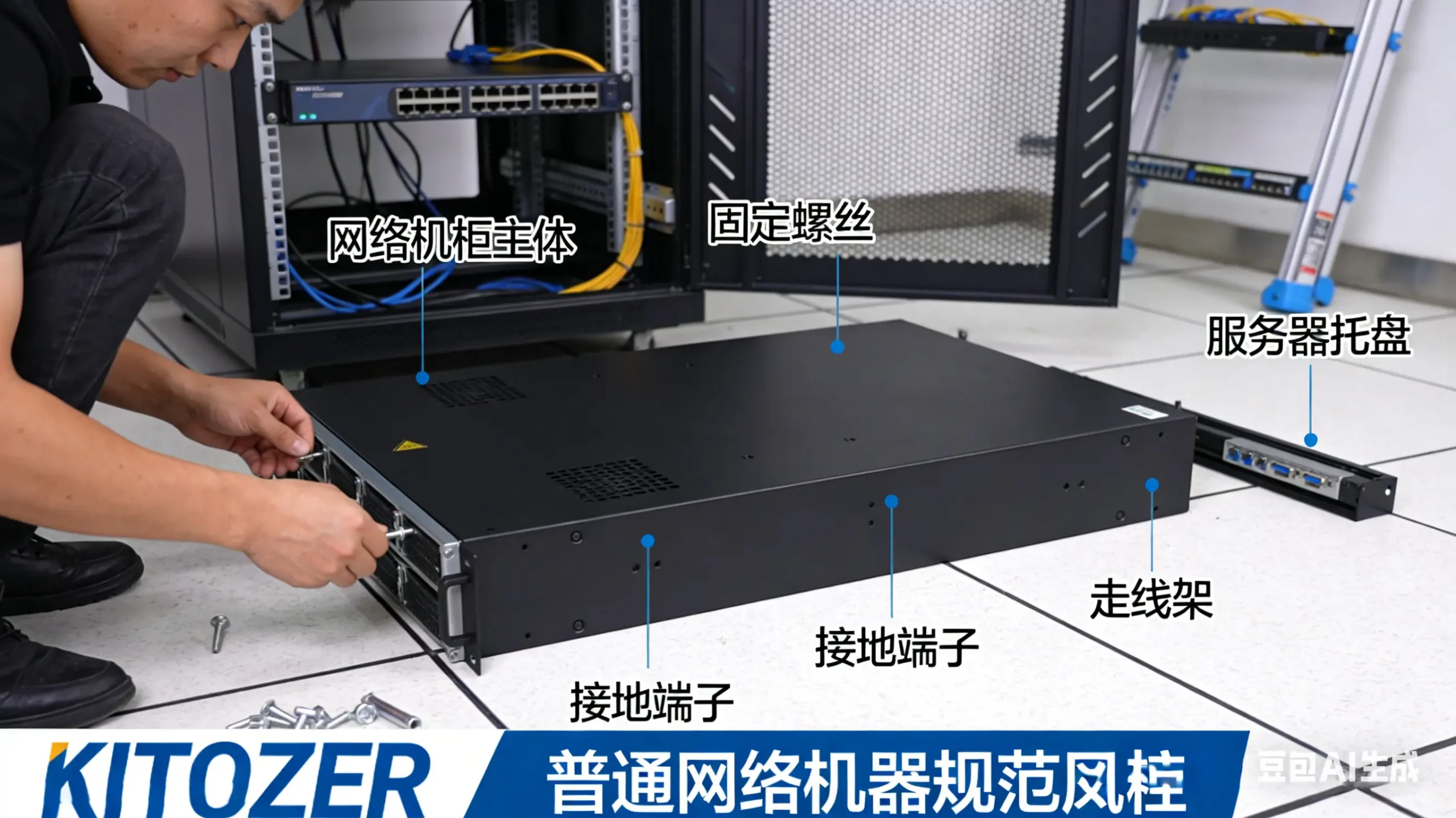
Installation concerns are usually about change management. Addressing and zoning must be established before migration; out-of-band management must be available so a device can be recovered when the network path is down; cabling must meet its category and separation requirements; and workloads must be migrated with rollback prepared, because a migration that cannot be reversed is a risk in itself.
Common Failure Modes
undefined
Network failures cluster around configuration and boundaries. Unmanaged or undocumented changes break segmentation; monitoring gaps mean a fault is discovered by users rather than by the system; capacity shortfalls appear at the worst moment; and untested recovery turns a component failure into a long outage. Preventive measures are configuration control, monitoring coverage with alerting, capacity review against growth, and scheduled failover testing rather than assuming recovery works.
Verification Checklist
- Specification matches site survey data
- Ratings verified against manufacturer documentation
- Installation follows the manual sequence
- Functional tests completed and recorded
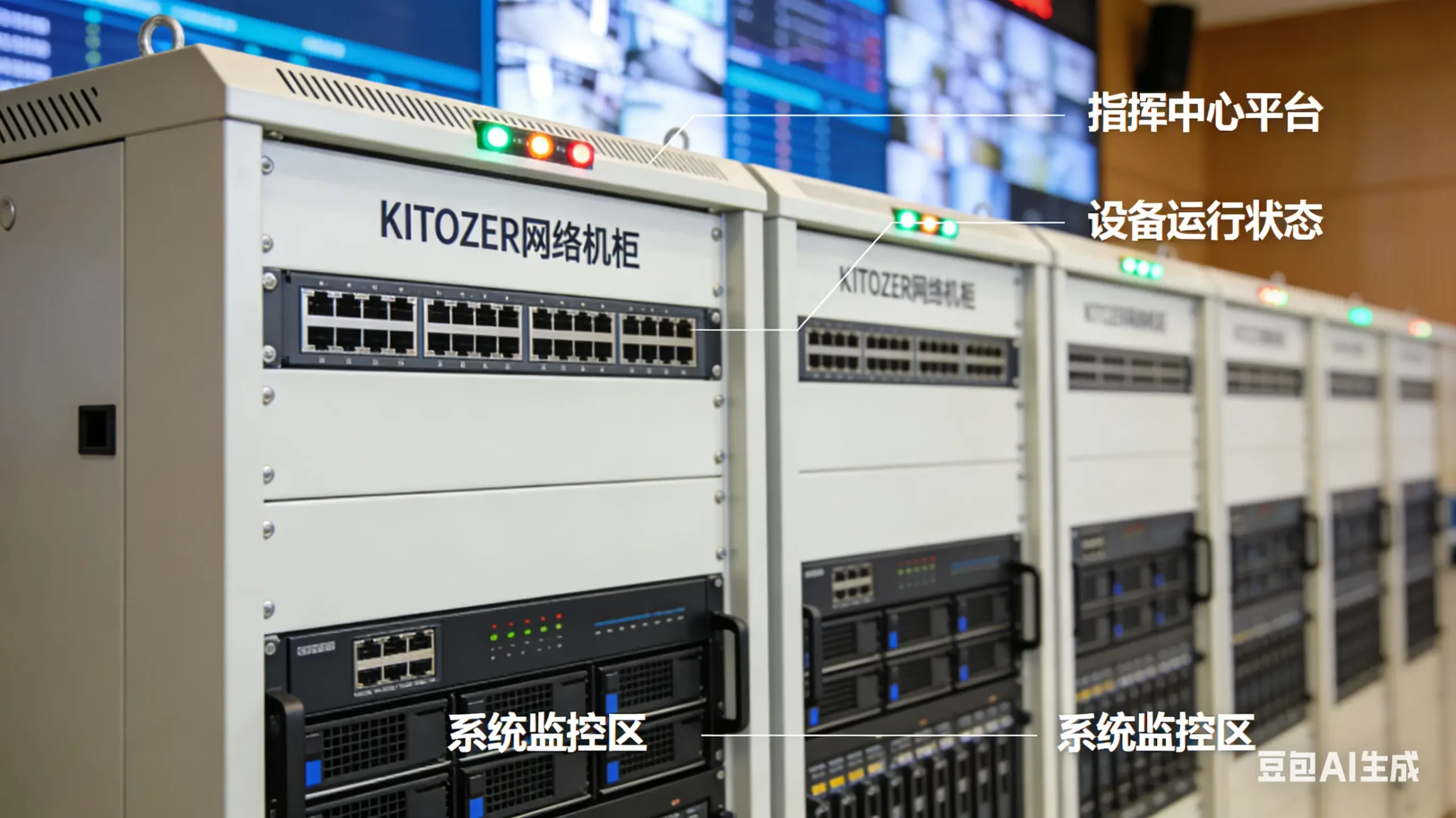
Verification should confirm failover under load rather than in a lab condition, monitoring and alerting coverage across every boundary, segmentation and access control effectiveness, recovery procedures for virtualised services, and logging with the required retention. Testing in service, on a schedule, is what keeps the design honest.
Conclusion
Engineering discipline at specification and installation stage is the most effective way to control risk in network & cybersecurity projects. Consult KITOZER engineering for verified technical documentation and support.
For network and cybersecurity infrastructure the engineering considerations are the traffic and trust model, layered defence, visible failure and tested recovery. Design the layers together, verify failover under load, and the network remains both available and defensible.
Frequently Asked Questions — Quick Reference
1. What is the core engineering consideration for network security?
The traffic and trust model — what must talk to what, over which path, with what evidence — which sets zoning, capacity, monitoring and controls.
2. Why is a flat network a risk?
Because one compromised device can reach everything; segmentation limits the blast radius and makes monitoring meaningful.
3. How is transport capacity sized?
For peak load plus growth, with redundancy where availability targets require it, not for average utilisation.
4. What keeps failures visible?
Monitoring and alerting coverage across every boundary, plus configuration control so undocumented changes do not silently break segmentation.
5. How is virtualisation risk managed?
By sizing hosts for the real workload, separating sensitive workloads, and designing and testing recovery so consolidation is not a single point of failure.
6. What are typical installation concerns?
Change management: addressing and zoning before migration, out-of-band management for recovery, correct cabling category and separation, and staged migration with rollback.
7. What are the most common failure modes?
Undocumented configuration changes breaking segmentation, monitoring gaps, peak-load capacity shortfalls and untested recovery.
8. How is failover verified?
By testing it under load at commissioning and on a schedule afterwards, not by assuming it works.
9. What data is needed before design?
Applications and traffic, trust boundaries and data classification, availability and recovery targets, protocols in use and the compliance regime.
10. What documentation should be requested?
Zone and conduit design, capacity calculations, monitoring coverage, recovery procedures, test results and logging configuration.
Related Products
Explore the KITOZER Network & Cybersecurity product range for related solutions and configurations.
Related Articles
Network & Cybersecurity: Design Plan Framework
Network & Cybersecurity: Technical FAQ
About Guangzhou Lain Intelligent System Development Co., Ltd.
Guangzhou Lain Intelligent System Development Co., Ltd. (KITOZER) supplies and integrates network and cybersecurity infrastructure — engineered, tested and supported as one coordinated system for data centers, telecom sites and industrial facilities. From single rooms to enterprise facilities, Lain provides design, manufacturing, integration, testing and after-sales service under one roof and exports worldwide.
Contact us for a free technical consultation:
- Company: Guangzhou Lain Intelligent System Development Co., Ltd.
- Address: 1st Floor, Building A, Chaotian Industrial Park, Zhongrun Industrial Park, Shilou Town, Panyu District, Guangzhou, Guangdong, China
- Tel/WeChat: +86 135-0923-8849 | +86 135-0923-8849
- WhatsApp: +86 135-0923-8849
- Email: zl19068534140@gmail.com
- Website: www.gdlain.com | Request a Quote
Typical response time: within one business day. Project references, drawings and samples are available on request.