Executive Summary
Outdoor Integrated Cabinets covers a structured family of engineered systems that support mission-critical facilities, industrial sites and communication infrastructure. This guide reviews the engineering context, typical challenges, and practical selection considerations for buyers, integrators and operations teams.
Outdoor integrated cabinets are judged by the environment they live in. Unlike indoor racks, they face direct solar load, driven rain, dust, salt spray, vibration and wide ambient swings, while still being expected to protect sensitive electronics, power equipment and communication gear for a decade or more. This guide follows the family from site survey through selection: what the two subdivisions cover, which thermal and ingress strategies apply, and how to specify an enclosure that survives its location rather than only its datasheet.
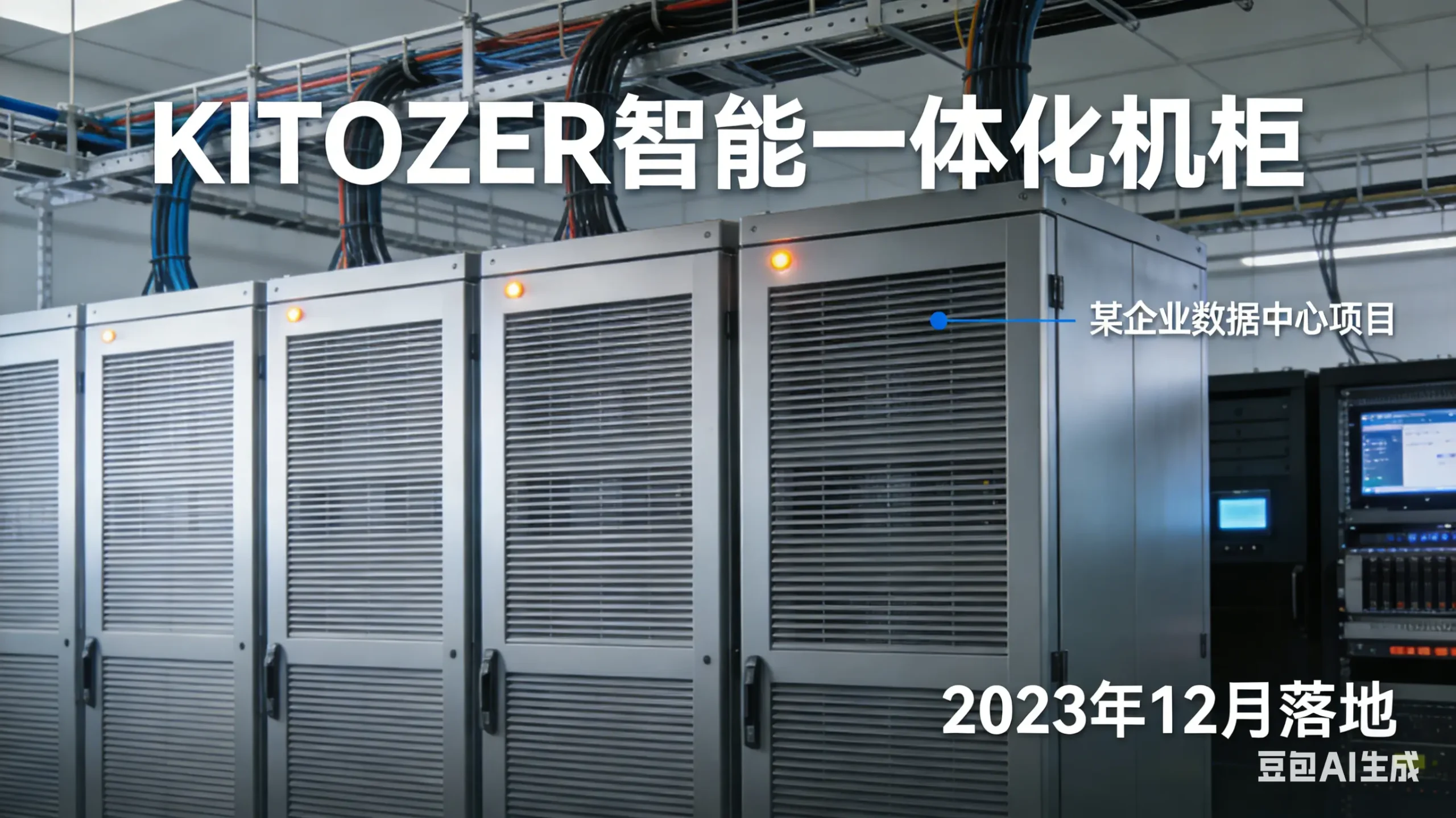
Industry Context
Demand for outdoor integrated cabinets continues to grow as operators upgrade legacy infrastructure and adopt standardized, factory-integrated solutions. Procurement decisions increasingly depend on verified specifications, lifecycle cost and supplier engineering capability rather than price alone.
Three shifts drive outdoor enclosure demand. Networks are being pushed closer to the edge, so more equipment sits in cabinets on poles, roadsides and rooftops rather than in conditioned rooms. Grid and telecom operators increasingly standardise on factory-integrated outdoor enclosures to cut civil works. And climate resilience requirements — higher design ambient, longer storm seasons, coastal corrosion — now appear explicitly in tender specifications.
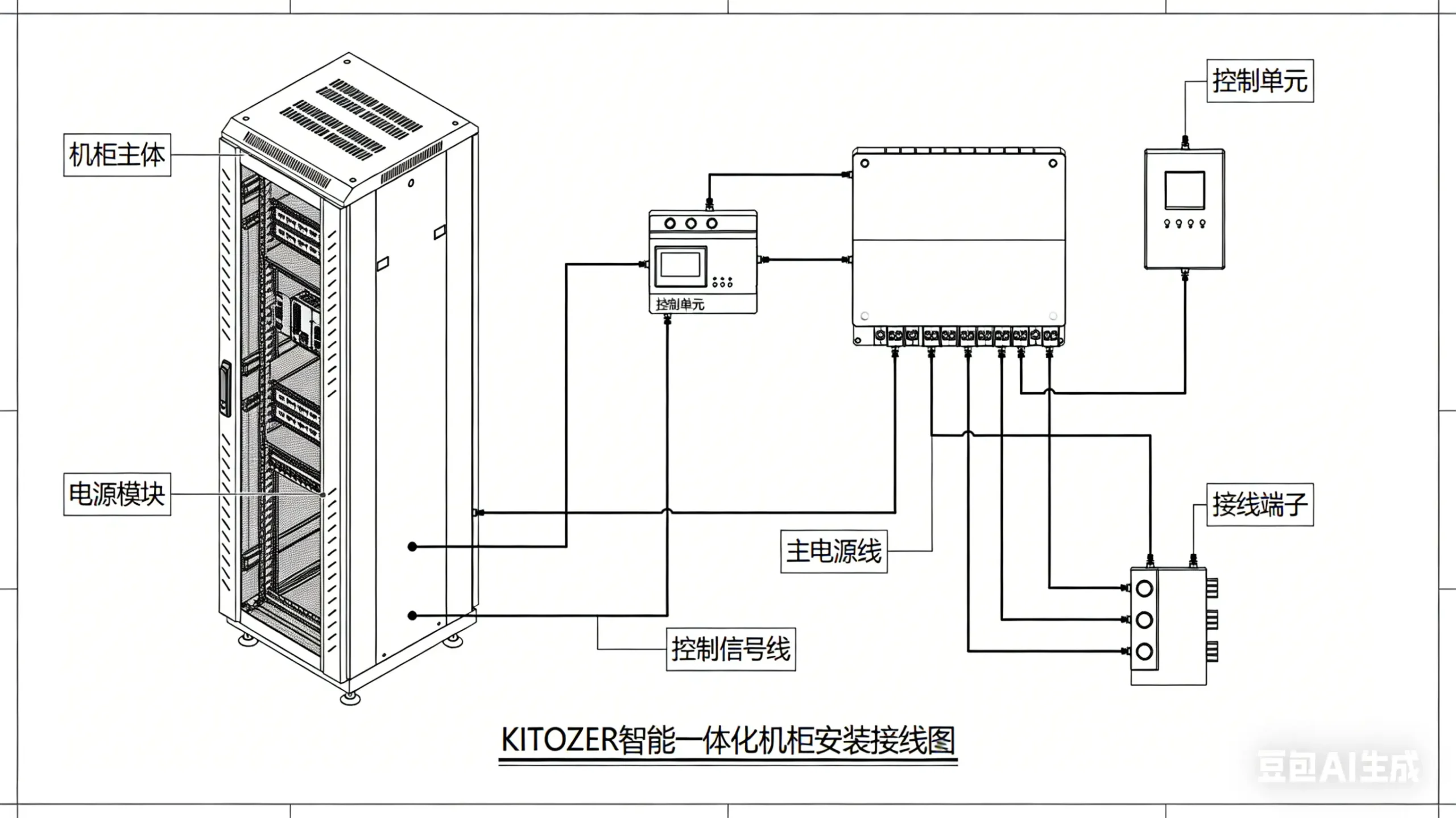
Engineering Challenge
The main challenge is matching the right configuration to real site conditions: space, load, thermal environment, power availability and maintenance access. A mismatch at specification stage typically leads to rework during installation or higher operating cost.
Outdoor failures cluster around a few predictable causes: enclosure internal temperature exceeded under solar load, water or dust ingress after gasket ageing, condensation on electronics during day-night cycling, and structural fatigue on pole or roof mounting. Each is a specification issue, not a manufacturing defect — and each is avoided by matching IP rating, thermal strategy, coating system and mounting design to the actual site.
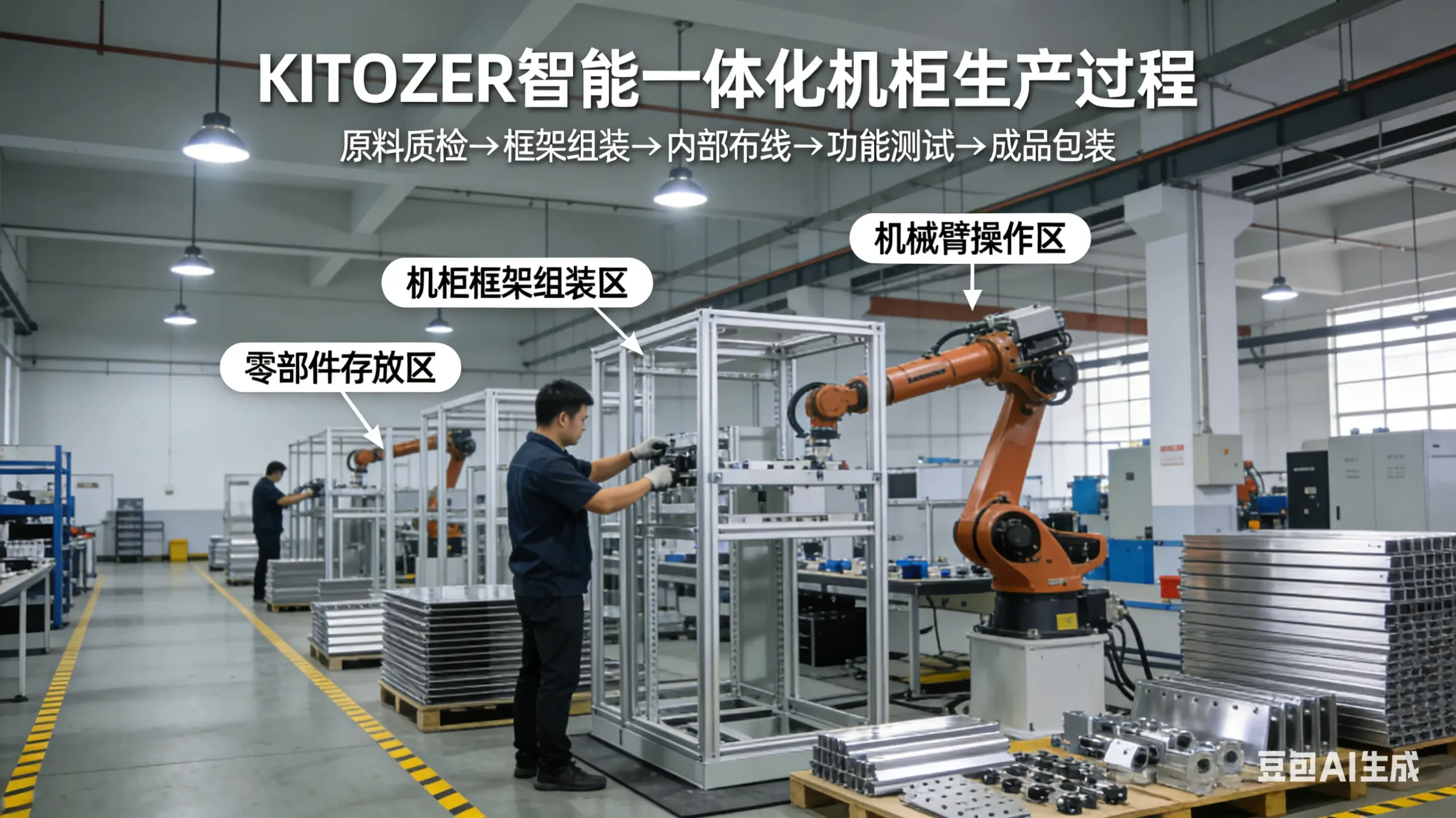
Technical Analysis
Key technical dimensions include structural integrity, thermal performance, electrical safety, environmental protection rating, and integration interfaces. Each subcategory in this family addresses a specific portion of the overall system:
- Function Type
- Function-Specific Outdoor Cabinets
- Industry Application
- Industry-Specific Outdoor Cabinets
The two subdivisions answer different questions. Function-type cabinets are organised by their job — power distribution, battery backup, transmission, monitoring — so a buyer picks the function first and the enclosure follows. Industry-specific cabinets are organised by sector — telecom, grid, rail, oil and gas, security — so compliance, connector standards and maintenance practice are already matched to the field. Thermal management (passive vents, heat exchangers, air conditioners or TEC), IP rating, anti-corrosion coating, insulation and door arrangement must be specified together, because a higher IP rating usually reduces passive cooling capacity and changes the thermal solution.
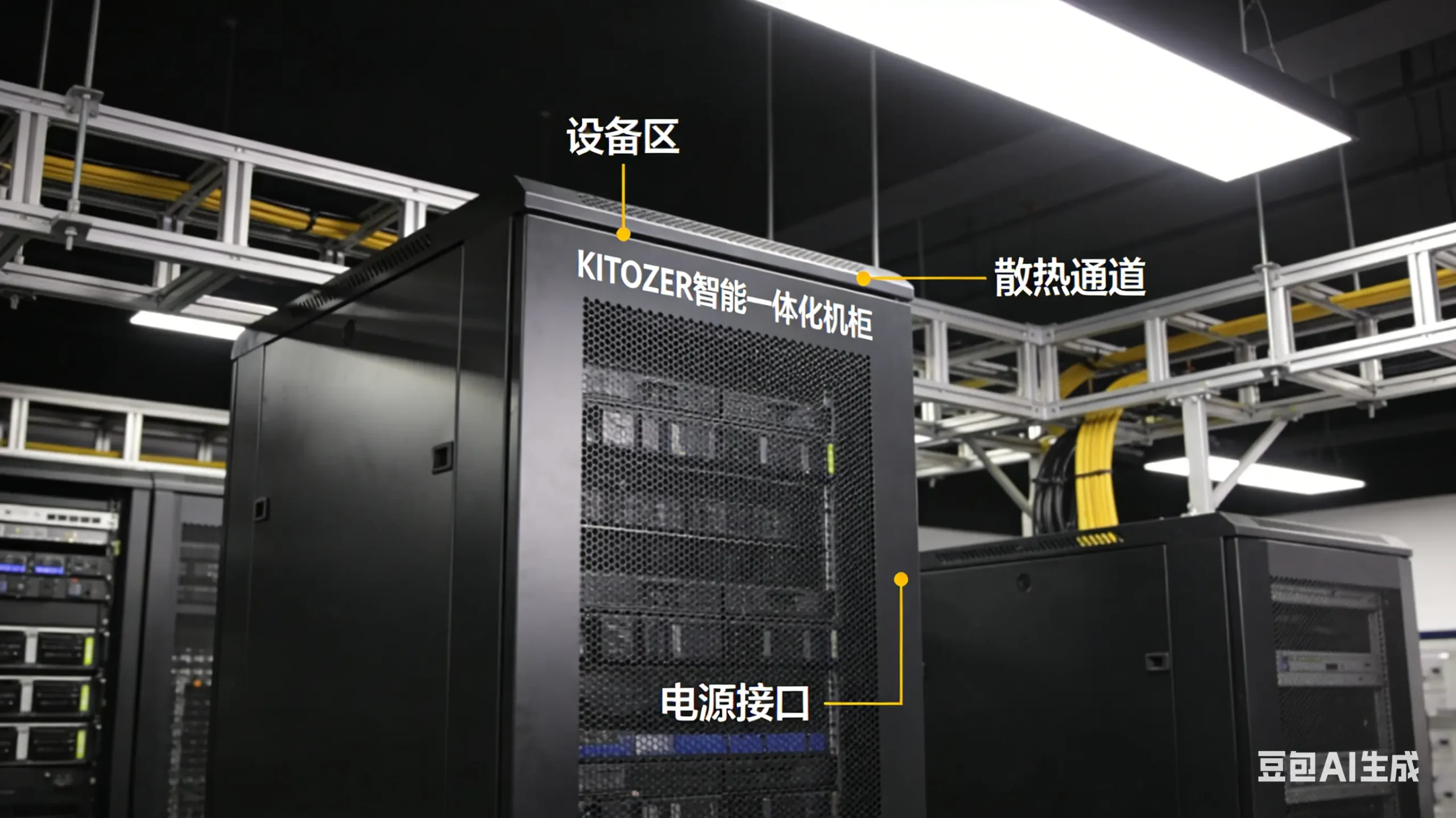
Application
Typical applications include outdoor integrated cabinets environments and comparable facilities where reliability and serviceability are mandatory. Site surveys and load calculations are recommended before configuration.
Deployment follows the same pattern across sectors. First, a site survey records ambient extremes, solar exposure, rainfall and dust, flood level, available power and access for maintenance. Second, the enclosure is sized around equipment plus clearance and future growth. Third, mounting — pole, wall, plinth or pad — is engineered against wind and seismic load. Finally, commissioning verifies that internal temperature stays within range at the hottest hour of the design day, not only at installation.
Selection Considerations
When selecting from this family, verify: (1) compatibility with existing infrastructure, (2) environmental conditions such as temperature, humidity and dust, (3) power and cooling budget, (4) maintenance and spare-part strategy, and (5) compliance requirements applicable to your region.
Beyond the five verification points, confirm the commercial and delivery items that decide project risk: certified IP and impact test reports, coating specification and salt-spray hours, thermal calculation for the design ambient, mounting drawings approved before production, and commissioning support. For coastal or high-dust sites, request the exact coating system and gasket material rather than accepting a generic anti-corrosion claim.

Frequently Asked Questions — Quick Reference
1. What does the outdoor integrated cabinets family cover?
Two subdivisions: function-type cabinets organised by job (power distribution, battery, transmission, monitoring) and industry-specific cabinets organised by sector (telecom, grid, rail, oil and gas, security).
2. What IP rating is typical for outdoor cabinets?
Most outdoor enclosures are specified at IP55 or higher, with IP65 or IP66 where driven rain and dust are severe. The right level is set by the site, not by habit.
3. How is thermal management chosen?
Passive venting suits low heat loads, heat exchangers suit sealed enclosures, and air conditioners or thermoelectric coolers suit high-density electronics. The calculation uses the design ambient plus solar gain, not the average day.
4. How do you prevent condensation inside an outdoor cabinet?
Sealed designs with heat exchangers, controlled ventilation with filters, anti-condensation heaters and correct cable glanding together keep internal humidity below the dew point.
5. What anti-corrosion treatment is needed near the coast?
A multi-stage coating system with a specified salt-spray rating, stainless fixings and compatible gasket material. Generic paint claims are not enough in a marine environment.
6. How is the enclosure mounted?
Pole, wall, plinth or concrete pad — each with structural calculation for wind and, where applicable, seismic load. Mounting drawings are approved before production.
7. Can function-type and industry-specific cabinets be combined?
Yes. Many projects use industry-specific enclosures for the main equipment and function-type cabinets for auxiliary power or monitoring.
8. What site data is needed before specification?
Ambient extremes, solar exposure, rainfall and dust, flood level, available power, cable entry direction, access for maintenance, and structural capacity of the mounting point.
9. What should be verified at commissioning?
Internal temperature at the hottest hour of the design day, door and gasket sealing, drainage, alarm and monitoring functions, and correct torque on all fixings.
10. What documentation should be requested?
IP and impact test reports, coating and salt-spray certificates, thermal calculations, approved mounting drawings, wiring diagrams and commissioning records.
Conclusion
A structured, category-level approach to outdoor integrated cabinets procurement reduces risk and total cost. KITOZER supports customers from specification to commissioning; contact the engineering team for verified datasheets and project support.
Related Products
Explore the KITOZER Outdoor Integrated Cabinets product range for related solutions and configurations.
Related Articles
Outdoor Integrated Cabinets: Technical FAQ
Outdoor Integrated Cabinets: Engineering Considerations
About Guangzhou Lain Intelligent System Development Co., Ltd.
Guangzhou Lain Intelligent System Development Co., Ltd. (KITOZER) supplies and integrates outdoor integrated cabinets — engineered, tested and supported as one coordinated system for telecom, grid and industrial sites. From single rooms to enterprise facilities, Lain provides design, manufacturing, integration, testing and after-sales service under one roof and exports worldwide.
Contact us for a free technical consultation:
- Company: Guangzhou Lain Intelligent System Development Co., Ltd.
- Address: 1st Floor, Building A, Chaotian Industrial Park, Zhongrun Industrial Park, Shilou Town, Panyu District, Guangzhou, Guangdong, China
- Tel/WeChat: +86 135-0923-8849 | +86 135-0923-8849
- WhatsApp: +86 135-0923-8849
- Email: zl19068534140@gmail.com
- Website: www.gdlain.com | Request a Quote
Typical response time: within one business day. Project references, drawings and samples are available on request.