Engineering considerations for outdoor integrated cabinets — how thermal, ingress and structural requirements interact, which variables drive specification, where installations fail, and what verification should prove.
Technical Context
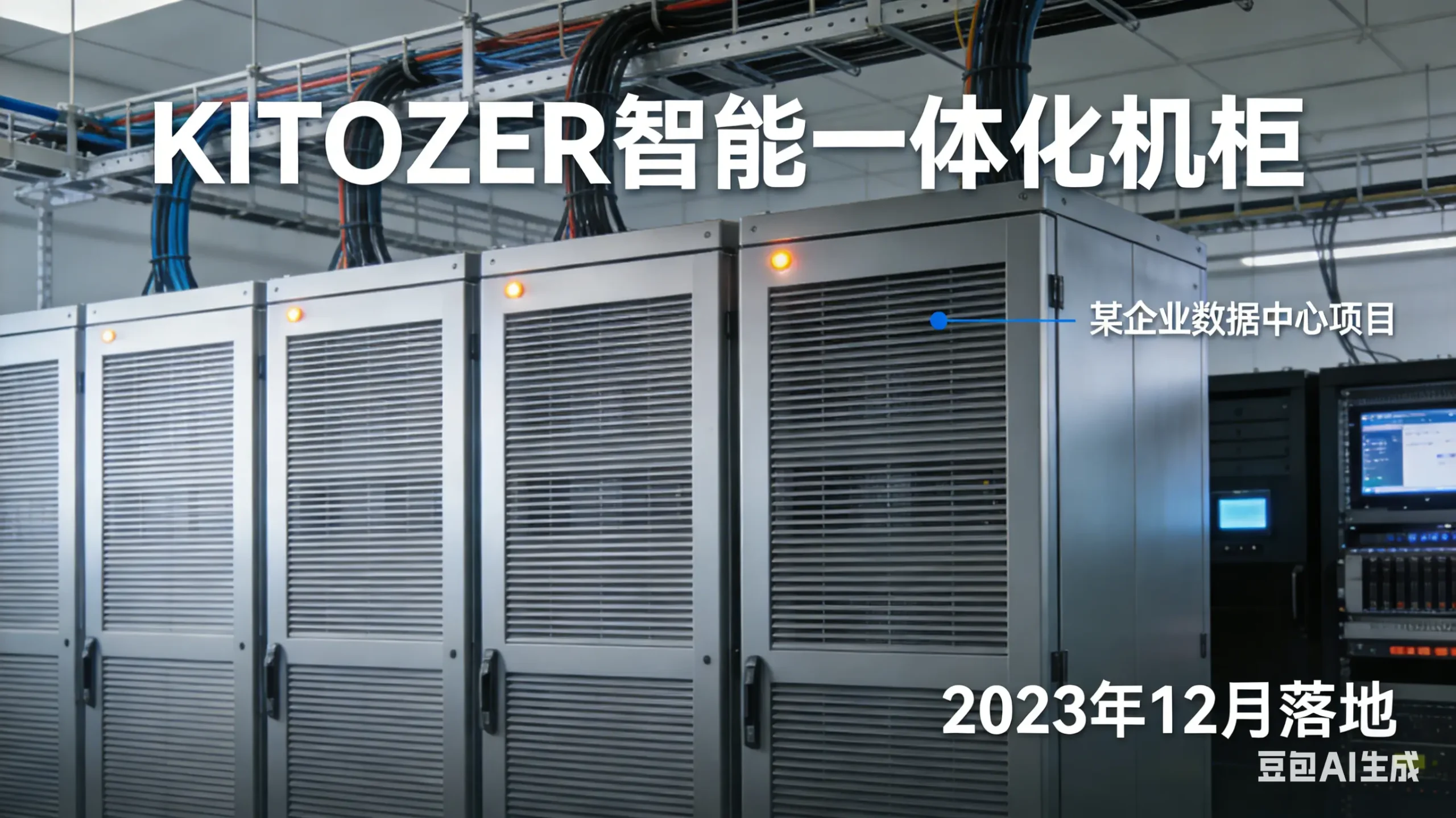
Outdoor Integrated Cabinets involves multiple engineering disciplines working together: structure, thermal management, electrical distribution, control and environmental protection. This article outlines the engineering considerations that determine reliable operation.
Outdoor cabinets are engineering problems because the environment is unregulated. Solar gain, ambient swings, driven rain, dust, salt and vibration act on the enclosure at once, while the internal equipment — power, batteries, radio or control gear — has a much narrower tolerance band than the weather does. Thermal design therefore comes first: the question is not whether the cabinet is rated, but whether it can hold internal temperature within the equipment range at the hottest hour of the design day.
Thermal and ingress requirements pull against each other. Sealing an enclosure to keep water and dust out reduces passive ventilation and forces heat exchangers, air conditioners or thermoelectric cooling; opening it for airflow admits contamination. The resolution is to fix the site exposure and the internal heat load first, then choose the cooling method and the IP rating as a matched pair — and to ensure maintenance can still be performed without breaking the seal.
Engineering Mechanism
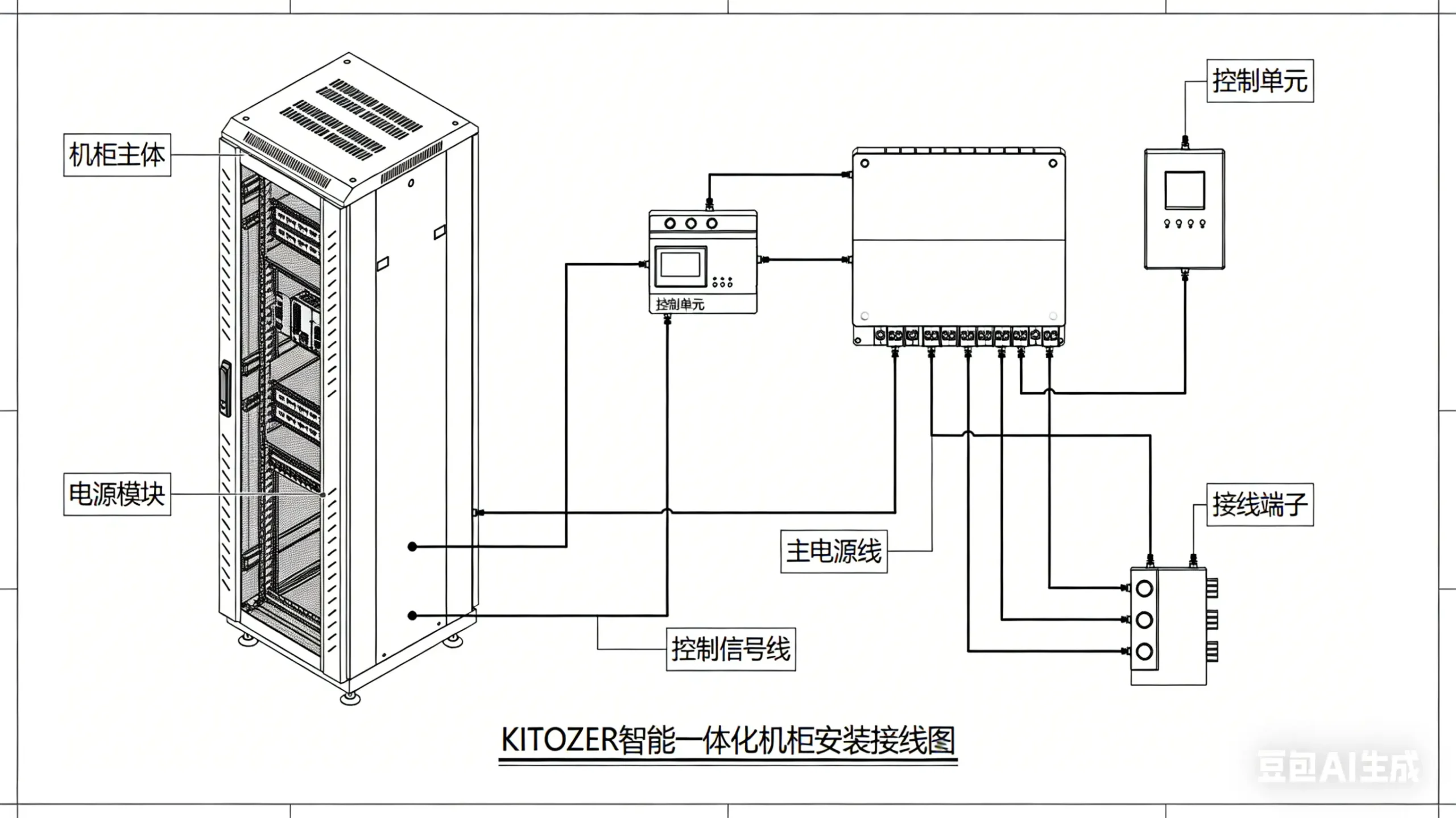
Each subsystem in this family has a defined function: Function Type, Function-Specific Outdoor Cabinets, Industry Application, Industry-Specific Outdoor Cabinets. Correct specification depends on understanding how these subsystems interact under real operating conditions.
The subdivisions exist because outdoor requirements differ by function and by sector. Function-type cabinets — power distribution, battery, transmission, monitoring — group by the job they do, so the enclosure follows the equipment. Industry-specific cabinets group by sector — telecom, grid, rail, oil and gas, security — so compliance, connectors and maintenance practice are matched to the field. In both cases the enclosure provides structure, security, thermal management and environmental protection as one engineered assembly.
The mechanism that decides performance is heat balance at design conditions: heat generated inside plus solar gain absorbed through the shell must be rejected by conduction, ventilation or active cooling fast enough to keep the internal air within the equipment limit. Any factor that reduces rejection — filter blockage, fan failure, dust on a heat exchanger, solar exposure the drawing did not anticipate — raises internal temperature, and the equipment derates or trips.
Selection Variables
- Load profile and peak demand
- Environmental class: temperature, humidity, dust and ingress protection
- Space and structural constraints
- Redundancy and availability targets
- Maintenance access and lifecycle cost
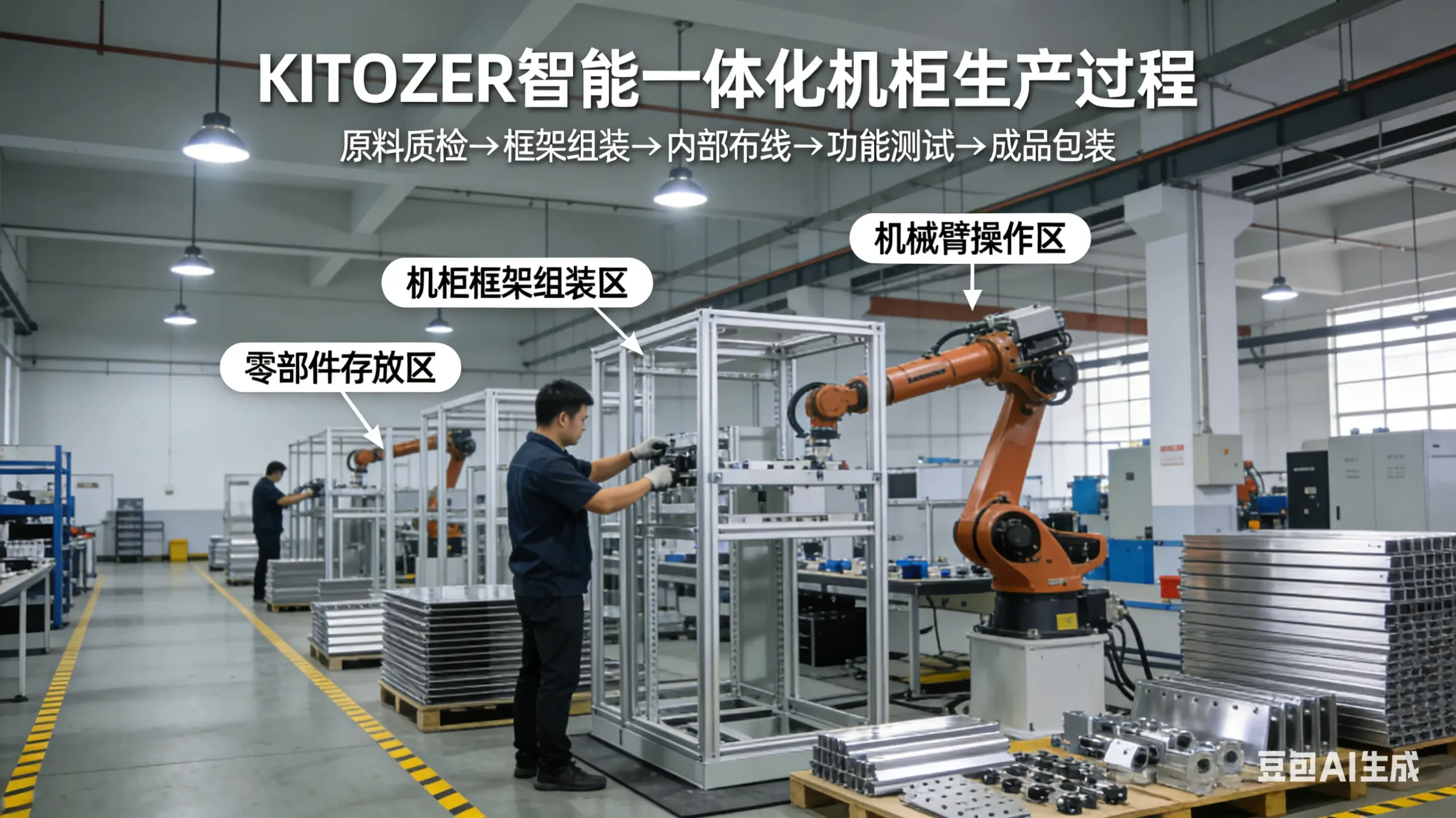
The selection variables translate into enclosure specification. Load profile and peak demand set thermal capacity and feed size. Environmental class sets the IP rating, coating system and gasket materials. Space and structural constraints set mounting type and reinforcement. Redundancy targets decide whether cooling or power needs N+1 capacity. Maintenance access sets door arrangement and clear working space, and lifecycle cost compares filter and cooling maintenance against a larger passive design.
Installation & Integration Concerns
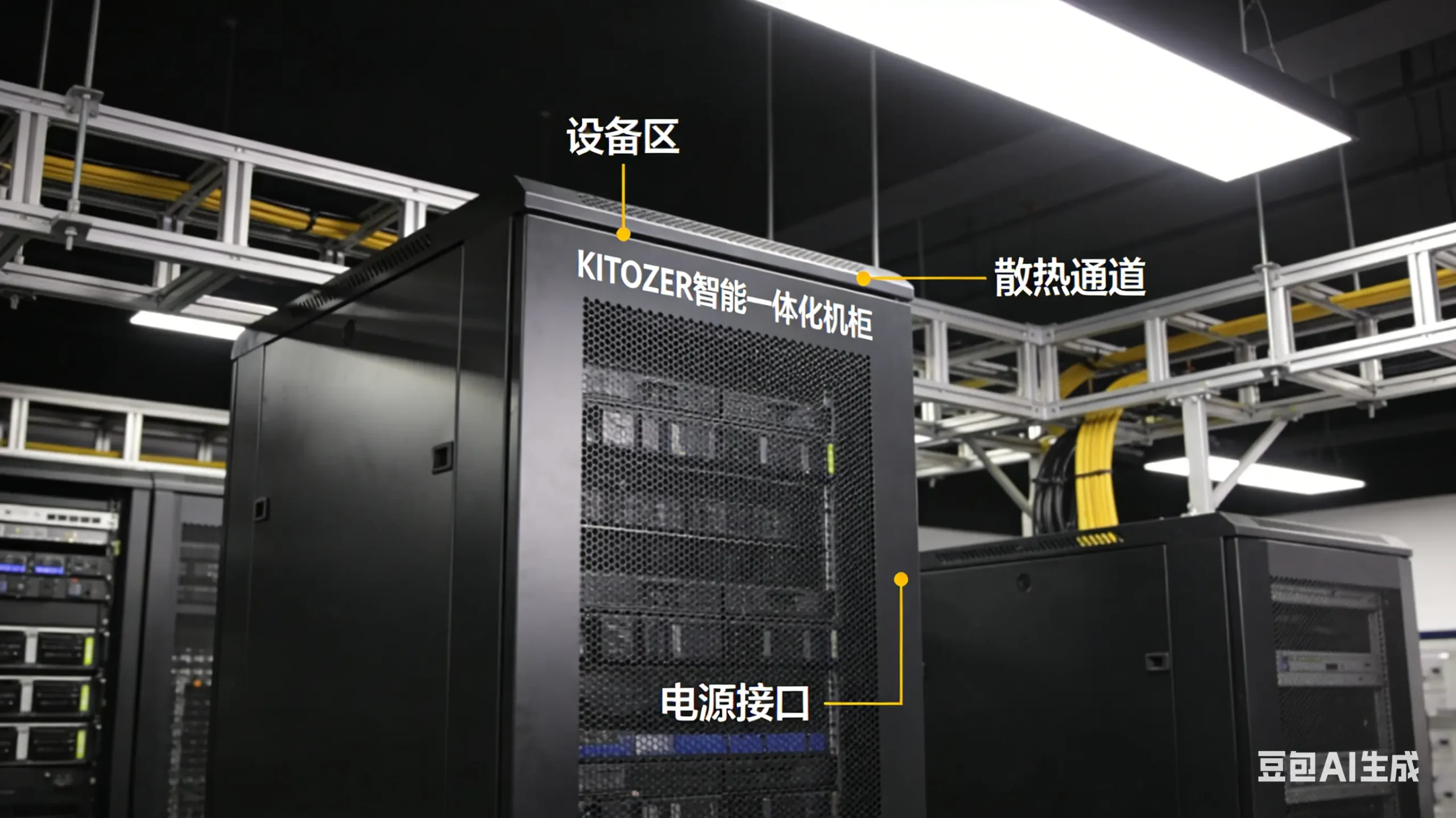
Common installation concerns include clearance for maintenance, cable routing, grounding and coordination with adjacent systems. These should be reviewed during the design stage, not discovered on site.
Installation concerns are dominated by sealing, mounting and drainage: gland plates and cable entries sealed correctly, doors aligned so gaskets compress evenly, mounting structure rated for wind load and verified on site, drainage paths clear, and the coating system undamaged during handling. Solar shading, where specified, must be installed as designed — an omitted shade can raise internal temperature several degrees at midday.
Common Failure Modes
Typical failure modes in this category relate to thermal stress, electrical connection quality, environmental ingress and control configuration errors. Preventive measures include routine inspection, torque checks and environmental monitoring.
Outdoor failures are usually environmental. Gaskets age and admit water or dust; condensate forms inside sealed enclosures during day-night cycling; filters clog and cooling capacity falls; fans and thermoelectric units fail; coatings are damaged by handling or abrasion and corrosion starts at the damaged point. Each has a maintenance answer — scheduled gasket inspection, anti-condensation control, filter replacement, fan testing and coating repair — and each is cheaper to schedule than to discover as a failure.
Verification Checklist
- Specification matches site survey data
- Ratings verified against manufacturer documentation
- Installation follows the manual sequence
- Functional tests completed and recorded
Verification should confirm internal temperature at the design ambient with load applied, seal integrity at doors and cable entries, drainage function, mounting security and torque, correct operation of alarms and monitoring, and the condition of coating and gaskets at handover. Those records become the baseline for the maintenance schedule.
Conclusion
Engineering discipline at specification and installation stage is the most effective way to control risk in outdoor integrated cabinets projects. Consult KITOZER engineering for verified technical documentation and support.
For outdoor cabinets, engineering discipline means matching cooling, ingress protection and structure to the actual site rather than to a catalogue rating, then proving at commissioning that internal temperature stays within limits under real conditions.

Frequently Asked Questions — Quick Reference
1. What is the main engineering consideration for outdoor cabinets?
Heat balance at the design ambient including solar gain — keeping internal temperature within the equipment range at the hottest hour, not on average.
2. How are thermal and ingress requirements balanced?
By matching the cooling method and IP rating as a pair: sealing excludes water and dust but reduces passive cooling, so heat exchangers or active cooling are required instead.
3. What data is needed before specification?
Ambient extremes and solar exposure, rainfall and dust, flood level, internal heat load, power availability, mounting capacity and maintenance access.
4. What IP rating is typical?
IP55 for most outdoor enclosures, with IP65 or IP66 where driven rain and dust are severe; the level follows site exposure.
5. How is condensation prevented?
By sealed designs with heat exchangers, controlled filtered ventilation, anti-condensation heaters and correct cable glanding so internal humidity stays below dew point.
6. What structural considerations apply?
Mounting type and reinforcement rated for wind load with the actual equipment mass and wind area, verified on site before installation.
7. What are the most common failure modes?
Ageing gaskets admitting water or dust, condensation, clogged filters, fan or thermoelectric failure, and corrosion starting at coating damage.
8. What maintenance keeps outdoor cabinets reliable?
Scheduled gasket inspection, filter replacement, fan testing, drainage checks, coating repair and recording of internal temperatures for trend analysis.
9. What should verification prove?
Internal temperature at design ambient under load, seal integrity, drainage, mounting torque, alarm operation and coating condition at handover.
10. What documentation should be requested?
Thermal calculations, IP and impact test reports, coating and salt-spray certificates, mounting drawings, test records and maintenance instructions.
Related Products
Explore the KITOZER Outdoor Integrated Cabinets product range for related solutions and configurations.
Related Articles
Outdoor Integrated Cabinets: Design Plan Framework
Outdoor Integrated Cabinets: Technical FAQ
About Guangzhou Lain Intelligent System Development Co., Ltd.
Guangzhou Lain Intelligent System Development Co., Ltd. (KITOZER) supplies and integrates outdoor integrated cabinets — engineered, tested and supported as one coordinated system for data centers, telecom sites and industrial facilities. From single rooms to enterprise facilities, Lain provides design, manufacturing, integration, testing and after-sales service under one roof and exports worldwide.
Contact us for a free technical consultation:
- Company: Guangzhou Lain Intelligent System Development Co., Ltd.
- Address: 1st Floor, Building A, Chaotian Industrial Park, Zhongrun Industrial Park, Shilou Town, Panyu District, Guangzhou, Guangdong, China
- Tel/WeChat: +86 135-0923-8849 | +86 135-0923-8849
- WhatsApp: +86 135-0923-8849
- Email: zl19068534140@gmail.com
- Website: www.gdlain.com | Request a Quote
Typical response time: within one business day. Project references, drawings and samples are available on request.