Executive Summary
EMI/RF Shielding & Protection covers a structured family of engineered systems that support mission-critical facilities, industrial sites and communication infrastructure. This guide reviews the engineering context, typical challenges, and practical selection considerations for buyers, integrators and operations teams.
EMI/RF shielding is a materials-and-construction problem: performance is delivered by the enclosure itself, not by a single device. A room is only as good as its weakest seam, door gasket, cable penetration or filter. This guide covers the family from shielded rooms and special chambers to dedicated devices, acoustic insulation and accessories, and explains how attenuation targets are translated into buildable specifications.
Industry Context
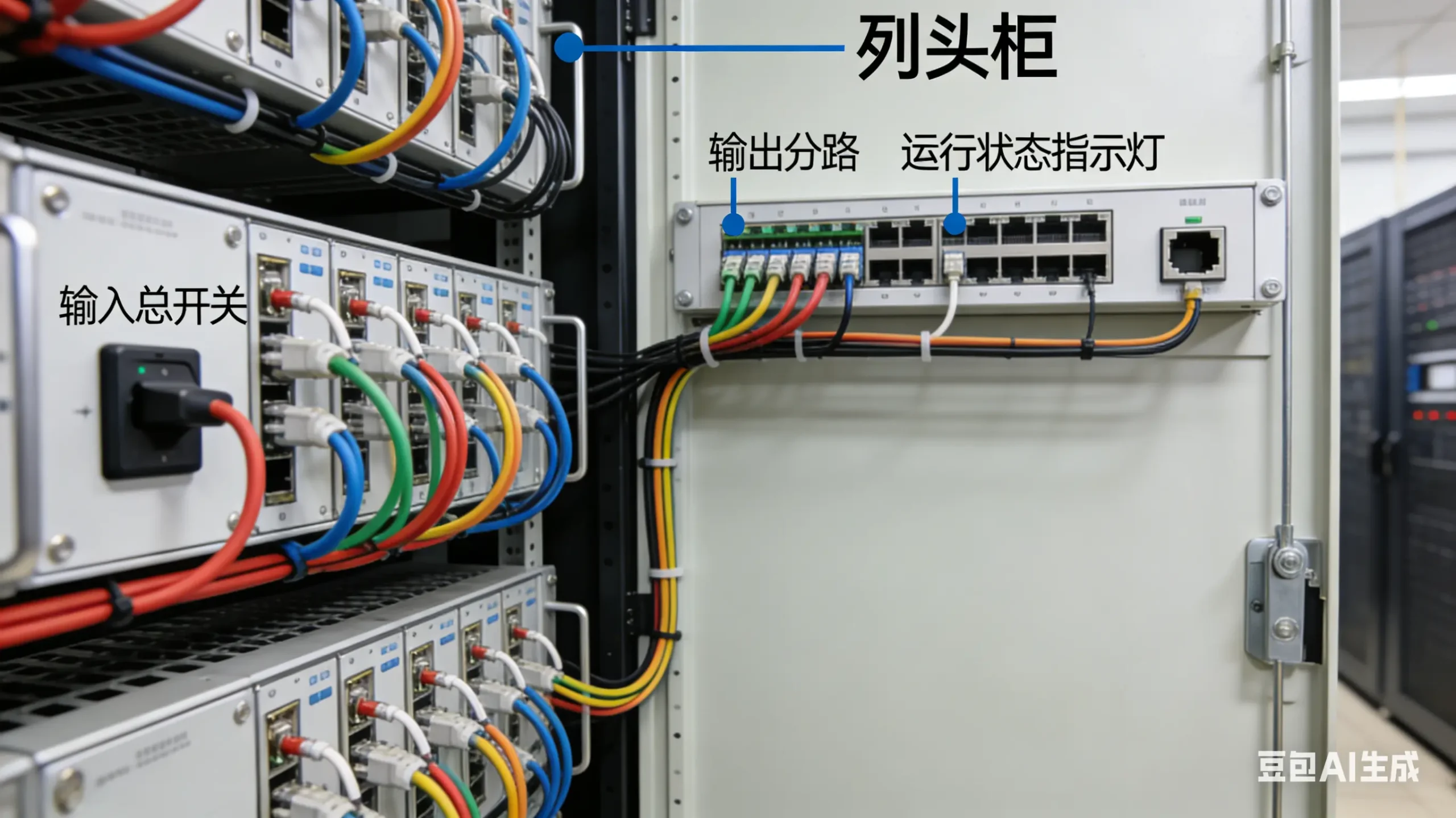
Demand for EMI/RF shielding and protection continues to grow as operators upgrade legacy infrastructure and adopt standardized, factory-integrated solutions. Procurement decisions increasingly depend on verified specifications, lifecycle cost and supplier engineering capability rather than price alone.
Three factors drive demand. Electronic density keeps rising, so more sites must control both emissions and immunity. Wireless systems share spectrum with sensitive instruments, making interference control a design requirement. And specialised facilities — MRI, EMC test labs, secure government and high-precision manufacturing — require documented shielding effectiveness rather than best-effort construction.
Engineering Challenge
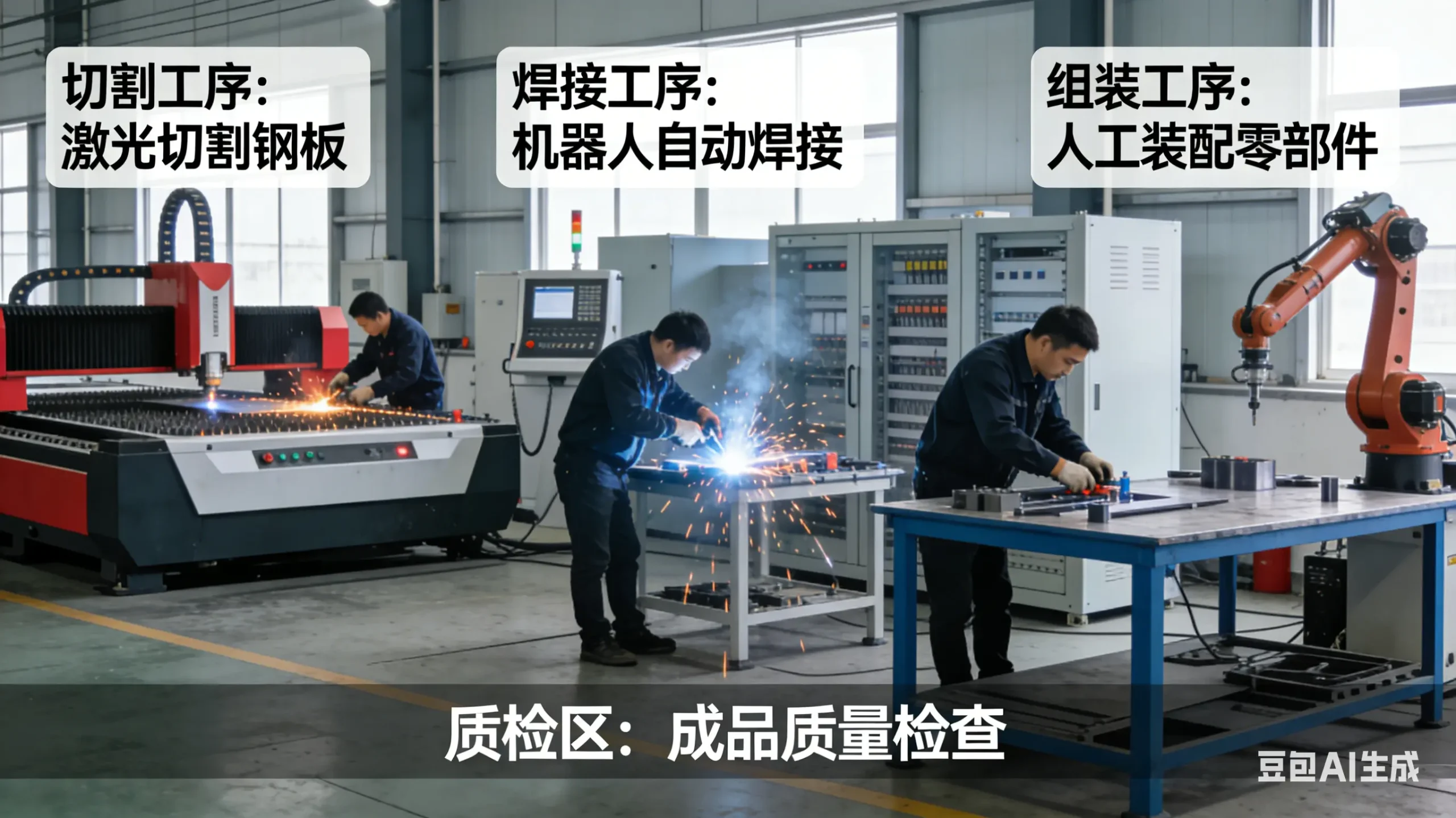
The main challenge is matching the right configuration to real site conditions: space, load, thermal environment, power availability and maintenance access. A mismatch at specification stage typically leads to rework during installation or higher operating cost.
Shielding failures concentrate at discontinuities. A one-millimetre gap, an unbonded cable shield, an untreated ventilation duct or a worn door gasket can dominate the whole room’s attenuation. Because attenuation is logarithmic, one weak point erases the performance of an otherwise excellent build — so detailing, workmanship and verification matter as much as the base material.
Technical Analysis
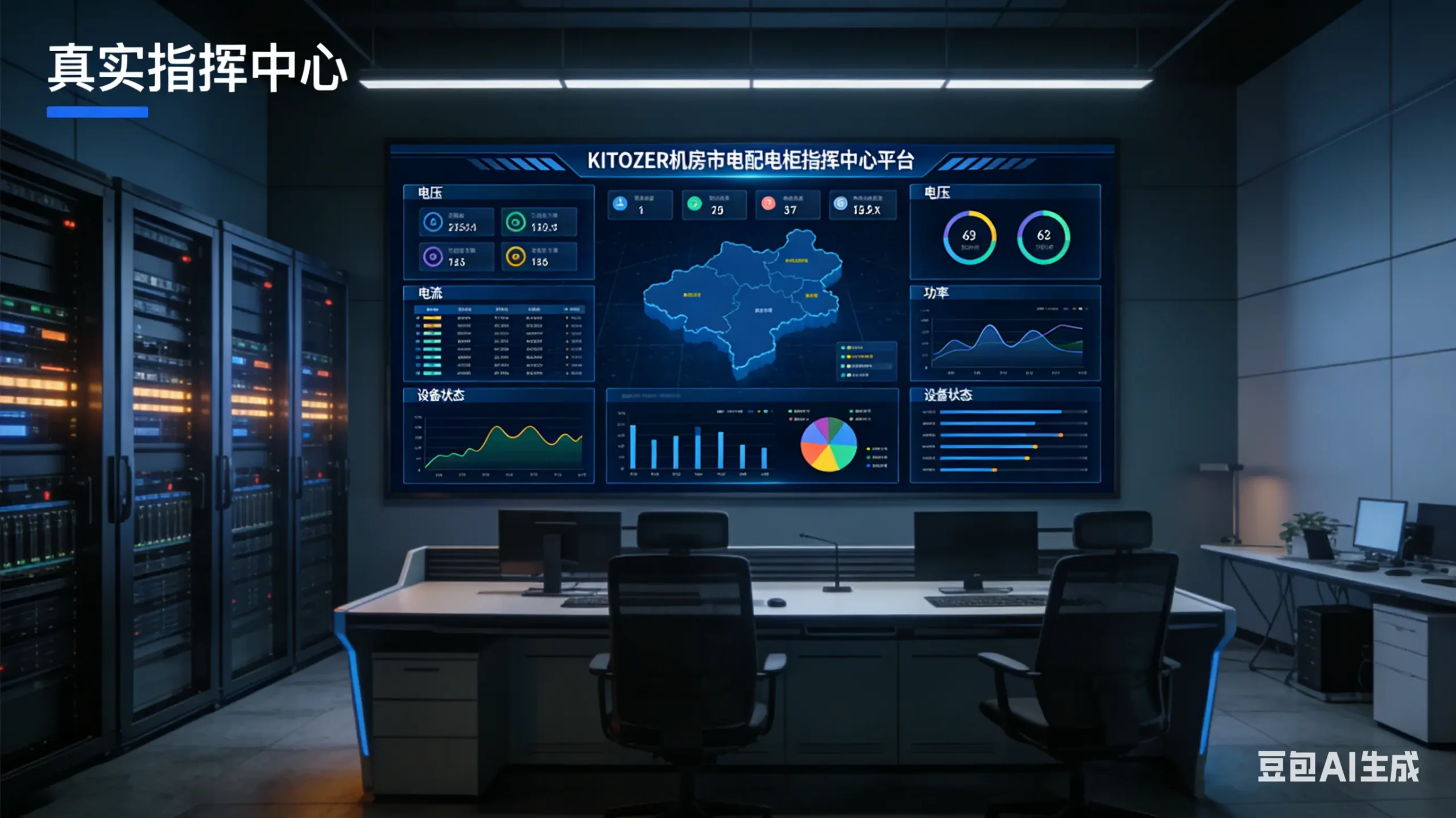
Key technical dimensions include structural integrity, thermal performance, electrical safety, environmental protection rating, and integration interfaces. Each subcategory in this family addresses a specific portion of the overall system:
- Acoustic Insulation
- Dedicated Shielding Devices
- Shielded Rooms
- Shielding Accessories
- Special Shielded Chambers
The subdivisions map to distinct performance goals. Shielded rooms enclose a working space; special shielded chambers (anechoic or EMC test chambers) add controlled reflection and absorption; dedicated shielding devices address local sources or paths; acoustic insulation handles the noise component that often accompanies shielded enclosures; and shielding accessories — gaskets, honeycomb vents, filters, waveguides, shielded doors and windows — preserve performance at every penetration. Target attenuation, frequency range and required test standard must be fixed before materials are chosen, because different standards and bands lead to different constructions.
Application
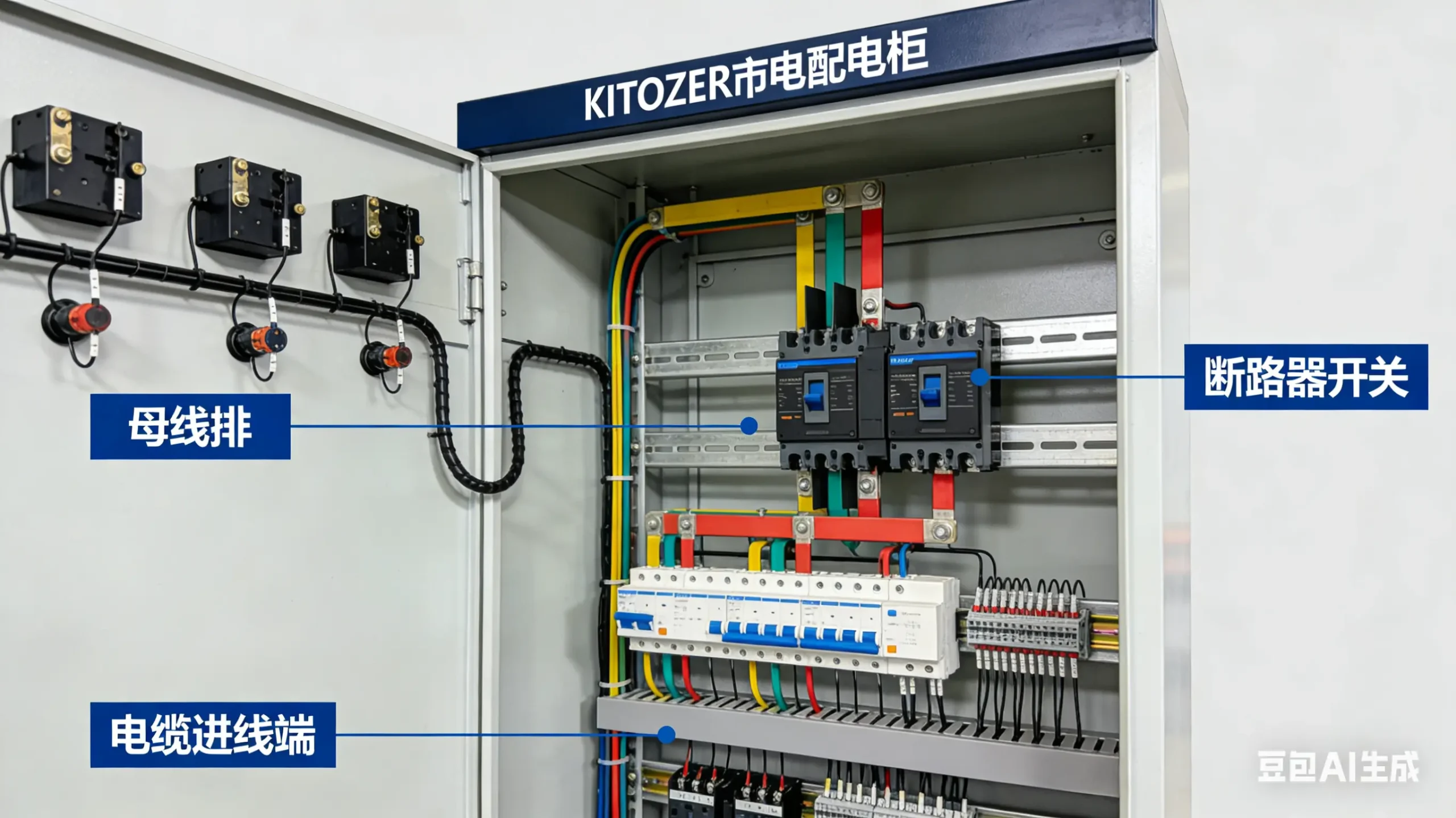
Typical applications include EMI/RF shielding and protection environments and comparable facilities where reliability and serviceability are mandatory. Site surveys and load calculations are recommended before configuration.
Projects proceed from requirement to verification. A shielding effectiveness target is set for the frequency range of interest; room or chamber geometry and the penetration schedule are designed; materials and joints are specified; construction quality is controlled on site; and shielding effectiveness is measured after completion, with remedial work where readings fall short. For secure or medical facilities, documented measured attenuation is part of acceptance.

Selection Considerations
When selecting from this family, verify: (1) compatibility with existing infrastructure, (2) environmental conditions such as temperature, humidity and dust, (3) power and cooling budget, (4) maintenance and spare-part strategy, and (5) compliance requirements applicable to your region.
In addition to the five verification points, confirm the items that decide whether shielding performs as designed: attenuation specification with frequency range and test method, penetration and filter schedule, door and gasket design life, bonding detail at every seam and cable entry, and a commissioning test plan with pass criteria. Where a room must be certified, agree the test standard and acceptance threshold before construction starts.

Frequently Asked Questions — Quick Reference
1. What does the EMI/RF shielding and protection family cover?
Shielded rooms, special shielded chambers, dedicated shielding devices, acoustic insulation and shielding accessories such as gaskets, vents, filters and shielded doors.
2. How is shielding performance specified?
As attenuation in dB across a defined frequency range against a stated test method — not as a generic “high shielding” claim.
3. Why does one weak point ruin a shielded room?
Attenuation is logarithmic and the weakest seam dominates; an untreated gap, duct or cable entry can erase the performance of the rest of the build.
4. How are cable penetrations handled?
With filters, waveguides or shielded feed-throughs sized to the cable and frequency range, bonded to the enclosure at the penetration.
5. What is the difference between a shielded room and a shielded chamber?
A room encloses a working space; a special chamber adds controlled absorption and reflection for testing, such as anechoic or EMC chambers.
6. How are doors and windows treated?
With conductive gaskets, finger stock and shielded glass or mesh, specified for the required attenuation and the opening cycles the door will see.
7. What role does acoustic insulation play?
It controls airborne noise that often accompanies shielded enclosures, especially around test chambers and machinery.
8. How is shielding verified?
By measuring shielding effectiveness after construction against the agreed standard, with remedial work where readings fall short.
9. What maintenance does shielding need?
Periodic inspection of gaskets, doors and penetrations, plus re-testing after any modification to the enclosure.
10. What should be requested from the supplier?
Attenuation specification with frequency range and test method, penetration and filter schedule, bonding details, gasket data and a commissioning test plan.
Conclusion
A structured, category-level approach to EMI/RF shielding and protection procurement reduces risk and total cost. KITOZER supports customers from specification to commissioning; contact the engineering team for verified datasheets and project support.
Related Products
EMI/RF Shielding & Protection covers a structured family of engineered systems that support mission-critical facilities, industrial sites and communication infrastructure. This guide reviews the engineering context, typical challenges, and practical selection considerations for buyers, integrators and operations teams.
Related Articles
EMI/RF Shielding & Protection: Technical FAQ
EMI/RF Shielding & Protection: Engineering Considerations
About Guangzhou Lain Intelligent System Development Co., Ltd.
Guangzhou Lain Intelligent System Development Co., Ltd. (KITOZER) supplies and integrates EMI/RF shielding and protection — engineered, tested and supported as one coordinated system for mission-critical and industrial sites. From single rooms to enterprise facilities, Lain provides design, manufacturing, integration, testing and after-sales service under one roof and exports worldwide.
Contact us for a free technical consultation:
- Company: Guangzhou Lain Intelligent System Development Co., Ltd.
- Address: 1st Floor, Building A, Chaotian Industrial Park, Zhongrun Industrial Park, Shilou Town, Panyu District, Guangzhou, Guangdong, China
- Tel/WeChat: +86 135-0923-8849 | +86 135-0923-8849
- WhatsApp: +86 135-0923-8849
- Email: zl19068534140@gmail.com
- Website: www.gdlain.com | Request a Quote
Typical response time: within one business day. Project references, drawings and samples are available on request.