Engineering considerations for EMI/RF shielding and protection — how attenuation is achieved in practice, which variables drive specification, where installations leak, and what verification should prove.
Technical Context
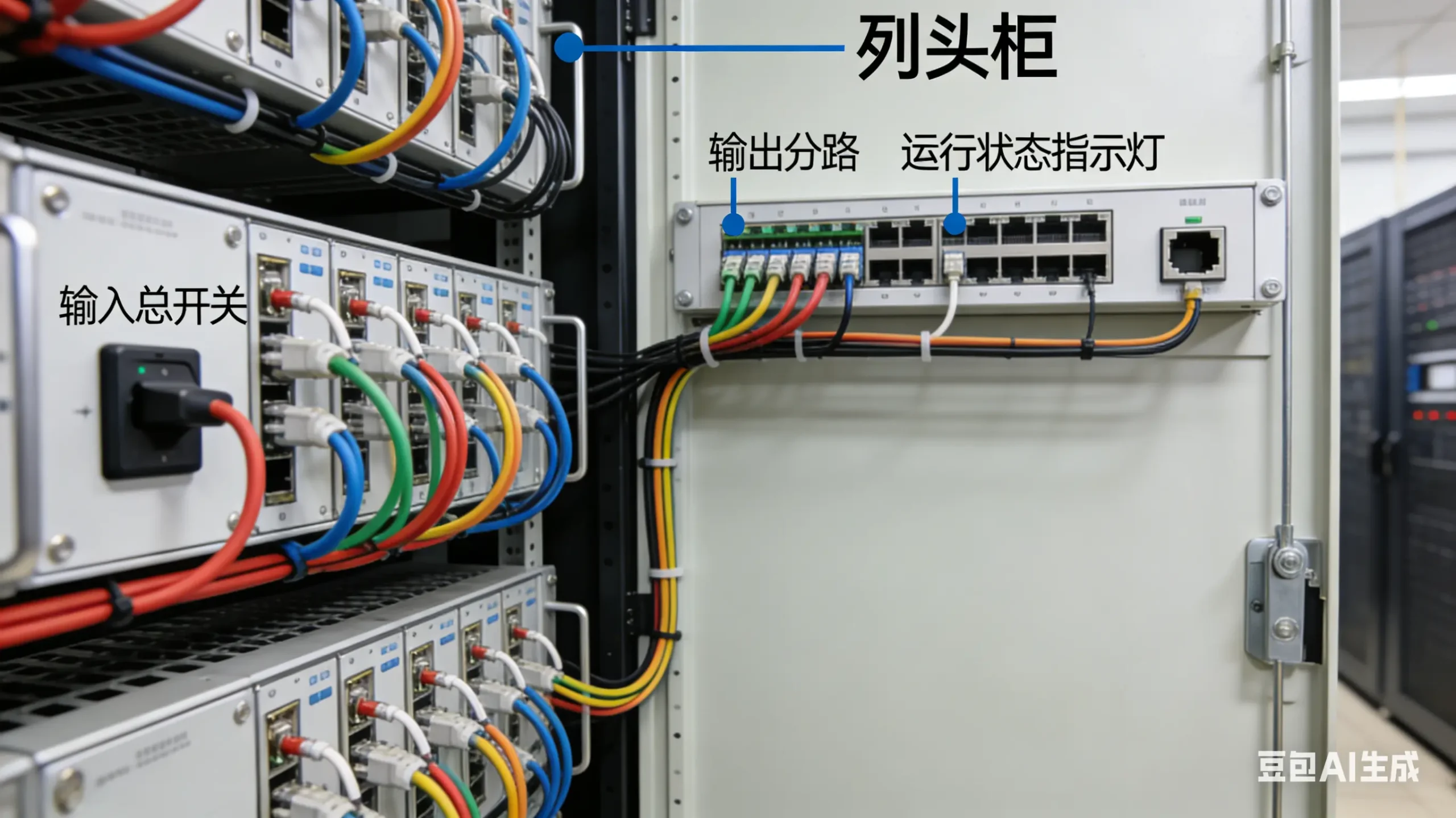
EMI/RF Shielding & Protection involves multiple engineering disciplines working together: structure, thermal management, electrical distribution, control and environmental protection. This article outlines the engineering considerations that determine reliable operation.
Shielding is unusual among engineered systems because performance is set by the weakest point rather than the average. Attenuation is expressed in decibels, which is logarithmic: a single untreated gap, an unbonded cable shield, an unfiltered ventilation duct or a worn door gasket can dominate the performance of an otherwise excellent enclosure. The engineering consideration is therefore continuity — of material, of bonding and of attention at every penetration.
Shielding must also coexist with the requirements of a working room. Ventilation, power, lighting, data cabling and fire protection all need to cross the shielded boundary, and every crossing is a potential leak. Acoustic requirements, access and egress, and electromagnetic performance must be resolved together, because a design that satisfies one by compromising another usually fails the acceptance test.
Engineering Mechanism
Each subsystem in this family has a defined function: Acoustic Insulation, Dedicated Shielding Devices, Shielded Rooms, Shielding Accessories, Special Shielded Chambers. Correct specification depends on understanding how these subsystems interact under real operating conditions.
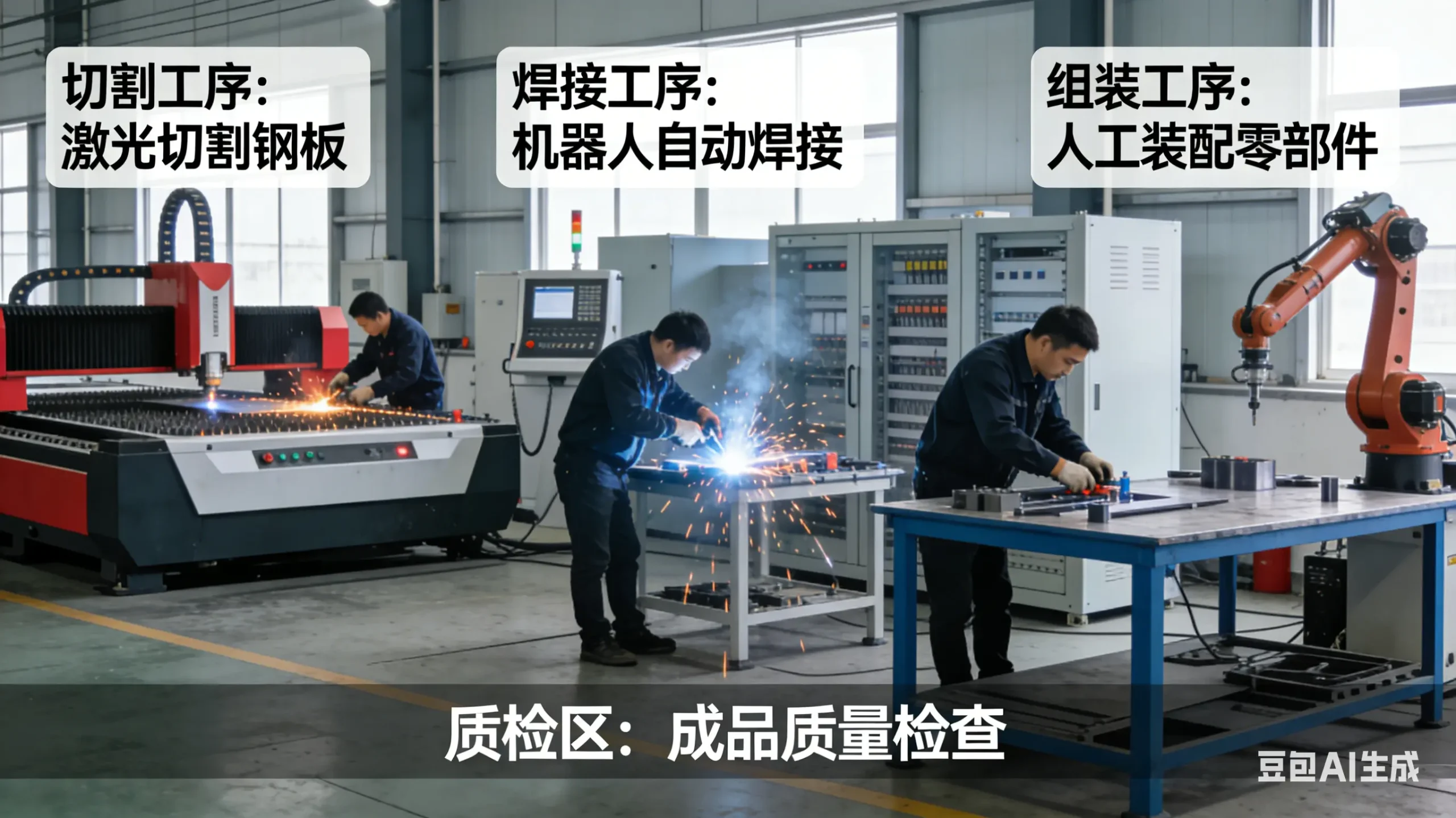
The subdivisions address different parts of the problem. Shielded rooms enclose a working space; special shielded chambers add controlled absorption and reflection for testing; dedicated shielding devices address specific local sources or paths; acoustic insulation handles the noise component that often accompanies shielded construction; and shielding accessories — gaskets, honeycomb vents, filters, waveguides, shielded doors and windows — preserve attenuation at every penetration. The mechanism is a continuous conductive envelope, bonded at every seam and treated at every opening.
Effectiveness depends on the smallest discontinuity the design permits. Bonding between panels must be continuous and low-impedance across the frequency range of interest; doors need gaskets that compress uniformly and tolerate the number of openings the room will see; filters and waveguides must be rated for both the frequency and the airflow they carry. Selecting each element from its own datasheet, without checking the joints between them, is the most common cause of measured performance falling short of design.
Selection Variables
- Load profile and peak demand
- Environmental class: temperature, humidity, dust and ingress protection
- Space and structural constraints
- Redundancy and availability targets
- Maintenance access and lifecycle cost
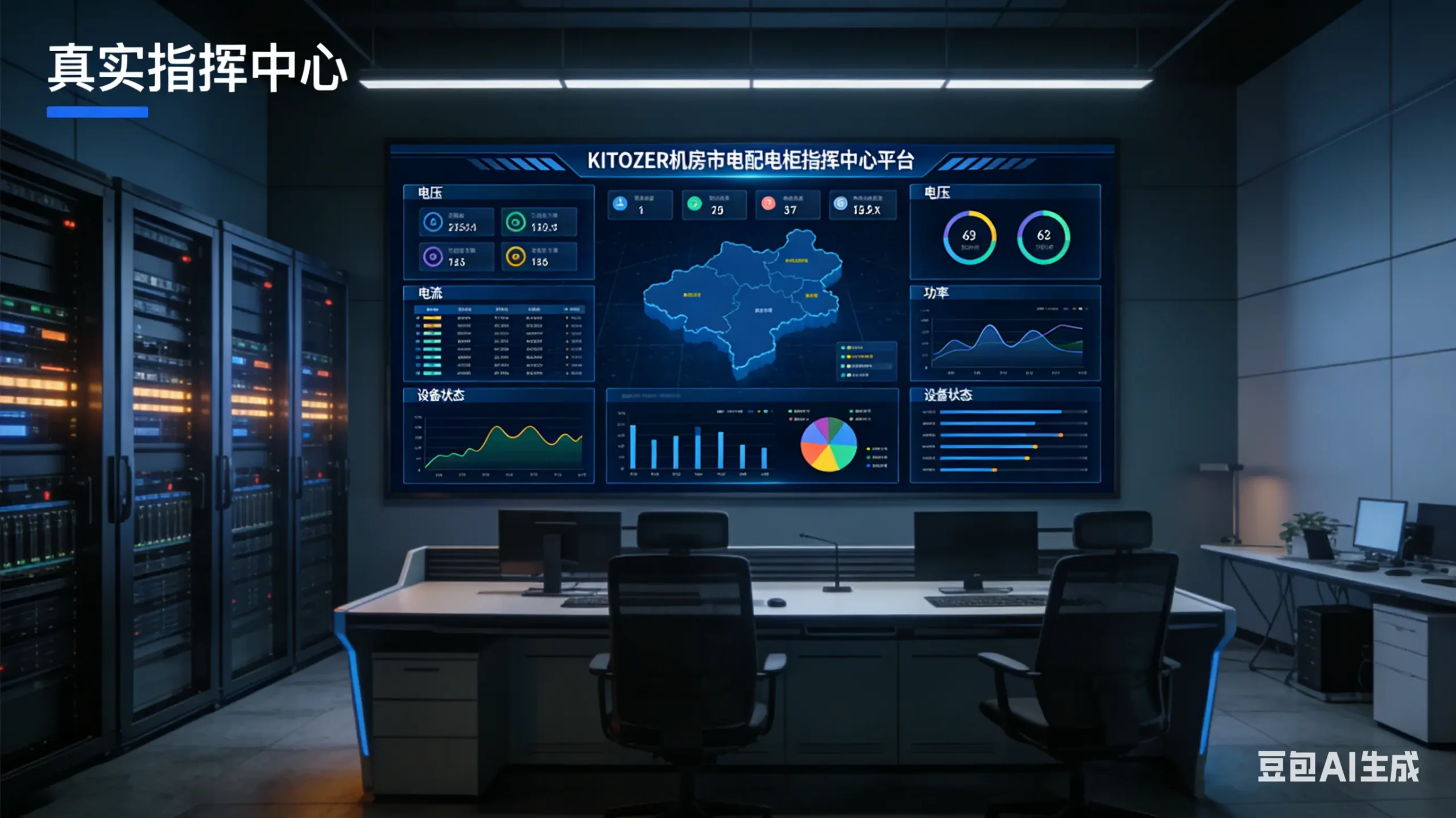
The variables translate into shielding specification. Load profile and peak demand determine the equipment emissions or susceptibility that set the attenuation target. Environmental class determines materials, coatings and gasket choice. Space and structural constraints set the room or chamber type and construction method. Redundancy and availability targets decide whether penetrations need spare capacity. Maintenance access sets door type and size, and lifecycle cost weighs initial performance against the gasket and door maintenance the room will need.
Installation & Integration Concerns
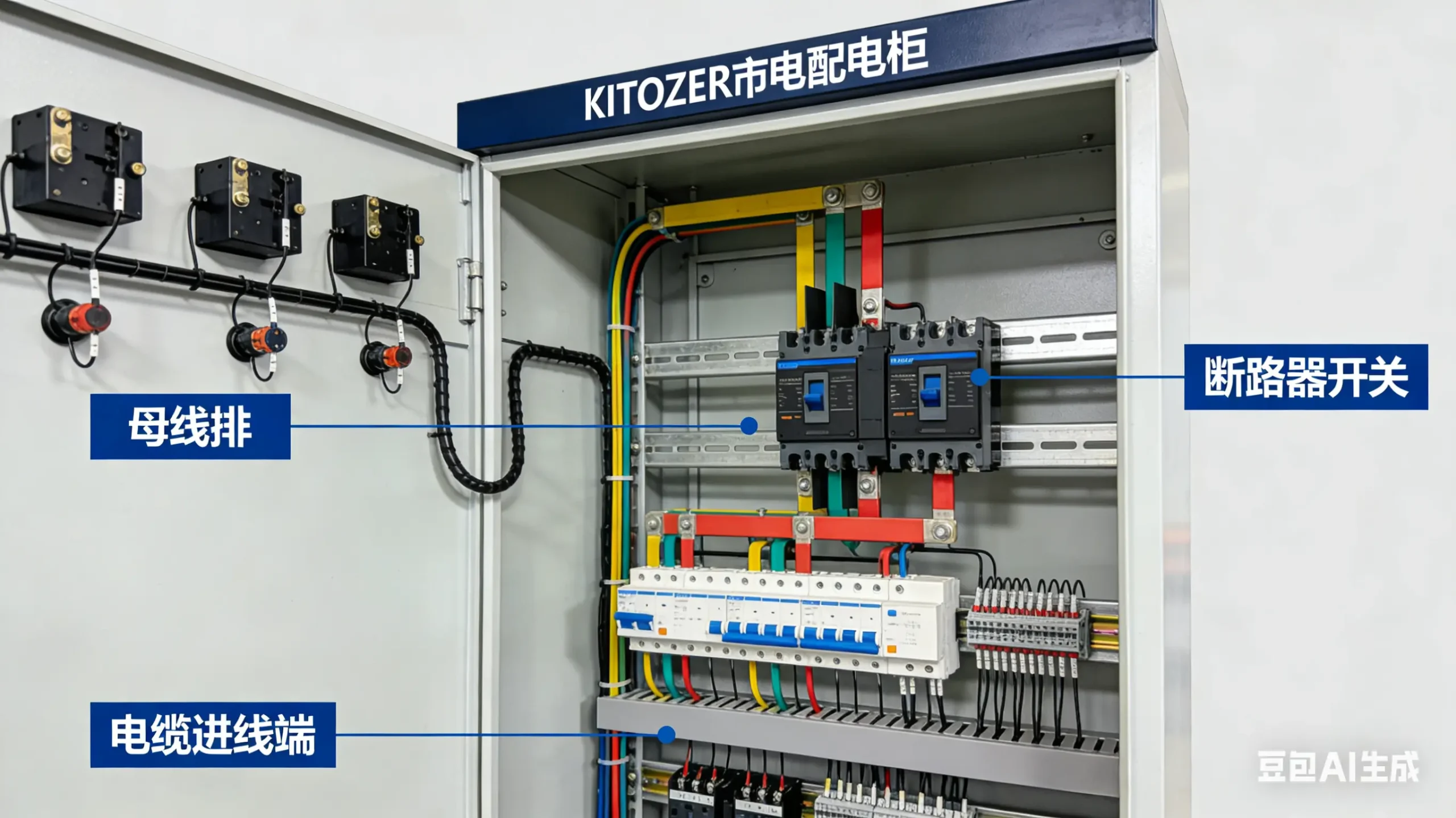
Common installation concerns include clearance for maintenance, cable routing, grounding and coordination with adjacent systems. These should be reviewed during the design stage, not discovered on site.
Installation concerns are entirely about continuity. Joints must be bonded as drawn rather than made good on site; penetrations must be treated with the specified filter or waveguide rather than a plain bushing; door frames must be aligned so gaskets compress evenly; and workmanship must be inspected before the enclosure is closed up or finishes are applied. Once the room is finished, correcting a joint or a penetration is a major intervention.
Common Failure Modes
Typical failure modes in this category relate to thermal stress, electrical connection quality, environmental ingress and control configuration errors. Preventive measures include routine inspection, torque checks and environmental monitoring.
Shielding failures are almost always local. Gaskets compress permanently or are damaged by repeated use; finger stock corrodes or is painted over; filters clog and are replaced with unshielded equivalents; new cabling is added through an untreated penetration; and panels are removed for other work and reinstalled without bonding. Any of these reduces attenuation, often without an obvious symptom until an interference or security problem appears. Periodic inspection, and re-testing after any modification, is the only reliable control.
Verification Checklist
- Specification matches site survey data
- Ratings verified against manufacturer documentation
- Installation follows the manual sequence
- Functional tests completed and recorded
Verification is measurement: shielding effectiveness across the specified frequency range against the agreed standard, supported by inspection records for joints, gaskets, doors and penetrations. For secure or medical facilities the measured results form part of the acceptance documentation, and a baseline measurement makes later degradation detectable.
Conclusion
Engineering discipline at specification and installation stage is the most effective way to control risk in emi/rf shielding & protection projects. Consult KITOZER engineering for verified technical documentation and support.
For shielding, engineering discipline means treating the enclosure as one continuous conductive system, detailing every seam and penetration, and verifying the result by measurement rather than assumption.

Frequently Asked Questions — Quick Reference
1. What is the key engineering consideration for shielding?
Continuity. Attenuation is logarithmic, so the weakest seam, penetration or gasket determines the performance of the whole enclosure.
2. How is shielding performance specified?
As attenuation in dB across a defined frequency range against a stated test method and acceptance threshold, agreed before construction.
3. What data is needed before specification?
The required attenuation and frequency range, the equipment emissions or susceptibility, the penetrations the room must accommodate, acoustic and fire requirements, and applicable standards.
4. How are penetrations handled?
Every cable and duct entry is fitted with a filter, waveguide or shielded feed-through rated for the frequency and airflow, and bonded to the enclosure.
5. How is acoustic performance related?
Shielded enclosures often require airborne noise control as a parallel objective, so acoustic insulation is specified alongside the shielding.
6. What are typical installation concerns?
Joint bonding rather than site improvisation, correct treatment of penetrations, even gasket compression at door frames, and inspection of workmanship before the room is closed up.
7. What are the common failure modes?
Compressed or damaged gaskets, corroded or painted finger stock, clogged filters replaced with unshielded parts, untreated new penetrations, and panels reinstalled without bonding.
8. How is shielding verified?
By measuring shielding effectiveness after construction against the agreed standard, and by keeping a baseline measurement so later degradation is detectable.
9. What maintenance is required?
Periodic inspection of gaskets, doors and penetrations, plus re-testing after any modification to the enclosure.
10. What should the verification checklist cover?
Attenuation specification against the test standard, penetration schedule implementation, bonding continuity, gasket condition and recorded measurement results.
Related Products
Explore the KITOZER EMI/RF Shielding & Protection product range for related solutions and configurations.
Related Articles
EMI/RF Shielding & Protection: Design Plan Framework
EMI/RF Shielding & Protection: Technical FAQ
About Guangzhou Lain Intelligent System Development Co., Ltd.
Guangzhou Lain Intelligent System Development Co., Ltd. (KITOZER) supplies and integrates EMI/RF shielding and protection — engineered, tested and supported as one coordinated system for data centers, telecom sites and industrial facilities. From single rooms to enterprise facilities, Lain provides design, manufacturing, integration, testing and after-sales service under one roof and exports worldwide.
Contact us for a free technical consultation:
- Company: Guangzhou Lain Intelligent System Development Co., Ltd.
- Address: 1st Floor, Building A, Chaotian Industrial Park, Zhongrun Industrial Park, Shilou Town, Panyu District, Guangzhou, Guangdong, China
- Tel/WeChat: +86 135-0923-8849 | +86 135-0923-8849
- WhatsApp: +86 135-0923-8849
- Email: zl19068534140@gmail.com
- Website: www.gdlain.com | Request a Quote
Typical response time: within one business day. Project references, drawings and samples are available on request.