Executive Summary
System Integration covers a structured family of engineered systems that support mission-critical facilities, industrial sites and communication infrastructure. This guide reviews the engineering context, typical challenges, and practical selection considerations for buyers, integrators and operations teams.
System integration is the discipline of making independent systems behave as one. The hardware is rarely the difficulty; the interfaces, data models, responsibilities and acceptance criteria decide whether the result works. This guide covers the family from building and campus intelligence to command centres, data centres and industry custom integration, and explains how scope, interfaces and verification are defined so a multi-vendor project converges.
Industry Context
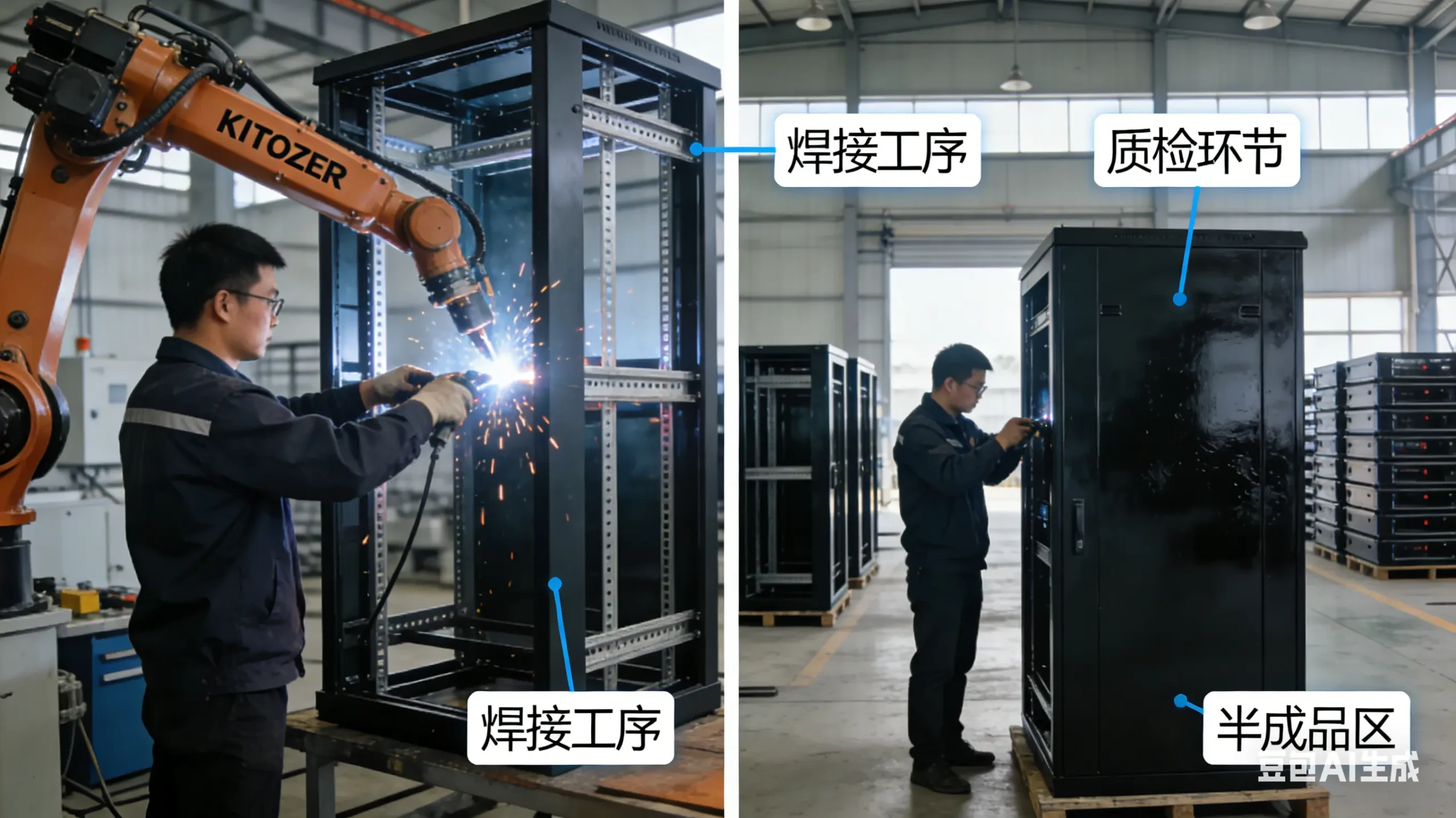
Demand for system integration continues to grow as operators upgrade legacy infrastructure and adopt standardized, factory-integrated solutions. Procurement decisions increasingly depend on verified specifications, lifecycle cost and supplier engineering capability rather than price alone.
Three trends drive demand. Facilities have accumulated separate systems — access, HVAC, fire, power and surveillance — that operators now need to see as one picture. Command and control requirements push data from many sources into a single operating view. And as projects span more vendors, integration scope has to be defined precisely to avoid gaps between contracts.
Engineering Challenge
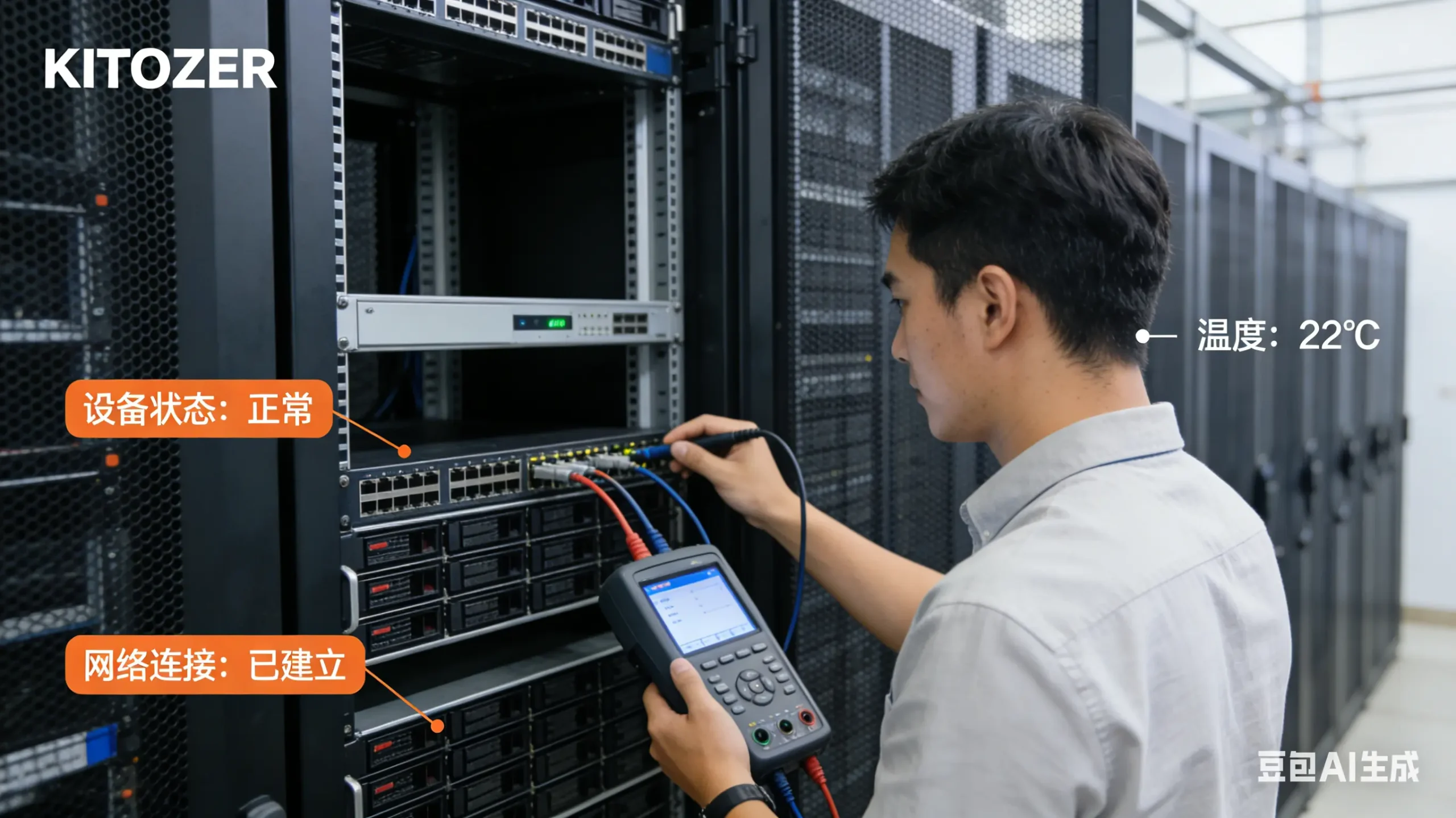
The main challenge is matching the right configuration to real site conditions: space, load, thermal environment, power availability and maintenance access. A mismatch at specification stage typically leads to rework during installation or higher operating cost.
Integration projects fail at the seams. Protocols are assumed compatible but differ in detail; data ownership is unclear so nobody maintains the mapping; a vendor delivers to its own interface and the end-to-end function is never tested; and acceptance criteria are written per system rather than per outcome. Because the risk is contractual as much as technical, interface definition and end-to-end testing belong in the specification, not the commissioning phase.
Technical Analysis
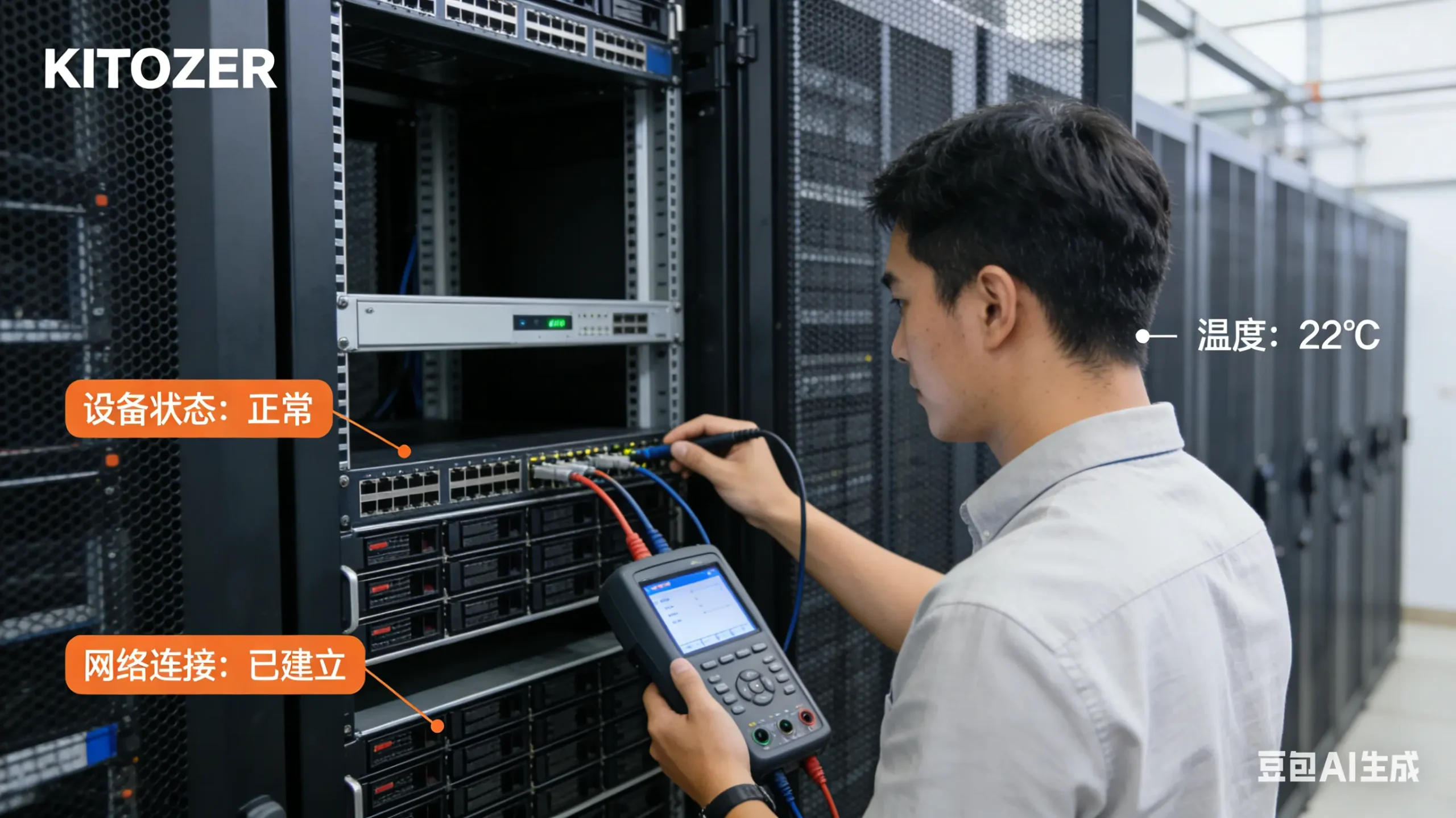
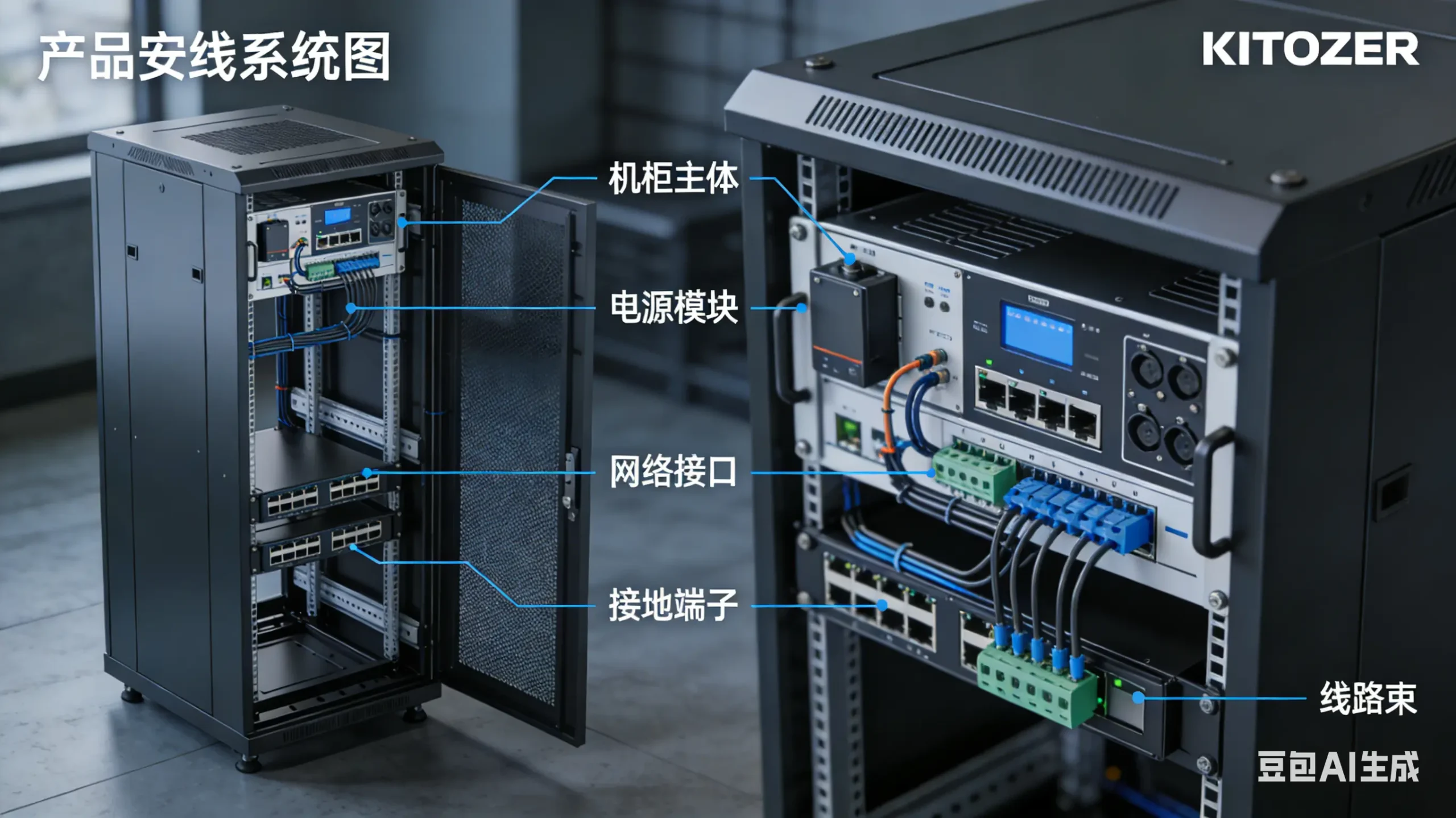
Key technical dimensions include structural integrity, thermal performance, electrical safety, environmental protection rating, and integration interfaces. Each subcategory in this family addresses a specific portion of the overall system:
- Building Intelligence Integration
- Campus Intelligence Integration
- Command Center Integration
- Data Center Integration
- Industry Custom Integration
The subdivisions differ in scale and criticality. Building intelligence integration unites systems within one facility; campus intelligence integration extends across multiple buildings and networks; command centre integration concentrates many sources into one operating picture; data centre integration coordinates infrastructure monitoring, power and cooling; and industry custom integration adapts to specific process and safety requirements. In every case the same three things must be fixed: the interface specification per link, the data model and mapping, and the end-to-end test that proves the required outcome.
Application
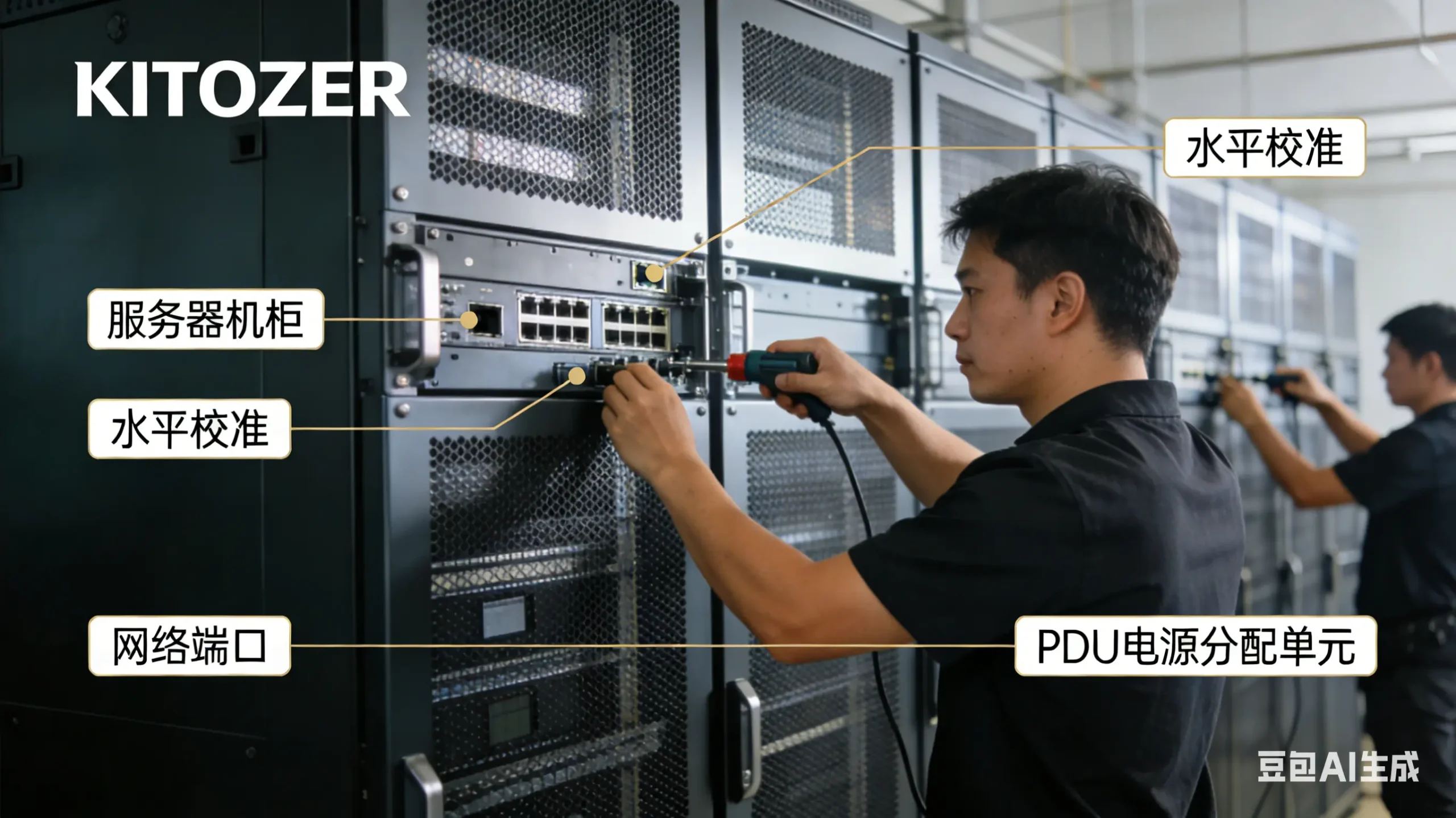
Typical applications include system integration environments and comparable facilities where reliability and serviceability are mandatory. Site surveys and load calculations are recommended before configuration.
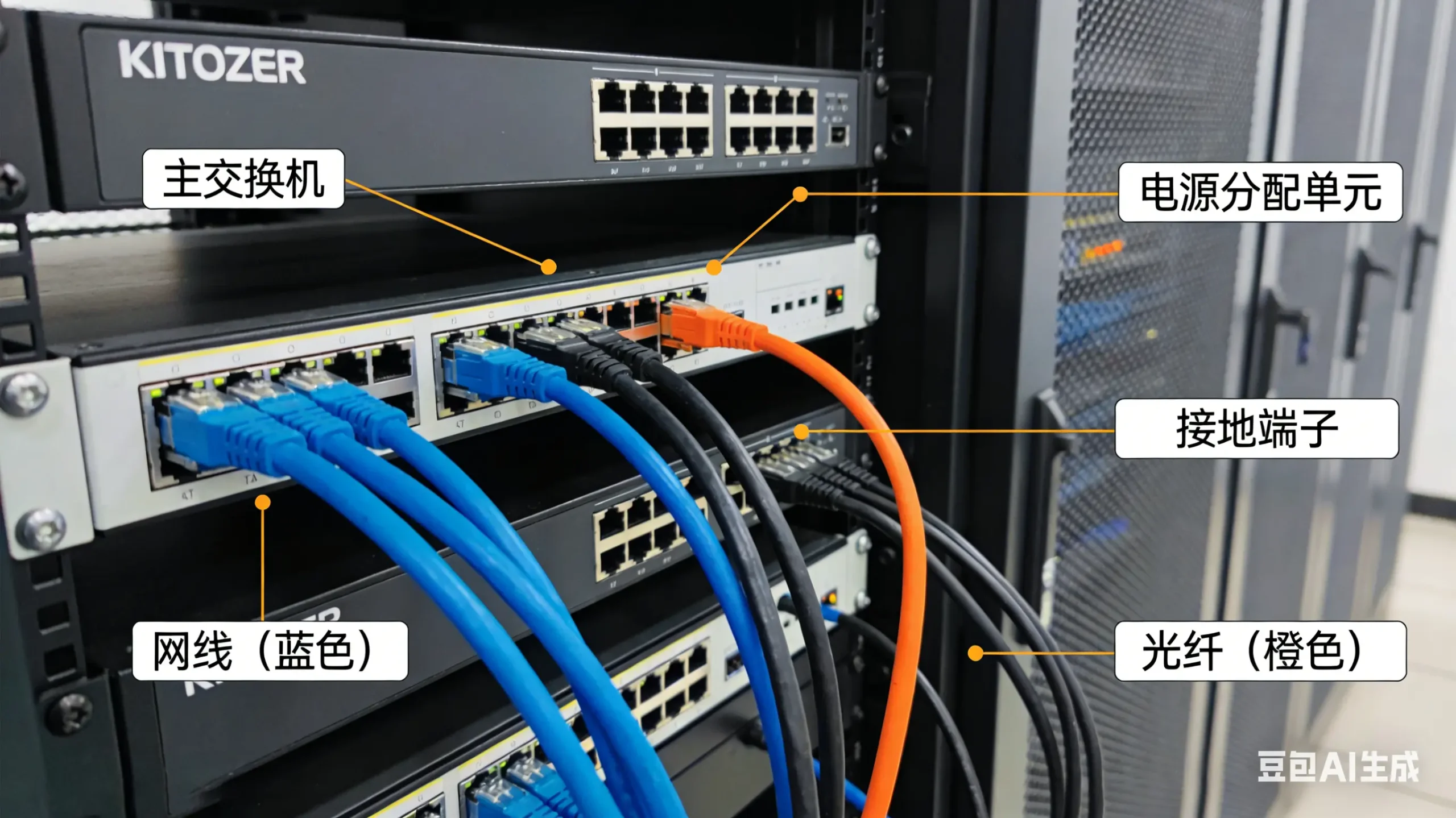
Delivery follows a defined path: requirements and outcomes are agreed; an interface matrix is built listing every link, protocol and owner; scope boundaries are written into the contracts; integration is developed, usually in a staging environment; end-to-end scenarios are tested against the agreed outcomes; and documentation and training are handed over with the operating picture. Where systems must stay live, migration is staged and rollback prepared.
Selection Considerations
When selecting from this family, verify: (1) compatibility with existing infrastructure, (2) environmental conditions such as temperature, humidity and dust, (3) power and cooling budget, (4) maintenance and spare-part strategy, and (5) compliance requirements applicable to your region.
Beyond the five verification points, confirm what decides whether the project converges: a written interface matrix with protocol and data mapping, clear scope and responsibility per vendor, a staging and end-to-end test plan with pass criteria, monitoring and alerting for the integrated system, documentation and training, and a support model that covers the seams between vendors.
Frequently Asked Questions — Quick Reference
1. What does the system integration family cover?
Building, campus, command centre, data centre and industry-specific integration, uniting independent systems into one operating picture.
2. What causes most integration failures?
Interface gaps and unclear responsibility at the seams between vendors, not the individual systems themselves.
3. What is an interface matrix?
A document listing every link between systems with its protocol, data mapping and owner — the backbone of the integration scope.
4. Why test end-to-end rather than per system?
Because a system can pass its own tests while the required outcome still fails when the interfaces are exercised together.
5. How should acceptance criteria be written?
As outcomes the operator can observe, with end-to-end scenarios and pass criteria agreed before development.
6. How is data ownership handled?
By assigning a named owner and mapping for every data point, so the integration stays maintainable after handover.
7. Can integration be added to operating facilities?
Yes; migration is staged, unaffected systems stay live, and rollback is prepared before each change.
8. What staging is recommended?
A staging environment that mirrors production, so integration and scenarios are proven before they touch live systems.
9. What documentation is needed at handover?
The interface matrix, data mappings, test results, operating and maintenance procedures, and operator training.
10. What support model works best?
One that explicitly covers the seams between vendors, so no interface falls between two support contracts.
Conclusion
A structured, category-level approach to system integration procurement reduces risk and total cost. KITOZER supports customers from specification to commissioning; contact the engineering team for verified datasheets and project support.
Related Products
System Integration covers a structured family of engineered systems that support mission-critical facilities, industrial sites and communication infrastructure. This guide reviews the engineering context, typical challenges, and practical selection considerations for buyers, integrators and operations teams.
Related Articles
System Integration: Design Plan Framework
System Integration: Technical FAQ
About Guangzhou Lain Intelligent System Development Co., Ltd.
Guangzhou Lain Intelligent System Development Co., Ltd. (KITOZER) supplies and integrates system integration — engineered, tested and supported as one coordinated system for mission-critical and industrial sites. From single rooms to enterprise facilities, Lain provides design, manufacturing, integration, testing and after-sales service under one roof and exports worldwide.
Contact us for a free technical consultation:
- Company: Guangzhou Lain Intelligent System Development Co., Ltd.
- Address: 1st Floor, Building A, Chaotian Industrial Park, Zhongrun Industrial Park, Shilou Town, Panyu District, Guangzhou, Guangdong, China
- Tel/WeChat: +86 135-0923-8849 | +86 135-0923-8849
- WhatsApp: +86 135-0923-8849
- Email: zl19068534140@gmail.com
- Website: www.gdlain.com | Request a Quote
Typical response time: within one business day. Project references, drawings and samples are available on request.