Design Objectives
This design framework applies to System Integration. The objective is a compliant, serviceable and cost-effective configuration built from verified subsystems.
The design objective is a converged system that meets its outcomes: every interface defined and owned, data mapped and maintained, and the end-to-end function proven before handover. Integration scope, not device capability, is what usually decides success.
Design Basis
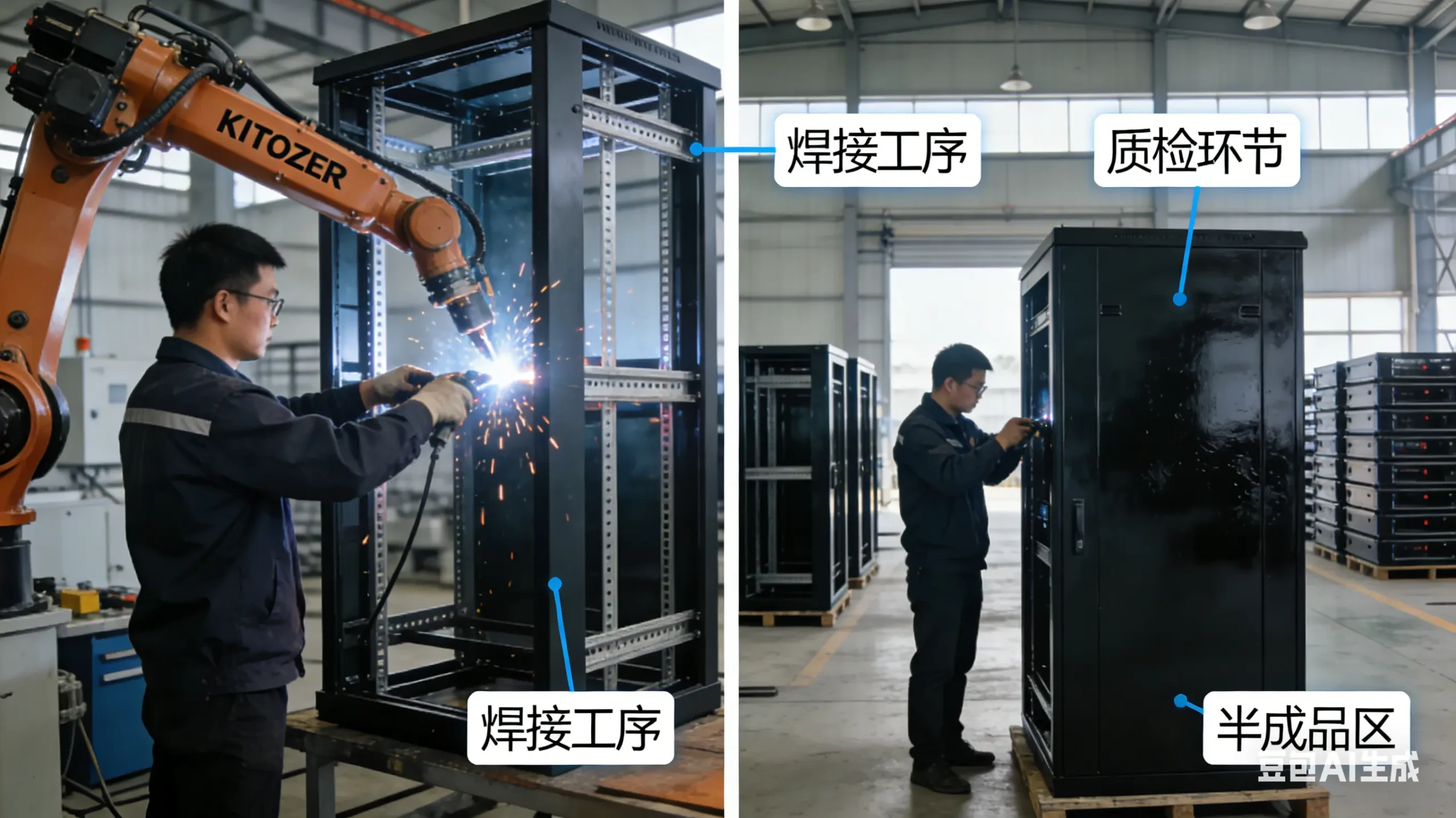
The design basis includes site survey data, load requirements, environmental conditions, applicable codes and the customer’s operational requirements. All parameters are confirmed with the customer before final design.
The design basis records the required outcomes and how they will be observed, the systems and vendors in scope, the interfaces and protocols between them, the data model and ownership, the availability and migration constraints, and the acceptance criteria that will be applied.

Architecture
The system architecture follows the standard structure of this family: Building Intelligence Integration, Campus Intelligence Integration, Command Center Integration, Data Center Integration, Industry Custom Integration. Each element is selected for its function within the overall design.
The architecture is an interface matrix plus a layered design: which system provides each function, which interface carries the data, who owns each mapping, and where the integrated operating picture is assembled. Review confirms that every link has an owner and that no required outcome depends on an undefined interface.

Subsystem Design
- Building Intelligence Integration
- Campus Intelligence Integration
- Command Center Integration
- Data Center Integration
- Industry Custom Integration
Each integration type is designed against its scale and criticality: building and campus integration across one or many networks, command centre integration concentrating many sources into one operating view, data centre integration coordinating infrastructure monitoring, power and cooling, and industry custom integration respecting process and safety requirements. In every case the interface specification, data mapping and end-to-end test are defined together.
Configuration
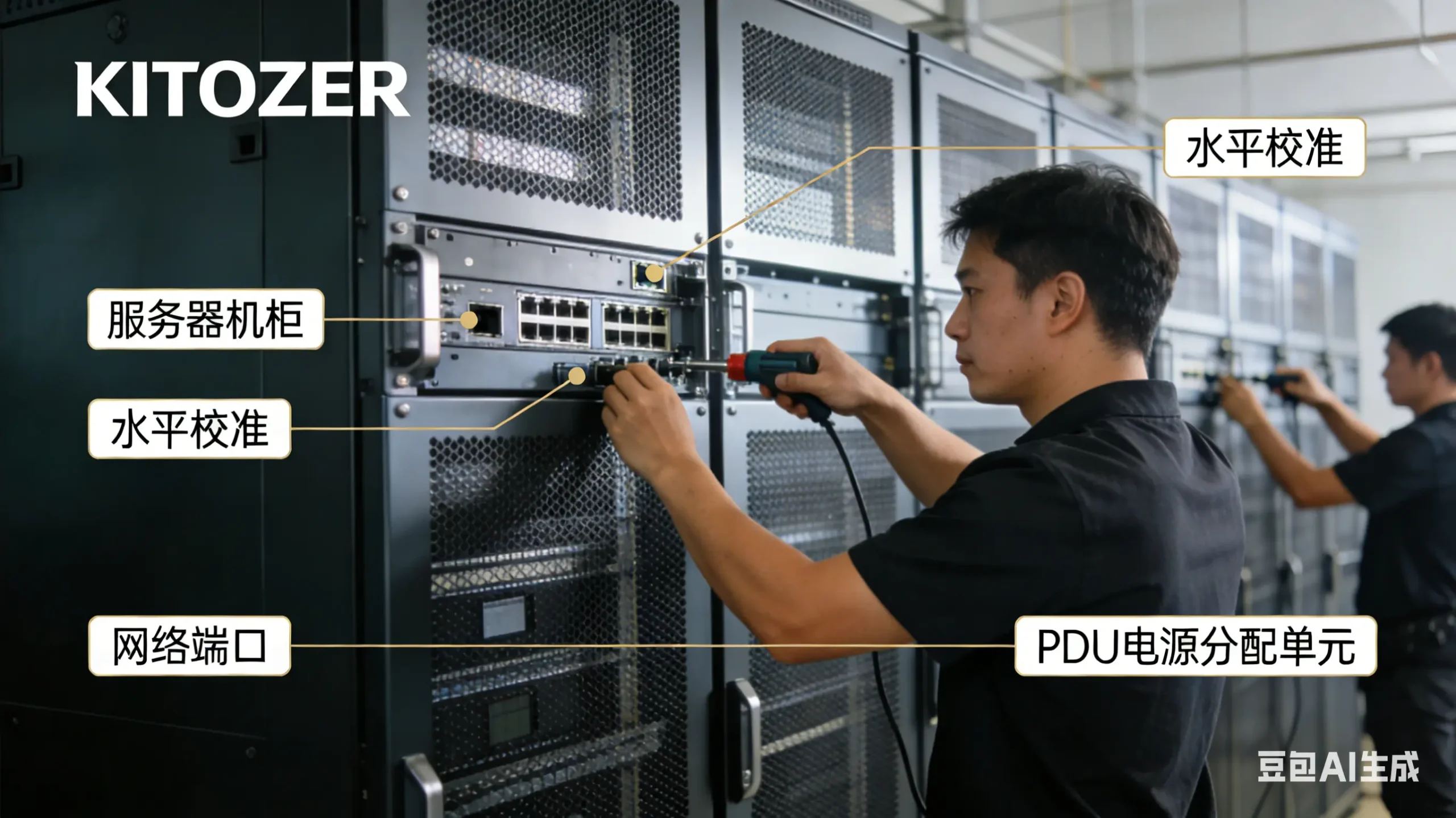
Configuration tiers are defined by capacity, redundancy and environmental class. A preliminary configuration table with model numbers is prepared during the design phase and finalized after technical confirmation.
Configuration tiers follow the number of systems, sites and vendors, with options for staging environments and redundancy in the integration layer. The preliminary configuration is verified against the system inventory, because legacy interfaces and vendor constraints usually decide the feasible approach.
Construction & Commissioning
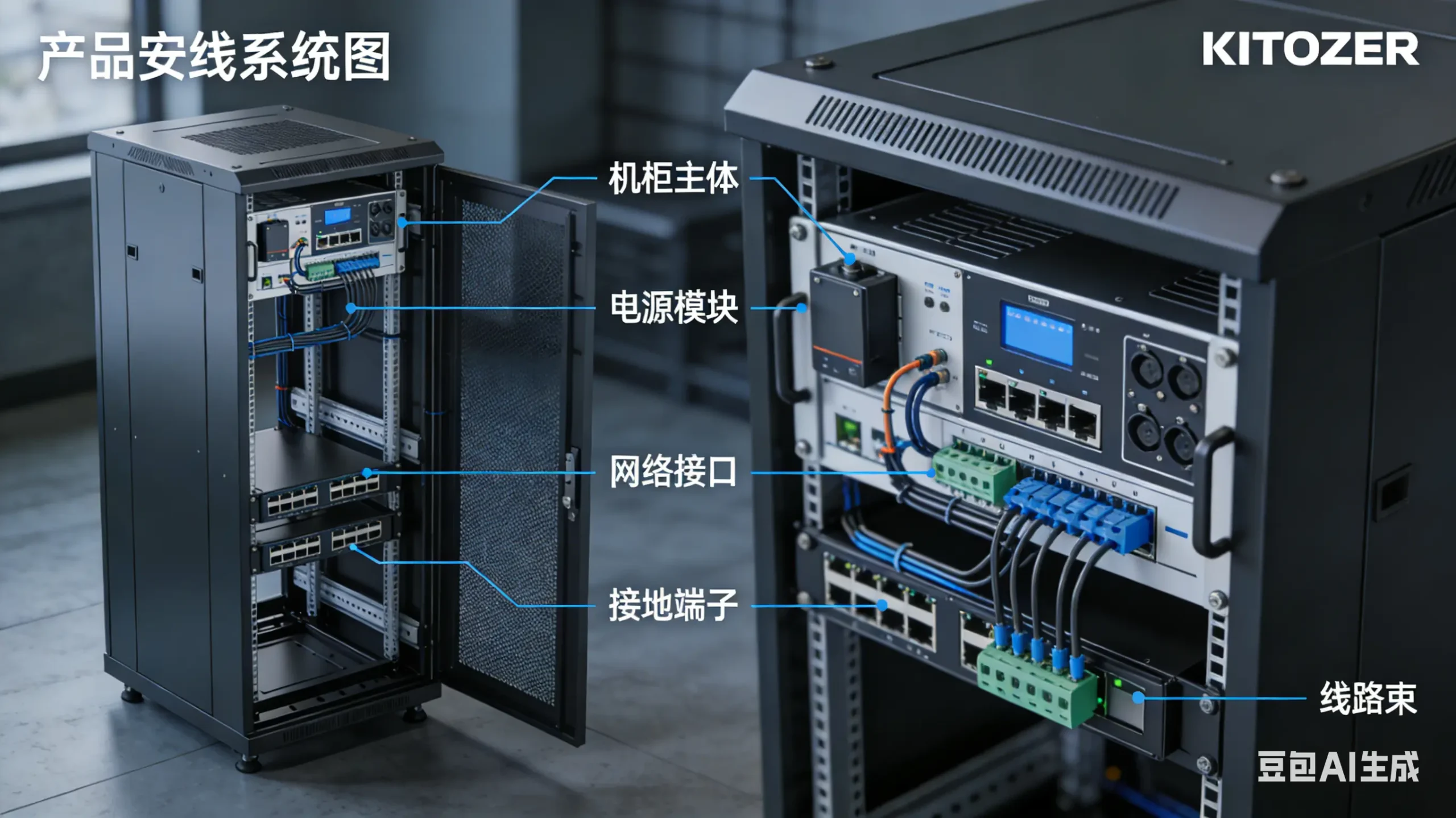
The deployment plan covers site preparation, installation sequence, cabling, testing and acceptance. Commissioning follows a documented checklist to verify each subsystem before handover.
Delivery is staged: the interface matrix is agreed, integration is developed in a staging environment, end-to-end scenarios are executed against the agreed outcomes, and migration to live is carried out with rollback prepared. Where systems stay live, changes are introduced in windows that respect operational constraints.
Testing & Acceptance
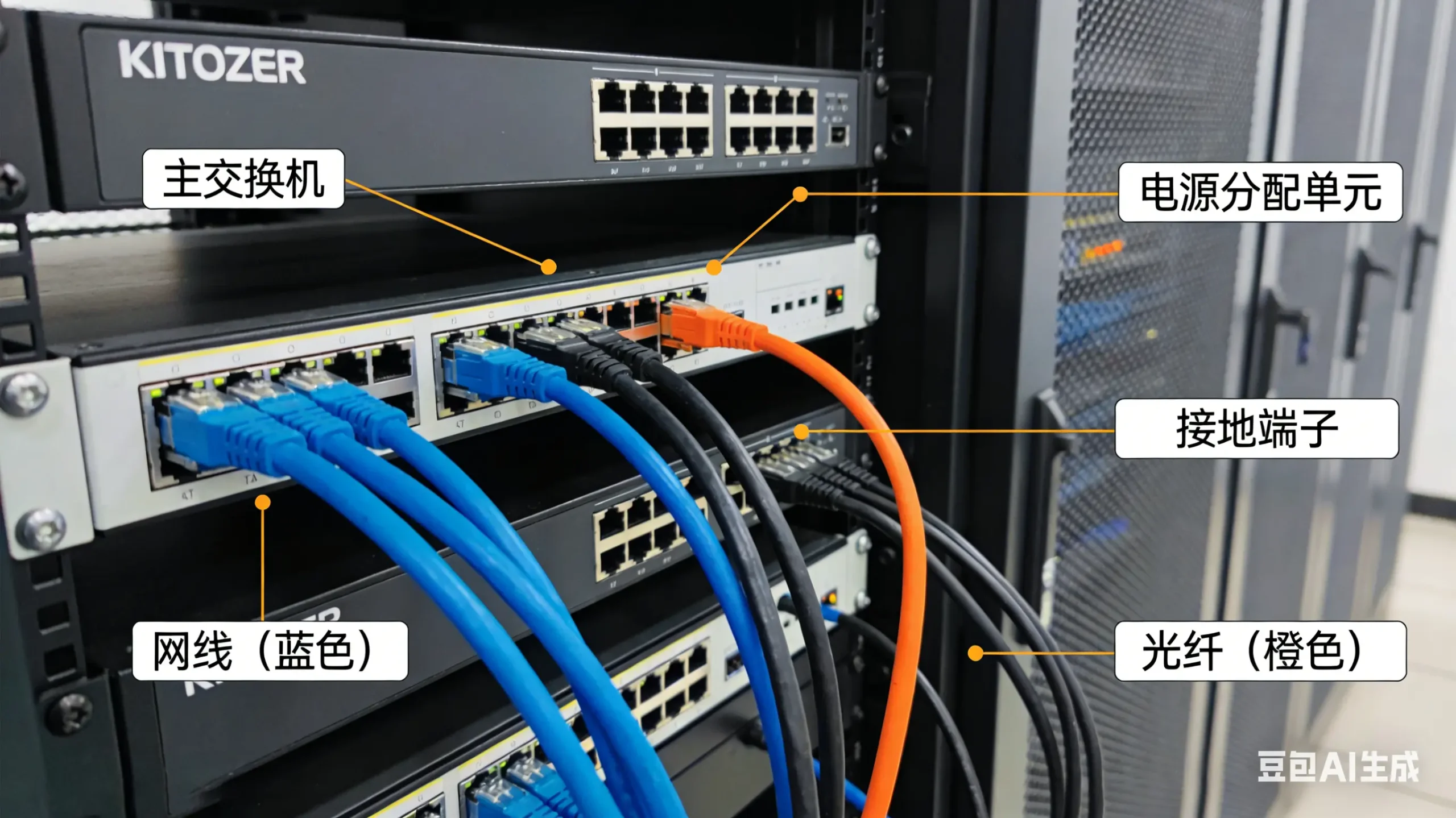
Acceptance testing covers functional tests, safety checks and performance verification against the design objectives. Documentation is delivered with the as-built record.
Acceptance testing runs the agreed end-to-end scenarios against the outcomes, verifies data mapping integrity and monitoring and alerting across the integrated system, and confirms that documentation and training are complete before handover.
FAQ
Frequently Asked Questions about this System Integration design framework — quick reference.
1. Can the design be customized?
Yes; customization follows a documented process covering specification confirmation, engineering review and lead time.
2. What is the design objective?
A converged system that meets its outcomes, with every interface defined and owned and the end-to-end function proven before handover.
3. What data is needed before design?
The required outcomes, systems and vendors in scope, interfaces and protocols, the data model and ownership, and availability and migration constraints.
4. What is an interface matrix?
A document listing every link between systems with its protocol, data mapping and owner — the backbone of the integration design.
5. Why test end-to-end?
Because each system can pass its own tests while the required outcome still fails when the interfaces are exercised together.
6. How is data ownership handled?
By assigning a named owner and mapping for every data point, so the integration stays maintainable after handover.
7. What staging is recommended?
A staging environment that mirrors production, so integration and scenarios are proven before they touch live systems.
8. Can integration be added to operating facilities?
Yes; migration is staged, unaffected systems stay live, and rollback is prepared before each change.
9. What is verified at acceptance?
The agreed end-to-end scenarios, data mapping integrity, monitoring and alerting across the integrated system, and complete documentation and training.
10. What documentation is delivered?
The interface matrix, data mappings, test results, operating and maintenance procedures and operator training.
Conclusion
KITOZER provides design-plan support for System Integration projects. Contact the engineering team for a design questionnaire and preliminary proposal.
Related Products
This design framework applies to System Integration. The objective is a compliant, serviceable and cost-effective configuration built from verified subsystems.
Related Articles
System Integration: Industry & Engineering Guide
System Integration: Technical FAQ
About Guangzhou Lain Intelligent System Development Co., Ltd.
Guangzhou Lain Intelligent System Development Co., Ltd. (KITOZER) provides design-plan support for system integration projects — from requirement questionnaire to configuration, commissioning and handover documentation. From single rooms to enterprise facilities, Lain provides design, manufacturing, integration, testing and after-sales service under one roof and exports worldwide.
Contact us for a free technical consultation:
- Company: Guangzhou Lain Intelligent System Development Co., Ltd.
- Address: 1st Floor, Building A, Chaotian Industrial Park, Zhongrun Industrial Park, Shilou Town, Panyu District, Guangzhou, Guangdong, China
- Tel/WeChat: +86 135-0923-8849 | +86 135-0923-8849
- WhatsApp: +86 135-0923-8849
- Email: zl19068534140@gmail.com
- Website: www.gdlain.com | Request a Quote
Typical response time: within one business day. Project references, drawings and samples are available on request.