1. Overview: What This FAQ Covers
A building automation system (BAS) — also called a building management system (BMS) — centrally controls and monitors a building’s services: HVAC, lighting, energy metering and linked subsystems. It keeps occupants comfortable while minimizing energy use, and it gives facility teams one screen instead of a dozen proprietary panels. This page answers the questions building owners and facility managers ask before commissioning a BAS project.
Guangzhou Lain Intelligent System Development Co., Ltd. designs, supplies and integrates building automation and energy management systems for offices, hotels, hospitals, malls, factories and campuses. The answers below reflect our standard engineering practice.
2. Basics and Scope
2.1 What is a building automation system (BAS)?
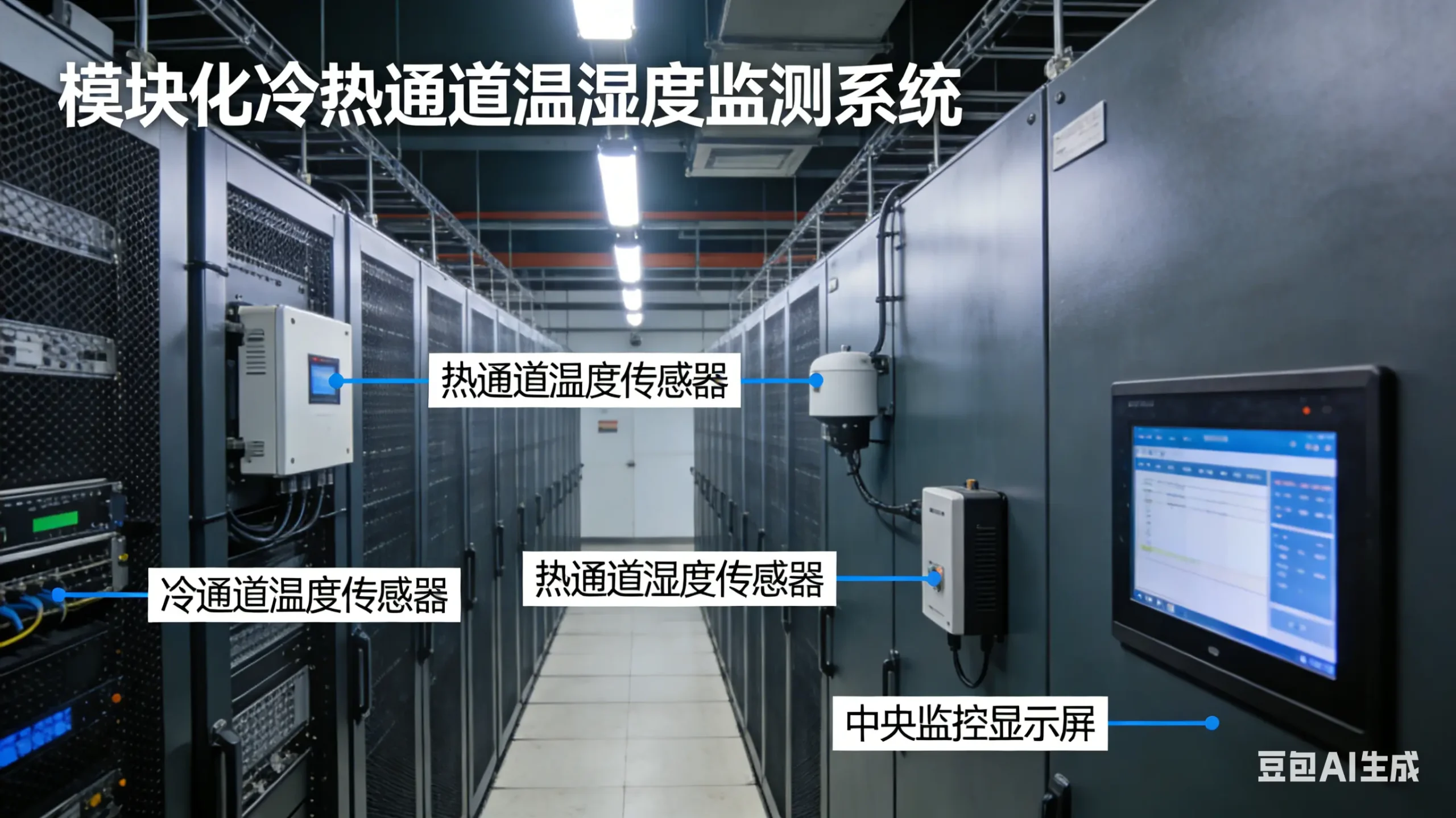
BAS, also called BMS, is a centralized platform that automatically controls and monitors building services — mainly HVAC, lighting and energy — to maintain comfort with the lowest practical energy use. Controllers on each plant (air-handling units, chillers, pumps, lighting panels) report to supervisory software where schedules, setpoints and alarms are managed, and where operators see live status across the whole building.
2.2 Which buildings need a BAS?
Buildings with centralized HVAC above roughly 5,000–10,000 m² — offices, hotels, hospitals, shopping malls, factories, campuses — normally justify BAS. Smaller buildings can use simplified controllers with the same logic: scheduled operation, demand-based ventilation and remote visibility without the full supervisory platform.
2.3 How much energy can it save?
Typical measured savings are 15–30% of HVAC energy through scheduling, demand-based ventilation and optimized start/stop. Payback is usually 1.5–3 years depending on tariffs and building use patterns — and because the savings are metered by the same system, they are documented rather than assumed.
3. Integration and Retrofit
3.1 Can BAS integrate with existing equipment?
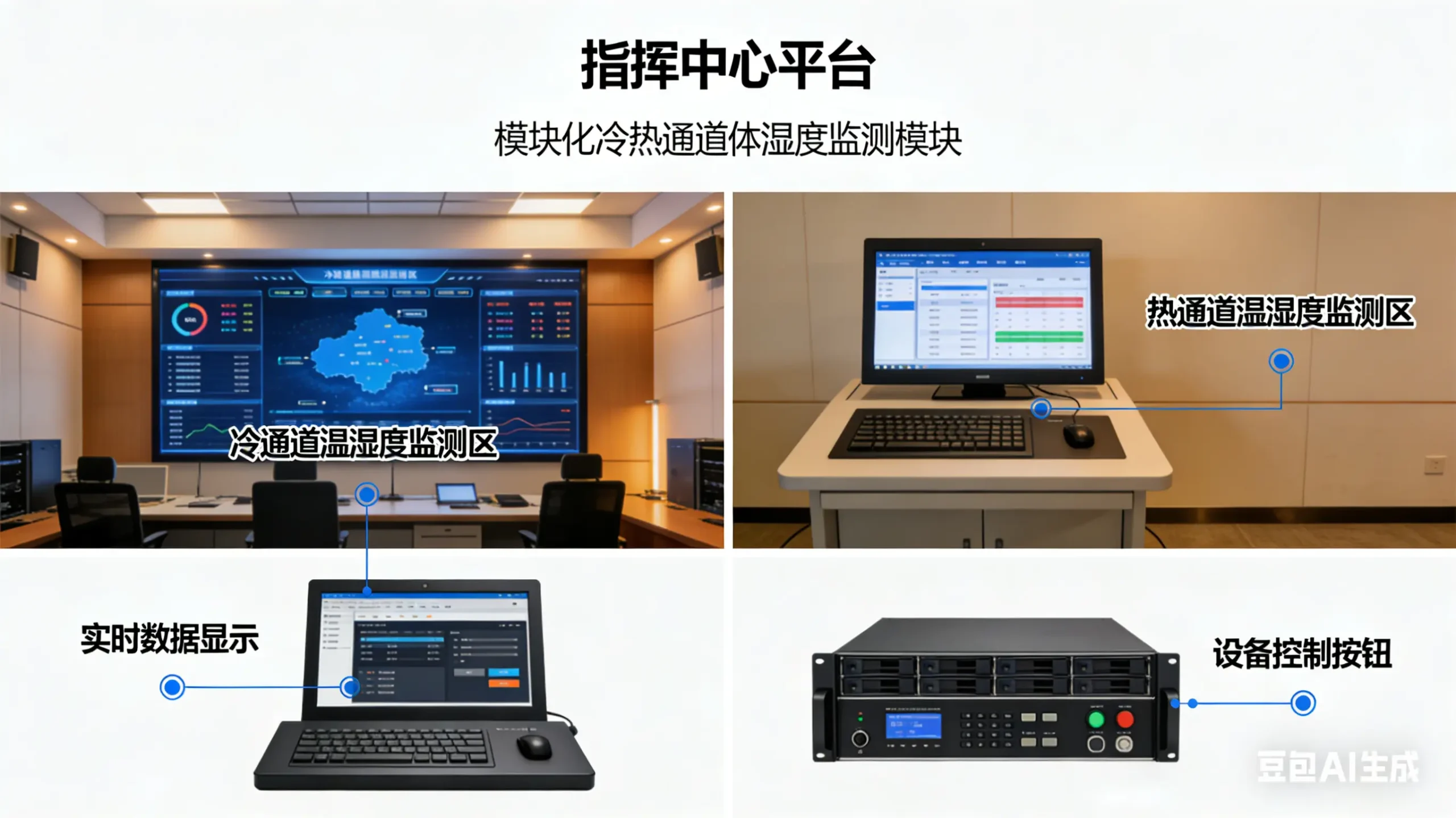
Yes. Any plant with control interfaces — Modbus, BACnet, dry contacts or analog signals — can be connected. Legacy chillers or AHUs without modern ports can be interfaced through I/O modules that read their status and drive their start/stop, so a BAS project rarely requires replacing healthy plant.
3.2 Is it possible to retrofit without stopping the building?
Yes. Retrofits are phased floor by floor or plant by plant, working around occupied hours. Panels are pre-fabricated and tested in the factory so on-site changeover is quick — typically a plant is migrated in a single night or weekend, and occupants never notice the cutover.
3.3 What subsystems can it manage?
Beyond HVAC, the platform manages lighting schedules and dimming, energy and water metering, access and security integration, plus monitoring of lifts, generator and power distribution. Each subsystem connects through its native protocol, and the BAS presents one operator interface with common alarm handling.
4. Safety and Operation
4.1 Does BAS control the fire system?
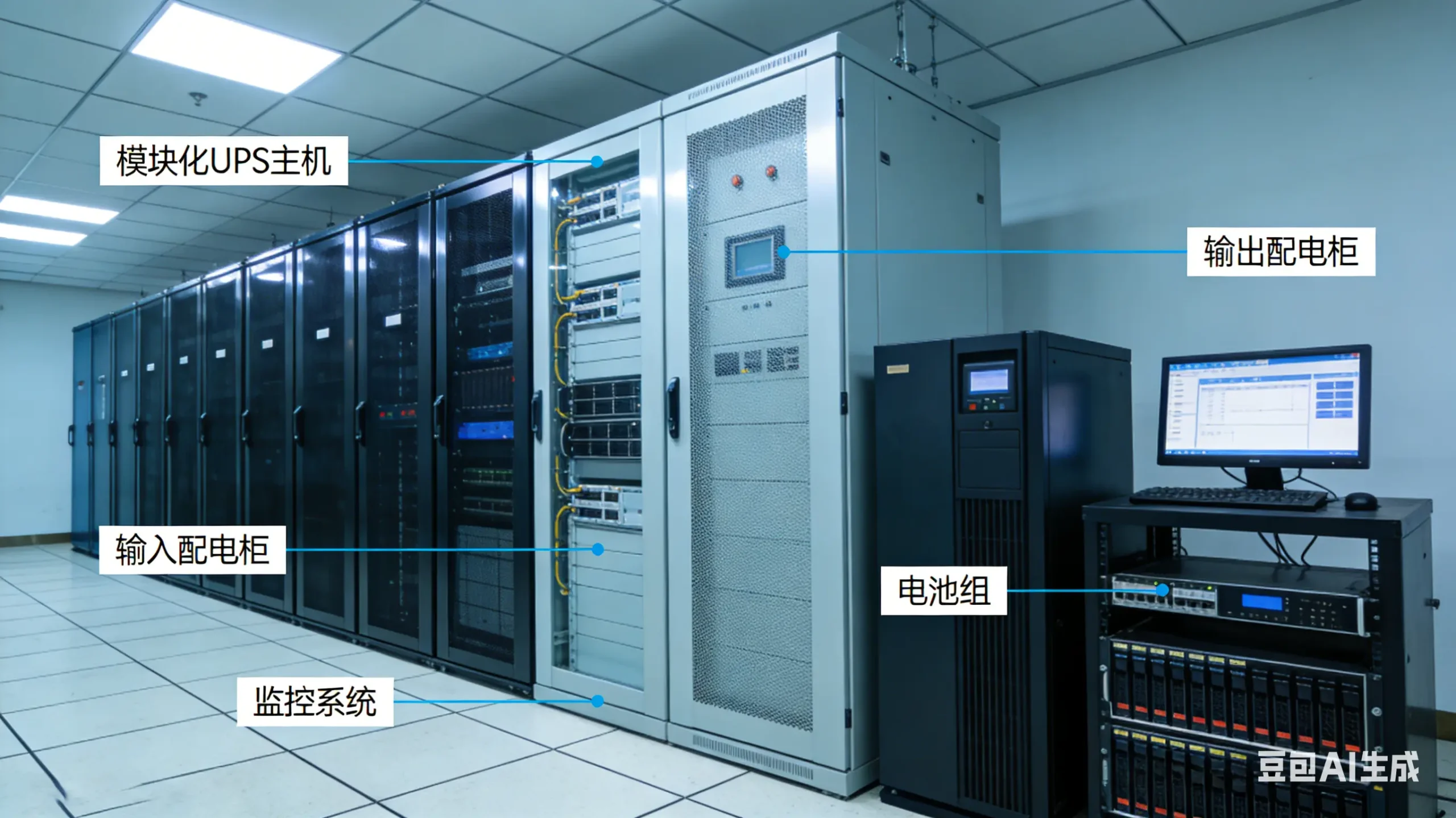
BAS monitors fire alarm status and can switch AHUs into fire-mode per local codes, but the fire alarm system itself remains independent with its own certified controller, as regulations require. The BAS acts on signals from the fire panel; it never becomes the safety system.
4.2 Who operates the system after handover?
Your facility team operates it through a simple graphical interface. We provide training, an operation manual and optional remote monitoring support for the first year, so the handover leaves your staff confident with scheduling, alarms and reporting.
5. Project Delivery
5.1 What is the typical project timeline?
A mid-size building (20,000–50,000 m²) usually takes 8–16 weeks from survey to handover, most of it panel fabrication and field installation; programming continues in parallel. Smaller retrofits complete faster, and enterprise campuses scale with the number of plants and points.
5.2 What does the handover include?
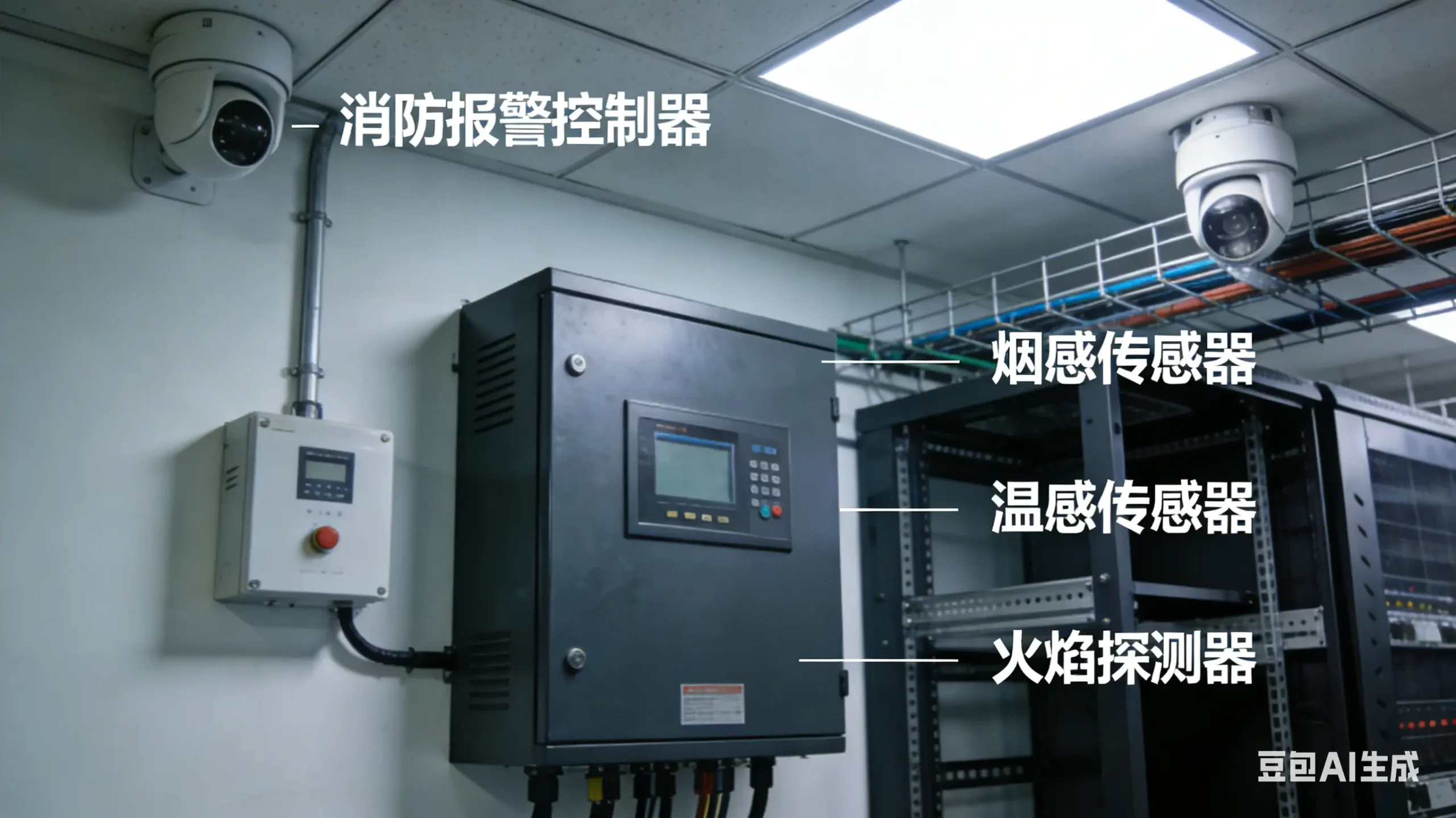
Point schedules, as-built drawings, wiring diagrams, programming records, test certificates, an operation manual and operator training. Every point is commissioned against the design and demonstrated live before acceptance, so “done” means “proven.”
6. Frequently Asked Questions — Quick Reference
Building Automation System FAQ
1. What is a building automation system (BAS)?
BAS, also called BMS, is a centralized platform that automatically controls and monitors building services — mainly HVAC, lighting and energy — to maintain comfort with the lowest practical energy use.
2. Which buildings need a BAS?
Buildings with centralized HVAC above roughly 5,000–10,000 m² — offices, hotels, hospitals, shopping malls, factories, campuses — normally justify BAS; smaller buildings use simplified controllers with the same logic.
3. How much energy can it save?
Typical measured savings are 15–30% of HVAC energy through scheduling, demand-based ventilation and optimized start/stop, with payback usually 1.5–3 years.
4. Can BAS integrate with existing equipment?
Yes — Modbus, BACnet, dry contacts and analog signals connect most plant; legacy chillers and AHUs interface through I/O modules without replacement.
5. Is it possible to retrofit without stopping the building?
Yes — phased floor-by-floor or plant-by-plant retrofits with factory pre-fabricated panels keep occupants unaffected during changeover.
6. Does BAS control the fire system?
BAS monitors fire alarm status and can switch AHUs into fire-mode per local codes, but the fire alarm system remains independent with its own certified controller as regulations require.
7. Who operates the system after handover?
Your facility team operates it through a simple graphical interface, supported by our training, operation manual and optional remote monitoring for the first year.
8. What subsystems can it manage?
HVAC, lighting, energy and water metering, access/security integration, and monitoring of lifts, generator and power distribution — unified on one platform.
9. What is the typical project timeline?
A mid-size building (20,000–50,000 m²) usually takes 8–16 weeks from survey to handover, most of it panel fabrication and field installation.
10. What does the handover include?
Point schedules, as-built drawings, wiring diagrams, programming records, test certificates, operation manual and operator training with live commissioning proof.
7. Related Solutions
- Building Automation System (BAS/BMS): Complete Guide
- Campus Energy Monitoring Integration
- Energy Efficiency Monitoring System
- Data Center Monitoring System
- Campus Security Integration
About Guangzhou Lain Intelligent System Development Co., Ltd.
Guangzhou Lain Intelligent System Development Co., Ltd. supplies and integrates building automation, energy management and monitoring systems for offices, hotels, hospitals, malls, factories and campuses worldwide. From single rooms to enterprise facilities, KITOZER provides design, manufacturing, integration, testing and after-sales service under one roof and exports worldwide.
Contact us for a free technical consultation:
- Company: Guangzhou Lain Intelligent System Development Co., Ltd.
- Address: 1st Floor, Building A, Chaotian Industrial Park, Zhongrun Industrial Park, Shilou Town, Panyu District, Guangzhou, Guangdong, China
- Tel/WeChat: +86 135-0923-8849 | +86 135-0923-8849
- WhatsApp: +86 135-0923-8849
- Email: zl19068534140@gmail.com
- Website: www.gdlain.com | Request a Quote
Typical response time: within one business day. Project references, drawings and samples are available on request.